Do These 6 Things The Moment Your Michigan Melon Vines Start Sprawling
Melons are one of the most rewarding crops a Michigan gardener can grow, and they are also one of the most time-sensitive when it comes to mid-season care.
The moment vines begin sprawling outward is a signal that the plant has shifted into a new phase of growth, one that demands a different set of responses than what worked during establishment.
Michigan’s condensed warm season means there is a narrow window between active vine growth and the point where fruits need to be sizing up consistently to make it to full ripeness before temperatures drop.
Six specific actions taken right when sprawling begins directly influence how many fruits set, how well they develop, and whether the vines stay healthy and productive long enough to actually finish what they started.
1. Give The Vines A Sunny Runway
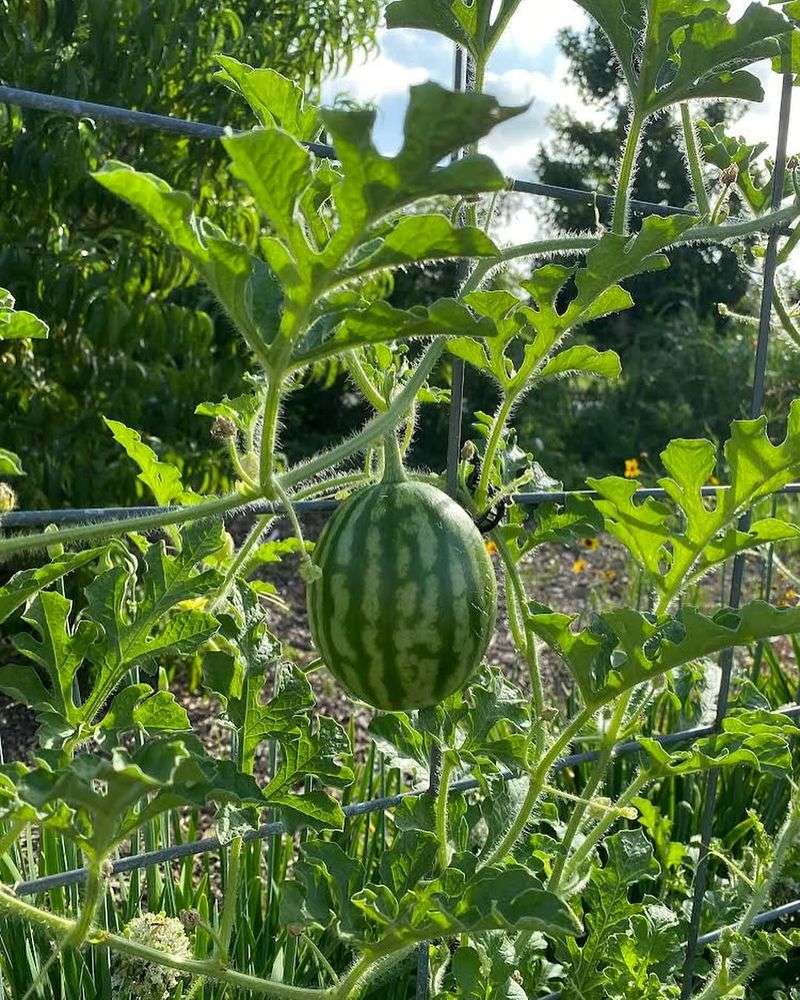
Melon vines are sun chasers by nature, and they will reach toward light with surprising speed once they get going. The moment your vines start sprawling, your first job is to point them in the right direction.
Steer them toward the most open, sunny spot available in your garden, where they can soak up full light for most of the day.
Michigan melons need at least six to eight hours of direct sunlight to develop sweet, flavorful fruit.
If vines wander into shady corners or drift under taller crops like tomatoes or corn, the plants will still grow, but fruit production slows way down.
Shade also creates damp conditions that can encourage disease. Another thing to watch for is vines creeping across garden paths.
Foot traffic is a real problem because vines that get stepped on can snap, bruise, or lose their connection to the root system.
Even slight damage near a developing flower can affect that whole branch of the vine. The good news is that redirecting a young vine takes just a few seconds.
While the stems are still flexible and short, gently pick them up and lay them flat in the direction you want them to grow.
You can use a small rock or a bent wire pin to hold the vine lightly in place without pinching the stem. Think of it like laying out a road for your plants to follow.
The more open, warm, and sunny that road is, the better your melons will grow throughout the Michigan summer season.
2. Add Or Adjust Mulch Carefully
Mulch might not look exciting, but it quietly does some of the most important work in your melon patch.
Once your vines start spreading, taking a closer look at your mulch situation can make a noticeable difference in how your plants perform through the rest of the season.
Black plastic mulch is a popular choice among Michigan melon growers because it warms the soil quickly in spring, which is exactly what cold-sensitive melon roots need.
The catch is that black plastic works best when it is laid down before planting or very early in the season.
Trying to fit it around sprawling vines later is tricky and can disturb shallow roots. If your vines are already running and you want to add mulch now, straw is your best option.
Your Michigan Garden Changes Every Week. Your Plan Should Too.
Gardening in Michigan changes quickly throughout the season. Every Friday you’ll receive a simple weekly plan showing exactly what to plant, prune, fertilize, harvest, and protect so you never miss the right timing.
It is loose, easy to tuck under vines, and does a solid job of keeping soil moisture steady between waterings.
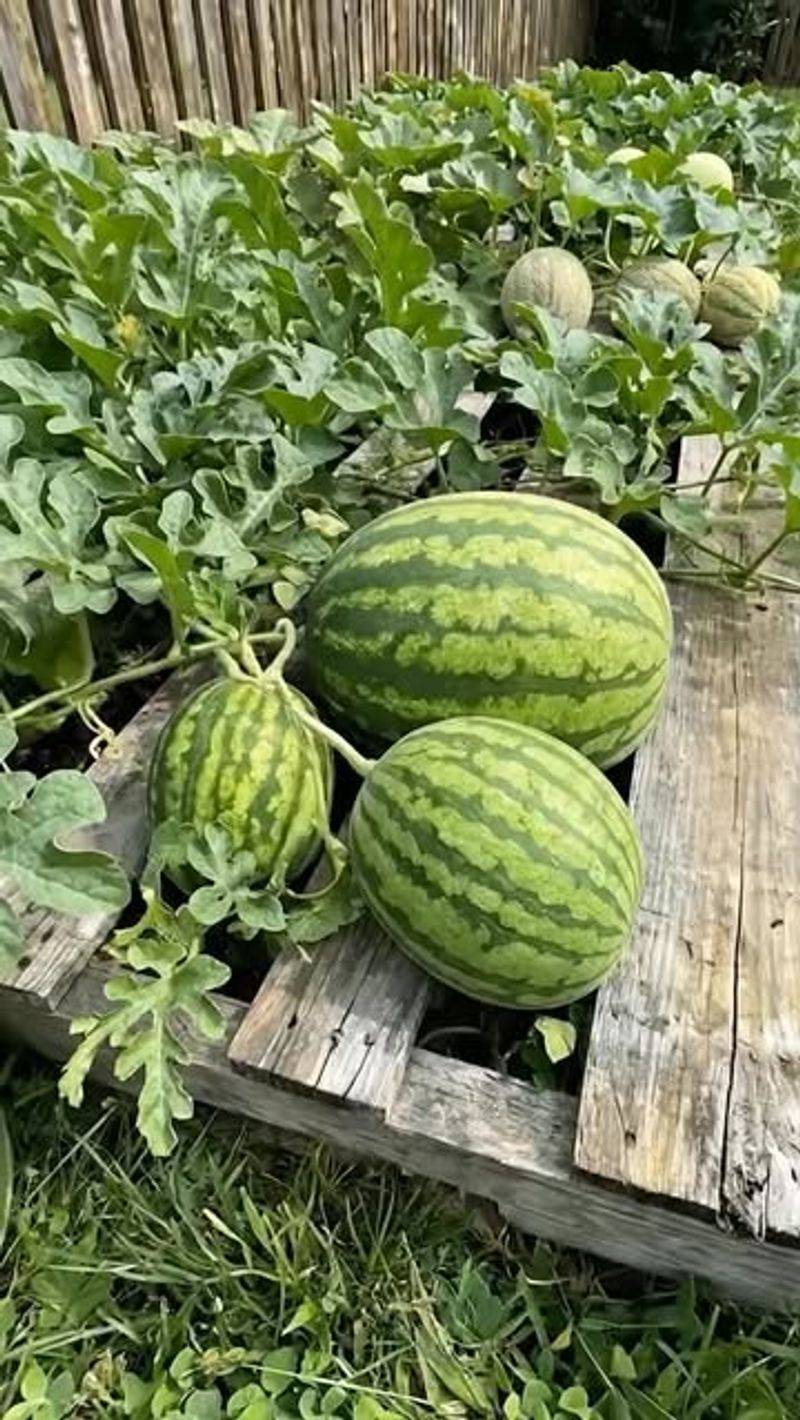
Straw also lifts developing fruit off bare, damp soil, which helps prevent soft spots and rot on the underside of the melon.
One thing to be careful about is mulching too close to the crown of the plant, which is the main base where the stem meets the soil.
Piling material there can trap moisture and cause problems for the plant over time. Keep mulch a few inches away from the crown and spread it outward under the vine canopy.
Fresh straw applied about two to three inches deep does the job well. It keeps weeds down, holds in warmth, and gives your melons a clean, dry surface to rest on as they grow.
3. Train Vines Before They Tangle
There is a short window of time when melon vines are still easy to work with, and that window closes faster than most gardeners expect.
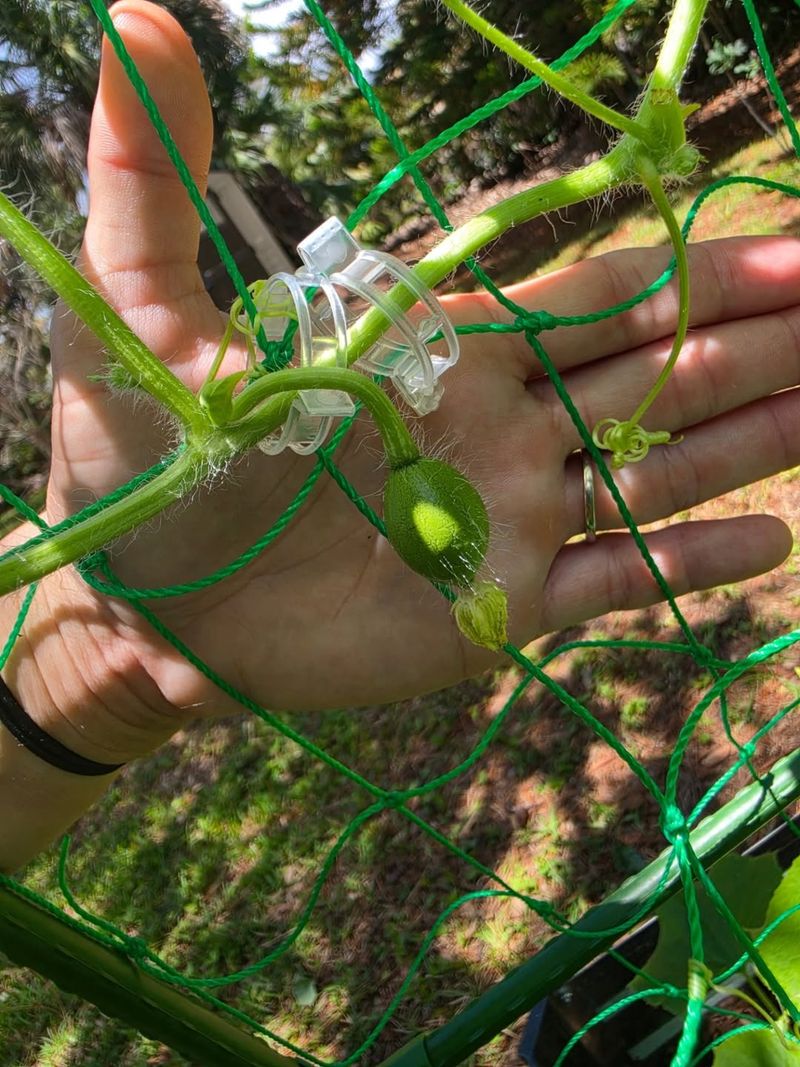
Right now, while those stems are young and bendable, is exactly the right moment to start training them into a smart layout that will serve you all season long.
Start from the crown of the plant and work outward. Each main vine should have its own lane to follow, with enough space between vines so leaves are not piling on top of each other.
Good airflow between vines reduces humidity, which is a real plus in Michigan’s sometimes muggy summer weather. Keeping your garden paths clear is just as important as spacing the vines themselves.
You need to be able to walk through your melon patch to water, check for pests, spot-check ripeness, and eventually harvest.
If vines block every path, you end up stepping over or around them awkwardly, and that increases the chance of accidentally damaging a stem or disturbing a young fruit.
Waiting too long to train vines creates a tangled mess that is genuinely hard to sort out. Once flowers appear and small melons start forming, moving vines becomes risky.
Fruit that gets jostled or twisted at an early stage can drop off the vine or develop unevenly.
A few minutes of gentle vine guiding every couple of days during this early sprawling phase keeps everything organized.
Use soft plant ties, old nylon strips, or just your hands to nudge stems into place. Your future self, standing in a tidy, productive melon patch, will absolutely appreciate the effort.
4. Switch To Soil-Level Watering
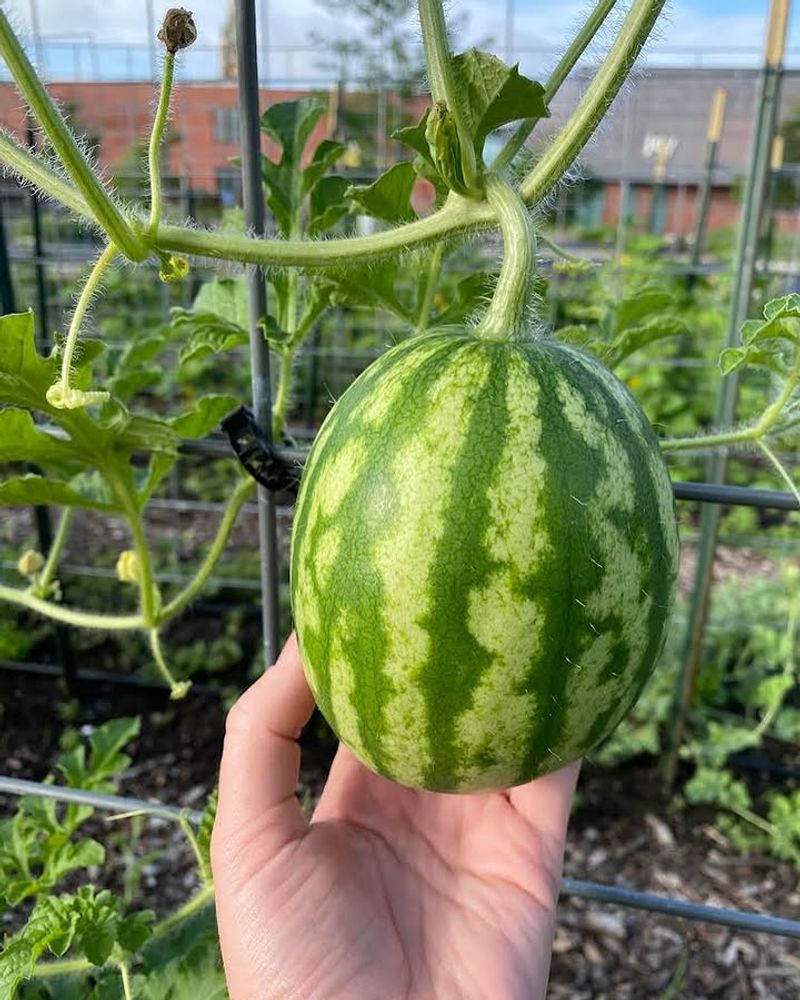
Water is everything to a melon plant, but how you deliver that water matters just as much as how much you give.
Once your vines start sprawling and flowers begin to form, shifting to soil-level watering is one of the smartest moves you can make. Drip irrigation is the gold standard for melon growing.
A simple drip line or soaker hose laid along the base of your plants delivers moisture right where roots need it most, slowly and steadily.
This method keeps the leaves dry, which is a big deal in Michigan where warm, humid summer air can encourage fungal problems on wet foliage.
If you do not have drip irrigation, you can still water effectively by aiming your hose or watering can directly at the soil near the base of the plant.
Go slow and let the water soak in rather than rushing through.
Melons develop deep root systems and benefit from a good, thorough soaking rather than frequent shallow sprinkles. Timing matters too.
Morning watering is ideal because any accidental splash on leaves has time to dry before evening.
Watering late in the day and leaving foliage wet overnight creates exactly the damp conditions that powdery mildew and other fungal issues love.
During flowering and early fruit development, consistent soil moisture is especially critical.
Irregular watering, meaning too dry then suddenly soaked, can cause fruit cracking or uneven development.
Aim to keep the root zone evenly moist throughout the growing season, checking soil moisture a few inches deep every couple of days to stay ahead of dry spells.
5. Keep Flowers Open For Pollinators
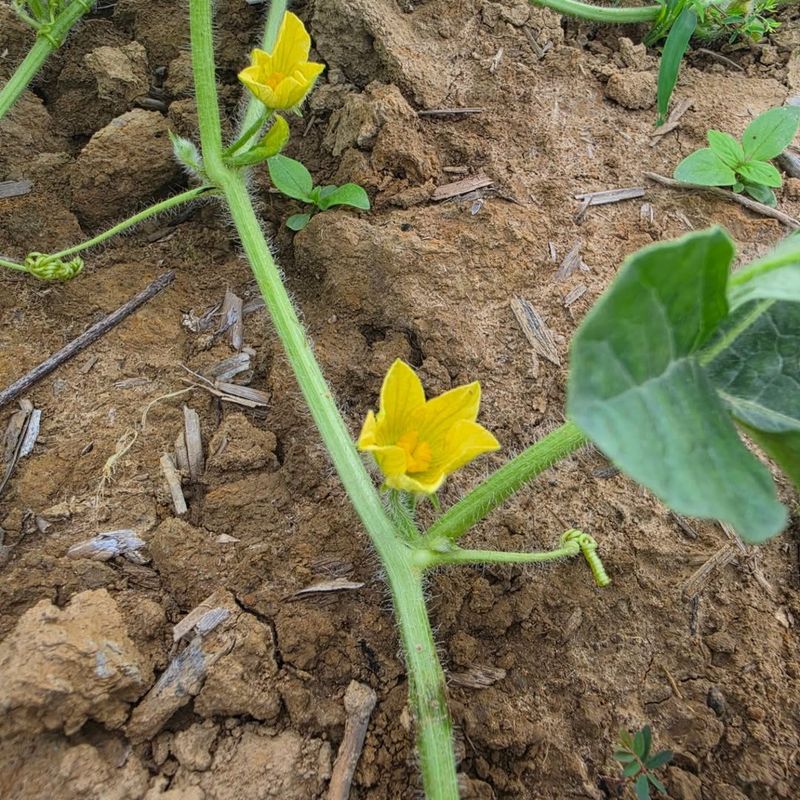
Watching the first yellow flowers pop open on your melon vines is genuinely exciting because it means fruit is right around the corner. But those flowers need help.
Bees, bumblebees, and other pollinators are the key players in turning those blossoms into actual melons, and your job is to make sure they have easy access.
If you have been using row covers to protect your young plants from cold snaps or early-season insects, now is the time to open them up.
Row covers work great for warming soil and blocking pests, but they also block pollinators.
Female melon flowers have a very short window when they are ready to receive pollen, sometimes just one day, so timing matters a lot.
Watch for female flowers, which are easy to spot because they have a tiny round swelling at the base of the blossom. That little bump is the beginning of a melon.
Once you see female flowers starting to open, remove your row covers during the day so bees can get in and do their work.
Some gardeners choose to hand pollinate using a small paintbrush or a cotton swab to transfer pollen from a male flower to a female flower.
This is a great backup option if you notice few bees visiting your garden. Hand pollination early in the morning, when flowers are fully open, gives the best results.
Strong pollination leads directly to better fruit set, more even shape, and larger, sweeter melons at harvest.
Skipping this step or leaving covers on too long is one of the most common reasons Michigan gardeners end up with vines full of flowers but very little fruit.
6. Feed Carefully And Avoid Too Much Nitrogen

Feeding your melon plants feels like doing something obviously helpful, and it usually is, but the timing and type of fertilizer you choose can seriously shape the outcome of your harvest.
Once your vines start running, the plant’s nutritional needs shift, and what you apply right now should reflect that change.
Nitrogen is the nutrient that drives leafy, lush green growth, which sounds great until you realize it can work against you at this stage.
Too much nitrogen when vines are actively sprawling encourages the plant to keep pushing out more leaves and stems instead of focusing energy on flowers and fruit.
You end up with a gorgeous, bushy vine and not much else to show for it come harvest time. If you have not done a soil test recently, this is a good moment to think about doing one.
Michigan State University Extension offers affordable soil testing that tells you exactly what your soil needs, taking the guesswork out of fertilizing.
Sandy soils common in parts of Michigan drain nutrients quickly and may genuinely need more feeding than heavier loam soils.
Compost worked lightly into the soil around plants is a safe, balanced option at this stage. It releases nutrients slowly and improves soil structure at the same time.
If you prefer a packaged fertilizer, look for one with lower nitrogen and higher phosphorus and potassium numbers, something like a 5-10-10 ratio, which supports root development, flowering, and fruit formation.
Once flowers are open and small melons are forming, ease back on feeding altogether.
The plant is in full production mode and needs steady moisture and sunlight far more than extra nutrients at that point.