The One Mulch Gap Michigan Gardeners Should Close Before Late-Summer Weed Seeds Drop
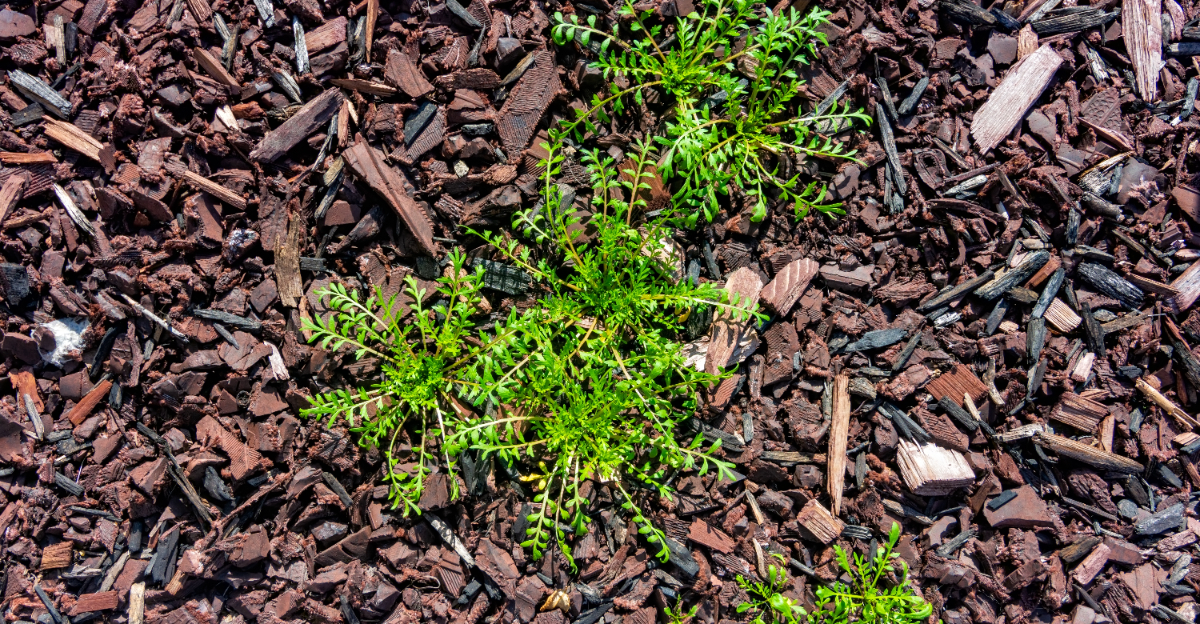
Michigan mulch beds are quietly running out of protection just as the weather turns unpredictable. Late summer heat and steady rain have already thinned coverage across more yards than most gardeners even realize yet.
What looks like a solid layer from the porch often tells a completely different story once you get up close. Bare patches hiding beneath leaves and stray debris are exactly what opportunistic weed seeds have been searching for all along.
This is not the kind of problem that waits patiently for a more convenient moment to show up. Seeds dropping into your beds this month will settle in fast, and they will not bother asking permission before taking root.
A quick fix today beats a stubborn, sprawling mess once spring finally rolls around again.
Thin Coverage Areas Let Weed Seeds Reach Bare Soil
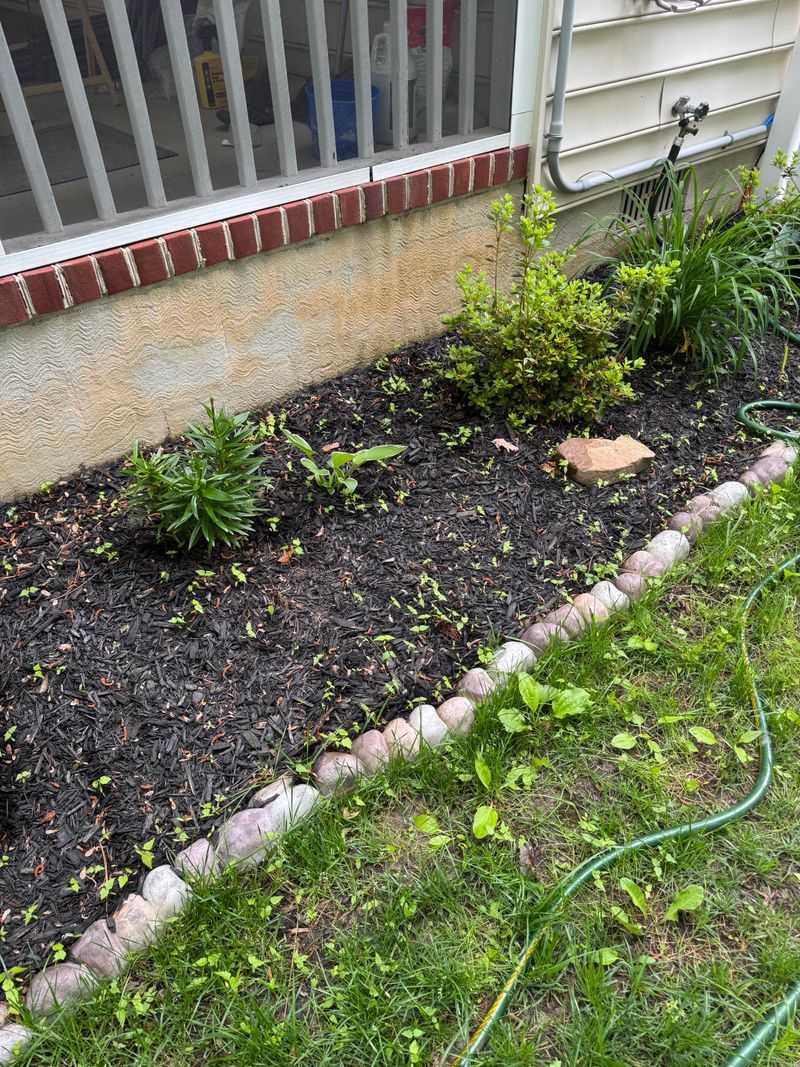
Bare soil is an open invitation. When mulch thins out, even a light breeze can carry weed seeds straight to the ground below.
Late summer in Michigan brings some of the heaviest seed drops of the year. Crabgrass, purslane, and pigweed all release seeds in August and September.
A thin mulch layer of just one inch gives seeds a soft landing spot. They settle in, find moisture, and start germinating before the first frost even arrives.
Checking your beds now takes only a few minutes. Walk the perimeter and press your hand into the mulch to feel how deep it actually is.
Spots that feel firm or where you can see soil are your problem zones. Those gaps are where the mulch gap in your Michigan garden needs immediate attention.
Garden centers still stock fresh mulch in August, so supplies are easy to find. Shredded hardwood and wood chips both work well for blocking seed contact with soil.
Aim to top off any area where coverage has dropped below two inches. Even a quick patch job now will stop hundreds of seeds from taking root.
Late-season weeds are especially aggressive because they race to set seed before cold weather hits. Stopping them at the germination stage is far easier than pulling established plants in October.
Closing this gap is not complicated. A single afternoon of topping off thin spots can protect your beds through the rest of the growing season and well into spring cleanup.
Late Summer Timing Makes This Oversight Especially Costly
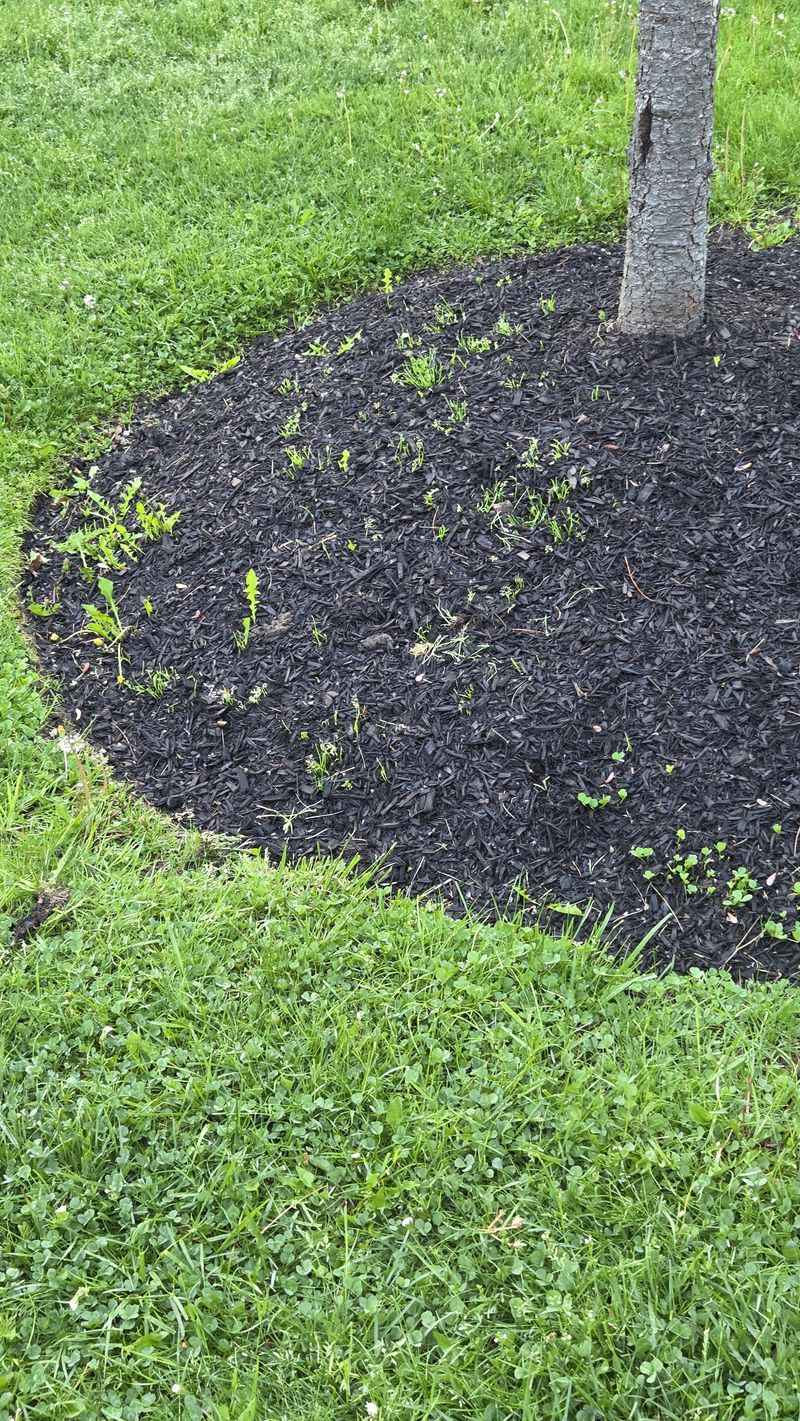
August timing matters more than most gardeners tend to realize. Weed seeds maturing right now are counting on exactly the kind of gaps that build up over a long season.
Mulch naturally breaks down and settles as summer progresses through the months. A solid three inch layer back in May can thin out considerably by late August without anyone noticing.
This timing lines up closely with peak seed release for many common weeds across Michigan properties. A gap that barely mattered back in June becomes a direct pipeline for germination once late summer arrives.
Heat and humidity during this stretch also speed up decomposition, pulling nutrients from the mulch layer steadily. Gardeners who topped off their beds back in spring often assume that early work still holds strong.
Your Michigan Garden Changes Every Week. Your Plan Should Too.
Gardening in Michigan changes quickly throughout the season. Every Friday you’ll receive a simple weekly plan showing exactly what to plant, prune, fertilize, harvest, and protect so you never miss the right timing.
In reality, four months of weather have quietly undone much of that original effort. Waiting until fall to address thin spots means missing the narrow window when action actually prevents problems.
Once seeds reach bare soil, mulch added later does little to stop them from rooting in. The cost of this delay shows up months down the line, long after the oversight has been forgotten.
A property that looked perfectly fine in August can turn into a real weed problem by October. All because a thinning layer went unnoticed during the exact window when it mattered most for the season.
Edges Along Beds And Walkways Often Get Overlooked
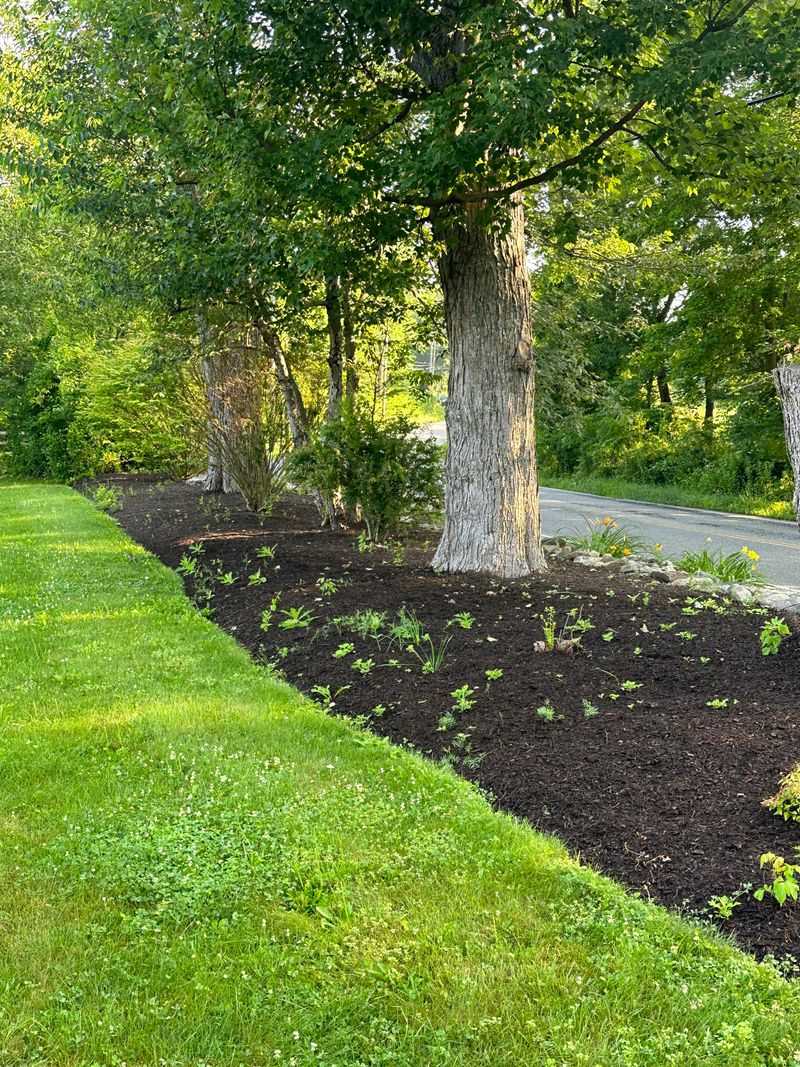
Bed edges and walkway borders wear thin faster than the rest of a mulched area. Foot traffic, runoff from rain, and edging tools all push mulch away from these zones steadily.
Gardeners tend to focus most of their attention on the center of a bed, where plants draw the eye naturally. The narrow strips along edges get far less scrutiny, even though they border lawns and paths where seeds travel easily.
These edge zones also dry out faster than interior sections of the same bed. This oddly makes them more inviting to weed species that prefer disturbed, less stable soil conditions.
Wind exposure along open borders adds another layer to the problem entirely. It carries mulch particles away from the very spots that need protection most during late summer months.
Walkways compound the issue further, since regular foot traffic compacts both soil and mulch over time. This steady pressure pushes material outward with every single step taken across the path.
Over a full summer, this wear can leave border areas noticeably shallower than the bed’s interior just a few feet away. Walking the full perimeter of every bed catches these problem spots before they turn into weed corridors.
A five minute check along every edge and path border is often more revealing than a longer look at the open center of a bed.
A Two To Three Inch Layer Blocks Seed Germination
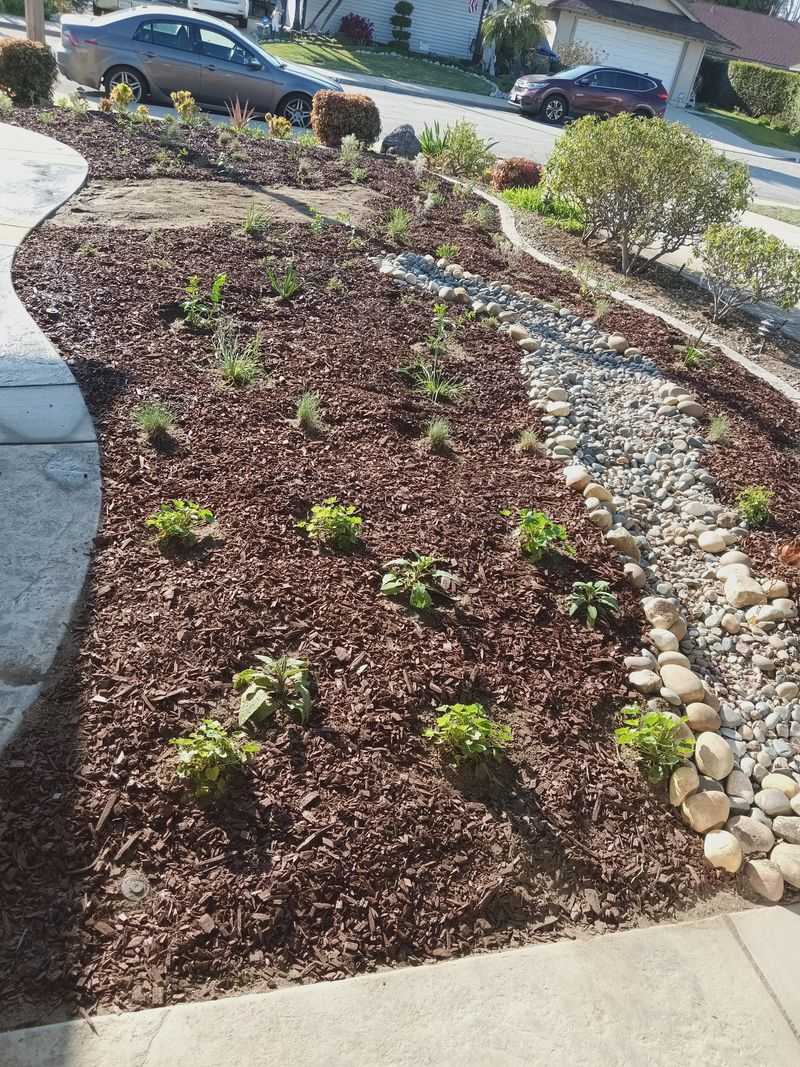
Depth is the factor that actually determines whether mulch does its job well. A layer under two inches lets sunlight reach the soil surface, which is often the trigger many weed seeds need.
Two to three inches strikes the right balance for most landscape beds across Michigan yards. It blocks light effectively while still allowing water and air to reach plant roots sitting underneath.
Piling mulch higher than four inches can create its own set of separate problems. This includes trapped moisture against stems and reduced oxygen flow down to the root zone below.
More material is not automatically better once a bed passes that three inch mark. Thick piles sitting near trunks can even invite rot over time if left unchecked through the season.
Different mulch types also settle at different rates, which means depth needs periodic rechecking rather than a single measurement. Shredded hardwood tends to compact tighter than coarse wood chips do over the same period.
Measuring depth with a small ruler or garden trowel takes less time than guessing by eye alone. Consistent depth across the entire bed, not just the visible high points, is what keeps weed seeds from finding an opening.
Newly applied mulch also needs a light watering to help it settle into place properly. This extra step helps particles bind together, which makes the layer more resistant to shifting during heavy rain.
Checking Coverage Monthly Prevents Fall Weed Overgrowth
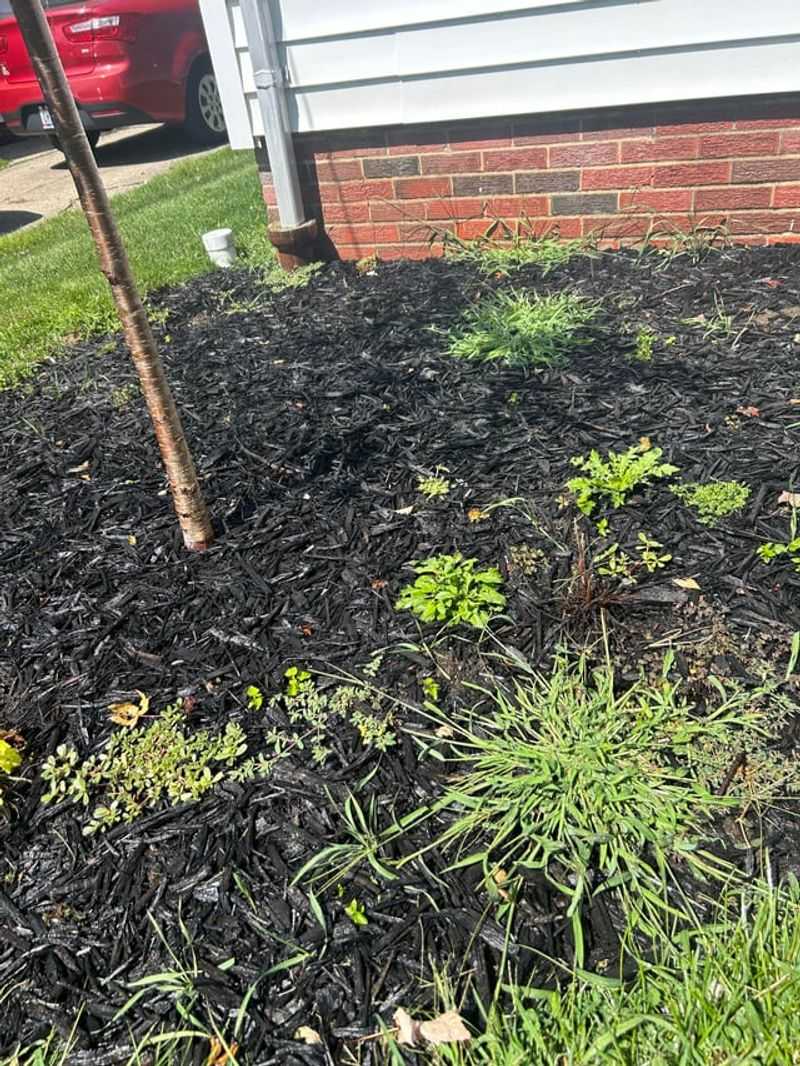
A single check back in spring is not enough to keep mulch doing its job all season long. Rain, wind, and natural decomposition all chip away at coverage steadily between April and October.
Building a monthly walk-through into your routine catches thin spots long before they turn into a real problem. This does not need to be a long process, just a few minutes spent per bed.
September checks matter most in Michigan, since this is when late season weed pressure peaks alongside continued mulch breakdown from summer storms. Catching a gap during this window stops problems before they surface as new growth.
Skipping even one monthly check can let a small thin spot expand quickly, especially in beds that see heavy rain runoff nearby. What looks minor in early September can double in size within just a few weeks.
Keeping a simple note of when you last topped off each bed makes this habit far easier to maintain over time. A basic calendar reminder or a line in a garden journal is often all it takes to stay ahead of things.
Pairing these checks with a quick look at nearby plant health often reveals other issues early as well. Catching a coverage gap and a stressed plant in the same visit saves a separate trip later.
Closing This Gap Now Saves Spring Cleanup Time
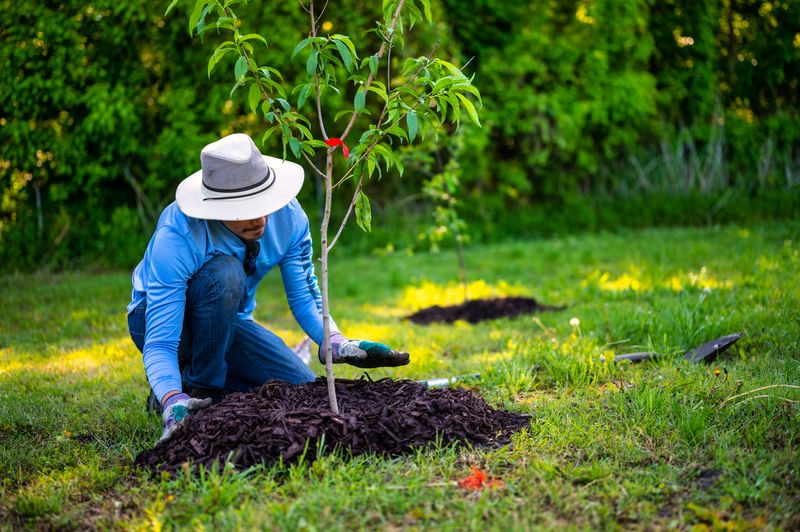
Every hour spent topping off mulch in late summer saves considerably more time once spring finally arrives. Weeds that never get the chance to establish this fall simply will not be there to pull later.
Spring cleanup often becomes overwhelming precisely because of what happened the previous fall season. Seeds that settled into bare patches back in September spend the winter waiting quietly beneath the surface.
They emerge as an established weed population the moment temperatures start to rise again in spring. Addressing coverage now, while mulch is still readily available at local garden centers, is far less demanding than the alternative.
A short session with a wheelbarrow in August beats a full weekend of pulling weeds come March. Established weeds also develop deeper root systems over winter, making spring removal a much bigger task overall.
What takes minutes to prevent in late summer can take hours to undo once roots have settled in fully. Gardeners across Michigan who make this a late summer habit consistently report far less weed pressure come spring.
Setting aside just one afternoon this month is a small trade for the free time it buys back next year. Beds that carry solid coverage into fall tend to need noticeably less attention once the growing season starts again.