The June Watering Schedule Ohio Gardeners Use To Survive The First Heat Wave
Ohio’s first real heat wave of summer catches a lot of gardeners off guard. Spring watering habits carry over into June, the temperature spikes, and plants that looked completely fine a week ago start showing stress faster than anyone expected.
The schedule that worked in May stops working almost overnight. June heat in Ohio is different from what comes later in summer.
It arrives before plants have fully adjusted, before soil moisture patterns have stabilized, and before most gardeners have thought seriously about changing anything. A watering schedule built specifically for Ohio’s first heat wave does not just keep plants alive.
It keeps them performing through a stretch that sets the tone for the rest of the summer. Timing, frequency, and where water actually lands all matter more during this window than at almost any other point in the garden calendar.
Get it right now and July becomes significantly more manageable.
1. Water Early Before June Heat Starts Pulling Moisture Fast
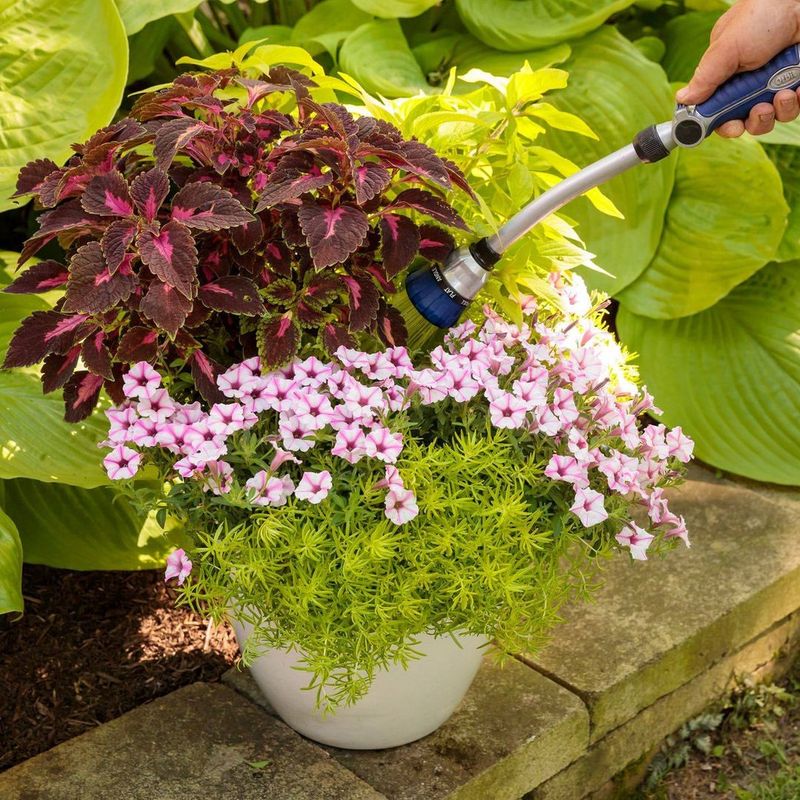
A garden can look fine at breakfast and tired by lunch when the first real heat wave settles in. Morning is the most reliable window for watering, and experienced local gardeners treat it like a non-negotiable habit during June heat stretches.
Getting water to the root zone before temperatures climb gives plants a head start that midday or afternoon watering simply cannot match.
When you water early, soil has time to absorb moisture before the sun starts pulling it back out through evaporation. Afternoon watering wastes more water and does less for stressed roots.
Early morning also gives any wet foliage time to dry before evening, which helps reduce the conditions that encourage fungal problems on leaves.
Aim to finish watering before 9 or 10 in the morning if possible. You do not need to water every plant in the yard each day.
Focus on containers, new transplants, and any beds that looked dry the evening before. Established perennials and shrubs with good root systems often handle a day or two between deep waterings without showing stress.
Morning watering is about consistency and timing, not about soaking every corner of the yard on a rigid daily clock.
2. Check Soil Before Following Any Fixed Schedule
Sticking to a fixed watering schedule without checking the soil first is one of the most common ways gardeners waste water and still end up with stressed plants. A schedule built on the calendar does not know that it rained last Tuesday.
It also does not know that your clay beds are still holding moisture or that your sandy raised beds dried out overnight. Soil tells you what the calendar cannot.
The simplest check is to push two fingers about two inches into the soil near the plant’s root zone. If the soil feels moist and cool at that depth, most plants can wait another day.
If it feels dry and crumbly, watering is needed. For containers, lift the pot.
A noticeably light pot usually means the mix has dried out enough to need water.
Your Ohio Garden Changes Every Week. Your Plan Should Too.
Gardening in Ohio changes quickly throughout the season. Every Friday you’ll receive a simple weekly plan showing exactly what to plant, prune, fertilize, harvest, and protect so you never miss the right timing.
Leaf wilt alone is not always a reliable signal. Some plants wilt slightly during peak afternoon heat and recover on their own by evening without any extra water.
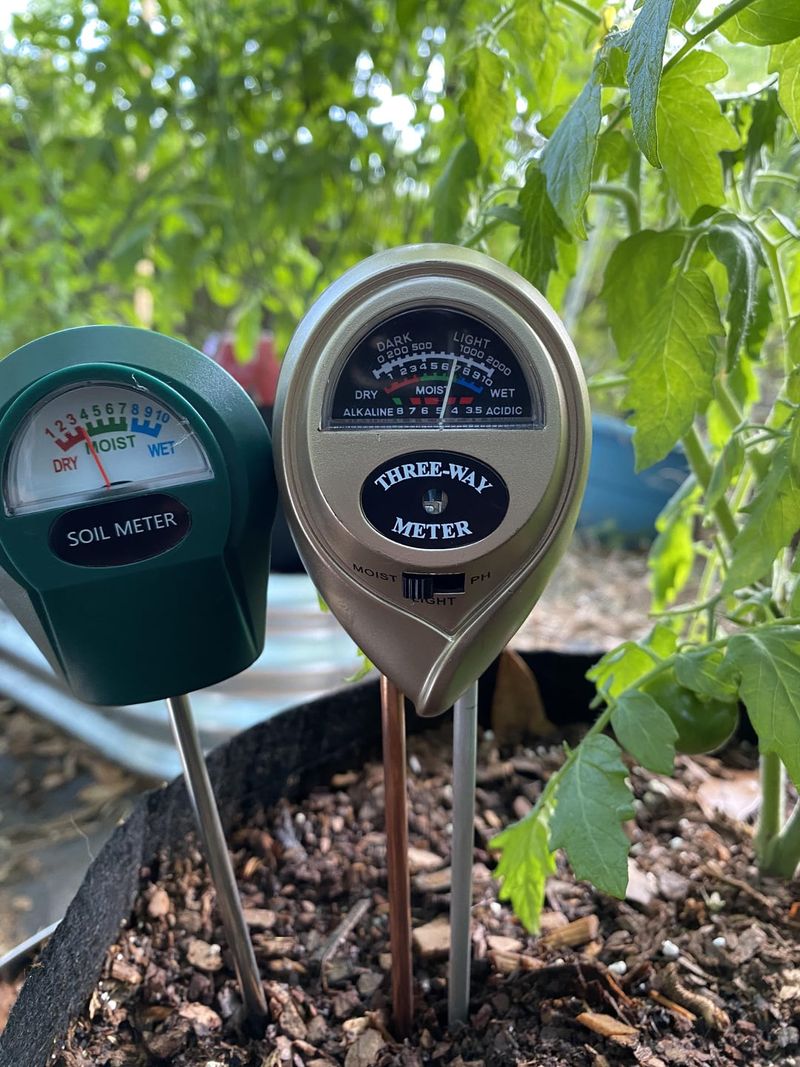
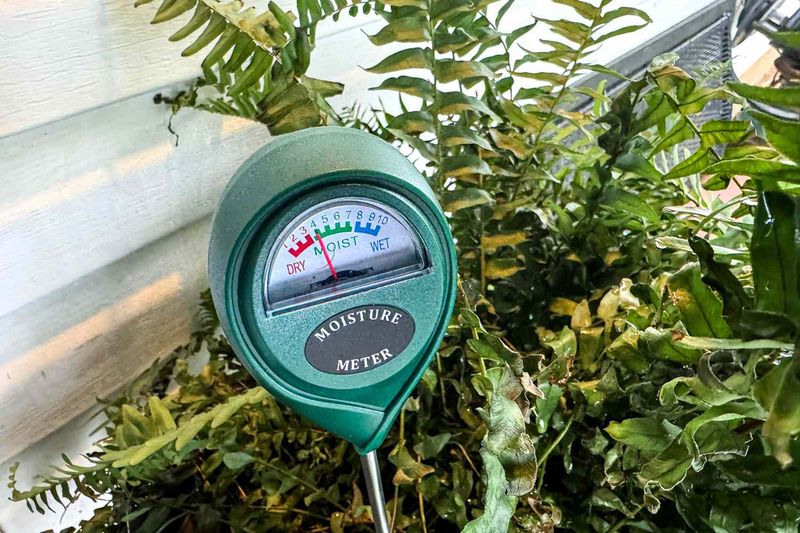
Checking soil in the morning before temperatures rise gives you accurate information to work with. A simple soil moisture meter from an Ohio garden center can also help if you prefer a tool over the finger test.
Either way, soil checks take less than a minute and prevent both overwatering and underwatering.
3. Soak Garden Beds Deeply, Not Lightly Every Day
Quick surface splashes during a heat wave can feel productive, but they often do very little for plant roots sitting several inches below the soil surface. Light daily watering keeps the top inch of soil damp while the root zone stays dry.
Roots follow moisture, and shallow watering trains them to stay near the surface where heat stress hits hardest.
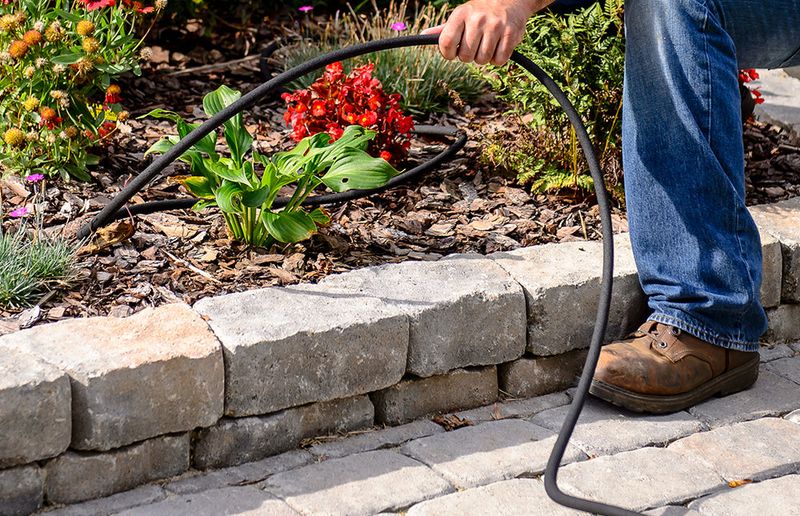
Deep watering means applying water slowly enough that it soaks several inches down into the soil. A soaker hose or drip line left on for 20 to 30 minutes does more for an in-ground bed than five minutes of overhead sprinkling.
After watering, you can check depth by pushing a finger or a wooden dowel into the soil to see how far moisture has reached.
Established perennials, shrubs, and vegetable plants with developed root systems often do better with deep watering every two to three days. That works better than light daily sprinkling.
The exact frequency depends on soil type, recent rain, mulch coverage, and temperatures. Clay soil holds moisture longer than sandy soil, so clay beds may need less frequent watering even during heat waves.
The goal is to encourage roots to go deeper, where soil stays cooler and more consistently moist throughout the season.
4. Give New Plantings Extra Attention During The First Heat Wave
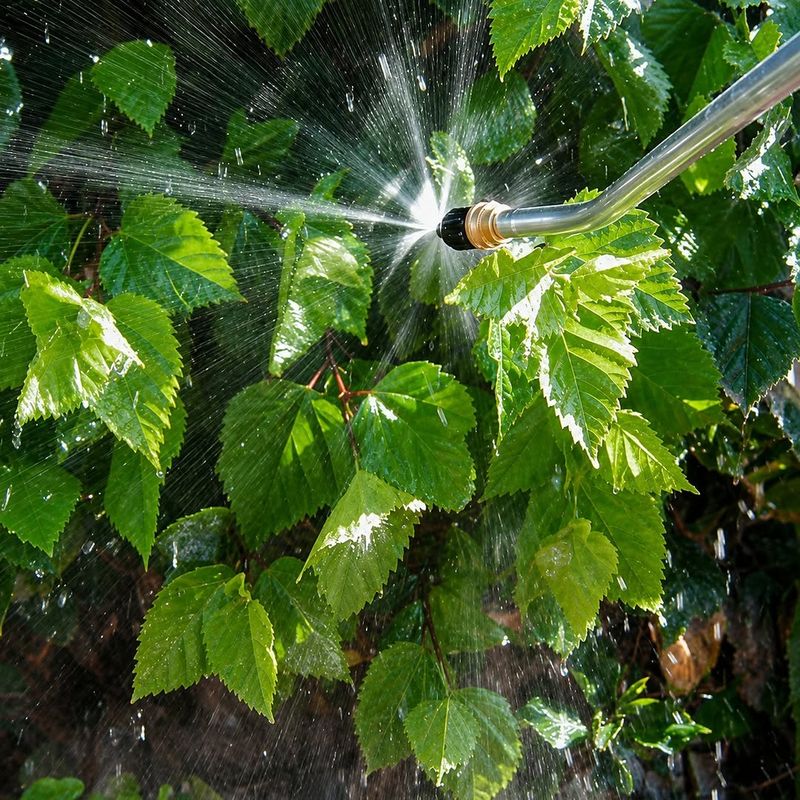
A newly planted shrub sitting in the ground for two weeks does not have the same root reach as one that has been growing in the same spot for three years. That difference matters a lot when a heat wave arrives in June.
New transplants, whether flowers, vegetables, perennials, or shrubs, have smaller and shallower root systems that dry out faster than established plants nearby.
During the first heat wave, check new plantings more often than established beds. Morning is the best time to look them over.
If the soil around a new transplant feels dry two inches down, water it at the root zone right away. Do not wait until you see wilting.
By the time a newly planted perennial or vegetable shows visible stress, the roots may already be struggling.
Watering new plantings at the base rather than overhead helps moisture reach roots directly. A slow trickle from a hose or a full watering can poured gently at the base works well.
Newly seeded areas also need closer attention because seeds and tiny seedlings have almost no drought tolerance.
Keeping the top inch of soil consistently moist for germinating seeds during a heat wave may mean light watering twice a day in the hottest stretches.
5. Check Containers Every Morning Before They Wilt
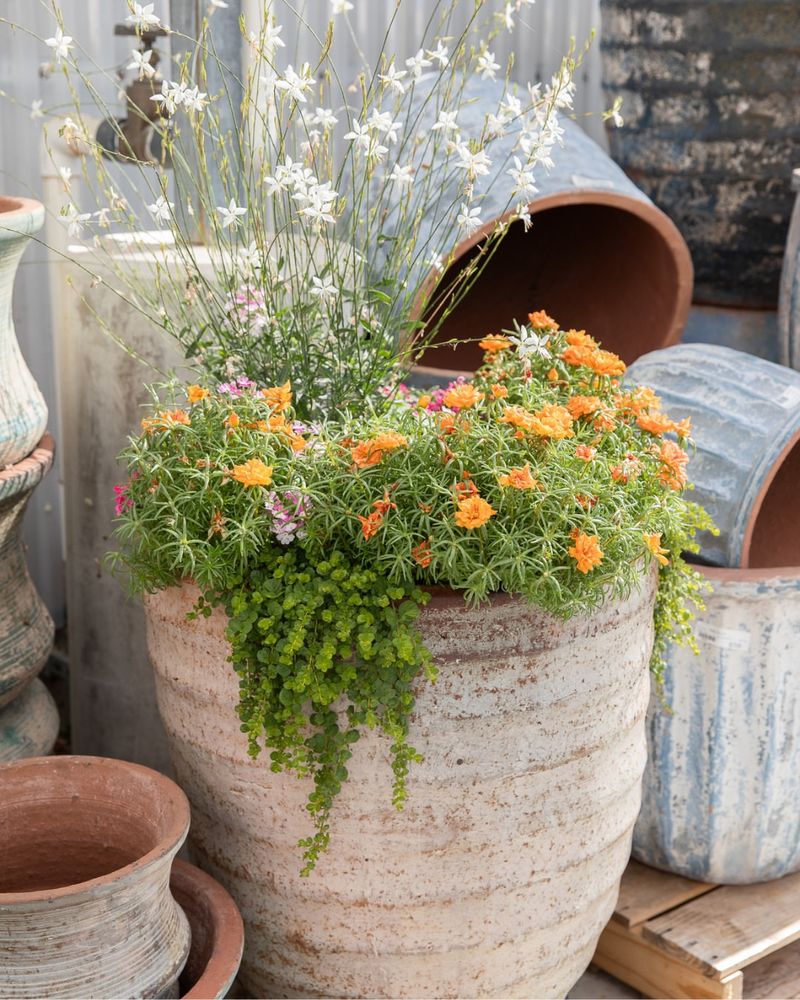
A pot sitting on a south-facing patio during a June heat wave is a completely different environment than a garden bed shaded by tree canopy. Containers heat up from all sides, dry out quickly, and have no connection to ground moisture reserves.
Hanging baskets on windy spots can lose moisture even faster than pots sitting on a deck. Checking containers every morning is not excessive during a heat wave.
It is simply realistic.
The morning check should be quick and consistent. Lift smaller pots to feel their weight.
Push a finger into the mix of larger containers. If the mix feels dry an inch or two down, water thoroughly until it drains from the bottom holes.
Partial watering that only wets the top layer leaves lower roots dry and can cause uneven plant stress over time.
Dark-colored plastic pots and metal containers absorb more heat than light-colored or ceramic ones, which means they can dry out faster on hot afternoons.
Grouping containers together in a spot with afternoon shade during peak heat stretches can slow moisture loss.
During a heat wave, some containers may need water every single day. Others in shadier, cooler spots may still hold moisture from the previous morning.
Check each one individually rather than assuming they all need the same treatment.
6. Keep Mulch Fresh So Soil Stays Cooler Longer
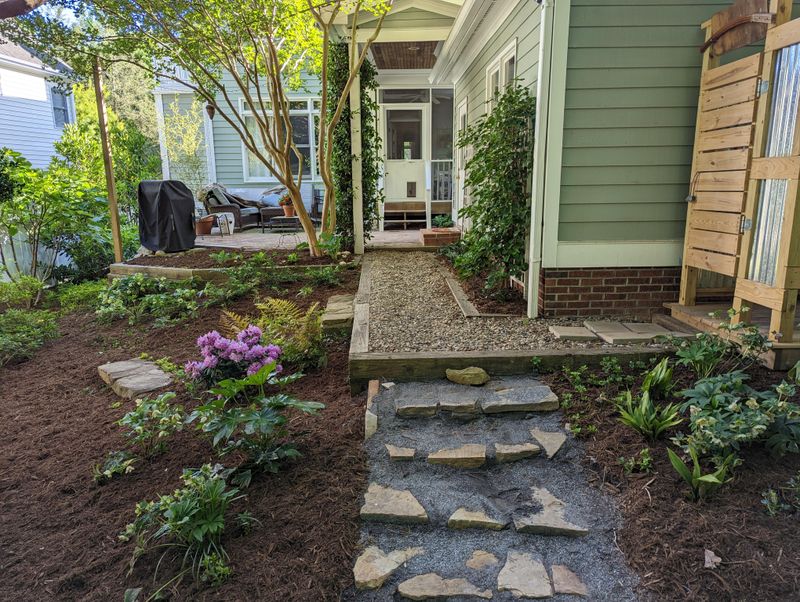
Bare soil in a garden bed during a June heat wave loses moisture quickly. A thin or patchy mulch layer that worked fine in May can develop gaps by mid-June as it compresses, shifts, or breaks down.
Those gaps let heat reach the soil surface and speed up evaporation between waterings. Refreshing mulch before or during a heat wave stretch is one of the most practical steps an Ohio home gardener can take.
A two to three inch layer of wood chips, shredded bark, or straw over garden beds helps moderate soil temperature and slow moisture loss between waterings. Mulch does not replace watering, but it does stretch the time between when watering is needed.
OSU Extension recommends keeping mulch a few inches away from plant stems and crowns to avoid trapping moisture against them, which can create rot problems over time.
Check thin spots around the base of perennials, along vegetable rows, and under shrubs. These are the areas where heat hits hardest and where bare soil shows up first.
Adding even an inch of fresh mulch over thin areas can make a noticeable difference in how long soil stays moist after a deep watering.
Mulch also keeps weed pressure lower, which means less competition for the soil moisture your plants actually need during a hot stretch.
7. Skip Evening Sprinkling That Leaves Foliage Wet Overnight
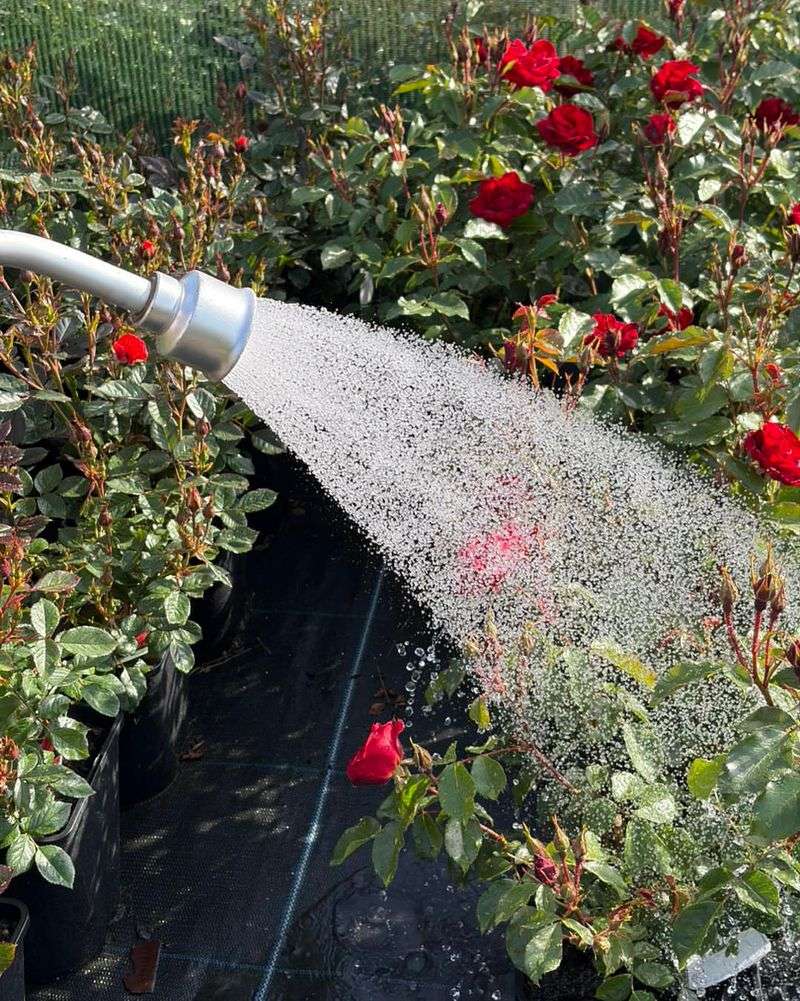
Late evening sprinkling feels convenient after a long hot day, but it comes with a trade-off that matters more in humid summer weather.
When foliage stays wet overnight, conditions become more favorable for fungal diseases like powdery mildew, early blight on tomatoes, and black spot on roses.
This state’s summer humidity already creates enough moisture stress on foliage without adding hours of overnight leaf wetness from a garden hose or sprinkler.
The goal is not to avoid all evening watering entirely. If morning watering was missed and plants are visibly stressed, watering at the soil level in the early evening is still better than skipping it altogether.
The problem is overhead sprinkling late at night when foliage cannot dry before temperatures drop. Drip lines, soaker hoses, or careful hand watering at the base of plants avoids wetting leaves at any hour.
Tomatoes, squash, cucumbers, roses, and phlox are among the plants most sensitive to prolonged leaf wetness.
If your watering setup uses an overhead sprinkler, shifting the timer to early morning is one of the simplest adjustments you can make before a heat wave arrives.
Morning-watered foliage dries within an hour or two of sunrise. That small timing shift reduces avoidable leaf problems without requiring any extra effort during the hottest part of the season.
8. Adjust Watering After Rain Instead Of Guessing
A summer storm that drops half an inch of rain in 20 minutes does not always water a garden the way it looks from the back porch. Rain can run off hard or compacted soil before it soaks in.
Containers tucked under roof overhangs or sitting beneath dense plant canopies may receive almost no rainfall at all. Assuming that a storm took care of watering for the day is a common mistake that leaves some plants short on moisture.
After any summer rain, check soil in your beds and containers before deciding to water or skip. Push two fingers into the soil near plant roots.
If it feels moist several inches down, hold off and check again the next morning. If it feels barely damp at the surface, the rain likely did not penetrate deeply enough to help roots during continued heat.
Uneven rainfall is common during summer thunderstorm season in this region. One side of a yard may receive a solid soaking while the other side stays nearly dry depending on storm track and wind direction.
Raised beds and containers are especially likely to need attention after a storm because their limited volume and fast drainage means even a good rain may not be enough.
Checking after rain takes two minutes and removes the guesswork from your next watering decision.