The Most Underrated Ohio Native For Attracting Birds That Nobody Talks About
Ohio bird gardens run on a short list of familiar natives. Coneflower, elderberry, serviceberry, the same reliable names that show up in every wildlife planting guide without much variation.
Those plants earn their place. But there is a native shrub doing serious bird work in Ohio landscapes that almost never makes that list, and the birds it attracts are not casual visitors.
This shrub produces fruit that migrating and resident species target with a focus that most berry-producing plants never generate. Come fall, it becomes one of the most active spots in any yard that has it.
It handles poor soil, part shade, and dry conditions that other natives find challenging. It spreads in ways that build habitat over time rather than requiring replacement.
And it has been quietly earning the loyalty of Ohio gardeners who discovered it by accident and never went back to the standard list. Most yards are missing this one entirely.
1. Choose Gray Dogwood For The Bird Habitat Nobody Brags About
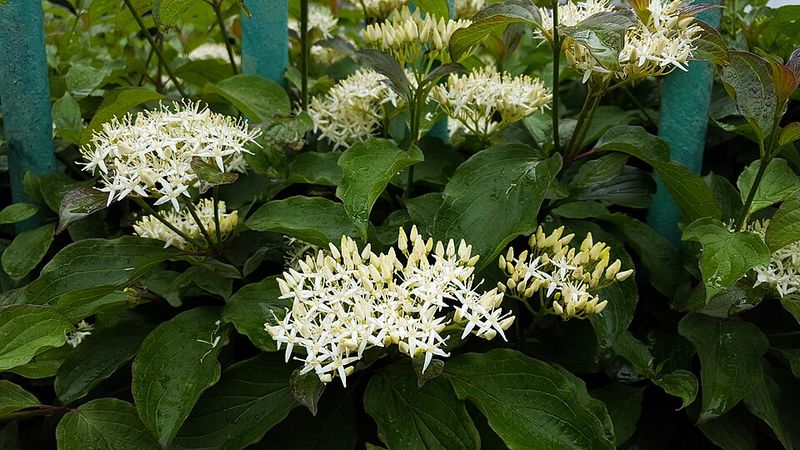
Nobody posts a gray dogwood selfie at the garden center. It does not have the sculptural drama of flowering dogwood or the jewel-like berries of winterberry.
Cornus racemosa is native across much of the eastern and central United States, including Ohio. It offers something most ornamental shrubs cannot match: genuine wildlife structure that birds actually use.
OSU Extension and Ohio Department of Natural Resources sources describe it as a medium to large native shrub. It fits naturally along woodland edges, stream banks, and open borders.
Birds need more than a pretty flower. They need places to perch between flights, thickets that break wind and hide nests, and reliable food sources that ripen at the right time of year.
Gray dogwood checks several of those boxes without requiring fussy care or perfect soil. It grows in a loose, branchy form that creates layered cover rather than a clipped wall.
Using it along a back fence line, a property edge, or a naturalized wildlife corner gives birds a place to move safely between open yard and denser cover.
It is not a specimen plant for a formal entry bed, but in the right spot, its habitat value quietly outperforms many showier choices.
2. Let White Berries Pull Birds Into The Yard
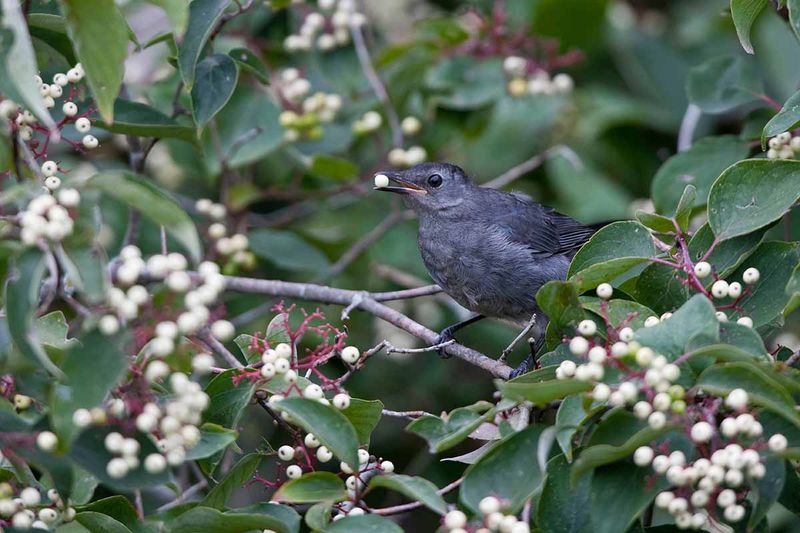
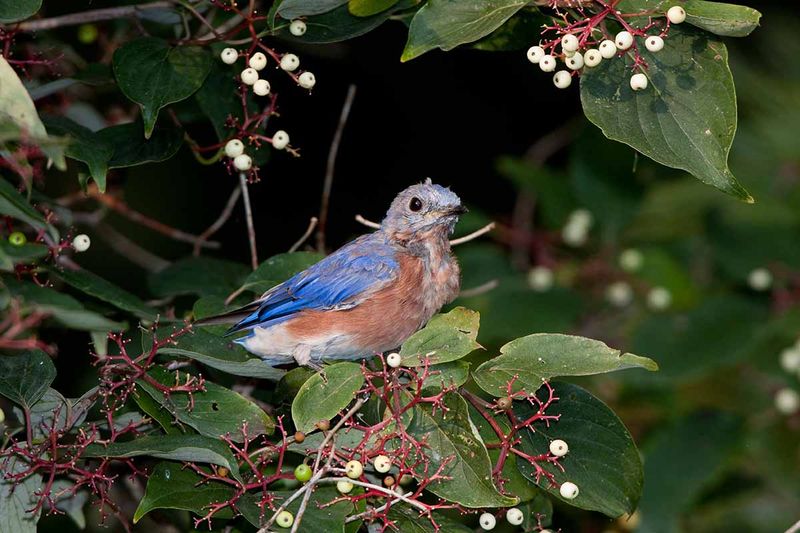
Few native shrub details are as striking up close as a cluster of gray dogwood berries in late summer. The small white fruits sit on vivid red stalks called pedicels, creating a two-tone display that is both visually interesting and ecologically important.
The Ohio Department of Natural Resources notes that gray dogwood produces white drupes that ripen in late summer and early fall. That is when many migrating and resident birds are actively building fat reserves.
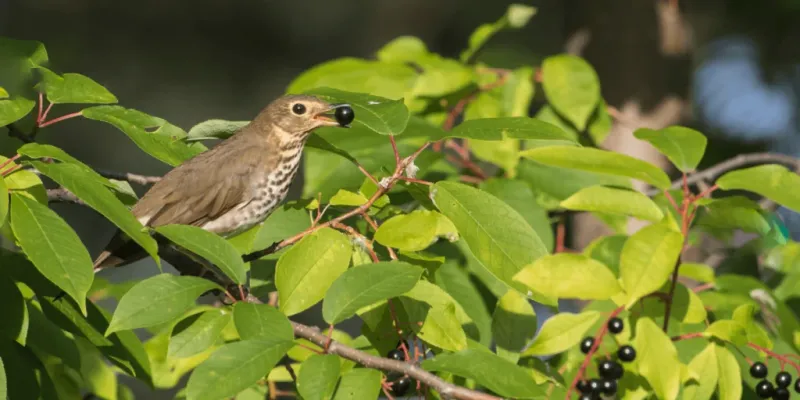
Fruit-eating songbirds, including thrushes and other migrants passing through, can be drawn to berry-producing shrubs during this critical season. The key is leaving the fruit alone.
Many gardeners trim shrubs in late summer before the berries fully ripen, accidentally removing the food source birds need most. Resisting the urge to clean up too early makes a real difference.
Your Ohio Garden Changes Every Week. Your Plan Should Too.
Gardening in Ohio changes quickly throughout the season. Every Friday you’ll receive a simple weekly plan showing exactly what to plant, prune, fertilize, harvest, and protect so you never miss the right timing.
It is worth keeping in mind that berry use varies by year, local bird population, and what else is available nearby. Gray dogwood does not guarantee a crowd of birds.
But paired with water and other native plantings, its fruiting display gives birds a reason to stop and stay. The berries are for wildlife only and should not be eaten by people.
3. Use Dense Branches To Build Safer Cover
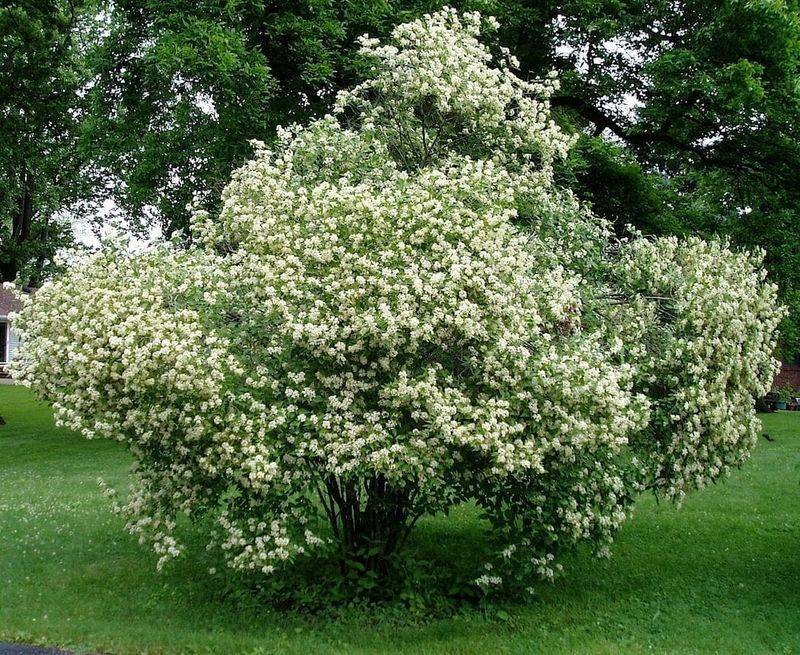
A yard full of open lawn gives birds almost nowhere to hide. Shrubs with dense, multi-stemmed branching change that equation fast.
Gray dogwood grows in a spreading, twiggy form that creates layered interior space. That is exactly the kind of structure small birds use to escape predators, rest between feeding trips, and shelter from wind and cold.
University extension sources describe Cornus racemosa as a multi-stemmed shrub that can reach six to ten feet in height with a similar spread. Over time, it develops a bushy, thicket-like form.
That interior branching is not just filler. It gives wrens, sparrows, and other small songbirds a place to tuck in close to the ground or mid-canopy without being exposed.
To keep that structure intact, avoid heavy shearing. Shearing removes the irregular, layered branching that makes the shrub useful and replaces it with a dense outer shell that offers far less interior access for birds.
Give gray dogwood room to grow naturally, and consider planting it near other native shrubs or small trees. This helps birds move safely from one layer of cover to the next without crossing open ground.
That connected habitat is far more useful than isolated shrubs spread across a bare lawn.
4. Plant It Where A Wild Edge Makes Sense
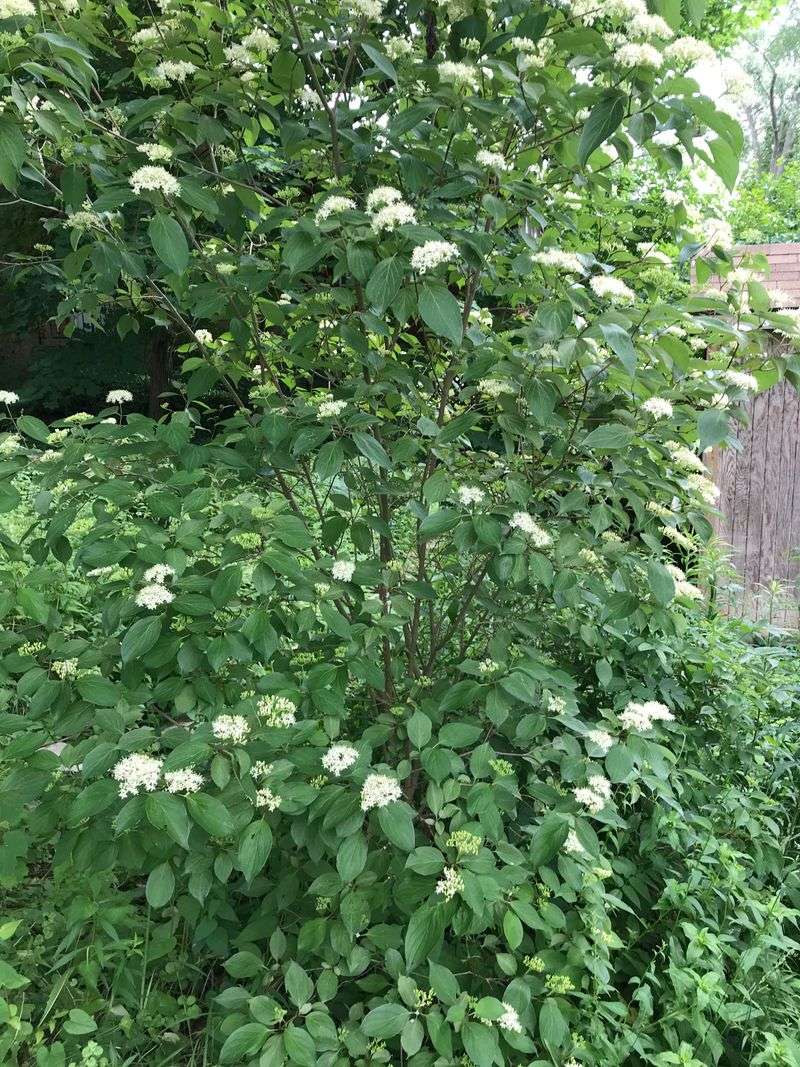
Placement makes or breaks a gray dogwood planting. Tucked into a tight formal bed beside a front walkway, it will frustrate any gardener who expects tidy, contained growth.
Position it along a back fence, a drainage swale, a large naturalized border, or a woodland edge. There, it transforms into the loose, productive habitat shrub it was built to be.
OSU Extension notes that gray dogwood can spread by root suckers and may form colonies over time when growing conditions suit it. That suckering habit is not a flaw in the right location.
It fills in a wildlife edge, creates a more continuous thicket, and provides the kind of dense, irregular cover that birds prefer over a single isolated specimen.
Sun to partial shade and a range of soil types, including moist or occasionally wet soils, suit this shrub well according to native plant sources. It handles poor soils and slopes better than many alternatives, making it practical for spots where other plants struggle.
If suckers spread beyond the desired area, they can be removed by cutting or digging without harming the main plant.
The goal is to find a spot where the spreading habit becomes a feature of the design rather than a maintenance headache, because in the right place, it absolutely is.
5. Give Thrushes, Catbirds, And Cardinals A Reason To Stay
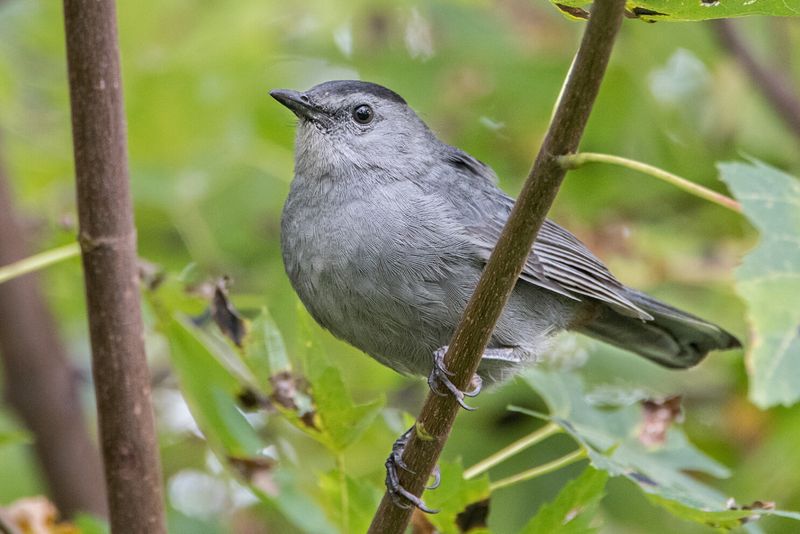
Watch a tangled shrub border on a late summer morning and you might catch movement that open lawn never delivers.
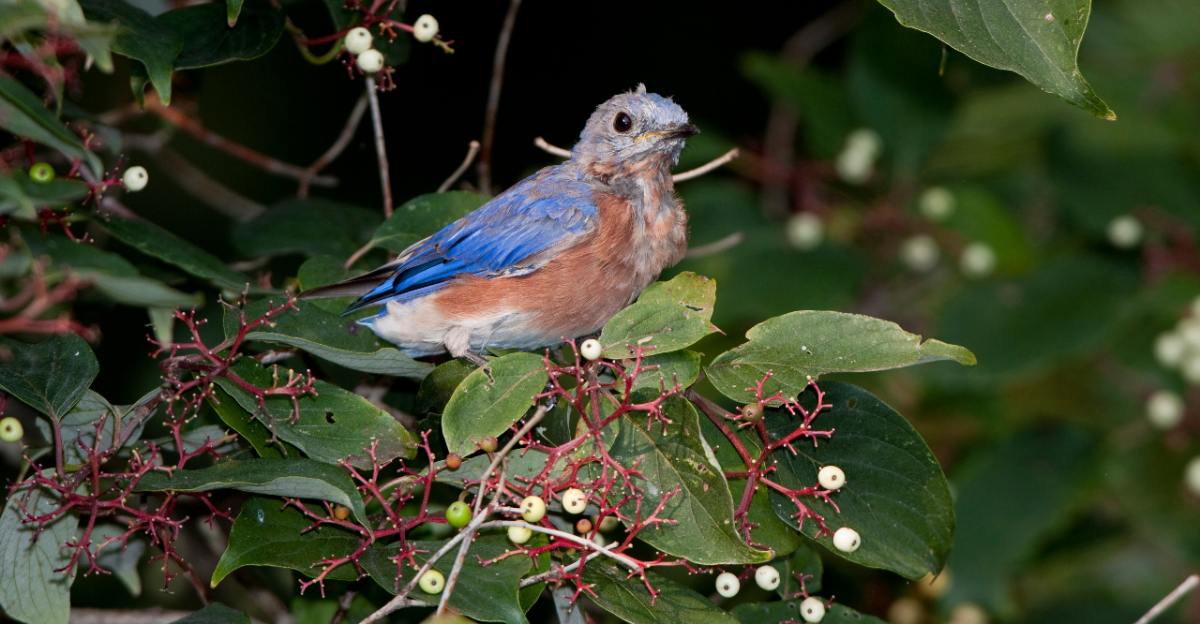
Fruit-eating songbirds such as gray catbirds, American robins, and various thrush species use berry-producing native shrubs during late summer and fall migration.
Cornell Lab of Ornithology and Audubon resources on native plant habitat support that connection.
Northern cardinals and other resident birds may also use dense shrubs for shelter and foraging throughout the year.
Gray dogwood’s combination of white fruit and branchy cover can make a yard more appealing to these birds, especially when other food sources nearby are limited.
No shrub can promise specific visitors, since bird activity depends heavily on local habitat, water availability, pesticide use, and neighborhood conditions.
Reducing or eliminating pesticide use near bird-friendly plantings is one of the most practical steps a homeowner can take. Insecticides can remove the invertebrates that birds, especially nesting adults feeding young, depend on.
Keeping outdoor cats inside is equally important, since free-roaming cats are a leading cause of songbird mortality. Pairing gray dogwood with a shallow birdbath and nearby native plantings gives birds multiple reasons to visit and stay longer.
That increases the chance of seeing the species that fruit and cover can attract.
6. Expect A Shrub That Spreads Instead Of Poses
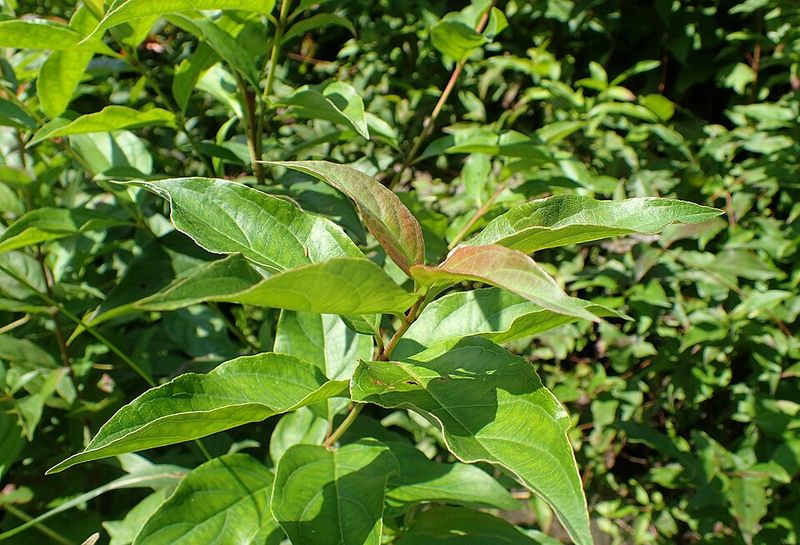
Buying a gray dogwood expecting a well-behaved, stay-in-its-lane foundation shrub is a setup for disappointment. This plant has a personality closer to a wild hedgerow than a clipped garden specimen.
That is not a criticism. It is just an honest description of what you are getting, and knowing that upfront saves a lot of frustration.
Cornus racemosa spreads by root suckers, gradually expanding its footprint when it is happy with its location. Native plant sources and OSU Extension describe this colony-forming habit as a natural characteristic, not a defect.
In a large border or along a property edge, that spreading fills in gaps and creates denser cover. It also builds the kind of continuous thicket that wildlife finds far more useful than a single isolated plant.
In smaller spaces, suckers can be managed by cutting or digging them out as they appear. The shrub does not need to be ripped out just because it tries to spread.
It needs a location where spreading is acceptable or even desirable. Avoid planting it directly beside a narrow walkway, a small patio, or a formal bed where constant management would be required.
Give it a generous spot with room to move, and it will do its job quietly and effectively for years without asking for much in return.
7. Pair It With Other Natives For A Better Bird Buffet
A single shrub does a lot, but a mix of native plants does much more. Gray dogwood works best as part of a broader habitat planting where different species cover different seasons, heights, and food types.
Birds benefit from a yard that offers something useful from early spring through late fall, and no single plant covers all of that on its own.
Serviceberry blooms and fruits early in the season, making it a strong early-summer food source. Elderberry produces heavy fruit clusters that many bird species seek out.
Native viburnums add both fruit and dense cover. Winterberry holly holds its red berries well into winter, supporting birds when other food is scarce.
Mixing these with gray dogwood creates a staggered fruiting calendar that keeps birds returning across multiple seasons.
Adding native herbaceous plants such as coneflowers, asters, and native grasses brings seed-eating birds into the mix. It also supports the insects that insect-eating birds depend on.
Oaks are among the most ecologically productive native trees and pair beautifully with a shrub layer that includes gray dogwood. The goal is a layered habitat with canopy, shrub, and ground-level plants working together.
Gray dogwood is not a miracle plant on its own, but as part of that system, its contribution to birds becomes significantly stronger.
8. Turn An Overlooked Shrub Into A Backyard Bird Magnet
Quiet usefulness rarely wins at the garden center, but it pays off every time a bird dips into the yard and finds exactly what it needs. Gray dogwood does not headline native plant sales the way serviceberry or flowering dogwood does.
Its combination of fruit, cover, and adaptable growth makes it one of the more productive choices for a wildlife-friendly yard.
Getting the most from this shrub starts with choosing the right site. A location with room to spread, decent light, and no expectation of formal tidiness sets it up for long-term success.
Buy from a reputable native plant nursery that sources locally grown stock rather than plants of unknown origin. Water regularly during the first growing season to help roots establish, then ease back as the shrub settles in.
Avoid heavy pruning that removes the irregular branching structure birds rely on for cover.
Let the berries ripen fully before any fall cleanup, and resist the urge to shear the shrub into a neat ball. Over time, a well-placed gray dogwood becomes part of a layered habitat that works around the clock for birds, whether you are watching or not.
The most underrated bird plant in the yard is often the one that looks a little wild but quietly does the most work.