7 Arizona Trees That Need Specific Attention Before Monsoon Season Creates Problems
July in Arizona does not ease in. One afternoon it is just hot, and the next a wall of dust and lightning is moving across the valley at 60 miles per hour with rain right behind it.
Many homeowners think about storm prep after the first big one hits. The ones who do it before have a noticeably better summer.
The difference is usually not dramatic effort or expensive work. It is a few hours in June spent on the right trees before the storms make those decisions for you.
Some Arizona trees handle monsoon conditions better than others when they are properly maintained. Some become serious hazards when they are not.
A few of them look completely fine right up until a 50-mph gust reveals the problem in the most inconvenient way possible.
The trees on this list all have specific things to address before monsoon season starts. None of it is complicated. All of it matters. Ready to get ahead of the storms this year?
1. Prune Palo Verde For Balanced Limbs
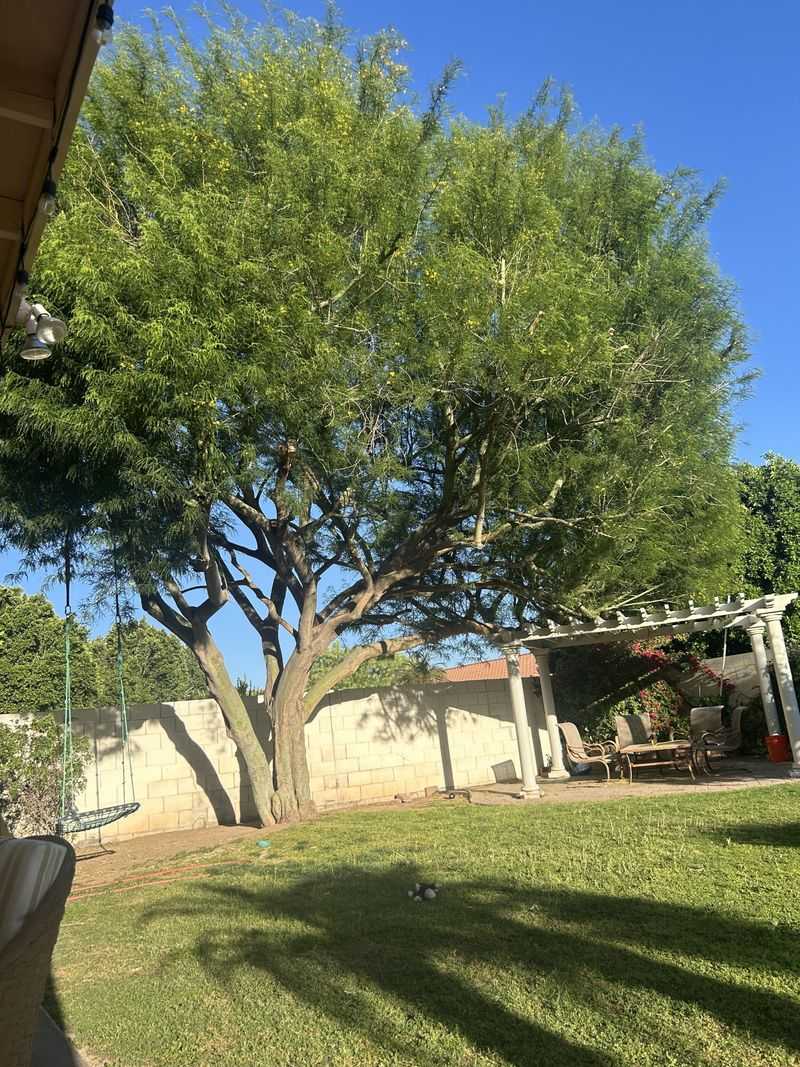
Palo verde trees grow fast in spring and put out a lot of new growth in a hurry. That energy is one of their best qualities most of the year.
Before monsoon season, it becomes something worth addressing. Uneven spring growth creates a lopsided canopy, and a lopsided canopy in a 60-mph gust acts like a sail attached to your yard.
When one side of the tree carries significantly more branch weight than the other, wind catches the heavy side and puts serious stress on trunk connections and major branch junctions.
Those junctions do not always give warning before they give way. Pre-storm pruning for balance removes that leverage before the storms arrive to test it.
Focus on crossing branches, rubbing limbs, and any growth pulling the shape noticeably in one direction. The goal is not a dramatic reduction.
It is a more even distribution of weight across the canopy. Removing more than about 25 percent of the canopy at once does more harm than good, so the approach here is careful and incremental.
Thin lightly and step back regularly to check your work from a distance. Balance is easier to see from ten feet away than from inside the canopy.
A certified arborist can spot structural issues that are genuinely difficult to identify from the ground and handle the job safely at height.
A balanced palo verde holds its shape in high winds and recovers faster when storms do hit. The work takes a couple of hours in June.
The alternative is assessing the damage in August. June is the significantly more enjoyable option of the two.
2. Thin Mesquite Before Wind Loads Build
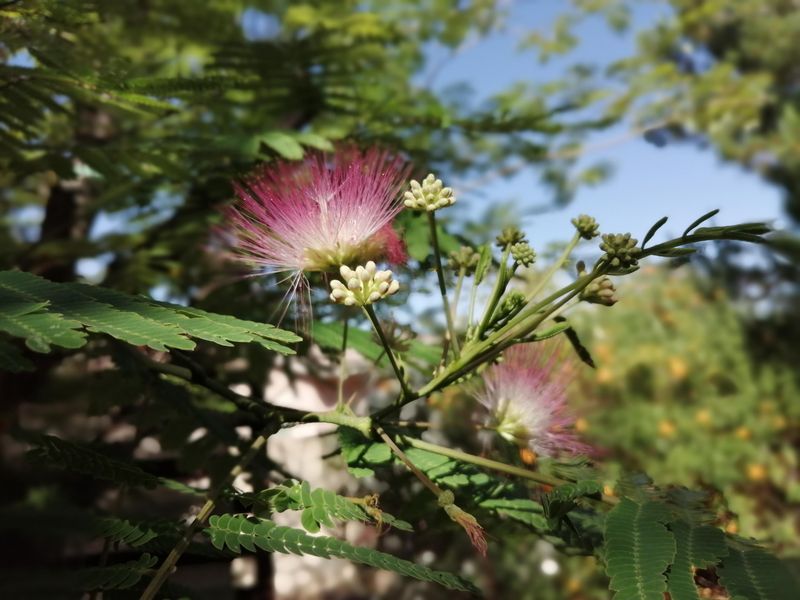
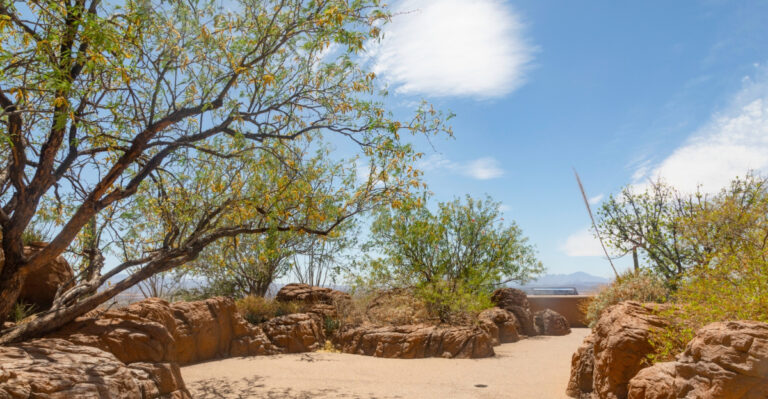
Mesquite trees are among the toughest, most drought-tolerant trees in the Sonoran Desert. That toughness is real and well-earned.
It does not, however, make them immune to what happens when 60-mph gusts push against a canopy full of heavy, unpruned limbs.
Monsoon season has a way of clarifying the difference between a well-maintained mesquite and one that was left to grow unchecked through spring.
Your Arizona Garden Changes Every Week. Your Plan Should Too.
Gardening in Arizona changes quickly throughout the season. Every Friday you’ll receive a simple weekly plan showing exactly what to plant, prune, fertilize, harvest, and protect so you never miss the right timing.
The main concern is end-heavy branching. Mesquites grow long, arching limbs that get progressively heavier toward the tips.
When wind pushes against those loaded ends, the leverage on the branch base is substantial. That kind of force can split a thick, mature limb from the trunk faster than the tree can recover from it.
Thinning the outer ends of branches rather than cutting them back hard reduces wind load while keeping the tree’s natural shape.
This approach, called crown thinning, lets wind move through the canopy rather than build pressure against it. Branches that have grown extra long and are already bending under their own weight are the first priority.
Check for any limbs hanging over driveways, roofs, or fences and address those before July.
Mesquite sap is sticky and the thorns are sharp, so gloves and eye protection are not optional during any pruning work on this tree. The thorns will make their position very clear if you skip that step.
A thinned mesquite lets the wind through instead of fighting it. That one adjustment can be the difference between a tree that weathers the storm and a repair bill that shows up the morning after. Thinning in June is the cheaper conversation to have.
3. Check Eucalyptus For Heavy Branches
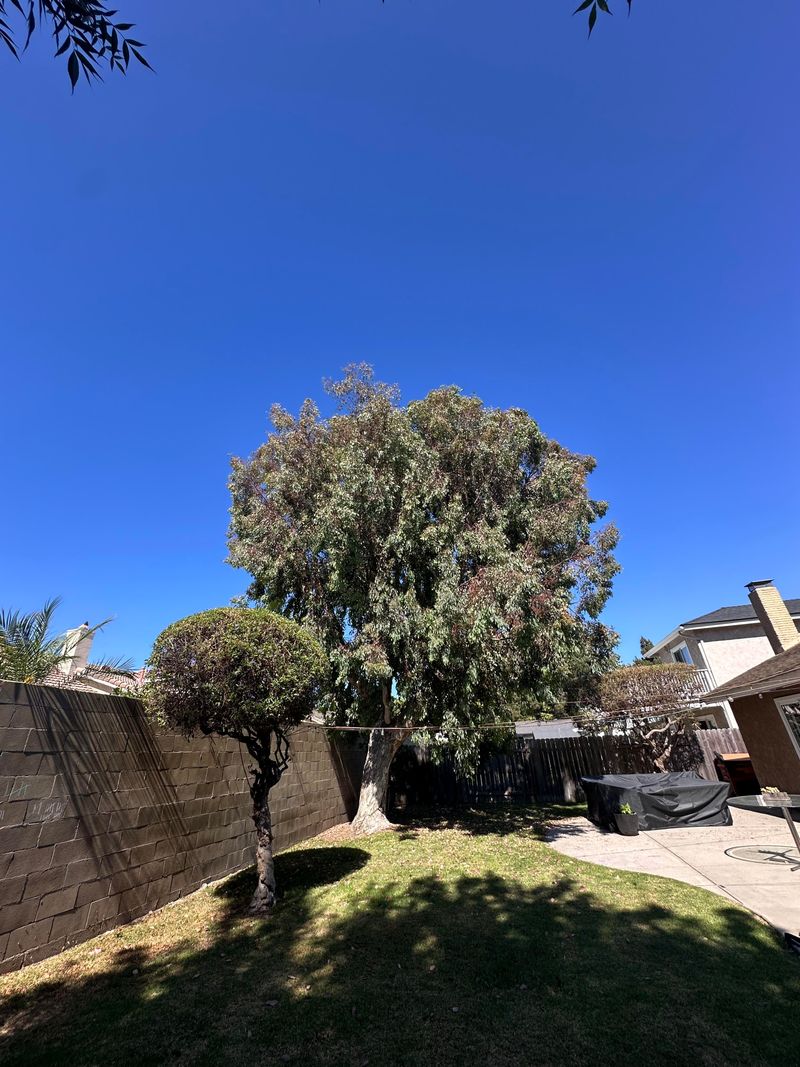
Eucalyptus trees grow fast in Arizona’s hot, sunny climate, and they can put on a surprising amount of branch weight in a single growing season.
That rapid growth is impressive right up until monsoon season, when the weight that accumulated quietly through spring becomes a wind-load problem that needs to be taken seriously before the first storm arrives.
Heavy eucalyptus branches dropping without warning during or after heavy rain is a well-documented pattern.
Wet wood is heavier wood. Add strong gusts to a canopy full of dense, moisture-soaked limbs and the conditions for branch failure are in place. Waiting for storm damage to reveal the problem is a more expensive version of noticing it now.
During inspection, look for limbs growing at sharp angles from the trunk. These attachment points tend to be structurally weaker than branches that angle outward more gradually.
Also look for limbs that sag, show bark separation near the base, or have visible cracks anywhere along their length. Any of those signs warrants a closer look from someone qualified to assess it.
Large eucalyptus trees are best inspected and pruned by a certified arborist rather than handled as a DIY project.
The sheer size and weight of the branches makes this a job where professional equipment and experience genuinely matter.
Even smaller eucalyptus trees benefit from a pre-monsoon check to catch obviously heavy or poorly angled limbs before they become a problem.
Eucalyptus branches hanging over a roof in June are a manageable situation. Eucalyptus branches through a roof in August are a different kind of day entirely.
The inspection takes an hour. Schedule it now while the option is still the easier one.
4. Shape Desert Willow Before Storms
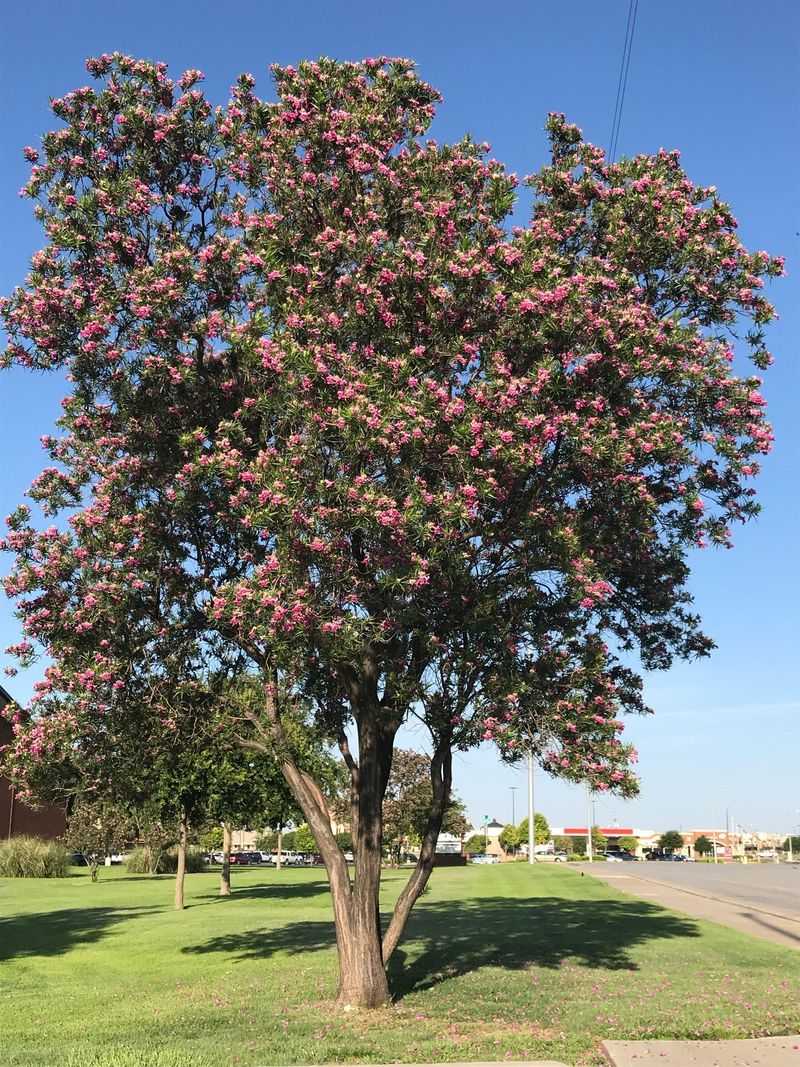
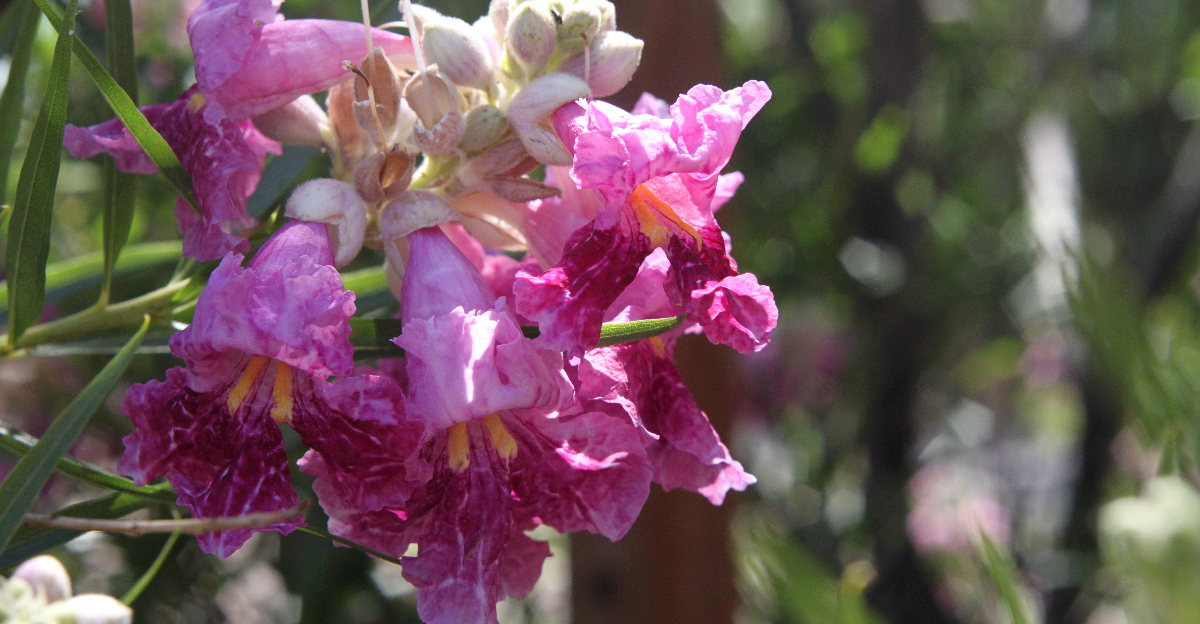
Desert willow is one of the most charming trees an Arizona yard can have.
The graceful, wispy branches and trumpet-shaped flowers are genuinely beautiful, and the tree earns its place in the landscape through spring and summer without much fuss.
That loose, open growth habit also means it benefits from a little structural guidance before monsoon winds arrive and start interacting with whatever developed over spring.
Crossing branches are the main thing to address. When two branches rub repeatedly against each other, they create bark wounds that invite pests and weaken the wood over time.
Before storm season, finding and removing those crossing limbs is one of the most useful pre-monsoon steps for this tree. It does not take long and the tree responds well to the attention.
Light structural cleanup is the right approach here. Desert willows do not need heavy pruning, and cutting too much at once stresses the tree and reduces flowering.
Focus on branches that are growing inward toward the center, clearly crossing against stronger limbs, or look visibly weak. The goal is an open, airy canopy that lets wind move through rather than builds pressure against a dense wall of growth.
Late spring is the ideal timing for this shaping work, before monsoon season officially begins. The tree settles before the first storms hit.
Keep cuts clean and avoid leaving stubs, which invite wood-rotting fungi into otherwise healthy wood. Clean cuts close faster and give pests fewer entry points.
A desert willow with an open, balanced canopy handles wind better and looks better doing it.
The whole job on a well-maintained tree takes under an hour in late spring. That is a very reasonable investment for a tree this beautiful.
5. Secure Young Acacia Stakes Correctly
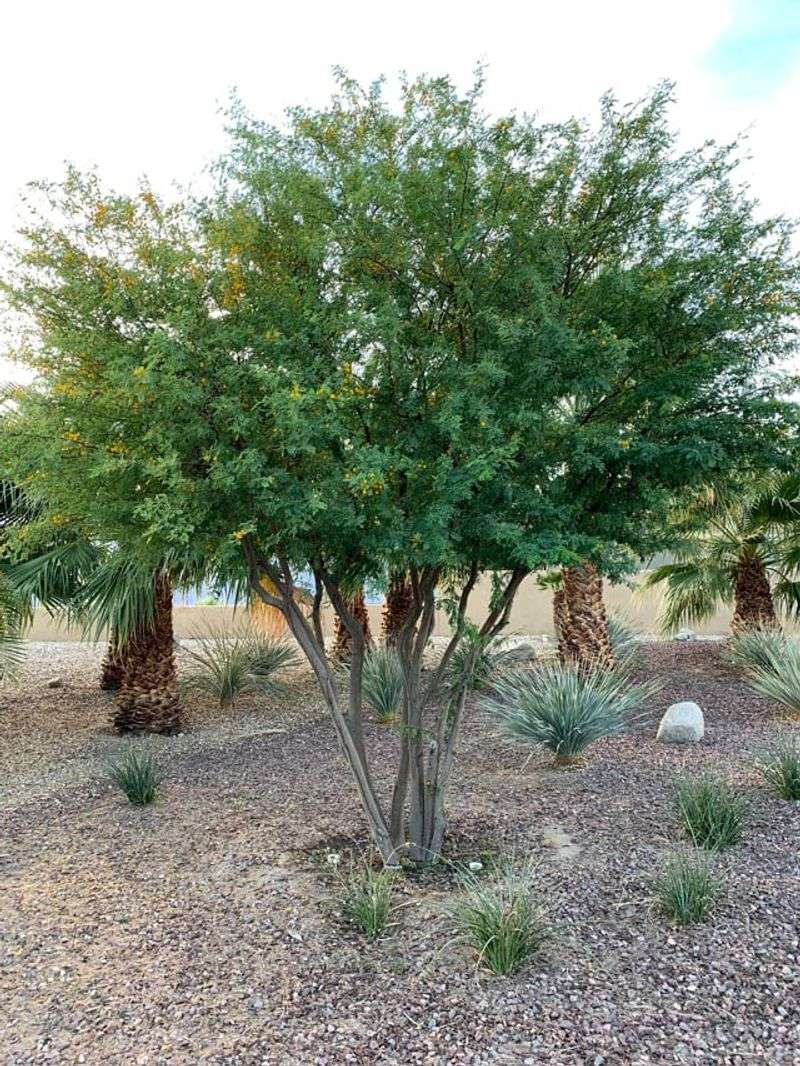
A young acacia tree planted last fall, growing well, looking healthy, hitting its first real monsoon gust with inadequate support: that scenario ends in one of a few ways, and none of them are good.
Young trees that rock, lean, or lose their root grip during a storm can suffer root damage that sets them back significantly even if they do not come down entirely. Staking matters, but only when it is done correctly.
Over-staking is a common mistake that surprises people when they learn about it. Tying a tree too tightly to a rigid stake prevents the trunk from moving naturally in wind.
That movement is actually important. It stimulates the tree to build a stronger, thicker trunk over time. A tree that never sways never develops the structural response that teaches it to stand on its own. The goal is anchored roots, not an immobilized trunk.
Two stakes placed outside the root ball, connected to the trunk with flexible ties positioned at the lower third of trunk height, allow the top of the tree to sway while the root system stays anchored and develops properly.
That combination supports establishment without preventing the movement that builds strength.
Check ties on young trees before each monsoon season. If ties look tight, worn, or show any sign of embedding into the bark, replace them immediately with wide, flexible tree ties.
Stakes should come out entirely once the tree has been in the ground for one to two growing seasons. Leaving them longer causes bark damage that is slow to show and fast to worsen.
Proper staking gives a young acacia the support it needs without the dependency it does not. Check the ties now, before July makes the question urgent.
Your acacia is working on standing on its own. Give it the right conditions to get there.
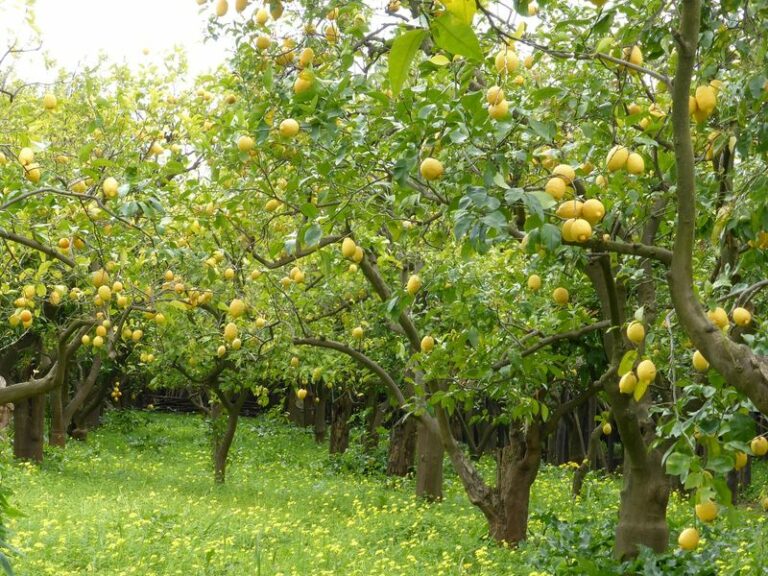
6. Inspect Citrus For Weak Branches
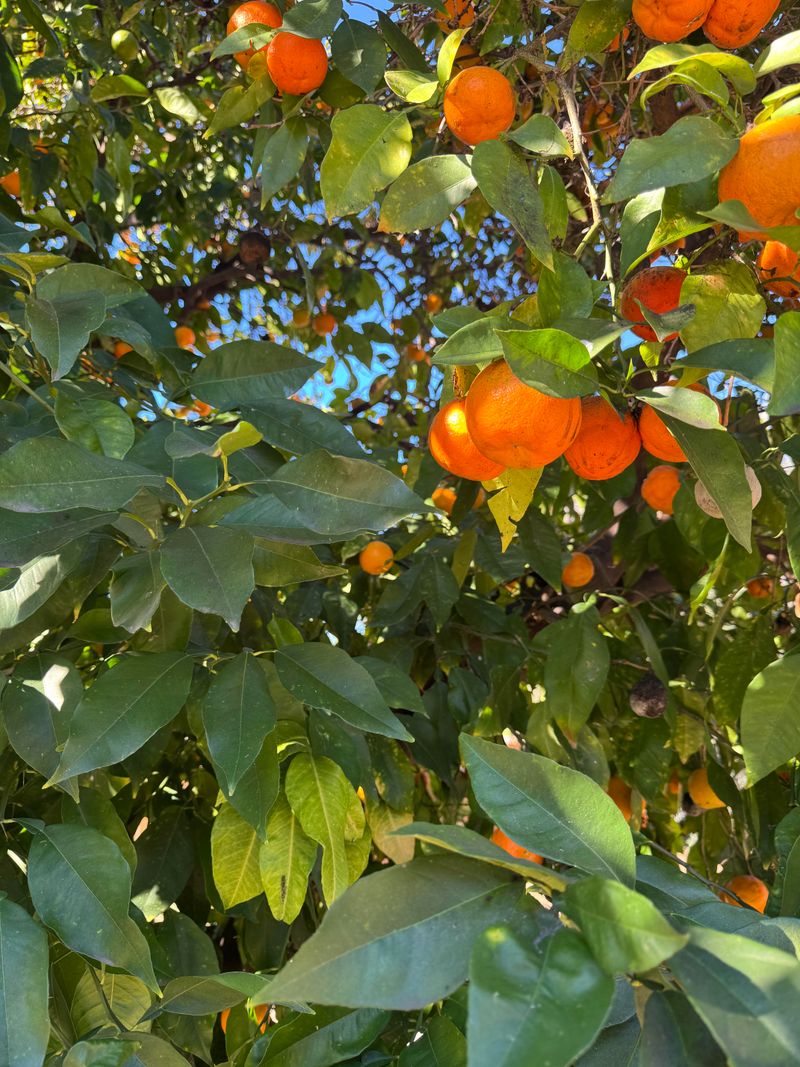
Citrus trees loaded with fruit look exactly right in an Arizona backyard. All that fruit also adds real weight to branches that are already working hard under summer sun.
When monsoon winds arrive, a branch carrying a heavy load of oranges or lemons has very little tolerance for additional stress. The combination of fruit weight and wind load is where branch failures on citrus tend to happen.
Weak branches are not always obvious from the outside.
A limb can look healthy while carrying internal weakness from a previous crack, a pest issue, or simply the cumulative stress of bearing too much fruit season after season.
Running a hand along major branches and looking for soft spots, unusual bark texture, or visible cracks is a useful starting point for any homeowner willing to spend twenty minutes before July.
Branches that hang low and are already bending from fruit weight are the highest priority. Thinning some of the fruit load from these limbs reduces stress before the storms arrive.
It feels counterintuitive to remove fruit, but protecting the branch preserves the long-term harvest far better than letting it fail mid-season.
Pay attention to branches growing in outward-reaching positions that could catch wind easily.
Young citrus trees in their first few years are especially vulnerable because branch attachments have not yet fully hardened. An arborist consultation is worth considering for trees showing multiple concerning signs at once.
A pre-monsoon citrus inspection takes about twenty minutes and gives you a clear picture of where the vulnerabilities are.
That is time well spent compared to discovering them at 9 p.m. during the first serious storm of July. The fruit tastes the same either way. The stress level does not.
7. Clear Palm Skirts Before Storm Debris
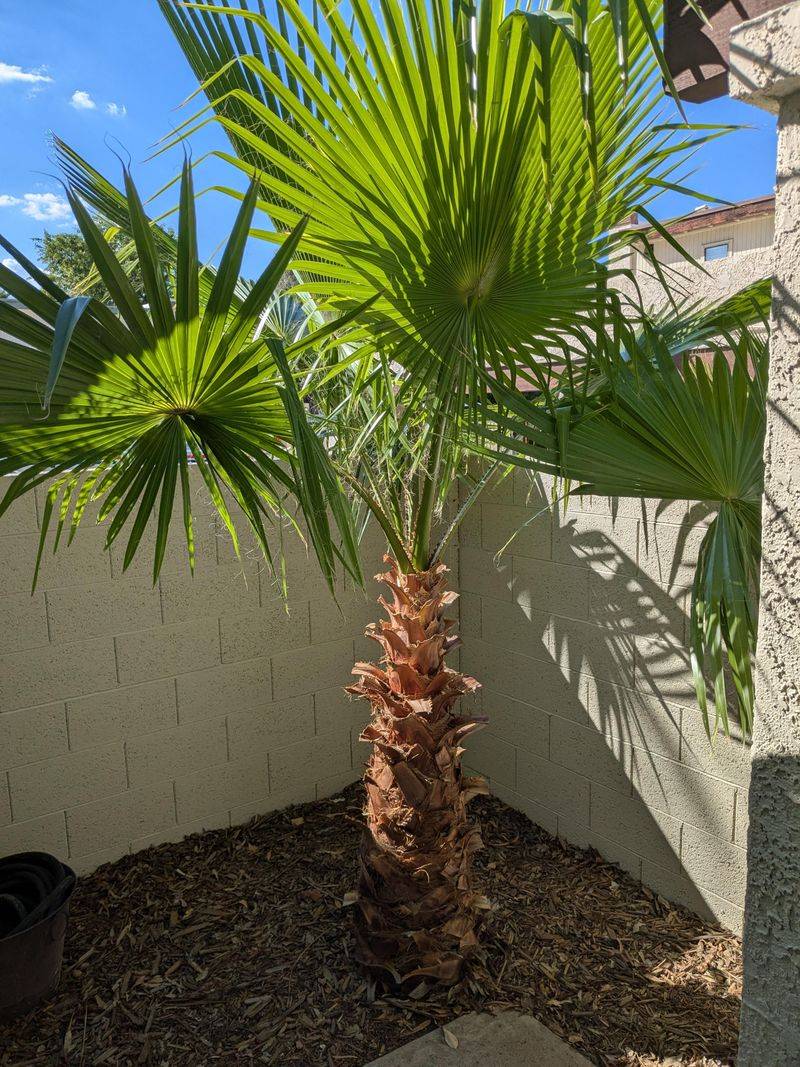
That thick, shaggy skirt of old brown fronds hanging around a fan palm trunk looks like a natural part of the tree.
Heading into monsoon season, it is one of the most practical storm-prep items in the entire yard. Fronds catch wind, hold moisture, attract pests and rodents, and create a fire hazard that the Arizona summer does not need any encouragement to exploit.
When a strong monsoon gust hits a palm carrying a full skirt, those dry, brittle fronds break off and travel.
They are surprisingly aerodynamic for something that looks like dead plant material, and they can damage cars, windows, fences, and anything else positioned downwind.
Removing the skirt before storm season eliminates that projectile risk almost entirely, which is a very good return on a couple of hours of work.
For tall palms, a pole saw or professional tree service is the right approach. Never pull fronds off by hand. The edges and spines on many palm species cause serious cuts, and the fronds are heavier than they look when they come loose from height.
Cut cleanly at the base without cutting into the trunk itself. The trunk does not need any help getting stressed.
Only remove fronds that are fully brown and hanging down past horizontal. Green fronds and those still holding mostly horizontal are still working for the tree and should stay.
Over-trimming a palm slows growth and stresses the canopy in ways that take multiple seasons to recover from. Brown and drooping is the threshold. Everything above that line stays.
A clean palm going into monsoon season is a tidy yard, a reduced insurance risk, and one less thing to think about when the storm sirens go off at 4 p.m. on a Tuesday in August.
Get the skirts cleared in June. Future Tuesday-afternoon you will be very glad that happened.