What Seeing A Hummingbird This Summer Reveals About Your Louisiana Garden
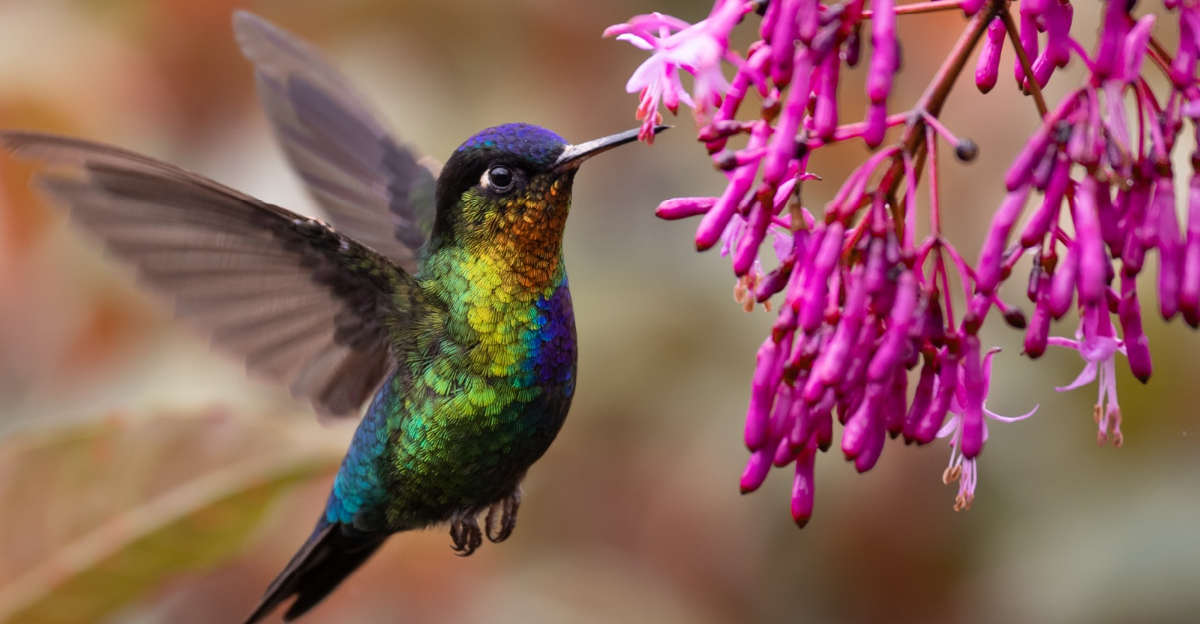
A hummingbird just chose your Louisiana yard, and not your neighbor’s. That is not random. These birds are precise, selective, and completely unforgiving about what they find.
If one showed up, your garden passed a test you did not know you were taking. What did you do right? That question matters more than you think.
Hummingbirds do not settle for average. They scout for specific plants, specific conditions, and specific signals that tell them a space is worth their energy.
Your yard sent those signals. Now you get to find out what they were. Every visit carries data. Every hover and dart reveals something real about the health of your outdoor space.
Few people ever stop to read those signals. You are about to crack the code. Decode what draws these birds in, and your Louisiana garden stops being a mystery you tend and starts being one you own.
Native Plants In Your Yard Are Thriving
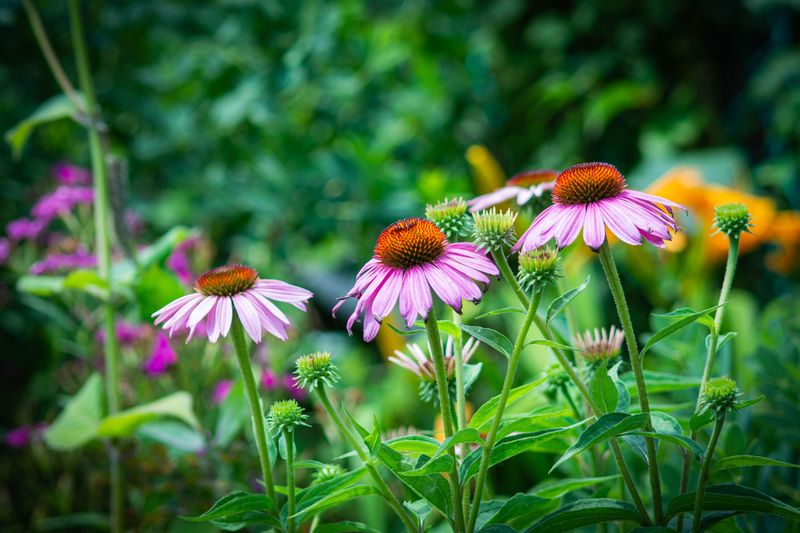
A hummingbird hovering near your flowers is one of the best compliments a garden can receive. These birds have strong preferences, and they tend to choose native blooms over everything else.
Native plants like coral honeysuckle, red salvia, and turk’s cap are basically hummingbird magnets.
They produce the right kind of nectar in the right quantities to fuel a tiny bird burning through energy at a remarkable rate.
When hummingbirds visit your yard, it signals that your native plants are healthy and producing well.
A struggling plant rarely draws their attention because the nectar output simply is not worth their effort.
Planting natives also supports a self-sustaining garden cycle. You water less, fertilize less, and fight fewer pests because the plants evolved to handle your local climate.
Gardeners who see hummingbirds regularly often report that they shifted toward native plantings years ago. The birds noticed before the gardeners fully realized what they had built.
If you want more visits, add a few more native red or orange tubular flowers near existing ones. Hummingbirds are creatures of habit, and a rich patch of natives can turn a one-time visit into a daily one that lasts all summer long.
Local Insect Populations Are Healthy And Abundant
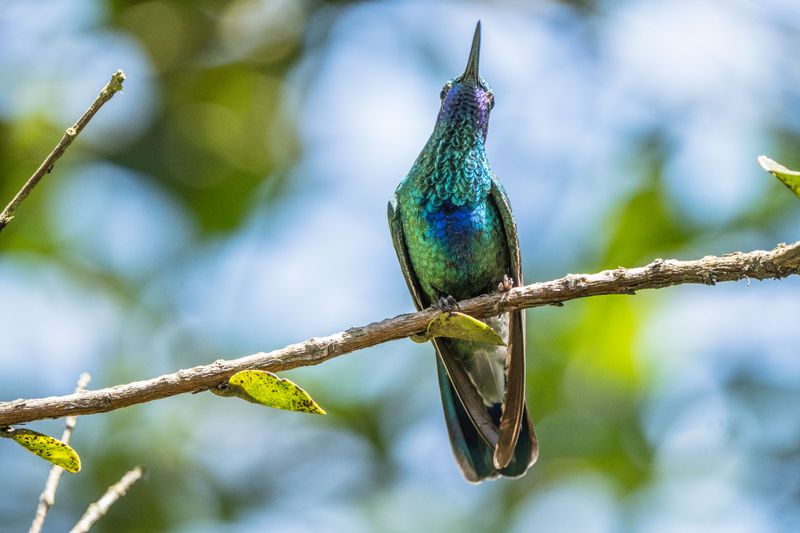
Most people think hummingbirds only drink nectar, but that is only half the story. Protein is just as important to them, and they get it by eating tiny insects every single day.
Gnats, small spiders, fruit flies, and aphids are all on the menu. A hummingbird can eat hundreds of these micro-creatures daily to fuel its high-speed lifestyle.
Seeing one in your yard means there are enough insects around to make your space worth visiting. A garden sprayed heavily with pesticides tends to go quiet fast because the food web collapses from the bottom up.
Healthy insect populations are a sign of a balanced ecosystem right outside your door. Pollinators, decomposers, and predatory bugs all depend on each other. Hummingbirds sit right at the top of that tiny food chain.
Your Louisiana Garden Changes Every Week. Your Plan Should Too.
Gardening in Louisiana changes quickly throughout the season. Every Friday you’ll receive a simple weekly plan showing exactly what to plant, prune, fertilize, harvest, and protect so you never miss the right timing.
If you have been avoiding chemical sprays, your restraint is paying off in a big way. The buzzing, crawling world beneath the leaves is thriving, and the hummingbirds have taken notice.
Encouraging leaf litter and avoiding over-tilling your soil helps insects establish stable habitats.
A garden with a healthy insect community attracts birds, frogs, and all kinds of fascinating wildlife worth watching.
An Active Migration Corridor Runs Through Your Area
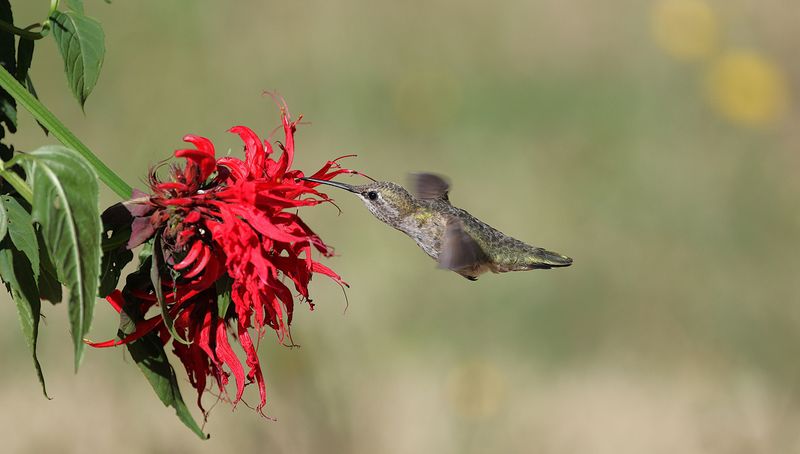
Geography plays a bigger role in hummingbird sightings than most gardeners realize. Louisiana sits along one of the most active hummingbird migration corridors in North America.
Ruby-throated hummingbirds cross the Gulf of Mexico in a single non-stop flight, which is a remarkable feat for a bird weighing less than a nickel.
When they land on the Gulf Coast, they are exhausted and desperately searching for food and rest. Your yard being on that path means you are offering a fuel stop on an epic journey.
A well-planted garden near the coast or along river corridors can attract dozens of migrants passing through in a single week.
Even inland gardens benefit from the ripple effect of migration. Birds spread out across the landscape as they recover, and your flowering yard can pull them in from surprising distances.
Planting ahead of the migration window, which typically runs from late July through October in the South, is a smart move. Having blooms ready before the birds arrive means you will not miss the rush.
Spotting a hummingbird in your Louisiana garden this summer means your yard is already on the map. Keep your garden stocked, and the birds that found it once will find it again. Memory drives their return, not chance.
Clean, Accessible Water Sources Are Nearby
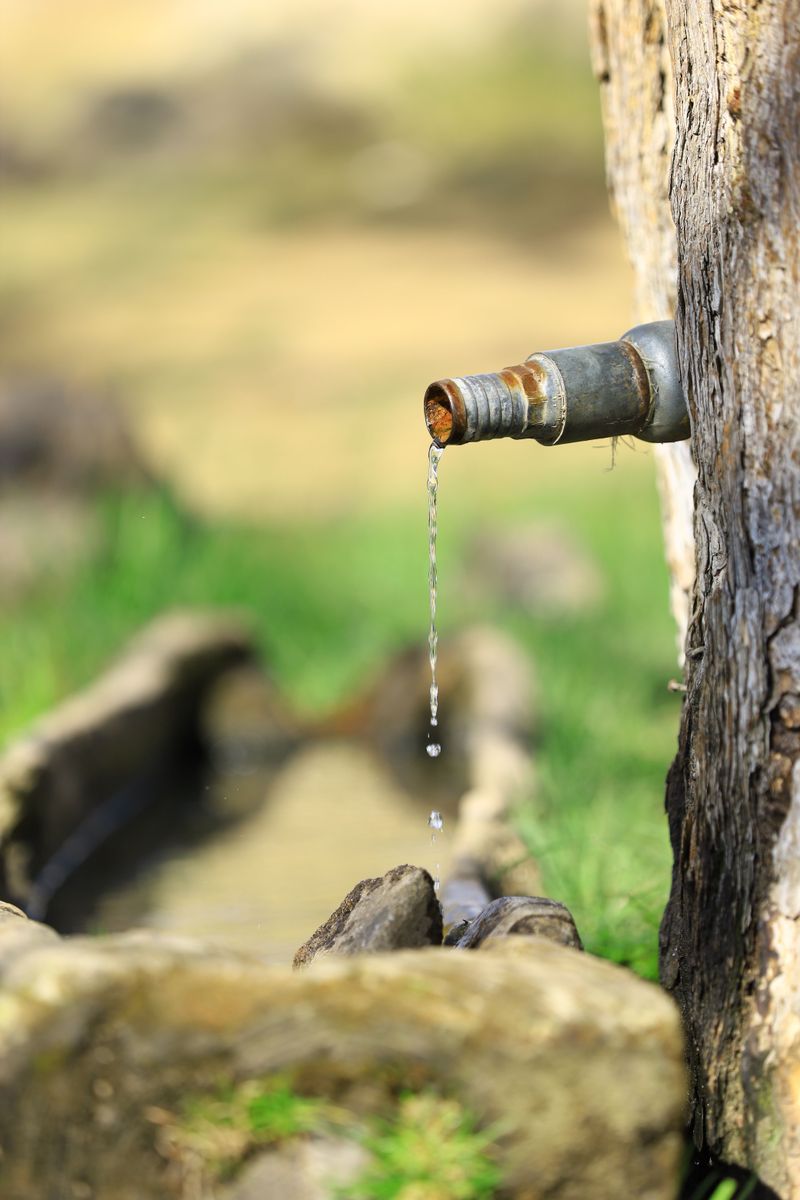
Hummingbirds are surprisingly picky about water, and they need it more than most people expect. They bathe frequently to keep their feathers in top flying condition.
Unlike other birds, they prefer very shallow, moving water over a standard deep birdbath. A misting fountain, a dripping hose, or a shallow dish with a small pump can become their favorite spot in the yard.
Spotting a hummingbird near your water feature is a signal that the source is clean and accessible.
Stagnant or dirty water tends to get ignored, while fresh moving water pulls them in without fail. Clean water in your garden also reflects your broader yard habits.
Gardeners who maintain good drainage, avoid standing puddles, and keep outdoor containers fresh tend to create healthier outdoor ecosystems overall.
Adding a simple solar-powered mister near your flowering plants can dramatically increase hummingbird activity.
The movement catches their eye from a distance, and the cool mist helps them regulate body temperature on hot summer days.
Water access may seem like a small detail, but it is often the deciding factor in whether a hummingbird returns tomorrow.
A yard that offers both food and clean water becomes a reliable destination they return to without hesitation.
Minimal Disturbance Makes Your Yard A Safe Haven
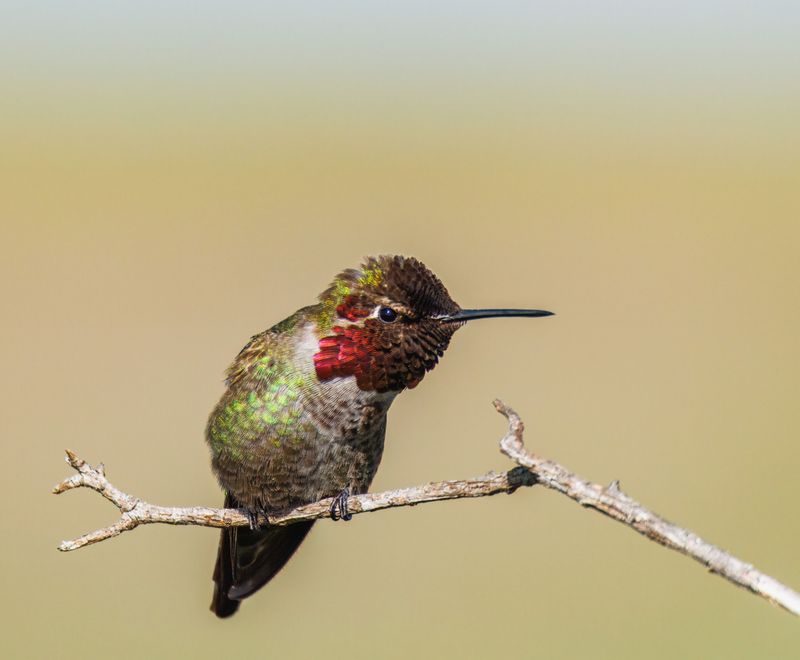
Hummingbirds are bold, but they are not reckless. They choose spaces that feel safe, calm, and free from constant disruption.
A yard with heavy foot traffic, loud machinery, or roaming pets often gets skipped entirely. These birds assess risk quickly, and anything that triggers alarm sends them darting away in a flash.
Seeing one linger in your yard means your space reads as low-threat to a creature that survives by making fast, smart decisions. That is a quiet compliment to how you manage your outdoor environment.
Creating buffer zones with dense shrubs or tall grasses near feeders gives hummingbirds places to perch and observe before committing to a feeding spot.
Feeling watched makes them nervous, so some visual cover goes a long way. Keeping cats indoors is one of the most impactful things you can do for all backyard birds.
Even the presence of a cat nearby can reduce bird activity significantly. Birds detect predator cues even when no attack happens.
A calm yard is a productive yard in every sense. The less chaos you introduce near your garden edges, the more wildlife will trust your space and make it part of their daily routine all season.
Layered Vegetation And Tree Canopy Are Well Established
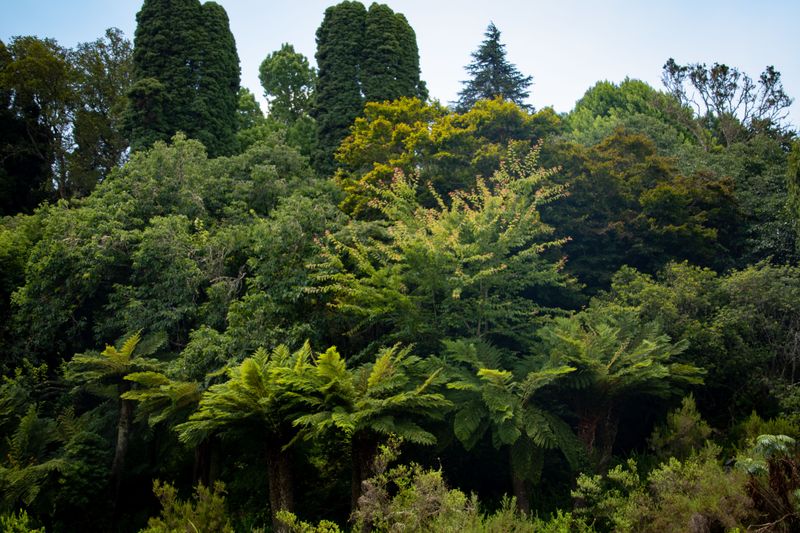
Structure matters more in a garden than most people think. Hummingbirds do not just want flowers. They want a landscape with depth, variety, and places to feel anchored.
A layered garden with tall trees, mid-height shrubs, and low flowering ground cover mimics the natural forest edge habitat these birds evolved in. That layering gives them flight paths, perching spots, and shelter all in one compact space.
Established canopy trees are especially valuable because they provide the high perches hummingbirds use to survey their territory. From up there, they can spot rivals, watch for predators, and plan their next feeding approach.
Oak trees, which are common across the South, also host thousands of tiny caterpillars and insects in their canopies.
Those insects become a protein source that keeps hummingbirds returning to your yard long after the blooms fade.
If your yard already has mature trees and layered planting, you have done the hard work without even knowing it.
The hummingbird showing up this summer is your reward for years of thoughtful, patient gardening.
Building layers in a new garden takes time, but every shrub you add today brings the full ecosystem closer. Start with fast-growing natives and let the canopy fill in around them over coming seasons.
Air Quality In Your Microclimate Is Noticeably Clean
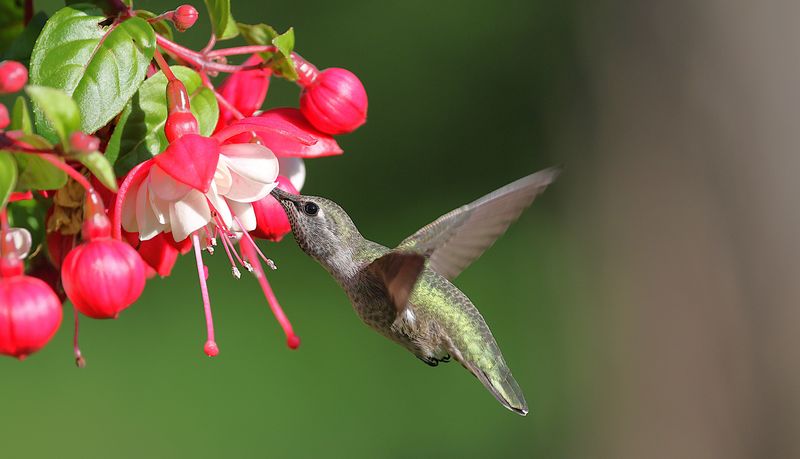
Clean air might not be the first thing you think of when a hummingbird zips past your head. But in Louisiana, air quality is deeply connected to where these birds choose to spend their time.
Hummingbirds breathe roughly 250 times per minute even at rest. In flight, that rate climbs even higher to meet their extreme energy demands.
Their tiny respiratory systems are highly sensitive to airborne pollutants, smoke, and chemical drift.
A hummingbird choosing your yard suggests your Louisiana microclimate is relatively clean and free of heavy chemical exposure.
That is meaningful in neighborhoods where pesticide drift and vehicle exhaust can quietly degrade outdoor spaces.
Gardens near busy roads or industrial zones tend to see less wildlife activity over time, even when plants are plentiful. Air quality shapes what animals feel comfortable visiting, often more than food availability alone.
Trees and dense plantings actually improve your local air by filtering particulates and releasing oxygen.
A well-planted yard creates its own cleaner microclimate that benefits every Louisiana creature passing through it. Knowing that a hummingbird trusts your air is a reason to keep protecting it.
Skip the chemical sprays, plant more natives, and let your Louisiana yard continue to be the kind of clean, alive place that draws in the extraordinary.