Harvest These 8 Vegetables More Often To Keep Them Producing In Louisiana
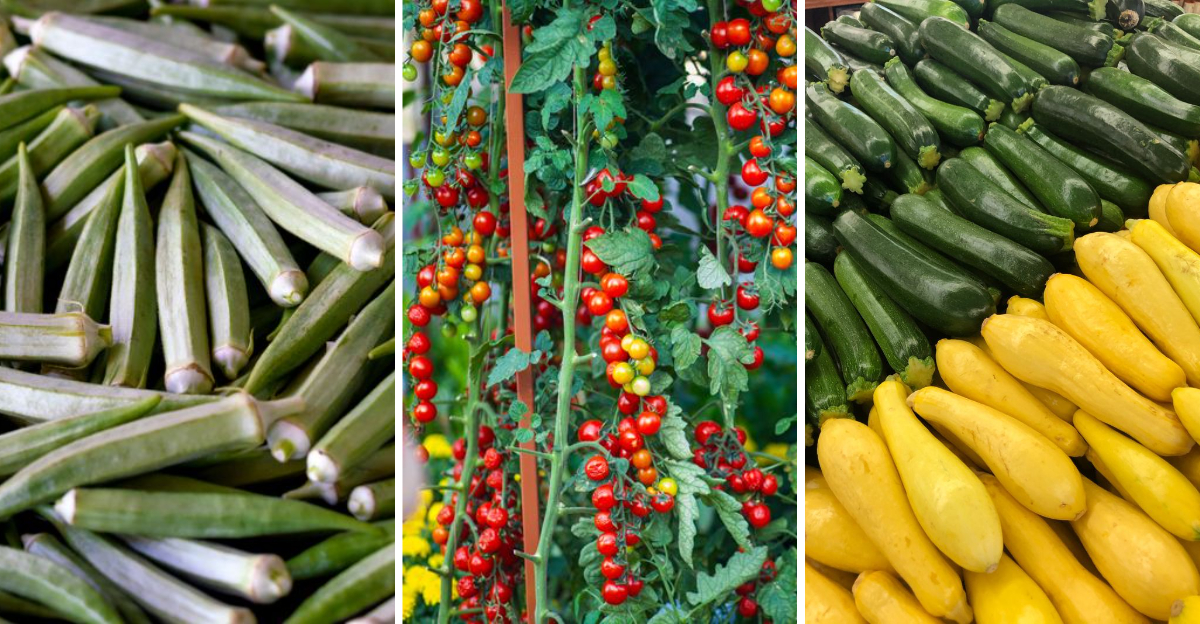
Your garden is quietly trying to tell you something, and most gardeners miss it completely. Louisiana soil won’t wait for you, no matter how hesitant. Heat builds fast here, and your plants sense every delay.
Plants read your absence as permission to quit producing entirely. Skip a few days and your yields drop without warning. Down here, Louisiana rewards your attention with rare intensity.
Confidence, not caution, wins for you here. You alone control the rhythm; the plant simply obeys it.
Timing matters far more to you than soil or plain luck. Momentum, once broken, rarely returns to your garden.
Pressure keeps your vegetables producing long past when they’d normally just stop. Vigilance alone separates your thriving harvest from a stalled plot.
Every basket you fill fuels your next round of growth. Nothing here stays still, least of all your yield. What you do next determines everything your garden becomes.
1. Cucumbers
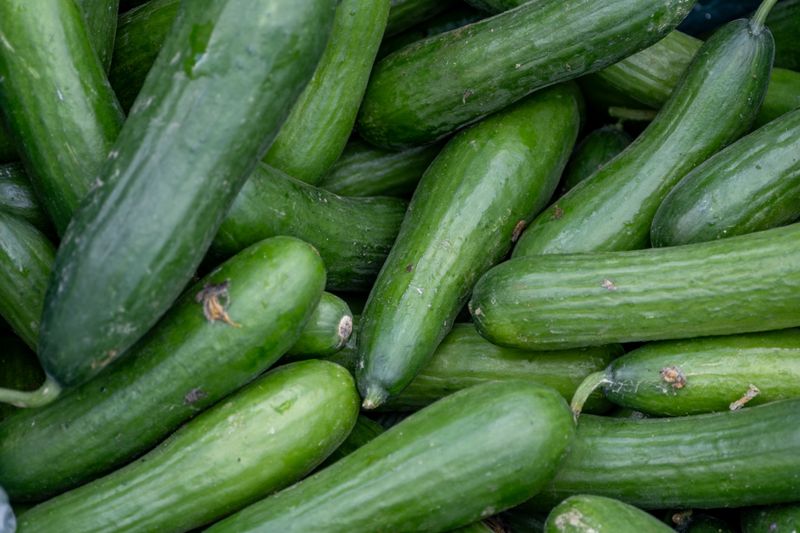
There is nothing quite like pulling a cool, crisp cucumber straight from the vine on a hot Louisiana afternoon. That satisfying snap when it breaks free is pure garden magic.
Cucumbers grow fast and need to be picked at the right moment. Most varieties are best harvested when they reach six to eight inches long, before they yellow or swell.
Once a cucumber turns yellow, it is overripe and sending hormonal signals to the plant. Those signals tell the vine to slow production and focus on seed development instead.
Check your vines every two days at minimum during the growing season. Missing a harvest window by even forty-eight hours can reduce the number of cucumbers your plant produces later in the season.
Big, oversized cucumbers left on the vine reduce your plant’s overall productivity. Cut them off immediately, even if you cannot use them, to keep production rolling.
Cucumbers prefer to climb, so give them a trellis or cage for support. Vertical growing makes spotting ripe fruit much easier and keeps them off the wet ground.
Louisiana summers can be harsh on cucumbers if they stress from lack of water. Consistent moisture, combined with frequent picking, keeps plants healthy and vigorous all season.
Try planting a second round of cucumbers in late summer for a fall harvest. The cooler temperatures of September and October can actually produce some of the crispest cucumbers of the year.
Harvesting cucumbers regularly is one of the easiest ways to maximize your garden output. Keep picking, and the plant keeps giving.
2. Green Beans
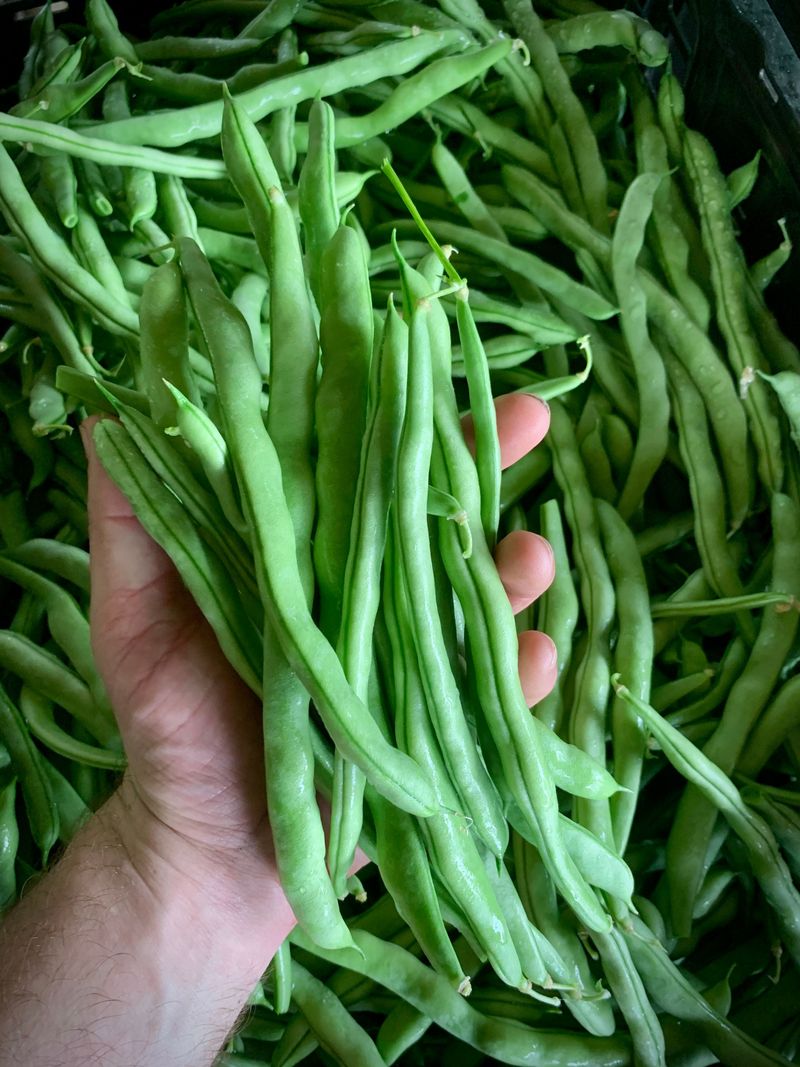
Green beans are the kind of crop that rewards the gardener who pays attention. Miss a few days of picking, and you will find bulging, tough pods that signal the plant to pump the brakes.
The ideal green bean is slender, firm, and snaps cleanly when bent. That crisp snap tells you the bean is at peak flavor and texture, ready for the pot or the freezer.
Beans left on the vine too long shift the plant’s energy toward seed production. Once seeds develop fully inside the pod, the plant considers its job done and slows way down.
Your Louisiana Garden Changes Every Week. Your Plan Should Too.
Gardening in Louisiana changes quickly throughout the season. Every Friday you’ll receive a simple weekly plan showing exactly what to plant, prune, fertilize, harvest, and protect so you never miss the right timing.
Harvest every two to three days during peak production season. In Louisiana’s warm climate, beans can go from perfect to overgrown in just a couple of days.
Bush beans and pole beans both follow the same harvesting logic. Pick them young, pick them often, and the plant will keep flowering and setting new pods for weeks.
One overlooked tip is to harvest in the morning when pods are cool and crisp. Morning harvesting also reduces stress on the plant compared to picking in the midday heat.
Green beans are not fans of waterlogged soil, so make sure your beds drain well. Louisiana’s heavy rainfall can cause root problems if the soil stays soggy for too long.
Succession planting green beans every two to three weeks extends your harvest window significantly. You will have fresh beans from spring well into fall with smart planting timing.
Regular harvesting is the single most effective way to keep green beans producing in Louisiana. Pick more, get more, simple as that.
3. Summer Squash
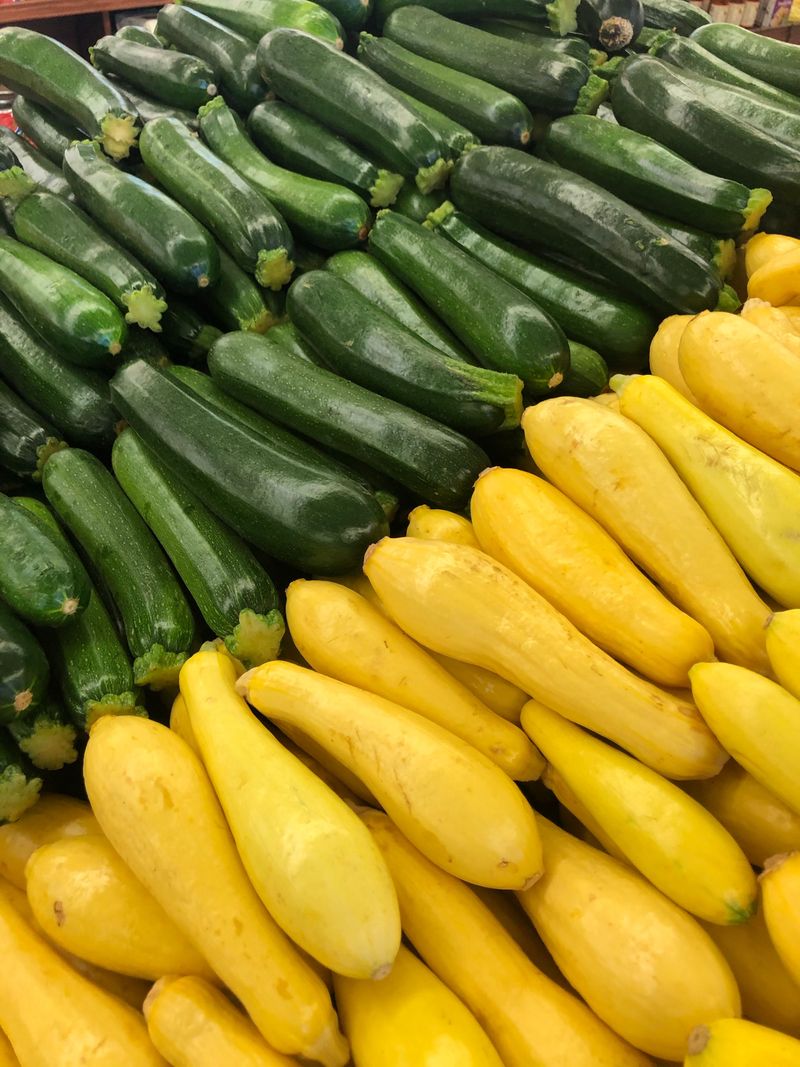
Summer squash has a reputation for growing from tiny to oversized in just a day or two, and that reputation is well earned. A zucchini can go from perfectly snackable to far too large in a very short window.
The sweet spot for harvesting summer squash is when it is six to eight inches long. At that size, the flesh is tender, the seeds are small, and the flavor is at its peak.
Letting squash grow massive does the plant no favors. Giant squash drain the plant of energy and trick it into thinking the season is over.
Pick summer squash every two to three days without fail. During the hottest stretches of a Louisiana summer, daily harvesting is not excessive at all.
Zucchini, yellow crookneck, and pattypan all follow the same rule: pick early and pick often. Each variety rewards frequent harvesting with a longer and more productive growing window.
Summer squash plants are heavy feeders and drinkers. Keep the soil consistently moist and fertilize regularly to support the high output these plants are capable of producing.
Powdery mildew is a common issue in humid Louisiana gardens, especially on squash leaves. Removing affected leaves quickly and keeping airflow good around plants helps extend the season.
If you notice the plant flowering but not setting fruit, check for pollination issues. Hand pollinating with a small brush can solve the problem fast and get production back on track.
Summer squash is one of those vegetables that rewards attentive gardeners most. Stay on top of your harvest, and this plant will outperform almost anything else in the garden.
4. Okra
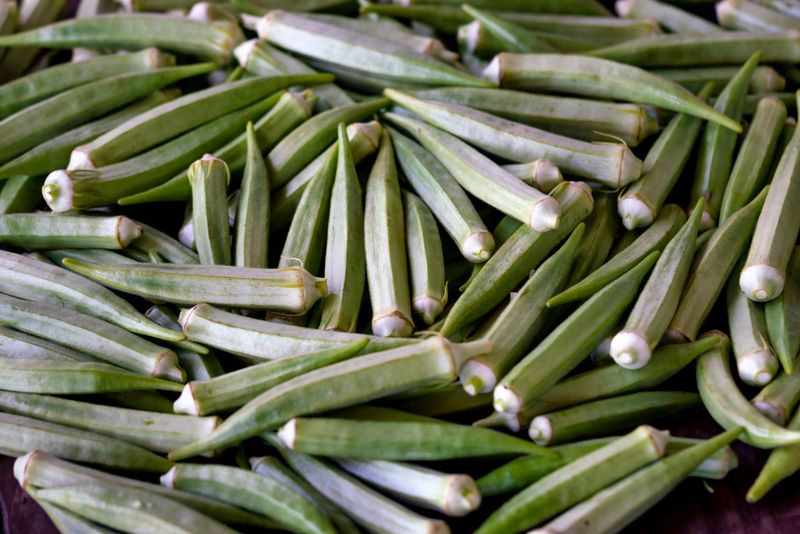
Okra is one of the most productive crops in a Louisiana garden. It shoots up fast, flowers boldly, and produces pods at a pace that will genuinely surprise you.
The golden rule with okra is simple: pick it small. Pods harvested at two to four inches are tender, flavorful, and perfect for frying or stewing.
Wait too long, and those pods turn woody and tough. Once they go fibrous, they are only good for seeds, not your supper plate.
Harvesting every single day is not an exaggeration with okra. In peak summer heat, a single plant can push out a new pod within a day or two.
When you leave mature pods on the plant, it reads that as a sign to stop reproducing. Removing them keeps the plant in full production mode all season long.
Wear gloves and long sleeves when picking because the plant has tiny spines that irritate skin. A sharp pair of garden scissors makes the job much cleaner and faster.
Okra is exceptionally well suited to the Louisiana climate. High heat and humidity are exactly the conditions it was built to handle.
Planting okra in rows and staying on top of daily picking can fill your freezer by midsummer. You will be handing bags of it to neighbors before August even arrives.
If your okra plants look tall but sparse, check for oversized pods hiding under the leaves. One missed giant pod can slow an entire plant down for days.
5. Bell Peppers
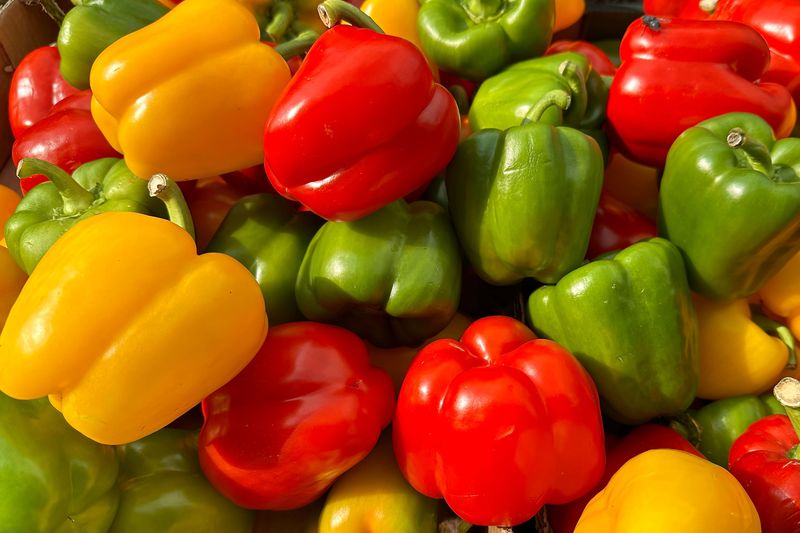
Bell peppers are slower to mature than most garden vegetables, but they are absolutely worth the patience. Once they start producing, regular picking is what keeps them going strong all season.
Green bell peppers are technically mature and ready to pick before they turn red, yellow, or orange. Harvesting them green actually encourages the plant to set more fruit faster.
Leaving peppers on the plant to fully ripen to red takes extra time and plant energy. If production is your main goal, picking green keeps the cycle moving at a better pace.
Louisiana summers are hot enough that pepper plants can drop blossoms during peak heat. Harvesting mature peppers reduces the plant’s stress load and helps it push through the tough weeks.
Use garden shears or scissors rather than pulling peppers off by hand. Yanking can break branches and damage the plant, cutting production short for the rest of the season.
Peppers are heavy feeders that benefit from consistent fertilizing throughout the growing season. A balanced fertilizer applied every few weeks keeps plants vigorous and productive well into fall.
Mulching around pepper plants helps retain moisture and regulate soil temperature during hot spells. Keeping roots cool is one of the best things you can do for peppers in Louisiana heat.
Bell peppers also perform well in containers, which makes them ideal for smaller spaces. Container-grown peppers can be moved to shadier spots during the hottest part of the afternoon.
Harvesting these 8 vegetables, including bell peppers, more often is the key to a productive Louisiana garden all season long.
6. Eggplant
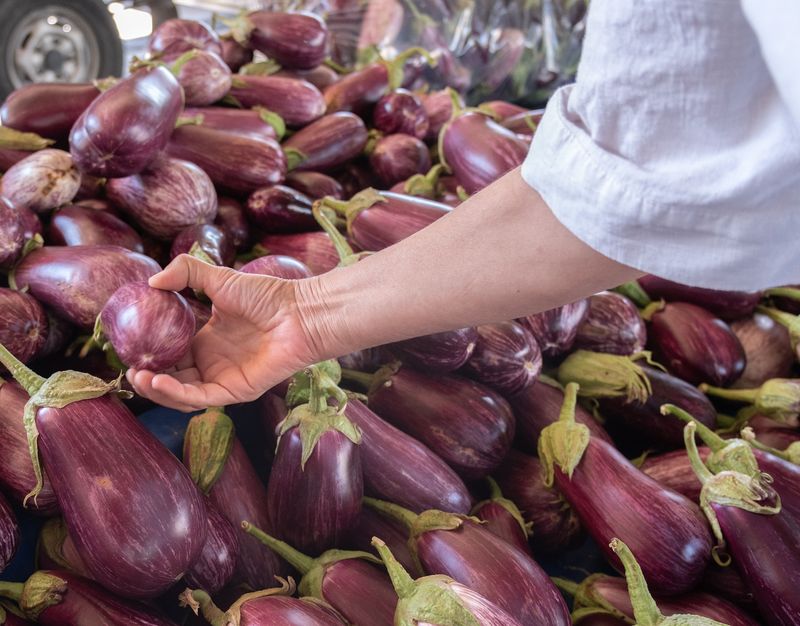
Eggplant has a glossy purple skin and deep color that make it stand out in the garden, but leaving it too long is a mistake.
Overripe eggplant becomes bitter, seedy, and spongy in texture. Harvesting at the right time, when the skin still shines and the flesh springs back when pressed, makes all the difference in flavor.
Most eggplant varieties are best picked when they reach about one-third to two-thirds of their full mature size. Smaller eggplants are often sweeter and more versatile in the kitchen than large ones.
Check your plants every two to three days once they start setting fruit. Louisiana heat speeds up development, so a perfect eggplant can go past its prime within a few days.
Always use a sharp knife or pruning shears to harvest eggplant. The stem is thick and tough, and forcing it off by hand can stress the plant and damage nearby branches.
Eggplant thrives in Louisiana’s long, hot growing season and can produce from midsummer through fall. With consistent picking, a single plant can yield dozens of fruits across the season.
Fertilizing eggplant with a balanced blend, adjusted based on a soil test, can encourage more flowering and fruit set.
More blooms mean more opportunities to harvest, which is exactly what you want from this productive crop.
Watch for flea beetle damage on young eggplant leaves, as it can stunt early growth. Covering transplants with row cloth when they are small gives them a strong, protected start.
Eggplant rewards attentive gardeners with a stunning and delicious harvest all season long. Stay on top of picking, and this plant will keep delivering beautifully.
7. Cherry Tomatoes
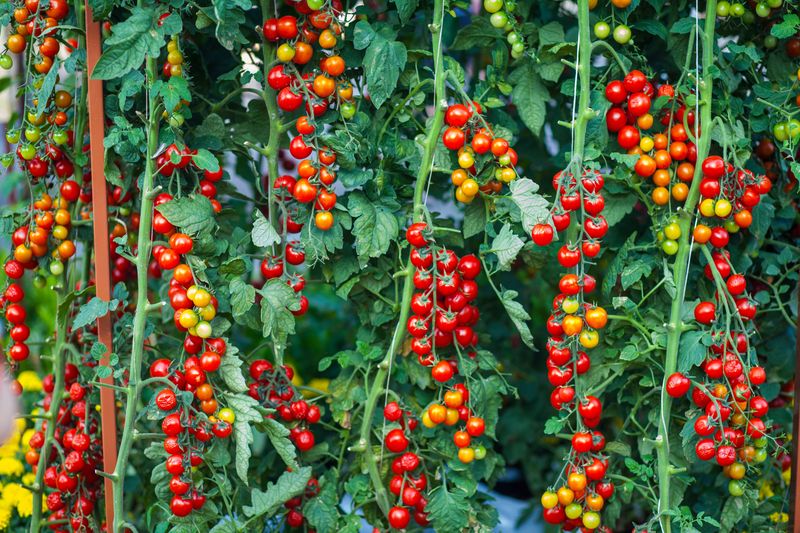
Cherry tomatoes are one of the most snackable, high-yield crops in the garden, and they keep producing steadily when picked regularly. Pop one off the vine, and it is warm, sweet, and full of flavor.
These small fruits ripen fast, and clusters can go from green to fully ripe in just a few days during Louisiana summer heat. Checking plants daily is not obsessive, it is just smart gardening.
Leaving ripe cherry tomatoes on the vine too long leads to splitting, rotting, or pest damage. A split tomato is an open invitation for insects and fungal problems that can spread quickly.
Indeterminate varieties like Sweet 100 and Sun Gold keep growing and producing all season. Regular harvesting signals these varieties to keep flowering and setting new fruit continuously.
Pruning suckers on indeterminate cherry tomatoes helps manage plant size and directs energy toward fruit production. Removing suckers also improves airflow, which matters a lot in Louisiana’s humid conditions.
Staking or caging cherry tomato plants early prevents them from flopping under the weight of heavy fruit clusters. A well-supported plant is easier to harvest and stays healthier overall.
Watering cherry tomatoes consistently prevents blossom-end rot and cracking that comes from uneven moisture. Mulching the base of the plant helps maintain steady soil moisture between rainfalls.
Cherry tomatoes are one of the highest-yielding crops you can grow in a Louisiana garden. Pick every single ripe one you see, and the plant will respond with even more.
Harvesting these 8 vegetables regularly, especially cherry tomatoes, is how you unlock a Louisiana garden’s full potential. A regularly picked plant tends to stay more productive.
8. Southern Peas
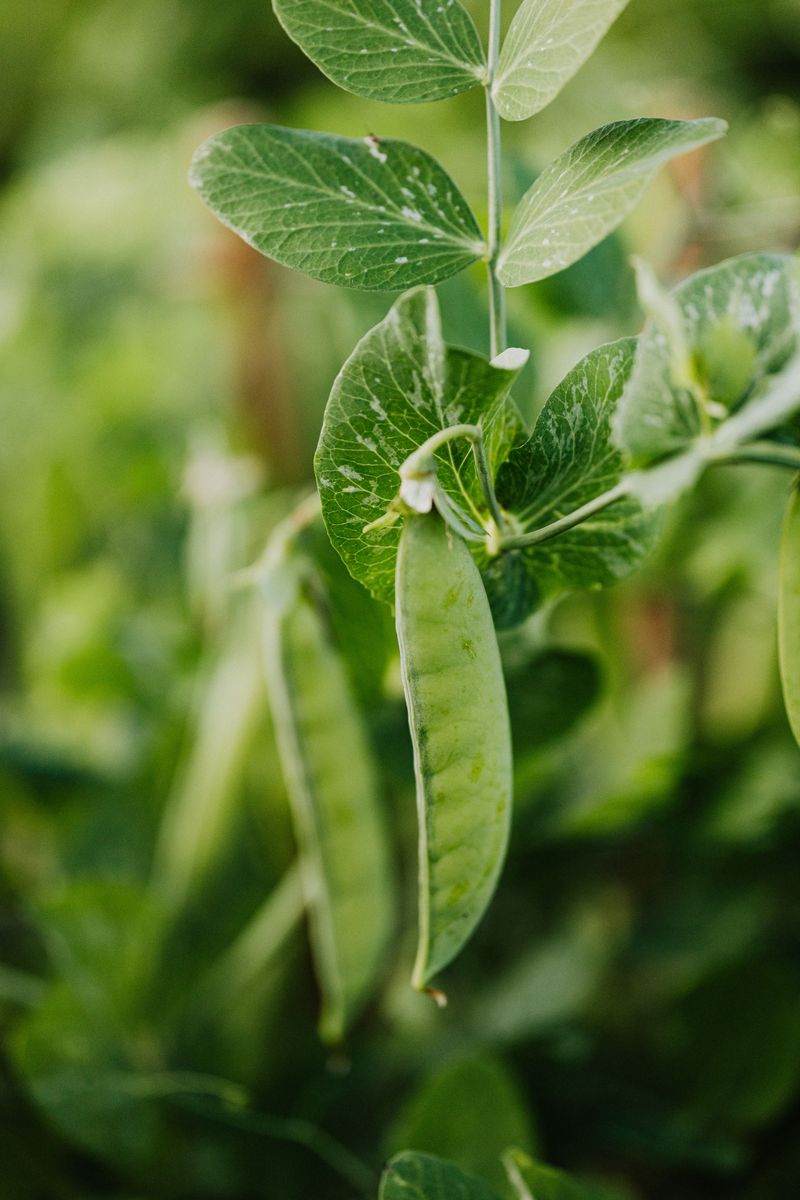
Southern peas, including black-eyed peas, crowder peas, and cream peas, are a staple of Louisiana gardens and dinner tables alike. They are tough, heat-tolerant, and incredibly generous when harvested at the right time.
The trick with Southern peas is knowing when to pick them. For fresh shelling peas, harvest when pods feel full but are still green and flexible on the plant.
If you want dry peas for storage, leave them on the vine until the pods turn tan and papery. Both stages are perfectly valid, depending on how you plan to use them.
Picking pods regularly, especially at the fresh-shell stage, encourages the plant to keep flowering and setting new pods. Leaving too many mature pods signals the plant to wrap up production early.
Southern peas are one of the most drought-tolerant crops you can grow in a hot Louisiana summer. They actually fix nitrogen in the soil, making them a benefit to the entire garden bed.
Plant Southern peas in full sun and well-drained soil for the best results. They do not need much fertilizer, especially nitrogen, since they produce their own through root bacteria.
Pests like aphids and stink bugs can be a nuisance on Southern pea plants. Checking plants during each harvest visit lets you catch infestations early before they become serious problems.
Succession planting every three to four weeks extends your Southern pea harvest deep into fall. Louisiana’s long warm season gives you multiple rounds of fresh peas from a single growing bed.
Southern peas are a long-standing, well-suited crop for Louisiana gardens. Harvest them often, and they will feed your family from summer straight through to the first cool nights of autumn.