Common Ground Covers That Could Be Inviting More Scorpions Into Your Arizona Yard
Ground covers are often planted to make a yard look fuller and reduce the amount of bare soil. They can soften the landscape, fill awkward spaces, and create a more finished appearance around trees, walkways, and garden beds.
Many homeowners choose them without giving much thought to how they might affect other parts of the yard.
Scorpions are a different story. Few Arizona homeowners want to find them near patios, pathways, or outdoor living spaces.
Yet some landscape features can create the shade, shelter, and protection these pests look for during hot weather.
That is why certain planting choices deserve a closer look. A ground cover may seem like a harmless addition, but the conditions it creates can sometimes make an area more appealing to scorpions.
Understanding which common ground covers may be contributing to the problem can help homeowners make more informed landscaping decisions this summer.
1. Trailing Rosemary Spreads Along Walls And Slopes
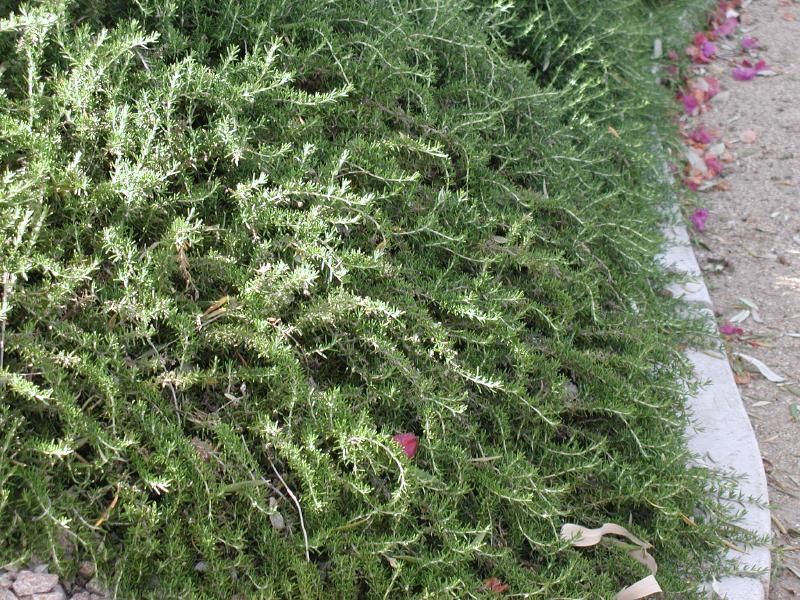
Trailing rosemary smells wonderful and looks natural in dry desert landscapes. But underneath those woody stems and tangled branches, there is a whole world of hidden space that scorpions use freely.
Woody ground covers create a different kind of shelter than soft-leafed plants. The stems interlock and form rigid tunnels close to the soil surface.
Scorpions can move through these tunnels without being exposed. Walls and slopes make the situation worse because the plant tends to pile up against hard surfaces, creating dense pockets with almost no airflow.
Across the Southwest, trailing rosemary is popular because it handles drought and heat without much fuss. Homeowners plant it along fences, retaining walls, and hillsides where other plants struggle.
Those same locations are also natural scorpion corridors, especially near block walls that absorb and hold warmth overnight.
Cutting trailing rosemary back hard once or twice a year exposes the soil underneath and disrupts established hiding spots.
A gap between the plant and any wall or structure reduces the chance of scorpions moving directly from the ground cover into your home. Avoid letting the stems pile up and mat down.
Loose, open growth with visible soil patches between stems is much less inviting than a solid, impenetrable wall of foliage. Checking the base of the plant regularly, especially after rain, gives you an early warning if activity is increasing nearby.
2. Vinca Forms A Dense Carpet Beneath Taller Growth
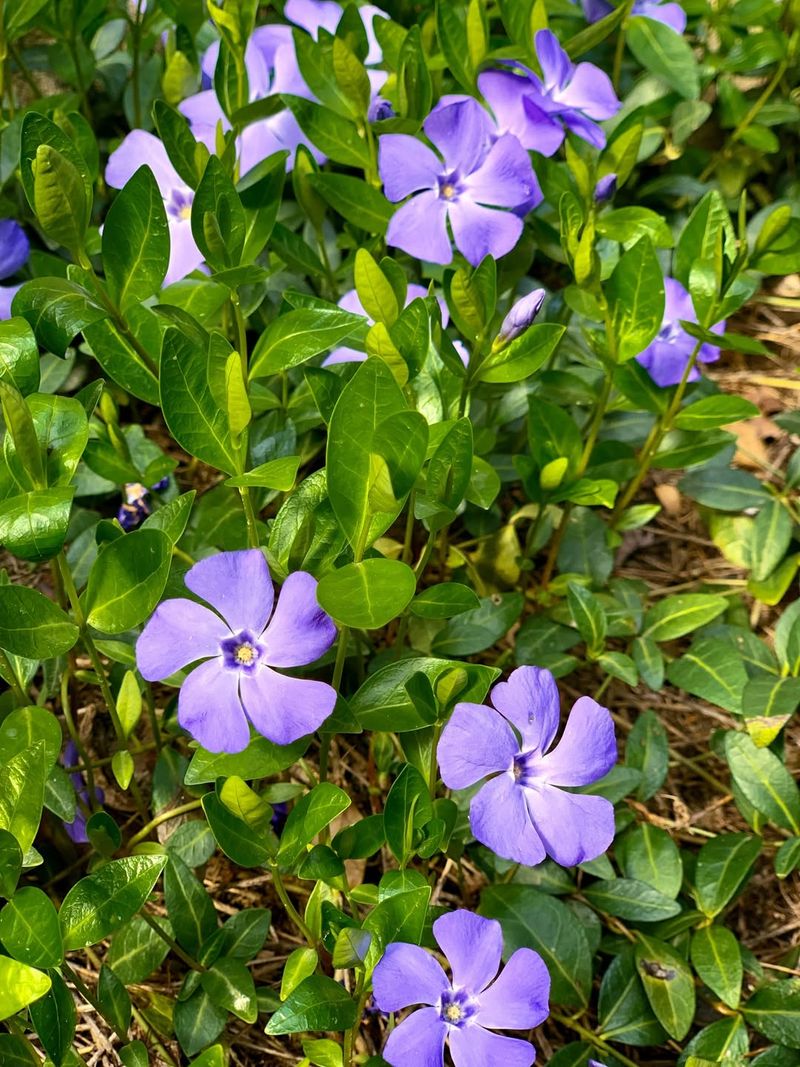
Vinca spreads quietly and steadily until it blankets everything beneath it. Planted under trees or large shrubs, it creates a layered environment with very little light reaching the soil.
Scorpions thrive in exactly that kind of undisturbed, shaded space.
What makes vinca particularly problematic is how it grows over itself. Older stems stay intact while new growth covers them.
Over time, the mat becomes several inches thick with air pockets running through it. Those pockets act like built-in shelters, complete with insulation from heat and protection from predators.
Vinca also stays moist longer than surrounding soil because the dense canopy slows evaporation. Moisture draws in the insects that scorpions hunt.
Your Arizona Garden Changes Every Week. Your Plan Should Too.
Gardening in Arizona changes quickly throughout the season. Every Friday you’ll receive a simple weekly plan showing exactly what to plant, prune, fertilize, harvest, and protect so you never miss the right timing.
Combine that with the shelter the plant provides, and you have created a habitat that is very hard to compete with from a scorpion’s perspective.
Thinning vinca regularly is the most effective maintenance step. Pull out sections of older, layered growth and rake out the accumulated debris beneath.
Replacing it with a coarser, more open-growing plant in high-risk areas near doors and walkways can make a noticeable difference.
If vinca stays in your yard, keep it away from entry points and check beneath it during warmer months when scorpion activity peaks. A light trim is not enough.
Genuine thinning that exposes the soil surface consistently is what actually reduces the shelter value of this plant.
3. Asiatic Jasmine Fills Foundation Beds With Heavy Growth
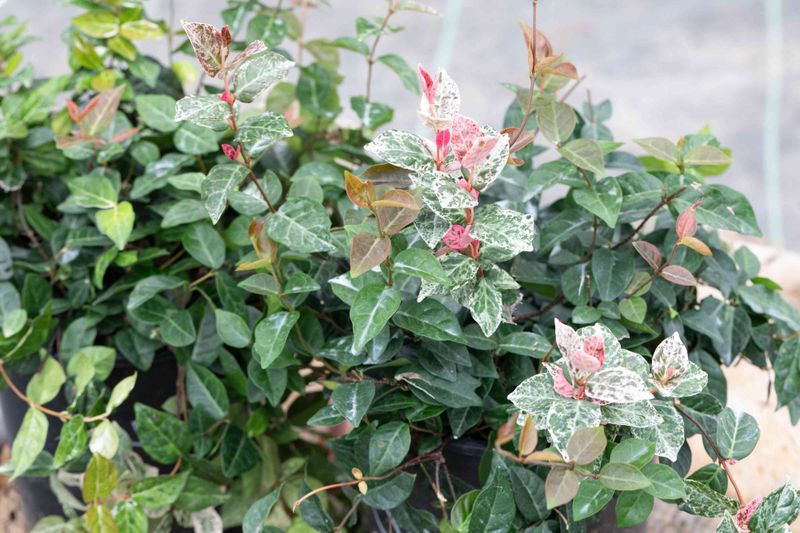
Foundation beds filled with Asiatic jasmine look tidy from a distance. Up close, the reality is different.
Stems weave together into a thick, layered mat right up against the base of the house, which is exactly where you least want scorpion activity.
Scorpions often enter homes through the foundation. Any plant that grows dense and undisturbed directly against that zone gives them a staging area.
Asiatic jasmine does not just provide shelter; it provides shelter in the most vulnerable part of your yard. The combination is worth taking seriously.
Jasmine’s waxy leaves also trap humidity close to the soil even in dry weather. That moisture supports the small insects and invertebrates that scorpions feed on.
A well-fed scorpion near your foundation is not a situation you want to let develop unchecked.
Pulling Asiatic jasmine back from foundation walls by at least 18 inches creates a clear buffer zone. Bare mulch or gravel in that strip makes it easier to spot activity and harder for scorpions to cross undetected.
Thinning the interior of the mat removes the compacted, layered stems where scorpions like to rest during daylight hours. Routine maintenance twice a year is more effective than a single heavy cut.
Keep the growth open and airy rather than dense and compacted, and monitor the perimeter of the bed each season for signs of increased invertebrate activity beneath the foliage.
4. Purple Heart Develops Dense Patches Between Plantings
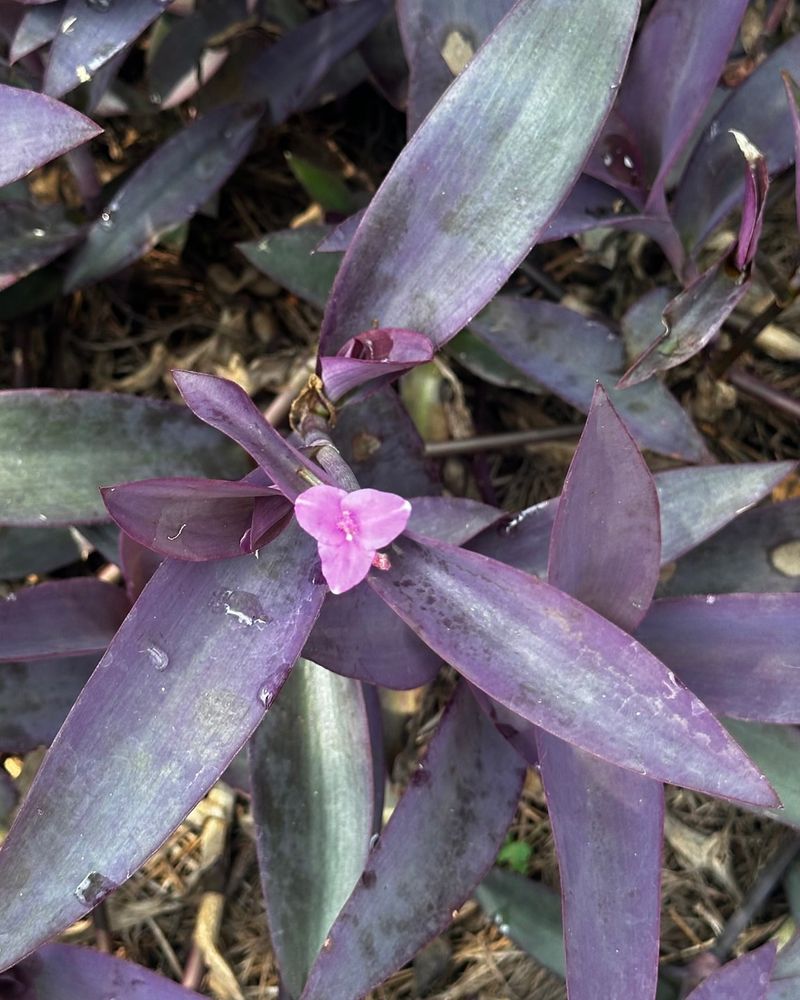
Purple Heart is striking. That deep purple color stands out in any yard, and it spreads aggressively in warm climates without much help.
Between established shrubs and perennials, it fills gaps fast and creates dense patches that are difficult to see into or through.
Those in-between spaces are often overlooked during yard maintenance. When Purple Heart fills them, it adds another layer of neglect.
Scorpions use these hidden patches as daytime resting spots, protected from foot traffic and direct sun. At night, they move out to hunt and then return before dawn.
The stems of Purple Heart stay succulent and close to the ground. Underneath, the soil retains more moisture than open ground nearby.
Small insects accumulate there, and where insects gather, scorpions follow. It is a straightforward chain that plays out across many desert yards during warmer months.
Spacing matters a lot with this plant. Letting it grow in tight, unbroken patches increases the risk.
Allowing some open soil between clumps reduces the shelter value significantly.
Pulling back the edges periodically and removing any damaged or compacted stem material at the base helps disrupt the habitat.
If Purple Heart is growing near a patio, walkway, or entryway, consider replacing it with a lower-risk option or maintaining it at a reduced density.
Keeping the patches small, thin, and well-spaced makes a real practical difference for scorpion management in your outdoor space.
5. Gazania Settles Around Rocks And Borders
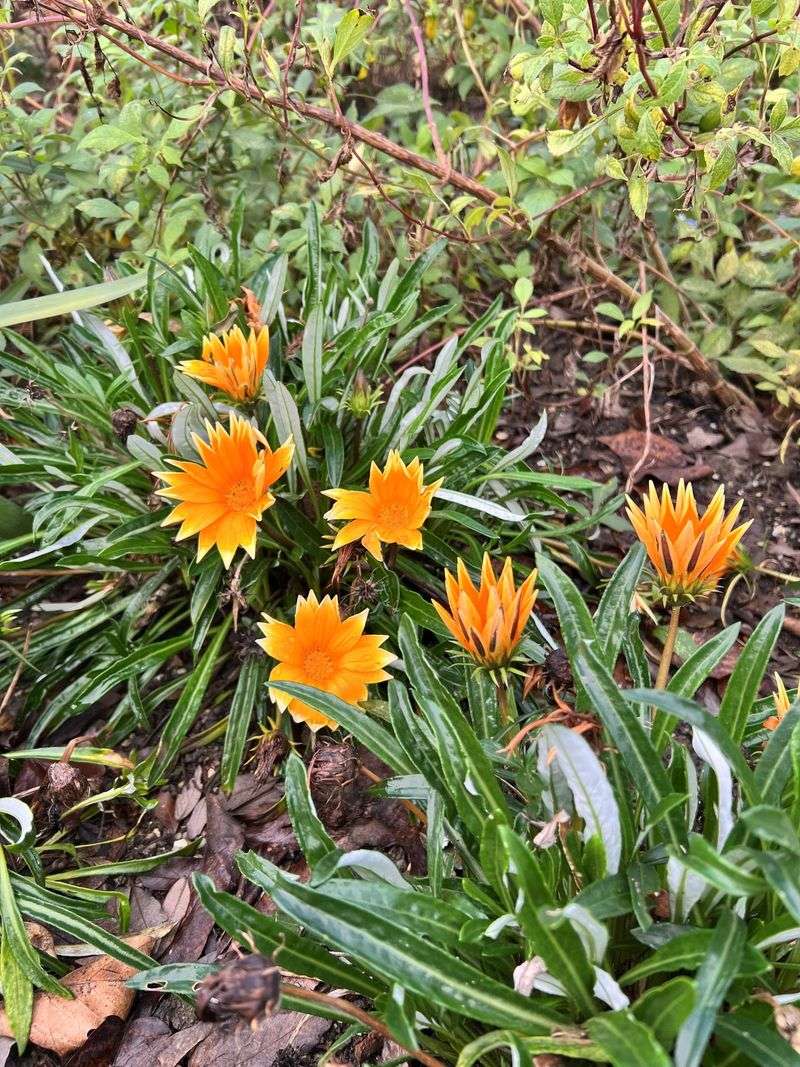
Rocks and gazania seem like a natural pairing in a desert yard. Both handle heat well, both look good with minimal care, and both are popular across the region.
The problem is that rocks already attract scorpions, and adding dense low rosette plants right up against them doubles the appeal.
Scorpions use rocks for the same reason they use ground cover: shelter, temperature regulation, and proximity to food. Gazania rosettes sit flat against the soil and spread outward in tight clusters.
Tucked against a rock or border edging, each rosette creates a snug, sheltered pocket just above ground level.
Leaf litter collects in those pockets too. Dry debris under and around gazania builds up quickly and adds insulation.
That layer of litter is often home to the small insects and invertebrates that make up a scorpion’s diet. The entire setup becomes a convenient habitat with food, shelter, and temperature stability all in one spot.
Raking out leaf litter from around gazania regularly is a simple but effective step. Moving rocks away from the immediate base of the plant removes one of the key shelter components.
Keeping a visible gap between the plant rosettes and any hard border material reduces the number of enclosed pockets at ground level. During peak activity months, a quick check around gazania patches near seating areas or entry points is a smart habit.
Staying aware of what is happening at ground level costs very little time but provides genuinely useful information.
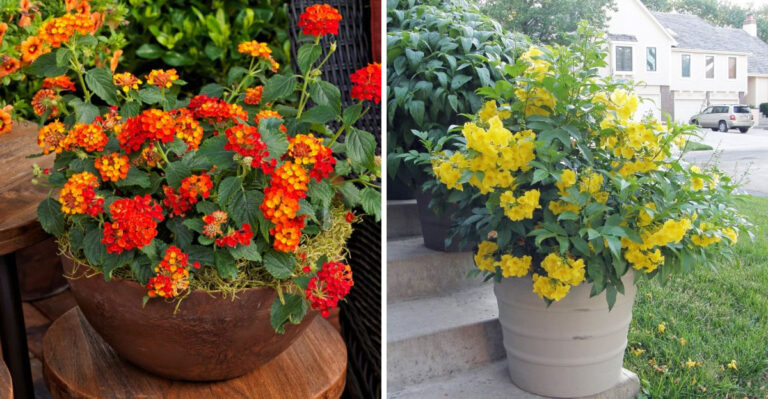
6. Trailing Lantana Forms Thick Growth Along Garden Edges
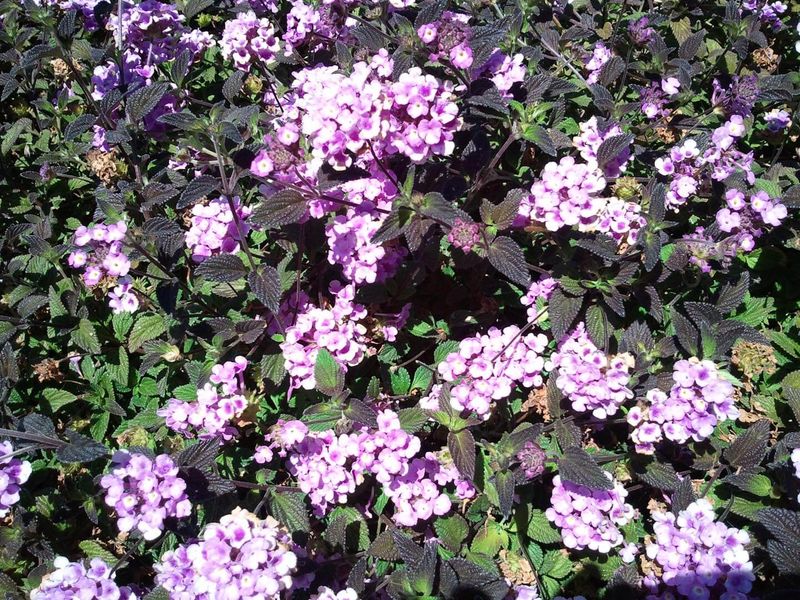
Trailing lantana is one of the most commonly planted ground covers in warm desert climates, and for good reason. It handles full sun, survives on minimal water, and produces color through most of the year.
Along garden edges and borders, it can spread several feet wide and build up significant stem density over time.
That stem density is the issue. Older lantana growth becomes woody and tangled at the base.
Stems cross over each other and trap debris, creating a layered structure close to the soil that is nearly impossible to see through. Scorpions use those lower woody layers as reliable daytime shelter.
Lantana also attracts butterflies and other insects with its flowers. More insect activity around the plant means more prey available nearby.
Scorpions do not need to travel far when food and shelter are already combined in one location along your garden edge.
Hard pruning once or twice a year removes the old woody base material and forces fresh, more open growth from the stems. Cutting lantana back to within a few inches of the ground periodically resets the structure and eliminates the layered debris zone.
Along walkways and entry paths, keeping lantana trimmed low and pulled back from the edge reduces the chance of close contact.
Swapping out older, overgrown patches near doors with fresh transplants or a lower-density alternative is worth considering if the growth has become very thick and hard to maintain properly.
7. Myoporum Develops Interwoven Growth Across Open Ground
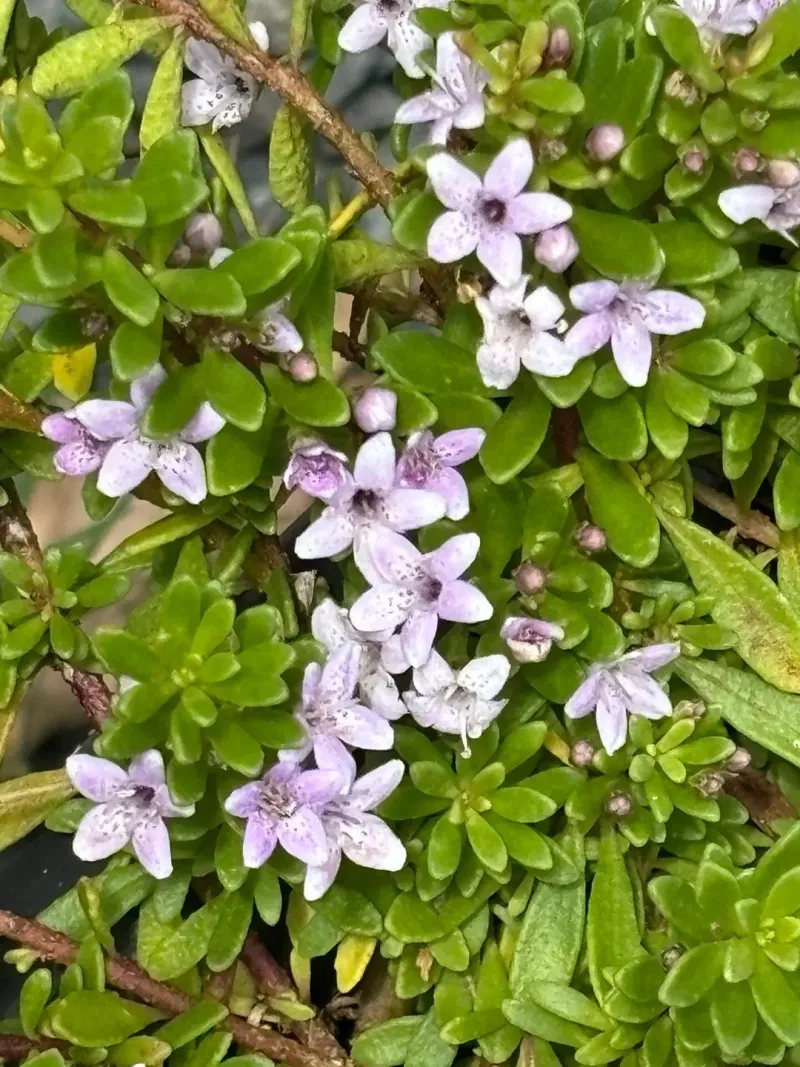
Myoporum parvifolium covers ground fast. It is one of the most effective low-growing plants for open areas in dry climates, spreading outward in all directions and knitting together into a solid, low canopy.
That efficiency is exactly what makes it worth a second look from a scorpion management perspective.
Solid, low canopies over large areas of soil create ideal conditions. Scorpions can move freely underneath while staying completely hidden.
The interwoven stems make it almost impossible to see what is happening at soil level without physically pulling sections apart. In open areas away from the house, this may be a manageable tradeoff.
Near structures, it becomes a more serious concern.
Myoporum stays close to the ground, usually under six inches tall. That height range is the sweet spot for scorpion shelter because it is too low for most predators to access easily but provides enough cover for the scorpion to feel secure.
Insects shelter there too, which keeps the food supply consistent.
Pulling myoporum back from the perimeter of structures and leaving a gravel buffer creates a clear separation between the ground cover and the building.
Thinning sections periodically, rather than letting the entire mat grow uninterrupted, breaks up the continuous shelter corridor.
In areas where myoporum covers large stretches of ground near patios or sheds, seasonal checks underneath the mat give you a realistic sense of what activity is present.
Gravel strips between sections also help interrupt movement patterns across the yard.
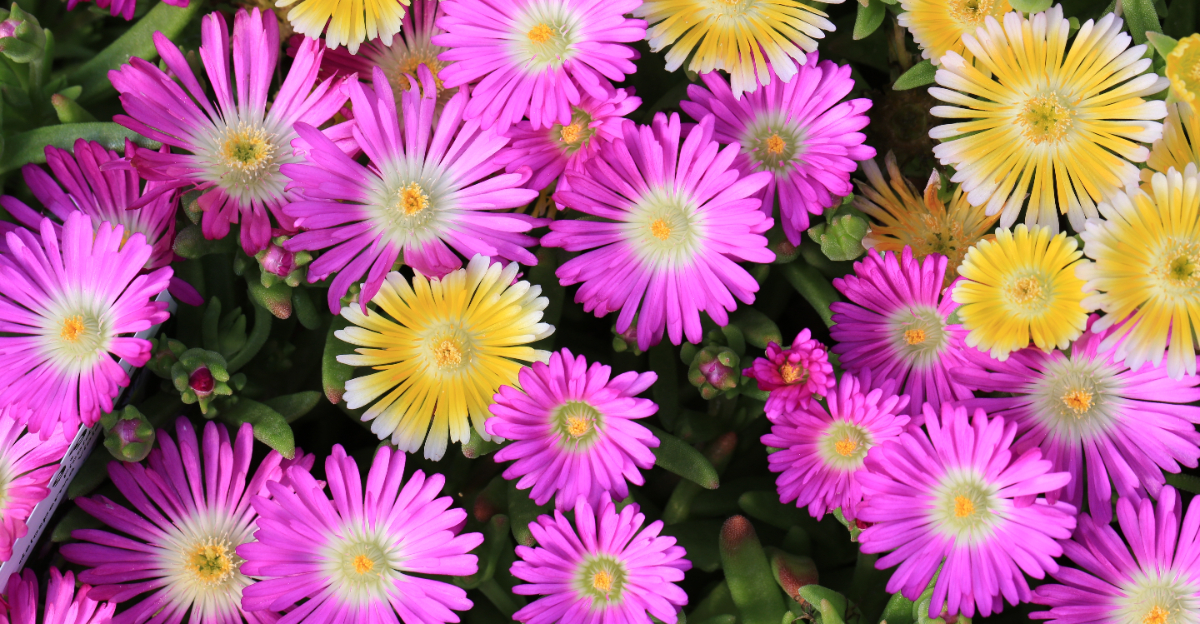
8. Ice Plant Creates A Thick Layer Above Bare Soil
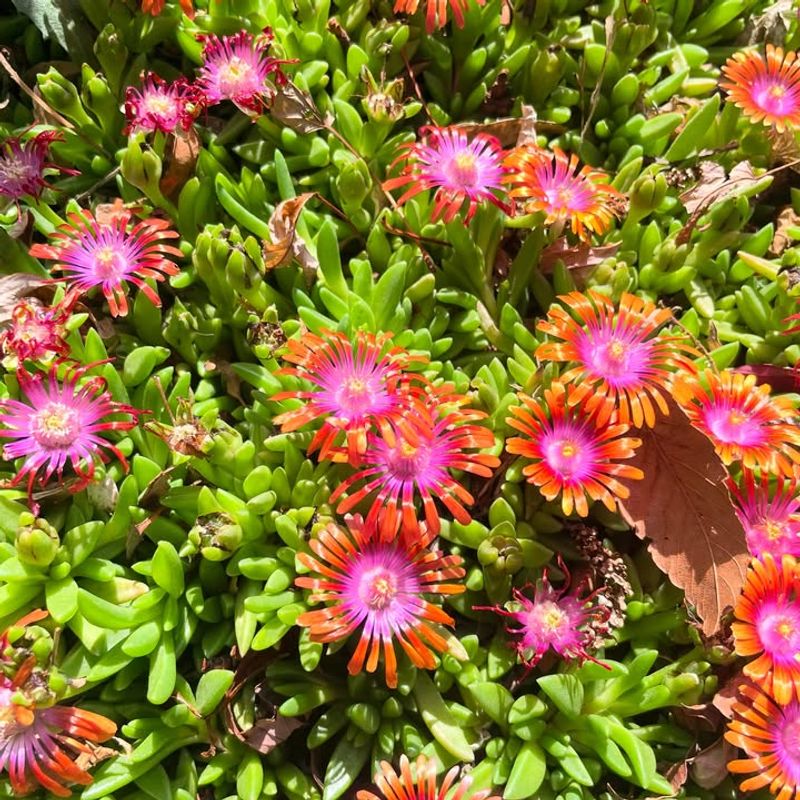
Looks can be deceiving with ice plant. It spreads fast, stays low, and forms a thick, fleshy mat that traps moisture underneath.
That layer between the plant and the soil becomes a cool, dark corridor that scorpions find very appealing.
Scorpions are cold-blooded, so they actively seek out spots that hold heat at night and stay cool during the day. Ice plant checks both boxes.
The dense growth also shelters crickets and other insects that scorpions feed on, which only adds to the attraction.
Yards in the Phoenix and Tucson areas often use ice plant as a low-maintenance solution along slopes or borders. It works well for erosion control, but the tradeoff is real.
Once the mat thickens, it becomes almost impossible to spot what is living underneath without pulling sections back.
Reducing the risk does not mean removing the plant entirely. Keeping it trimmed back from walls and structures helps a lot.
Pulling the mat away from the house foundation by at least two feet creates a buffer that discourages scorpions from traveling indoors. Regular thinning also removes the compacted debris layer that builds up over time beneath the foliage.
Checking beneath the mat during seasonal maintenance gives you a clearer picture of what is going on at ground level.