More Wild Turkeys, Less Ticks In Your Pennsylvania Yard (Here’s How To Attract Them)
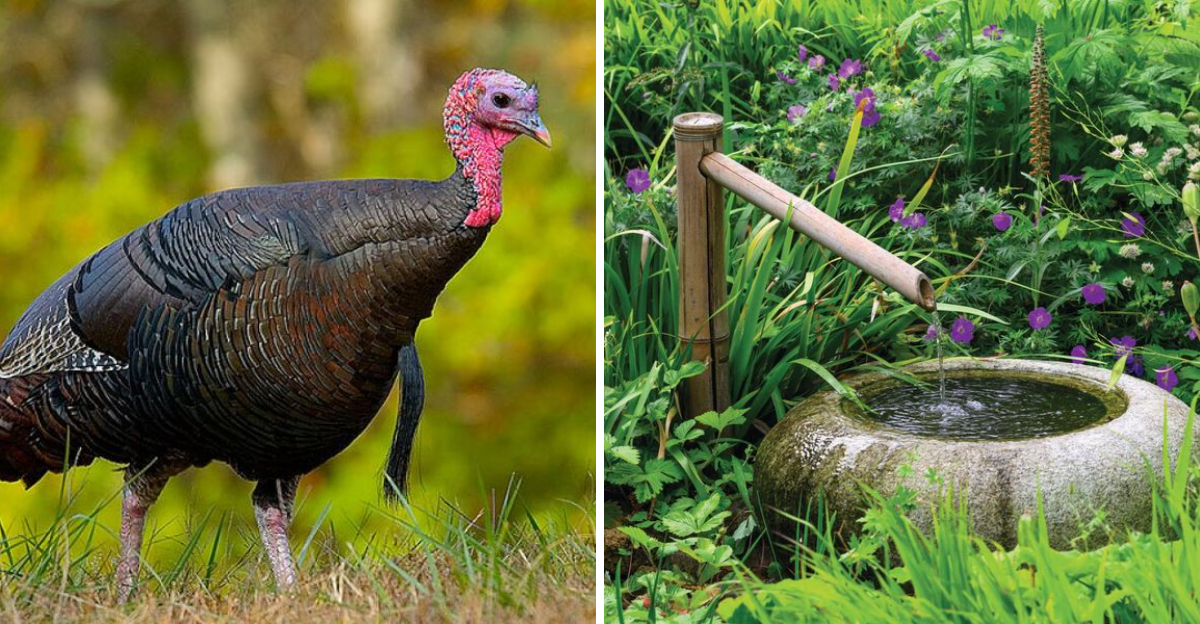
Wild turkeys wandering through a Pennsylvania yard tend to get a mixed reaction, somewhere between amusing and mildly disruptive depending on how many show up and what they decide to investigate.
What most Pennsylvania homeowners do not know is that those birds are doing something genuinely useful while they are there.
Wild turkeys are active and effective tick foragers, moving through vegetation and leaf litter and consuming ticks in numbers that add up meaningfully over the course of a season.
In a state where tick-borne illness is a serious and growing concern, having wild turkeys visit regularly is less of a nuisance and more of a free pest management service that requires no products, no scheduling, and no reapplication.
Attracting them consistently comes down to understanding what turkeys need in a yard and making a few intentional choices about habitat and planting that bring them in on a regular basis rather than just occasionally passing through.
1. Plant Native Fruit And Nut-Bearing Trees
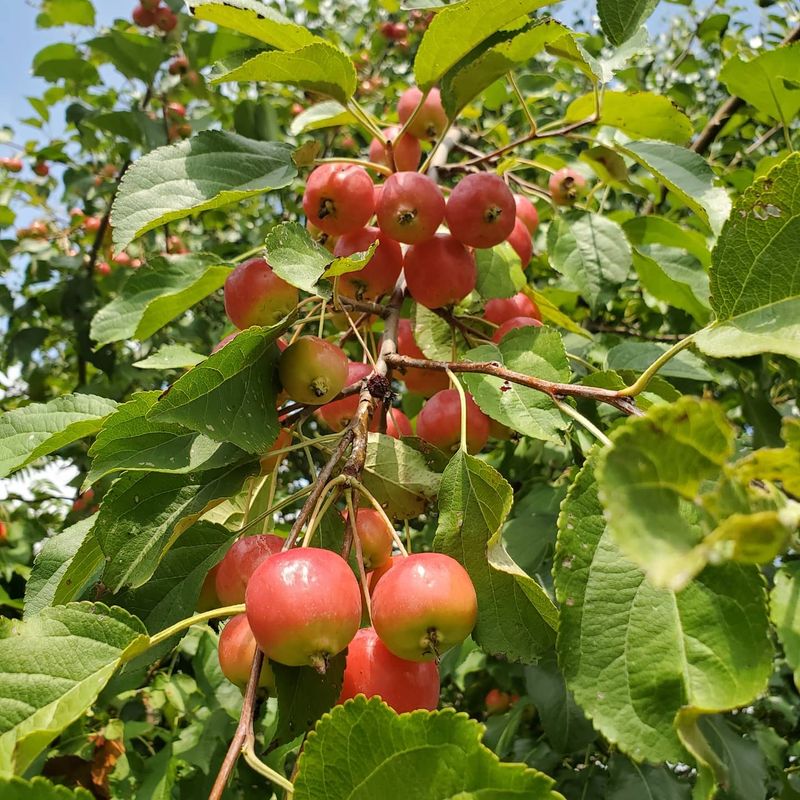
Acorns might just be one of the most underrated wildlife magnets in all of Pennsylvania. Wild turkeys absolutely love them, and if your yard has oak trees, hickories, crabapples, or dogwoods, you are already one step ahead.
These native trees drop acorns, nuts, and berries throughout the year, giving turkeys a reliable and natural food source that keeps them coming back.
Planting native fruit- and nut-bearing trees is one of the most effective long-term strategies for attracting wild turkeys. Unlike store-bought feed, these trees provide food that turkeys naturally seek out in the wild.
When turkeys forage underneath these trees, they scratch through leaf litter and soil, hunting for insects, grubs, and yes, ticks.
The best part is that this approach works with nature rather than against it. Pennsylvania-native trees like white oak, shagbark hickory, and flowering dogwood are already adapted to the local climate.
They require less maintenance than non-native plants and support a whole ecosystem of wildlife. You do not need a huge yard to make this work. Even one or two well-placed trees can make a noticeable difference over time.
If you are just starting out, consider visiting a local Pennsylvania nursery and asking for native species that produce mast crops, which are the nuts and fruits that wildlife feed on. Plant them in areas where turkeys can roam freely and feel safe.
Give the trees a few years to establish, and you will have a natural turkey buffet right in your own backyard. Fewer ticks will follow.
2. Maintain Native Grasses And Groundcover
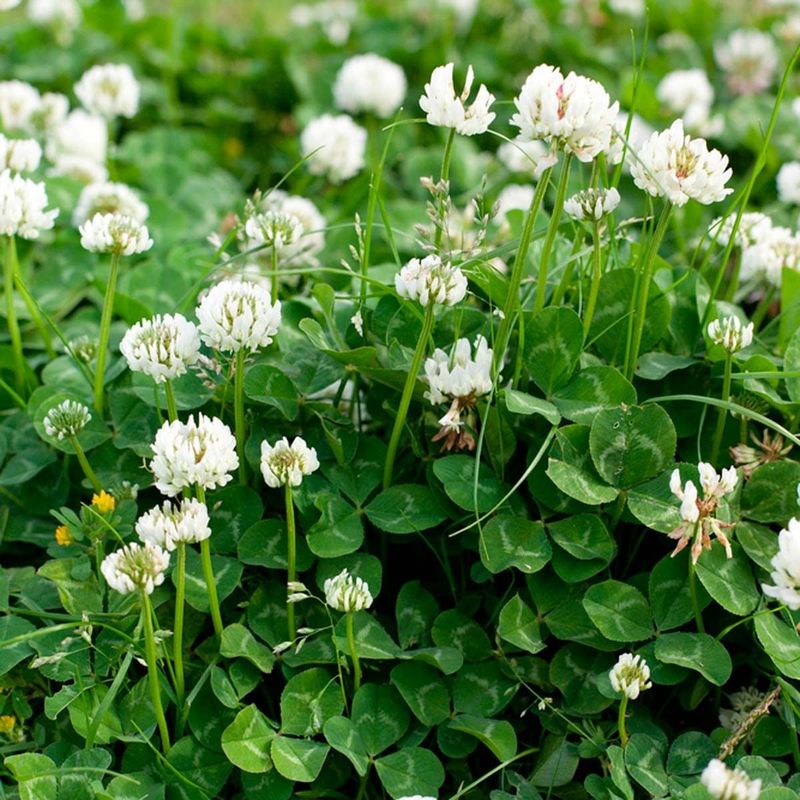
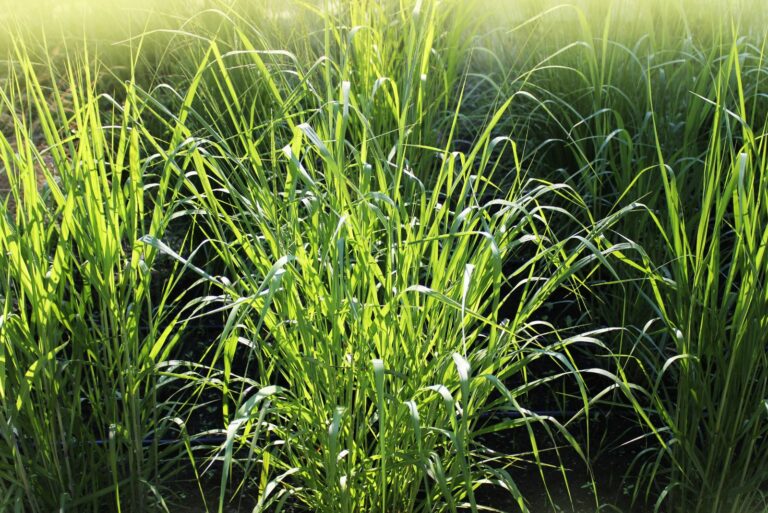
Not every yard needs to look like a golf course. In fact, wild turkeys strongly prefer yards with a little more personality, meaning areas with native grasses, clover patches, and wildflowers left to grow naturally.
Letting parts of your lawn go wild is not laziness. It is actually one of the smartest things you can do for local wildlife and tick control.
Native groundcover creates the perfect foraging environment for wild turkeys. When turkeys walk through tall grasses and low-growing plants, they are actively hunting for insects, seeds, and small invertebrates, including ticks and tick larvae.
Your Pennsylvania Garden Changes Every Week. Your Plan Should Too.
Gardening in Pennsylvania changes quickly throughout the season. Every Friday you’ll receive a simple weekly plan showing exactly what to plant, prune, fertilize, harvest, and protect so you never miss the right timing.
A mowed-down, uniform lawn offers almost nothing for a turkey to eat. But a yard with varied textures and native plants? That is a five-star restaurant for these birds.
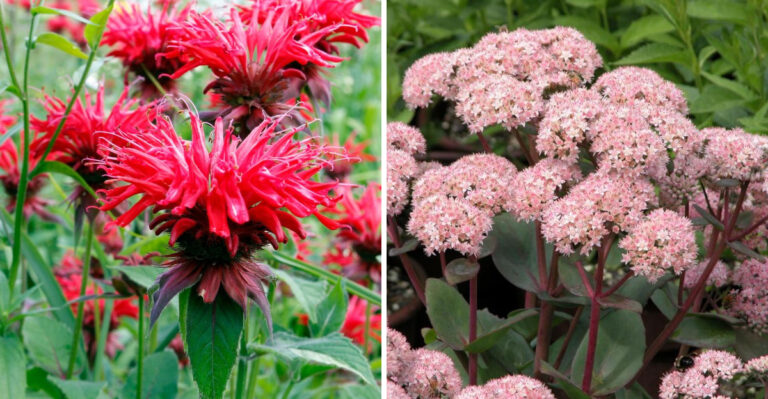
Clover is especially attractive to turkeys and is easy to grow in Pennsylvania. Wildflower mixes that include native species like black-eyed Susans, coneflowers, and wild bergamot also support the insect populations that turkeys depend on.
These plants bring in beetles, grasshoppers, and other bugs that turkeys love to eat. You do not have to let your entire yard go wild. Try setting aside a corner or a border strip along your fence line where native plants can grow freely.
This creates a natural-looking edge habitat that turkeys feel comfortable moving through. Keep mowed areas nearby so turkeys have open space to watch for predators while they forage.
A mix of open lawn and native groundcover is really the sweet spot. Your yard will look more natural, support more wildlife, and have far fewer ticks crawling around.
3. Provide Fresh Water Sources
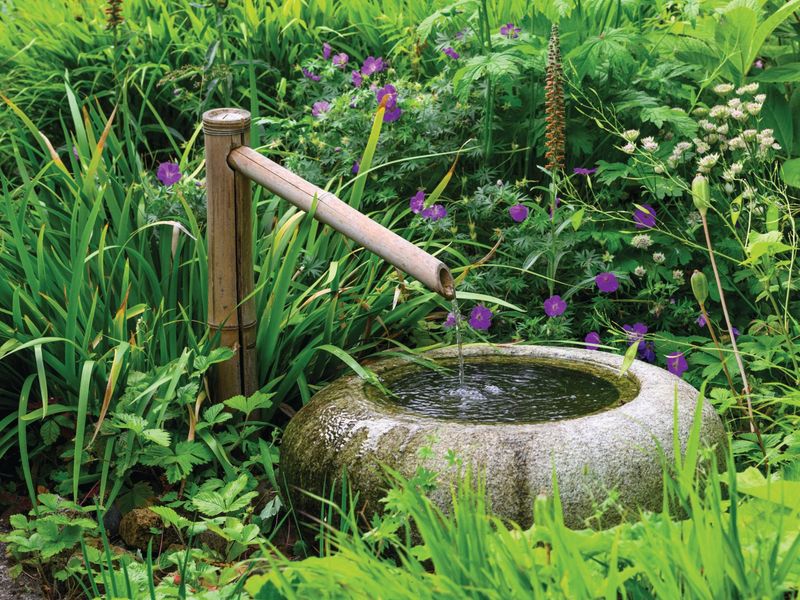
Most people think of birdbaths as something for robins and sparrows, but wild turkeys need fresh water too. In fact, access to clean, reliable water is one of the key reasons turkeys will choose one yard over another.
If your yard has a water source, you are giving turkeys a strong reason to stop in and stay a while.
Turkeys use water for two main purposes: drinking and dust bathing. Dust bathing might sound strange, but it is a natural behavior that helps turkeys manage parasites on their feathers.
They find dry, loose soil or sandy areas near water, roll around in it, and work the dust into their feathers to reduce mites and other pests. A yard that supports both drinking and dust bathing is basically a turkey spa.
Shallow birdbaths work well for smaller birds, but for turkeys, you want something a bit larger and lower to the ground. A shallow dish, a small garden pond, or even a naturally low area where rainwater collects can do the trick.
Just make sure the water is refreshed regularly so it stays clean and free of algae. Placing your water source near trees or shrubs gives turkeys a sense of security while they drink. They are cautious animals and prefer having cover nearby.
Avoid placing water sources in wide-open areas where turkeys might feel exposed. Pennsylvania summers can get warm, and during dry spells, a consistent water source can make your yard the most popular spot on the block for local wildlife, turkeys included.
Ticks do not stand a chance when turkeys are regular visitors.
4. Avoid Pesticides And Herbicides
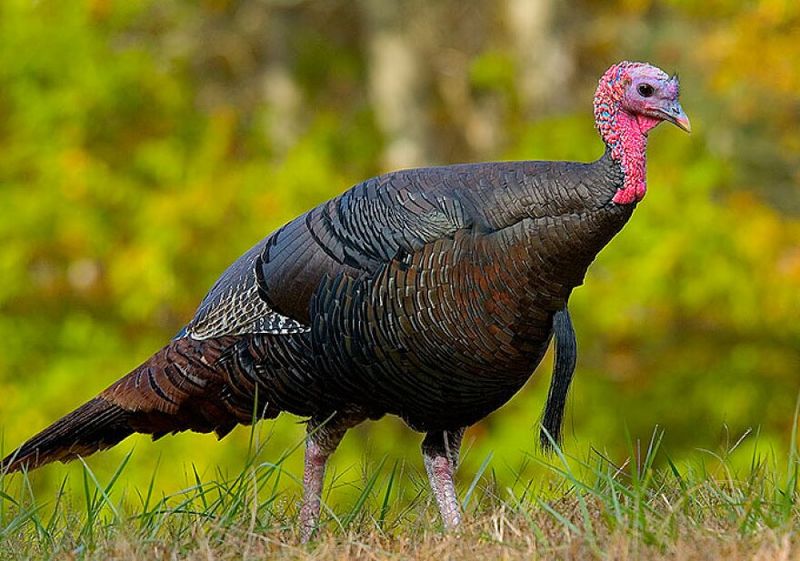
Here is something worth thinking about before you reach for that spray bottle: pesticides and herbicides do not just target the pests you are trying to get rid of.
They also affect the beneficial insects, earthworms, and other small creatures that wild turkeys depend on for food.
When you eliminate those food sources, you also eliminate the reason turkeys would want to visit your yard.
Wild turkeys are ground foragers. They spend a lot of their time scratching through soil and leaf litter looking for insects, larvae, and invertebrates.
If your soil has been treated with chemical pesticides, those food sources shrink dramatically. Turkeys will simply move on to a yard that has more to offer.
And without turkeys doing their natural tick patrol, your tick population can grow unchecked.
Herbicides also play a role. When you spray weeds, you often remove the low-growing plants and groundcover that support the insects turkeys eat.
Removing that layer of biodiversity makes your yard less attractive to foraging wildlife in general. A chemical-free yard, even if it looks a little less perfect, is a far more welcoming place for turkeys.
Switching to organic lawn care practices is easier than most people think. Composting, overseeding with native grasses, and using natural fertilizers can all improve your soil health without harming wildlife.
Many Pennsylvania homeowners are making this switch and noticing more birds, more pollinators, and yes, more wild turkeys. When your yard supports a healthy, thriving insect population, turkeys will come to feast.
And every turkey that visits is actively working to reduce the tick population in your outdoor space. That is a trade worth making.
5. Create Safe Cover For Turkeys
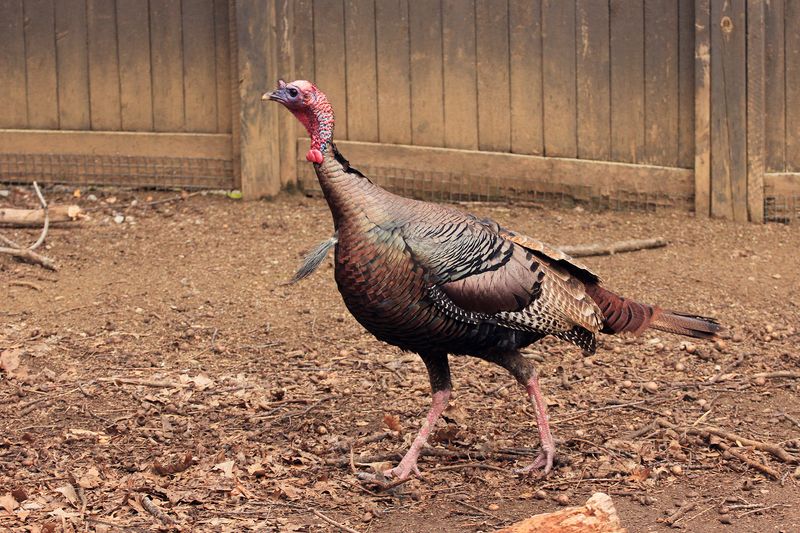
Wild turkeys are smart, cautious birds. They are not going to hang around a yard where they feel exposed or unsafe.
If you want them to visit regularly and stay long enough to eat ticks, you need to give them places to feel protected. Cover is one of the most important things a turkey looks for when choosing where to spend its time.
Shrubs, brush piles, and wooded edges are all excellent forms of cover. Native shrubs like elderberry, viburnum, and wild rose not only provide shelter but also produce berries that turkeys love to eat.
A brush pile made from fallen branches and yard debris might look messy to some, but to a turkey, it is a safe resting spot and a great place to scratch for insects underneath.
Wooded edges, where trees meet open lawn, are especially popular with wild turkeys. They like to roost in trees at night and come down in the morning to forage.
If your yard backs up to a wooded area or has a tree line, you are already in great shape. Turkeys will move from the trees into your yard if they feel the transition is safe and gradual.
You can also create cover by allowing leaf litter to build up naturally under trees and along fence lines. Raking everything away removes the hiding spots for the insects turkeys hunt, including ticks and their larvae.
Leaving some natural debris is actually a tick-control strategy in disguise. The more comfortable and protected turkeys feel in your yard, the longer they will stay and the more ticks they will eat. Think of cover as your turkey welcome sign.
6. Scatter Supplemental Food Occasionally
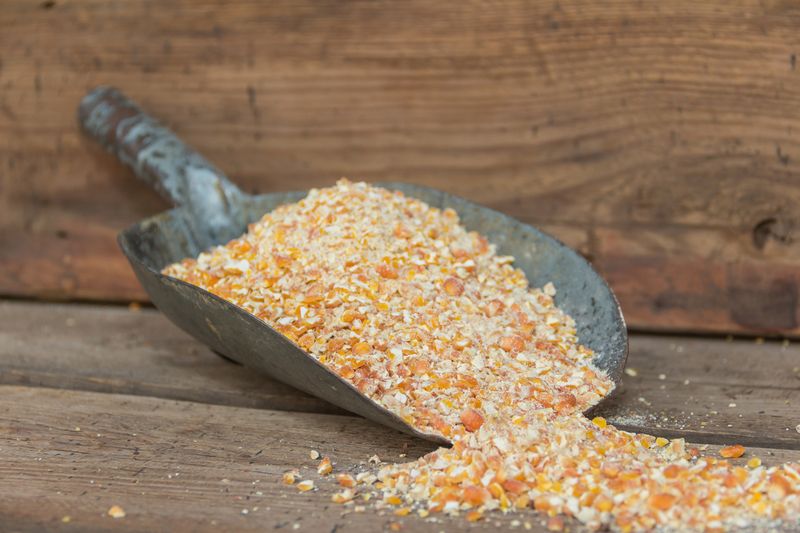
Sometimes turkeys just need a little nudge to discover your yard for the first time.
Scattering a small amount of supplemental food like cracked corn, whole grains, or native seeds can act as a welcome invitation, especially during early summer when turkeys are actively ranging across new territories.
Think of it as leaving a light on for a guest you are hoping will stop by. The key word here is occasional. You do not want turkeys to become fully dependent on your handouts.
When turkeys rely too heavily on supplemental feeding, they stop foraging as actively, which means fewer ticks get eaten. The goal is to get them into your yard, let them discover all the natural food it has to offer, and then let their instincts take over.
Supplemental food is the introduction, not the main event. Scatter food in areas with natural cover nearby, not in the middle of an open lawn. Turkeys are more comfortable eating when they can quickly retreat to shelter if needed.
Placing food near shrubs, tree lines, or brush piles makes them feel safe and encourages them to linger longer in those tick-heavy zones.
Avoid using processed or salted foods. Stick to simple, natural options like whole kernel corn, black oil sunflower seeds, or millet.
These are easy to find at farm supply stores across Pennsylvania and are safe for wild turkeys. Once turkeys start visiting regularly, you can gradually reduce the supplemental food and let the natural habitat you have created do the work.
A yard full of native plants, fresh water, and good cover will keep them coming back all on its own.