This Underrated Pennsylvania Native Shrub Creates A Natural Tick Barrier Along Your Fence
Fence lines in Pennsylvania yards tend to be some of the highest-risk zones for tick activity, sitting right at the edge where maintained lawn transitions into the kind of overgrown, shaded, or leaf-covered ground that ticks prefer.
Most homeowners treat that zone with sprays or barrier treatments that wear off and need reapplication through the entire active season.
There is a Pennsylvania native shrub that creates a more permanent kind of deterrence along that same line, producing compounds and scents that ticks navigate around rather than through, and doing it continuously as long as the plant is in the ground and growing.
It also brings genuine visual appeal to a fence line, supports pollinators through its bloom period, and handles Pennsylvania winters without the kind of die-back that makes non-native shrubs a recurring disappointment.
The tick-deterring quality gets almost no attention compared to everything else this plant offers, but it is a meaningful bonus that makes a strong case for planting it even stronger.
1. Meet The American Beautyberry
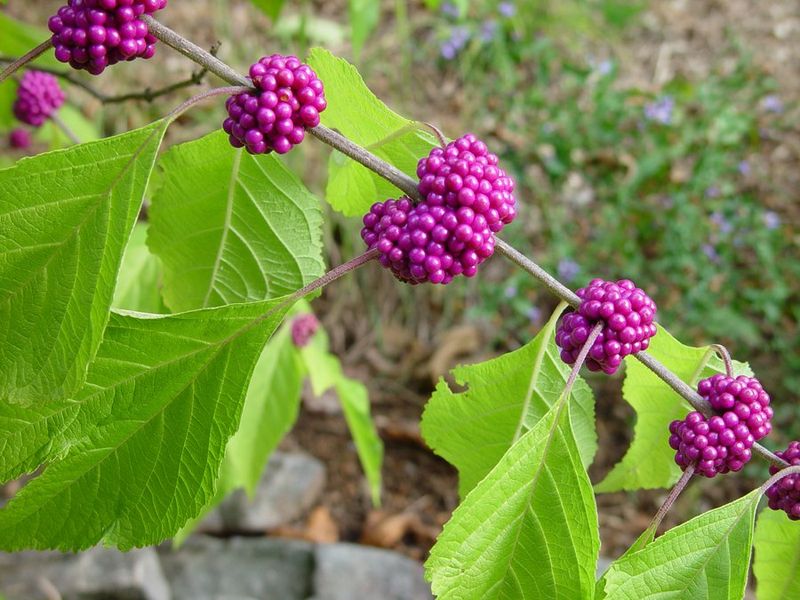
Tucked away in forests and gardens across the eastern United States, American Beautyberry (Callicarpa americana) is one of those plants that stops people in their tracks the first time they see it.
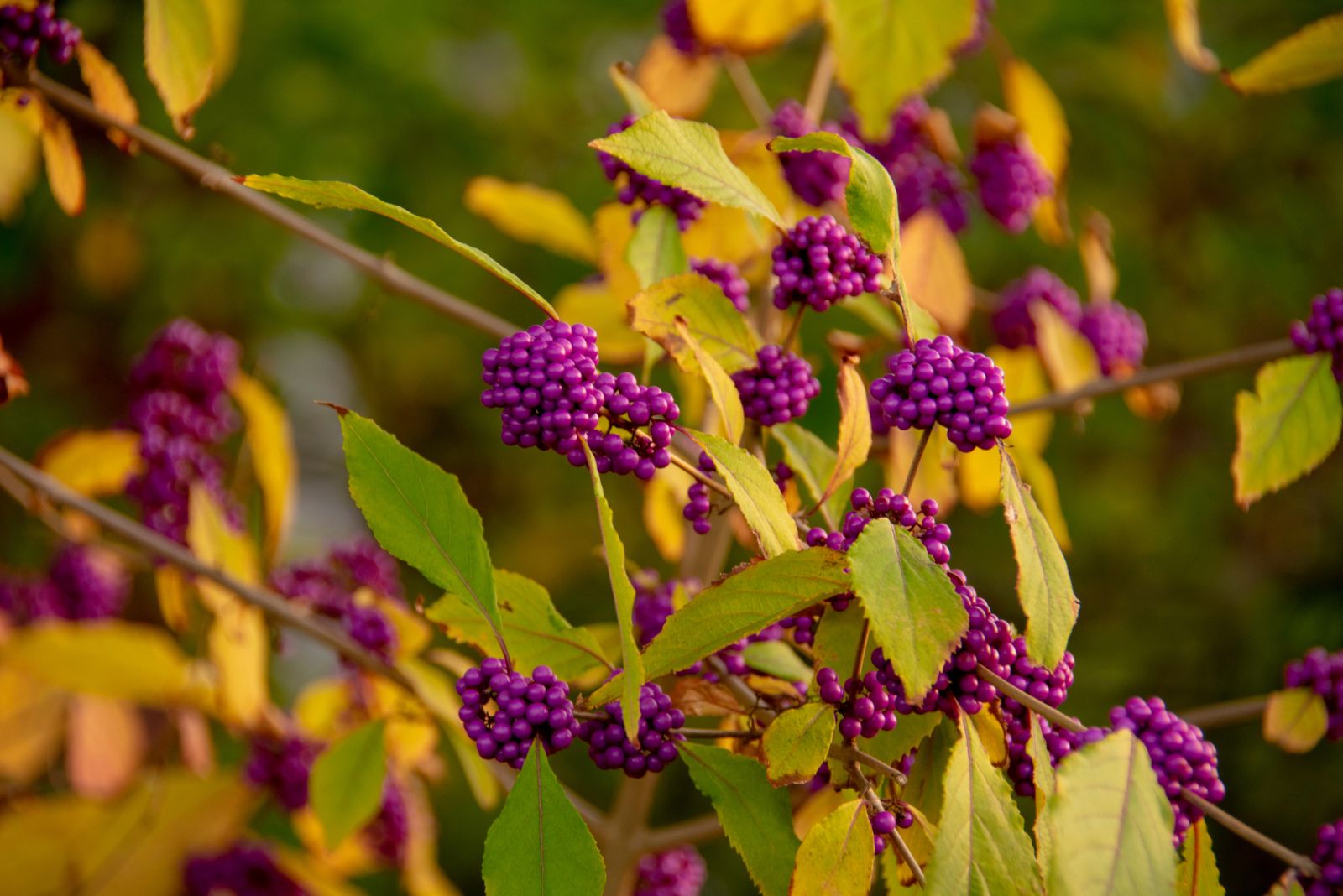
Those bold clusters of bright purple berries are unlike anything else growing in a typical Pennsylvania yard. Yet somehow, this native shrub remains one of the most underrated plants around.
American Beautyberry grows naturally across much of the eastern U.S. and adapts beautifully to Pennsylvania’s varied climate. It handles humidity, occasional frost, and everything in between without much fuss.
Gardeners who plant it often say they wish they had discovered it sooner. Beyond its good looks, American Beautyberry is genuinely useful. Its aromatic leaves contain natural compounds that have been shown to repel ticks and other biting insects.
That makes it much more than just a pretty face in the garden. You get visual interest, wildlife value, and pest protection all from one plant.
The shrub typically grows between three and eight feet tall, with arching branches that spread outward in a relaxed, natural shape.
Small pinkish-purple flowers appear in summer, followed by the famous berry clusters in late summer and fall. Birds absolutely love those berries and will flock to your yard once the plant matures.
For Pennsylvania homeowners who want a yard that looks great, supports wildlife, and helps keep ticks at bay, American Beautyberry checks every single box. It is native, resilient, and surprisingly easy to grow once you know what it needs.
2. Why It Repels Ticks Naturally
Here is something most people do not know: American Beautyberry leaves contain a powerful natural compound called callicarpenal. When leaves are crushed or brushed against, this aromatic chemical is released into the surrounding air.
Research from the U.S. Department of Agriculture confirmed that callicarpenal and related compounds found in the leaves are effective at repelling ticks, mosquitoes, and other biting insects.
What makes this so exciting is that it works without any synthetic chemicals or store-bought sprays. The plant does the work on its own.
Your Pennsylvania Garden Changes Every Week. Your Plan Should Too.
Gardening in Pennsylvania changes quickly throughout the season. Every Friday you’ll receive a simple weekly plan showing exactly what to plant, prune, fertilize, harvest, and protect so you never miss the right timing.
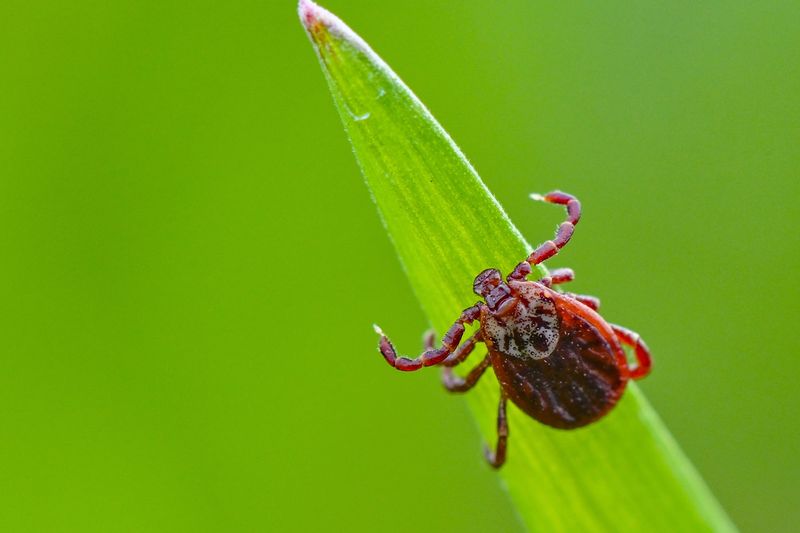
Ticks that wander near American Beautyberry shrubs tend to avoid the area because the scent is naturally off-putting to them.
Planting several shrubs in a row along a fence line multiplies this effect significantly. The more plants you have, the stronger and more consistent the aromatic barrier becomes. Think of it like building a living fence that ticks simply do not want to cross.
Studies have also shown that callicarpenal works on lone star ticks and deer ticks, which are two of the most common and problematic tick species in Pennsylvania. These are the same ticks responsible for spreading Lyme disease and other illnesses.
Reducing their presence in your yard is a real win for your family’s health. Some gardeners even rub fresh leaves on their skin before heading outside for added personal protection.
While this is not a replacement for commercial repellents, it is a handy natural option when you are already in the garden. Nature really did design this shrub with some impressive built-in benefits.
3. Growing Conditions For American Beautyberry
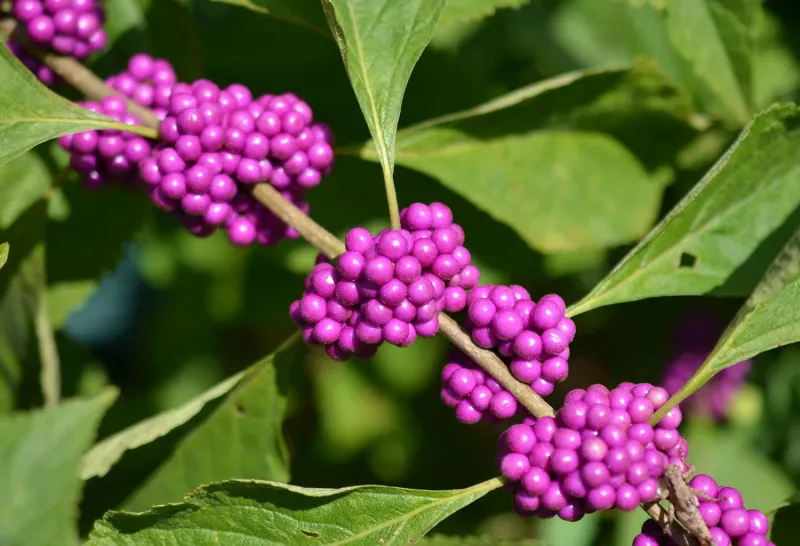
One of the best things about American Beautyberry is how forgiving it is. You do not need to be an experienced gardener to grow it successfully.
Once established, this shrub is remarkably self-sufficient and handles Pennsylvania’s unpredictable weather with ease.
American Beautyberry thrives in full sun to partial shade. A spot that gets at least four to six hours of direct sunlight each day will produce the most berries and the healthiest growth.
That said, it also does well in dappled light under larger trees, making it flexible for different yard layouts.
Soil-wise, American Beautyberry prefers well-drained ground that is slightly acidic. It does not like sitting in soggy, waterlogged soil for long periods.
If your yard has clay-heavy soil, mixing in some compost before planting can make a big difference in how well the roots establish themselves.
Pennsylvania’s climate is actually a great match for this shrub. It handles summer heat and humidity well, and it can tolerate winter frost without needing any special protection.
Hardiness zone 5 covers most of Pennsylvania, and American Beautyberry is rated for zones 5 through 10, so it fits right in.
During the first growing season, watering regularly helps the plant settle in and build strong roots. After that, it becomes much more drought-tolerant and needs far less attention.
Fertilizing is optional. Most gardeners find that a light application of balanced fertilizer in spring gives the plant a nice boost, but many skip it altogether with perfectly good results. This shrub genuinely earns its reputation as low-maintenance.
4. Planting Along Fences And Yard Edges
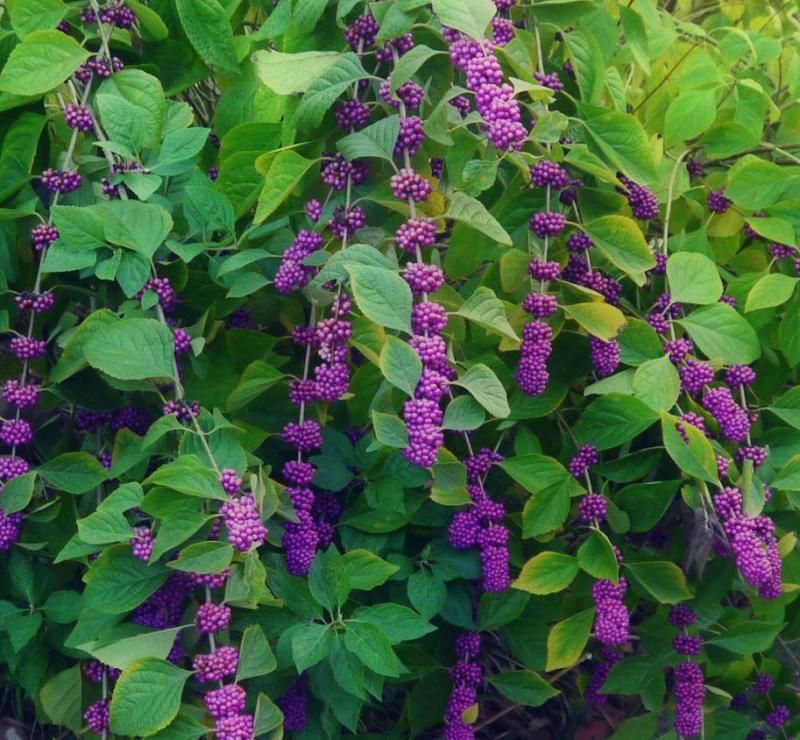
Placement matters a lot when you are trying to create a tick barrier. Random planting here and there will not be nearly as effective as a deliberate, strategic row along your fence line or yard perimeter.
The goal is to form a continuous aromatic boundary that ticks are reluctant to cross. For best results, plant American Beautyberry shrubs about four to six feet apart along your fence.
This spacing gives each plant enough room to spread naturally while still keeping the row dense enough to work as a barrier. As the plants mature and fill in, the effect becomes even stronger.
Fence lines are ideal planting spots for several reasons. They already mark the boundary between your yard and the outside world, which is exactly where ticks tend to enter.
Placing shrubs there puts the natural repellent right at the point of entry, stopping ticks before they ever make it into your main lawn area.
Pairing American Beautyberry with other native plants can boost both the tick-repelling effect and the overall look of your garden. Native ferns, wild ginger, and black-eyed Susans all grow well alongside it and add layers of texture and color.
A mixed native border is not only more beautiful but also more effective at supporting local ecosystems.
If you have a larger yard, consider planting a second row along pathways or garden bed edges where people walk frequently. Those transition zones between lawn and garden are popular tick hangout spots.
Lining them with American Beautyberry adds another layer of protection while making the space look intentional and well-designed.
5. Additional Benefits Beyond Tick Control
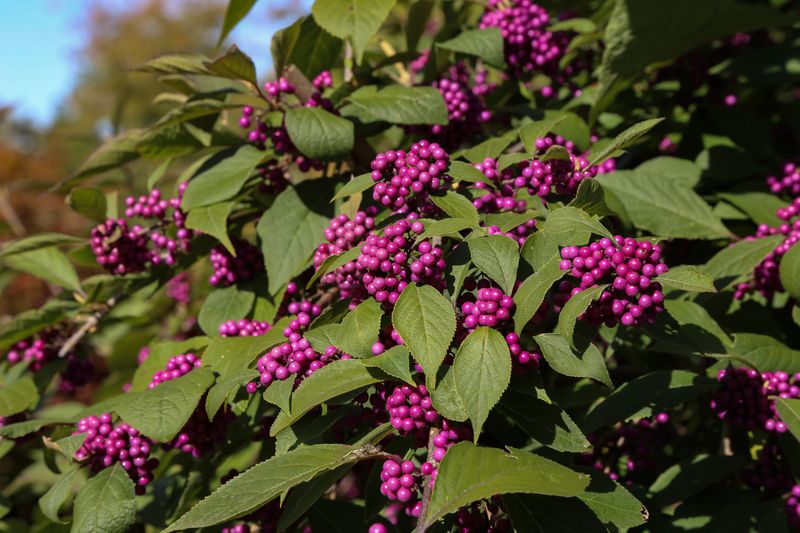
Tick control is a fantastic reason to plant American Beautyberry, but honestly, the bonus benefits are just as impressive.
Once you see this shrub loaded with glowing purple berries in late summer and fall, you will understand why gardeners get so excited about it. Those berries are absolutely eye-catching in a way that few other native plants can match.
Birds go absolutely wild for American Beautyberry. More than 40 species of birds have been recorded eating the berries, including mockingbirds, robins, towhees, and brown thrashers.
Planting this shrub is like putting out a five-star bird feeder that refills itself every year. If you enjoy birdwatching, your backyard will become a much busier and more entertaining place.
Pollinators also benefit from this shrub. The small pink flowers that appear in summer attract bees and butterflies before the berries even form.
That means your garden gets pollinator support throughout multiple seasons, which helps everything else growing nearby thrive as well.
From a visual standpoint, American Beautyberry offers three distinct seasons of interest. Spring brings fresh green foliage.
Summer adds delicate flowers. Then fall delivers those unforgettable purple berry clusters that practically glow against the autumn landscape.
Even after the berries drop, the shrub’s branching structure adds winter texture to the garden.
Contributing to local biodiversity is something many homeowners care deeply about these days. Planting native species like American Beautyberry helps rebuild the plant communities that local wildlife depends on.
Every native shrub you add to your yard makes the surrounding ecosystem a little healthier and more balanced for everyone.
6. Simple Maintenance Tips To Keep It Thriving
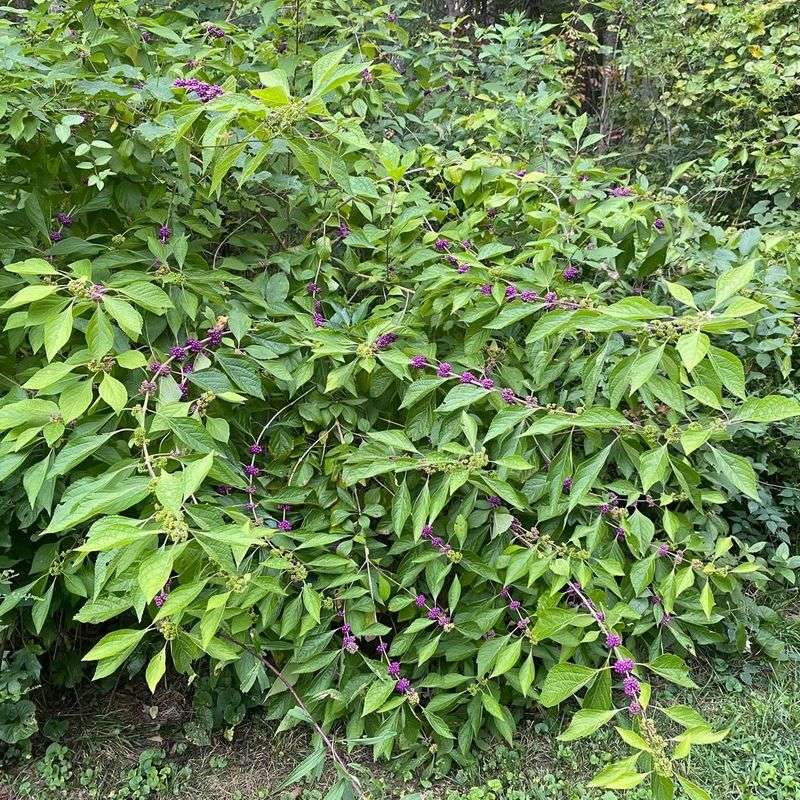
Good news for anyone who does not love spending weekends doing yard work: American Beautyberry is one of the easiest shrubs you will ever maintain.
It does not demand constant attention, and it bounces back quickly from minor neglect. A little care goes a long way with this plant.
Pruning is mostly optional, but a light trim in late winter or very early spring helps keep the shape tidy and encourages stronger new growth. American Beautyberry blooms and fruits on new wood, meaning the current season’s growth.
So pruning in early spring actually stimulates more berry production later in the year, which is a nice reward for minimal effort.
Removing any clearly damaged, crossed, or crowded branches is the main pruning task. You do not need to do a heavy cutback every year.
Some gardeners cut the shrub back hard every few years to rejuvenate it, and it responds well to that treatment too. Either approach works depending on how formal or relaxed you want the plant to look.
Watering needs are low once the shrub is established, typically after the first full growing season. During dry stretches in summer, giving it a deep watering once a week keeps it looking its best.
Newly planted shrubs need more consistent moisture during that first year while the roots are getting settled.
Spreading a two to three inch layer of mulch around the base of the plant is one of the best things you can do for it. Mulch holds in soil moisture, keeps roots cool during hot summers, and gradually improves soil quality as it breaks down over time.