These Are The 8 Native Pennsylvania Perennials To Grow Instead Of Astilbe In Shade Gardens
Astilbe has been a go-to choice for Pennsylvania shade gardens for a long time, and the reasons are understandable.
The feathery plumes bring texture and color to low light areas, it comes back reliably, and it fills the kind of shaded spots where flowering plants can be genuinely hard to find.
The problem is that astilbe has specific moisture requirements that Pennsylvania shade gardens do not always consistently provide.
In a dry summer or under a dense tree canopy competing for every bit of available water, astilbe can look stressed and disappointing at exactly the moment it should be at its best.
Pennsylvania native perennials adapted to shade bring something astilbe cannot, deep calibration to local soil, rainfall patterns, and the ecological conditions that have shaped this region for thousands of years.
Several of them bloom just as beautifully, handle dry shade far more gracefully, and support the local pollinators and wildlife that astilbe never quite connects with. Once you see what is available, the case for astilbe gets considerably harder to make.
1. Foamflower (Tiarella Cordifolia)
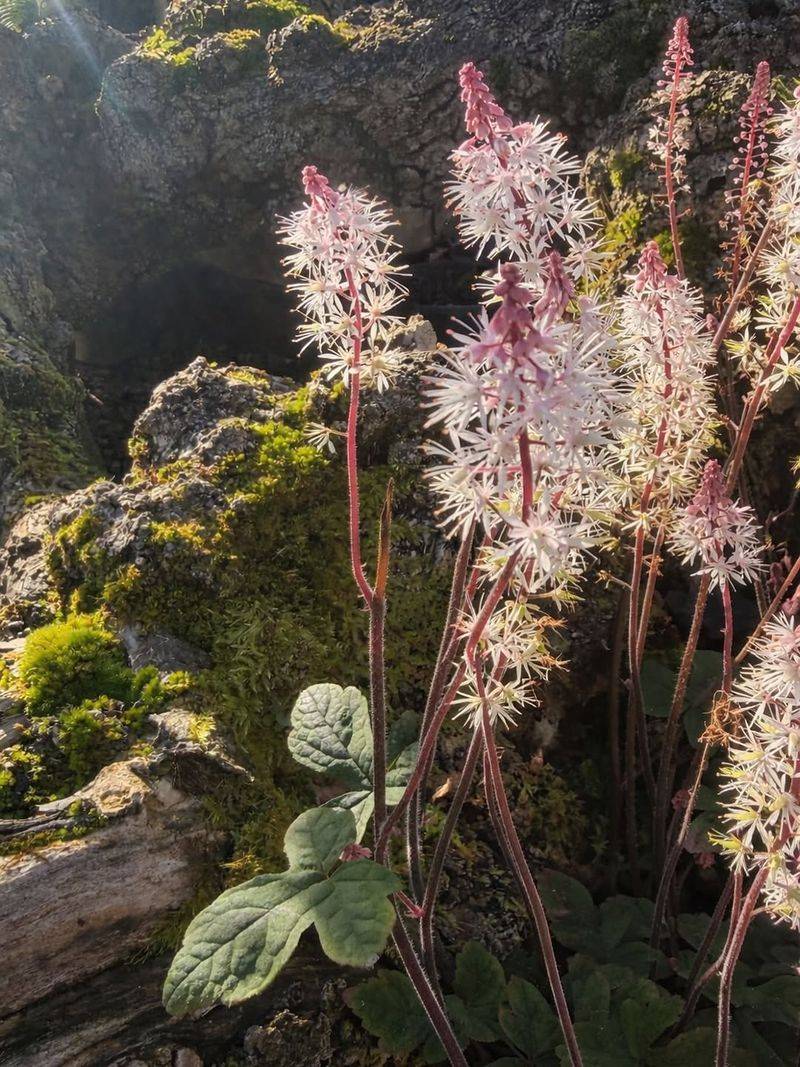
Few spring bloomers are as charming and reliable as foamflower. When it bursts into bloom in April and May, clusters of tiny white or soft pink flowers rise above the foliage like little clouds of foam, which is exactly how it got its name.
It is one of the earliest native perennials to flower in Pennsylvania, making it a welcome sign that warmer days are on the way.
Foamflower thrives in moist, shaded areas and spreads naturally by sending out runners, similar to strawberry plants. Over time, it forms a lush, low-growing carpet that fills in bare spots under trees or along shaded pathways.
The leaves are also attractive, with a maple-like shape and sometimes reddish veining that adds color even when the plant is not in bloom.
In the garden, foamflower works beautifully as a groundcover beneath taller shade plants like ferns and hostas. It prefers rich, well-drained soil with consistent moisture, but it is surprisingly forgiving once it gets established.
You do not need to fuss over it much at all. One fun fact: foamflower is a favorite of native bees in early spring when other food sources are still scarce. Planting it supports pollinators right when they need help most.
It is also deer-resistant, which is a huge bonus for Pennsylvania gardeners who deal with frequent deer pressure. If you want a plant that looks lovely, spreads on its own, and helps local wildlife, foamflower is an outstanding choice for any shady corner of your yard.
2. Wild Ginger (Asarum Canadense)
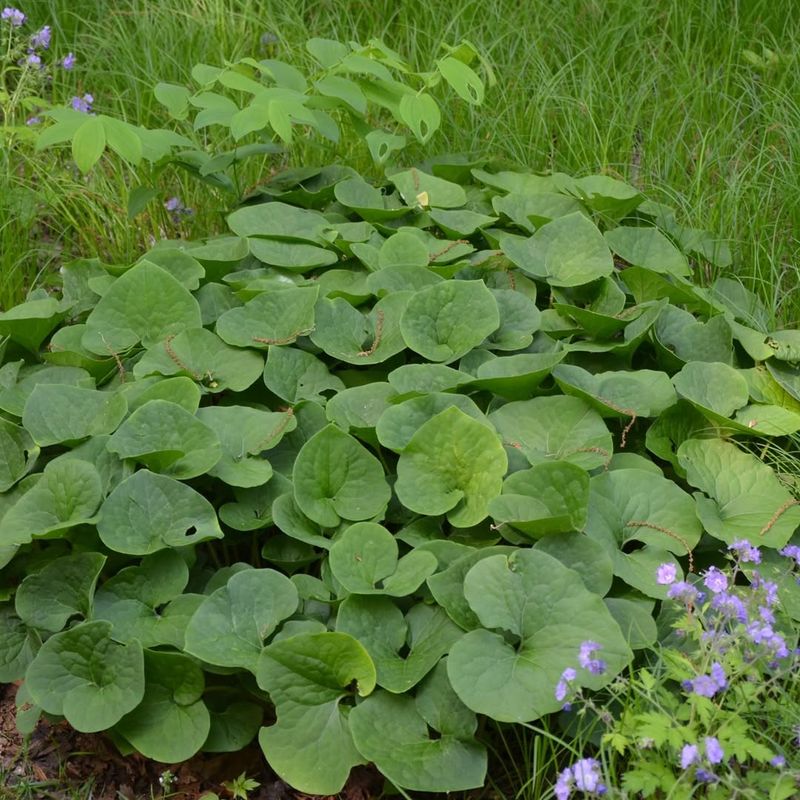
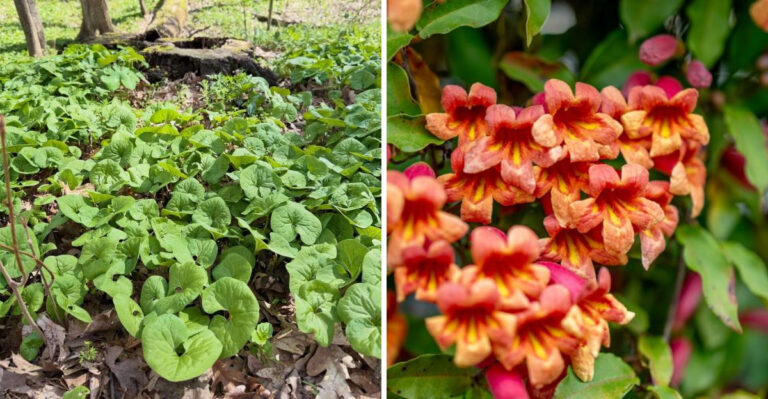
Wild ginger is one of those plants that quietly does everything right. It grows low to the ground, spreads steadily, and creates a thick, weed-suppressing carpet of heart-shaped leaves that looks tidy all season long.
The leaves are soft, slightly fuzzy, and a rich medium green that brightens up even the darkest corner of a shade garden.
Despite its name, wild ginger is not related to the cooking spice. However, the roots do have a mild ginger-like scent when crushed, which is where the common name comes from.
Your Pennsylvania Garden Changes Every Week. Your Plan Should Too.
Gardening in Pennsylvania changes quickly throughout the season. Every Friday you’ll receive a simple weekly plan showing exactly what to plant, prune, fertilize, harvest, and protect so you never miss the right timing.
Native Americans historically used the plant for medicinal and culinary purposes, making it a plant with real roots in Pennsylvania history.
This plant is an excellent choice for moist, shaded areas where grass simply will not grow. It thrives under deciduous trees and along shaded stream banks.
The soil should stay consistently moist and be rich in organic matter, but wild ginger is quite adaptable once settled in.
What makes wild ginger especially valuable is how it supports the woodland ecosystem. It provides shelter for small insects and ground-level creatures, and its dense coverage helps prevent soil erosion on slopes and hillsides.
The plant spreads slowly but surely by underground rhizomes, so patience pays off. After a few seasons, you will have a natural-looking groundcover that requires almost no maintenance.
It is also deer-resistant and largely ignored by most garden pests. For shady spots that feel bare and difficult to plant, wild ginger offers an elegant, low-effort solution that looks like it belongs right there in the woods.
3. Virginia Bluebells (Mertensia Virginica)
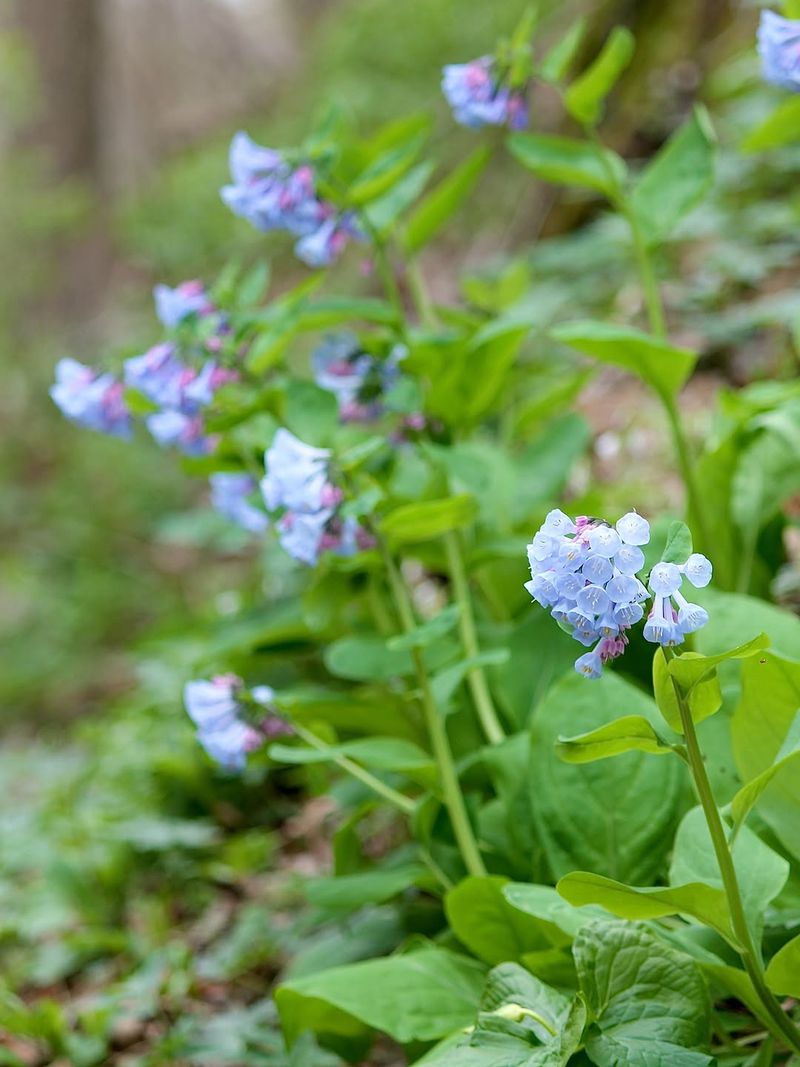
Imagine walking into your garden in early spring and finding clusters of sky-blue, trumpet-shaped flowers nodding gently in the breeze. That is exactly what Virginia bluebells bring to a shade garden.
The blooms start out pink as buds and gradually shift to a stunning true blue as they open, creating a two-toned display that is hard to match among native plants.
Virginia bluebells prefer rich, moist, shady soil and tend to naturalize beautifully in woodland-style garden areas. They are what gardeners call a spring ephemeral, meaning they bloom in spring and then the foliage fades back by early summer.
This is not a problem at all. Simply plant late-emerging perennials nearby to fill the gap once the bluebells go dormant.
The plant pairs wonderfully with ferns, hostas, and wild ginger, all of which leaf out just as the bluebells are finishing up. This kind of layered planting creates a seamless, natural look throughout the growing season.
Virginia bluebells also reseed themselves modestly, so over time your patch will slowly expand without any extra effort from you.
Pollinators absolutely love this plant. Bumblebees, butterflies, and even hummingbirds visit the flowers for nectar during those early spring weeks.
Did you know Virginia bluebells are one of the first native plants to support migrating ruby-throated hummingbirds as they pass through Pennsylvania each spring? That alone makes it worth growing.
If you want a plant that puts on a breathtaking spring show and then politely steps aside, Virginia bluebells are a perfect fit for your shaded garden beds.
4. Solomon’s Seal (Polygonatum Biflorum)
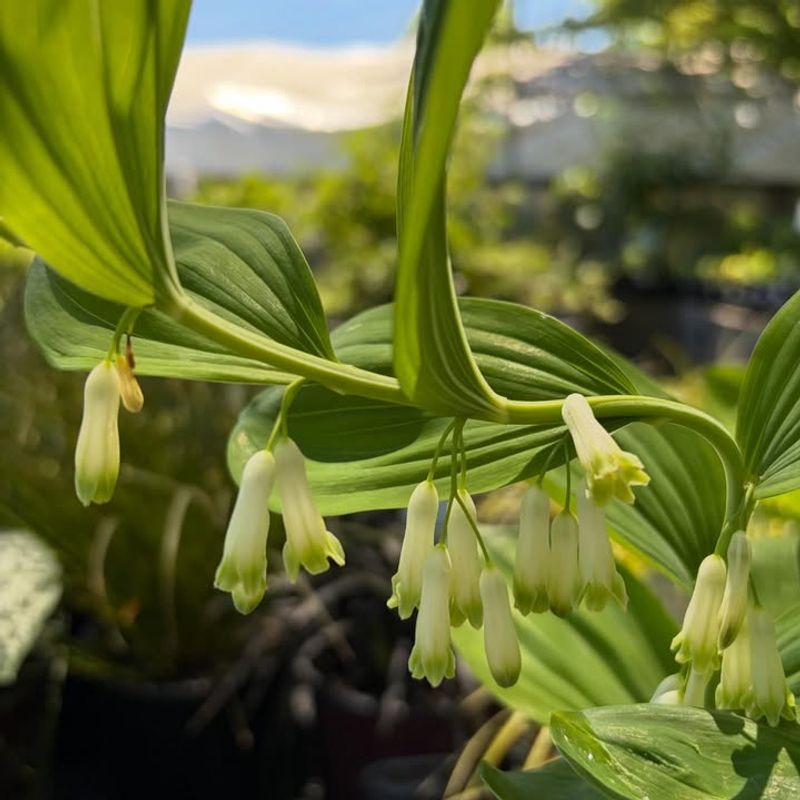
There is something almost architectural about Solomon’s seal. Its long, gracefully arching stems create sweeping lines in the garden that feel both elegant and effortless.
In spring, pairs of small white bell-shaped flowers dangle beneath the leaves like tiny lanterns, adding a delicate detail that rewards anyone who takes a closer look.
Solomon’s seal performs exceptionally well in deep shade, which makes it one of the most useful native perennials for those really dark spots under dense trees where almost nothing else wants to grow.
It prefers moist, humus-rich soil but adapts to drier conditions better than many other shade plants once it is well established. That flexibility is a real advantage in a Pennsylvania garden.
The plant grows from spreading rhizomes and slowly forms larger clumps over time. In fall, the foliage turns a warm golden yellow before fading, giving the garden one last burst of color before winter arrives.
The berries that follow the flowers are dark blue-black and attract birds like thrushes and wood thrushes, adding wildlife value to the plant’s long list of benefits.
Solomon’s seal adds vertical interest to shade gardens in a way that most low-growing groundcovers simply cannot. Pair it with foamflower or wild ginger at its base for a layered, woodland look that feels completely natural.
It is also resistant to most pests and diseases and largely left alone by deer. For gardeners who want a no-fuss, four-season plant with real presence in the shade garden, Solomon’s seal is practically impossible to beat. It earns its place every single year.
5. Jack-In-The-Pulpit (Arisaema Triphyllum)
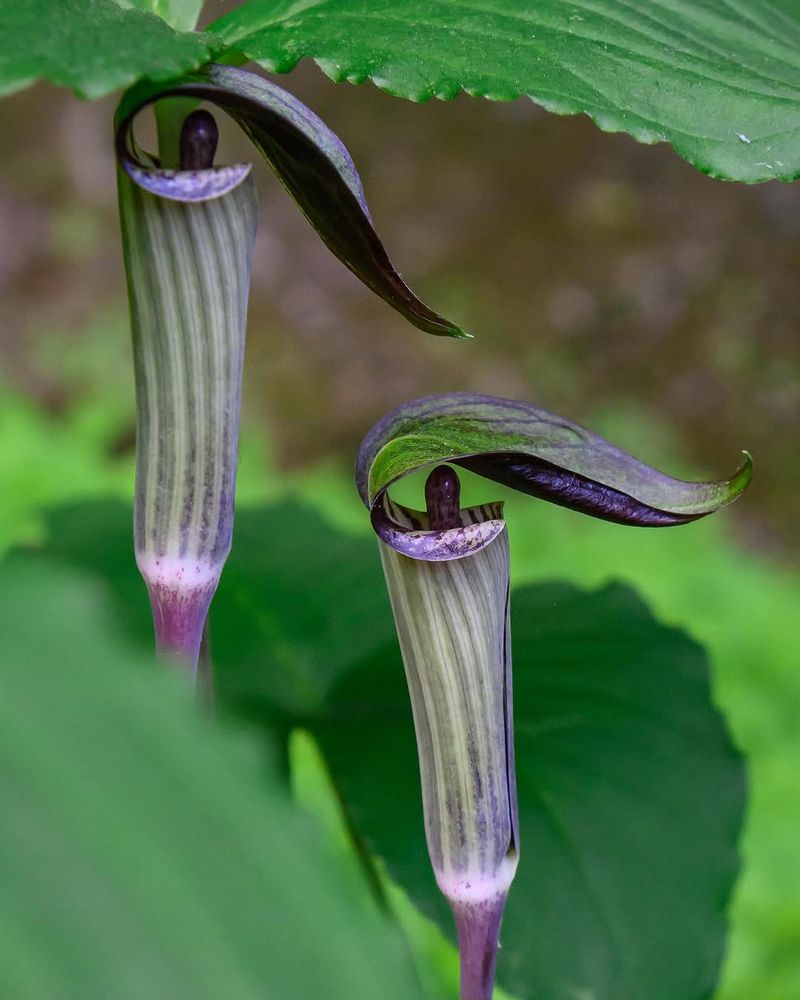
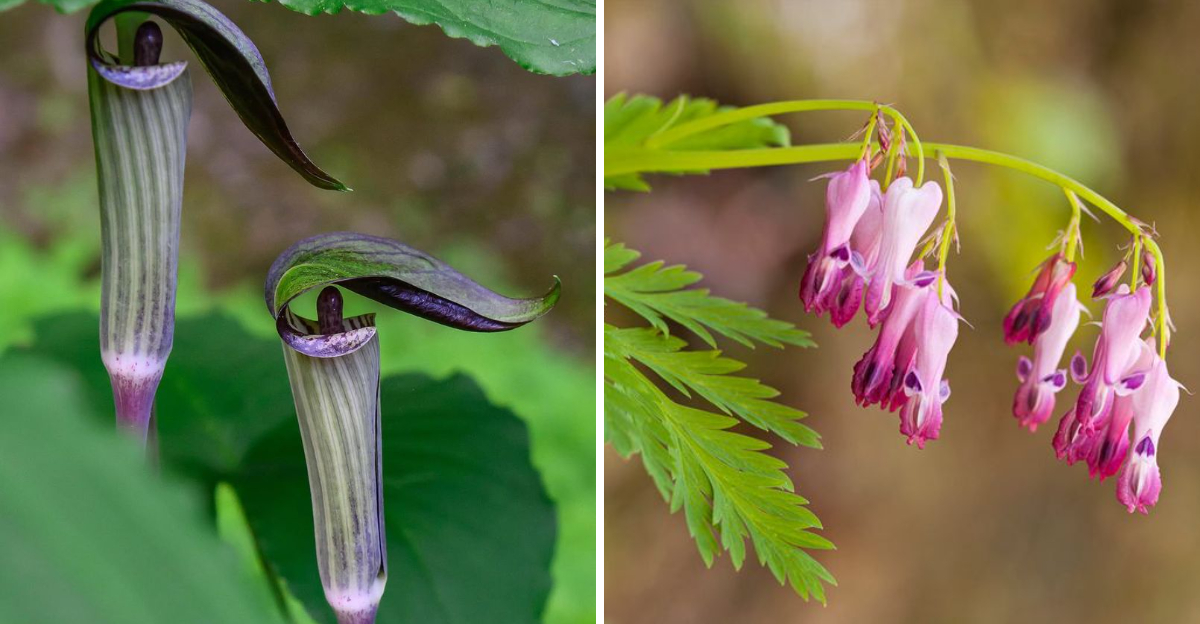
Jack-in-the-pulpit is the kind of plant that makes people stop and stare. Its unusual flower structure looks like a tiny preacher standing inside a striped green and purple hood, which is exactly what inspired its quirky common name.
It is one of the most fascinating native wildflowers in Pennsylvania, and it brings a real sense of woodland mystery to any shady garden spot.
This plant is perfectly adapted to shady, moist soil and low-maintenance growing conditions. It naturally grows along stream banks and in woodland understories across Pennsylvania, so it asks for very little once you get it established.
Rich, consistently moist soil with good organic matter is all it really needs to thrive year after year.
One truly unique fact about Jack-in-the-pulpit is that it can change its biological gender from year to year depending on how much energy the plant has stored.
In years when resources are plentiful, a plant may produce female flowers that later form clusters of bright red berries in late summer. Those berries are a favorite food source for wood thrushes and other woodland birds.
In the garden, Jack-in-the-pulpit pairs beautifully with ferns, Solomon’s seal, and Virginia bluebells for a layered, natural woodland look. It grows slowly and does not spread aggressively, so it is easy to control and place intentionally.
Because it is low-maintenance and completely adapted to Pennsylvania’s climate, it rarely needs extra watering, fertilizing, or dividing.
If you want a conversation-starting plant that supports wildlife and thrives on minimal care, Jack-in-the-pulpit is a fantastic addition to your shade garden lineup.
6. Columbine (Aquilegia Canadensis)
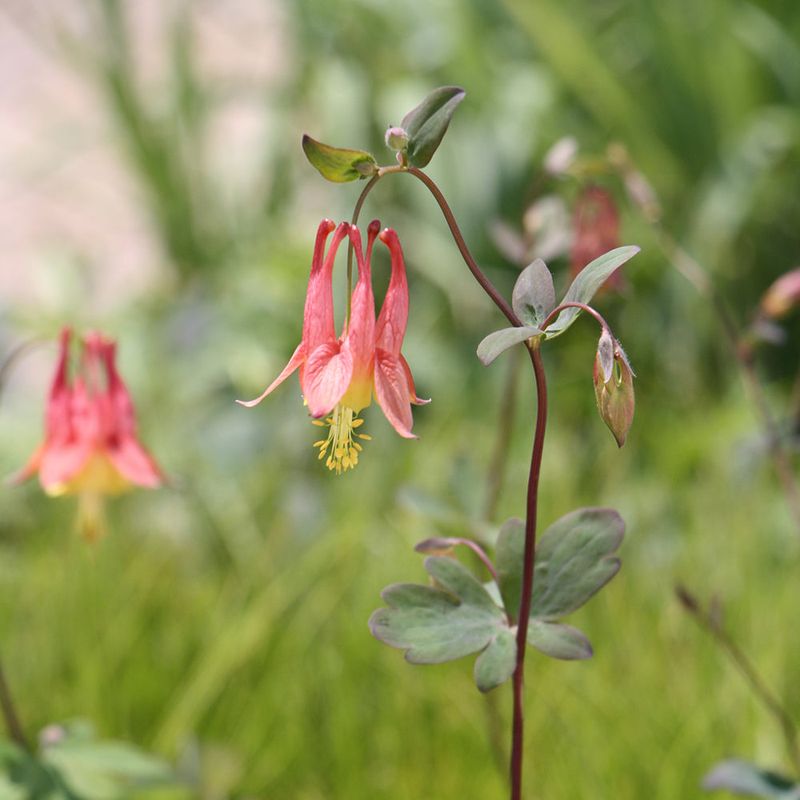
Columbine is one of those plants that seems almost too good to be true. Its red and yellow tubular flowers are absolutely stunning, and they attract ruby-throated hummingbirds like a magnet every spring.
Watching hummingbirds hover and feed from these delicate blooms is one of the real pleasures of growing this native Pennsylvania wildflower in a shade garden.
Native columbine thrives in part to full shade, especially along natural woodland edges where filtered light comes through the tree canopy. It is not picky about soil, tolerating both rocky and average garden soils as long as drainage is decent.
That adaptability makes it one of the easier native perennials to work with, even for beginners who are just starting out with native plant gardening.
The plant self-seeds freely, which means once you have it established, it will pop up in new spots around the garden each year. Some gardeners love this naturalized effect, and others prefer to deadhead the spent flowers to keep spreading in check.
Either approach works fine, and both result in a healthy, happy plant. Columbine also tends to be short-lived as an individual plant, but because it reseeds so reliably, a colony maintains itself without any replanting on your part.
Beyond hummingbirds, native columbine also supports bumblebees and certain long-tongued native bees that are perfectly shaped to reach the nectar inside those long flower spurs.
The blue-green foliage is attractive even when the plant is not in bloom, adding a soft texture to the garden through summer. For wildlife value and visual impact in a shady spot, columbine is hard to top.
7. Wild Bleeding Heart (Dicentra Eximia)
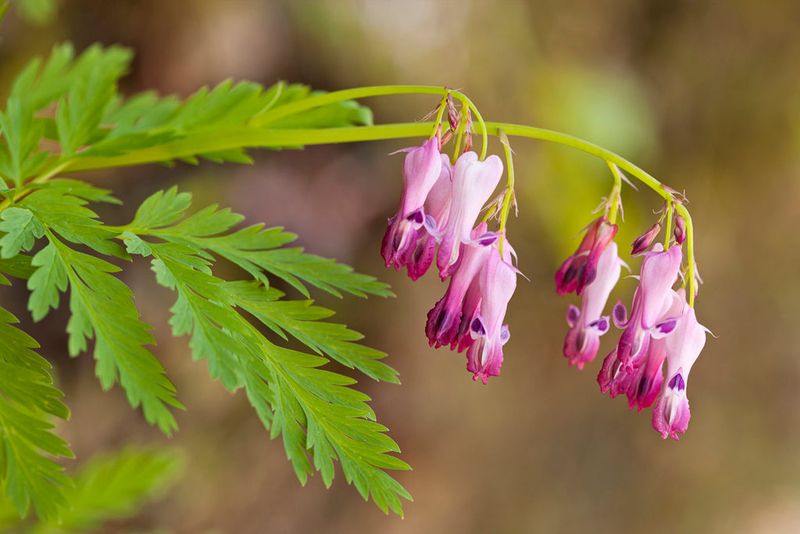
Wild bleeding heart has a soft, romantic quality that makes it feel right at home in a woodland shade garden. Unlike its Asian cousin that goes dormant in summer, this Pennsylvania native keeps its ferny, blue-green foliage looking fresh all season long.
The delicate heart-shaped pink flowers appear in spring and often continue blooming on and off through fall, giving you color for months rather than just a few weeks.
Shade tolerance is one of wild bleeding heart’s strongest qualities. It performs well in part shade to full shade and handles the dry shade under trees better than many other shade perennials.
Once established, it is a remarkably tough and self-sufficient plant that rarely needs extra attention from the gardener. Just plant it, water it through the first season, and let it settle in.
Deer tend to leave wild bleeding heart alone, which is excellent news for Pennsylvania gardeners who share their yards with frequent deer visitors.
The plant also spreads slowly by self-seeding, gradually filling in gaps in a shaded bed without becoming invasive or overwhelming neighboring plants. That well-mannered spreading habit makes it very easy to manage over time.
The finely cut, almost ferny foliage adds a beautiful soft texture to garden beds and contrasts nicely with broader-leafed plants like hostas or wild ginger. Hummingbirds and native bees visit the flowers for nectar throughout the blooming season.
For a shade garden plant that offers long-season color, wildlife support, deer resistance, and low maintenance all in one tidy package, wild bleeding heart checks every single box with ease.
8. Solomon’s Plume (Maianthemum Racemosum)
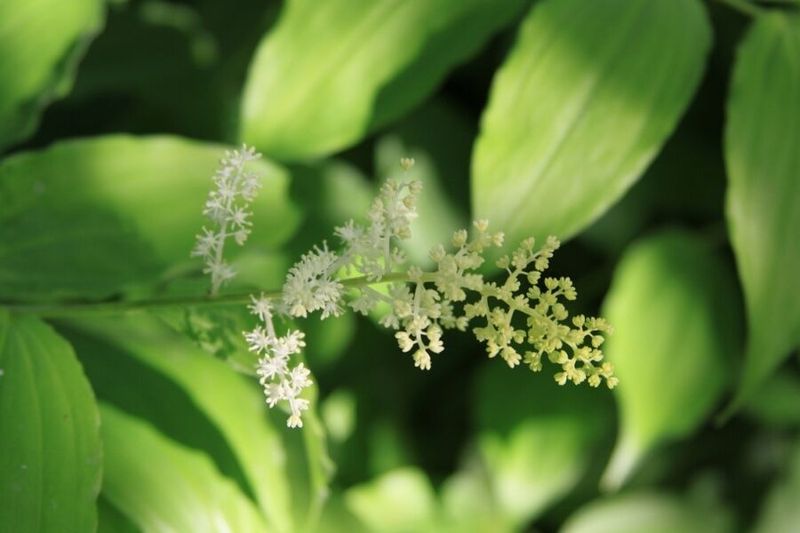
Solomon’s plume is sometimes called false Solomon’s seal, but there is nothing false about how beautiful it looks in a shade garden.
At the tips of its gracefully arching stems, fluffy white plumes of tiny flowers burst open in late spring, creating a frothy, cloud-like display that adds real height and drama to shady beds.
It is one of the showiest native perennials you can grow in Pennsylvania’s woodland-style gardens.
Growing two to three feet tall, Solomon’s plume brings vertical structure to the shade garden in a way that low-growing groundcovers cannot.
It works wonderfully as a backdrop for shorter plants like foamflower or wild ginger, creating a layered, naturalistic planting that looks intentional and polished.
The broad, oval leaves also add lush, tropical-looking texture throughout the growing season, long after the flowers have faded.
After flowering, the plant produces clusters of small berries that start out green with speckled markings and ripen to a deep red by late summer.
These berries are a valuable food source for thrushes, hermit thrushes, and other woodland birds that pass through Pennsylvania during fall migration.
Growing Solomon’s plume means you are actively supporting bird populations at a critical time of year.
The plant prefers moist, rich, slightly acidic soil and spreads gradually by rhizomes to form larger colonies over time. It is well-suited to naturalized garden areas and woodland edges where it can spread freely without crowding out smaller neighbors.
Pollinators love the spring flowers, and the plant is largely resistant to pests and disease. Solomon’s plume is a true all-around performer that earns a permanent place in any native shade garden.