The One Thing You Must Do To Ohio Roses Before June Ends For More Blooms By August
Ohio roses in June look like they are doing fine on their own, and that appearance is exactly what gets most gardeners into trouble. The blooms are coming, the plant looks full, and the instinct is to leave well enough alone.
That instinct costs August blooms in a way that is completely avoidable. There is a narrow window before June closes out where one specific task determines how well Ohio roses perform later in summer.
Miss it and the plant makes its own decisions about where to put its energy. Those decisions rarely line up with what a gardener is actually hoping for by August.
Most rose advice focuses on spring planting and fall cleanup. The June window sits quietly in between, under-discussed and consistently missed by gardeners who did not know it existed.
It exists. It matters.
And the difference it makes by August is hard to ignore.
1. Trim Spent Roses Before The Plant Wastes Energy
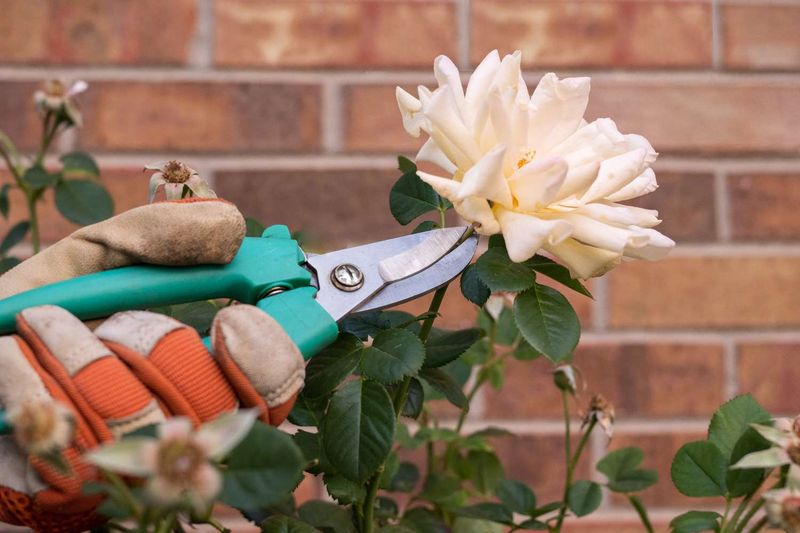
A shrub that looked full and polished two weeks ago can suddenly look tired once the first flush fades. Those spent blooms are not just an eyesore.
On repeat-blooming roses, leaving old flowers in place can signal the plant to put energy into forming seeds instead of new buds.
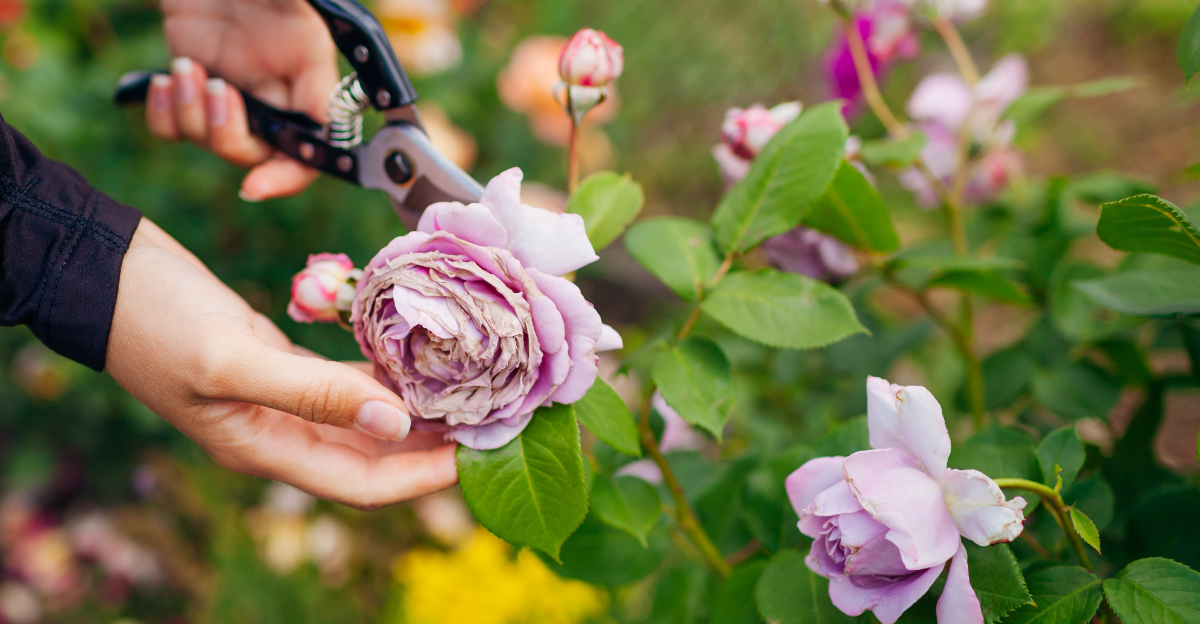
Deadheading, which simply means removing those finished flowers, helps redirect that energy. For repeat bloomers like hybrid teas and floribundas, this step can support a stronger round of blooms later in summer.
It is not a guarantee, but it does give the plant a better chance to cycle back into flowering.
Not every rose type responds the same way. Once-blooming old garden roses and some shrub varieties follow a set bloom schedule.
Removing their spent flowers will tidy the plant but will not push out a fresh flush the way it does for repeat bloomers.
Use clean, sharp bypass pruners for this task. Dull or dirty blades can crush the stem or spread disease from plant to plant.
Wipe blades with a clean cloth between plants if you notice any signs of disease. Work on a dry morning when possible.
Wet foliage can make fungal problems worse. A quick pass through the rose bed every week or so through midsummer keeps things tidy and keeps repeat bloomers moving forward.
2. Cut Back To A Strong Five Leaflet Leaf
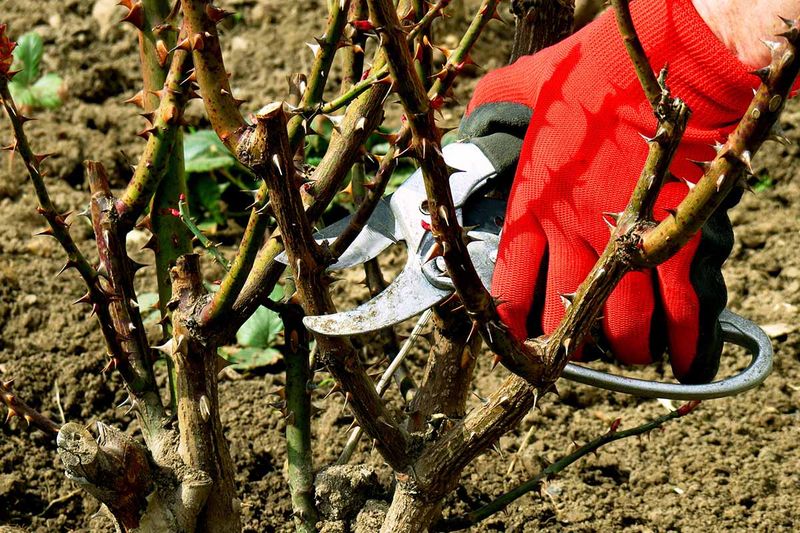
Knowing where to cut matters just as much as deciding to cut. Many Ohio rose gardeners, especially those working with hybrid teas and floribundas, cut the stem back to a strong outward-facing five-leaflet leaf.
That leaf node is where new growth is most likely to sprout.
The idea behind the outward-facing cut is simple. New stems tend to grow in the direction the bud eye is pointing.
Cutting to an outward-facing leaf helps encourage growth away from the center of the plant, which supports better airflow and a more open shape over time.
Make the cut at a slight angle, about a quarter inch above the bud eye. Do not cut too close or you risk damaging the bud.
Your Ohio Garden Changes Every Week. Your Plan Should Too.
Gardening in Ohio changes quickly throughout the season. Every Friday you’ll receive a simple weekly plan showing exactly what to plant, prune, fertilize, harvest, and protect so you never miss the right timing.
Do not leave a long stub above the leaf node either, since stubs can dry out and invite problems. A clean, angled cut at the right spot is all you need.
Keep in mind that this guidance fits best for hybrid teas, floribundas, and similar repeat-blooming types. Shrub roses and groundcover roses are often more forgiving.
You can trim them back lightly without hunting for the perfect leaf node. The goal for any rose is a clean cut that leaves the plant looking tidy and gives new growth a clear path forward into summer.
3. Remove Weak Stems That Crowd The Center
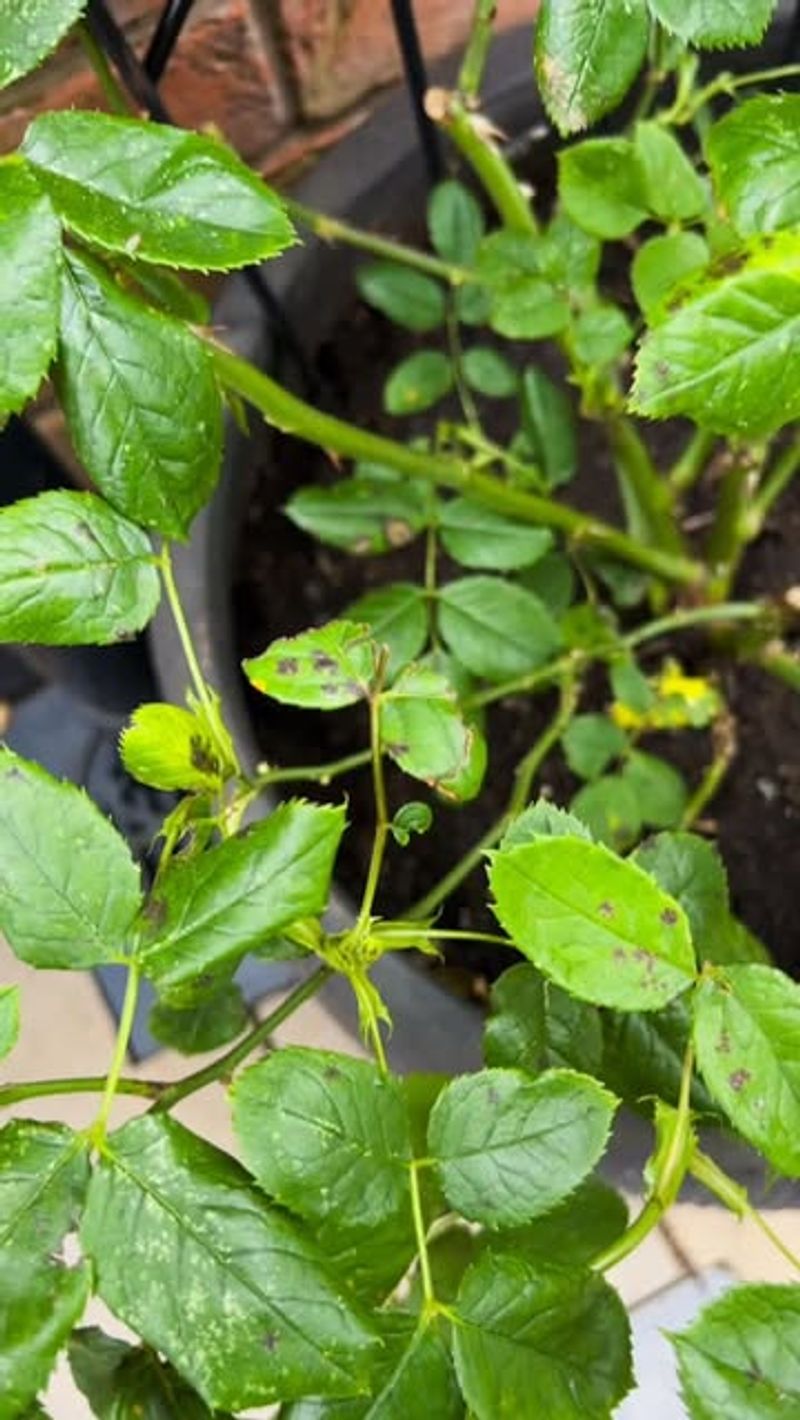
After the first bloom flush, take a closer look at the inside of the plant. Thin, spindly stems that cross through the center or rub against stronger canes can reduce airflow and make the plant feel cluttered.
A little selective cleanup at this stage is worth the effort.
Removing weak or crossing growth is not the same as heavy summer pruning. The goal is light tidying, not a dramatic cutback.
Pull out stems that are clearly too thin to support a bloom, along with any that are rubbing or growing inward toward the center of the plant.
Better airflow through the plant can help reduce the conditions that favor fungal diseases like black spot. Humid summers in this state create the kind of warm, moist environment where disease spreads more easily.
Keeping the center of the plant open does not prevent every problem, but it does help.
Work carefully and avoid cutting out healthy, productive canes. If a stem looks green and sturdy, leave it alone.
Only target growth that is clearly weak, damaged, or creating a tangle. After cleanup, step back and look at the overall shape of the plant.
A balanced, open shape with good airflow is the goal. This kind of light maintenance takes only a few minutes and can support a healthier plant heading into the hottest weeks of summer.
4. Clean Up Fallen Petals And Spotted Leaves
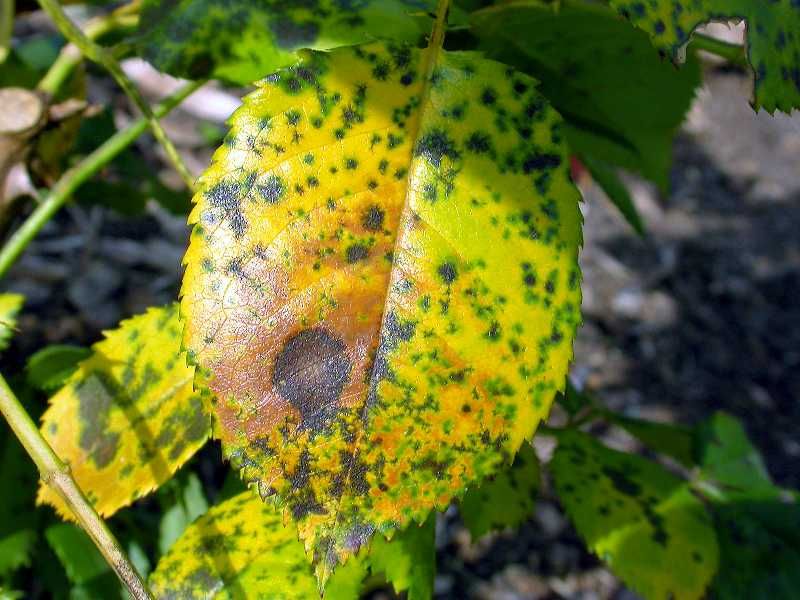
Once the first bloom cycle winds down, the ground around rose plants tends to get messy fast. Fallen petals pile up, old leaves drop, and some of those leaves carry the early signs of black spot or other fungal issues.
Leaving that debris in place is not a neutral choice.
Wet, decaying plant material around the base of a rose can contribute to disease pressure, especially during humid stretches. Spores from spotted leaves can splash back up onto the plant during rain or watering.
Cleaning up that layer of debris is a straightforward way to reduce that cycle.
Pick up fallen petals and pull away any leaves showing dark spots or yellowing. Bag them for trash removal rather than adding them to a home compost pile.
Unless you are confident your compost reaches the temperatures needed to break down pathogens, diseased material is better off out of the garden entirely.
While you are cleaning up, check the soil surface for any old mulch that has broken down into a thin, compacted layer. That layer can trap moisture against the crown and hold onto disease spores.
Raking it lightly and removing the worst of it before refreshing the mulch gives the plant a cleaner environment going into July.
Sanitation is not exciting work, but it is one of the most practical things an Ohio home gardener can do to support plant health through a humid summer.
5. Water Deeply Before July Heat Builds
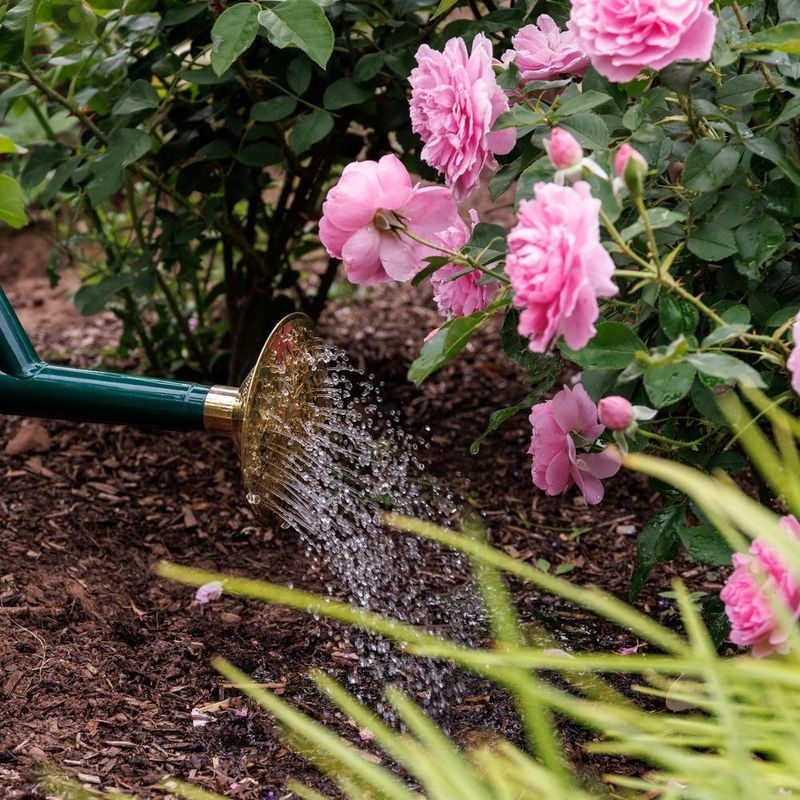
Summer in this state can shift from comfortable to punishing in a short stretch of days. Roses forming new buds after the first flush need steady soil moisture to keep that growth moving.
Shallow, frequent sprinkling is not the same as a deep soak, and the difference shows up in how the plant performs.
Deep watering encourages roots to reach down into cooler, more stable soil. Light sprinkling keeps moisture near the surface, which dries out fast in summer heat.
Aim to water slowly and thoroughly at the soil level rather than spraying the foliage. Wet leaves, especially overnight, create conditions where fungal problems thrive.
Most established rose plants benefit from about an inch of water per week during the growing season. During hot, dry stretches, that amount may need to increase.
Check the soil a few inches down before watering. If it still feels damp, you can wait.
If it feels dry at that depth, water thoroughly.
Soaker hoses or drip irrigation are practical options that deliver water directly to the root zone without wetting the foliage. If you use a handheld hose, direct it low and let the water soak in slowly rather than running off.
Morning is the preferred time to water if overhead watering is unavoidable. It gives foliage time to dry before evening, which lowers the risk of fungal issues heading into a warm night.
6. Refresh Mulch Without Burying The Crown
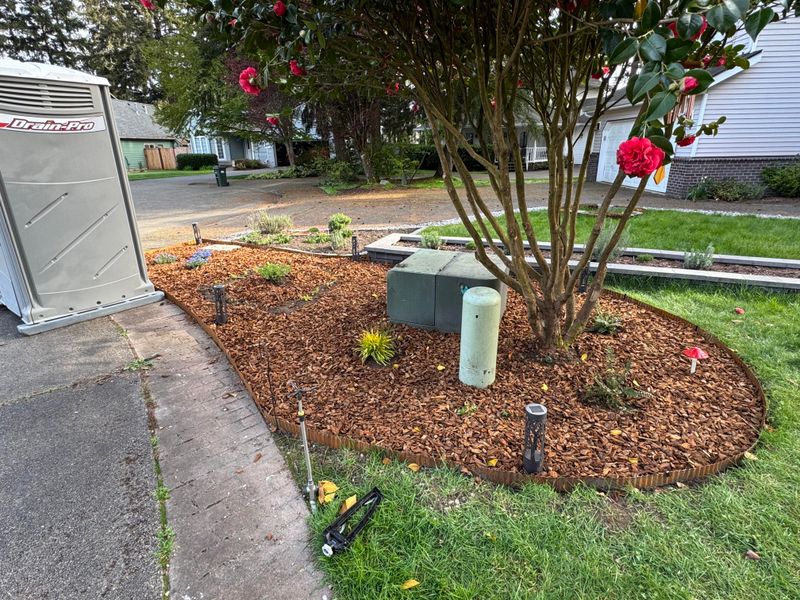
Mulch does quiet but important work in a rose bed. It slows water evaporation from the soil and helps buffer soil temperature during heat spikes.
It also reduces the kind of soil splash that can carry fungal spores up onto lower leaves. By late June, the mulch layer from spring may have thinned out or broken down enough to lose some of that effectiveness.
A fresh top-up of two to three inches of shredded bark, wood chips, or another organic mulch material can restore those benefits heading into the hottest part of summer. Spread it evenly across the bed, reaching out to the drip line of the plant if possible.
The most important rule with mulch is to keep it away from the crown, the canes, and any graft union at the base of the plant. Piling mulch against the stems traps moisture and can encourage rot or pest problems.
Leave a clear gap of a few inches around the base before the mulch layer begins.
Pull away any old mulch that has compacted or turned slimy before adding the fresh layer. That old material can block water from reaching the soil properly.
Once the fresh mulch is in place, give the bed a thorough watering to help settle it. Refreshed mulch is one of the lowest-effort, highest-return steps you can take for roses heading into July and August heat.
7. Feed Lightly After The First Bloom Flush
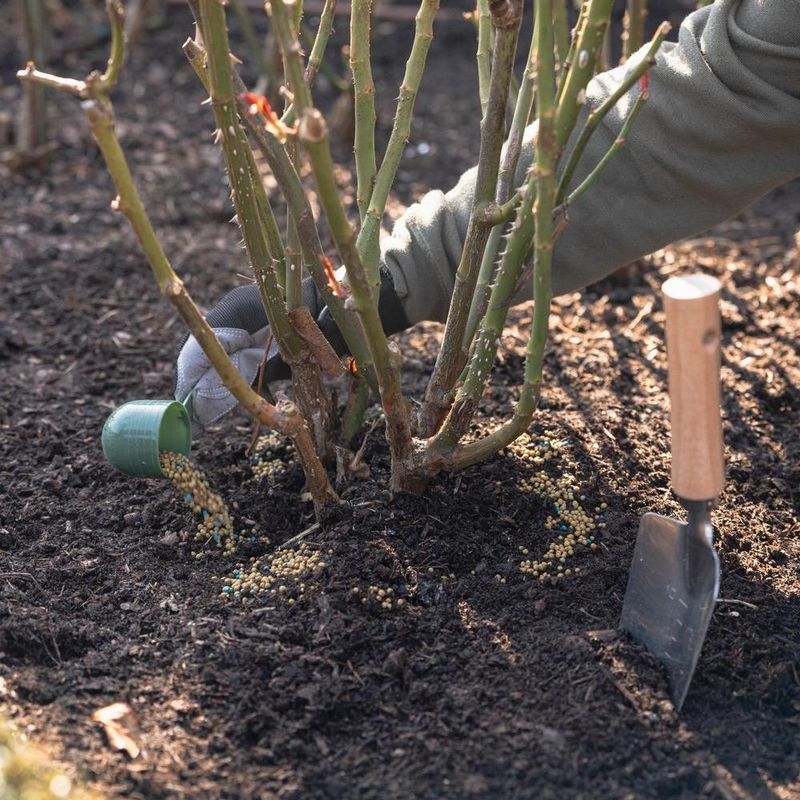
After a repeat-blooming rose pushes out its first big flush, it has used up a good portion of its available nutrients. A light feeding at this stage can help support the next round of growth and bud development.
The key word here is light. Heavy feeding during hot weather or when a plant is already stressed can do more harm than good.
Granular rose fertilizers, balanced slow-release options, or a gentle water-soluble feed all work for this purpose. Follow the label directions carefully.
More fertilizer does not mean more flowers. Overfed roses can push out soft, lush growth that is more vulnerable to pests and stress during summer heat.
If your soil has not been tested recently, a basic soil test through your local cooperative extension office can tell you what the soil actually needs. Guessing at fertilizer needs can lead to applying nutrients that are already in excess.
Soil tests are inexpensive and give you real information to work from.
Avoid feeding roses that are visibly stressed from drought, heat, or disease pressure. A struggling plant cannot make good use of extra nutrients.
Water the plant well before applying any fertilizer, and water again after to help move nutrients into the root zone. Hold off on feeding if temperatures are expected to stay above 90 degrees for several days.
Timing matters as much as the product you choose.
8. Watch For Black Spot Before It Spreads
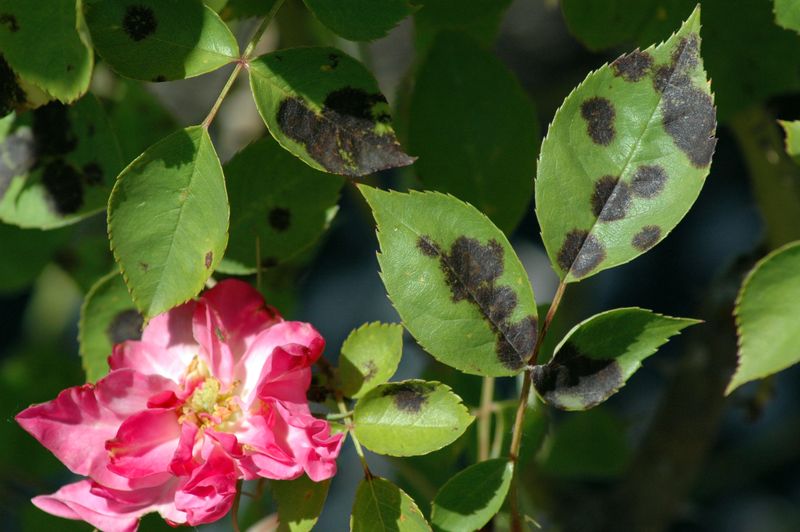
Warm, wet, humid weather creates ideal conditions for black spot, one of the most common fungal diseases on roses in this region. It often shows up first on the lower leaves as circular dark spots with slightly ragged or fringed edges.
Yellowing around the spots usually follows, and affected leaves may drop from the plant.
Catching it early makes management more realistic. Once black spot has spread through most of the plant, it is much harder to slow down.
Check the lower leaves every few days during humid stretches, especially after rain. Remove any affected leaves promptly and bag them for trash removal, not the compost pile.
Improving airflow through selective pruning can help reduce conditions that favor the disease. Avoiding overhead watering and keeping the ground around the plant clean can help too.
These steps do not eliminate black spot, but they can slow its spread and reduce how much of the plant is affected.
Fungicide products labeled for black spot on roses are available, and some Ohio gardeners use them preventively during high-risk periods. Read and follow label directions carefully.
No single product or practice offers complete control. When planting new roses, choosing varieties with documented resistance to black spot is one of the most effective long-term strategies available.
Local rose societies and university extension resources in this state can point you toward varieties that have performed well in regional conditions.