Why Moles Keep Coming Back To Oklahoma Yards, And What To Do About It
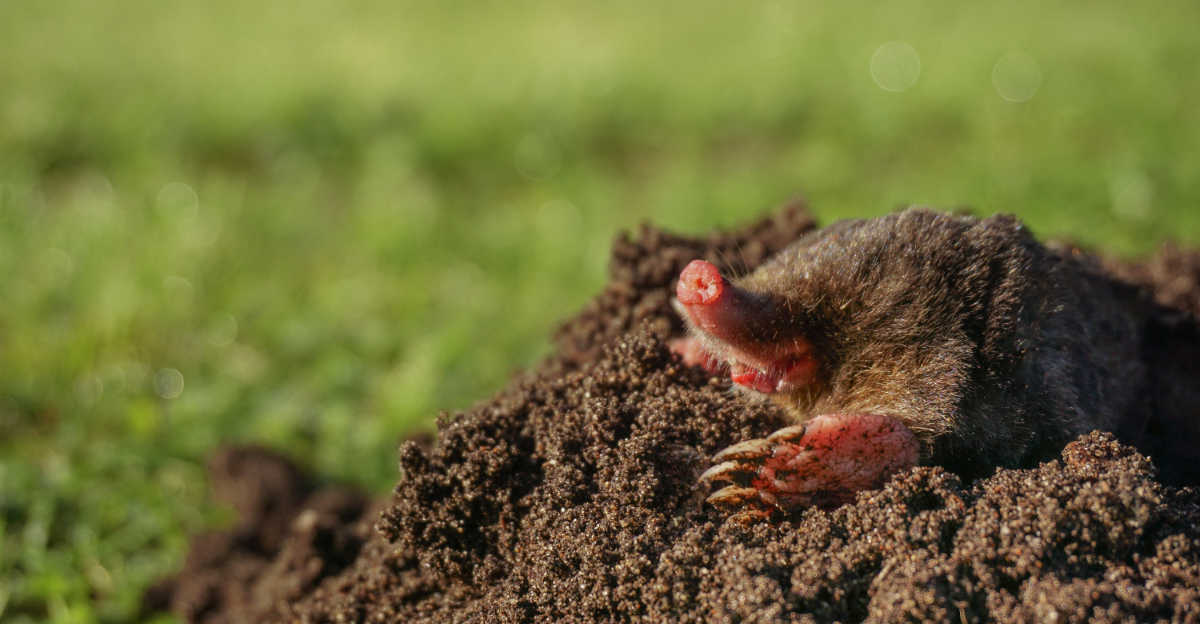
Pull back the grass in almost any Oklahoma yard this spring and you will likely find a tunnel network running underneath it. Moles are not visiting randomly, they are following food, and Oklahoma soil tends to be full of it.
Earthworms, grubs, and soil insects thrive in the same moist, loamy conditions that make this state great for growing things.
That is not a coincidence. It is the reason moles keep returning to the same yards year after year, regardless of what the homeowner does on the surface.
Most removal efforts fail because they treat the surface while the real problem lives underground. Fix that, and the rest follows.
Why Oklahoma Soil Makes Moles Feel At Home
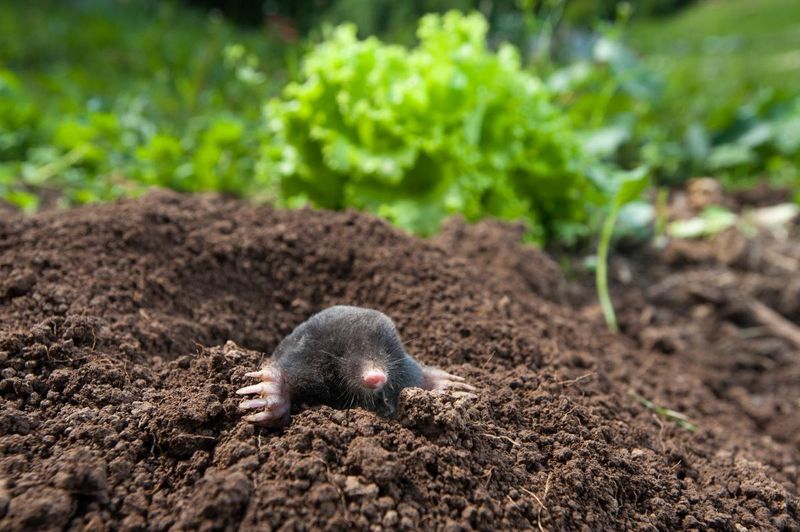
Oklahoma soil gives moles almost everything they need to thrive. The state sits on a mix of loamy, clay-rich, and sandy soils that stay moist enough to tunnel through with ease.
Moles prefer soft ground they can push through quickly. Hard, rocky soil slows them down and makes nesting difficult.
Much of central and eastern Oklahoma has deep topsoil packed with organic matter. That richness attracts insects and earthworms, which are exactly what moles hunt.
After rain, the ground softens even more, making it nearly effortless for a mole to extend its tunnel network overnight. Homeowners often wake up to fresh ridges that were not there the evening before.
The red clay common across the state also holds moisture longer than sandy soils. That moisture keeps food sources close to the surface, so moles never have to go far for a meal.
Yards with recently tilled garden beds or freshly laid sod are especially vulnerable. Loose, aerated soil is an open invitation that moles simply cannot resist.
Knowing your soil type helps you choose the right control method. Oklahoma yards will always be mole-friendly terrain, but that does not mean you are powerless against them.
The Role Of Earthworms And Grubs In Mole Activity
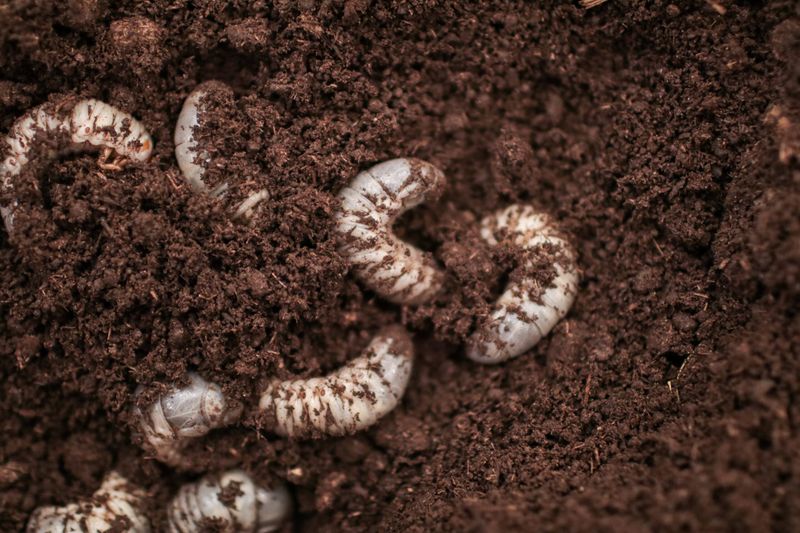
Moles are not coming for your flower bulbs or vegetable roots. They are chasing something far more tempting: earthworms and grubs hiding just beneath the surface.
A single mole can eat anywhere from 70 to 100 percent of its body weight in worms each day. That level of hunger drives near-constant tunneling activity through your yard.
Grubs are the larvae of beetles like Japanese beetles and June bugs. Oklahoma lawns can carry surprisingly high grub populations, especially in well-watered, fertilized grass.
Healthy, green lawns often have the highest concentration of both grubs and earthworms. So ironically, the better you care for your grass, the more attractive your yard becomes to moles.
Treating your lawn for grubs can reduce mole activity noticeably. Fewer grubs underground means less reason for moles to keep tunneling through your property.
However, eliminating earthworms entirely is not practical or even desirable. Earthworms improve soil health, so the goal is reducing grub populations instead.
Targeted grub control products applied in late spring or early summer can break this cycle. Cutting off the food supply is one of the most effective long-term strategies for keeping moles away from Oklahoma yards.
Your Oklahoma Garden Changes Every Week. Your Plan Should Too.
Gardening in Oklahoma changes quickly throughout the season. Every Friday you’ll receive a simple weekly plan showing exactly what to plant, prune, fertilize, harvest, and protect so you never miss the right timing.
How Oklahoma Seasons Influence Mole Tunneling Patterns
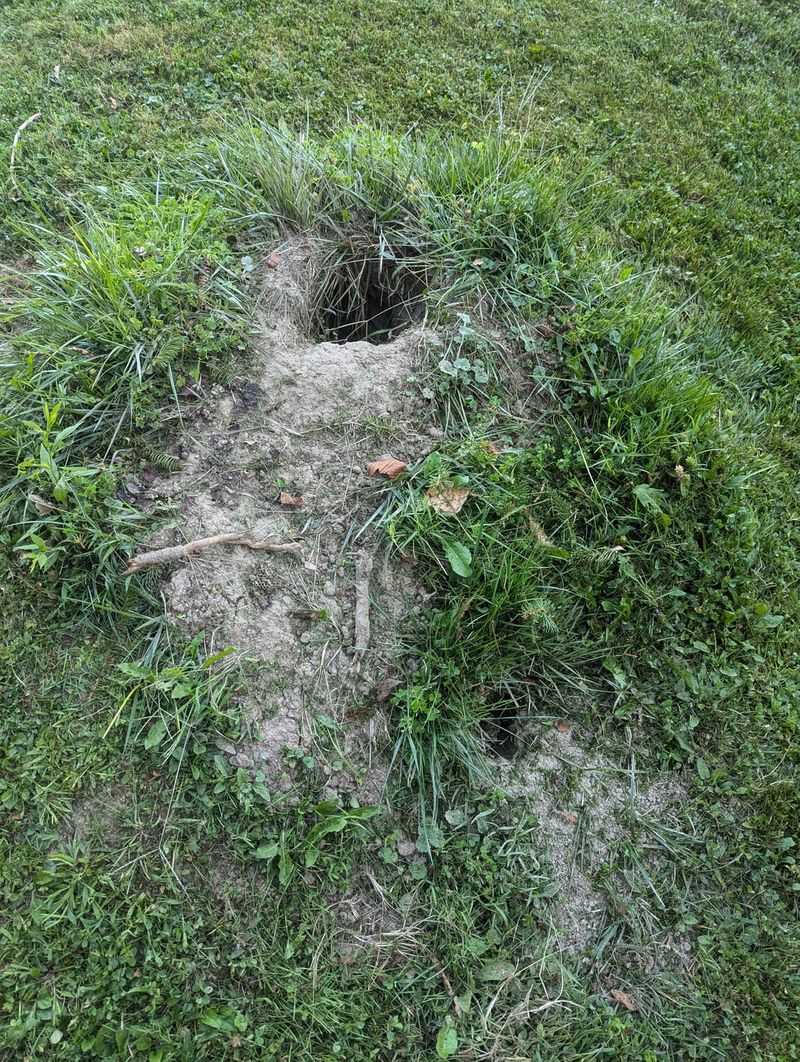
Moles do not follow a neat calendar, but Oklahoma seasons definitely shape when and where they tunnel. Spring brings rain, warm soil, and a surge in worm activity near the surface.
That combination makes spring the most active period for mole damage in most Oklahoma neighborhoods. Homeowners start noticing raised ridges and soft spots appearing almost overnight.
Summer heat pushes worms and grubs deeper into the soil. Moles follow their food source downward, which means surface tunnels become less visible but underground activity continues.
Fall is another peak season worth watching. Moles shift toward building deeper nesting tunnels as temperatures begin to drop.
Winter slows things down but does not stop moles entirely. They remain active below the frost line, tunneling through warmer layers of soil throughout the colder months.
Understanding these seasonal shifts helps you time control efforts more precisely. Treating for grubs in late spring targets larvae before they mature and multiply through summer.
Placing traps or repellents during peak spring and fall activity gives you the best chance of disrupting mole patterns. Timing your response to match their natural cycle makes every control method significantly more effective in Oklahoma yards.
Signs You Have An Active Mole Problem In Your Yard
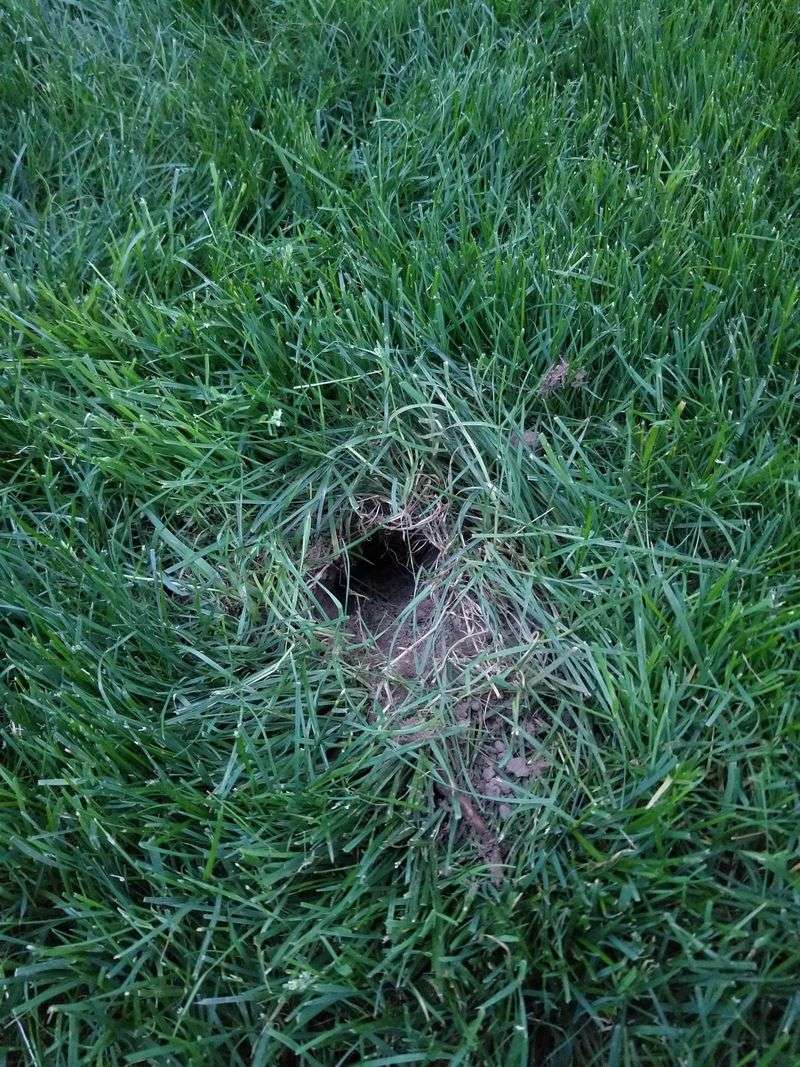
Spotting the signs early can save your lawn from serious damage. The most obvious clue is a raised ridge of soil running in a winding line across your grass.
These surface tunnels, sometimes called runways, are created as moles search for food just below the turf. They push the soil upward as they move, leaving a bumpy, uneven surface behind.
Mole hills are another telltale sign. These are small, volcano-shaped mounds of loose dirt pushed up from deeper tunnels below.
Unlike surface runways, mole hills indicate permanent tunnels where moles nest and travel regularly. Finding several mole hills close together usually means a mole has settled in for the long haul.
Soft, spongy spots in your lawn can also signal active tunneling underneath. When you step on these areas, the ground gives way slightly because the tunnel below has collapsed the soil structure.
Yellowing grass along a tunnel line is another red flag. Moles sever grass roots as they push through, cutting off water and nutrients to the turf above.
If you notice multiple fresh ridges appearing within days of each other, act quickly. Early intervention in Oklahoma yards limits the damage before a single mole establishes a more extensive tunnel network on your property.
Lawn And Garden Damage Moles Leave Behind
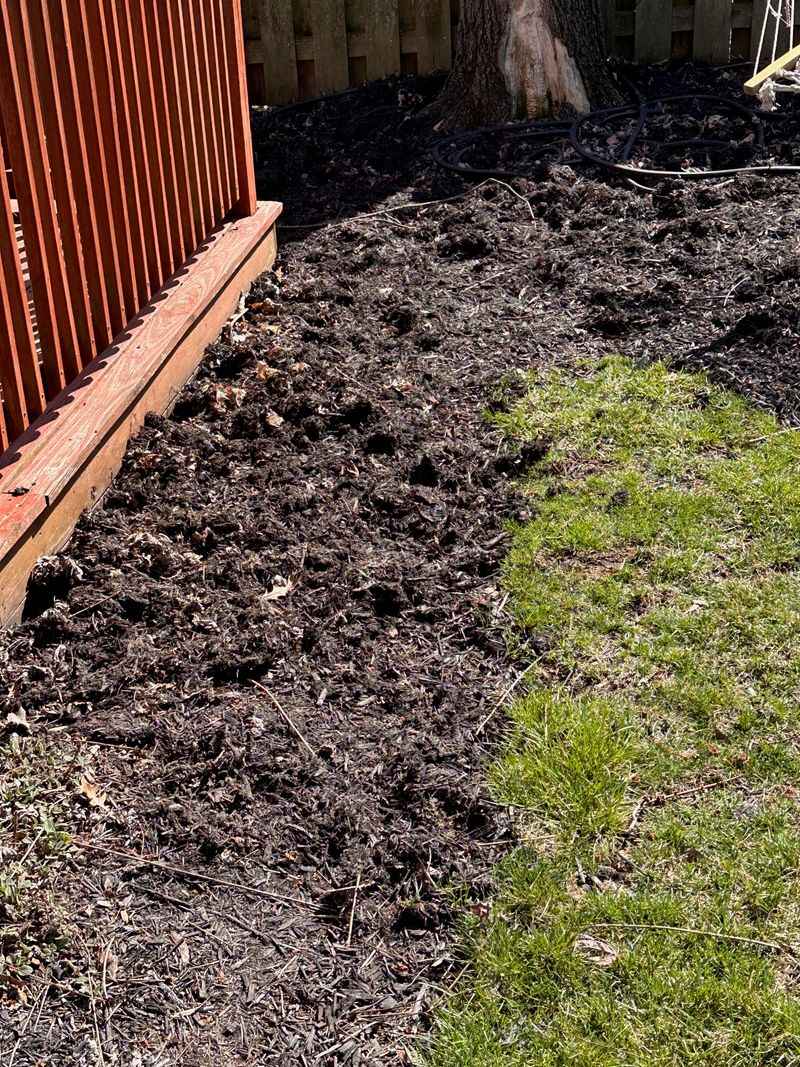
The damage moles leave behind goes well beyond cosmetic annoyance. Their tunneling disrupts the root systems of grass, flowers, and garden plants in ways that take weeks to repair.
As moles push through soil, they separate roots from the ground. Grass blades turn yellow, wilt, and eventually brown out in patches that look like drought stress or disease.
Garden beds suffer too. Moles tunneling near vegetable rows or flower borders loosen the soil around plant roots, making it harder for plants to anchor themselves and absorb water.
Raised tunnels create air pockets beneath the turf. Those pockets dry out quickly in Oklahoma summers, stressing grass further and creating uneven ground that is hard to mow safely.
Collapsed tunnel sections create uneven ground that can be a tripping hazard for children and pets. Beyond the lawn aesthetics, the physical hazard of soft, unstable ground is a real concern for active families.
Moles can also indirectly encourage voles and mice. These rodents often use mole tunnels as ready-made highways to reach plant roots and bulbs underground.
Repairing mole damage means tamping down raised ridges, reseeding bare patches, and restoring soil contact with affected roots. Acting fast after spotting damage gives your Oklahoma yard the best shot at a full recovery.
Yard Conditions That Make Your Property A Target
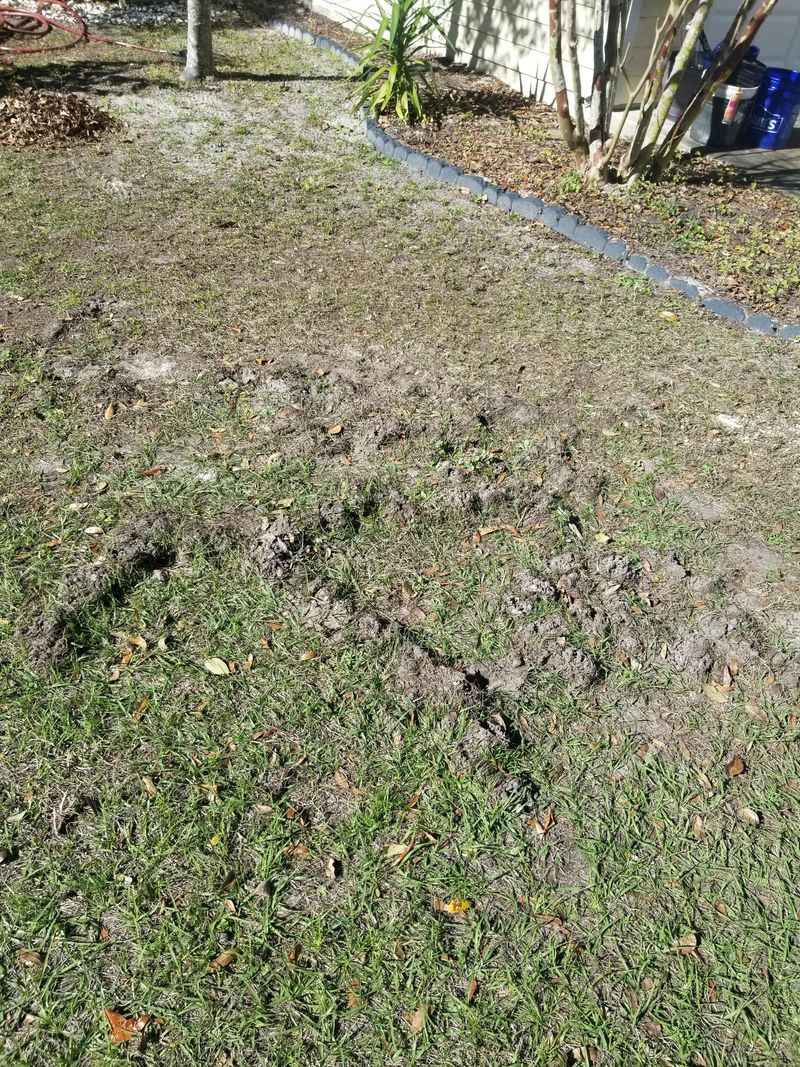
Not every yard gets hit equally hard by moles. Certain conditions practically advertise your property as the perfect place to tunnel and nest.
Overwatered lawns top the list. Consistently moist soil stays soft and easy to push through, and it keeps earthworms clustered near the surface where moles can reach them easily.
Thick, lush grass is another draw. Dense turf holds moisture longer and supports a richer underground ecosystem of insects and worms that moles feed on constantly.
Yards with heavy mulch layers in garden beds create warm, soft zones that moles love exploring. Mulch retains moisture and warmth, making the soil beneath it prime tunneling territory.
Properties near wooded areas or creek beds tend to see more mole pressure. Natural habitats nearby mean larger mole populations that eventually spread into surrounding residential lawns.
Freshly aerated or tilled soil is an open invitation. After core aeration or garden tilling, the loosened ground is so easy to move through that moles are attracted almost immediately.
Adjusting your watering schedule is one of the simplest changes you can make. Allowing the lawn to dry slightly between watering cycles makes your yard less hospitable and pushes moles toward easier, wetter hunting grounds nearby.
Practical Steps That Actually Reduce Mole Activity In Oklahoma Yards
Moles keep coming back to Oklahoma yards when nothing changes in the environment that attracted them. Breaking that cycle takes a combination of smart strategies applied consistently over time.
Start with grub control. Applying a grub treatment in late spring targets beetle larvae before they mature, shrinking the underground food supply moles depend on through summer.
Castor oil-based repellents are a popular and low-effort option. Spray or granule formulas soak into the soil and make earthworms taste unpleasant to moles without harming the worms themselves.
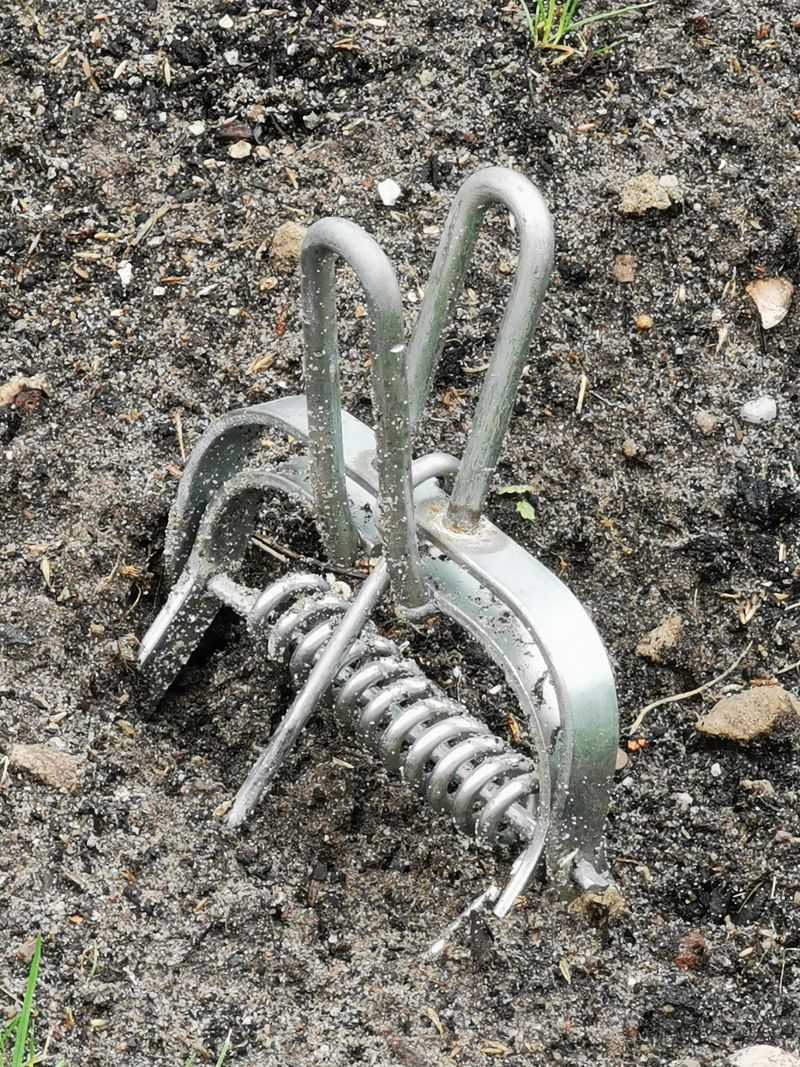
Mole traps placed directly in active surface tunnels are one of the more reliable removal options available. Press down a section of tunnel, then check it the next day. If it is re-raised, that is a live, active tunnel worth targeting.
Underground wire mesh barriers can protect specific garden beds. Burying hardware cloth about two feet deep around prized plantings creates a physical wall moles cannot push through.
Reduce irrigation frequency during peak mole season. Drier surface soil drives worms deeper, making your lawn less rewarding for moles hunting near the top.
Consistency matters more than any single product or trick. Combining food source reduction, repellents, and targeted trapping gives Oklahoma yards the strongest defense against moles returning season after season.