Why Alabama Yards Are Seeing More Fire Ant Mounds After Every Summer Rain
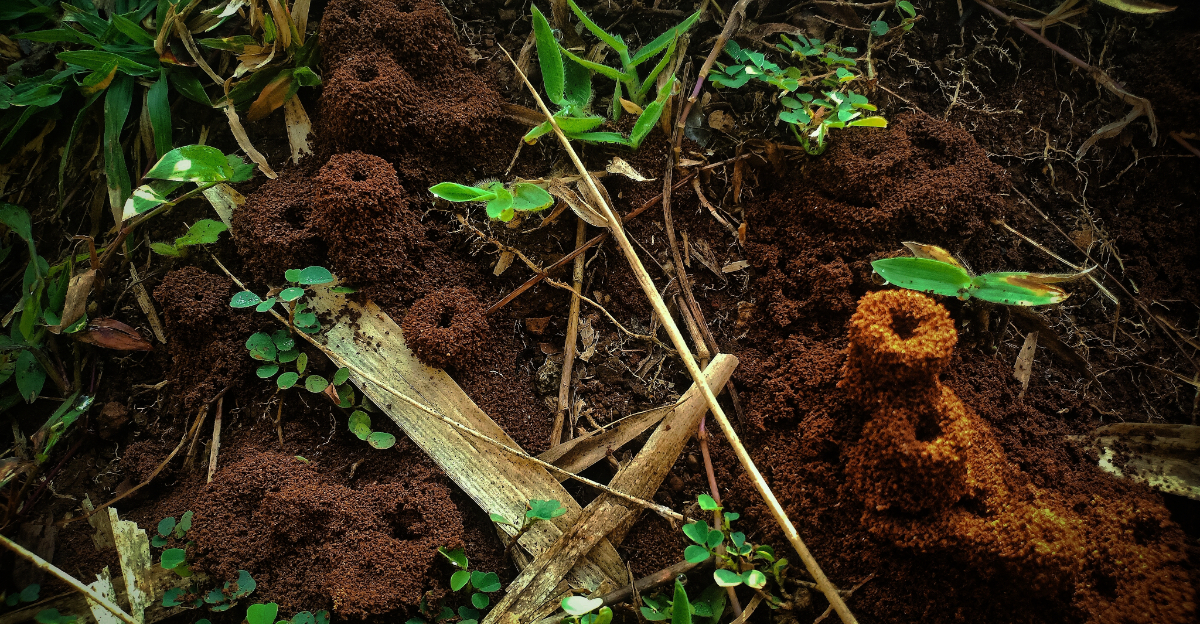
One summer rainstorm is all it takes, and your Alabama yard looks completely different by morning.
Fire ants do not slow down in summer. They relocate, rebuild, and expand, and rain gives them every reason to do it fast.
Fire ants are not reacting to rain out of panic. They are responding to it with remarkable precision. Flooding soil forces entire colonies upward, and when the ground dries out, scouts move fast to claim new territory.
What looks like an overnight invasion is actually a highly coordinated push that has been building beneath your lawn for weeks.
If your yard saw one or two mounds last summer, do not expect the same this year. Here is what is actually driving the surge.
Rain Pushes Fire Ant Colonies To The Surface
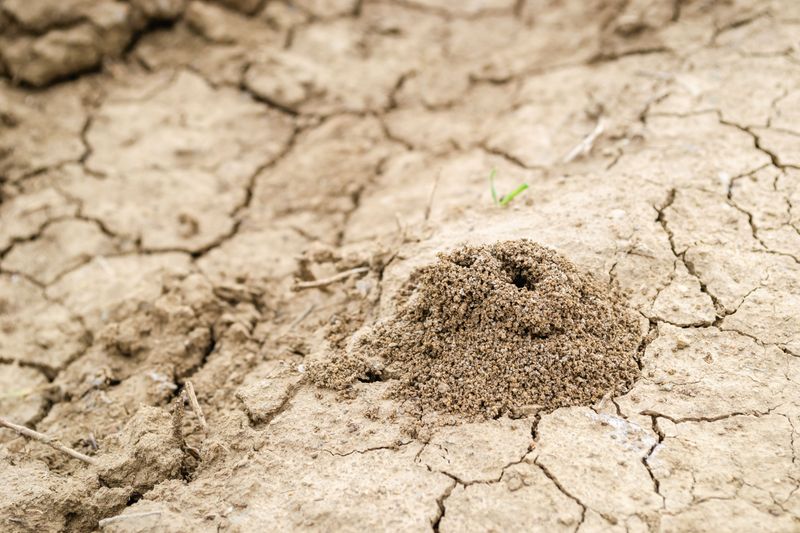
Soggy ground is basically a fire ant eviction notice. When summer rain soaks deep into the soil, underground tunnels flood fast.
Fire ant colonies can extend 1 to 3 feet below the surface in warm months. Heavy rainfall fills those tunnels with water, forcing thousands of workers and the queen upward.
The mound you see above ground is actually an emergency response. Ants rebuild it quickly after every significant storm event.
Alabama yards see this pattern constantly from June through September. The state gets heavy afternoon thunderstorms almost daily during peak summer weeks.
Fire ant mounds appearing after rain are not new colonies. Most of the time, they are existing colonies repositioning for survival above the waterline.
Once the soil dries out, ants push back down again. But the mound stays as a visible marker of where they settled.
Homeowners often panic when they see fresh mounds after a storm. Knowing this behavior helps you respond smarter instead of just reacting.
The mound is a signal, not the full story. The real colony extends deep below what your eyes can see.
Fire ant mounds in Alabama yards tend to cluster in open sunny spots. Ants prefer warm soil that drains quickly after rain.
Recognizing why these mounds surface helps you target treatment at the right time. Acting within 24 to 48 hours after a storm is generally considered the most effective window.
Alabama’s Summer Climate Fuels Fire Ant Activity
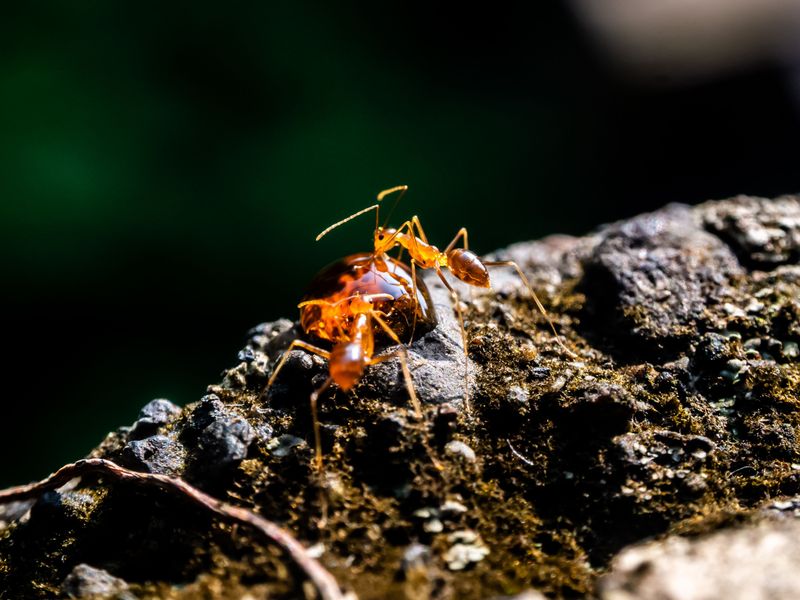
Hot, humid, and stormy: that is Alabama summers in three words. Few climates in the country suit fire ants as well as Alabama’s.
Fire ants thrive when soil temperatures stay above 70 degrees Fahrenheit. In Alabama, that window stretches from late spring well into October.
Summer thunderstorms drop heavy rain fast, then the sun bakes everything dry within hours. That cycle of wet and warm is a fire ant paradise.
The state sits in what researchers call the fire ant belt. Populations here are some of the densest recorded anywhere in North America.
Humidity keeps the soil moist just enough for easy tunneling. Ants can expand their underground networks rapidly in these conditions.
Rainfall totals in central and southern Alabama often reach 4 to 5 inches or more per month during summer. That is plenty of water to trigger repeated mound surfacing events.
Your Alabama Garden Changes Every Week. Your Plan Should Too.
Gardening in Alabama changes quickly throughout the season. Every Friday you’ll receive a simple weekly plan showing exactly what to plant, prune, fertilize, harvest, and protect so you never miss the right timing.
Fire ant colonies grow faster when food sources are abundant. Summer brings insects, seeds, and organic debris that feed large populations.
A thriving colony can house up to 500,000 workers. More workers mean faster mound construction after every rain event.
Homeowners in Alabama face a tougher battle than those in drier states. The climate here gives fire ant mounds every advantage they need to multiply.
Understanding the local environment shifts your mindset from frustration to strategy. You cannot change the weather, but you can change how you respond to it.
How Fire Ant Colonies Spread After Heavy Rainfall
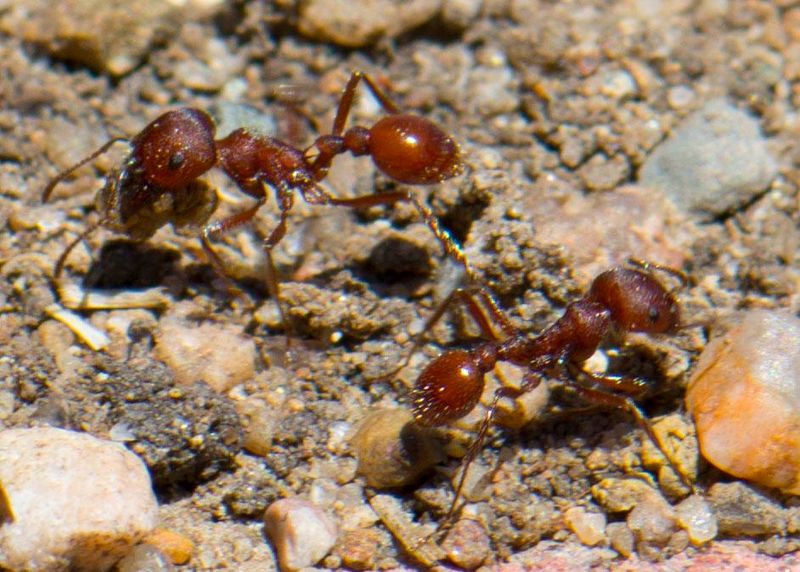
Rain does more than push ants upward. It also triggers something called nuptial flights, which spread colonies to brand new locations.
Winged reproductive ants, called alates, launch into the air after heavy rain events. They mate mid-flight, then land and start entirely new colonies in fresh soil.
One mature colony can produce thousands of alates in a single season. Each successful landing creates a potential new mound somewhere in your yard.
Fire ant mounds in Alabama yards multiply this way every summer. What starts as one colony in spring can expand into several new ones by the end of summer.
Flooding also physically carries ant rafts across yards and neighborhoods. Worker ants link together and float on water surfaces, carrying the queen to dry land.
These rafts are a survival mechanism that has worked for millions of years. Once they reach solid ground, the colony reassembles and starts building immediately.
Neighboring yards share ant populations more than most people realize. A mound treated in your yard might simply relocate to your neighbor’s lawn after the next storm.
Community-wide treatment programs work better than solo efforts. When everyone on a block acts at the same time, spread slows significantly.
Knowing how colonies travel changes how you approach yard treatment. Focusing only on visible mounds misses the bigger migration picture entirely.
Spread prevention starts with consistent monitoring after every major rain. Catching new mounds early stops a small problem from becoming an overwhelming one.
Yard Zones Where Fire Ant Mounds Show Up Most
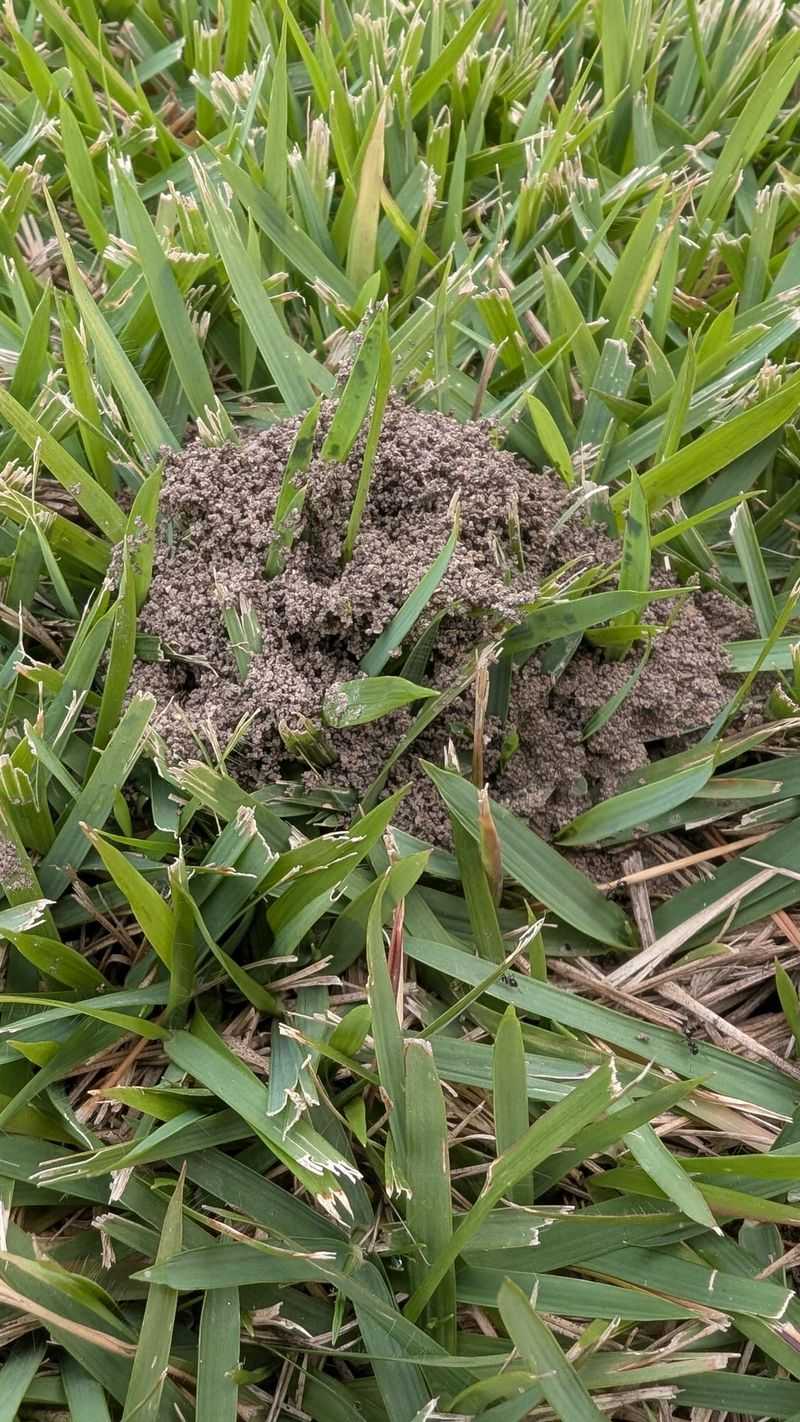
Not every part of your yard gets hit equally. Fire ants are picky about where they build, and knowing their favorites gives you a real advantage.
Open sunny areas are prime real estate for new mounds. Ants prefer spots where the soil warms fast after rain and drains without staying swampy.
Garden bed edges are another hot zone. The loose, disturbed soil near flower beds and vegetable gardens is easy to tunnel through quickly.
Lawns with thin grass coverage offer less resistance to mound building. Thick, healthy turf creates a physical barrier that slows surface construction.
Near driveways and sidewalks, soil stays warmer longer because concrete holds heat. Ants exploit those warm edges constantly throughout summer months.
Low spots in the yard that collect water after rain often show mounds nearby, not directly in the puddle. Ants build just above the waterline.
Tree bases and shrub borders give colonies hidden protection from foot traffic. These spots are easy to overlook during routine yard checks.
Irrigation lines create consistent moisture zones that attract fire ant colonies. Yards with sprinkler systems often see mounds cluster along watering routes.
Checking these specific zones right after a storm gives you a head start. Mark new mounds immediately so you can treat them before the colony settles deeper.
A quick 10-minute walk around your yard after every major rain pays off. Catching mounds early in their favorite spots makes treatment far more effective.
Signs A Fire Ant Colony Is Establishing In Your Yard
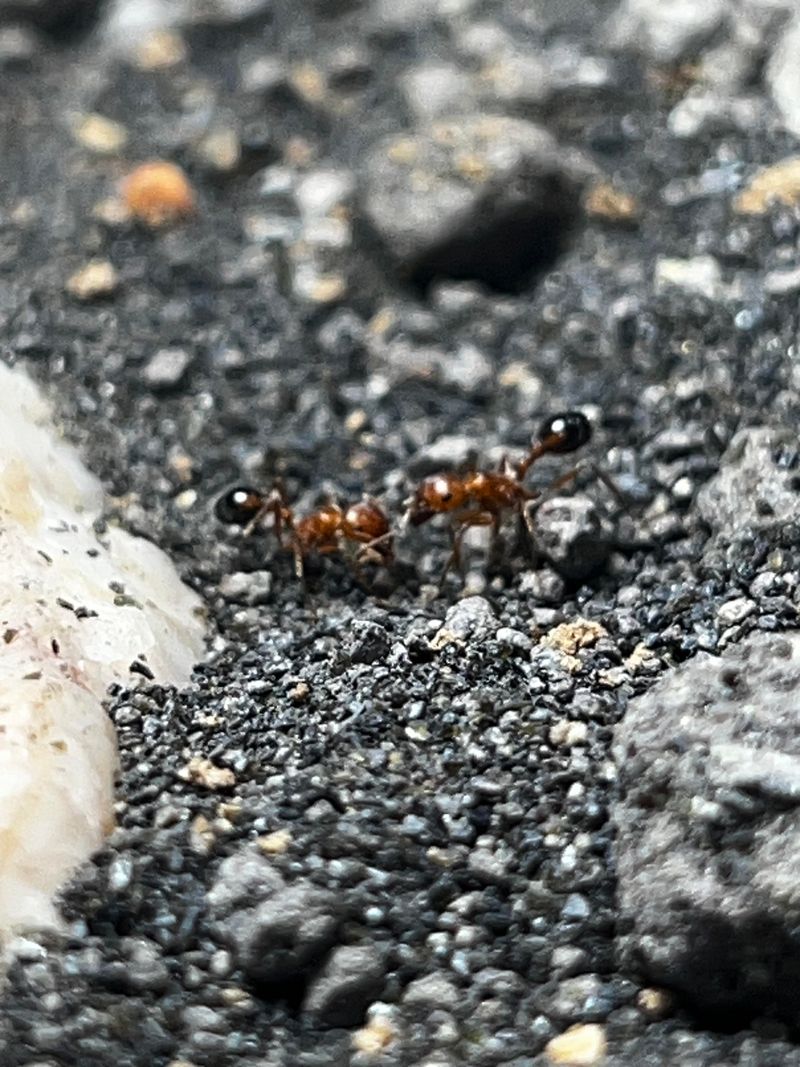
Fresh mounds look different from old ones. Knowing what to spot early can save you weeks of frustration and a lot of stings.
A new mound has loose, fluffy soil with no crust on top. It often appears within 24 to 48 hours after a heavy rain event.
Worker ants move in chaotic patterns on a fresh mound. They are actively expanding tunnels and fortifying the structure for the queen below.
Older mounds develop a harder, crustier surface over time. They also tend to be taller and more dome-shaped than freshly built ones.
Multiple small mounds appearing in a tight cluster suggest one large colony branching out. This is a sign the population underground is growing fast.
You might notice increased ant trails crossing sidewalks or patios. These foraging lines mean the colony is actively searching for food to fuel its growth.
Disturbed mounds that rebuild overnight are a strong signal of a well-established colony. A well-established colony can begin reconstructing a mound within hours and complete it within a day.
Seeing ants on plants, especially near the base of stems, is another warning. Fire ants farm certain insects for food and protect them on plant surfaces.
Soft ground near a mound that collapses slightly underfoot hints at deep tunneling. That spongy feeling means the colony has been busy well below the surface.
Catching these early signs puts you in control before the colony fully roots in. Acting fast keeps fire ant mounds from turning your yard into their permanent home.
What Alabama Homeowners Can Do To Reduce Fire Ant Mounds
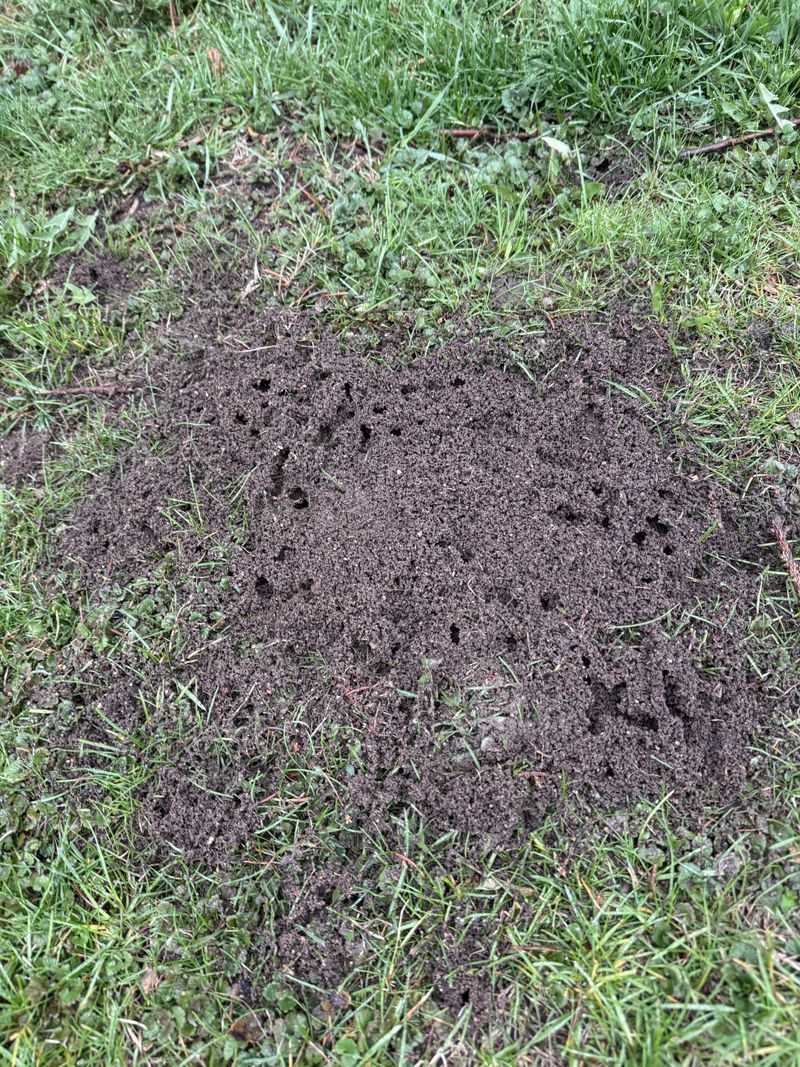
Taking action right after a storm is the smartest move you can make. Wet soil helps treatments absorb deeper and reach the queen faster.
Broadcast bait treatments work best when applied to the whole yard, not just individual mounds. Ants carry bait back to the colony, spreading the treatment internally.
Wait until the ground dries slightly before applying bait granules. Wet bait clumps together and loses effectiveness before ants can pick it up.
Individual mound treatments with contact insecticides work well for fast knockdown. Pour the solution directly into the mound for the best penetration.
Combining both broadcast bait and direct mound treatment is called the two-step method. Extension services across the state recommend this approach for serious infestations.
Treat in the early morning or late evening when ants are most active near the surface. Mid-day heat drives ants deep, making surface treatments less effective.
Maintaining a thick, healthy lawn reduces the number of easy build sites. Dense grass roots make tunneling harder and mound construction more difficult.
Avoid overwatering your lawn during summer months. Excess moisture from irrigation adds to the rain-soaked conditions that fire ants love.
Consistent treatment every 6 to 8 weeks throughout summer keeps populations manageable. One treatment rarely solves the problem in a climate this active.
Staying consistent with your approach is what separates a manageable yard from one covered in fire ant mounds after every Alabama summer storm.