What It Really Means When Wasps Start Building Nests Around Your North Carolina Porch This Summer
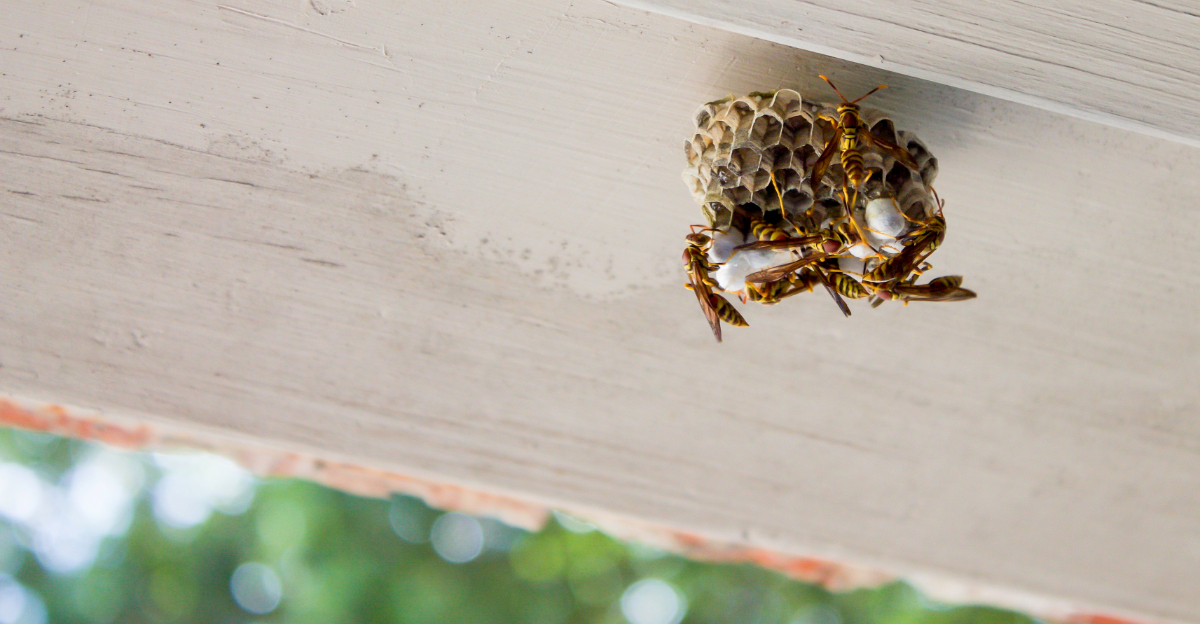
Wasps building nests around a porch tend to produce an immediate and understandable reaction, usually involving a can of spray and a strong desire to solve the problem as fast as possible.
Before reaching for that, it is worth understanding what their presence around your North Carolina home actually signals about the broader ecosystem functioning in your yard this summer.
Wasps are not random in their nesting choices, and a porch or eave that suddenly becomes attractive to nest-building activity is usually telling you something specific about what is happening at ground level and in the surrounding plantings nearby.
North Carolina supports numerous wasp species with genuinely different behaviors and ecological roles, and knowing which type is building where changes the calculus around how urgently and aggressively you actually need to respond.
1. Your Porch Offers A Protected Nest Site
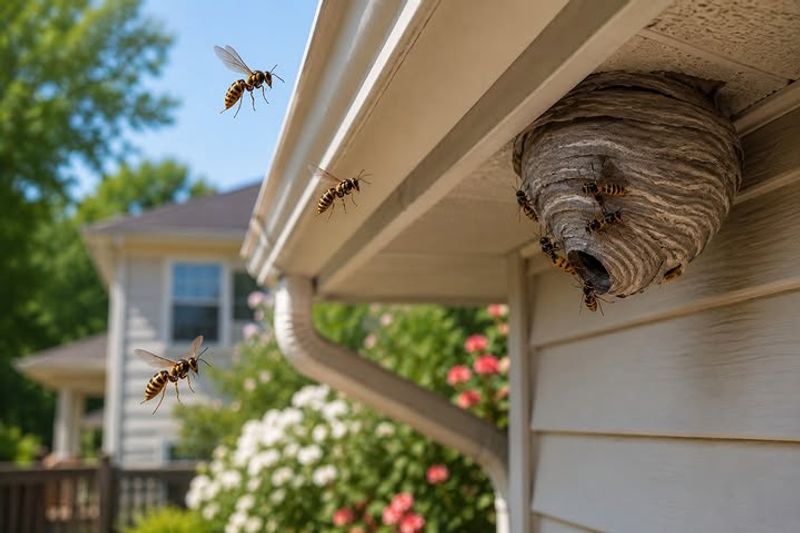
Wasps are remarkably picky architects. Before a queen ever starts building, she scouts out locations that offer shade, structural support, and protection from the elements. Your porch checks every single box on that list.
Porch ceilings, eaves, railings, shutters, light fixtures, overhangs, and covered corners all provide exactly what a wasp colony needs to survive a hot, rainy North Carolina summer.
The structure keeps the nest dry when afternoon thunderstorms roll through, and the overhang blocks the intense southern sun that would otherwise overheat developing larvae inside the comb.
Here is the key thing to understand: wasps are not choosing your porch because of you or your family. They are choosing it because the physical structure is ideal.
A covered porch in Raleigh looks just as appealing to a wasp queen as a covered porch in Asheville or Wilmington. The shelter is the attraction, not the people sitting underneath it.
Smooth painted wood, vinyl siding, and rough-textured beams all work as attachment points for wasp nest material.
Even a small gap between a light fixture and the ceiling can become a prime real estate opportunity for a queen looking to start fresh in spring.
Knowing this helps you look at your porch differently and spot potential nesting zones before colonies grow large.
2. Paper Wasps Are Using The Eaves
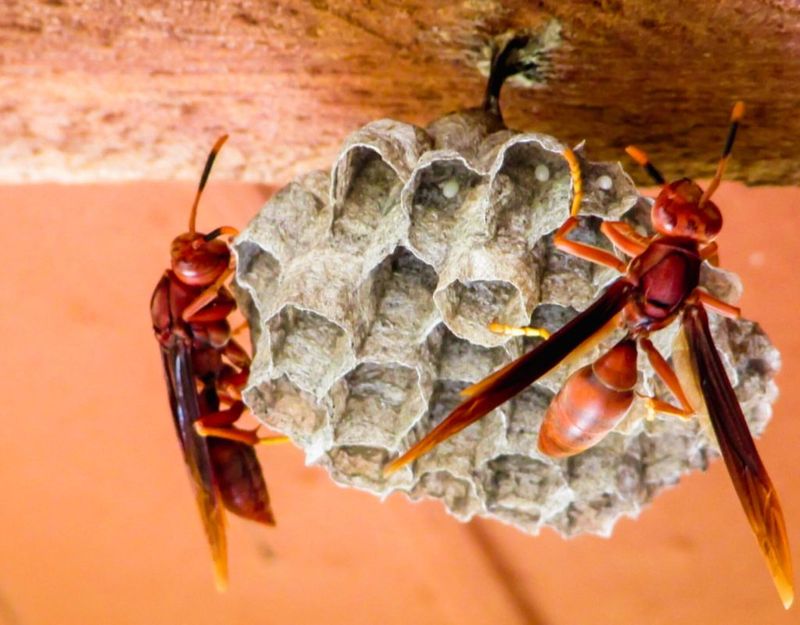
That small, upside-down umbrella-shaped nest hanging from your porch roof?
It almost certainly belongs to paper wasps, and they are one of the most common wasp species found around North Carolina homes.
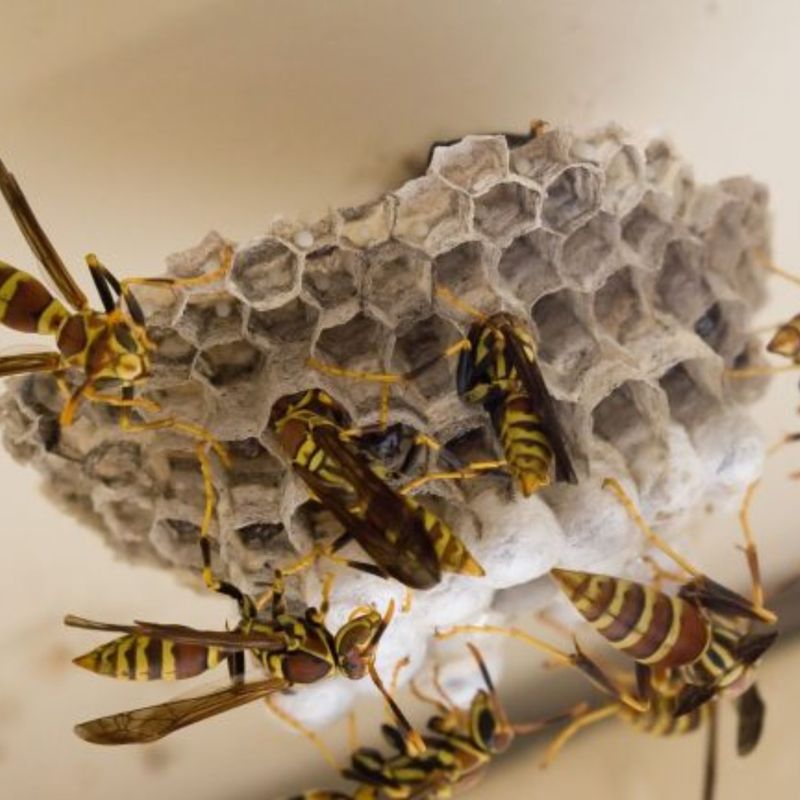
Their open, honeycomb-style nests are easy to spot once you know what to look for. Paper wasps get their name from the material they build with.
They chew wood fibers and mix them with saliva to create a papery gray pulp, which they shape into those distinctive open cells.
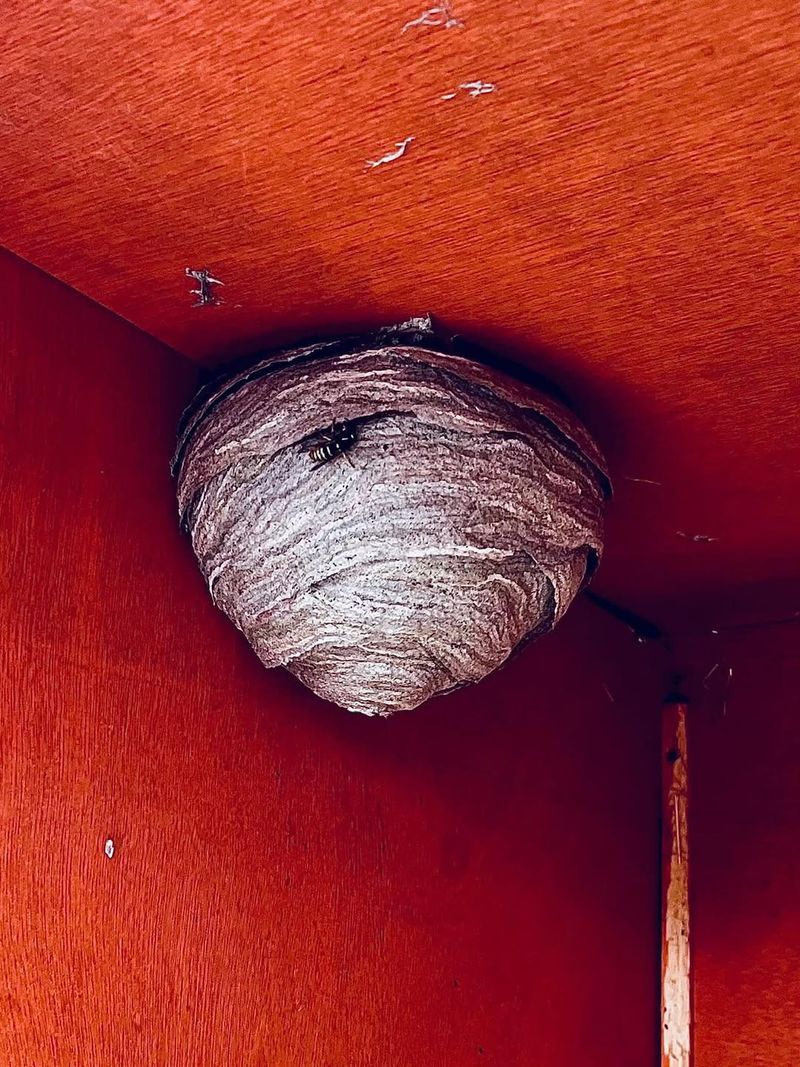
The nest is never enclosed, which makes it look completely different from the large, football-shaped nests that hornets build.
One thing that surprises many homeowners is that paper wasps are actually beneficial insects.
They actively hunt caterpillars, flies, and other soft-bodied insects to feed their developing young.
A nest in a garden corner can quietly reduce pest pressure on your vegetable plants all summer long. Location matters more than the species itself when you are thinking about risk.
Your North Carolina Garden Changes Every Week. Your Plan Should Too.
Gardening in North Carolina changes quickly throughout the season. Every Friday you’ll receive a simple weekly plan showing exactly what to plant, prune, fertilize, harvest, and protect so you never miss the right timing.
A paper wasp nest attached to a porch beam twenty feet from your back door is very different from one hanging directly above your favorite chair.
Nests near doorways, seating areas, or heavy foot traffic zones create more opportunity for accidental disturbance, which is the main trigger for defensive stinging behavior.
Nests far from daily activity can often be left alone without concern.
3. Yellowjackets Found A Hidden Cavity
Not every porch wasp situation involves a nest you can actually see.
Yellowjackets are sneaky builders, and they often set up their colonies inside spaces that homeowners never think to check until the colony is well established and activity becomes hard to ignore.
Unlike paper wasps, yellowjackets prefer enclosed, hidden locations. Ground openings, wall voids, gaps behind shutters, hollow logs, shrub bases, landscape timbers, and spaces underneath decking boards are all classic yellowjacket nesting spots.
You may notice wasps flying in and out of a crack in your porch foundation or disappearing into the soil near a planter box without any visible nest nearby.
The smart move is to watch their flight path closely rather than poking around trying to find the nest manually.
Yellowjackets follow consistent routes in and out of their entry point, and observing from a safe distance for a few minutes usually reveals exactly where they are going.
Reaching into a hidden space or disturbing the entry point without knowing what is inside is one of the fastest ways to trigger a defensive response from a large, hidden colony.
Yellowjacket colonies in North Carolina can grow quite large by midsummer. A colony that starts with a handful of workers in April can hold several thousand by August.
Hidden nests near porch structures deserve professional attention, especially when the entry point is inside a wall or underneath a structure you use regularly.
4. The Summer Colony Is Growing Fast
A nest that seems to appear out of nowhere in July did not actually appear overnight.
Wasp colonies follow a predictable growth cycle, and what looks sudden to a homeowner is actually the result of weeks of quiet development that went unnoticed.
Queens start building in early spring, often in March or April in North Carolina. The first nest is tiny, sometimes no bigger than a golf ball, and it holds only a small number of eggs.
The queen raises the first batch of workers herself, and those workers immediately take over all foraging and building duties once they emerge. As more workers hatch throughout May and June, the nest grows steadily.
By July, a colony that was invisible in April can hold dozens or even hundreds of workers depending on the species.
That sudden burst of activity around your porch in midsummer is simply the point where the colony became large enough to notice.
The nest did not move there overnight. It grew there gradually while you were focused on other things. Understanding this timeline is genuinely useful for North Carolina homeowners.
Catching a nest early in spring, when it is small and the queen has only a few workers, is much easier than managing a colony at peak summer size.
A quick walk around your porch eaves in March or April can reveal small, fresh nests before they become a much bigger project to address.
5. Nearby Insects Are Feeding The Nest
Wasps near your porch are not just building a home. They are also running a hunting operation across your entire yard, and the success of that operation depends on what is living in your landscape.
Paper wasps feed their larvae with protein, and caterpillars are one of their top targets. They also take flies, beetle larvae, and other soft-bodied insects back to the nest.
A yard with active vegetable beds, flowering shrubs, fruit trees, or a lush lawn edge provides a steady supply of insects that keeps wasps returning to hunt in the same area day after day.
This connection between your garden and your porch wasps is actually worth thinking about in a positive way.
A paper wasp colony near your tomatoes or pepper plants is quietly patrolling for hornworms and other caterpillars that would otherwise chew through your crop.
Many gardeners and farmers recognize wasps as natural pest managers for exactly this reason.
That said, understanding the food connection also helps explain why wasp activity around your porch can feel intense in summer.
The more insect life your yard supports, the more attractive it becomes as a hunting territory for a nearby colony.
Trimming overgrown shrubs, keeping lawn edges tidy, and managing plant pests with targeted methods can slightly reduce the insect buffet your yard offers, which may lower overall wasp foraging activity near the porch over time.
6. Outdoor Food And Sweet Drinks Are Drawing Attention
Wasps have a well-known weakness for sweet things and protein-rich scraps, and a busy porch in summer can accidentally become a fast-food stop for every foraging wasp in the neighborhood.
The nest does not have to be on your porch for this to become a real nuisance.
Open trash cans, uncovered recycling bins, spilled lemonade or soda, ripe or overripe fruit sitting on a table, pet food left outside, meat scraps from a grill, and even drips from a hummingbird feeder can all pull wasps in from a distance.
Worker wasps are constantly searching for food sources, and once one finds something good, others follow the same route.
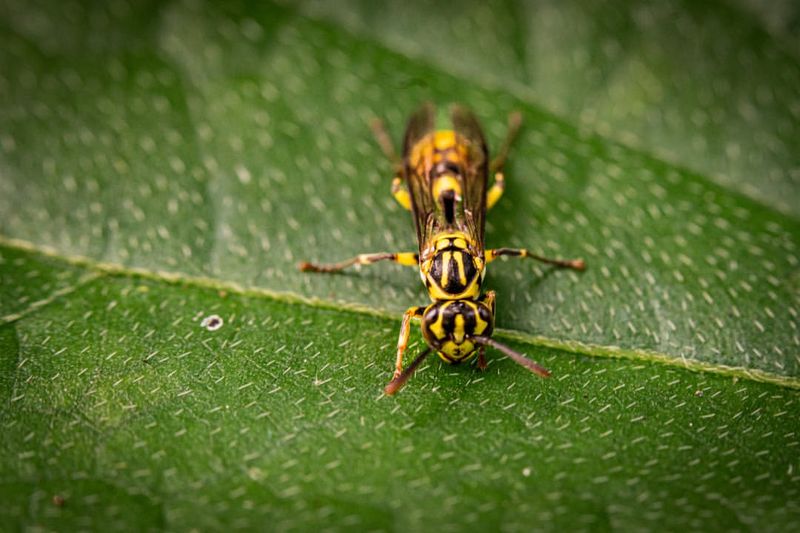
Yellowjackets are especially persistent around food in late summer, partly because their colony is at peak size and demand for food is high.
They are bolder and less easily deterred than paper wasps, which tend to be more focused on hunting live insects rather than scavenging human food.
Keeping your porch cleaner during summer meals makes a real difference.
Covering drinks and food while eating outside, rinsing recycling bins regularly, keeping trash lids tightly closed, and wiping down tables after meals all reduce the signals that tell foraging wasps your porch is worth visiting.
These simple habits will not eliminate all wasp activity, but they can noticeably reduce how often wasps show up uninvited during outdoor gatherings throughout the season.
7. Your Porch Has A High-Contact Zone Problem
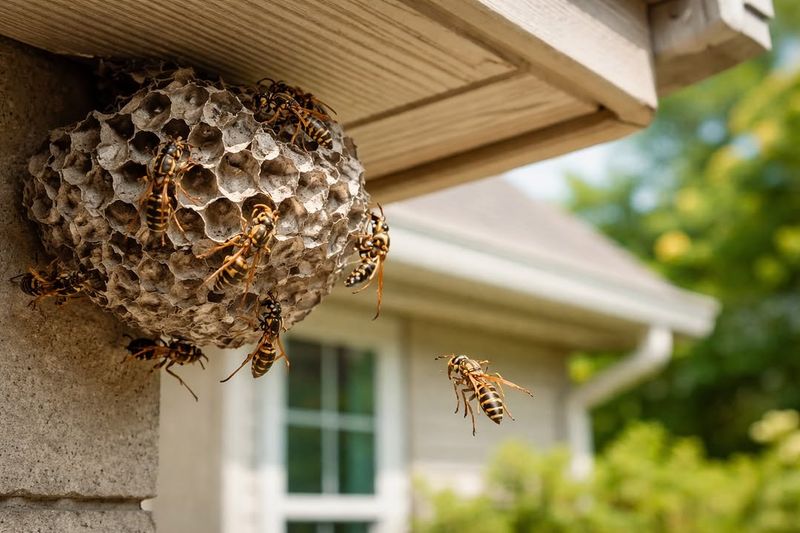
Where a nest sits matters enormously, and two nests of the same size can carry very different levels of concern depending on their location.
A nest tucked under a far corner of your porch roof is a very different situation from one hanging directly above your front door.
Social wasps like paper wasps and yellowjackets become defensive when they sense their nest is being threatened. The trigger is usually not a person walking nearby.
It is the vibration of a slamming door, the movement of someone sweeping close to the nest, the rumble of a lawn mower nearby, or the accidental brush of a hand against a railing where a nest is hidden.
These everyday actions feel like attacks to a colony protecting its young.
Grills, mailboxes, light switches, outdoor chairs, children’s play areas, and frequently used walkways are all examples of high-contact zones where a nearby nest creates elevated risk.
The more often people move through or interact with that space, the more likely an accidental disturbance becomes over the course of a summer.
Mapping out your porch activity honestly helps you assess the real situation. A nest in a low-traffic spot can often stay without causing problems.
A nest in a spot that gets touched, bumped, or walked past multiple times every single day is worth addressing sooner rather than later, especially if children or pets use that space regularly throughout the warm months.
8. Identification Always Comes Before Action
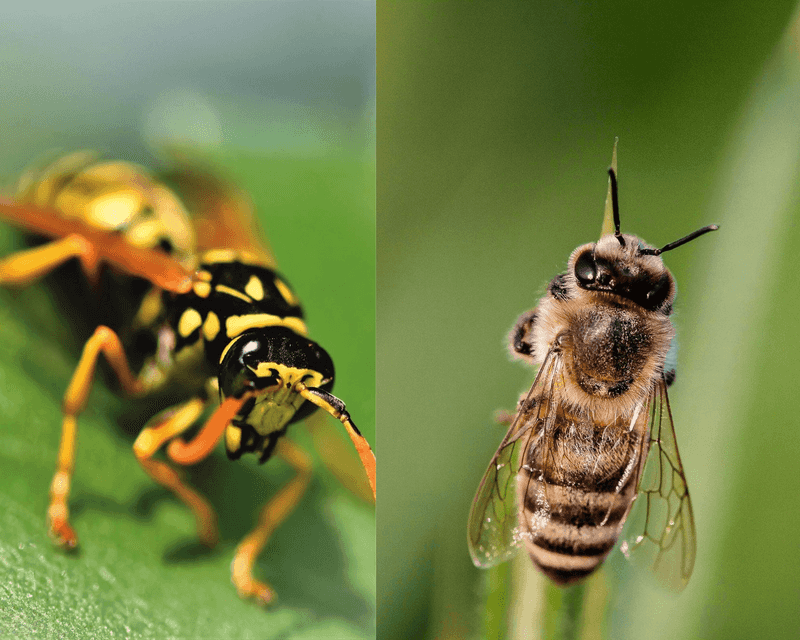
Seeing a wasp near your porch and immediately reaching for a spray can is one of the most common mistakes homeowners make.
Identifying what you are actually dealing with first leads to far better outcomes and a lot less wasted effort.
North Carolina is home to several different wasp species, and they do not all behave the same way or build nests in the same locations.
Paper wasps build open, umbrella-shaped combs under eaves. Yellowjackets nest in enclosed spaces, often underground or inside wall voids.
Bald-faced hornets build large, enclosed paper nests in trees or on structures.
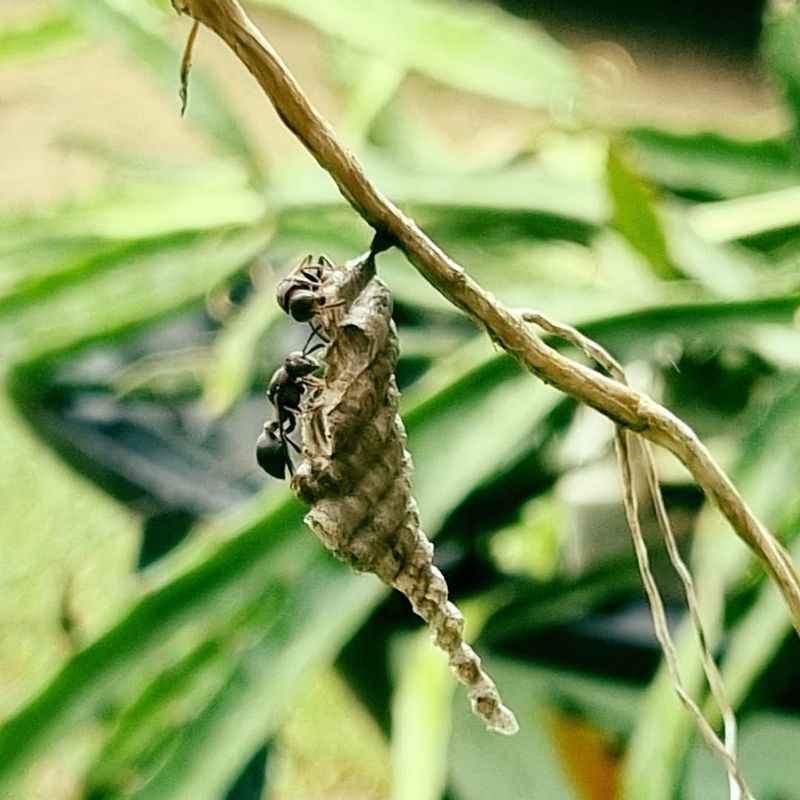
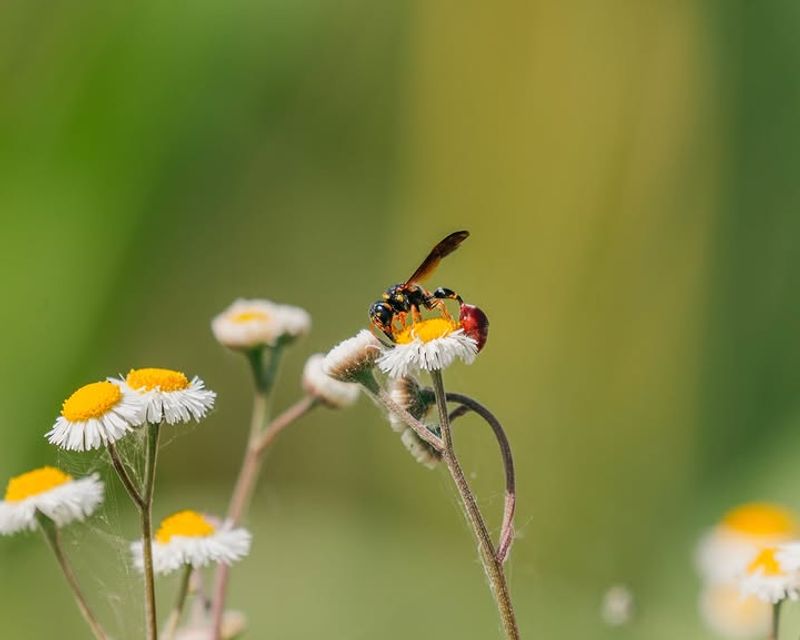
Mud daubers build small, tube-shaped mud nests on walls and are solitary and generally non-aggressive. Knowing which one you have changes everything about how you respond.
Nest shape, nest location, entry and exit behavior, and the appearance of the insects themselves all provide clues.
Watching from a comfortable distance for a few minutes is usually enough to gather the information you need. Binoculars help if the nest is high up or hard to see clearly.
Professional pest management companies in North Carolina are trained to identify species quickly and recommend appropriate responses.
Contacting a qualified professional makes the most sense when the nest is inside a wall cavity, larger than a softball, close to a doorway, difficult to reach safely, or when anyone in the household has a known sting allergy.
Getting the identification right protects both you and the insects when that matters.
9. Not Every Nest Needs To Be Removed
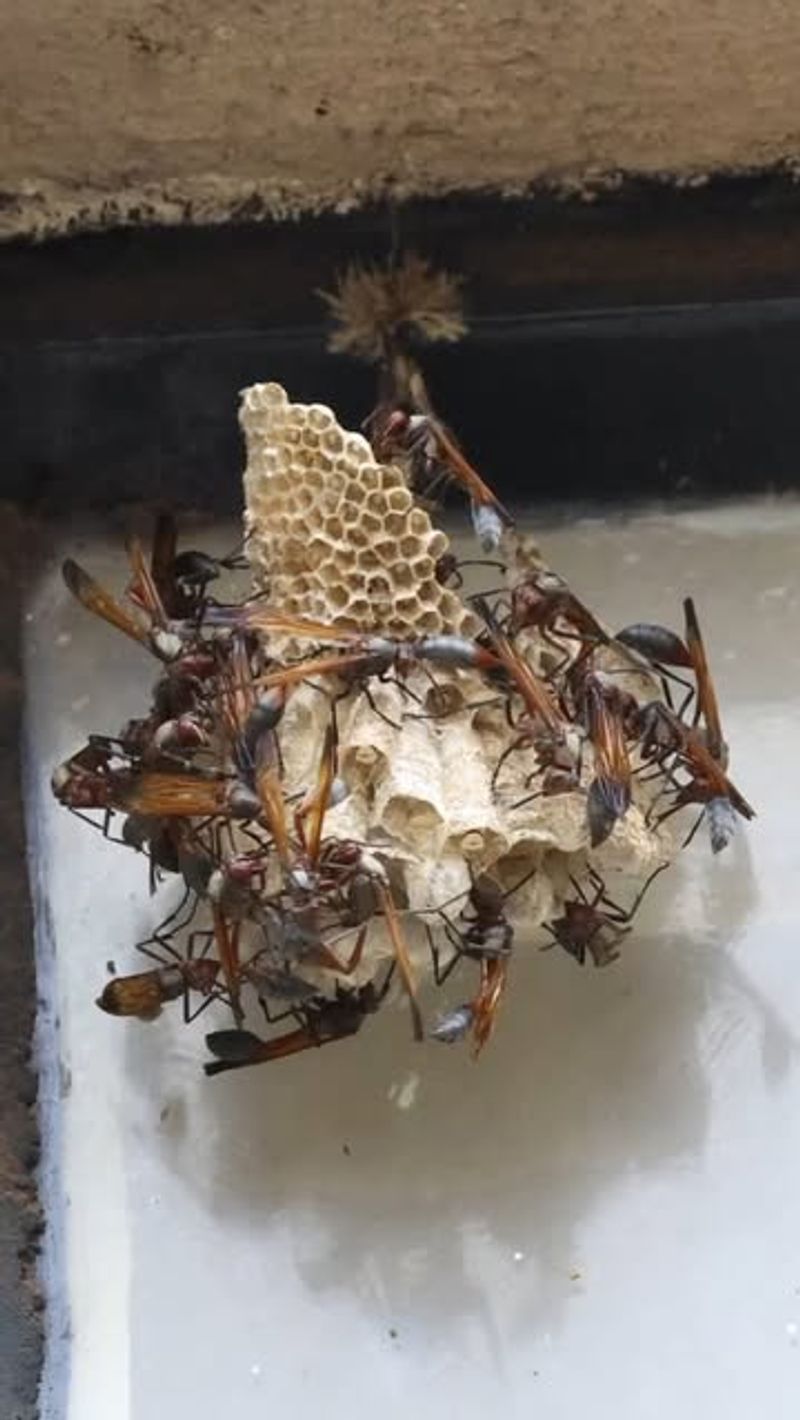
Spotting a wasp nest on your property does not automatically mean it needs to come down.
A calm, honest look at the situation often reveals that removal is not actually necessary, especially when the nest is small and well away from daily activity.
Small nests in low-traffic spots, like a far corner of an upper porch beam or the underside of a deck railing no one ever touches, can often stay through the season without creating any real problems.
The colony will naturally decline in late fall as temperatures drop in North Carolina, and the nest will not be reused the following year.
Leaving it alone saves effort and avoids disturbing a colony unnecessarily. Paper wasp colonies in particular can provide genuine benefits while they are active.
They hunt caterpillars, flies, and other garden pests throughout the summer, quietly reducing insect pressure on nearby plants without any effort from you.
Some gardeners actively appreciate having a paper wasp colony nearby for exactly this reason. Balance is the real goal here.
A nest that poses no meaningful risk to the people and pets using the porch is worth leaving alone and simply monitoring.
A nest that sits above a chair people use every day, near a door that slams regularly, or in any spot where accidental disturbance is likely, is a different situation entirely.
It deserves professional management rather than a wait-and-see approach that could lead to unnecessary stings.
10. Next Spring Prevention Starts With Porch Maintenance
Summer wasps on your porch are a reminder that a little preparation in early spring goes a long way.
By the time you spot a large, active nest in July, the colony has already been growing for months. Starting prevention in March puts you well ahead of the cycle.
Walk your porch carefully in late winter or early spring and look at it the way a queen wasp would.
Check eaves, light fixtures, gaps around window frames, spaces behind shutters, cracks in porch flooring, and any spot where wood has pulled away from the structure.
Sealing those openings with caulk or foam before the weather warms removes the protected cavities that make your porch attractive in the first place.
Keep trash cans tightly covered, clean up sweet spills promptly, store pet food indoors, and fix any dripping outdoor faucets or hummingbird feeders that might draw foraging wasps close to the house early in the season.
Reducing clutter on the porch also removes hidden nesting opportunities that are easy to overlook.
Checking your porch eaves every few weeks starting in April lets you catch new nests when they are still tiny and easier to manage.
A nest the size of a quarter with only a queen and a few cells is a very different situation from a mature summer colony.
Staying observant and addressing things early is the single most effective strategy for keeping your North Carolina porch comfortable and enjoyable all season long.