These 9 Alabama Plants Are Built To Thrive In Triple-Digit Heat Without Extra Water
Alabama summers do not ease you in. One week you are watering regularly, and the next the ground is cracked, the forecast is empty, and the thermometer has stopped pretending.
Most plants fold under that kind of pressure, but some were shaped by exactly these conditions.
They push roots deep, hold moisture tight, and keep producing color while everything around them struggles. What they have in common is not just toughness.
These are plants that have thrived in the South for generations, adapted to its clay soil, its humidity, and its relentless summer sun long before anyone thought to water them.
If you want a yard that holds up through Alabama’s worst weeks without extra water, these are the ones worth planting.
Black-Eyed Susan
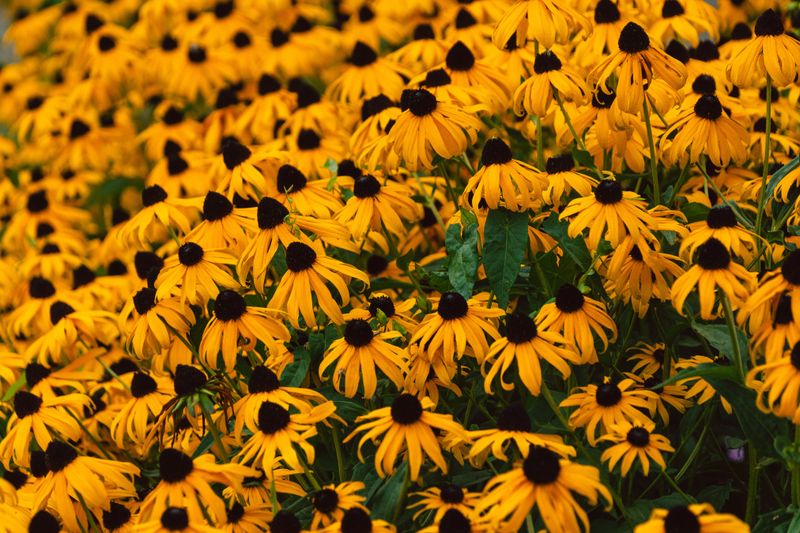
Black-Eyed Susan is one of the most reliable wildflowers you can plant in Alabama, producing golden-yellow blooms through the hottest weeks of summer.
It thrives in full sun and dry conditions that slow down most other flowering plants. Native to the eastern United States, this plant has deep roots that hunt for moisture far underground.
Once established, it needs almost no supplemental watering. Gardeners across the South swear by it for good reason.
Black-Eyed Susan loves full sun and well-drained soil, making it perfect for Alabama’s clay-heavy yards. Plant it in spring and watch it explode by July. The blooms are a reliable draw for butterflies and bees throughout summer.
Each flower head features bright golden petals surrounding a dark brown center, creating a bold two-tone contrast. The plants typically grow two to three feet tall.
It handles Alabama’s clay soil better than most wildflowers, pushing through compacted ground without complaint. The root system keeps the plant anchored and hydrated even when the surface dries out completely.
They spread naturally over time, filling bare spots without any help from you. Removing spent blooms encourages more flowers through late summer. Leaving seed heads in fall feeds birds through winter.
Black-Eyed Susan is one of those plants that earns its spot every single summer. Plant it once and it handles the rest.
Coneflower
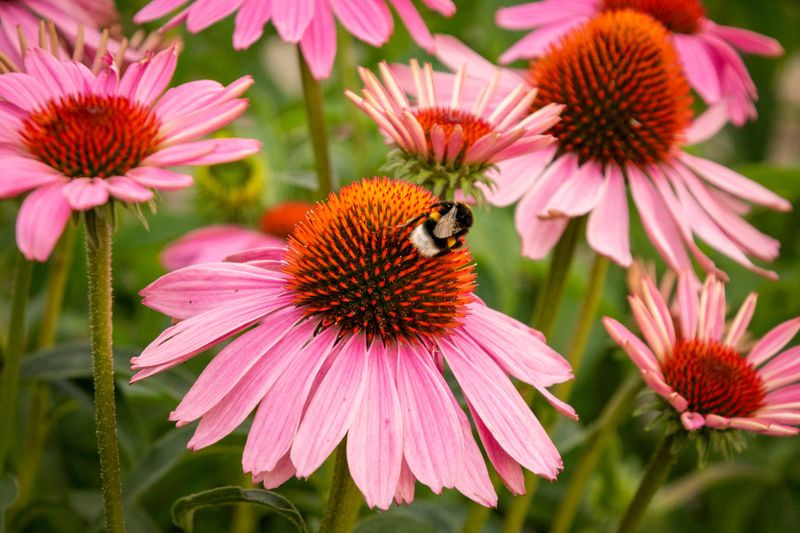
Coneflower is the tough kid on the block who never complains. Also called Echinacea, this plant has been thriving in hot, dry American landscapes for centuries. Its spiky orange-brown center cone is practically its signature look.
Native prairie roots mean Coneflower evolved to survive punishing droughts. It stores energy in thick, fleshy roots that hold moisture like a tiny underground reservoir.
Most established plants handle weeks without rain without showing signs of stress. Purple is the classic color, but modern varieties come in pink, orange, white, and even yellow.
Each bloom sits tall on sturdy stems that rarely need staking. The flowers face the sun proudly, even on the hottest Alabama afternoons.
Plant Coneflower in well-drained soil with full to partial sun exposure. It grows two to four feet tall and spreads slowly into clumps. Divide clumps every few years to keep plants vigorous and blooming strong.
Your Alabama Garden Changes Every Week. Your Plan Should Too.
Gardening in Alabama changes quickly throughout the season. Every Friday you’ll receive a simple weekly plan showing exactly what to plant, prune, fertilize, harvest, and protect so you never miss the right timing.
Pollinators visit Coneflower consistently through summer, and goldfinches feed on the seed heads once autumn arrives. Leaving the dried cones standing through winter adds texture to the garden.
Coneflower brings color, wildlife, and structure to the garden without asking for much in return. In Alabama’s heat, that kind of reliability is worth a lot.
Lantana
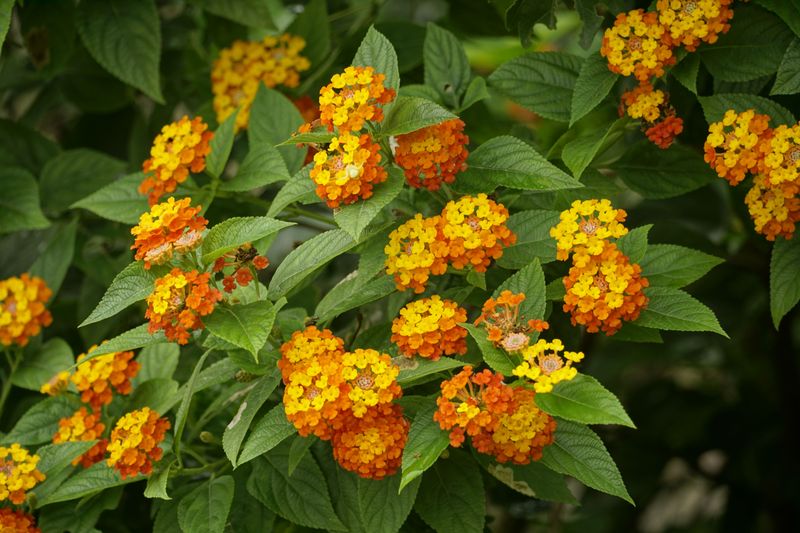
Lantana does not just survive the heat, it performs in it. This tropical-natured shrub bursts into clusters of tiny multicolored blooms that shift shades as they age.
One plant can display orange, yellow, and pink flowers all at once. Hummingbirds and butterflies visit Lantana consistently from late spring through the first frost.
Few flowering plants offer that kind of endurance in Southern summers.
What makes Lantana so tough is its waxy foliage, which reduces water loss in intense heat. The leaves have a slightly rough, sandpapery texture that helps them shed excess sun. Even on 100-degree days, Lantana keeps pushing out fresh blooms.
Once established, Lantana needs very little attention beyond the occasional trim. Lantana thrives in poor, dry soils where other plants sulk and stall. Overwatering is actually the fastest way to harm this resilient beauty.
Trailing varieties spill beautifully over containers and raised beds. Upright forms make dense, colorful border plants along driveways and walkways.
When shopping for Lantana, look for sterile varieties, especially in southern Alabama where the plant can spread beyond the garden.
Whether you choose spreading or mounding types, Lantana delivers maximum color with minimum effort. In Alabama summers, that combination is hard to beat.
Beautyberry
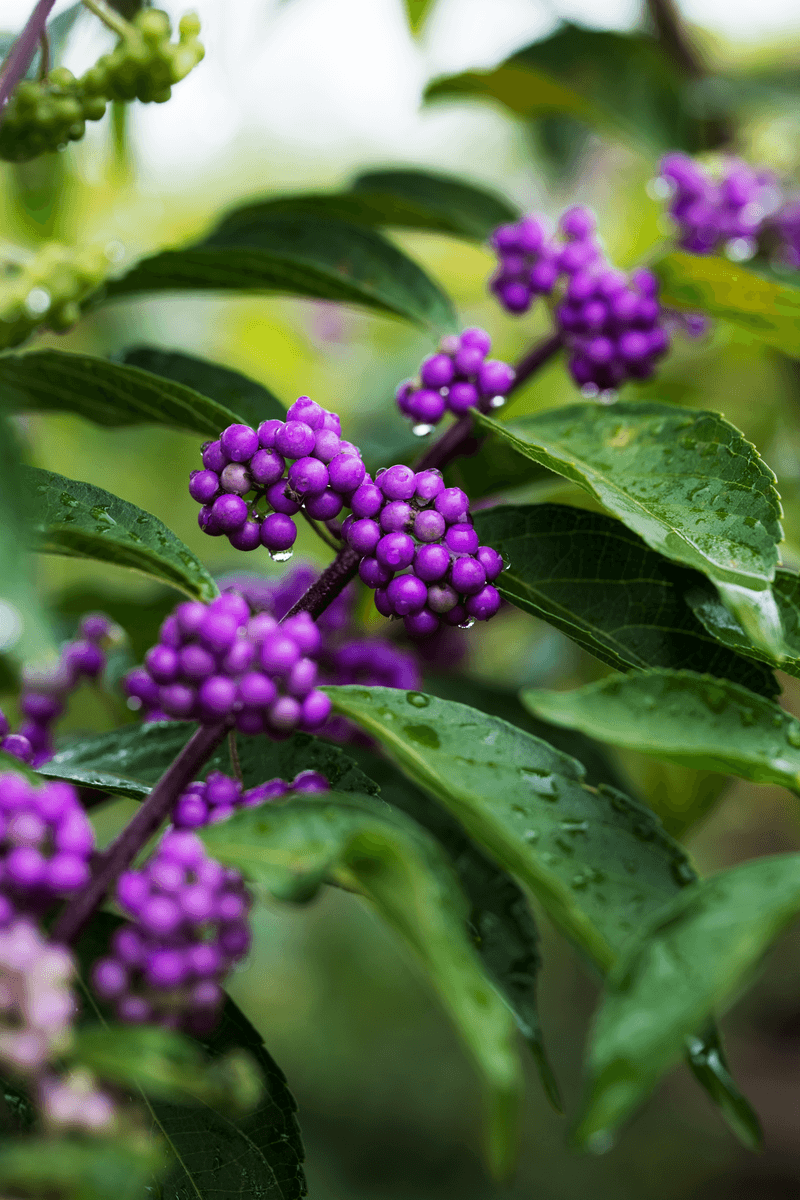
Beautyberry earns its name in the most dramatic way possible. In late summer, clusters of vivid magenta-purple berries line every arching branch like strings of tiny jewels.
No other native shrub puts on a fall show quite like this one. American Beautyberry is a native woodland plant that handles heat and drought with quiet confidence. It grows naturally along roadsides and forest edges across the South.
That wild toughness translates directly into low-maintenance garden performance. During summer, the shrub stays green and leafy, providing soft texture in the landscape.
Then September arrives and the berry clusters explode into color almost overnight. Birds flock to the berries and often strip a whole shrub within days.
Beautyberry prefers partial shade but handles full sun surprisingly well when given decent soil. It grows four to six feet tall and wide, making it ideal for naturalistic hedges.
Cutting it back hard in late winter keeps it compact and encourages stronger berry production. Unlike many ornamental shrubs, Beautyberry does not require fertilizer and rarely needs pest control.
Its natural oils even repel mosquitoes, which is a welcome bonus in humid Southern yards.
For gardeners wanting striking color without constant care, Beautyberry is a genuine gem. It earns its place in any Alabama yard that takes summer seriously.
Blazing Star
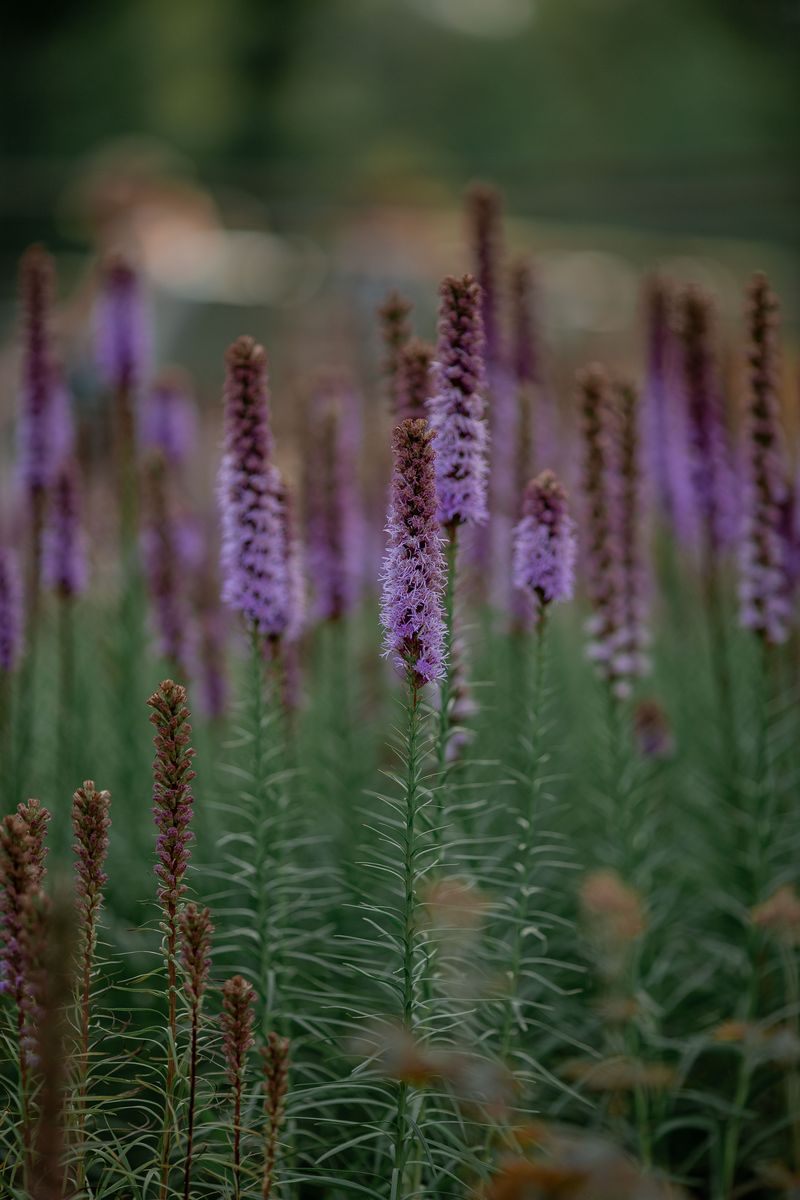
Image Credit: © Olga Petrova / Pexels
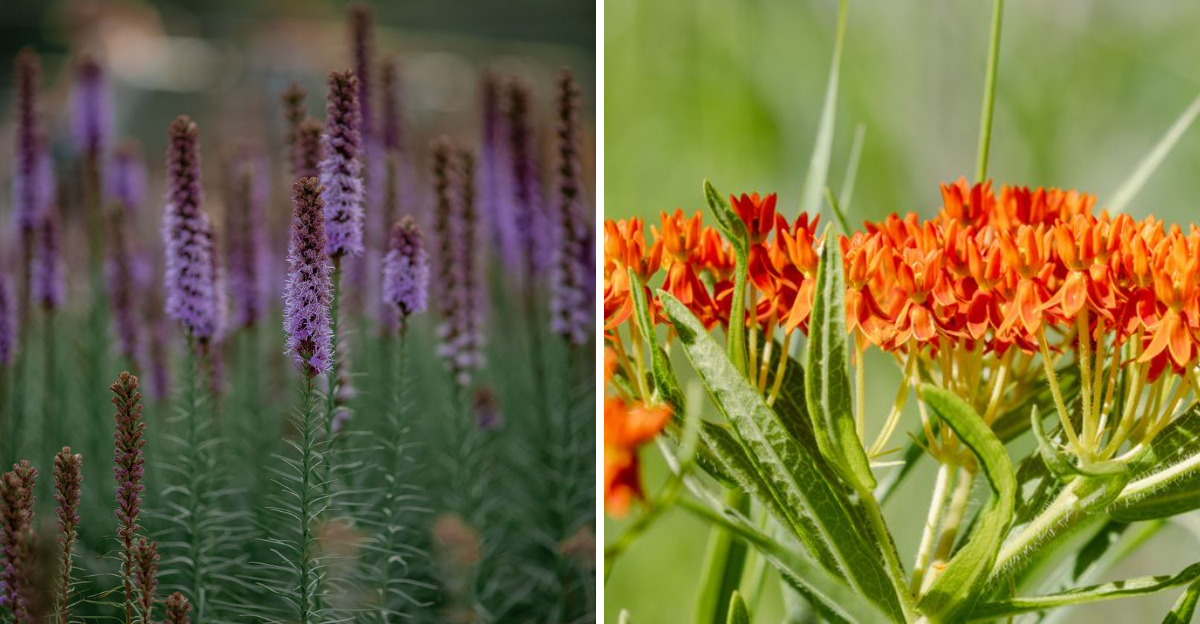
When everything else in the garden is gasping, Blazing Star throws up a six-foot purple torch and keeps going.
Also known as Liatris, this native perennial blooms from the top of its spike downward, which is unusual and eye-catching. Butterflies and bees treat those spikes like landing strips.
Blazing Star grows from a corm, a small bulb-like structure that stores energy and moisture underground. That underground reserve helps the plant push through dry spells without missing a beat.
It needs almost no supplemental water once established. The upright, grass-like foliage stays tidy and attractive even before blooms appear.
Plants grow in neat clumps that expand slowly over several years. Dividing the clumps every three years keeps them blooming at full strength.
Full sun and well-drained soil are the only real requirements for happy Blazing Star plants. Heavy clay soil can cause root rot, so amend with grit or sand if needed.
Raised beds and slopes work especially well for this heat-loving beauty. The dried seed heads feed birds well into winter, extending the plant’s value beyond its bloom season.
Few native plants offer this level of bold vertical drama with such minimal fuss. Blazing Star stands tall through Alabama’s worst weeks and looks good doing it.
Muhly Grass
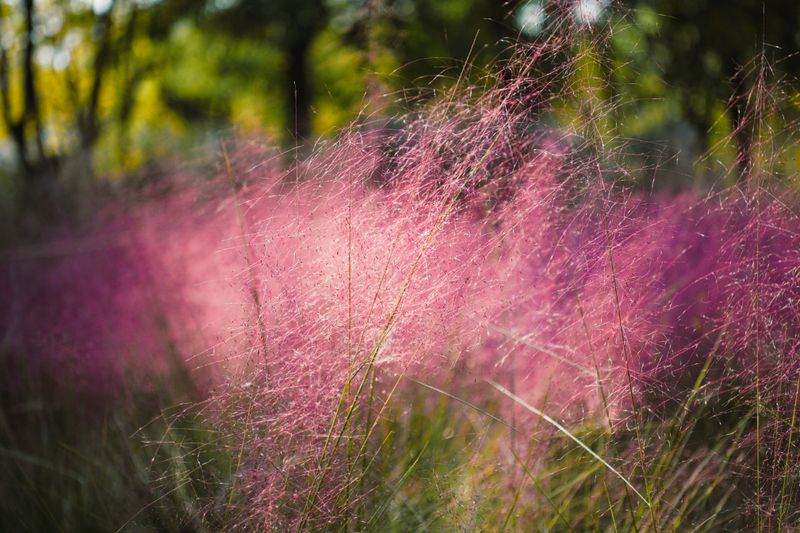
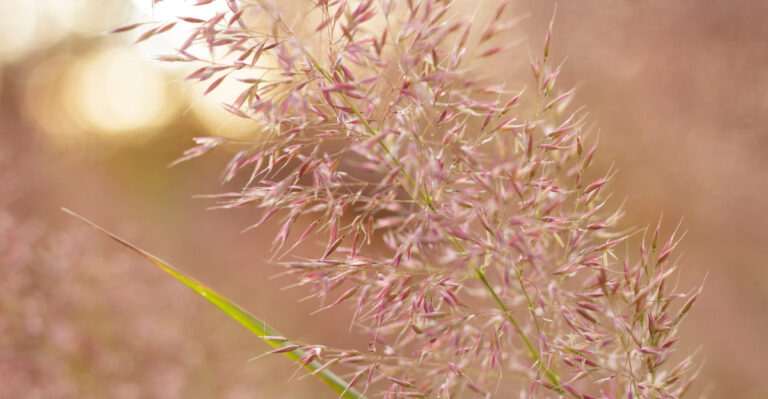
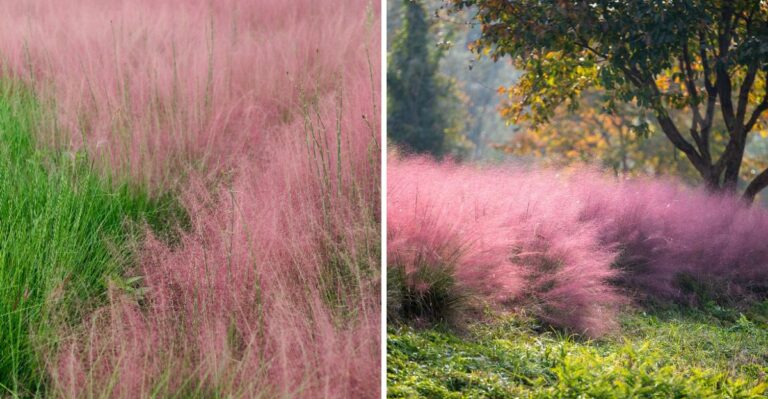
Muhly Grass turns an ordinary yard into something out of a dream every fall. When its pink, cloud-like plumes emerge in September, the entire plant seems to glow in afternoon light.
Few ornamental grasses create this level of soft, romantic drama. Native to the southeastern United States, Muhly Grass evolved to handle heat, humidity, and long dry spells.
Its fine-textured blades form tidy green mounds through spring and summer. Then fall arrives and the magic begins with those famous pink plumes.
This grass thrives in full sun and poor, sandy, or rocky soils. It actually performs better in lean conditions than in rich, fertile ground. Overfeeding causes floppy, weak growth that loses the beautiful arching shape.
Muhly Grass stays green well into winter in Alabama’s mild climate. Cut it back to about four inches in late winter before new growth emerges. Within weeks, fresh green blades push up and the cycle begins again.
Deer tend to avoid it, which is a major bonus for suburban and rural gardeners alike. It rarely needs dividing and almost never suffers from pests or disease.
Muhly Grass is one of those rare plants that genuinely looks better every year. Almost no effort required from the gardener.
Butterfly Weed
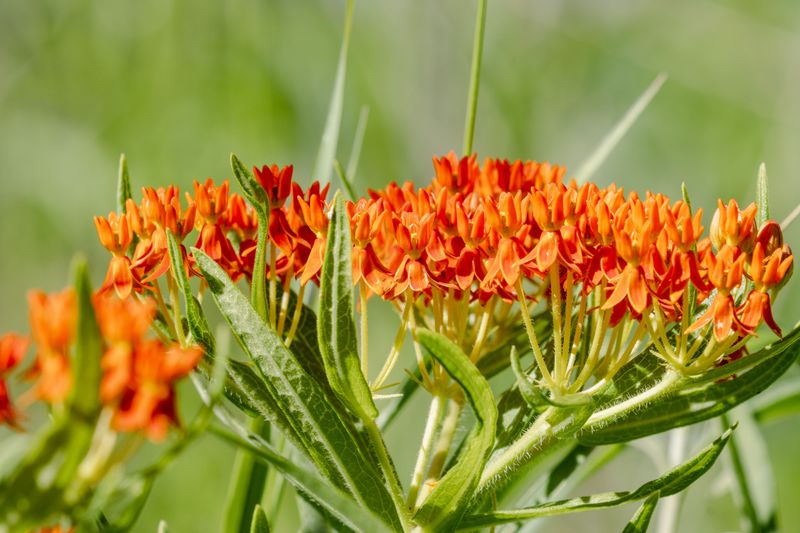
Image Credit: © Scott Platt / Pexels
Butterfly Weed has one of the most misleading names in the plant world. There is nothing weedy about this blazing orange native wildflower. It is actually one of the most important plants you can grow for pollinators in the South.
As a milkweed relative, Butterfly Weed is one of the primary host plants for monarch butterfly caterpillars. Without milkweed host plants like this one, monarchs cannot complete their life cycle.
Planting even one or two in your yard makes a real difference for this threatened species. The plant grows from an extremely deep taproot that reaches far into the soil for moisture.
That root system is why Butterfly Weed handles drought so effortlessly. Transplanting is tricky because of this deep root, so choose your planting spot carefully from the start.
Clusters of tiny bright orange flowers bloom from June through August, creating a stunning show. The foliage stays clean and attractive even in intense heat.
Seed pods that split open in fall release silky-tufted seeds that drift on the breeze. Full sun and excellent drainage are non-negotiable for this plant to perform well. Sandy or gravelly soils suit it perfectly.
Butterfly Weed handles drought effortlessly and supports monarch butterflies at the same time. It is the most meaningful plant on this list.
Crepe Myrtle
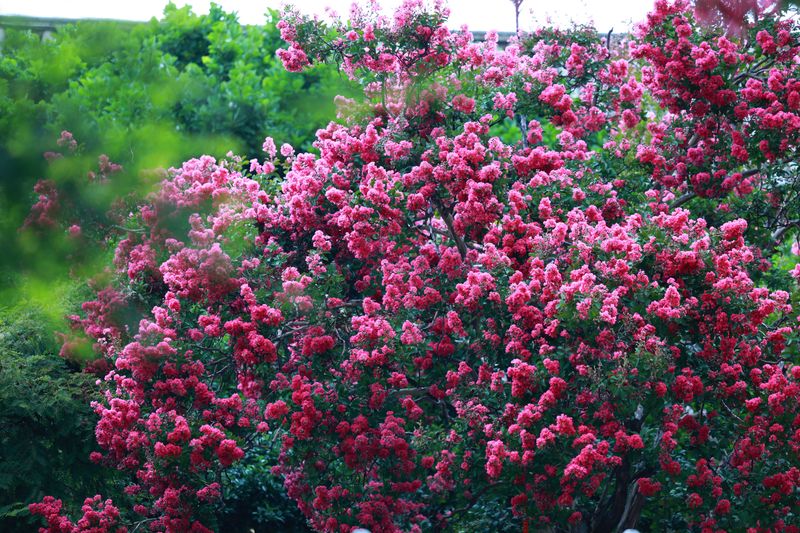
If there is one tree that defines summer in the South, it is the Crepe Myrtle. Those crinkled, tissue-paper blooms in shades of pink, red, white, and lavender cover entire trees for months at a time.
No other flowering tree performs this reliably through brutal summer heat. Crepe Myrtles are essentially built for Alabama summers.
They love full sun, tolerate poor soils, and shrug off weeks of drought once established. They bloom reliably through dry heat that causes most other flowering trees to stall.
Sizes range from compact three-foot shrubs to towering thirty-foot trees. Choosing the right size for your space prevents the need for heavy pruning later.
Over-pruning weakens the tree and ruins its natural shape over time. The smooth, peeling bark in shades of cinnamon and gray adds winter interest after the leaves drop.
Seed capsules hang on through cold months, providing texture in the dormant landscape. Spring brings fresh lime-green foliage before the summer bloom cycle restarts.
Crepe Myrtles rarely need fertilizer and almost never require pest intervention when planted in the right conditions. Water young trees during their first summer, then step back and let them handle themselves.
Few plants reward neglect as generously as this Southern classic. Plant it in the right spot and it takes care of everything else.
Liriope
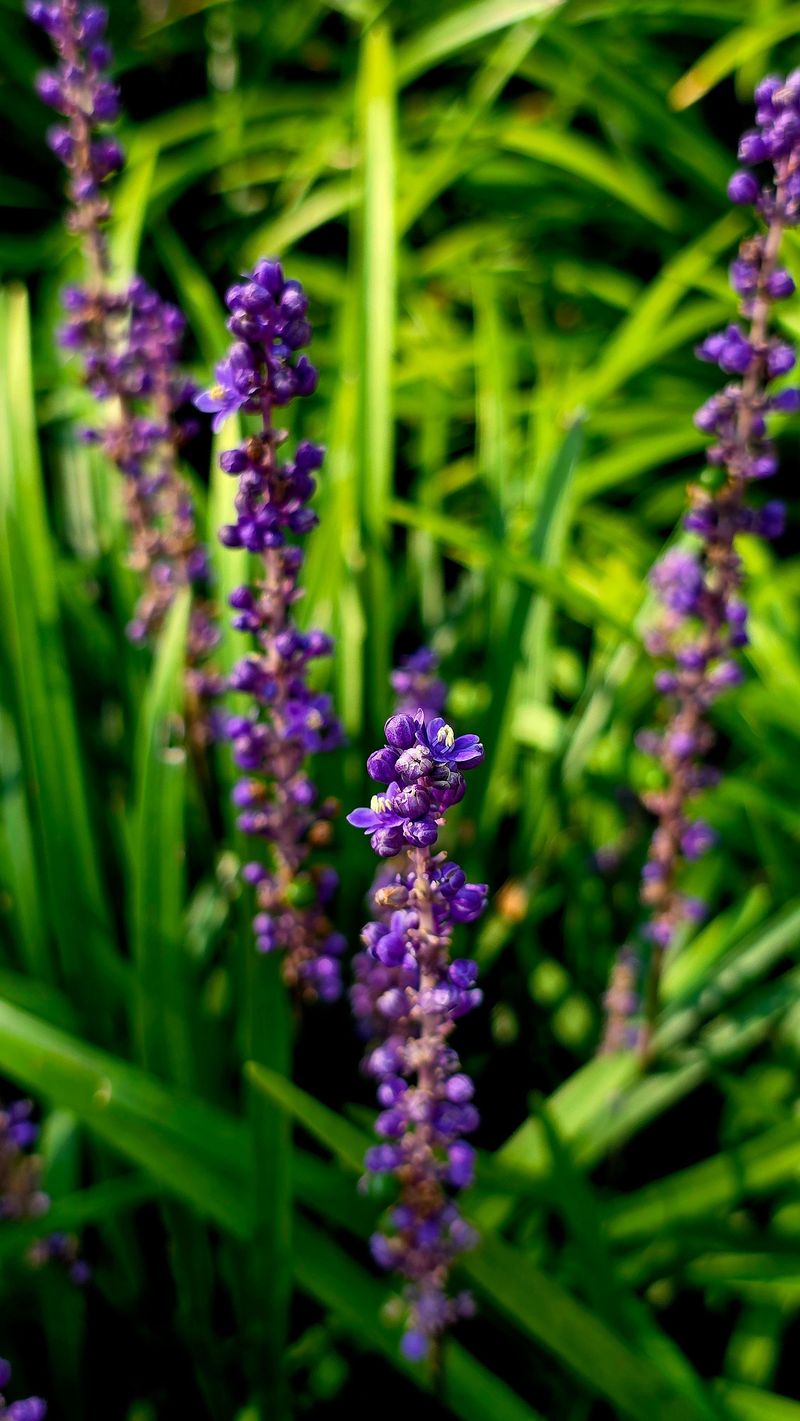
Liriope is the quiet workhorse of Southern landscaping, and it deserves way more credit. This grass-like ground cover handles shade, drought, heat, and neglect without ever throwing a fit.
It is the plant that holds everything together when conditions get rough. Technically not a grass, Liriope belongs to the asparagus family.
Its strappy, dark green leaves form dense, weed-suppressing clumps that spread steadily over time. Purple flower spikes rise above the foliage in late summer, adding a soft pop of color.
Liriope works beautifully under trees where grass refuses to grow. The dense root system holds soil on slopes, preventing erosion during heavy rains.
Once planted, it essentially manages itself with minimal input from the gardener. Variegated forms with cream-striped leaves brighten shady spots that feel dark and forgotten.
Standard green types create a lush, uniform carpet under canopy trees. Both types stay evergreen through Alabama winters, keeping beds looking tidy year-round.
Cut the entire planting back to about three inches in late winter before new growth emerges. Fresh blades push up quickly and the plant looks brand new by April.
Liriope may not be the showiest plant on this list, but it is the most dependable. When summer gets rough, it holds the garden together without complaint.