These Common Georgia Planting Spots Can Cause More Stress In Summer
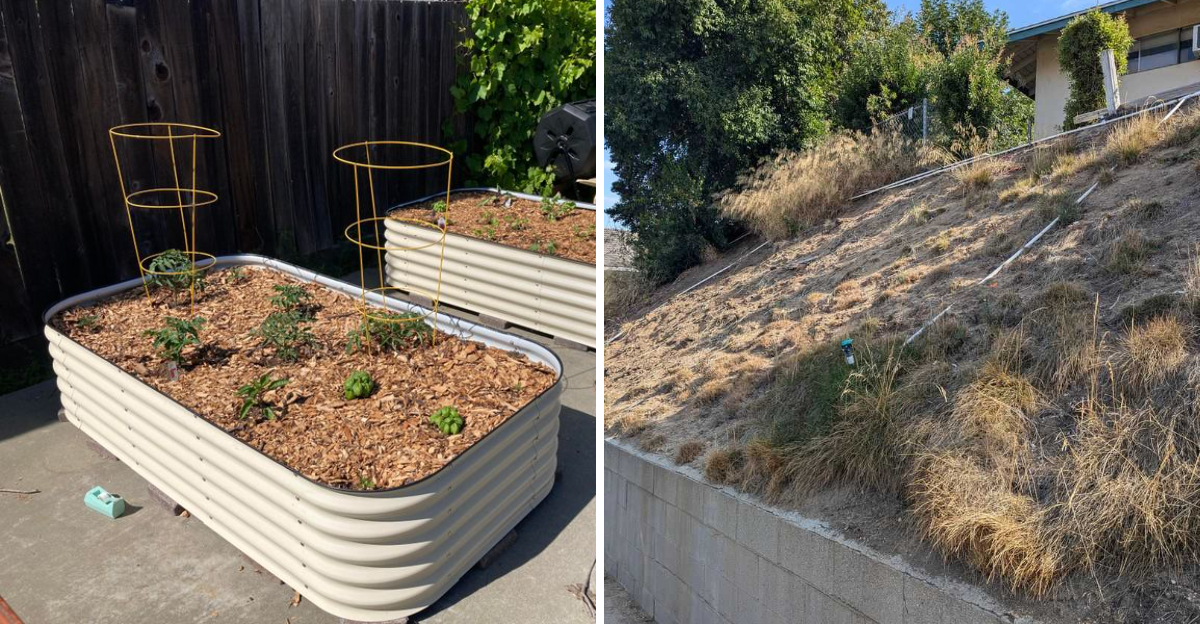
Some plants struggle through summer no matter how much water or fertilizer gets added. Leaves droop by afternoon, growth slows down, and healthy plants suddenly start looking weak for no obvious reason.
The problem is often hiding in the exact spot where the plant was placed.
Corners beside driveways usually stay hotter much longer during the day. Areas near fences can hold thick humid air after rain.
Large trees may also pull moisture from nearby soil faster than many gardeners realize once temperatures keep climbing.
A flower bed that looked perfectly fine in spring can become much tougher once summer settles in across Georgia. Certain spots create nonstop stress around the roots and leaves every single day.
Many homeowners keep trying to fix the plant itself. Meanwhile, the location keeps making the problem worse.
1. West-Facing Walls Reflect Brutal Afternoon Sun
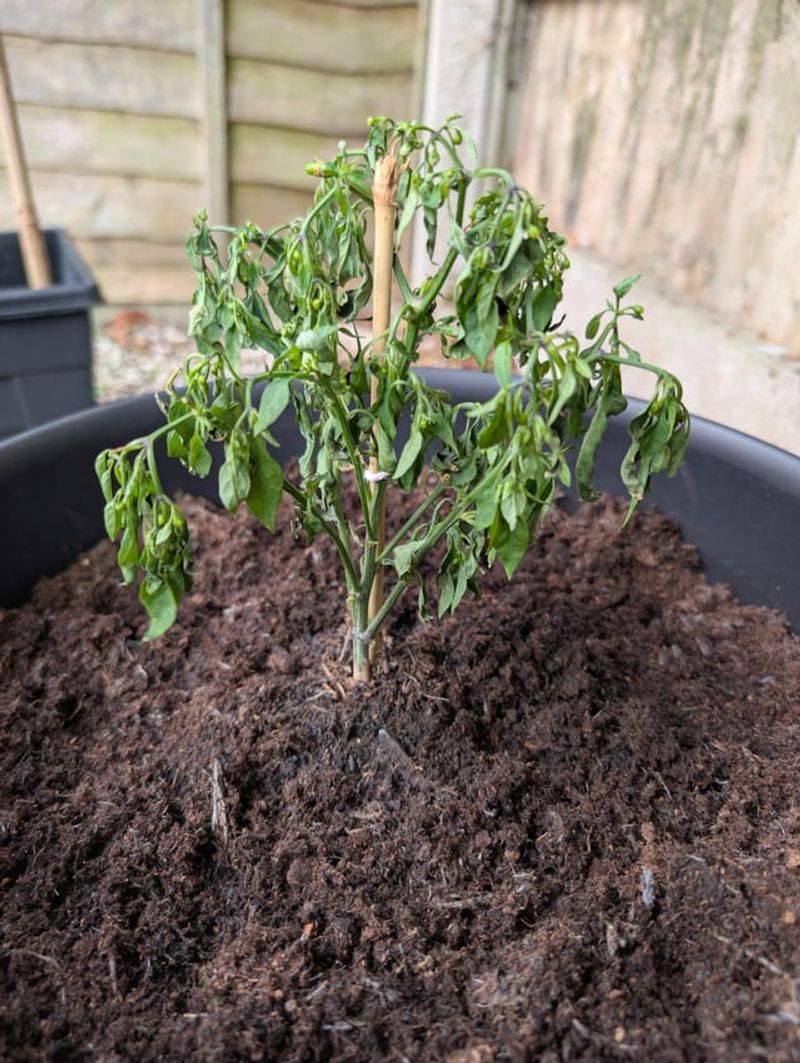
Planting against a west-facing wall sounds fine on paper, but the reality hits hard by mid-July. Afternoon sun bakes that wall for hours, and the surface radiates that stored heat back onto whatever is growing nearby.
Brick and concrete walls are especially aggressive heat absorbers. Surface temperatures on these walls can climb well above the actual air temperature on a clear summer afternoon.
Plants positioned within a foot or two feel that radiant heat constantly.
Moisture evaporates faster in these spots too. Soil near a hot wall dries out quicker than soil in an open bed, so plants need more frequent watering just to stay stable.
Even drought-tolerant plants can struggle here without extra attention.
If you want to use that wall space, choose plants with proven heat tolerance and deep root systems. Native ornamental grasses, certain salvias, and established shrubs tend to handle the exposure better than annuals or shallow-rooted perennials.
Adding a thick layer of mulch, around three inches, helps slow moisture loss significantly. It won’t cancel out the wall’s heat, but it buys your plants more time between waterings.
Shade cloth stretched a few inches from the wall can also reduce direct radiant exposure during peak afternoon hours.
2. Narrow Beds Dry Out Faster Near Foundations
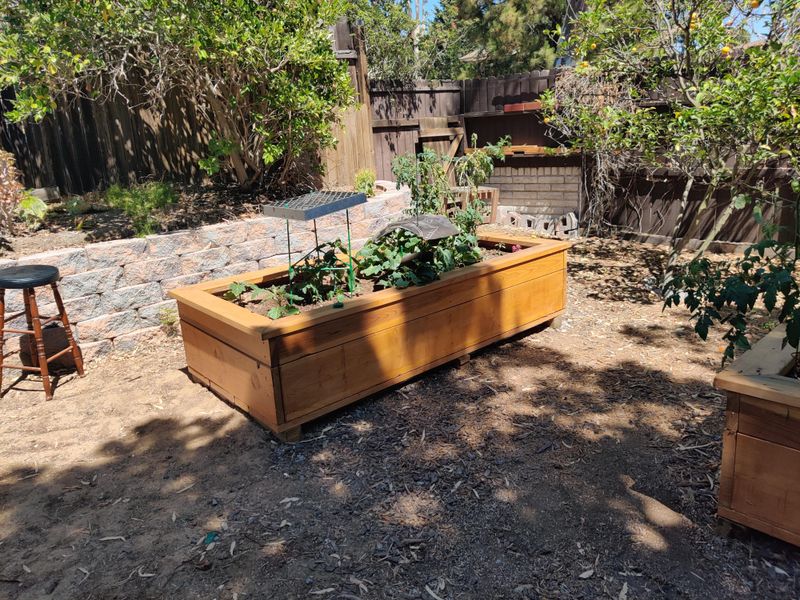
Foundation beds are everywhere in residential yards, but narrow ones create a specific problem that most gardeners overlook. When a bed is only twelve to eighteen inches wide, the soil volume is limited and dries out surprisingly fast.
Roof overhangs make things worse. A standard eave can block a significant amount of rainfall from ever reaching that narrow strip of soil.
Your plants might sit through a solid rainstorm and still end up in dry ground the next morning.
Foundations also pull moisture from the surrounding soil in some cases, depending on the material and age of the structure. Older concrete foundations are especially prone to wicking moisture away from nearby planting areas over time.
Root competition adds another layer of difficulty. Established shrubs planted in tight foundation beds develop dense root systems that leave little room for annuals or perennials added later.
New plants struggle to establish when mature roots already dominate the available soil.
Your Georgia Garden Changes Every Week. Your Plan Should Too.
Gardening in Georgia changes quickly throughout the season. Every Friday you’ll receive a simple weekly plan showing exactly what to plant, prune, fertilize, harvest, and protect so you never miss the right timing.
Widening the bed whenever possible is the most practical long-term fix. A bed that extends at least two to three feet from the foundation gives roots more room and holds moisture much more reliably through hot stretches.
When widening isn’t an option, water more frequently and use a quality mulch to slow evaporation.
3. Gravel Pockets Hold Excess Warmth Around Roots
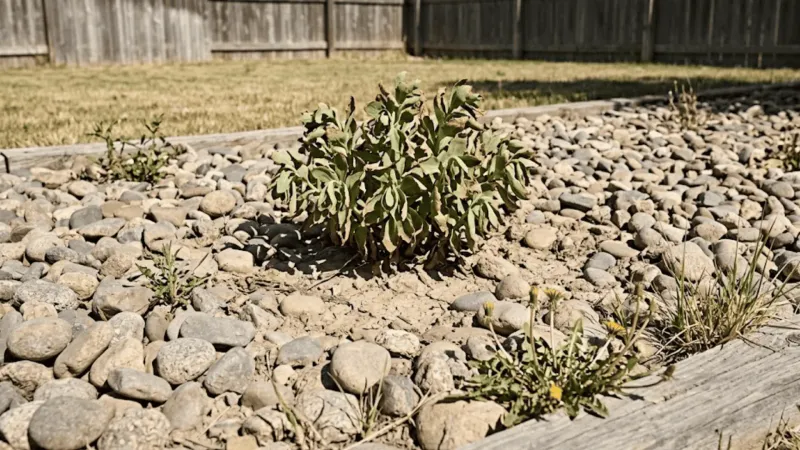
Gravel looks clean and low-maintenance, which is why so many people use it in landscape beds. What it also does is absorb and hold heat in a way that organic mulches simply don’t.
On a hot summer afternoon, decorative gravel can reach surface temperatures that would genuinely surprise you. That heat transfers downward into the soil, raising root zone temperatures well above what most ornamental plants prefer for healthy growth.
Plants have an optimal soil temperature range for root function. Push past that range consistently, and root activity slows down.
Nutrient uptake drops. Water absorption becomes less efficient even when moisture is present in the soil.
Gravel also doesn’t break down and improve soil structure the way organic mulch does. Over time, soil beneath gravel beds can become compacted and less hospitable to healthy root development.
Combining poor soil structure with elevated heat creates a tough environment for most plants.
Replacing gravel with a three-inch layer of shredded wood mulch or pine bark makes a measurable difference. Organic mulch insulates the root zone, keeping soil cooler during peak heat hours.
It also holds moisture longer and gradually improves soil quality as it breaks down.
If gravel removal isn’t practical, consider placing a layer of cardboard or landscape fabric beneath new organic mulch on top.
4. Soggy Low Spots Stress Plants After Downpours
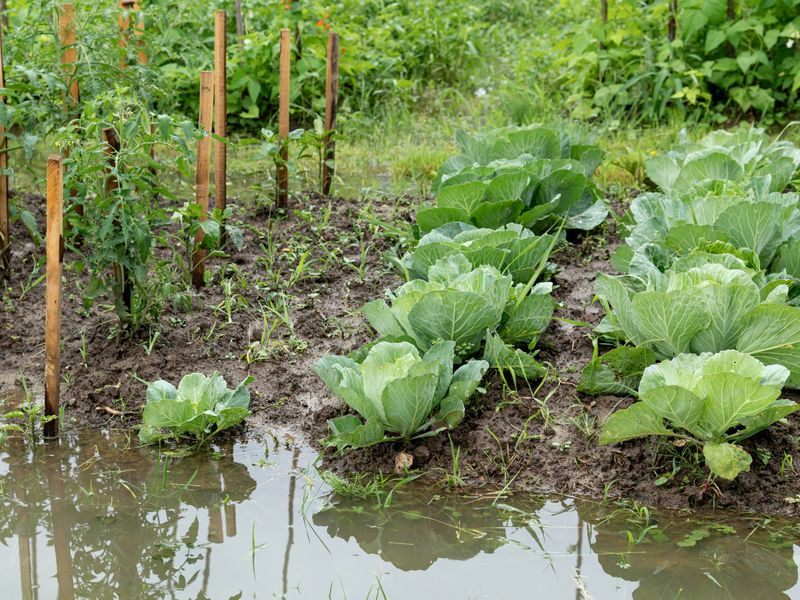
Heavy summer rain is a regular feature of the growing season across much of the Southeast. Low spots in the yard collect that runoff fast, and water can pool around plant roots for hours or even days after a storm.
Roots need oxygen as much as they need water. When soil stays saturated for extended periods, oxygen gets pushed out of the pore spaces.
Root function drops sharply, and plants show stress even though the ground looks wet and well-watered.
Symptoms of waterlogged roots often look identical to drought stress. Yellowing leaves, wilting, and poor new growth can all point to oxygen-starved roots.
Many gardeners respond by adding more water, which only makes the situation worse.
Soil type plays a big role here. Clay-heavy soils, which are common in many parts of Georgia, drain slowly and hold water longer than sandy or loamy alternatives.
Low spots in clay soil create especially persistent wet zones after heavy rainfall events.
Raised beds are one of the most reliable fixes for chronic low spots. Elevating the planting area just six to eight inches above grade dramatically improves drainage and root zone conditions.
Amending existing soil with coarse sand and compost also helps, though results depend heavily on the original soil composition.
For spots where standing water is unavoidable, consider planting species that actually tolerate wet feet. Native sedges, swamp milkweed, and Louisiana iris handle periodic flooding far better than most standard landscape plants.
Matching plants to conditions beats fighting the site every season.
5. Crowded Fence Rows Limit Healthy Air Circulation
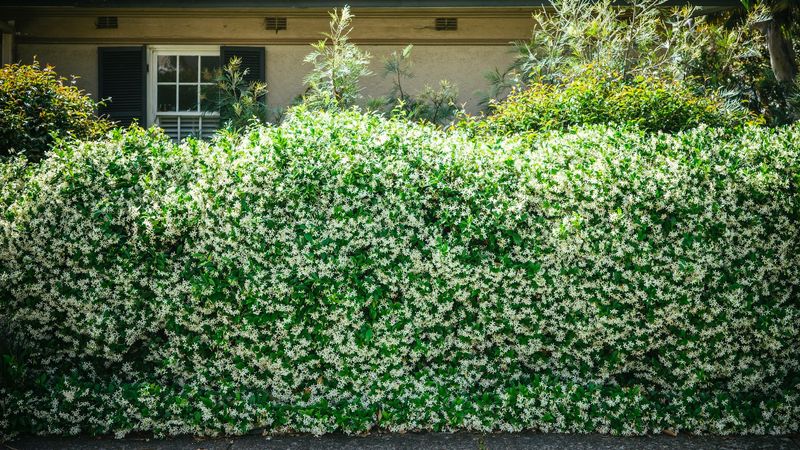
Fence rows are tempting planting spots. They offer a natural backdrop, create privacy, and seem like wasted space if left bare.
But pack too many plants into that narrow corridor and airflow becomes a real problem.
Poor air circulation traps humidity around foliage. In a humid summer climate, that combination creates ideal conditions for fungal issues like powdery mildew, black spot, and leaf blight.
Plants that might handle heat just fine can still decline quickly when air doesn’t move freely around them.
Fences themselves can block prevailing breezes depending on their orientation. A solid privacy fence running east to west can create a stagnant microclimate on the north side.
Plants in that zone stay wetter longer after rain and never fully dry out between watering cycles.
Spacing matters more than most gardeners realize. Plants installed at their mature spread give roots room to develop fully and allow air to move between canopies.
Tight spacing might look fuller initially, but it creates problems that compound as plants grow larger each season.
Thinning overcrowded fence rows is worth the effort. Removing every other shrub or perennial clump can transform air circulation in that zone almost immediately.
It also reduces root competition, which helps the remaining plants access more water and nutrients through the summer months.
Choosing upright or columnar varieties for fence lines helps too.
6. Mature Trees Pull Moisture From Nearby Soil
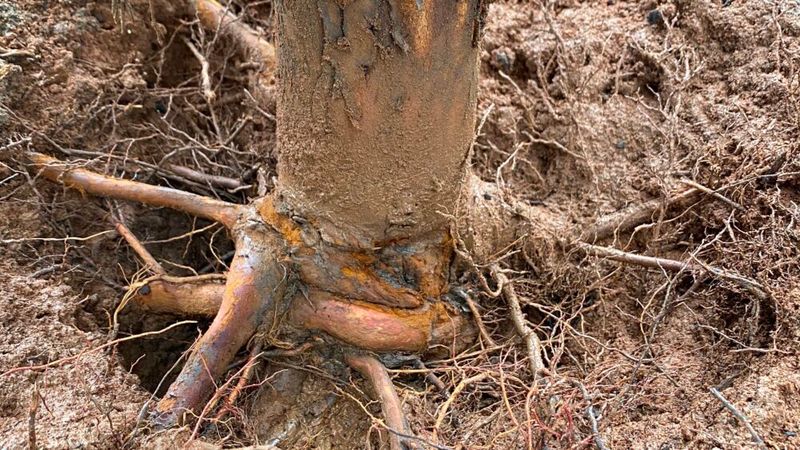
Mature trees are beautiful assets in any yard, but their root systems are far more aggressive than most people expect. A large oak or maple can pull enormous amounts of water from the surrounding soil, especially during dry summer stretches.
Tree roots extend well beyond the drip line in many cases.
Shallow-rooted trees like maples and sweet gums are particularly competitive. Their feeder roots occupy the top twelve inches of soil, which is exactly where most garden plants need moisture most.
Annuals and shallow perennials struggle most in these conditions.
Shade from the canopy adds a second layer of difficulty. Some plants installed under trees fail not from root competition alone, but from the combination of shade, dry soil, and surface root interference.
Finding plants that handle all three factors simultaneously is a real challenge.
Raised beds with a physical barrier at the base can create a more manageable growing environment under trees. A solid barrier won’t stop roots permanently, but it can slow their invasion into a raised planting area for several growing seasons.
Native ground covers like wild ginger, green-and-gold, and liriope are proven performers under mature trees.
7. Steep Banks Lose Water Rapidly During Heat
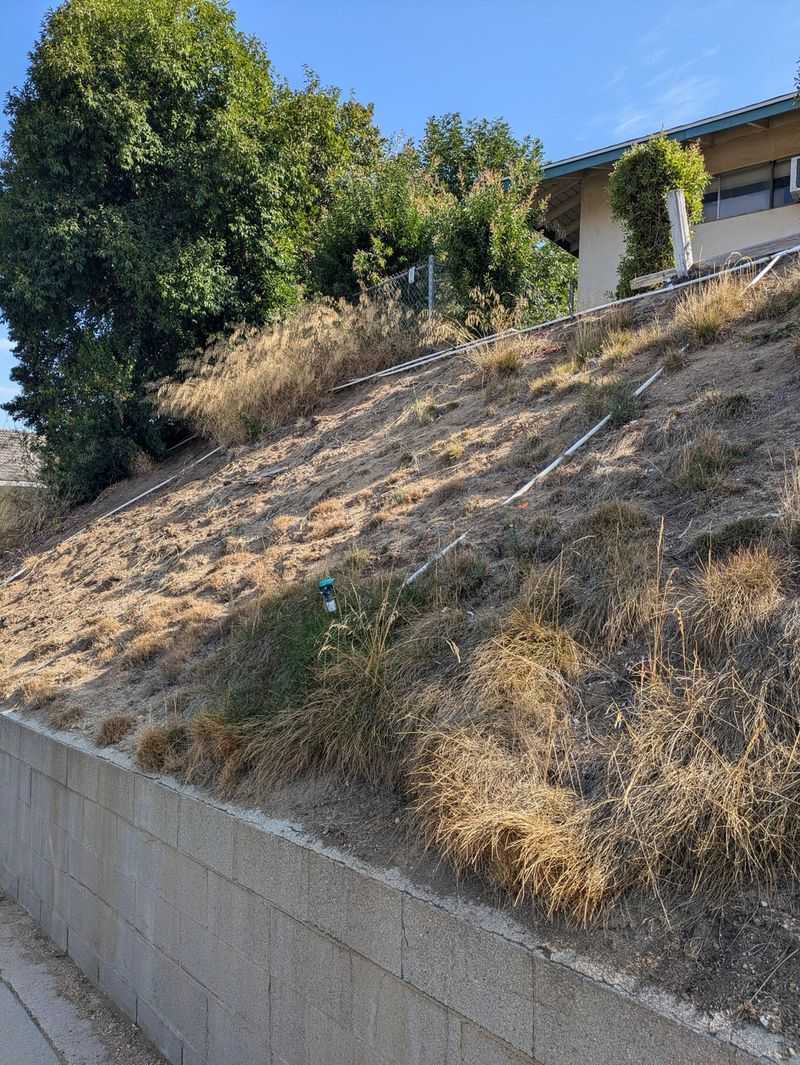
Sloped planting areas look great in design drawings, but maintaining them through a hot, dry summer is a different story. Water doesn’t linger on a steep bank.
It runs downhill fast, carrying topsoil and mulch with it before roots ever get a chance to absorb much.
The angle of exposure matters too. A south or west-facing slope receives more direct sun than flat ground at the same location.
Soil temperatures on steep sunny banks can climb significantly higher than surrounding areas, accelerating moisture loss even further.
Erosion is a constant challenge on steep planted slopes. Without dense root coverage, every heavy rain event strips away the thin layer of improved soil that supports plant growth.
Rebuilding that layer takes consistent effort and doesn’t happen quickly.
Groundcovers with aggressive spreading habits work best on steep banks. Creeping juniper, crown vetch, and native Virginia creeper establish quickly and knit together to stabilize soil.
Once they fill in, they reduce both erosion and moisture loss by shading the soil surface.
Terracing is a longer-term solution worth considering for severe slopes. Retaining walls or stacked stone borders create level planting pockets that hold water and soil far more effectively than an uninterrupted slope.
Each terrace acts like a small raised bed with much better moisture retention.
8. Driveway Borders Expose Foliage To Pavement Warmth
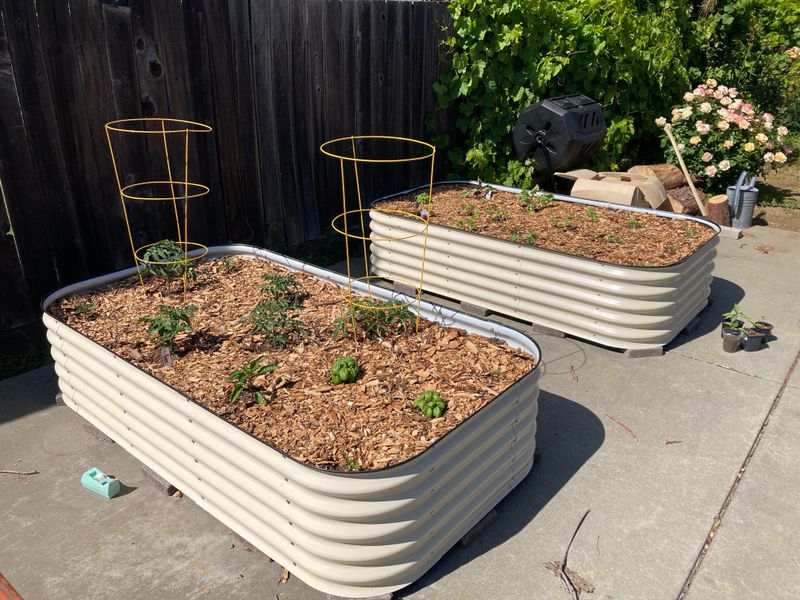
Driveway borders seem like smart use of space, but pavement creates a heat environment that most plants weren’t built to handle. Concrete and asphalt absorb solar radiation all day and release it slowly through the evening hours.
Plants growing directly along a driveway edge experience elevated air temperatures that open beds simply don’t see.
Salt and chemical runoff is another concern in driveway borders. Ice melt products used in winter can leach into nearby soil and create toxicity issues that linger well into the growing season.
Even without winter treatments, tire residue and fuel drips can gradually affect soil chemistry.
Reflected light off light-colored concrete adds visual stress to foliage as well. Leaves near bright pavement can experience sunscorch on surfaces that wouldn’t otherwise be exposed to direct sun.
Variegated or lighter-colored foliage tends to show this damage most visibly.
Creating a buffer between the pavement edge and your planting area helps reduce heat transfer. Even a six-inch gravel or stone border can interrupt the direct contact between hot pavement and moist planting soil.
Choosing plants with thick, waxy, or succulent foliage gives better results in these spots.