June Is Not Too Late To Plant These Vegetables In Montana For A Fall Harvest
Many Montana gardeners pack up their seed packets by late spring, convinced the window has closed. It has not.
June is one of the most underrated planting months in the state, and the gardeners who know that tend to be the ones filling their tables come September.
The combination of warming soil, long daylight hours, and cool nights does not just tolerate certain vegetables, it actively favors them. Radishes, kale, bush beans, beets, these are not consolation crops.
They are exactly what this climate was built for. You need the right vegetables, a little timing awareness, and enough confidence to put seeds in the ground when your neighbors have already given up.
A fall harvest in Montana is not a long shot. For the right crops planted in June, it is simply the plan.
Radishes
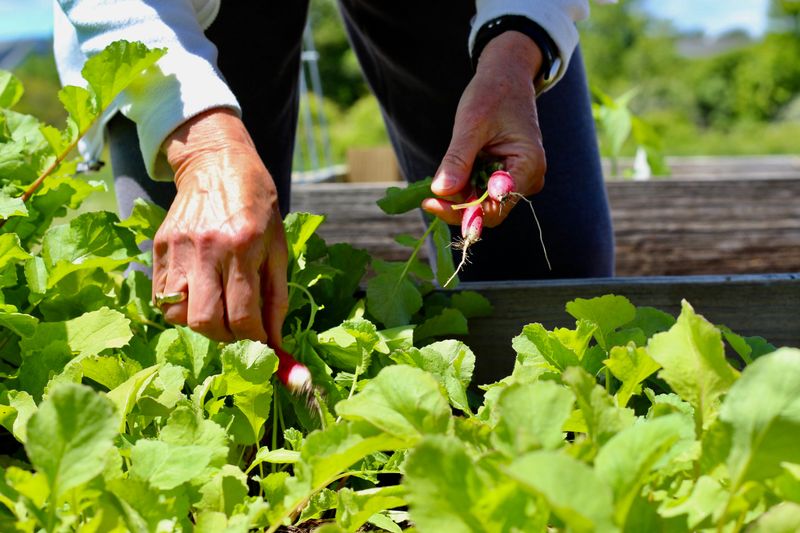
Radishes are one of the fastest crops you can grow in a home garden. Plant them in June and you could be pulling crisp, peppery roots in as few as 25 days.
Few vegetables reward impatience like this one does. That speedy turnaround makes radishes perfect for filling gaps between slower-growing plants.
They prefer loose, well-draining soil with full sun. Rocky or compacted ground slows root development, so loosen your bed at least six inches deep before sowing.
Sow seeds about half an inch deep and one inch apart. Thin them to two inches once sprouts appear, giving each root room to swell.
Radishes also act as natural pest traps, drawing flea beetles away from nearby crops. Smart gardeners use them as sacrificial companions for brassicas and lettuces.
Water consistently but avoid soaking the soil. Uneven moisture causes radishes to crack or turn pithy and bitter before harvest.
Succession planting every two weeks extends your harvest window well into September. A small packet of seeds goes a surprisingly long way in a short season.
Daikon varieties take slightly longer but offer bigger, milder roots great for roasting. French Breakfast types add a sleek, elegant look to any salad plate.
A small packet of seeds, a few spare inches of bed space, and three weeks of patience is genuinely all this crop asks of you.
Lettuce
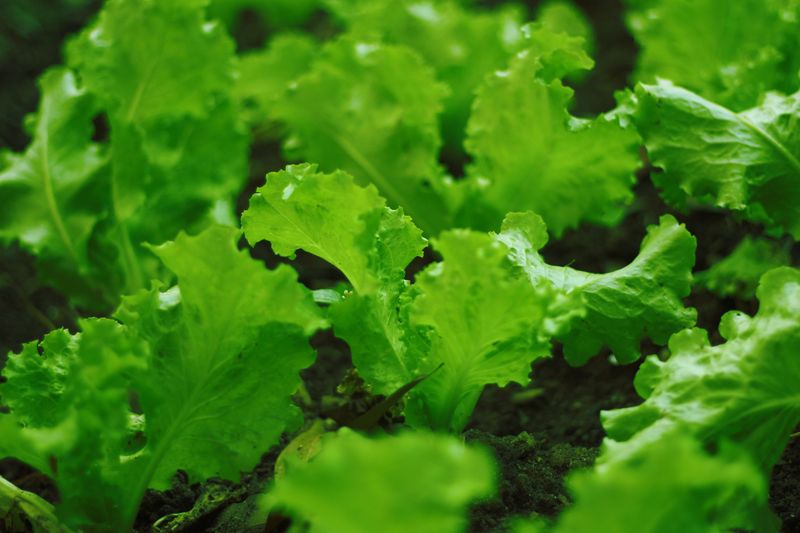
Lettuce is the salad bowl that practically grows itself with minimal fuss. Cool temperatures are its best friend, and Montana summers deliver exactly that.
Unlike heat-loving crops, lettuce actually thrives when nights dip into the 50s. June planting sets it up to mature right as the weather cools beautifully in August.
Loose-leaf varieties like Black Seeded Simpson or Red Sails are your fastest options. They can be harvested leaf by leaf, giving you weeks of salad greens from a single plant.
Direct sow seeds just an eighth of an inch deep into moist, fertile soil. Press them in gently and keep the surface consistently damp until germination occurs.
Shade cloth becomes your best tool once July heat arrives. Even a 30 percent shade cover keeps lettuce from bolting prematurely and turning bitter.
Raised beds warm up faster in spring but also hold moisture better during dry spells. That balance is exactly what lettuce needs to stay tender and sweet.
Feed your plants with a balanced, nitrogen-rich fertilizer every three weeks. Lush, leafy growth depends on steady nitrogen availability throughout the growing cycle.
Romaine types take slightly longer but reward patience with crunchy, flavorful heads. Butterhead varieties offer soft, buttery texture that store-bought bags rarely come close to replicating.
Nothing beats walking outside and snipping your own salad ingredients just before dinner.
Spinach
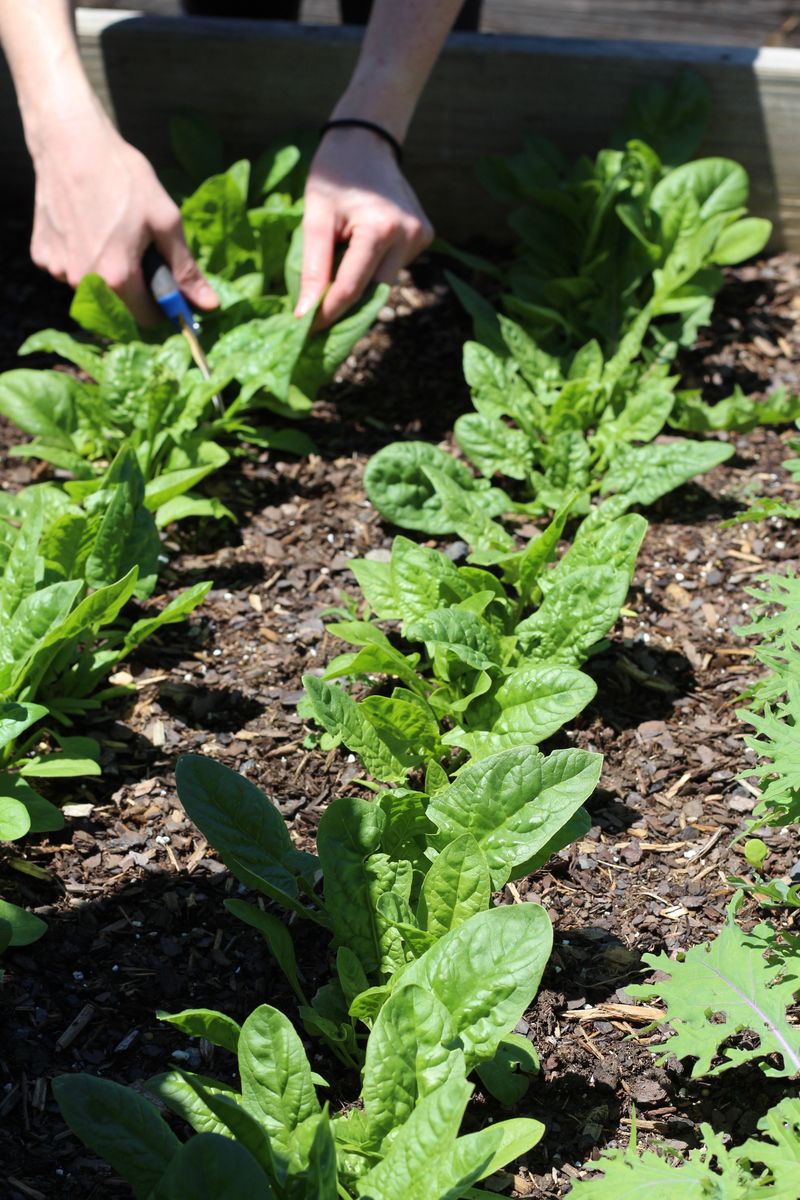
Image Credit: © Jenna Hamra / Pexels
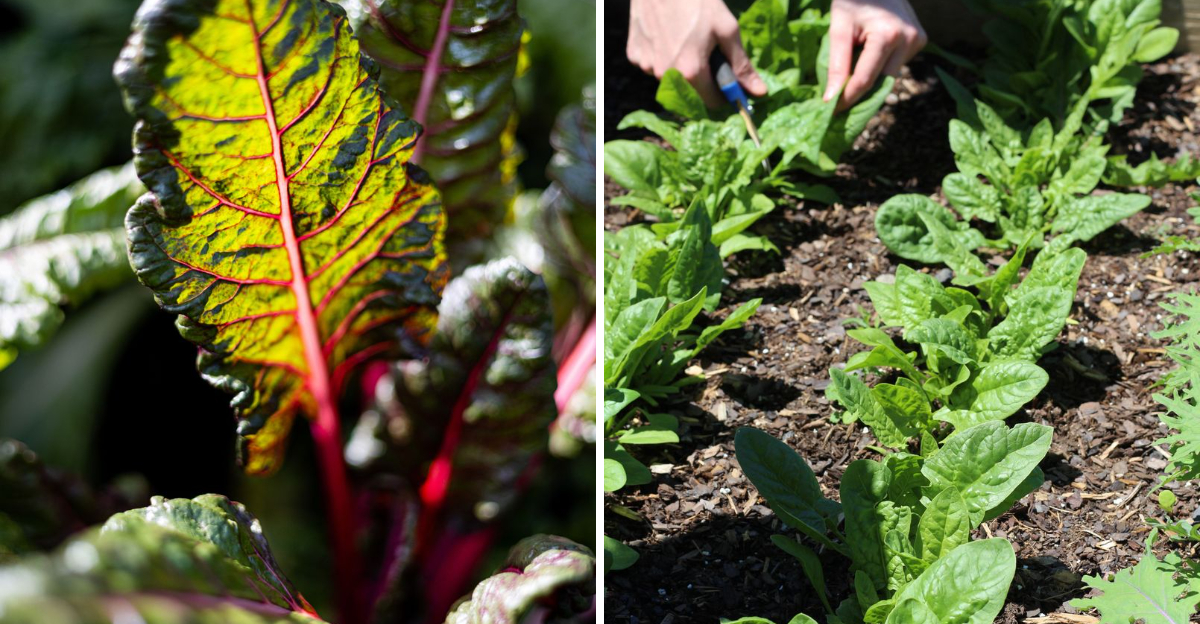
Spinach is the overachiever of the cool-season garden lineup. It packs iron, vitamins, and flavor into leaves that actually prefer chilly conditions to grow their best.
Planting in June gives spinach a full summer to establish before fall temperatures coax out its sweetest flavor. Light frosts do not harm it; they actually improve the taste.
Choose bolt-resistant varieties like Tyee or Bloomsdale Long Standing for summer planting. These types handle warm spells without immediately shooting up a seed stalk.
Sow seeds about half an inch deep in rows spaced six inches apart. Water the bed gently after planting to settle seeds without washing them sideways.
Spinach loves fertile, slightly alkaline soil with good drainage. Work compost into your bed before planting to give roots a nutrient-rich foundation from day one.
Thin seedlings to four inches apart once they reach two inches tall. Crowded plants compete for nutrients and air circulation, leading to weaker, spindlier growth overall.
Harvest outer leaves first, letting the center continue producing new growth. This cut-and-come-again method stretches a single planting into weeks of continuous harvesting.
Pair spinach with radishes or beets in your bed layout. Their root depths differ enough that they share soil without competing aggressively for the same resources.
Few crops are this forgiving, this nutritious, and this satisfying to grow at home.
Kale
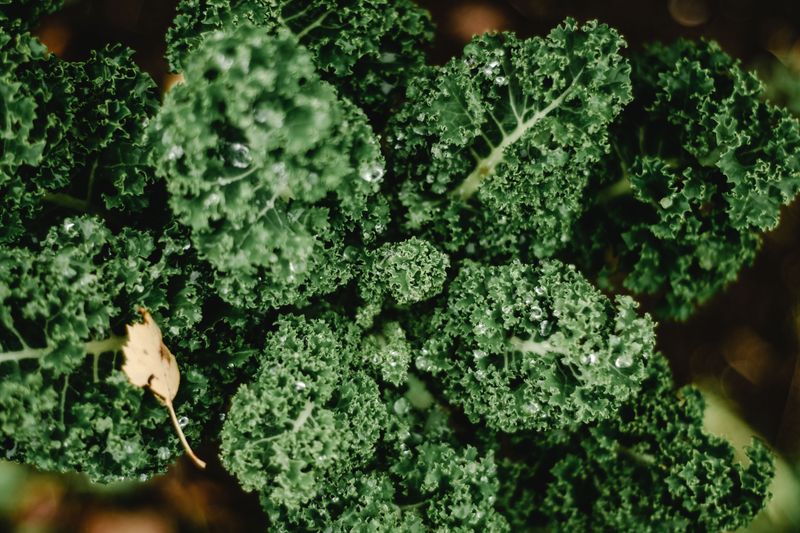
Kale is the toughest green you will ever grow, and that toughness is exactly why it belongs in a Montana garden. Frost does not scare kale; it makes it sweeter.
Planting kale in June gives it roughly 55 to 75 days to mature before hard freezes arrive. That timeline fits comfortably within most Montana growing zones.
Lacinato kale, also called dinosaur kale, is a fan favorite for its tender, dark leaves. Red Russian kale offers a slightly milder flavor with beautiful purple-tinged stems.
Start seeds directly in the garden or transplant seedlings purchased from a local nursery. Either method works well as long as your soil is loose and compost-enriched.
Space plants 18 inches apart to allow for their wide, bushy growth habit. Crowded kale struggles with poor air circulation, which invites powdery mildew and aphid problems.
Water deeply once or twice a week rather than lightly every day. Deep watering encourages roots to grow downward, making plants more resilient during dry summer stretches.
Watch for cabbage worms, which are small green caterpillars that blend into leaves perfectly. Row cover fabric keeps them off without any need for chemical sprays.
Harvest lower leaves first and let the top continue pushing out fresh growth. One plant can feed a family for months when managed with this simple technique.
It outlasts nearly every other crop in the garden and keeps pushing out fresh leaves long after everything else has called it a season.
Swiss Chard
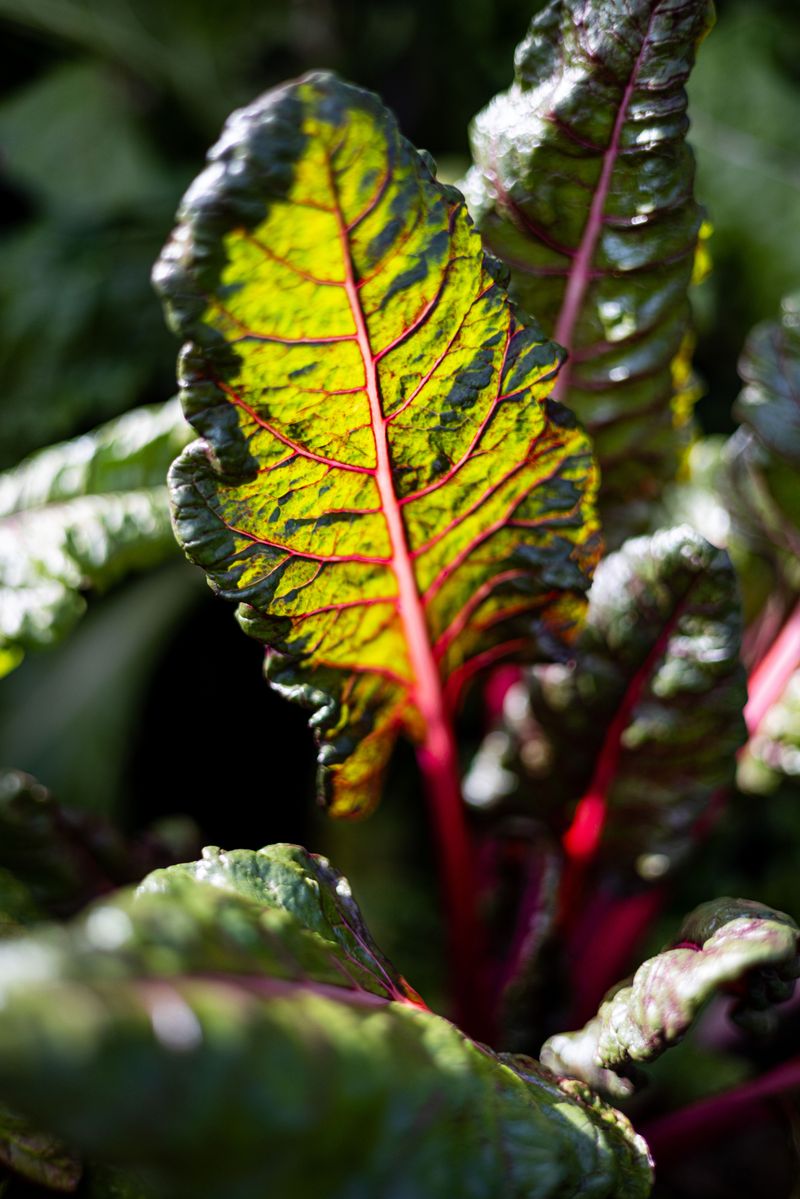
Image Credit: © Filipp Romanovski / Pexels
Swiss chard brings more color to a raised bed than almost any other vegetable. The stems come in electric red, gold, white, and even hot pink depending on the variety you choose.
Beyond the visual drama, chard is one of the most productive greens you can grow. A single plant can produce harvestable leaves for months without slowing down much.
Plant seeds about an inch deep and six inches apart in June. Chard germinates quickly in warm soil, often showing sprouts within five to seven days.
Each seed capsule actually contains two or three seeds clustered together. Thin to the strongest seedling once they reach three inches tall to avoid overcrowding the bed.
Chard tolerates both heat and light frost, making it uniquely suited for the unpredictable swings of a mountain summer. Few greens handle such a wide temperature range gracefully.
Harvest leaves when they reach six to eight inches long for the best texture. Younger leaves are more tender, while older ones develop a stronger, earthier flavor.
Stems cook at a slower rate than the leaves, so chop them separately. Adding stems to the pan a few minutes early prevents a mushy, uneven texture in your dish.
Rainbow chard varieties like Bright Lights are especially popular with home gardeners. Their color holds partially through cooking, making even simple sautes look impressively vibrant on the plate.
It earns its place in any garden with almost no drama, and the stems alone are reason enough to grow it.
Bush Beans
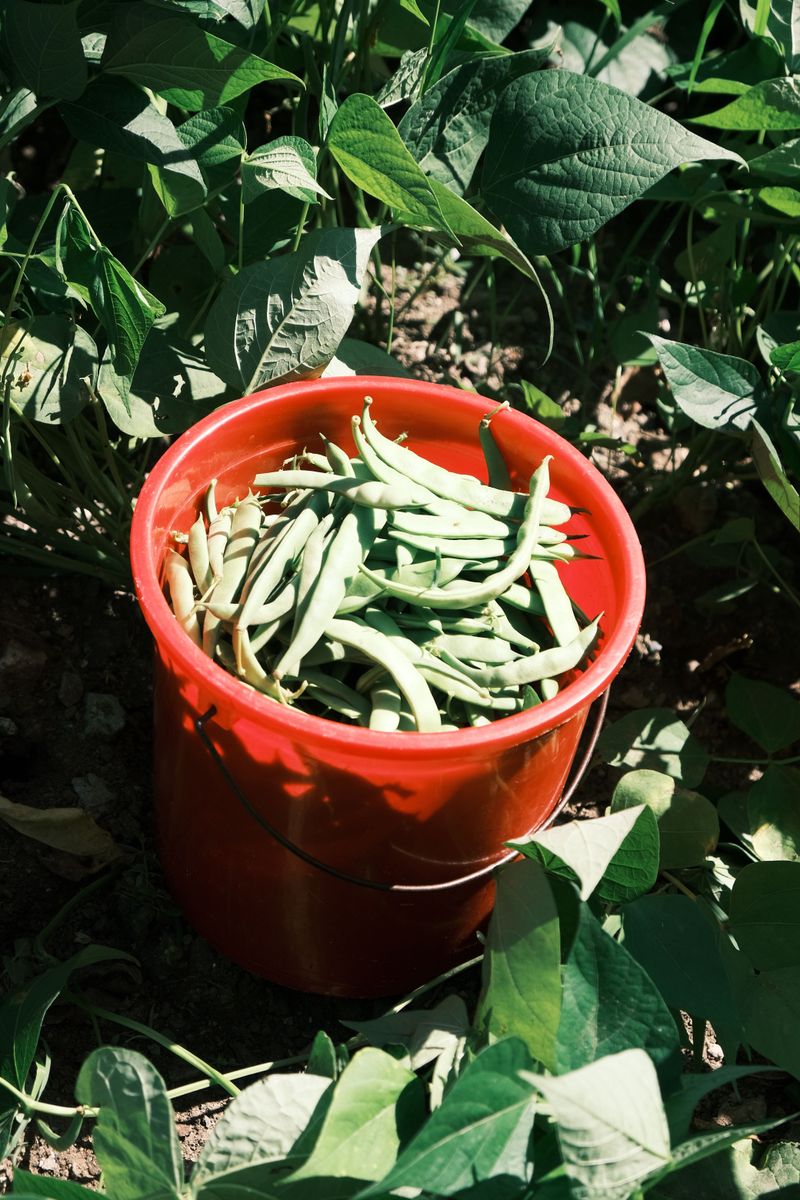
Bush beans are the workhorse of the summer garden, producing heavy yields without needing stakes, trellises, or much fuss at all. They are compact, reliable, and fast.
Planted in early June, most bush bean varieties mature in 50 to 60 days. That puts your harvest window squarely in August, well before the first hard freeze arrives.
Beans need warm soil to germinate properly, so wait until soil temps hit at least 60 degrees. Cold, wet soil causes seeds to rot before they ever sprout.
Sow seeds one inch deep and three inches apart in rows about 18 inches wide. Avoid soaking seeds before planting; bush beans prefer to germinate in moist but not saturated soil.
Do not add nitrogen-heavy fertilizer to bean beds. Beans fix their own nitrogen from the air, and too much added nitrogen pushes leafy growth at the expense of pod production.
Water at the base of plants rather than overhead to prevent fungal diseases. Wet foliage in humid conditions invites bean rust and powdery mildew fairly quickly.
Harvest pods when they snap cleanly and before seeds inside begin to bulge. Leaving pods on the vine too long slows down new production.
Provider and Contender are two top-performing varieties for shorter growing seasons. Both handle cooler nights better than most other bean types available at garden centers.
Few gardening moments are as satisfying as snapping a fresh pod straight off the plant.
Beets
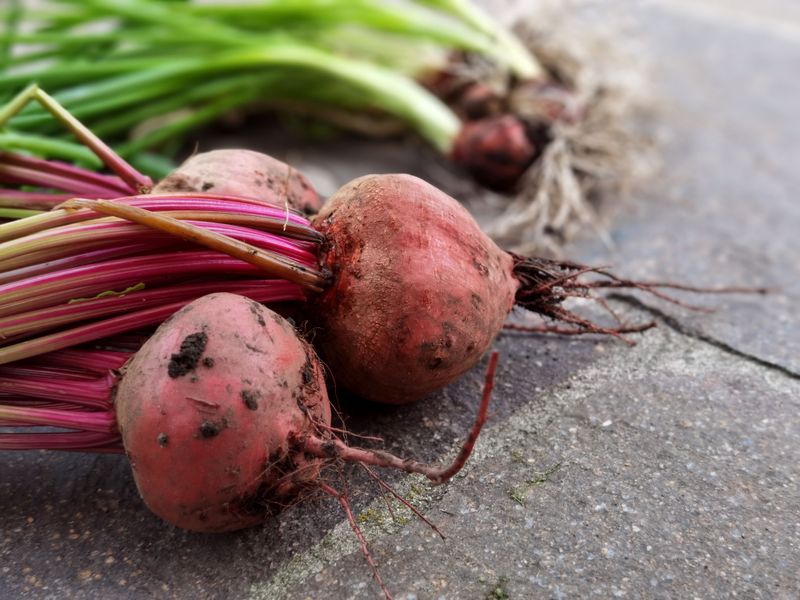
Beets are one of those crops that give you two harvests for the price of one planting. The roots go into roasting pans while the greens land straight in salad bowls.
June planting gives beets 50 to 70 days to develop full-sized roots before fall frosts arrive. Smaller baby beets can be harvested even earlier if you want a quicker reward.
Beet seeds are actually clusters of two or three seeds fused together. Thin seedlings aggressively to three to four inches apart or roots will crowd each other into odd shapes.
Loose, deep soil is non-negotiable for getting smooth, round roots. Rocky or compacted ground forces roots to fork and twist, which affects both appearance and texture at harvest.
Water beets evenly and consistently throughout the growing season. Irregular watering causes the roots to crack or develop tough, woody rings inside the flesh.
Detroit Dark Red and Golden Beet are two dependable varieties for shorter seasons. Golden beets offer a milder, sweeter flavor and do not stain cutting boards the way red types do.
A light frost actually improves beet flavor by triggering the plant to convert starches into sugars. Leaving roots in the ground a bit longer into fall pays off in sweetness.
Beet greens are best harvested when young and tender, around four to five inches tall. Older greens turn tougher and more bitter, though they still work well in cooked dishes.
Beets planted in June for a fall harvest in Montana are a two-for-one garden win. And if you let a few roots sit in the ground through the first light frost, the flavor they develop is worth the wait.
Zucchini
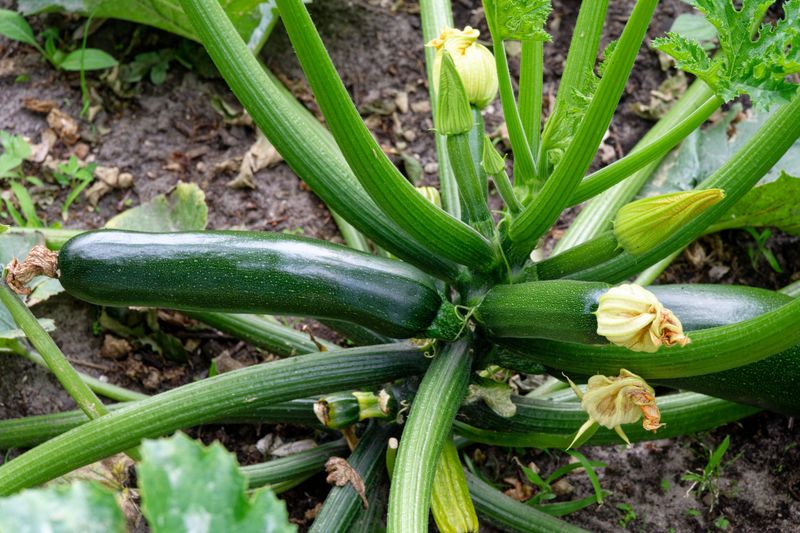
Zucchini is the garden crop that practically begs you to share it with neighbors. Plant two hills in June and you can expect a steady, generous harvest through August.
Most zucchini varieties mature in just 45 to 55 days, making them one of the fastest-producing warm-season crops available. A June planting fits the Montana growing window perfectly.
Choose a sunny spot with well-draining soil and at least six hours of direct light daily. Zucchini planted in partial shade tends to produce fewer fruits and more powdery mildew problems.
Plant seeds one inch deep in hills of two to three seeds, spacing hills three feet apart. Once seedlings reach four inches tall, thin to the two strongest plants per hill.
Zucchini is a heavy feeder that benefits from compost-enriched soil before planting. Side-dress with a balanced fertilizer once plants begin flowering to keep fruit production strong.
Pollination is essential for fruit set, so encourage bees by planting flowers nearby. Hand-pollinate using a small brush if you notice lots of blossoms dropping without forming fruits.
Harvest zucchini when fruits are six to eight inches long for the best texture. Leaving them on the vine too long produces giant, seedy squash that tastes bland and watery.
Black Beauty and Patio Star are excellent compact varieties for smaller garden spaces. Both produce abundantly without taking over the entire bed the way sprawling heirloom types sometimes do.
If you only put one warm-season crop in the ground this June, this is the one to choose.