The One Common Soil Amendment That Can Backfire In California Gardens
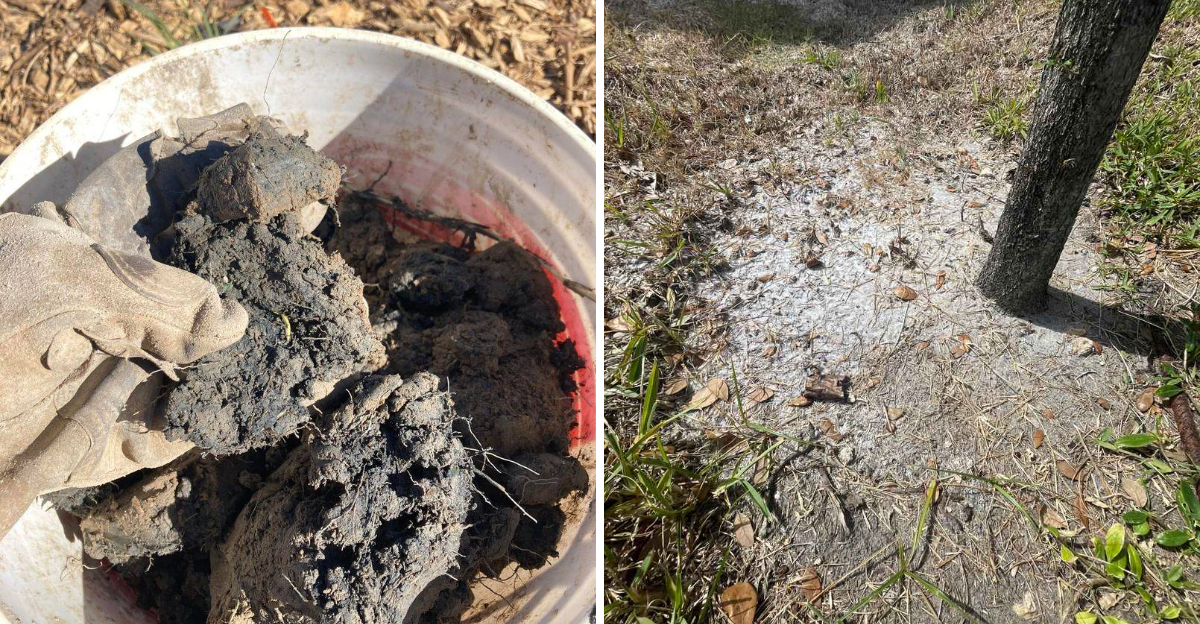
The bag makes a very confident promise. Better soil. Looser clay. Healthier roots. It is right there on the label, and it is not entirely wrong.
The amendment is gypsum, and California gardeners reach for it constantly.
It shows up stacked near the checkout at garden centers across the state, and it gets applied to all kinds of soil by gardeners who heard it works and decided to try it.
Sometimes it works exactly as advertised. Sometimes it does absolutely nothing. And in certain situations, it makes specific soil problems measurably worse, particularly in California’s dry regions where salt accumulation is already a challenge.
The difference between those three outcomes is not mysterious. It comes down to whether your soil actually has the problem that gypsum is designed to solve.
Many California gardeners never check. California soils range from salty Central Valley clay to sandy coastal loam, and a single amendment strategy does not work across all of them.
Before you open that bag, there are eight things worth knowing. The first one might change your whole approach.
1. Do Not Treat Gypsum Like Magic
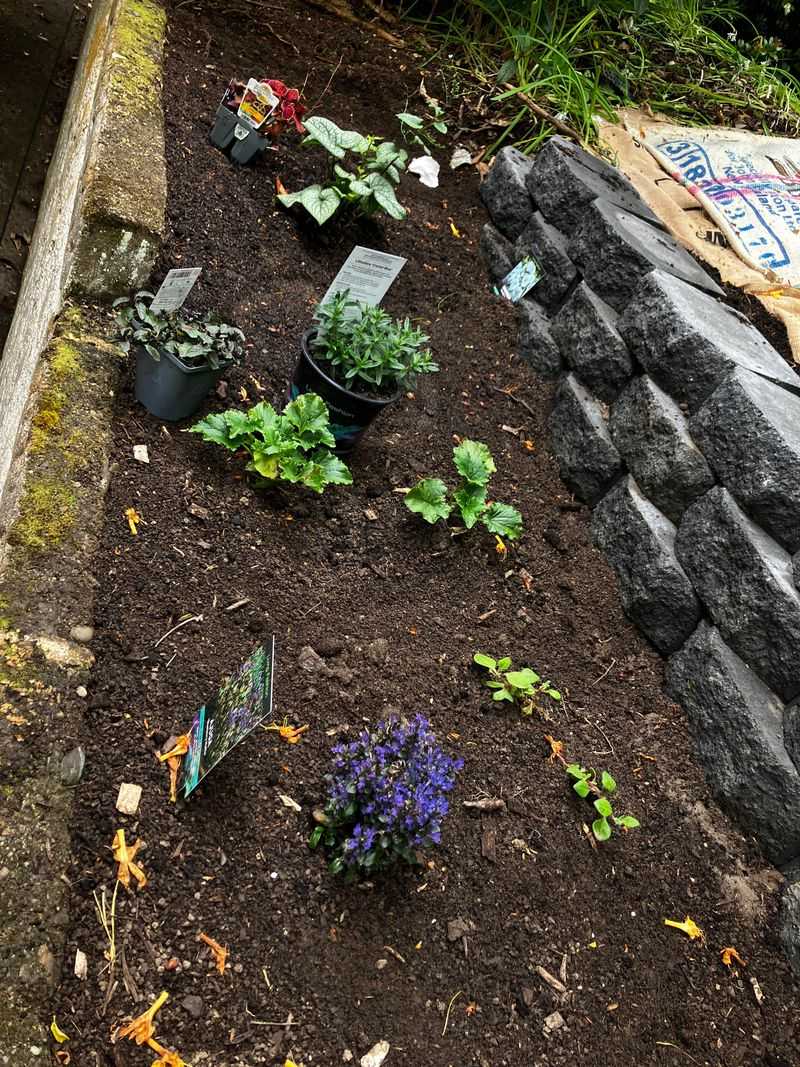
Walk into any California garden center and gypsum is usually stacked near the checkout, labeled with bold claims about loosening clay and improving drainage.
That marketing is confident enough that most gardeners assume the application is simple: pour it on, water it in, problem solved.
The reality is narrower and more specific than the label suggests, and understanding that gap matters before anything goes on the soil.
Gypsum is calcium sulfate. It genuinely works when soil has a high sodium content or when calcium is needed to displace sodium ions from clay particles.
That is a precise set of conditions. A garden without a sodium problem does not respond to gypsum the way the bag implies, because there is nothing for the calcium to displace. The chemistry simply does not engage.
In the best case, applying gypsum to soil that does not need it produces no visible change and wastes money.
In a less ideal case, adding calcium to soil that already has sufficient levels can compete with magnesium and potassium uptake, creating deficiencies in nutrients the plants actually needed.
A well-intentioned amendment applied in the wrong situation is not neutral. It is an intervention with consequences.
Gypsum is not a punishment for your garden, but it is not a guaranteed fix either. It functions more like a targeted prescription than a general tonic.
It works brilliantly when the specific condition it addresses is present and does little useful work when it is not. That distinction is the whole point.
The bag is not lying. It is just assuming you have a sodium problem. Whether you actually do is a different question entirely, and it is the question worth answering before spending money on the solution.
2. Test For Sodium First
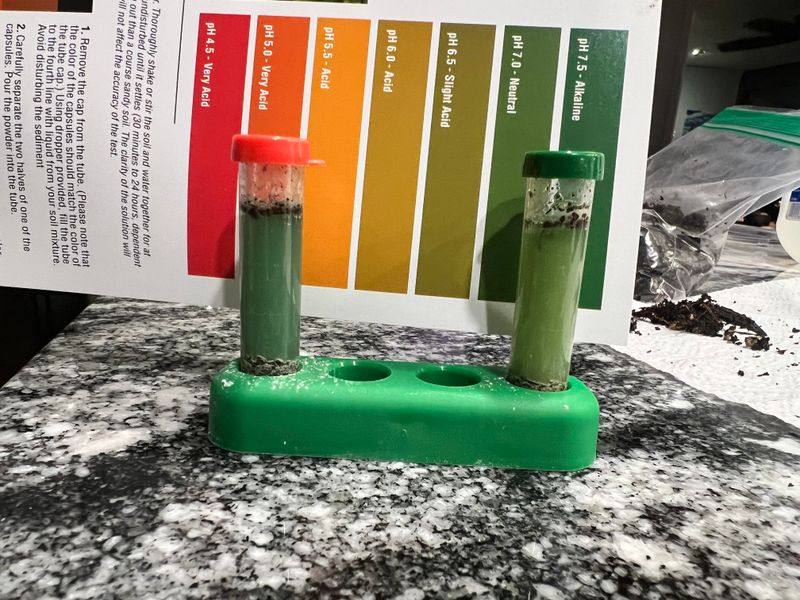
Soil testing is the step most California gardeners skip, and it is also the step that determines whether gypsum will do anything at all.
Your California Garden Changes Every Week. Your Plan Should Too.
Gardening in California changes quickly throughout the season. Every Friday you’ll receive a simple weekly plan showing exactly what to plant, prune, fertilize, harvest, and protect so you never miss the right timing.
Gypsum earns its strong reputation in sodic soils, which are soils with elevated exchangeable sodium.
Sodium causes clay particles to repel each other and disperse, destroying soil structure and creating ground that is hard, crusty, and nearly impenetrable to roots and water.
When calcium from gypsum replaces sodium on those clay particles, the clay flocculates, meaning it clumps together in a healthy way that allows water and air movement.
That process is real, well-documented, and genuinely transformative in the right conditions. The catch is that it only happens when sodium is actually the problem. Adding calcium to soil that is not sodium-driven produces none of that structural change.
A standard soil test from a certified lab reports the sodium adsorption ratio, or SAR, along with pH, electrical conductivity, and nutrient levels.
If SAR is low and sodium levels are normal, gypsum will not alter your soil structure regardless of how much you apply.
You are adding calcium to soil that does not need it, which shifts the nutrient balance in a direction you did not intend.
Many California soils, especially in irrigated areas of the Central Valley and parts of Southern California, do have elevated sodium from irrigation water or natural deposits.
In those cases, gypsum is the correct call. A soil test can confirm whether you are in that situation before you commit to a full treatment program.
Guessing is not gardening. A soil test can costs less than a single bag of gypsum and tells you whether the bag will do anything useful once applied.
That is the most efficient investment available before any amendment goes on California soil.
3. Skip It For Ordinary Clay
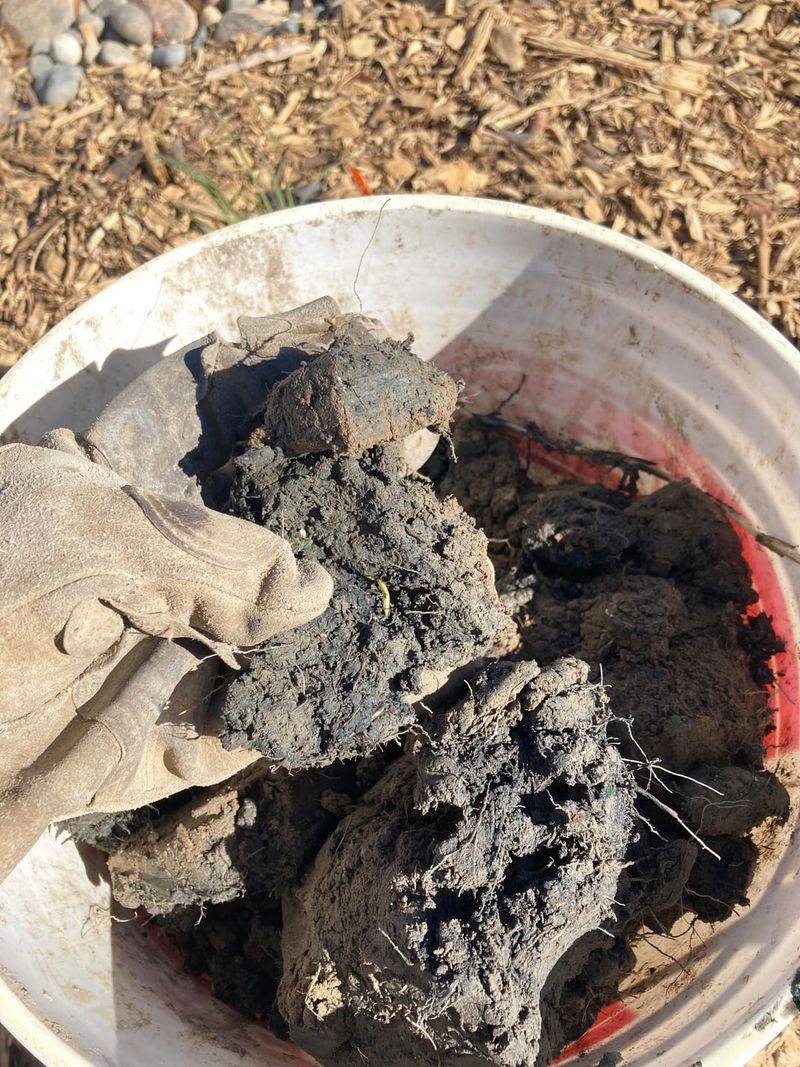
Clay soil has a well-earned reputation for being difficult.
It sticks to boots, compacts into something approaching concrete in a dry California summer, and drains with all the enthusiasm of a stopped drain.
The desire to fix it quickly is completely understandable, and gypsum shows up in the fix-it conversation regularly. For ordinary clay without a sodium issue, though, it simply does not do what gardeners expect it to do.
Regular clay soil in California is typically dominated by calcium and magnesium ions already. Without sodium dispersing the clay particles, there is nothing for gypsum’s calcium to displace.
Research confirms that applying gypsum to non-sodic clay produces no measurable improvement in structure, drainage, or root penetration. The clay stays clay, because the chemistry that gypsum addresses is not present in that soil.
Some gardeners report seeing improvement after adding gypsum to clay beds, and they are not wrong that something changed.
What likely happened is that the physical act of working the amendment into the soil, combined with subsequent irrigation, temporarily loosened the surface.
That is a mechanical effect, not a chemical one. The same result would have come from working in any granular material, including sand or perlite.
If your clay drains poorly and compacts easily but a soil test shows no sodium issue, gypsum is not the solution. Organic matter is.
Compost, aged wood chips, and cover crops are the materials that genuinely improve ordinary clay over time by building the aggregate structure gypsum cannot create in low-sodium conditions.
Clay without a sodium problem needs biology, not calcium sulfate. Feed the soil with organic matter and give it time.
The results are slower than a bag of gypsum but they are real, and they compound from season to season in a way that a one-time amendment application never does.
4. Avoid Fixing Compaction With Powder
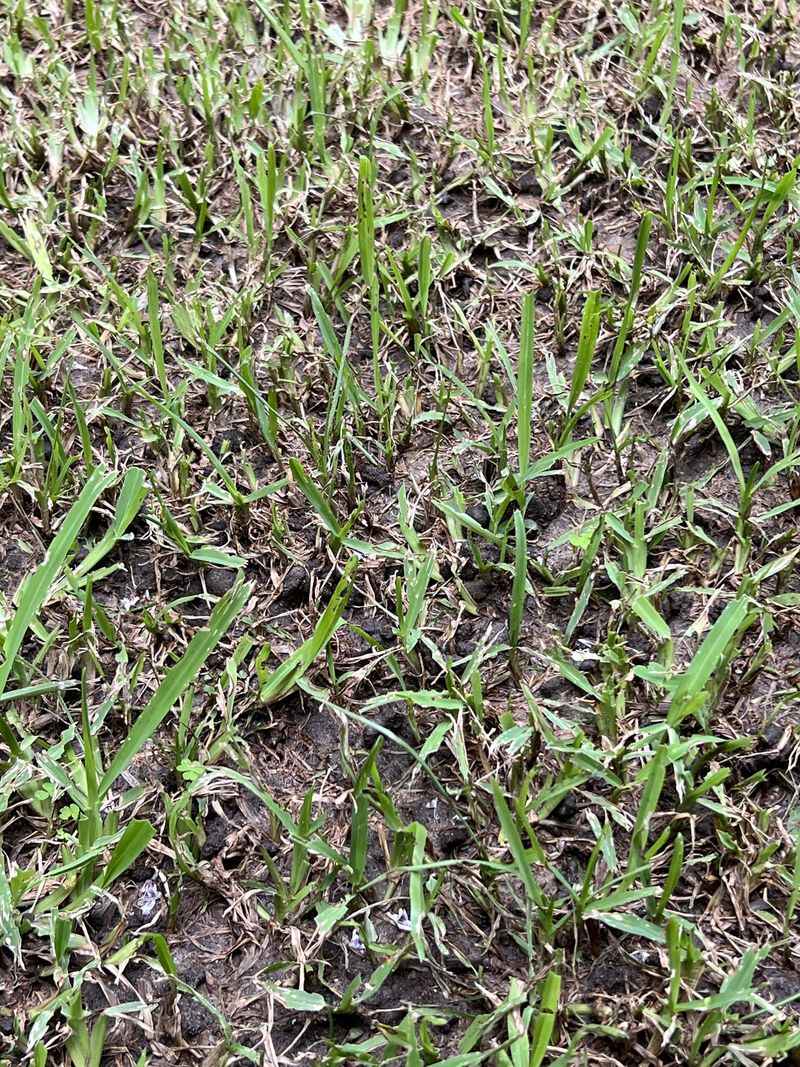
Compacted soil is one of the most common complaints California gardeners bring to Master Gardener programs.
Foot traffic, heavy clay, and years of surface irrigation press soil particles together until air, water, and roots can barely move through.
It feels like exactly the kind of problem that a bag of something should address. Compaction does not work that way, and no powder applied to the surface reaches the compressed zone where the problem actually lives.
Gypsum cannot physically separate soil particles that have been pressed together by weight and sustained pressure.
Compaction is a structural mechanical problem, and it requires a structural mechanical solution. Adding calcium sulfate to the surface of hard ground and expecting it to loosen things underground is roughly equivalent to trying to unpack a suitcase by treating the outside.
The pressure creating the compaction is still entirely present.
Core aeration pulls small plugs of soil from the ground and is one of the most effective methods for breaking up compaction in lawns and established beds.
For vegetable gardens and new planting areas, deep tilling or a broadfork used with real effort can break through compressed layers. Raised beds eliminate the problem entirely by keeping foot traffic off the growing surface from the start.
After breaking up compaction physically, that is the moment when soil amendments can help maintain the improvement.
Compost worked into the loosened soil builds aggregate stability that resists re-compaction. If a soil test then shows elevated sodium, gypsum applied at this stage can work through the open soil profile.
Physical intervention first, amendments second: that is the correct sequence.
Compaction wants a fork, not a bag. Once the fork has done its job and the soil is physically open, then the bag has something to work with.
Reversing that order produces frustration on the first step and no useful result on the second.
5. Improve Structure With Organic Matter
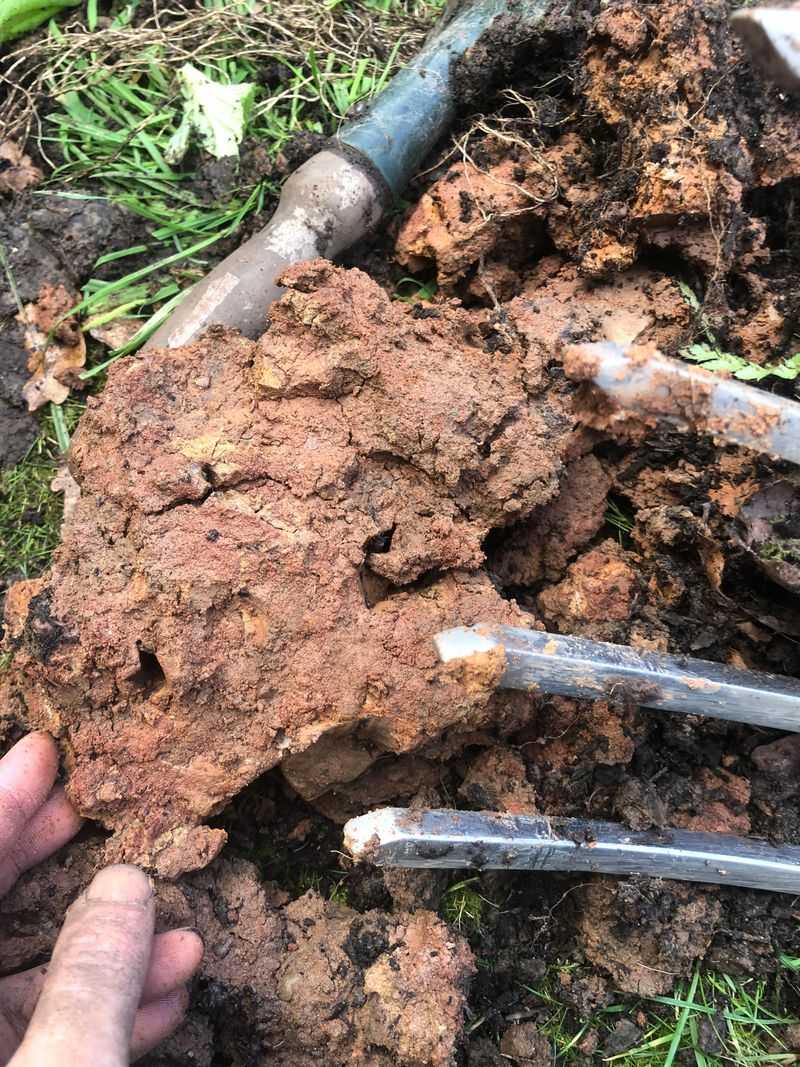
Compost is the least dramatic thing in the garden center and almost certainly the most useful.
For the majority of California home gardens, organic matter is the amendment that actually delivers on the promises gypsum makes on its label.
Improved drainage, better root penetration, looser texture, more microbial activity: compost produces all of it across a wide range of soil types, not just the specific narrow conditions where gypsum applies.
Organic matter works through multiple pathways simultaneously. It feeds the microorganisms that bind soil particles into stable aggregates.
It adds carbon that helps soil hold moisture without becoming waterlogged. It provides slow-release nutrients that synthetic amendments cannot replicate.
Two to four inches of compost worked into the top six to eight inches of soil is a foundational starting point for most California garden beds, regardless of soil type.
Organic matter also buffers soil pH and reduces the impact of accumulated salts over time, which is particularly relevant in California’s drier regions where salts concentrate near the surface.
That is a benefit gypsum alone cannot offer. Wood chip mulch on the surface adds another protective layer, slowing evaporation and feeding soil biology as it breaks down through the season.
Gardeners who shift from chasing quick fixes to consistently building organic matter see real improvement that holds up year after year.
It takes a season or two for the difference to become obvious. But unlike a bag of gypsum applied to soil that does not need it, the investment in compost produces a return regardless of what specific problem the soil has.
Good soil is built slowly.
Compost is the most reliable building material available to home gardeners anywhere in California, and it works whether the problem is clay, sandy drainage, low nutrients, or salt accumulation.
That kind of universality is worth a lot compared to a single-use fix that only applies in specific conditions.
6. Break Hard Soil Physically First
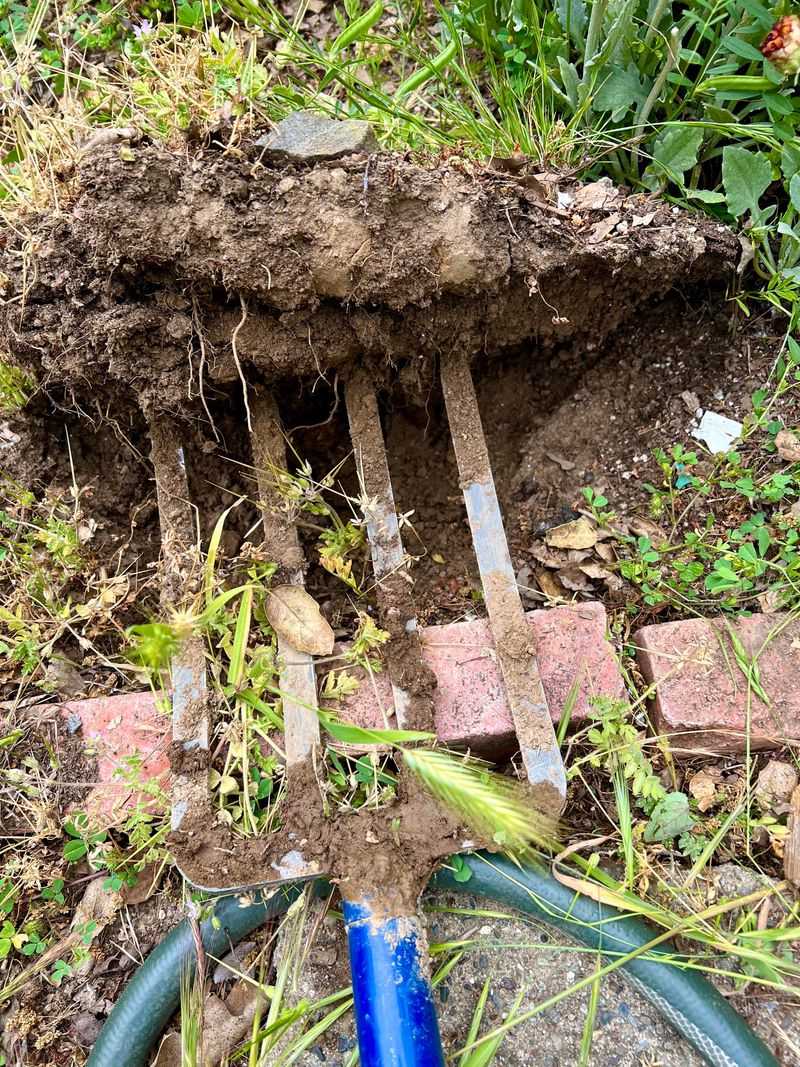
There is a particular satisfaction in driving a garden fork into hard California soil and feeling it break apart.
That creak and crack is genuine progress, and it is the progress that has to happen before any amendment, gypsum, compost, or anything else, can actually reach the root zone and do useful work.
Hard soil blocks amendment movement the same way it blocks root movement.
Hard, crusted soil dried out through a California summer frequently has a compacted layer just inches below the surface.
Water pools on top of it, roots cannot push through it, and anything sprinkled on the surface never reaches it.
A broadfork, a digging fork, or a rototiller can break through this layer and open the soil profile in a way that creates a real working window for amendments applied immediately after.
Once soil is physically loosened, compost worked into that open structure starts improving aggregate stability from the first application.
If a soil test has identified sodium as a specific problem, gypsum applied at this stage moves through the open profile and begins displacing sodium ions more effectively than it ever could on a sealed surface.
The sequence matters: physical intervention opens the door, amendments walk through it.
Timing matters in California. The best windows for working soil are after the first fall rains have softened the ground but before winter turns things waterlogged, and again in spring.
Squeeze a handful of soil before committing to it. If it crumbles apart, the conditions are right. If it smears in the hand, wait a few more days before working it.
The fork earns the right to use the bag.
Open the soil first, apply amendments into the open structure, and the chemistry or biology of whatever you are adding actually has somewhere to go.
Amendments on sealed ground are mostly just sitting there, waiting for a door that never opened.
7. Watch Salts In Dry Sites
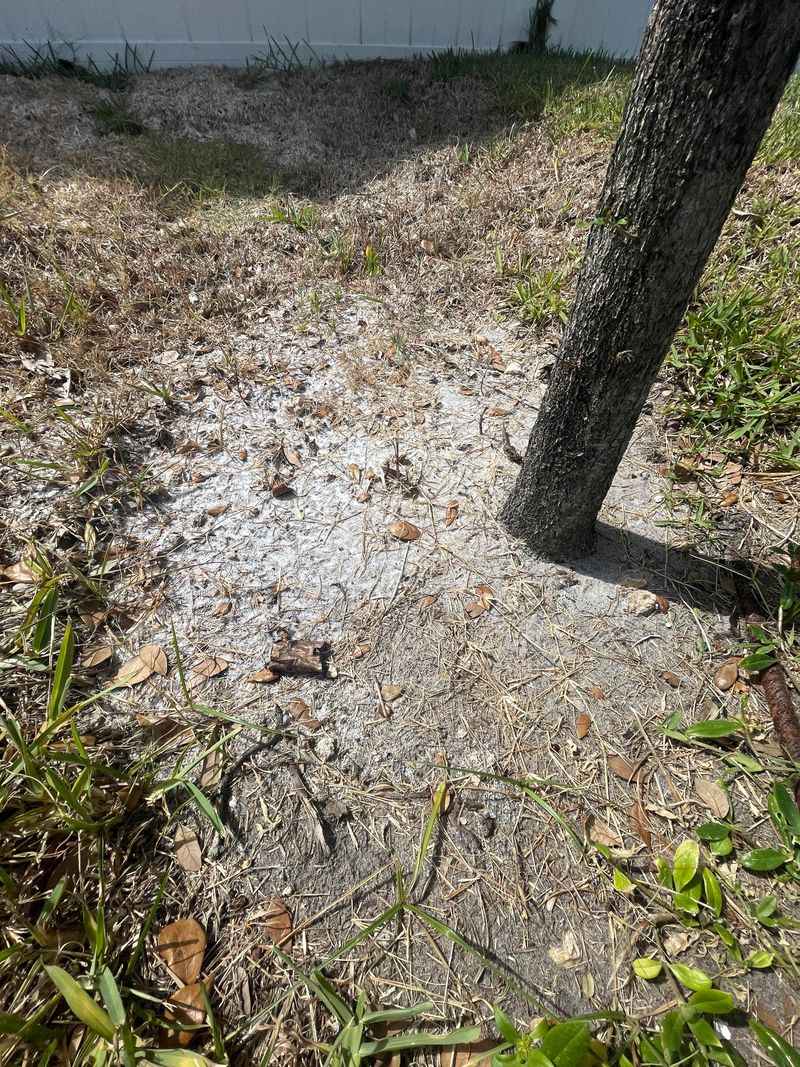
A white crust on the surface of a California garden bed is a warning worth taking seriously.
In the drier regions of the state, including parts of the Central Valley, the Inland Empire, and Southern California’s low deserts, salt accumulation is an ongoing problem.
Water evaporates faster than it drains, leaving minerals concentrated near the surface season after season. Adding more mineral content to soil that is already running high on salts requires careful thought before acting.
Gypsum contains calcium and sulfate, both of which are salts. In most situations, gypsum adds only a modest amount of soluble material and is considered relatively low-risk.
But in soils already sitting near the upper end of acceptable electrical conductivity, adding any salt-containing material can push plants into stress.
Roots absorb water through osmosis, and when the soil solution is saltier than the plant’s cells, that process slows or reverses. Plants in high-EC soil can show drought stress even when the soil is adequately moist.
A soil test measuring electrical conductivity tells you where the existing salt level sits before you add anything to it.
Most vegetables begin showing stress at EC levels above 2 to 4 dS/m depending on the crop. If the soil is already approaching that range and sodium is not the specific driver, gypsum is more likely to contribute to the problem than solve it.
Deep, infrequent irrigation that pushes salts below the root zone, combined with mulching to reduce evaporation, is the primary management strategy for salt accumulation in dry California gardens.
Gypsum becomes part of the solution specifically when sodium is identified as the main salt contributor. Know the EC and the SAR before choosing the amendment.
White crust on the soil is the garden asking a question: is the salt level already at a threshold where adding more minerals makes sense?
The answer is in a soil test, not on a bag label. Check the numbers before opening the bag.