10 Low-Water Perennials That Bloom All Summer In Virginia’s Heat And Humidity
Virginia summers are not gentle. By July, the soil cracks, the air sits heavy, and most gardens start looking like they have given up.
But some perennials do not get that memo. They push out blooms in the middle of a two-week dry stretch, hold their color through humidity that fogs your glasses, and come back next year looking even better.
The ten plants in this list were built for exactly this climate. The spots that defeat ordinary plants are where these perennials actually hit their stride.
Get them established once and Virginia’s brutal summer stops being a threat. It becomes a growing season worth looking forward to.
Black-Eyed Susan Keeps Blooming Through Virginia’s Driest Summers
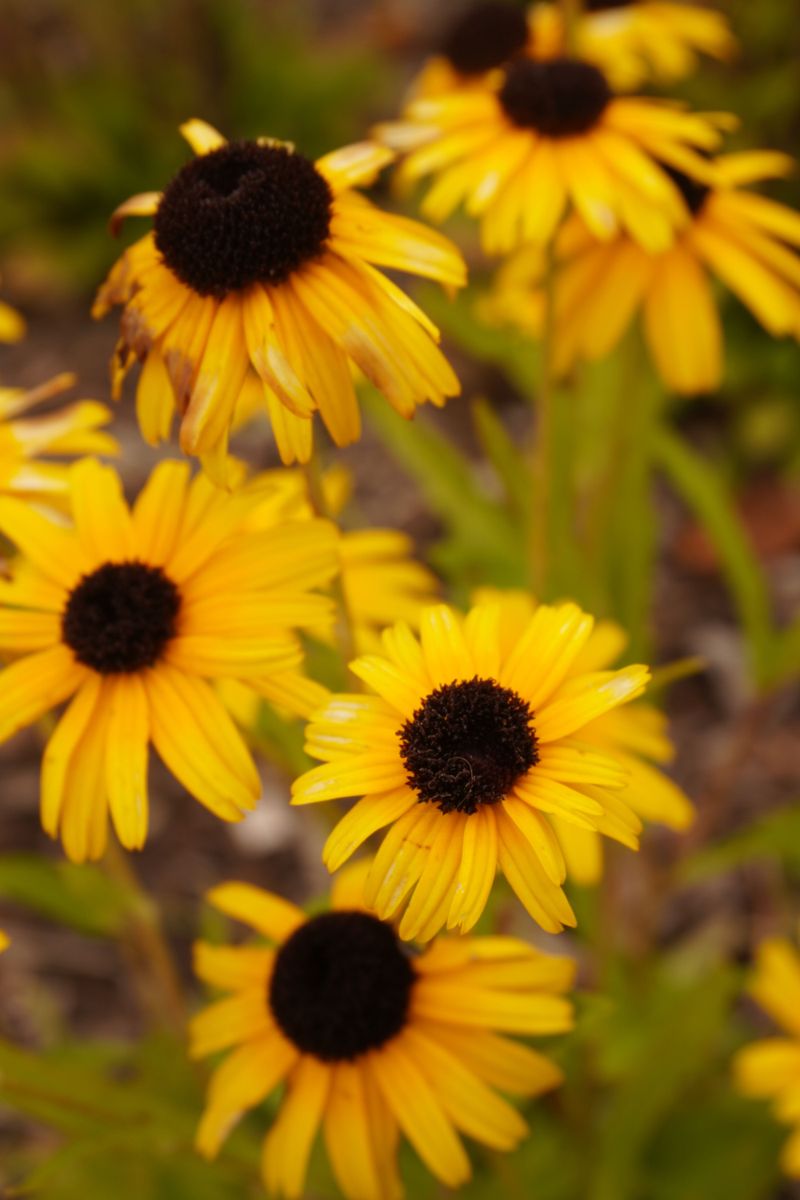
Nothing says summer like a field of golden Black-Eyed Susans swaying in a hot afternoon breeze. These cheerful wildflowers are built for exactly the kind of punishing heat Virginia delivers every July and August.
Rudbeckia hirta, their botanical name, has deep roots that reach down into dry soil for moisture. That root system is their secret weapon when weeks pass without rain.
They start blooming in June and often keep going strong into September. Most gardeners are shocked by how little water they actually need once established in the ground.
Plant them in full sun and well-drained soil, and they practically take care of themselves. They also reseed freely, so your patch gets bigger and bolder every single year.
Pollinators absolutely love Black-Eyed Susans, which means your yard becomes a buzzing, lively place all season long. Bees, butterflies, and even goldfinches show up to enjoy the party.
These are one of the best low-water perennials that bloom all summer for beginner gardeners. Remove spent blooms occasionally to encourage even more flowers throughout the season.
One established clump can produce dozens of blooms at once. Few plants deliver this much golden joy for this little effort.
Purple Coneflower Thrives When The Rain Stops And The Heat Hits
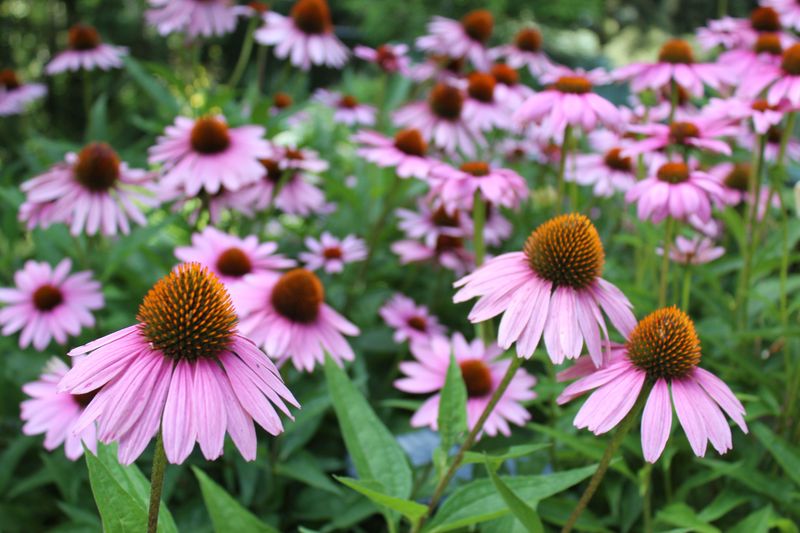
Purple Coneflower has a personality that matches its bold color. It does not flinch when temperatures soar or when the sky stays stubbornly cloudless for two straight weeks.
Echinacea purpurea is native to North America, which means it evolved to handle extreme conditions without any human help. That native toughness makes it one of the smartest choices for any Virginia garden bed.
The daisy-like blooms open in late June and keep producing new flowers well into August. Their raised, spiky centers add texture and visual interest that flat flowers simply cannot match.
Once planted, Coneflowers develop strong, wide root systems that pull moisture from deep in the ground. Watering them once a week during the first season is usually all they need to get established.
After that first year, they are largely on their own. Many gardeners cut back irrigation significantly after year two and still see strong blooms.
Birds go wild for the seed heads in late summer and fall, so resist the urge to cut everything back too early. Leave those dried cones standing and watch the goldfinches feast.
Your Virginia Garden Changes Every Week. Your Plan Should Too.
Gardening in Virginia changes quickly throughout the season. Every Friday you’ll receive a simple weekly plan showing exactly what to plant, prune, fertilize, harvest, and protect so you never miss the right timing.
As a low-water perennial that blooms all summer, Purple Coneflower delivers consistent beauty. It earns every inch of garden space it occupies.
Salvia Nemorosa Brings Weeks Of Color Without A Drop Of Extra Water
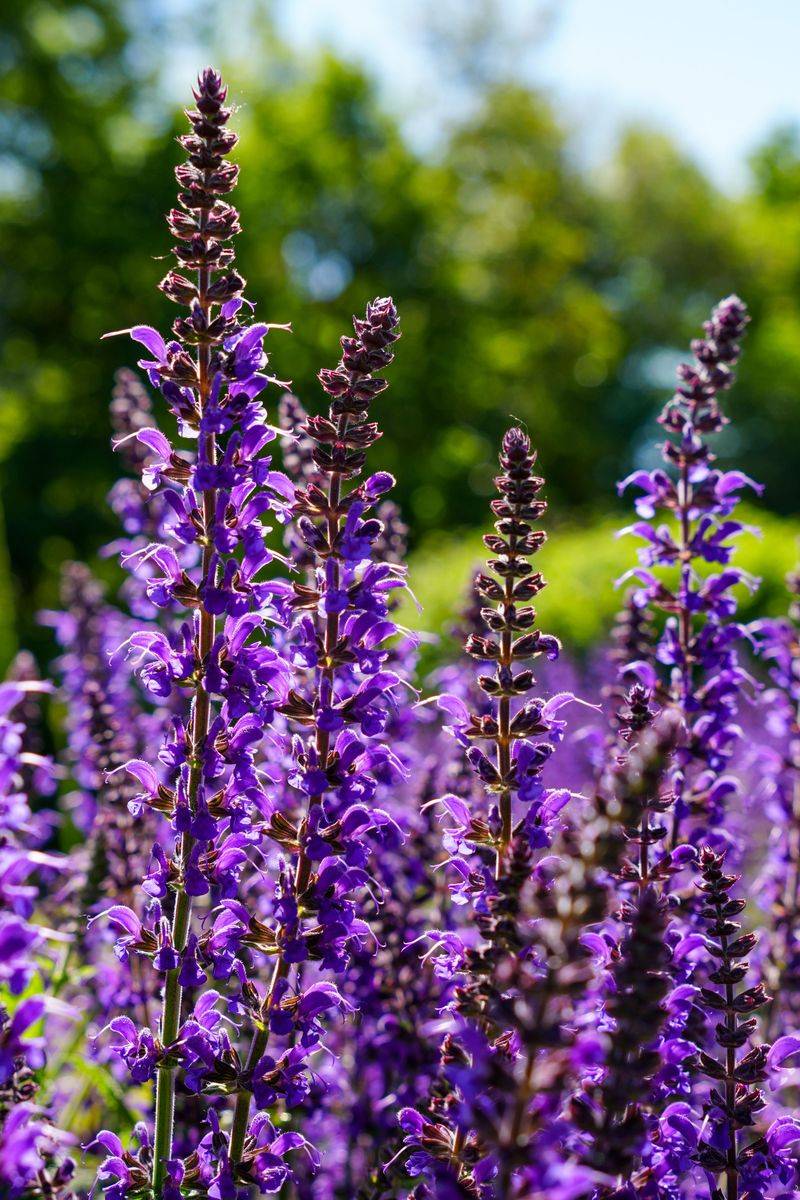
Salvia nemorosa is the kind of plant that makes you look like a genius gardener with almost no effort. Its tall, elegant spikes of violet-blue flowers rise above the foliage like little torches of color.
This European native has adapted beautifully to hot, dry climates, and Virginia summers suit it just fine. The aromatic foliage helps deter deer and rabbits, which is a real bonus in Virginia gardens.
Blooms typically appear in May and June, and here is the exciting part: cut them back after the first flush and they bloom again. That second wave of color in August is a genuine treat after weeks of summer heat.
Salvia nemorosa thrives in full sun and absolutely prefers soil that drains fast. Soggy roots are the biggest threat to this plant’s health and performance.
Plant it near the front of a border where those purple spikes can catch the eye from the street or a porch. It pairs beautifully with yellow or white flowers for a classic summer contrast.
Deer tend to avoid it, which is a major bonus for Virginia gardeners dealing with browsing pressure. The aromatic foliage seems to put them off entirely.
Among low-water perennials that bloom all summer, this salvia is a consistent performer. It rewards minimal care with maximum color impact.
Russian Sage Looks Stunning Even When Virginia Summers Turn Brutal
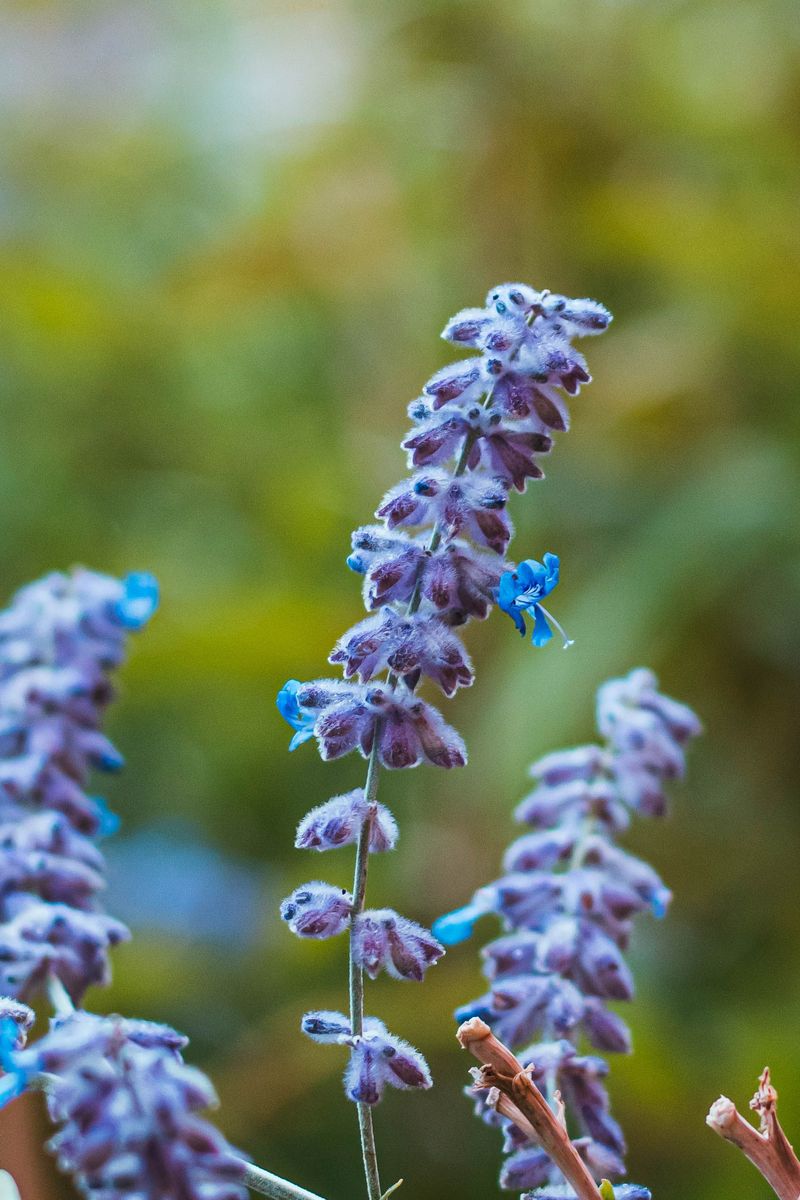
Image Credit: © Madison Blue / Pexels
Russian Sage looks like someone painted the air lavender-blue and forgot to stop. Its airy, cloud-like blooms float above silvery stems in a way that feels almost magical in a summer garden.
Despite the name, this plant is not from Russia at all. It hails from the dry steppes of Central Asia, which explains why it absolutely loves heat and handles drought like a champion.
Perovskia atriplicifolia blooms from mid-summer all the way into fall, giving you months of that dreamy blue-purple haze. Few perennials offer such a long bloom window in Virginia’s punishing climate.
The stems and leaves are coated in a fine silvery fuzz that reflects heat and reduces water loss. That natural adaptation is the reason it keeps thriving when other plants start looking ragged.
Full sun and fast-draining soil are the two non-negotiables for Russian Sage success. Give it those conditions and it will reward you for years without complaint.
Cut it back hard in early spring to keep the plant compact and bushy. New growth comes in fast and strong, setting up another spectacular summer display.
As one of the most striking low-water perennials that bloom all summer, Russian Sage earns its place in any sunny border. Plant it once and it becomes a permanent garden anchor.
Yarrow Thrives In The Heat And Keeps Blooming When Other Plants Quit
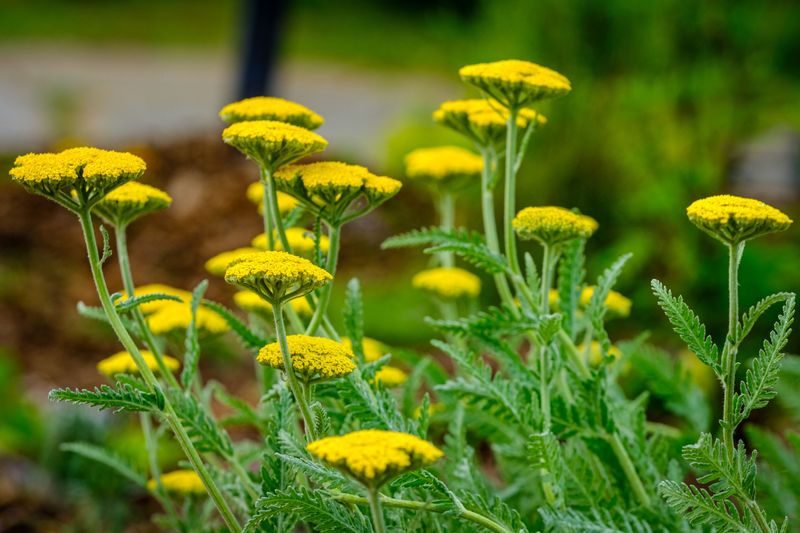
Yarrow is the plant that thrives on neglect, and it is completely unapologetic about it. Give it poor soil, full blazing sun, and no supplemental water, and it responds by blooming its head off.
Achillea millefolium has been used by humans for thousands of years, originally as a medicinal herb. Today it earns its place in modern gardens through sheer toughness and a spectacular summer color show.
The flat-topped flower clusters come in red, yellow, white, pink, and salmon, so there is a shade for every garden palette. Those wide flower heads also make excellent cut flowers that last well in a vase.
Yarrow’s feathery, fern-like foliage stays attractive even between bloom cycles. That textured green carpet of leaves keeps your garden beds looking full and intentional all season long.
One of its best tricks is spreading slowly to fill gaps in a border. Over time, a single plant becomes a generous colony without becoming invasive or aggressive.
Plant it where nothing else seems to survive, like a hot slope or a gravel bed with thin soil. Yarrow handles tough spots better than most perennials, especially where soil drains fast and stays dry.
Among low-water perennials that bloom all summer, Yarrow is the reliable workhorse. It never demands attention but always delivers results worth admiring.
Blanket Flower Earns Its Name With Months Of Nonstop Color
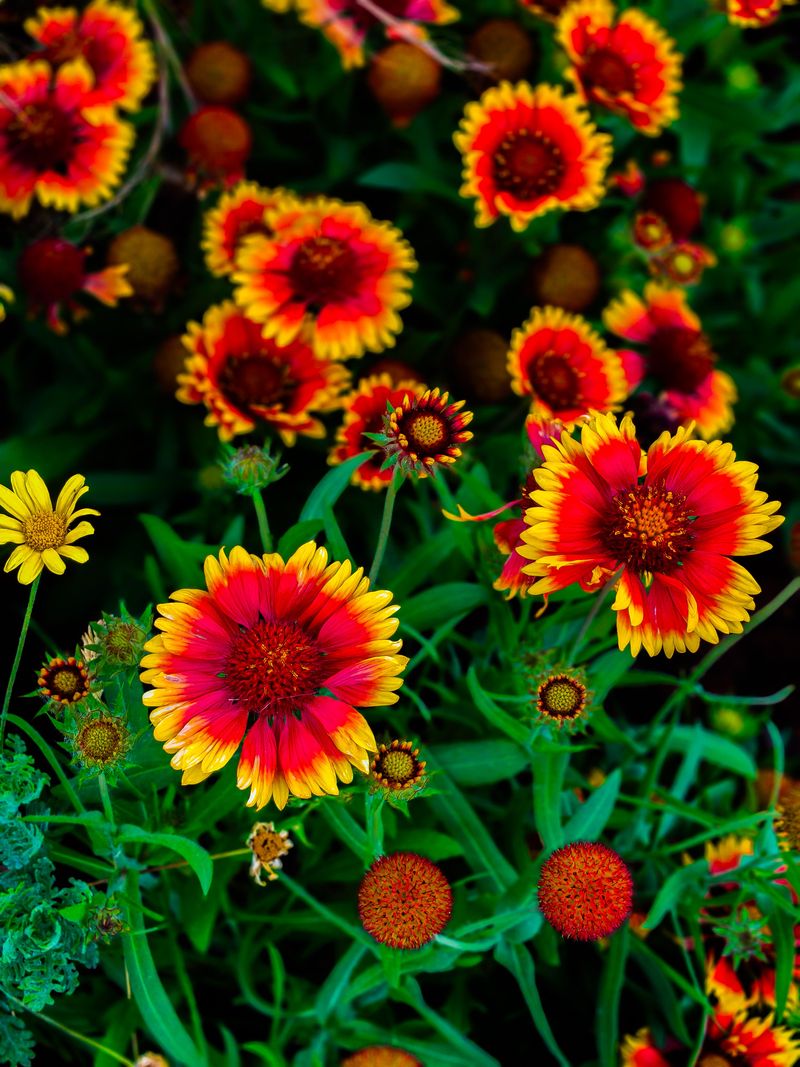
Image Credit: © Tuba Şen / Pexels
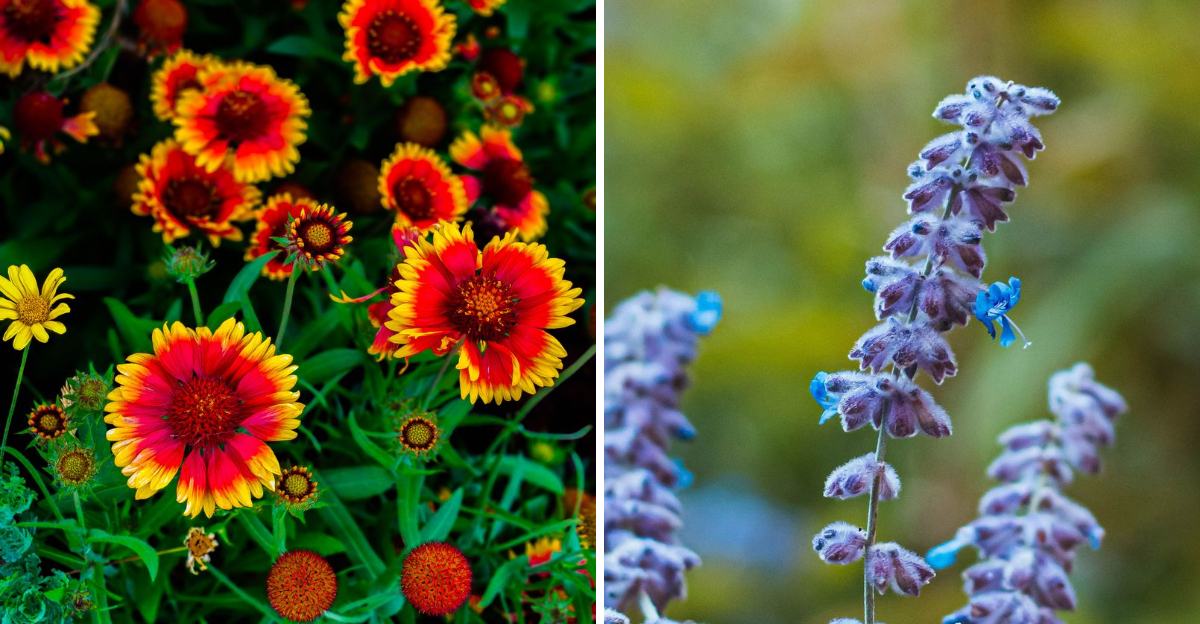
Blanket Flower earns its name by covering itself so completely in blooms that you can barely see the foliage underneath. In most seasons, Blanket Flower keeps producing new blooms from June right through the first frost.
Gaillardia x grandiflora is a hybrid that combines the best traits of its wild parents, including serious heat tolerance and an almost reckless enthusiasm for blooming. Virginia summers do not slow it down one bit.
The flowers are bold and dramatic, usually featuring rings of red, orange, and yellow in patterns that look almost painted on. Each bloom is a tiny sunset sitting right in your garden bed.
Full sun is essential, and so is sharp drainage. Blanket Flower hates wet feet more than almost anything else, so avoid planting it in low spots that collect water.
Removing spent blooms regularly keeps the plant focused on producing new flowers instead of setting seed. Spend five minutes a week on this task and the payoff is enormous.
It is also a magnet for butterflies and bees, making your outdoor space feel alive and dynamic all season. The wildlife activity adds another layer of joy to an already beautiful plant.
For gardeners who want low-water perennials that bloom all summer without fuss, Blanket Flower is a near-perfect answer. Its fiery beauty never gets old, no matter how many summers you grow it.
Sedum Stores Its Own Water And Earns Its Keep Every Single Summer
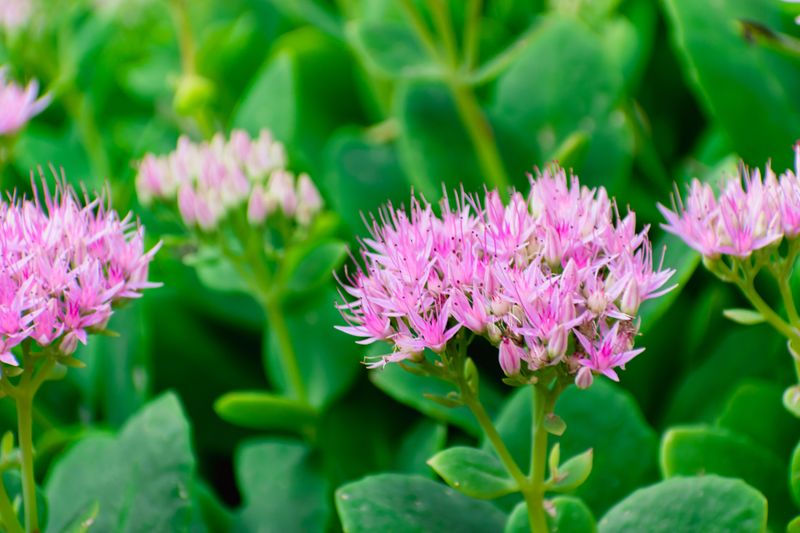
Sedum stores water in its thick, fleshy leaves the way a camel carries water across the desert, tapping into reserves when everything else runs dry. This succulent perennial is remarkably tough in Virginia’s hot summers.
One of the most popular varieties for garden beds is Sedum ‘Autumn Joy’, now more accurately classified as Hylotelephium spectabile ‘Autumn Joy’. Its flat-topped flower clusters start out green, shift to pink, then deepen to a rich copper-red by fall.
That color progression means you get visual interest from summer all the way through the end of the season. Very few plants give you that kind of extended performance with so little watering involved.
Sedum prefers full sun and gritty, well-drained soil. It actually performs worse in rich, moist soil, which tends to make the stems flop over under the weight of the blooms.
Plant it in a tough spot and it rewards you by looking better than anything around it. A sunny rock garden or a dry slope is basically its dream home.
Pollinators absolutely swarm the blooms in late summer when other flowers are fading. That late-season buffet makes Sedum a genuinely important plant for local bee and butterfly populations.
As a low-water perennial that blooms all summer and beyond, Sedum is the smart gardener’s secret weapon. It thrives on toughness and pays you back in beauty.
Catmint Keeps Coming Back All Season With Almost No Effort
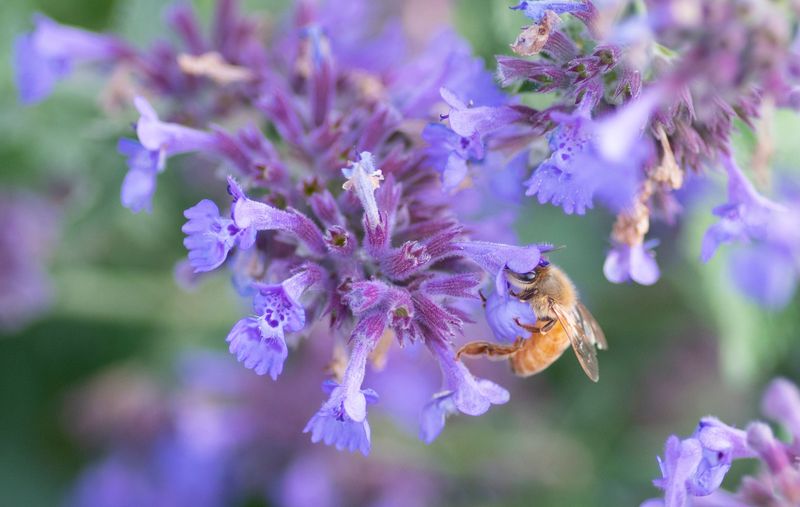
Catmint spills over garden edges like a lavender-blue waterfall, and it does this with almost no encouragement from you. It is one of those plants that seems to enjoy being left alone.
Nepeta x faassenii is the most common garden variety, forming rounded mounds of soft gray-green leaves topped with small but abundant purple-blue flower spikes. The whole plant has a light, pleasant fragrance that humans enjoy and deer tend to avoid.
First bloom typically happens in May or June, and here is where Catmint really earns its reputation. Cut it back by half after the first flush and it rebounds quickly with a second wave of color.
That trim-and-rebloom cycle can happen two or even three times in a good season. Each time, new growth comes in fresh and the flowers return just as abundant as before.
Full sun to part shade works well, which gives you flexibility in placing it around the yard. It tolerates lean soil beautifully and actually produces better blooms in less fertile ground.
Bees are obsessed with Catmint, and the plant earns high marks from pollinator gardeners across the Mid-Atlantic region. A long border of it in full bloom is genuinely one of summer’s finest garden sights.
For low-water perennials that bloom all summer, Catmint checks every box. Plant it once and it becomes a loyal, low-maintenance companion for years.
Butterfly Weed Blazes With Color Even When The Soil Turns Bone Dry
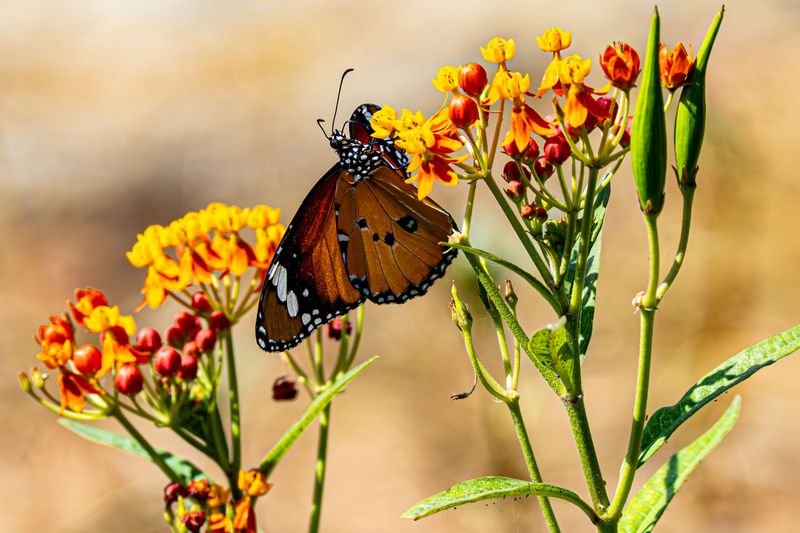
Butterfly Weed is the most electric shade of orange you will ever see in a garden, and it earns that boldness by thriving in conditions that would exhaust most other plants. This native wildflower was made for Virginia summers.
Asclepias tuberosa has a deep taproot that anchors it firmly in dry soil and pulls moisture from well below the surface. That root is the reason it keeps blooming confidently even when the top few inches of soil turn to dust.
Planting Butterfly Weed does more than add color. It gives Monarchs and other pollinators a reliable food source through the season.
The blooms appear in June and July, creating flat-topped clusters of intense orange that catch the eye from across the yard. Swallowtails, fritillaries, and dozens of other butterfly species also visit regularly throughout the season.
One important note: do not move it once it is established. That taproot goes deep and does not survive transplanting well, so choose its permanent spot carefully from the start.
Full sun and dry to average soil are the ideal conditions. Rich, moist soil actually causes problems, so skip the amendments and let it grow lean.
As a low-water perennial that blooms all summer, Butterfly Weed brings both beauty and purpose. Few plants earn their place in a garden this completely.
Little Bluestem Brings Season-Long Beauty Without A Single Watering
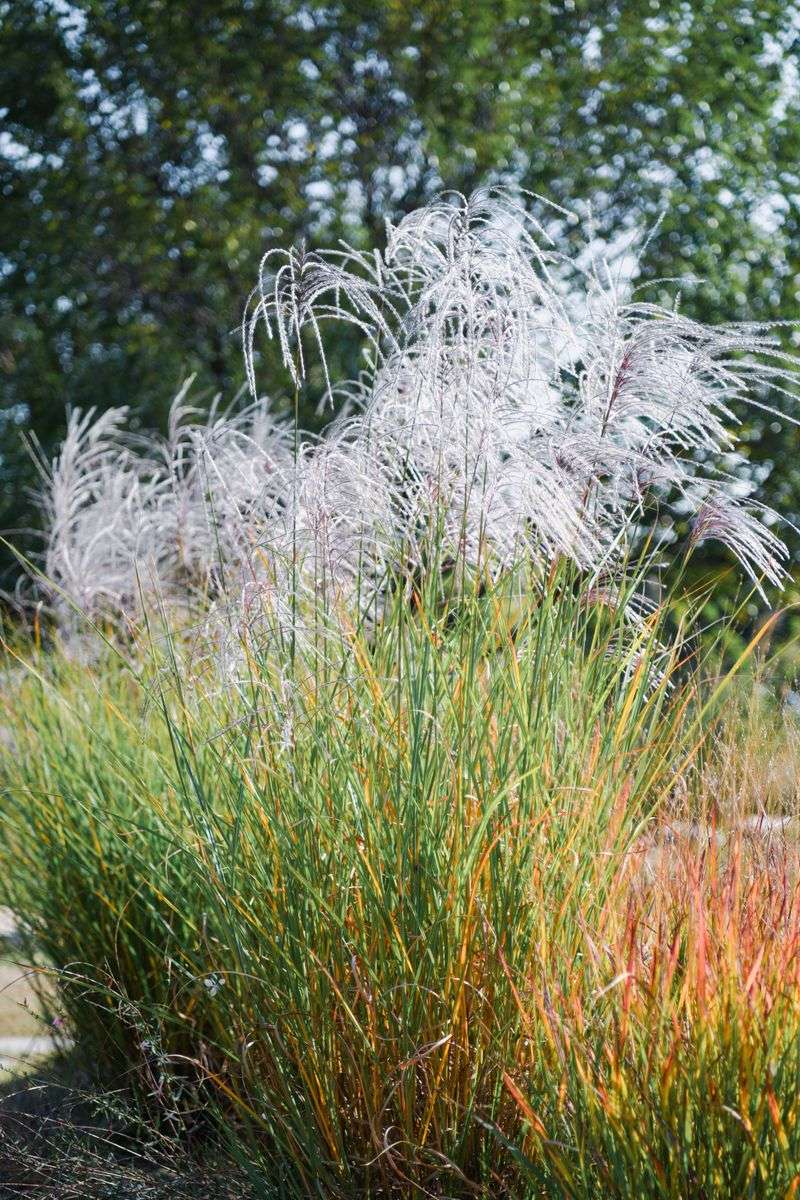
Little Bluestem is proof that grasses can be just as beautiful as any flowering plant in your garden. This native prairie grass shifts from blue-green in summer to a stunning copper-red by fall.
Schizachyrium scoparium is one of the toughest plants native to eastern North America. It evolved on open prairies with baking sun, poor soil, and long dry seasons, which means Virginia summers feel completely manageable to it.
The soft, feathery seed heads emerge in late summer and catch the light in a way that looks genuinely magical during golden hour. That shimmer and movement add a dimension to garden design that flat-leaved plants simply cannot provide.
Plant it in full sun and cut back on irrigation after the first season. Once established, Little Bluestem needs very little supplemental water and actually declines in overly rich or wet soil.
It provides four-season interest, which is a rare and valuable quality in any garden plant. Winter birds feast on the seed heads, and the warm-toned stalks stay upright and attractive through cold months.
Little Bluestem also resists deer browsing, which makes it a practical solution for gardens in areas with heavy wildlife pressure. Its texture and movement make it a natural focal point in any mixed border.
As a low-water perennial that blooms all summer and beyond, Little Bluestem delivers beauty you can count on. It is the quiet, confident anchor every garden needs.