What Bad Trimming Does To Your South Carolina Crape Myrtle, And How To Recover From It
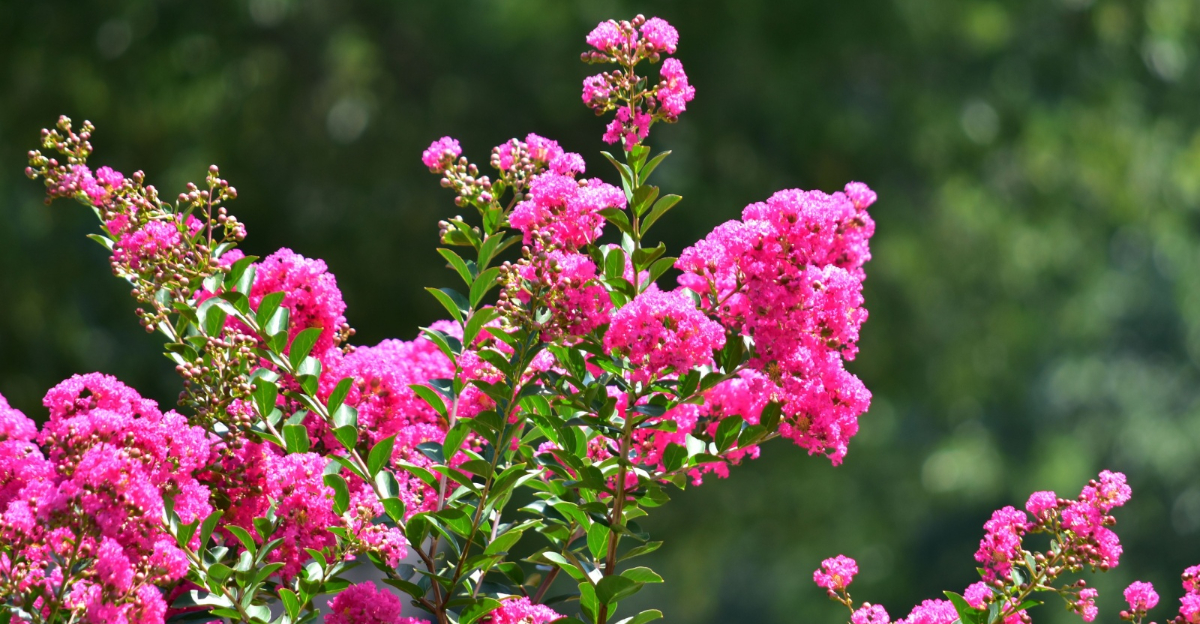
Your crape myrtle is one of the most forgiving trees you can grow in South Carolina. It blooms despite neglect. It handles bad soil. It even pushes through drought.
But there is one thing it cannot shake: years of being pruned the wrong way. You may not have done it yourself.
A previous owner might have. A well-meaning neighbor, a cheap lawn crew, someone with good intentions and bad technique.
The harm does not always show up right away. It hides in plain sight, building season after season into something harder to fix.
Those thick, knobby stubs at the top of the branches? They are not natural. They are wounds. And behind every one of them is a tree that has been quietly fighting back.
Do you know what that kind of harm actually does over time? The answer will change how you see your South Carolina tree forever.
Improper Trimming Is Slowly Ruining Your Crape Myrtle
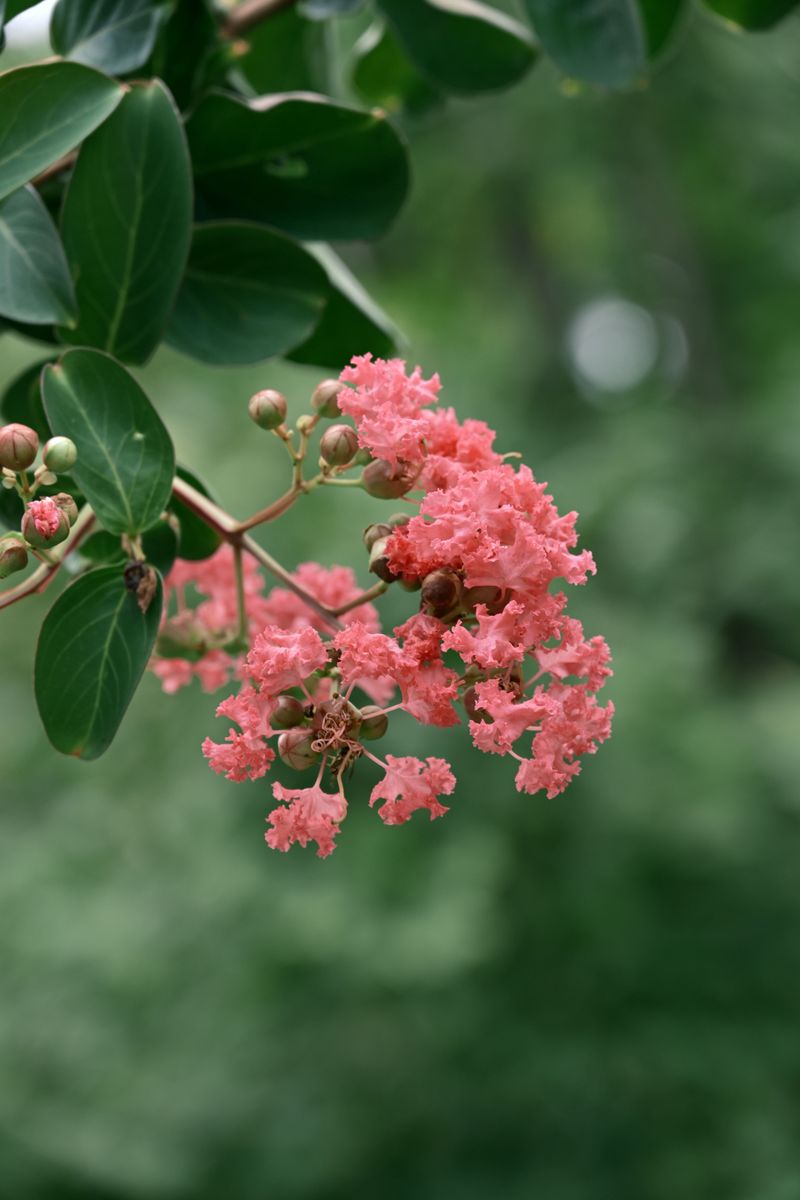
Your crape myrtle did not always look like that. Bad trimming is one of the leading reasons these trees slowly lose their natural shape and beauty over time.
Each year of wrong cuts adds another layer of damage. The tree responds to topping by pushing out weak, crowded shoots from the cut points.
Those shoots grow fast but stay fragile. A single storm can snap them off because they never develop strong wood attachments.
Homeowners often do not notice the decline at first. The tree still leafs out and even blooms, so it seems fine on the surface.
But underneath, the structure is getting worse each season. The canopy becomes denser and more tangled, blocking airflow and light.
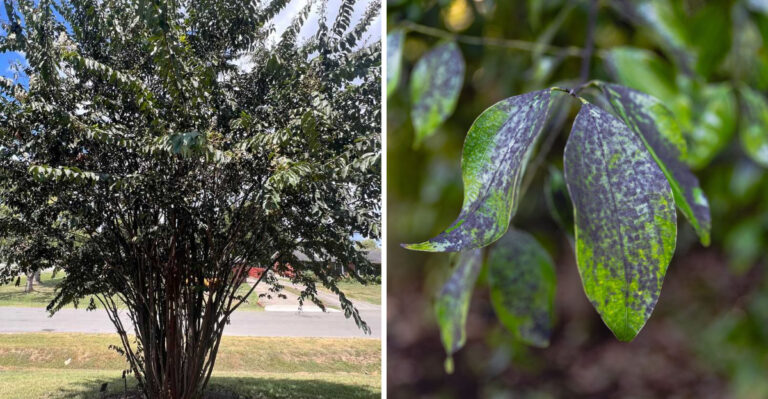
Poor airflow invites powdery mildew and other fungal issues. Crape myrtles in South Carolina already face humid summers, so bad cuts make fungal problems much worse.
The tree also spends energy regrowing what was removed instead of producing healthy blooms. Over several years, flower clusters shrink and the display looks weaker.
Recognizing bad trimming early gives you a real chance to turn things around. The longer you wait, the more seasons of damage you have to undo.
What Crape Topping Does To Your Tree Over Time
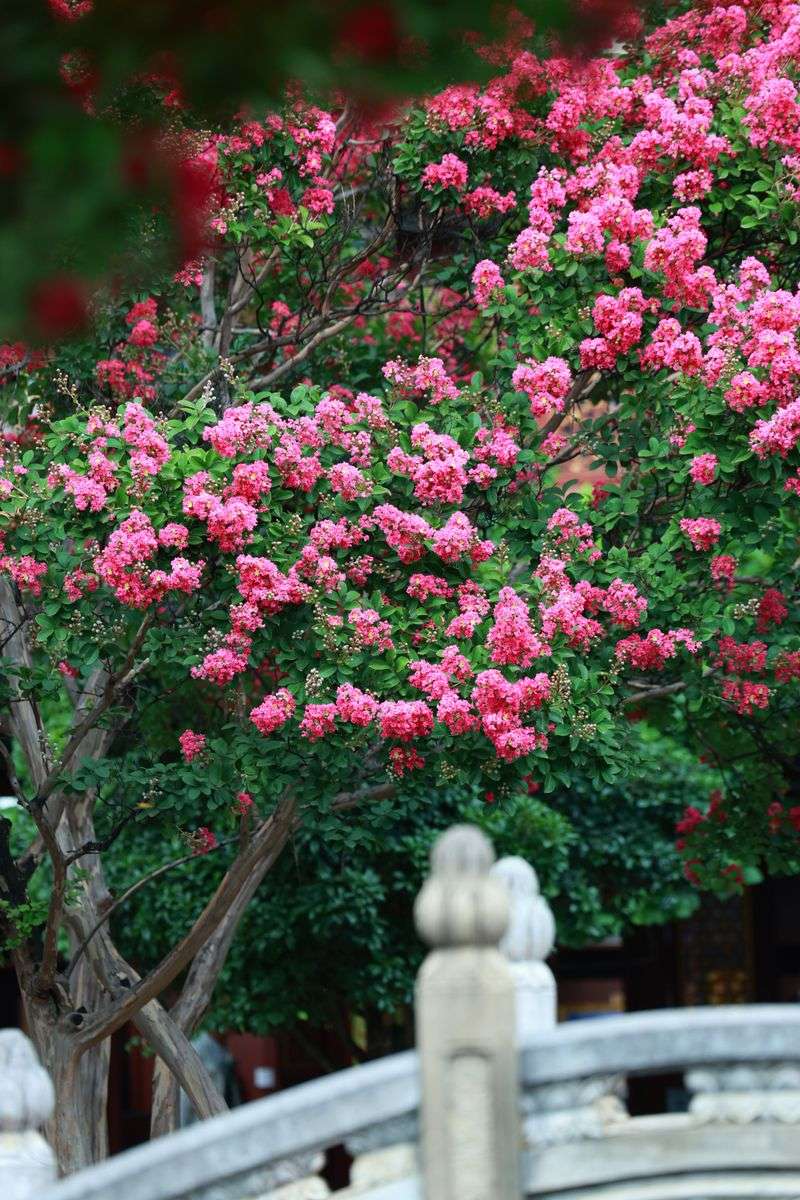
Crape topping is the nickname arborists gave to the act of topping crape myrtles down to thick stubs. It sounds dramatic, but the description is accurate.
When you top a crape myrtle, you remove its natural branching structure all at once. The tree responds by sending out dozens of thin sprouts from every cut point.
Those sprouts are called water sprouts, and they grow remarkably fast. They can shoot up several feet in a single growing season.
Water sprouts look lush at first glance, but they are structurally weak. Their attachment to the wood beneath them is shallow and unstable.
Over time, the cut points harden into swollen knobs. Those knobs get bigger every year as the tree tries to heal wounds that never fully close.
The knobs are not just a cosmetic problem. They are permanent entry points for decay, insects, and disease to move deeper into the tree.
Your South Carolina Garden Changes Every Week. Your Plan Should Too.
Gardening in South Carolina changes quickly throughout the season. Every Friday you’ll receive a simple weekly plan showing exactly what to plant, prune, fertilize, harvest, and protect so you never miss the right timing.
Year after year, the damage compounds quietly. What started as one poor pruning cut becomes a structural problem the tree carries for its entire lifespan.
South Carolina summers put extra stress on already-weakened trees. A crape myrtle dealing with crape topping has fewer resources to fight heat, drought, and pests at the same time.
Wrong Cuts Leave Lasting Marks On Your Crape Myrtle
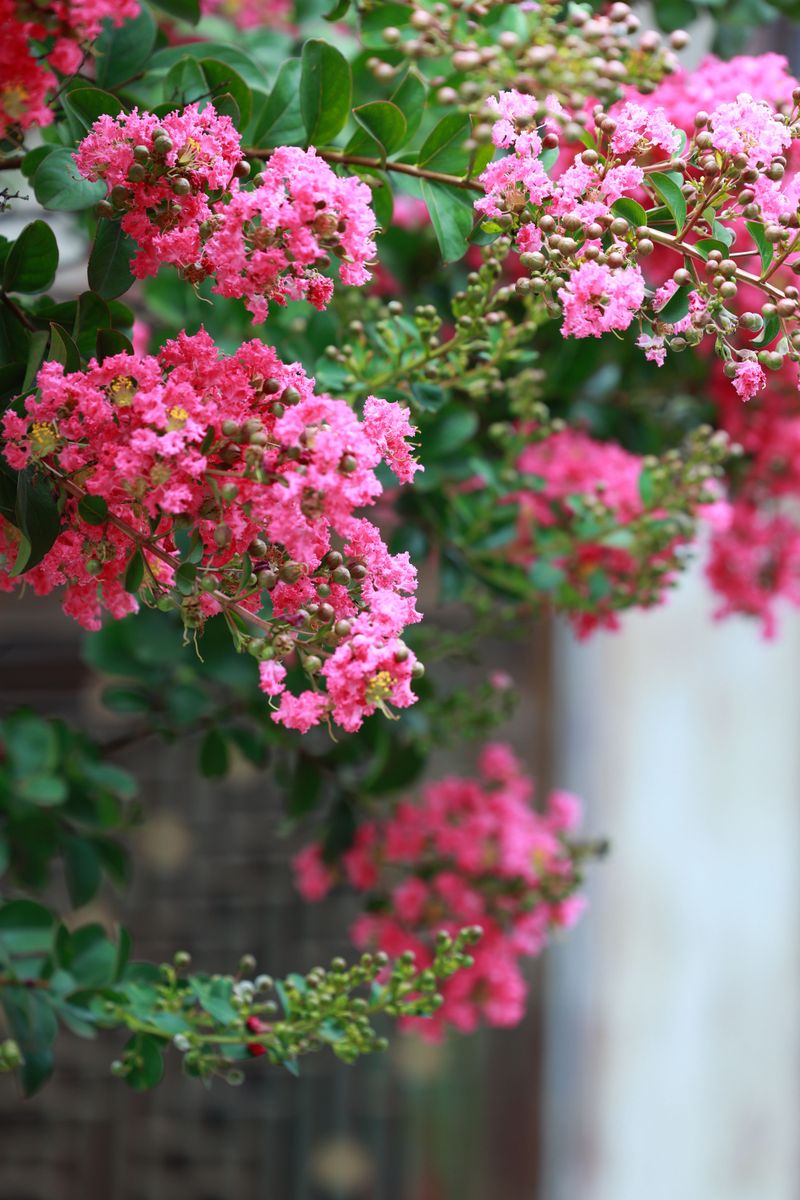
Not all bad pruning looks like topping. Sometimes the damage comes from smaller wrong cuts made in the wrong spots over many years.
Cutting too close to the trunk removes the branch collar, which is the tree’s natural healing tissue. Without that collar, wounds stay open far longer than they should.
Leaving stubs too long creates a different problem. Dry stubs become entry points for wood-boring insects to move into the living part of the tree.
Cutting at the wrong angle causes water to pool on the wound surface. Standing water speeds up rot and softens the wood around the cut.
Each wrong cut leaves a scar that the tree must work around as it grows. Over a decade, those scars change how the tree distributes water and nutrients.
Branches above damaged areas may grow slower or stop thriving altogether. You might notice thinning foliage in certain sections without understanding why it is happening.
Wrong cuts also encourage crossing branches that rub together. Rubbing branches create open wounds that never fully heal, especially in a tree already weakened by years of bad pruning.
The good news is that learning the correct cut location is simple. Making that one change can stop the cycle of lasting damage before it gets worse.
Those Knobby Growths Keep Getting Bigger Each Season
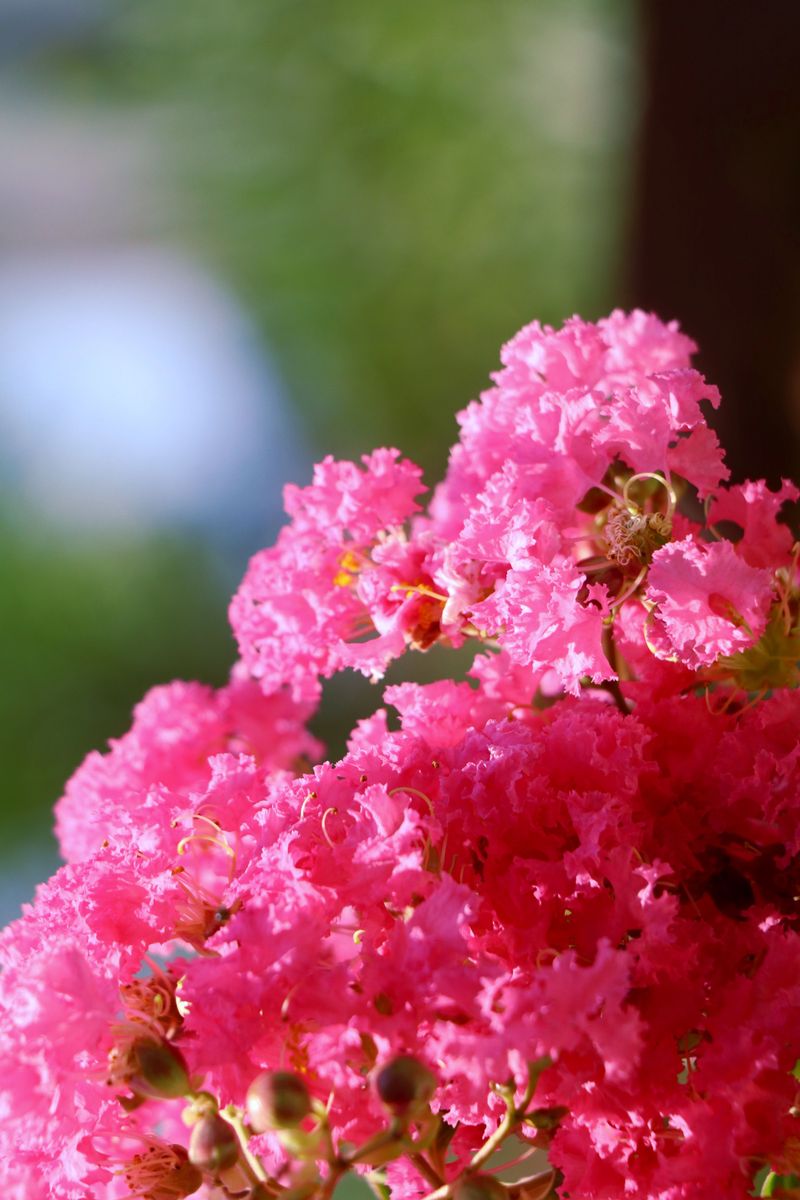
You have probably seen those weird lumpy growths at the ends of crape myrtle branches. They look like fists, and they get bigger every single year.
Those knobs form because the tree tries to callus over a wound that is too large to fully close. The callus tissue builds up in rings around the cut point each season.
Every time the tree gets topped again, a new layer of knob tissue forms on top of the old one. After five or ten years, those knobs can grow larger than a softball.
The knobs themselves are not living, healthy wood. They are scar tissue, and scar tissue does not conduct water or nutrients the way normal wood does.
Branches above large knobs are essentially running on a restricted supply line. That is why you often see weak, pale growth coming from heavily knobbied trees.
The clusters of thin sprouts that grow from knobs are also a visual problem. They look messy, grow in every direction, and make the tree look unkempt year-round.
Removing the sprouts without addressing the knobs just starts the cycle over again. The knobs send out new sprouts within weeks of being cut back.
Once knobs form, they cannot be fully reversed. Catching the problem early is the only way to keep your crape myrtle looking clean and natural.
The Right Time And Way To Prune Crape Myrtles In South Carolina
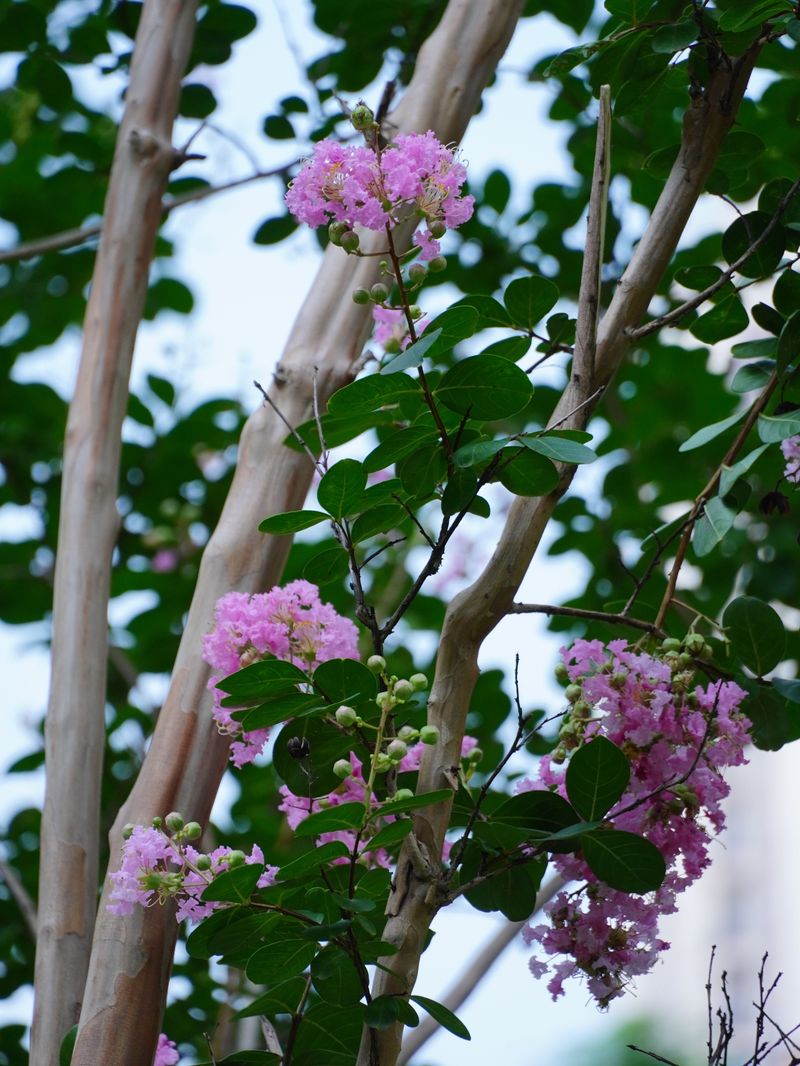
Timing matters more than most people think when it comes to pruning crape myrtles. The best window in South Carolina is late winter, just before new growth begins.
Pruning in late February or early March gives the tree time to respond before the heat arrives. You can see the branch structure clearly without leaves getting in the way.
Never prune during a heat wave or drought. Stressed trees heal much slower, and open wounds during summer invite insects and fungal spores.
When you do prune, focus on removing only what needs to go. Crossing branches, weak wood, and small twiggy growth at the base are the right targets.
Always cut just outside the branch collar, not flush with the trunk. That small ridge of tissue is where the tree’s healing response lives.
Use sharp, clean bypass pruners for smaller branches. Dull blades crush tissue instead of cutting it cleanly, which slows healing and leaves ragged edges.
For larger branches, a pruning saw gives you better control than loppers. Smooth cuts heal faster and resist decay better than torn or splintered wood surfaces.
South Carolina gardeners who follow proper timing and technique see healthier blooms and stronger branch structure every year. The right approach pays off quickly and keeps your crape myrtle thriving.
Gentler Pruning Methods Keep Your Crape Myrtle Healthy And Beautiful
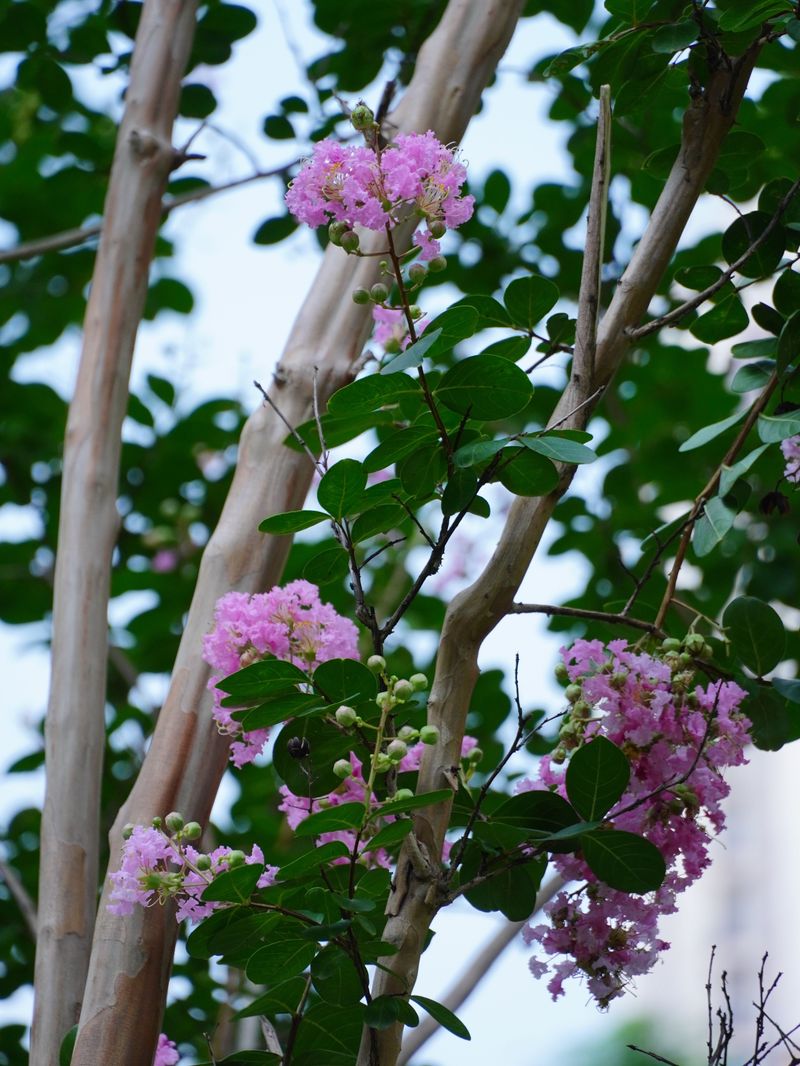
Gentle pruning is not about doing less work. It is about doing the right work in the right places at the right time.
Selective pruning means removing only branches that cause a specific problem. That approach preserves the tree’s natural shape while improving airflow and light penetration.
Thinning out crowded interior branches is one of the most effective gentle techniques. It opens the canopy without changing the overall silhouette of the tree.
Removing suckers from the base is another low-impact task that makes a big difference. Suckers steal energy from the main trunk and clutter the base of the tree.
Removing spent flower clusters after blooming may encourage a second flush of color in some cultivars. Simply snip just below the old bloom head without cutting into healthy woody growth.
Gentle pruning also means knowing when to put the tools down. If a branch is not causing a problem, leaving it alone is often the best choice you can make.
Over time, a crape myrtle that receives thoughtful pruning develops a graceful, layered canopy. The natural branching pattern becomes one of its most attractive features in all four seasons.
Switching to gentler methods now can transform how your tree looks within just two or three growing seasons. Patience and precision always beat aggression when it comes to crape myrtles.
A Crape Myrtle Can Recover From Years Of Harmful Pruning
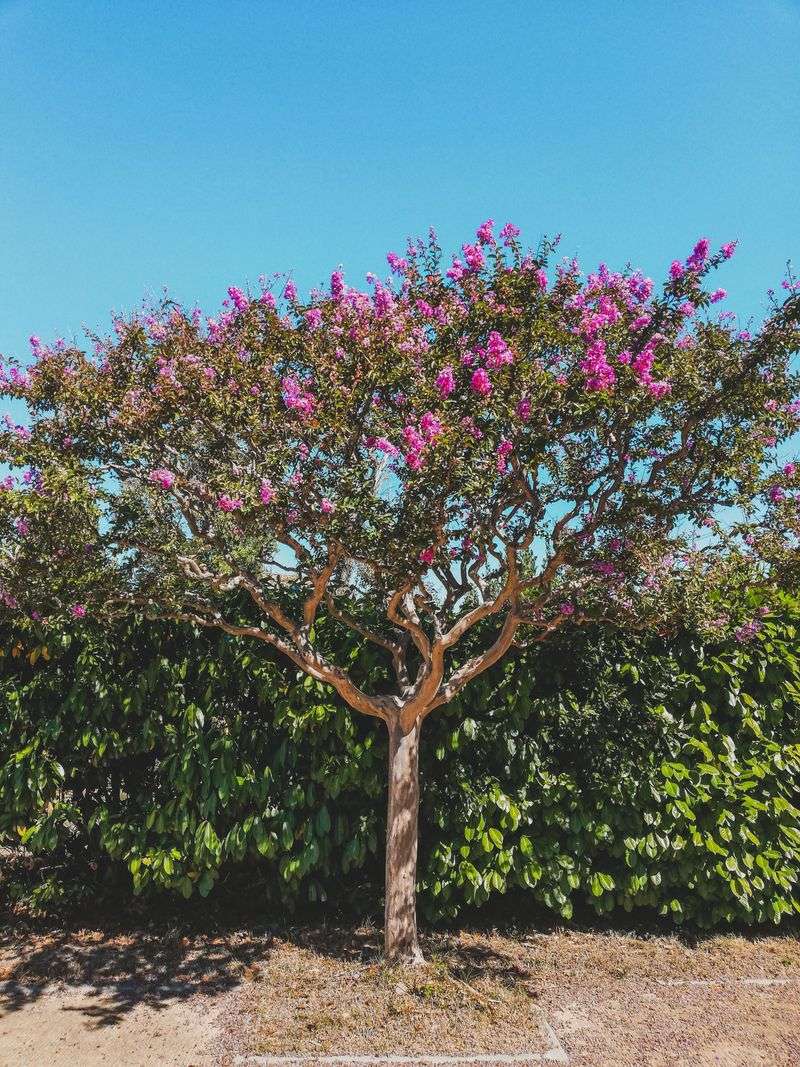
Here is something encouraging to hold onto: crape myrtles are resilient trees. Even after years of bad trimming, most of them have enough strength to bounce back.
Recovery starts with stopping the harmful habits first. No more topping, no more flush cuts, no more late-season pruning that removes next year’s bloom buds.
Once you stop the damage cycle, the tree can redirect energy toward healthy growth. New branches that grow from proper cuts will have better structure than the old water sprouts.
Corrective pruning helps speed up recovery. You can gradually remove the worst knobs by cutting back to a healthy lateral branch just below the damaged area.
Do not try to fix everything in one season. Removing too much at once shocks the tree and slows the recovery you are trying to achieve.
Spread corrective work over two or three years for the best results. Each season, focus on one or two problem areas rather than overhauling the whole tree at once.
Feeding your crape myrtle with a slow-release fertilizer in early spring supports overall tree health, which helps it manage stress more effectively. A well-nourished tree also repairs itself faster.
Bad trimming does real damage, but it rarely causes permanent or irreversible decline in your crape myrtle. With steady, thoughtful care, your tree can reclaim its natural beauty season by season.