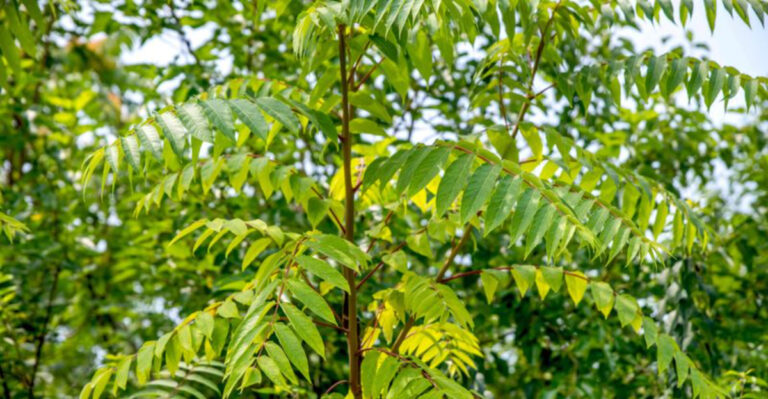
8 Budget-Friendly Plants Worth Growing In South Carolina Gardens
Nobody said your grocery bill has to keep climbing while your backyard sits empty. South Carolina hands gardeners a rare gift: long growing seasons, forgiving soil, and weather that practically does half the work for you.
The catch? Most people still waste money on plants that struggle here, sulking through humid summers or bolting the second temperatures spike.
Skip that guessing game. A handful of crops thrive in this climate with almost no coaxing, stretching every seed packet and seedling into pounds of real food.
These eight picks turn a small investment into a genuinely impressive return, no matter how much space you’re working with. Ready to see which plants actually earn their spot in your soil?
1. Tomatoes
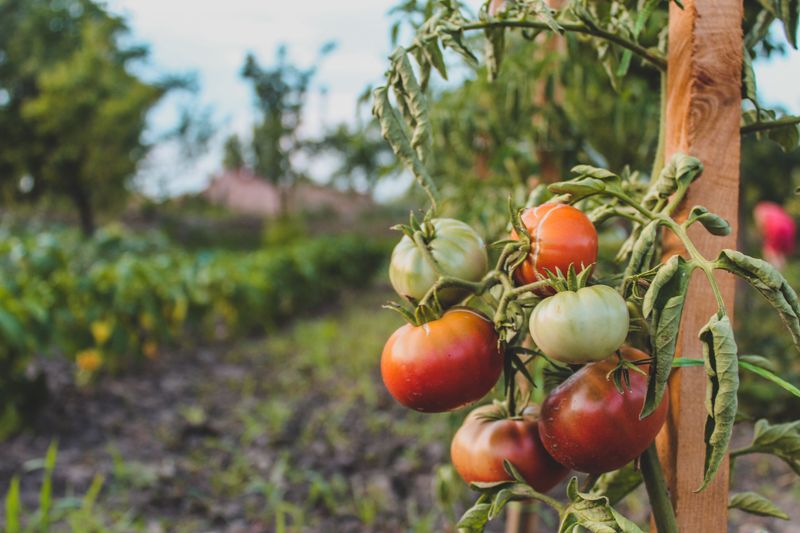
Walking outside and picking a warm, sun-ripened tomato straight off the vine is one of gardening’s simplest pleasures. Tomatoes are one of the most rewarding budget-friendly plants for South Carolina gardens.
A single packet of seeds can produce dozens of plants, each capable of yielding eight to ten pounds of fruit under good conditions.
The warm, humid climate here is practically tailor-made for tomatoes. Varieties like Cherokee Purple, Celebrity, and Better Boy thrive without much fuss from late spring through early fall.
Starting from seed indoors about six to eight weeks before the last frost saves even more money. Transplanting sturdy seedlings gives you a head start on the growing season.
Tomatoes do love water consistency, so a simple drip irrigation setup helps prevent blossom-end rot. A layer of mulch around the base keeps moisture locked in and weeds locked out.
Caging or staking your plants early prevents broken stems later. A basic wire cage from any hardware store gets the job done beautifully without breaking the bank.
Once your harvest starts rolling in, the abundance can feel almost overwhelming. Freeze extras, make sauce, or share with neighbors to keep nothing going to waste.
Tomatoes also attract pollinators, which benefits every other plant nearby. Growing them is one of the smartest, most satisfying investments any home gardener can make.
2. Peppers
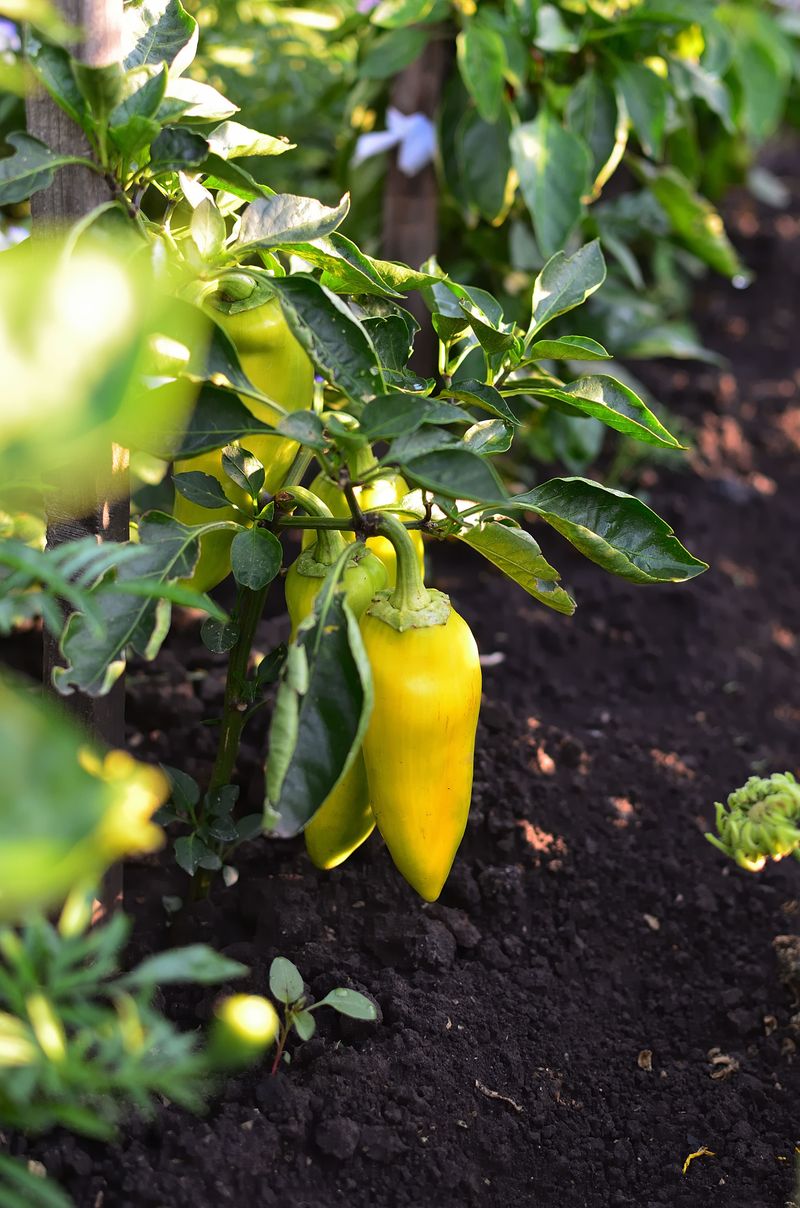
Peppers are stubborn in the best possible way. Once they settle into warm soil, they produce fruit from summer all the way through the first cool snap of autumn.
A single healthy jalapeño or hot pepper plant can yield twenty-five to thirty-five peppers across one season, while sweet bell peppers typically produce five to ten.
Sweet bell peppers, banana peppers, and jalapeños all perform well in this region. The long hot summers push pepper plants into overdrive, creating bold flavor and impressive harvests.
Plant them in full sun and well-drained soil for the best results. They do not like having wet roots, so raised beds or slightly elevated ground works wonderfully for them.
Spacing plants about eighteen inches apart gives each one room to branch out. A small cage or stake keeps heavy-laden branches from snapping under the weight of all that fruit.
Peppers are also remarkably drought-tolerant once established. During dry stretches, they hold their ground far better than many other vegetables in the garden.
Your South Carolina Garden Changes Every Week. Your Plan Should Too.
Gardening in South Carolina changes quickly throughout the season. Every Friday you’ll receive a simple weekly plan showing exactly what to plant, prune, fertilize, harvest, and protect so you never miss the right timing.
Preserving peppers is incredibly simple and extends your harvest for months. Pickling, freezing, or drying them takes minimal effort and fills your pantry with homegrown flavor all winter.
Growing peppers alongside tomatoes and basil creates a natural companion planting system. That combination can reduce pest pressure and improve overall plant health without spending an extra cent.
3. Cucumbers
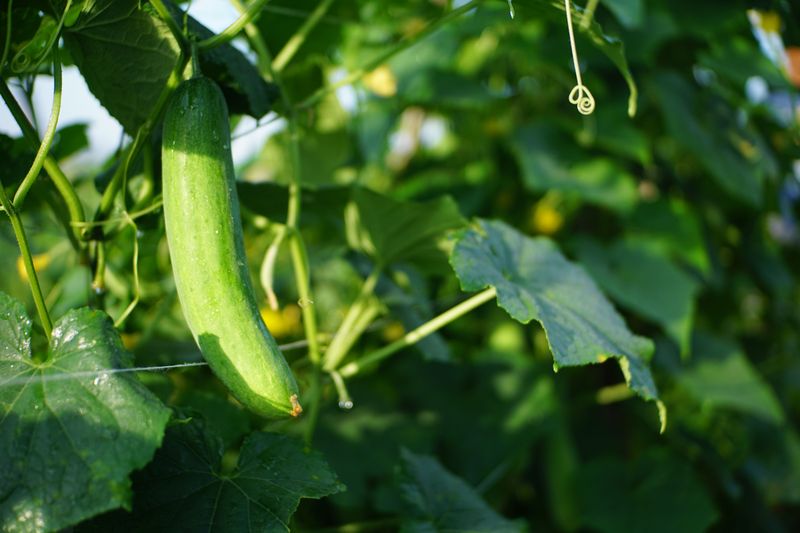
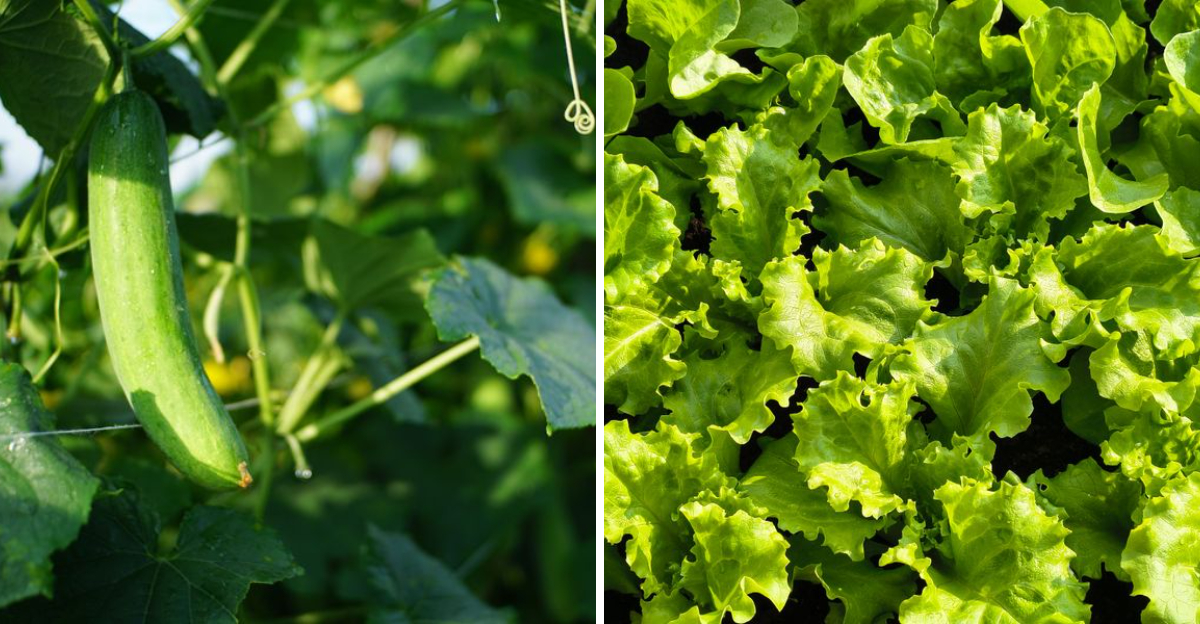
Cucumbers grow so fast you can almost watch them move. Plant a seed in warm soil and within two months you’ll have a steady supply of crisp, cool cucumbers.
Cucumbers deliver more harvest per dollar spent than almost anything else in the garden. One healthy plant can produce twenty to thirty cucumbers in a single season.
Varieties like Marketmore and Straight Eight are proven performers in hot, humid conditions. They resist common fungal diseases better than older heirloom types, which matters a lot here.
Training cucumber vines up a simple trellis saves ground space and improves air circulation. Better airflow means fewer disease problems and a longer, more productive growing window.
Cucumbers need consistent watering to prevent bitter-tasting fruit. A deep soak two or three times per week keeps plants happy without overcomplicating your routine.
Harvesting frequently actually encourages the plant to keep producing. Leaving mature cucumbers on the vine too long signals the plant to slow down, so pick early and pick often.
Fresh cucumbers shine in salads, sandwiches, and cold water infusions. Pickling excess cucumbers is an old tradition that turns your summer surplus into a winter treasure.
The cost of growing cucumbers from seed is remarkably low. High yield, low investment, and easy care make cucumbers one of the smartest choices for any home gardener on a tight budget.
4. Asparagus
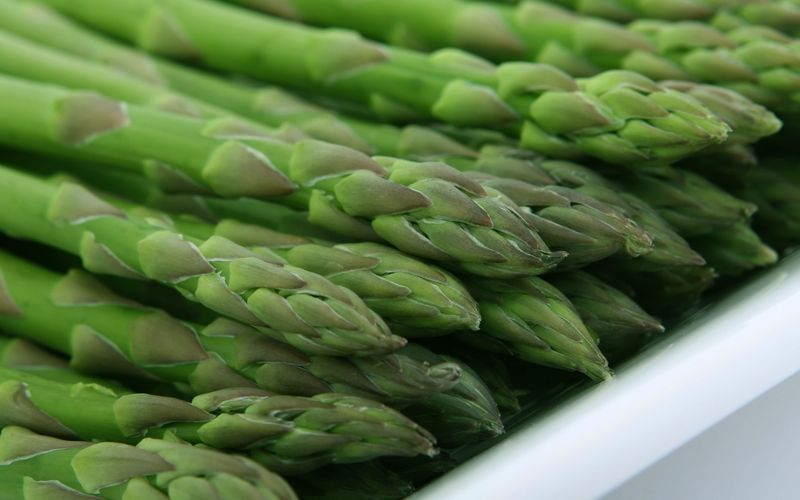
Asparagus is the long game of home gardening, and it pays off beautifully. Plant it once and it will reward you with fresh spears every spring for twenty years or more.
The upfront investment is slightly higher than annuals, but the math works heavily in your favor. A bundle of crowns comes at a modest upfront cost and produces for decades.
Jersey Knight and Jersey Supreme are top-performing varieties for warmer climates. They tolerate heat better than older strains and produce thick, tender spears that taste nothing like the canned version.
Asparagus needs deep, well-prepared soil and excellent drainage to establish strong roots. Mixing compost into the planting bed before setting crowns makes a noticeable difference in long-term productivity.
Patience is the one real requirement with asparagus. You skip harvesting the first two years so the plant can build the root energy it needs to feed you for generations.
By year three, spears emerge in early spring before most other garden plants even wake up. That early harvest window fills a gap when fresh produce is otherwise scarce and expensive.
Asparagus ferns grow tall and feathery after harvest season ends. Those ferns are feeding the roots below, so let them grow all summer and cut them back only in late fall.
Asparagus offers a return most other garden investments simply can’t match over time. Plant it this year, and it will keep rewarding you every spring for years to come.
5. Onions
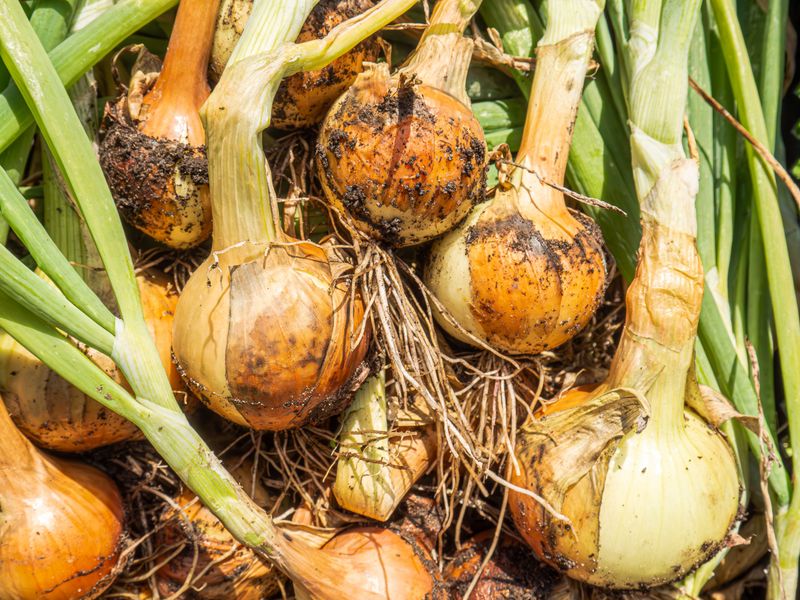
Onions are a smart pick for nearly every home garden. They are inexpensive to grow, endlessly useful in the kitchen, and surprisingly simple to manage from planting to harvest.
Starting from onion sets rather than seeds gives you a faster, more reliable harvest. A bag of sets is inexpensive and contains enough to plant a generous row.
Short-day varieties like Texas Super Sweet and Vidalia-style onions are the right choice for this region. They bulb up beautifully during the shorter winter days when grown as a cool-season crop.
Plant sets in fall or early spring for the best results. The mild winters here allow onions to establish roots slowly and build impressive bulbs by late spring.
Onions are one of the most hands-off vegetables you can grow. Once planted, they need little more than occasional watering and a light feeding of balanced fertilizer mid-season.
Harvesting is easy to time because the plants tell you when they are ready. When the tops fall over naturally and begin to dry, it is time to pull the bulbs and let them cure.
Curing onions in a dry, shaded spot with good airflow extends their shelf life for months. A properly cured onion stored in a cool pantry can last well into winter without losing quality.
Growing your own onions cuts down on one of the more frequent items on your grocery list. The savings add up faster than most gardeners expect.
6. Rhubarb
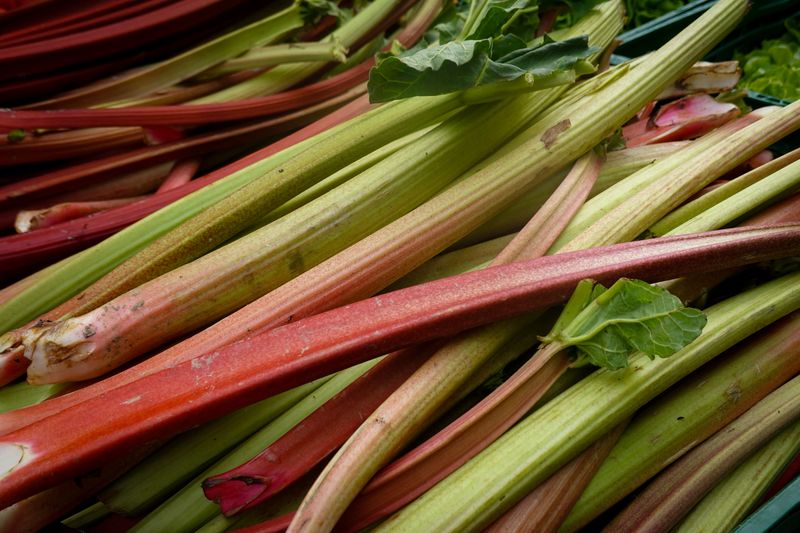
Rhubarb has an old-fashioned charm that modern gardeners are rediscovering fast. Its bold red stalks and enormous leaves make it a striking presence in any garden bed.
Rhubarb is a perennial in cooler climates, though in South Carolina’s heat and humidity it often struggles to persist long-term and may need to be treated more like a short-lived crop or grown in a cooler, shaded microclimate with well-drained soil.
Rhubarb needs a real cold period to grow well, which makes it a tricky crop for South Carolina’s mild winters and hot summers. Choosing the coolest, shadiest spot in the garden and providing afternoon shade gives it the best chance of surviving here.
The stalks are tart, almost shockingly so, which makes them perfect for jams, pies, and sauces. Pairing rhubarb with strawberries is a classic combination that turns simple ingredients into something extraordinary.
Only the stalks are edible since the leaves contain compounds that make them unsafe to consume. Always harvest by cutting or snapping stalks close to the base, never pulling the crown.
Avoid harvesting too heavily in the first year to let the plant establish properly. By year two, you can harvest freely without worrying about stressing the root system.
Rhubarb is relatively pest-resistant, which helps offset the extra care it needs to handle South Carolina’s climate.
7. Bush And Pole Beans
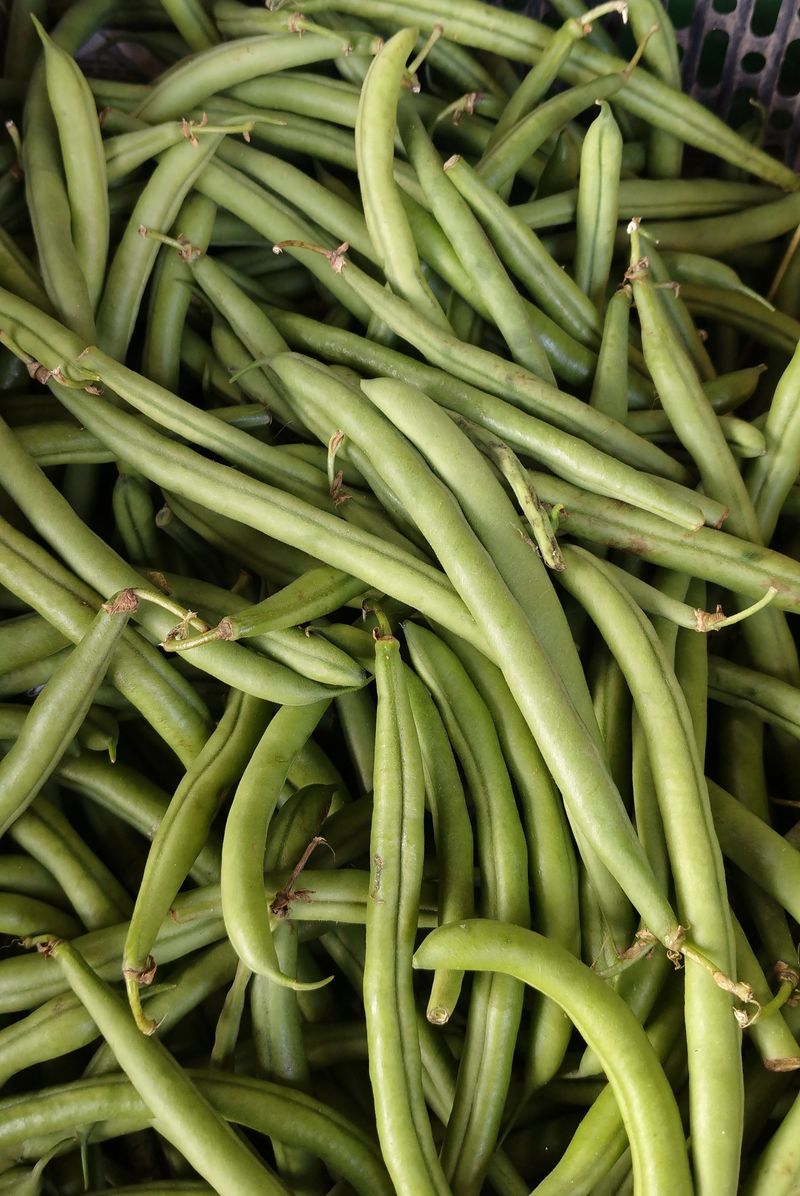
Beans are the workhorses of the vegetable garden, and they ask for very little in return. Toss seeds into warm, loose soil and step back because they take care of the rest.
Bush beans and pole beans both perform brilliantly in the long warm season here. Bush types produce all at once, while pole beans spread their harvest over a longer period.
A single pound of bean seeds is cheap to buy and plants a generous stretch of garden. The return on that investment comes back many times over in pounds of fresh beans.
Beans fix nitrogen from the air directly into the soil as they grow. That natural soil enrichment benefits whatever you plant in that spot the following season, saving money on fertilizer.
Direct sowing works best with beans since they dislike having their roots disturbed. Push seeds an inch into the soil, space them about four inches apart, and water them in well.
Pole beans need a trellis or stake system, but a simple setup of bamboo poles and twine works perfectly. The vertical growing habit also saves ground space for other crops.
Harvest beans when pods feel firm and snap cleanly. Picking frequently keeps plants producing aggressively, so check your rows every two to three days during peak season.
Blanching and freezing extra beans preserves your harvest for months with minimal effort. Beans are about as easy and forgiving as crops get for a first-time gardener.
8. Lettuce
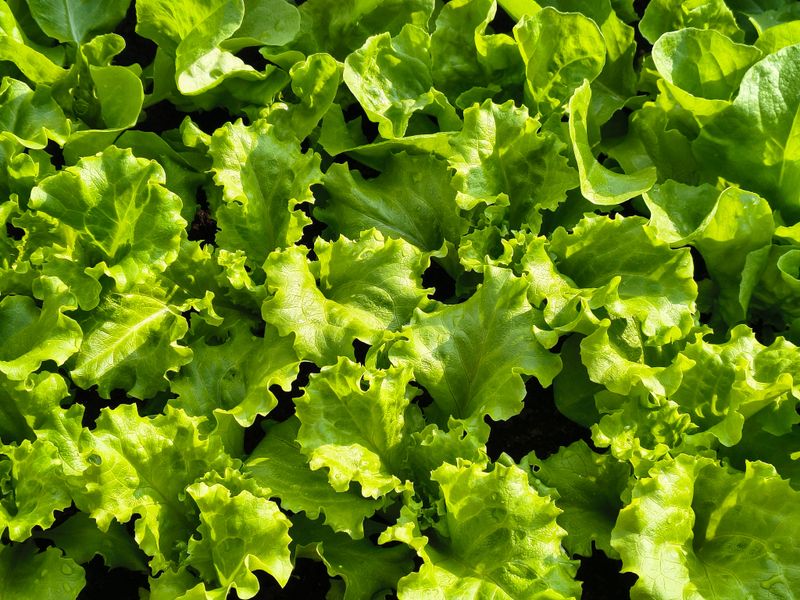
Lettuce is one of the fastest payoffs in the entire garden. From seed to salad bowl, some varieties are ready in as little as thirty days.
Loose-leaf types like Black Seeded Simpson and Red Sails are especially well-suited to this climate. They tolerate mild frosts, making them ideal for both fall and spring growing seasons.
A packet of lettuce seeds costs very little and contains hundreds of seeds. That math makes homegrown salad greens one of the cheapest foods you can possibly produce.
Succession planting every two weeks keeps a steady supply of tender young leaves coming all season. Stagger your sowings and you will rarely go without fresh greens from late winter through early summer.
Lettuce prefers cool weather and begins to bolt in the heat of summer. Planting in partial shade during warmer months extends the harvest window significantly before the heat takes over.
The cut-and-come-again method stretches each planting even further. Snip outer leaves and let the center keep growing, and one plant will feed you multiple times before it finishes.
Growing lettuce in containers works just as well as growing it in ground beds. A wide, shallow pot on a shaded porch keeps greens close to the kitchen and easy to manage.
Lettuce is an easy pick for any budget-conscious South Carolina garden. Fast, affordable, and endlessly satisfying, it is the perfect starting point for any new gardener ready to grow their own food.