Think Twice Before Planting This Shrub In South Carolina
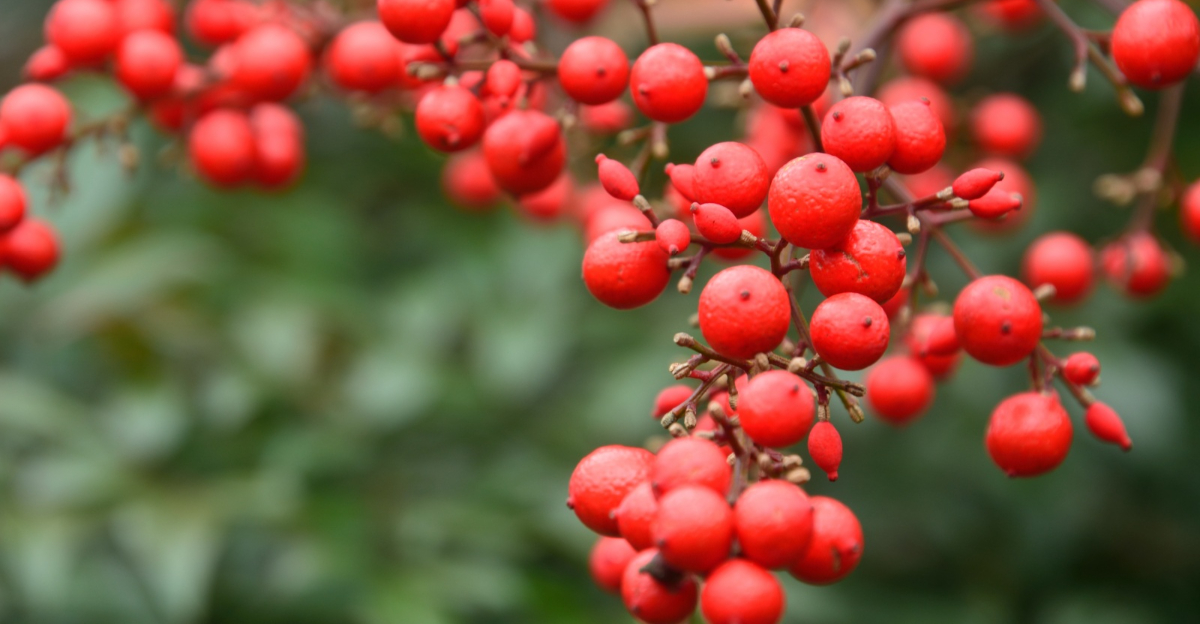
Have you ever fallen for a pretty face in a garden center? You know the moment. You round the corner past the petunias, and there it sits: glossy, and draped in cheerful red berries like it just stepped out of a Southern Living spread.
It whispers low-maintenance and year-round color, and honestly, who among us hasn’t been charmed by worse?
But here in South Carolina, the soil is generous and the growing season never really sleeps. That kind of hospitality has a way of attracting the wrong crowd. Some plants are less a garden guest and more an uninvited houseguest who eats your food, takes over your living room, and poisons your dog.
Before you swipe your card and load that little shrub into your trunk, know this: the nursery tag is not exactly telling you the whole story.
There are a few things about this particular botanical heartbreaker that deserve a closer look before it ever touches your soil.
1. Toxic Berries To Birds
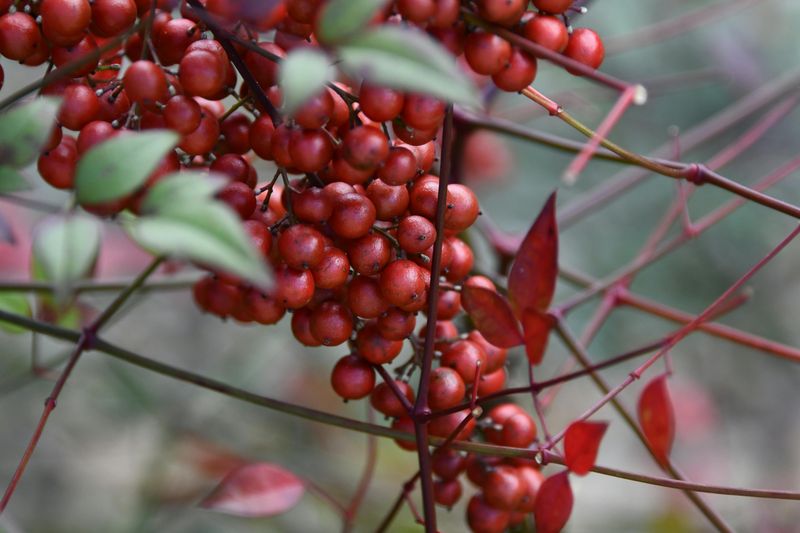
Most people plant this shrub because the berries look stunning.
Those clusters of bright red berries add color to a yard in winter, and that visual appeal is hard to argue with.
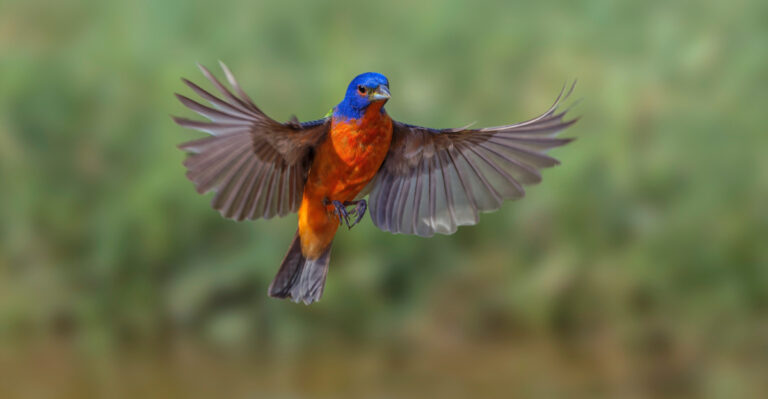
But those same berries are a serious hazard to birds, especially cedar waxwings found to have suffered fatal toxicity after feeding on Nandina plants in residential yards.
Birds that eat large quantities of these berries can experience fatal respiratory failure.
South Carolina is home to a wide variety of bird species, many of which migrate through the region or overwinter here.
Those birds are naturally drawn to red berries in the colder months when food is scarce.
Swapping this shrub for a native alternative like beautyberry or winterberry holly gives birds a safe, nutritious food source. Those plants support local wildlife without the hidden risk.
It is also worth noting that Nandina berries are toxic to dogs and cats, and can cause illness in humans if eaten in quantity.
For households with pets or young children, that is an additional reason to think carefully before planting it.Those plants support local wildlife without the hidden risk.
If bird-friendly gardening matters to you, this is one of the most important reasons to reconsider Nandina before planting it anywhere in South Carolina.
2. Crowds Out Native Plants
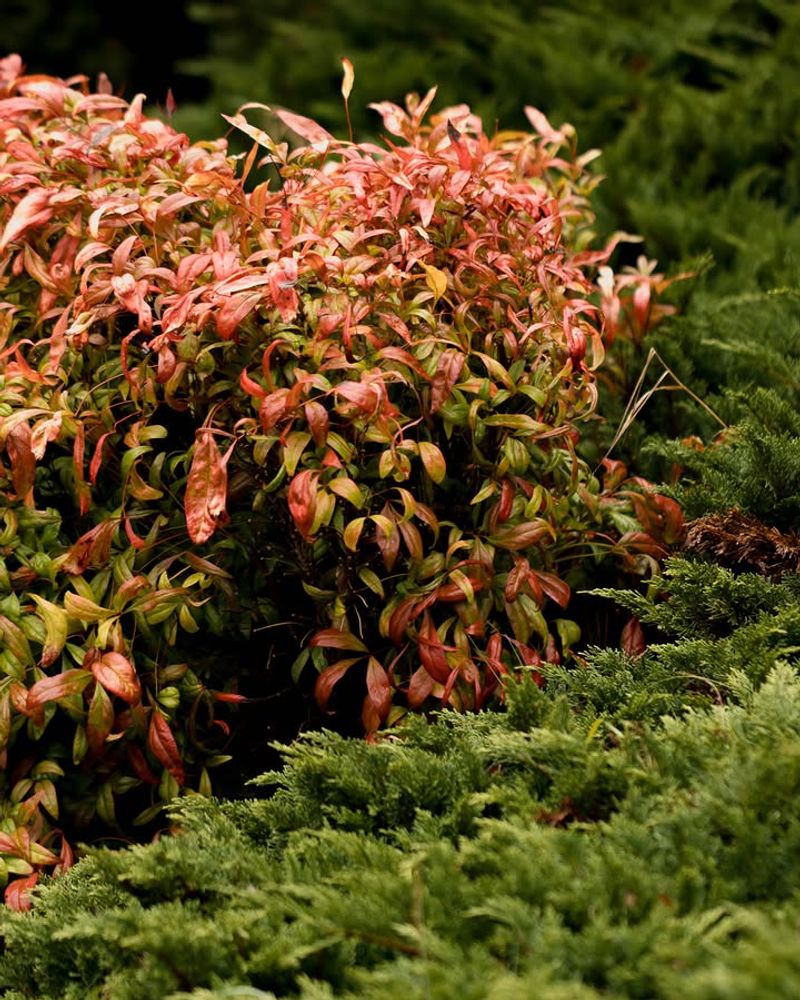
Native plants in South Carolina have spent thousands of years developing relationships with local insects, birds, and soil organisms.
When an aggressive non-native shrub moves in, it does not play by those rules.
Nandina is particularly good at shading out low-growing native plants and taking over the understory layer of a garden or woodland edge.
Spotted growing densely along roadsides and in natural areas across the Southeast, this shrub forms thick stands that block sunlight from reaching the ground.
Plants like trillium, wild ginger, and native ferns struggle to survive underneath a dense Nandina canopy.
Once those native plants disappear from an area, the insects and animals that depend on them often follow.
Your South Carolina Garden Changes Every Week. Your Plan Should Too.
Gardening in South Carolina changes quickly throughout the season. Every Friday you’ll receive a simple weekly plan showing exactly what to plant, prune, fertilize, harvest, and protect so you never miss the right timing.
South Carolina has a remarkable diversity of native flora, much of which is already under pressure from habitat loss and development.
Adding an invasive shrub to the mix accelerates that pressure in ways that are hard to reverse.
Recovery can take many years even with active restoration efforts.
Replacing Nandina with native shrubs like Virginia sweetspire or oakleaf hydrangea keeps the understory layer healthy and productive.
Those plants feed caterpillars, support pollinators, and fit naturally into South Carolina ecosystems.
The visual payoff is just as good, and the ecological benefit is enormous.
3. It Starts Spreading Before You Notice
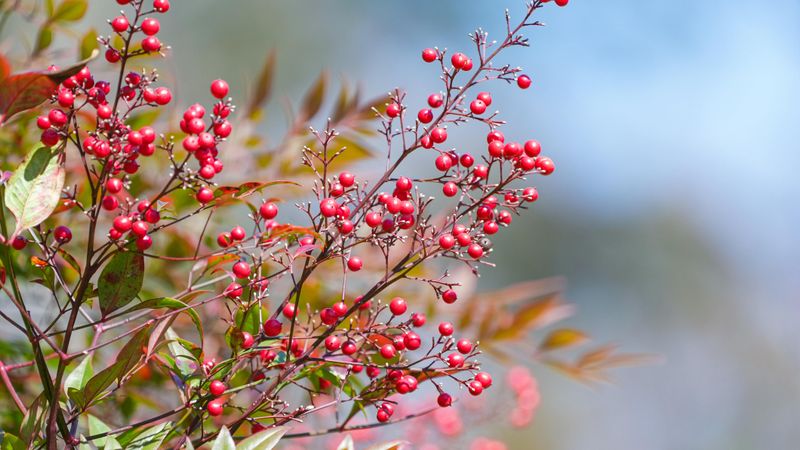
Planting one Nandina shrub can feel harmless enough at first. It sits in its spot, looks tidy, and seems perfectly well-behaved for a season or two.
Then you start noticing something odd. A small sprout appears a few feet away.
Then another along the fence line. Then a cluster of them in a corner you never planted anything.
This is not a coincidence. Nandina spreads quietly and consistently, and by the time most gardeners notice, it has already claimed more ground than intended.
Birds eat the berries and deposit seeds nearby, but the shrub also expands through its own root system, sending up new canes from the base and gradually widening its footprint season after season.
In South Carolina’s long growing season, that process moves faster than you might expect.
What starts as a single accent plant can become a spreading mass that edges out everything around it within just a few years. Perennials get crowded, smaller shrubs lose light, and the original planting vision for the space quietly disappears.
Catching this early is the only real advantage a gardener has. Once Nandina gets comfortable in South Carolina soil, reclaiming that space takes considerably more effort than preventing the spread in the first place.
4. Difficult To Fully Remove
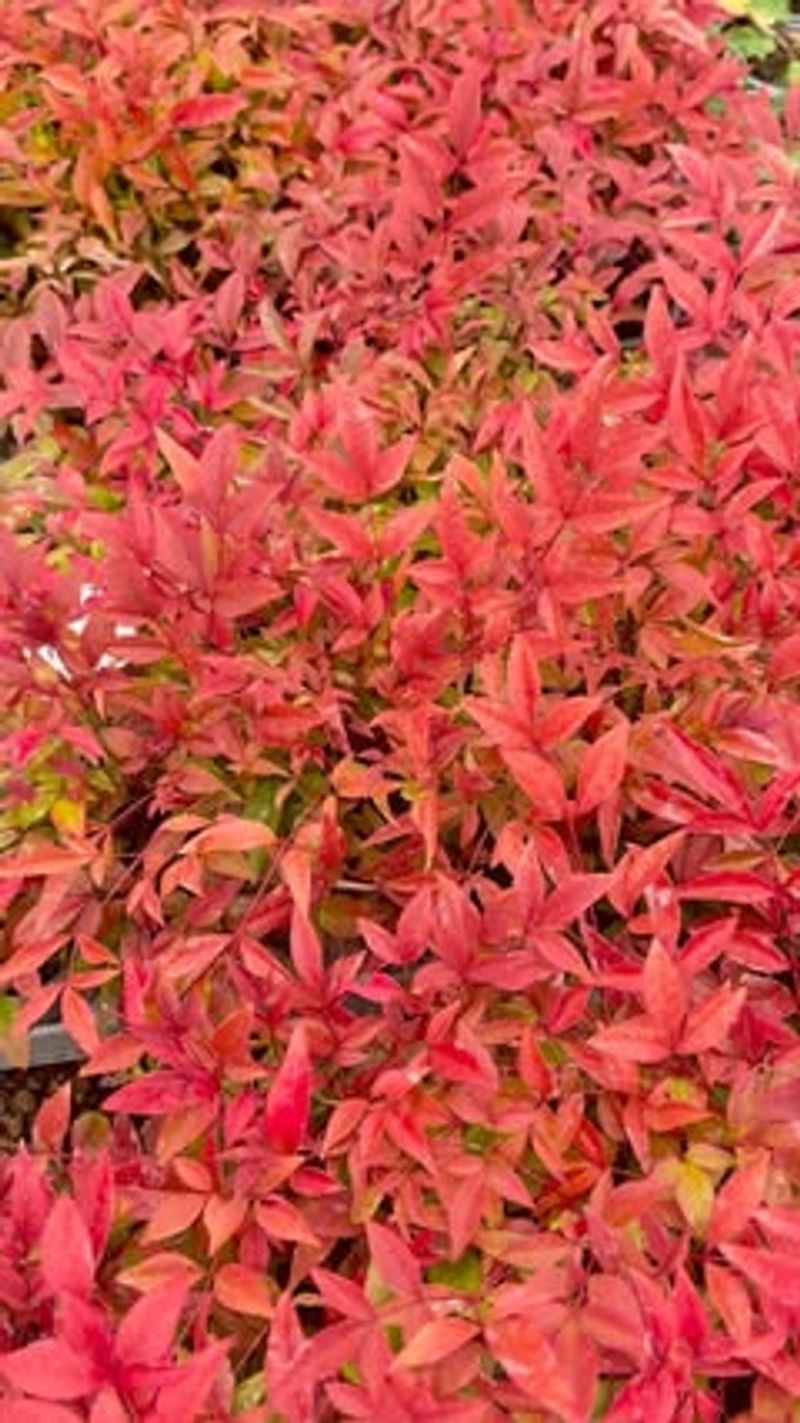
Once you decide you want this shrub gone, the work is just getting started.
Nandina does not come out easily, and many homeowners in South Carolina have spent entire weekends trying to remove a single established plant.
The roots run deep and branch out in ways that make clean removal genuinely frustrating.
Cutting the shrub down to the ground is not enough.
New shoots will emerge from the remaining root mass within weeks, sometimes looking more vigorous than the original plant.
Repeated cutting without full root removal just delays the problem and can actually encourage denser regrowth over time.
Chemical treatment is sometimes used, but it requires multiple applications and careful timing to be effective.
Even then, some root systems survive and send up new growth the following season.
Gardeners who have dealt with established Nandina often describe the removal process as one of the more stubborn removal jobs in the garden.
The difficulty of removal is a strong reason to think carefully before ever planting this shrub in the first place.
In South Carolina’s warm climate, plants like Nandina establish quickly and grow year-round, which gives the root system plenty of time to entrench itself deeply.
An informed choice now saves a lot of labor later.
5. What It Leaves Behind In Your Soil
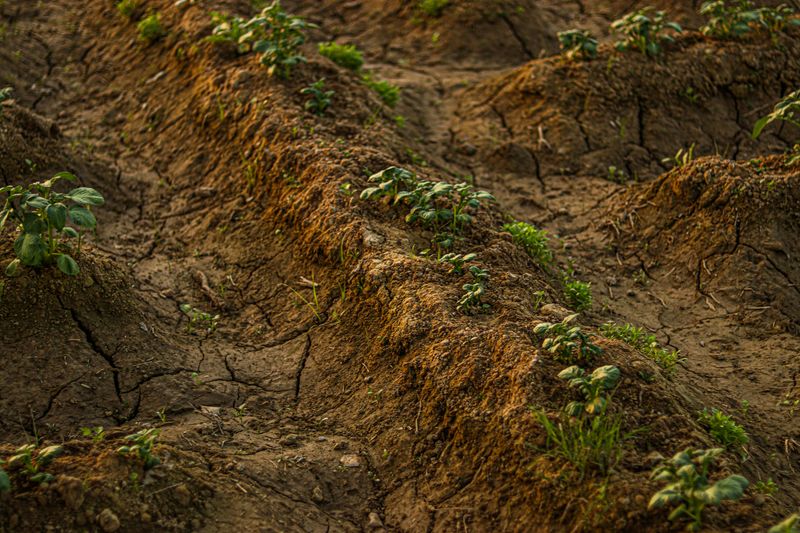
Not many people talk about what a shrub does to the soil beneath it, but with Nandina, it is worth paying attention.
As the leaves fall and break down, they can gradually change the chemistry of the surrounding soil in ways that make it harder for other plants to grow nearby.
Some research suggests that Nandina leaf litter may have allelopathic properties, meaning compounds from the decomposing leaves can inhibit the germination and growth of neighboring plants.
This is not unique to Nandina, but it adds another layer of concern for gardeners trying to maintain diverse plantings in South Carolina yards.
Over time, a dense planting of this shrub can create a zone where little else thrives.That might seem convenient if you want a low-competition ground cover, but it also means you are reducing biodiversity in your own yard without really intending to.
The soil changes can persist even after the shrub is removed.
South Carolina’s sandy loam and clay soils already present challenges for many gardeners.Introducing a shrub that further complicates the soil environment can make future planting efforts harder.
Building healthy soil with native shrubs and organic matter is a far better long-term investment for any South Carolina garden.
6. Little Value To Native Pollinators
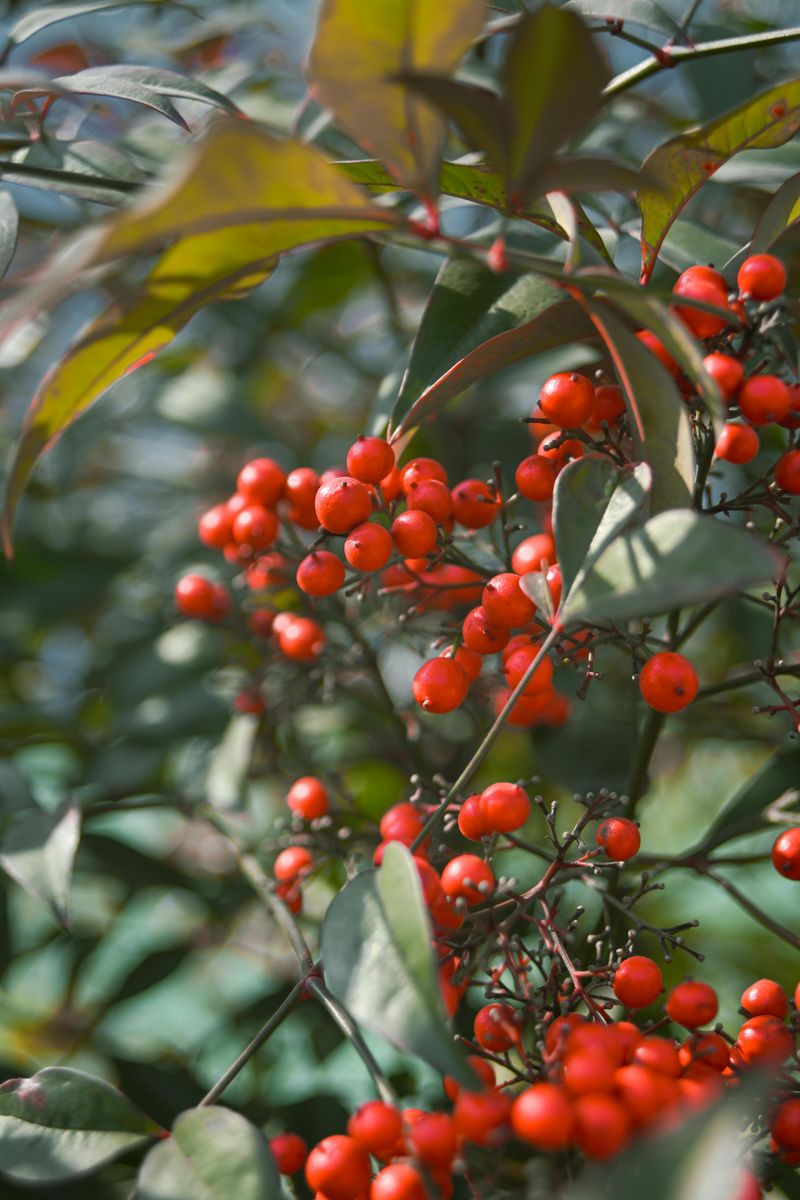
Pollinators are the backbone of a healthy garden, and South Carolina has a rich population of native bees, butterflies, and other beneficial insects.
When you plant a shrub that offers little to those pollinators, you are essentially filling space with something that does not contribute to the local food web.
Nandina flowers are small and produce some nectar, but the shrub is not considered a meaningful resource for native pollinators.
Native bees, in particular, tend to be highly specialized and rely on plants with which they have co-evolved over long periods.
Nandina, being native to Asia, simply does not have those established relationships with South Carolina’s insect communities.
A yard full of non-productive shrubs quietly reduces the carrying capacity of your local environment.
Supporting pollinators helps maintain the broader food web that birds and wildlife depend on.
Every planting choice either contributes to that or quietly works against it.
Swapping even one or two Nandina plants for native shrubs like buttonbush, sweetshrub, or native azalea can make a noticeable difference.
Those plants attract and support a wide range of pollinators throughout the South Carolina growing season.
Your garden becomes more alive, more dynamic, and more connected to the ecosystem around it.
7. Hard To Control Growth
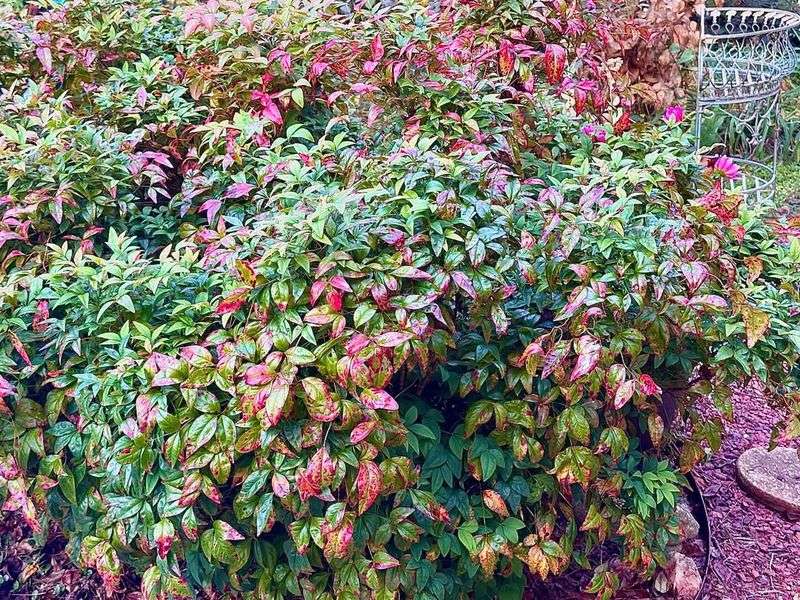
Garden centers often market this shrub as compact and manageable, but that description does not always match reality once it is growing in South Carolina’s climate.
The warm temperatures and long growing season here give Nandina ideal conditions to push well beyond its advertised size.
What starts as a tidy three-foot accent plant can stretch to six or even eight feet tall in a few seasons without consistent intervention.The canes multiply from the base, spreading the shrub outward in a way that looks increasingly wild and untidy.
Without regular attention, it quickly overpowers surrounding plants and structures.
Some dwarf varieties are sold with the promise of slower, more controlled growth, but even those can surprise homeowners who are not actively monitoring them.South Carolina summers are long and warm, and this shrub takes full advantage of every growing day available to it.
A mild winter means the shrub barely pauses its growth cycle, unlike in cooler climates where cold temperatures keep it in check.
Gardeners who prefer low-intervention landscapes often find Nandina requires far more management than they expected.The gap between what was promised and what actually happens in the yard is one of the most common complaints heard from South Carolina homeowners who have planted this shrub.
Setting realistic expectations before planting is essential.
8. The Pruning Commitment Nobody Mentions At The Nursery
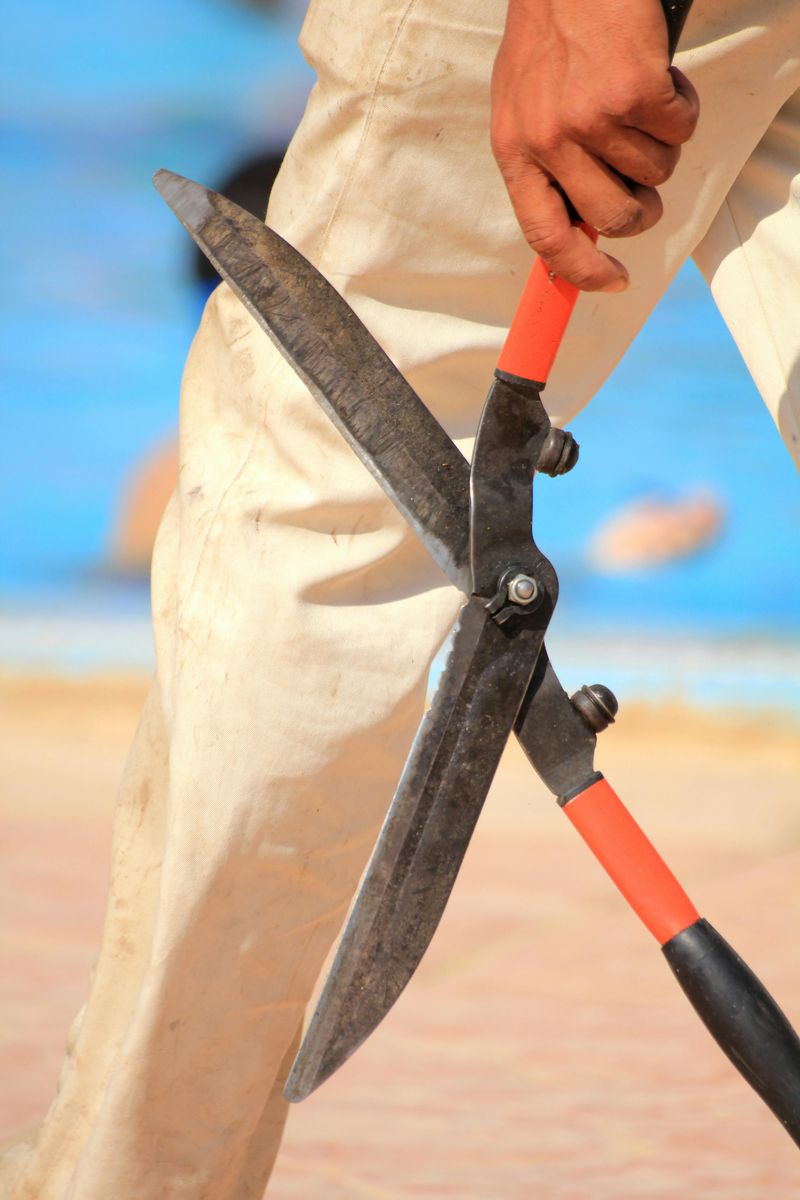
There is a certain kind of gardening myth that some shrubs are truly hands-off.Nandina gets sold with that reputation, but ask anyone who has grown it in South Carolina for more than a couple of years and you will hear a different story.
Keeping this shrub looking presentable takes more effort than most people anticipate.
To maintain a clean, attractive shape, Nandina needs selective cane removal every year.You cannot simply shear it like a boxwood, because that leaves ugly stubs and distorts its natural form.
Proper pruning means cutting individual canes at different heights, which takes time and a working knowledge of how the plant grows.
Skip a season of pruning and the shrub turns into a leggy, top-heavy tangle of canes that looks more like neglect than a design choice.In South Carolina’s growing season, that can happen faster than you expect.
The rapid growth rate means pruning is not a once-a-year task but often a recurring commitment throughout spring and summer.
For gardeners who want beauty without constant upkeep, there are far better options in South Carolina nurseries.Native shrubs like inkberry holly or dwarf fothergilla offer year-round interest with a fraction of the pruning demand.
Choosing the right shrub from the start makes the whole gardening experience more enjoyable and sustainable.
9. Spreads Beyond Your Yard
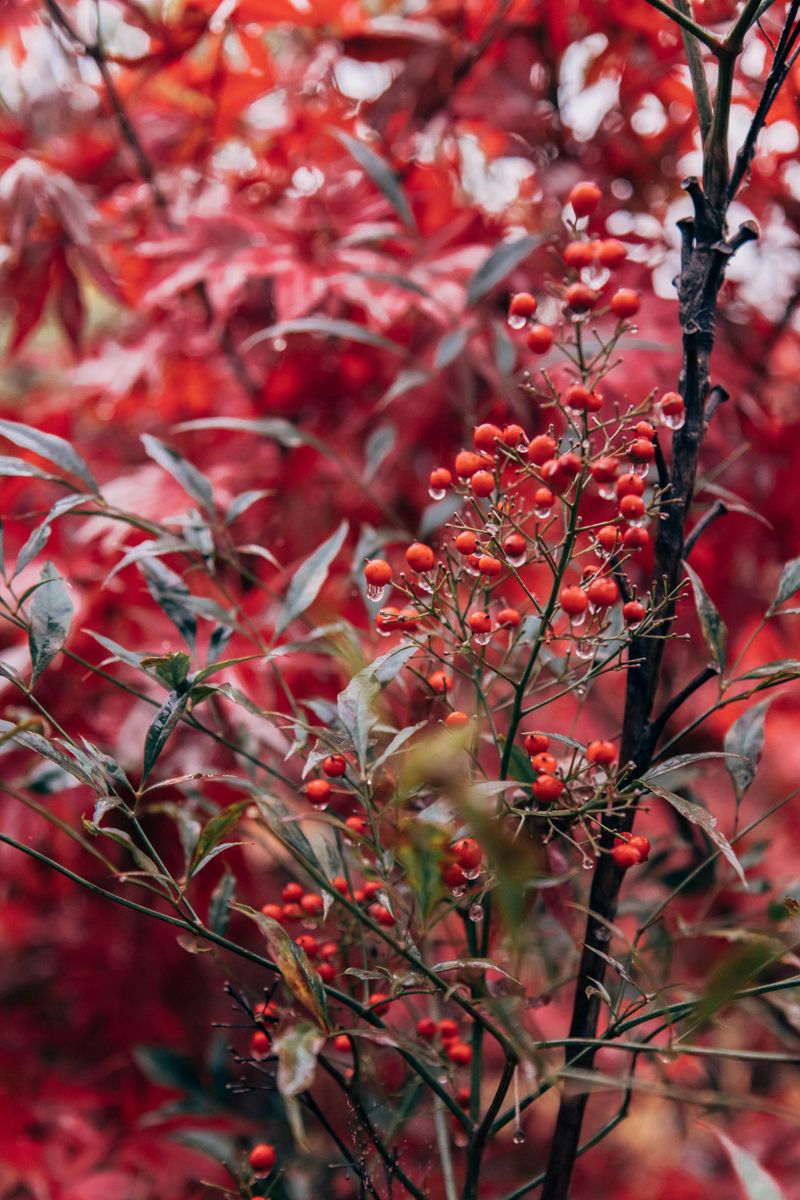
Your yard does not exist in isolation, and neither do the plants growing in it. What Nandina does inside your property line is one concern.
What it does once it leaves is another conversation entirely.
Birds carry the seeds into neighboring properties, parks, and natural areas without any help from you. South Carolina has extensive greenways, protected wetlands, and natural corridors that border residential neighborhoods across the state.
When Nandina seeds land in those areas, the shrub establishes quickly in disturbed soils along trails, stream banks, and forest edges.
Ecologists working in the region have documented its presence in natural areas where it was never intentionally planted. Each new plant that establishes outside of a garden setting produces its own berries the following season, seeding the next wave of spread further into the landscape.
Over time, what started as a single yard planting can contribute to a measurable problem across an entire watershed or park system. That is not an exaggeration.
It is the documented pattern of how invasive plants accumulate impact gradually and at scale.
Choosing plants that stay where you put them is one of the most straightforward forms of environmental responsibility available to a homeowner.
The good news is that South Carolina nurseries are stacked with native alternatives that deliver the same good looks without the drama.
Beautiful yard, happy ecosystem, no regrets. That is a trade worth making.
10. Aggressive Root Systems
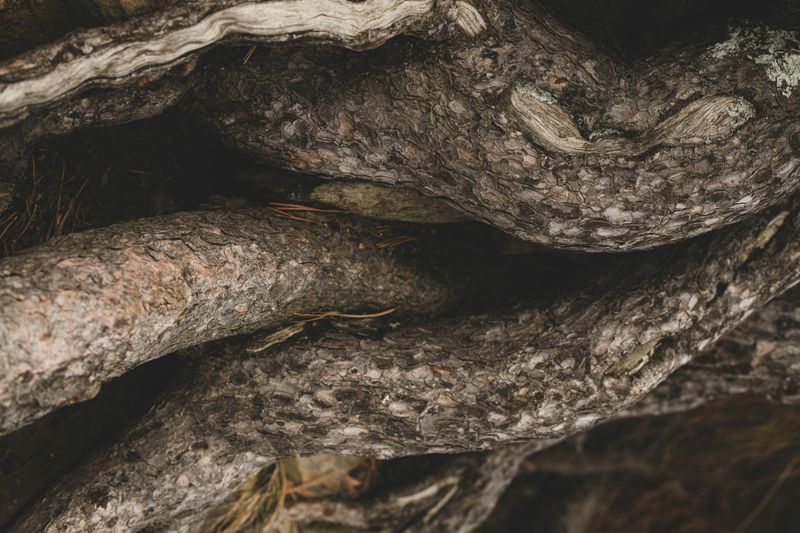
Underground, Nandina is working harder than most people realize.
The root system of this shrub is dense, wide-spreading, and remarkably persistent, which is part of why removal is such a challenge once the plant is established in South Carolina soil.
The roots can extend well beyond the visible canopy of the shrub, reaching into adjacent garden beds and even under hardscaping like walkways and patios.
Gardeners have reported finding Nandina roots growing under pavers and along irrigation lines after only a few years of growth.
The warm, moist conditions in South Carolina accelerate root development significantly compared to cooler climates.
When the shrub is cut back or partially removed, the root system often responds by sending up multiple new shoots from different points along the root network.
This regrowth pattern makes the plant very difficult to fully eliminate without digging out every piece of root material from the soil.
Leaving even small root fragments behind is usually enough for the shrub to regenerate.
For gardeners who care about what happens beneath the surface, this is a serious consideration.
Aggressive root systems can disrupt soil structure, crowd out neighboring plant roots, and make bed management significantly harder over time.
In South Carolina, where the growing season is long and conditions are favorable, this shrub’s underground persistence is not something to underestimate