This Is How Wrong Trimming Leaves Alabama Crape Myrtles Looking Worse Each Year
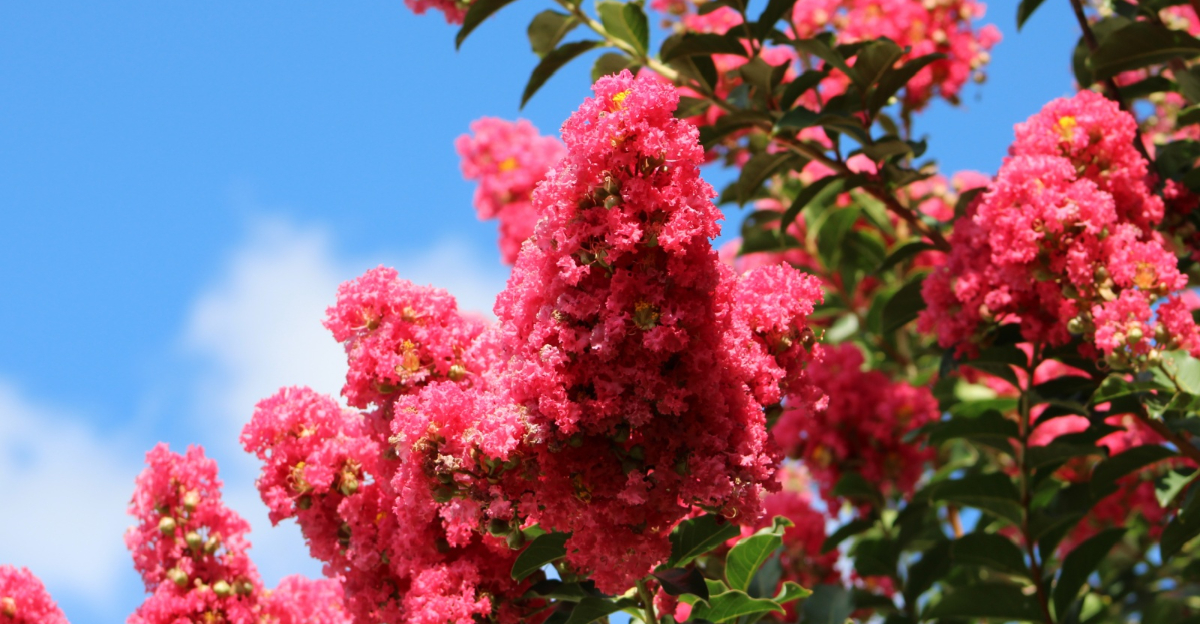
Your crape myrtles are telling you something. Those thick, knobby stumps you see every spring are not signs of a well-maintained Alabama yard.
They are the evidence of a mistake repeated year after year. Most homeowners do not know they are making it.
That is exactly the problem. Horticulturists across the South have a name for it. They call it crape topping. Are your trees getting uglier each season?
Every bad cut starts a chain reaction. The harm does not stop when you put the shears down.
It compounds, quietly, through every growing season that follows. The tree you think you are maintaining is actually working hard to recover from the care you are giving it.
One look at the science behind these cuts will surprise Alabama gardeners. Most have simply never seen what happens inside that tree. Once you do, you will approach your trees very differently.
The Pruning Mistake That Makes Crape Myrtles Weaker Every Year
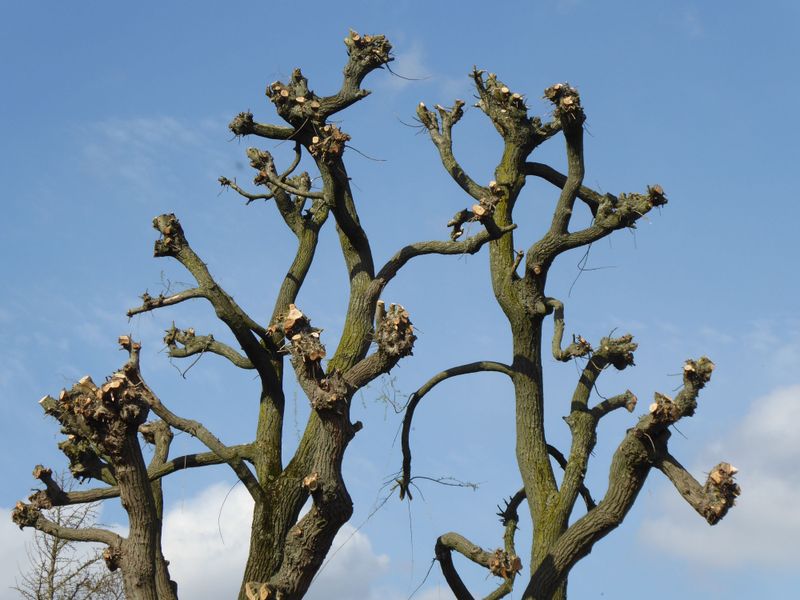
Grab your neighbor’s pruning shears and you might be starting a years-long problem. Heavy topping, the act of cutting crape myrtles back to thick stubs, is the single most destructive trimming mistake homeowners make.
When you cut a large branch, the tree responds by sending out dozens of weak shoots from that wound. Those shoots grow fast but stay fragile, snapping easily in wind and storms.
Over time, the cut points thicken into enlarged, woody knobs that never go away. Each year, you cut those knobs again, making them bigger and more misshapen.
The tree’s natural branching structure gets completely destroyed. What was once an elegant, arching canopy becomes a cluster of spindly sticks exploding from a lumpy stump.
Topped trees also become structurally weak from the inside out. The new shoots lack the strong attachment points that naturally grown branches develop over years.
Trimming the wrong way does not just hurt the look of the tree. It compromises the entire framework that holds the canopy together during heavy rain and wind.
Think of it like breaking a bone badly set. The tree heals wrong, and every season builds on that flawed foundation until the damage becomes permanent.
Those Bad-Looking Knobs On Your Crape Myrtle Are Trying To Tell You Something
Those bumpy, fist-sized lumps at the top of a topped crape myrtle have a name. Horticulturists call them knuckles, and once they form, they are there for good.
Every time a branch gets cut at the same spot, the wound tissue swells a little more. After three or four years of repeat cuts, those swellings turn into hard, woody knobs.
It is one of the most common sights in Alabama yards, and most homeowners have no idea what caused it.
The knuckling effect is a direct result of trimming the wrong way, season after season. The tree responds to each cut by sending callus tissue to seal the wound, but repeated cuts prevent full healing.
Those knuckles become launch pads for dozens of thin, whippy shoots every spring. The shoots look full and leafy at first, but they are weakly attached and prone to breaking.
Your Alabama Garden Changes Every Week. Your Plan Should Too.
Gardening in Alabama changes quickly throughout the season. Every Friday you’ll receive a simple weekly plan showing exactly what to plant, prune, fertilize, harvest, and protect so you never miss the right timing.
Storm damage becomes a real concern on a heavily knuckled tree. With Alabama’s strong summer storms, a branch that breaks from a knuckle often tears bark downward, creating a much larger wound.
Knuckling also changes how the tree allocates energy. Instead of pushing resources into strong structural growth, the tree wastes energy patching the same wounds over and over.
The sad truth is that knuckles cannot be removed without making things worse. For Alabama gardeners, prevention is the only real answer, and it starts with putting down the loppers.
Southern Humidity And The Tree’s Yearly Setbacks
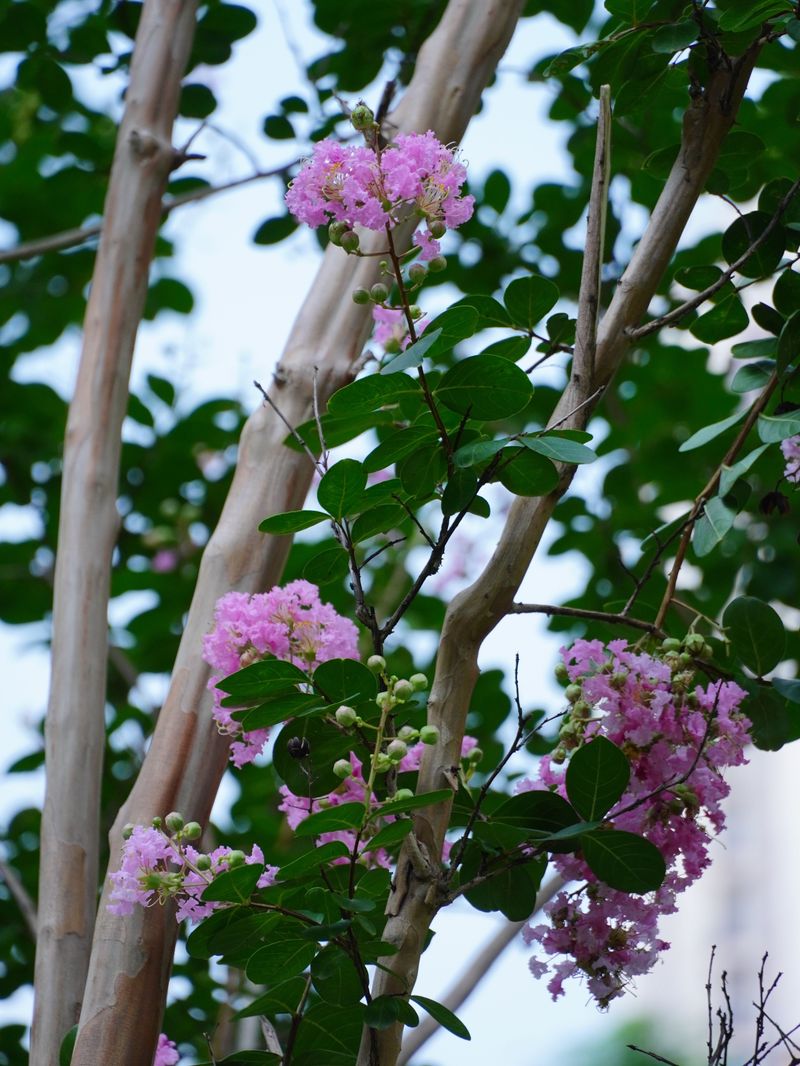
Southern summers are hot, humid, and relentless. A tree already weakened by bad cuts feels every bit of that pressure.
High humidity creates the perfect breeding ground for fungal problems on stressed crape myrtles.
Powdery mildew thrives in humid conditions and targets the dense, crowded shoots that topping creates. When dozens of weak stems grow close together, airflow drops and moisture lingers on the leaves.
A healthy, properly shaped crape myrtle handles humidity much better. Its open canopy lets air circulate freely, drying leaves faster and reducing fungal pressure.
Trimming the wrong way turns humidity from a mild inconvenience into a yearly setback. The dense regrowth after topping creates a microclimate that fungi absolutely love.
Aphids and sooty mold also move in on weakened trees. The combination of pest damage and fungal stress can strip a tree of its blooms before summer even peaks.
Repeated stress from humidity-related disease weakens the tree’s immune response each year. What starts as a cosmetic issue becomes a cycle of decline that shortens the tree’s lifespan.
Choosing the right cultivar for humid Southern climates helps, but proper trimming is the foundation. A well-cut tree handles Southern weather with far more resilience than a topped one ever will.
The Bloom Quality Drop That Gets Worse Each Season
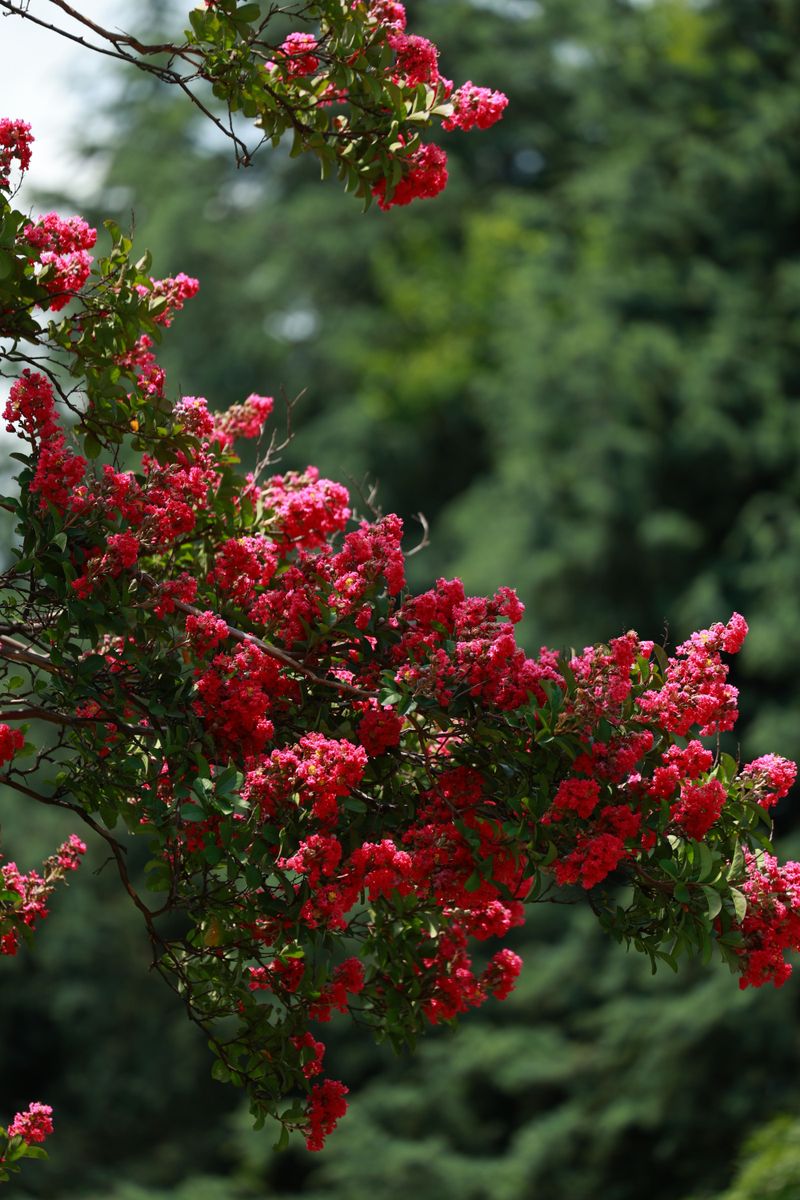
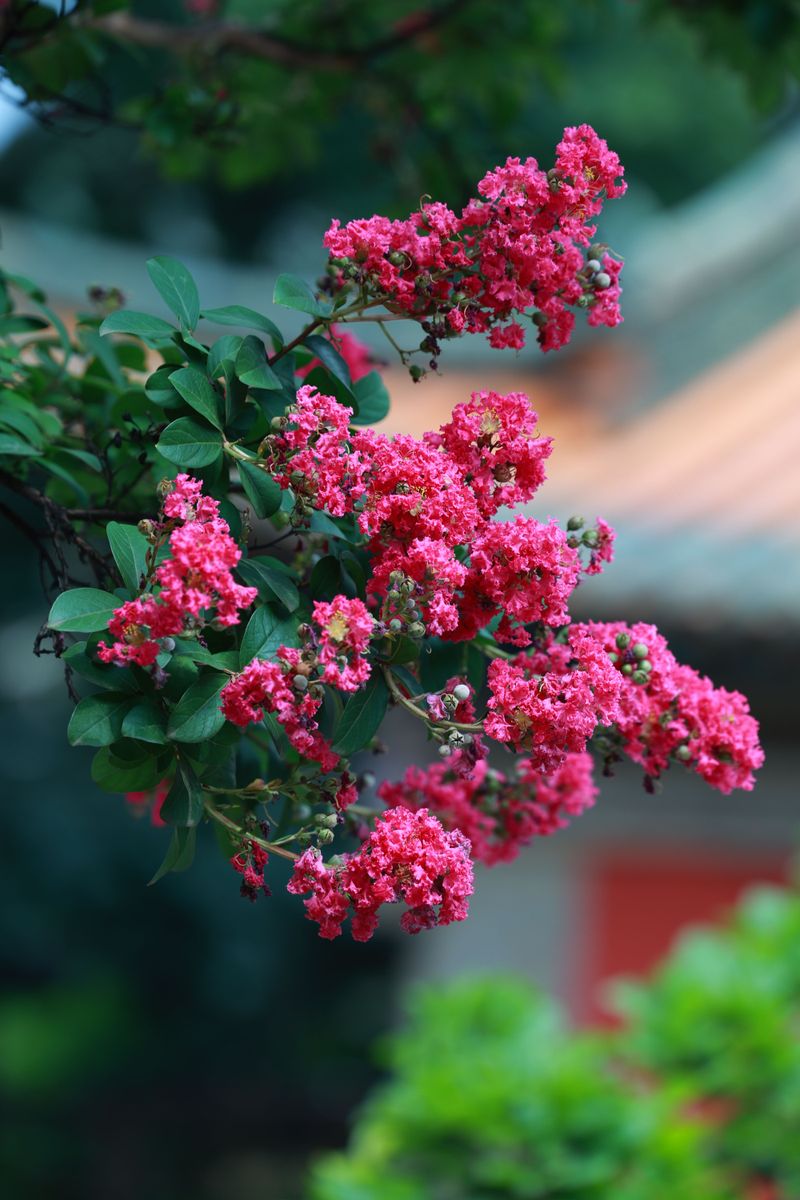
Here is something that surprises most homeowners: topping actually reduces the blooms you get each year. Crape myrtles flower on new growth, but not all new growth is created equal.
Shoots that sprout from topping wounds grow fast and tall, but they spend most of their energy on leaves and stems. Less energy goes toward forming the large, showstopping flower clusters the tree is famous for.
Each successive year of topping makes the bloom problem worse. The tree’s energy reserves get divided among more and more weak shoots, spreading resources thin across the canopy.
Properly pruned crape myrtles push their energy into fewer, stronger branches. Those branches produce bigger, more vibrant blooms that last longer through the heat of summer.
Homeowners often top their trees hoping for more flowers. The reality is the opposite: they end up with smaller clusters on floppy stems that droop under their own weight.
Trimming the wrong way creates a frustrating loop. You cut to improve the tree, the blooms get worse, so you cut again, and the blooms shrink even further.
Breaking that cycle means stepping back and letting the tree grow naturally for a season or two. Patience pays off with blooms that actually make the neighbors slow down and stare.
Trimming At The Wrong Time Of Year And Its Consequences
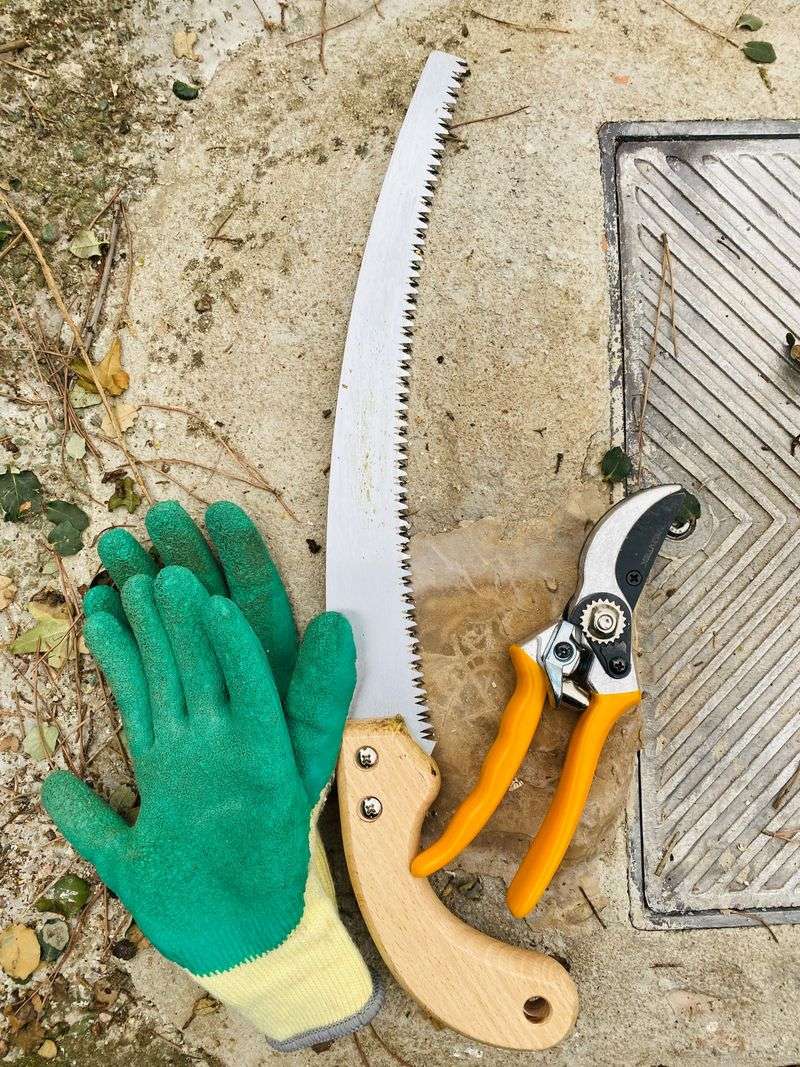
Timing a crape myrtle trim is just as important as how you cut. Most people grab their tools in fall or late winter without realizing the timing sets off a chain of problems.
Cutting too early in fall removes stored energy the tree needs for winter hardening. The tree responds by pushing out tender new growth that gets hammered by the first frost.
Late-winter topping, while popular, encourages the most aggressive and weakest regrowth. All that pent-up spring energy gets channeled into dozens of spindly shoots from open wounds.
The best window for light corrective pruning is late winter, just before bud swell. But even then, the goal should be removing crossing branches and spent wood, not chopping the canopy.
Summer pruning after the first bloom flush is another option that many seasoned gardeners swear by. A light trim at that point can encourage a second round of flowers without stressing the tree.
Trimming the wrong way at the wrong time compounds every other mistake. A poorly timed cut on an already-damaged tree accelerates the cycle of decline faster than most homeowners expect.
Mark your calendar now and resist the urge to cut before you check the season. The right timing protects your investment and keeps those blooms coming back strong.
Picking The Wrong Cultivar And The Cycle It Creates

Planting a 25-foot crape myrtle under a 10-foot power line is a setup for heavy cutting every single year. Cultivar selection is one of the most overlooked factors in the whole trimming mess.
When a tree is naturally too large for its space, owners feel forced to cut it back hard every single year. The tree keeps trying to reach its genetic potential, and the owner keeps cutting it down.
That cycle creates severe knuckling damage that compounds with every passing season. The tree never gets to express its natural form, and the owner never gets to enjoy its natural beauty.
Dwarf and semi-dwarf cultivars were developed specifically for smaller spaces. Varieties like Pocomoke, Chickasaw, and Ozark Spring stay compact at three to six feet and never need heavy pruning.
Choosing a cultivar that fits the space from the start eliminates the pressure to top. The tree grows freely, blooms heavily, and builds a strong natural structure year after year.
Trimming the wrong way often starts with the wrong plant in the wrong spot. The solution is not better pruning technique, it is better planning before the shovel ever hits the ground.
Before you plant your next crape myrtle, check the mature height on the tag. That one small step saves years of frustration and keeps your yard looking sharp.
The Step-By-Step Way To Restore An Over-Trimmed Tree
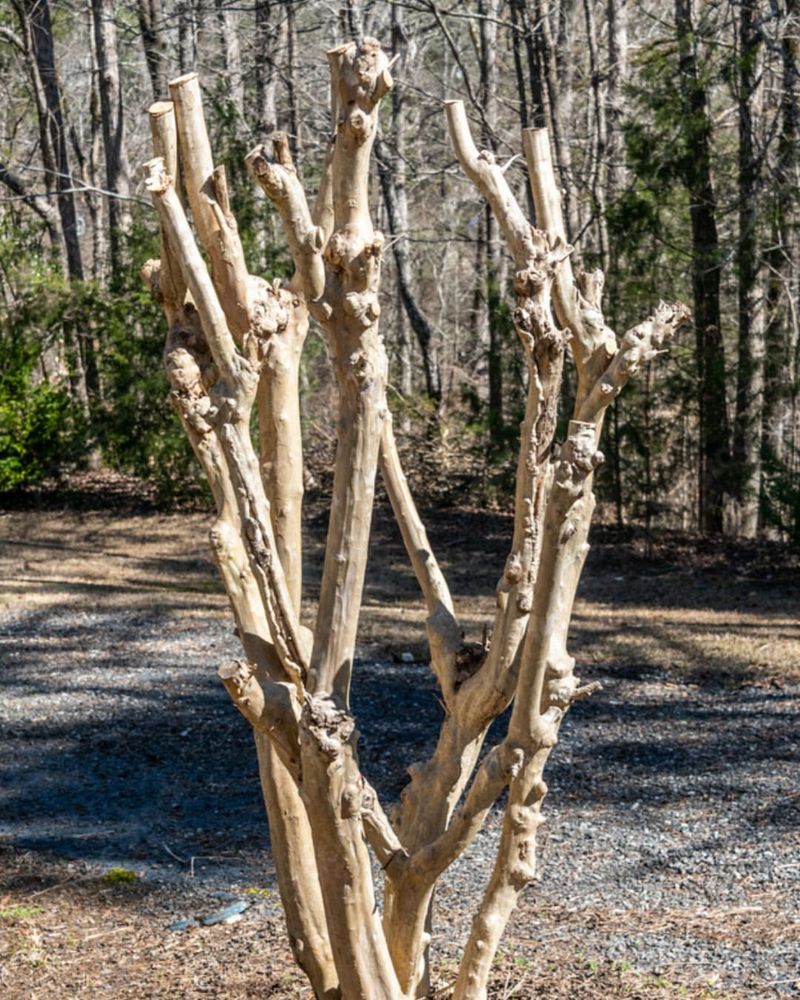
Good news: a badly topped crape myrtle can be brought back, though it takes patience and a clear plan. Restoration does not happen in one season, but the results are worth the patience.
Start by selecting three to five of the strongest shoots growing from each knuckle. Remove all the weaker ones cleanly at their base using sharp, sanitized pruners.
In the second year, focus on those chosen shoots and remove any that cross, rub, or grow inward. You are training the tree to rebuild a real branching structure from scratch.
Resist the urge to cut the tops of your chosen shoots, no matter how tall they get. Let them grow freely so the tree can build energy reserves and strengthen its new framework.
By year three, the tree should start looking like a proper crape myrtle again. The knuckles will still be visible, but the canopy above them will soften the look dramatically.
Alabama yards have seen some remarkable recoveries this way. Feed the tree lightly with a balanced slow-release fertilizer in early spring.
Avoid high-nitrogen formulas that push fast leafy growth at the expense of blooms and structural strength. This step matters especially in Alabama’s long, hot growing season.
Trimming the wrong way created the problem, and smart, patient pruning is what fixes it. Stay consistent for three seasons and your Alabama crape myrtle will reward you with a comeback worth showing off.