What Lantana Needs To Keep Flowering When Temperatures Climb
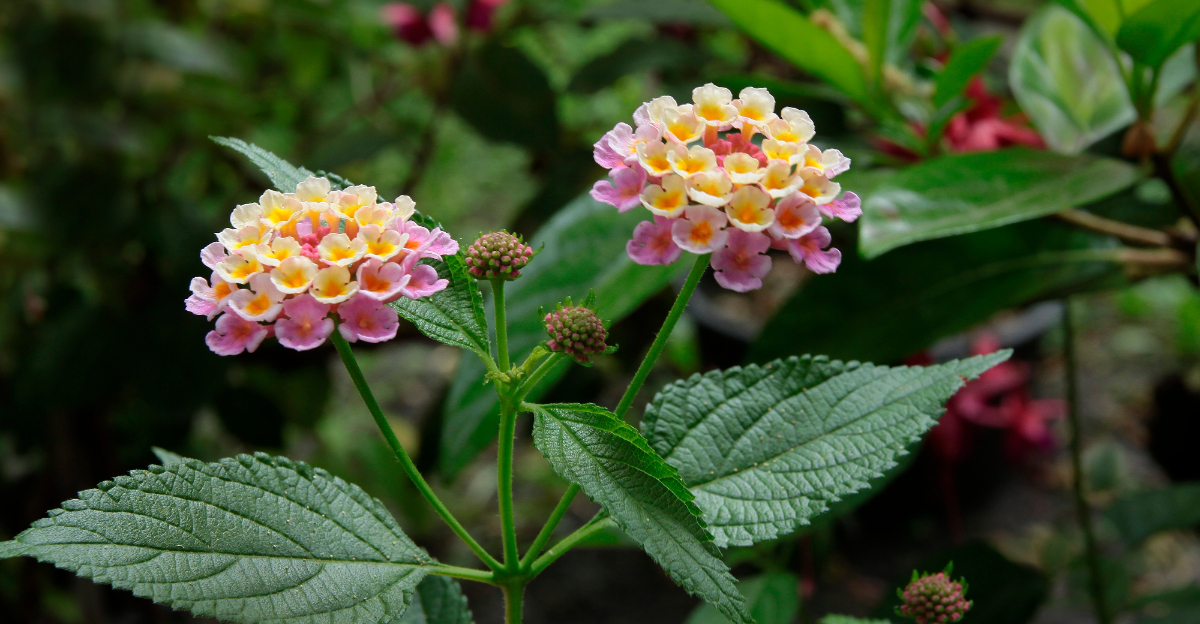
Lantana has a reputation for being nearly indestructible, and for good reason. It laughs at heat, shrugs off drought, and keeps throwing out blooms when everything else in the garden looks exhausted.
But here is the thing most gardeners find out the hard way: lantana does not bloom on autopilot. Push it into the wrong conditions and it will go quiet on you right in the middle of summer, just when you need the color most.
Keeping lantana flowering through hot weather is less about luck and more about understanding what this plant is actually asking for.
Once you figure that out, this plant will do what it does best, producing wave after wave of color from late spring all the way to the first frost.
Lantana Thrives In Heat With The Right Conditions
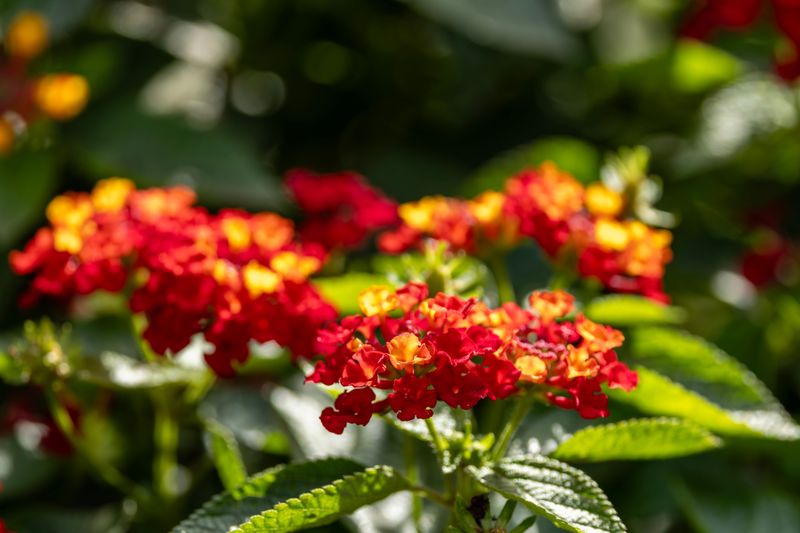
Lantana is basically the overachiever of the summer garden. It loves heat, shrugs off humidity, and blooms like it has something to prove.
Many flowering plants slow down when temperatures push past 90 degrees. Lantana tends to keep pace, producing dense clusters of color when other plants are struggling.
That said, thriving in heat is not the same as surviving neglect. Even heat-loving plants need a few things to perform at their best all season long.
Lantana needs full sun, good air circulation, and soil that drains fast. Without those basics, even the toughest specimen will start to struggle.
Air circulation matters more than most gardeners realize. Crowded plants trap moisture and heat in ways that invite pests and slow bloom production.
Spacing lantana at least 18 inches apart, depending on the variety, gives each plant room to breathe. That spacing also allows sunlight to reach the base, which encourages new growth from the ground up.
What lantana needs to keep flowering when temperatures climb starts with placement. Put it in the hottest, sunniest spot in your yard and watch it go.
Choose a south or west-facing bed if you can. Reflected heat from a nearby wall or fence actually boosts performance rather than hurting it.
Think of lantana as a plant that runs toward the sun. The more you lean into its natural preferences, the more blooms you get all summer long.
How Much Sun Lantana Needs To Bloom
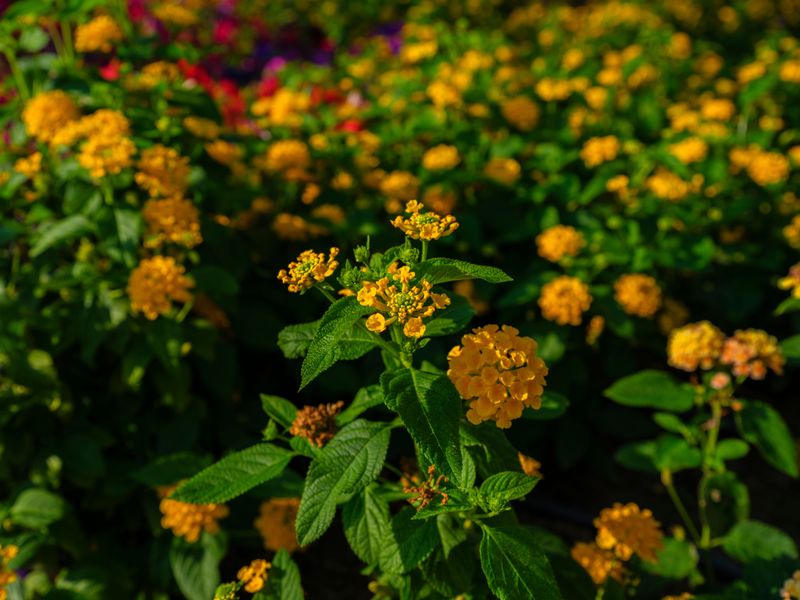
Sunlight is not optional for lantana. It is the engine that drives every single bloom on the plant.
Lantana needs a minimum of six hours of direct sun each day. Eight hours is better, and ten hours is basically paradise for this plant.
Gardeners who plant lantana in partial shade often wonder why it produces so few flowers. The answer is almost always the same: not enough light.
Shade does not just reduce blooms. It also weakens stems, encourages leggy growth, and makes the plant more vulnerable to fungal issues.
When lantana gets full sun, the chemistry changes completely. Photosynthesis runs at full capacity, fueling the production of new buds and extending each bloom cycle.
Morning sun is good, but lantana handles afternoon sun well and often blooms most heavily with that intense light. In the hottest climates, a little afternoon shade rarely hurts flowering.
If your garden has a spot that bakes all afternoon, that is your lantana zone. Most other plants would struggle there, but lantana will flourish.
One common mistake is planting lantana near trees that cast afternoon shade. Even two or three hours of blocked sun can noticeably reduce flower output.
Check your planting spot at different times of day before committing. Watch where the sun hits hardest between noon and four in the afternoon.
Lantana planted in the right light spot practically takes care of itself. Get the sun right and everything else becomes much easier to manage.
The Watering Habits That Keep Lantana Flowering
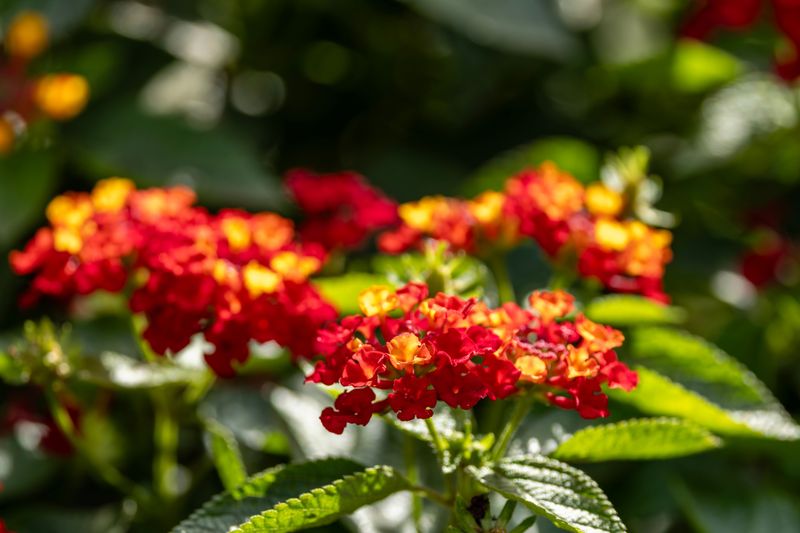
Overwatering lantana is one of the fastest ways to ruin a perfectly good blooming season. This plant prefers dry over wet almost every time.
Lantana is drought-tolerant once established, which usually takes about four to six weeks after planting. During that time, water regularly to help roots settle in.
After establishment, pull back on watering significantly. Some drought stress may actually encourage lantana to bloom more aggressively as the plant shifts into reproductive mode.
A good rule of thumb is to water deeply once or twice a week during extreme heat. Shallow, frequent watering creates weak roots that cannot support heavy flowering.
Always water at the base of the plant, not overhead. Wet foliage in hot, humid weather invites powdery mildew and other fungal problems fast.
Morning watering is best because the soil absorbs moisture before afternoon heat causes evaporation. Evening watering leaves plants damp overnight, which causes issues.
Container-grown lantana needs more frequent watering than in-ground plants. Pots dry out faster, especially in full sun, so check the soil daily during heat waves.
Stick your finger about one to two inches into the soil before watering. If it feels dry at that depth, it is time to water again.
Consistent but restrained watering keeps lantana blooming steadily. Master this balance and your plant will stay colorful from early summer through the first frost.
How Removing Spent Blooms Encourages More Lantana Flowers
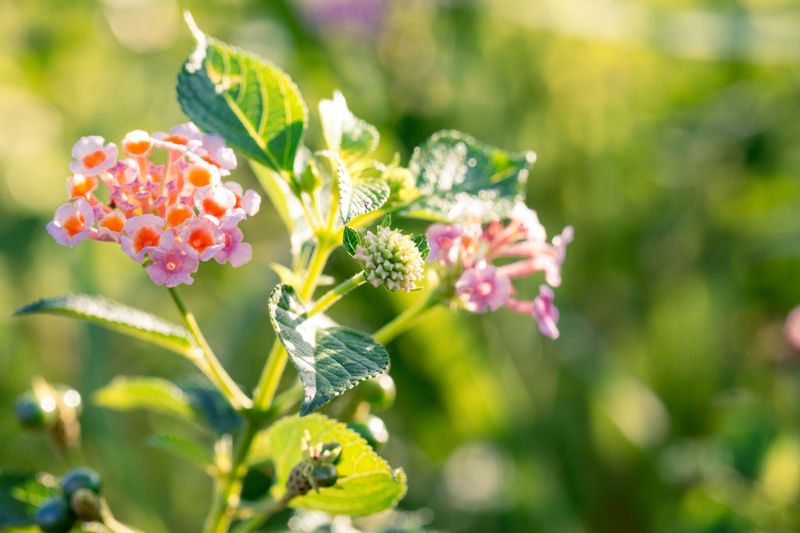
Spent blooms are bloom blockers. Once a flower fades and starts forming a seed, the plant shifts energy away from producing new flowers.
Removing spent flower clusters before seeds fully develop is the simplest way to redirect the plant’s focus back to blooming.
Lantana produces small, dark berry-like seeds after each bloom cycle. Left on the plant, those seeds signal that the reproductive job is done.
Removing them regularly tricks the plant into thinking it still has work to do. That urgency keeps new flower clusters forming week after week.
Use small pruning shears or even your fingers to pinch off faded clusters. Grab the stem just below the spent flower head and snip cleanly.
Do not just pull the flower off and leave the stem stub behind. Remove the whole spent cluster down to the next set of leaves.
Plants that get regular attention, particularly older and non-hybrid varieties, tend to produce more blooms than those left alone. Many modern cultivars are self-cleaning and need less intervention.
Some gardeners combine this with a light shaping trim. Cutting back any leggy or overgrown stems at the same time keeps the plant compact and tidy.
If the plant looks straggly by midsummer, cut it back by about one-third. New growth will emerge quickly and bring a fresh flush of color.
Think of this routine as a conversation with your plant. You are telling it the season is not over yet, and it listens beautifully.
The Best Fertilizer Approach For Lantana In Summer
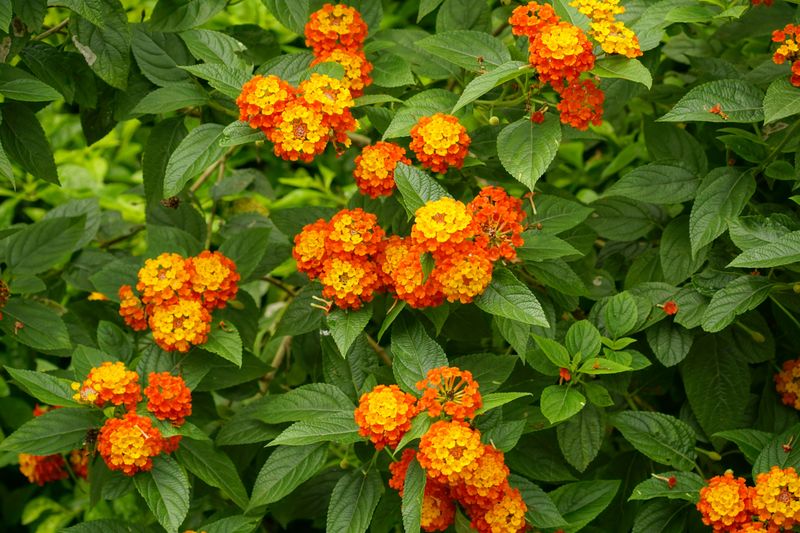
Fertilizing lantana sounds simple, but getting it wrong can actually shut down blooming entirely. Too much nitrogen is the most common mistake.
Nitrogen drives leafy, green growth. When lantana gets too much of it, the plant puts all its energy into leaves and stems instead of flowers.
A balanced fertilizer works best for lantana. Look for something like a 10-10-10 or 20-20-20 ratio on the label. The key is avoiding too much nitrogen, which pushes leafy growth at the expense of flowers.
Slow-release granular fertilizers are ideal for in-ground lantana. Apply once in spring and again in midsummer for steady nutrition without overfeeding.
Liquid fertilizers work faster and suit container plants well. Apply a diluted bloom-boosting liquid formula every two to three weeks during the growing season.
Avoid fertilizing during extreme heat spikes above 100 degrees. Feeding stressed plants can burn roots and set back blooming rather than help it.
Less is genuinely more with lantana fertilization. A plant that is slightly underfed will still bloom well, but an overfed plant may produce far fewer blooms.
Check your soil before adding any fertilizer if you can. A basic soil test from a garden center reveals exactly what nutrients are already present.
Feed with purpose and restraint, and lantana will keep delivering color. The right fertilizer approach is one of the quietest secrets to a spectacular summer display.
How Soil And Drainage Affect Lantana Bloom Production
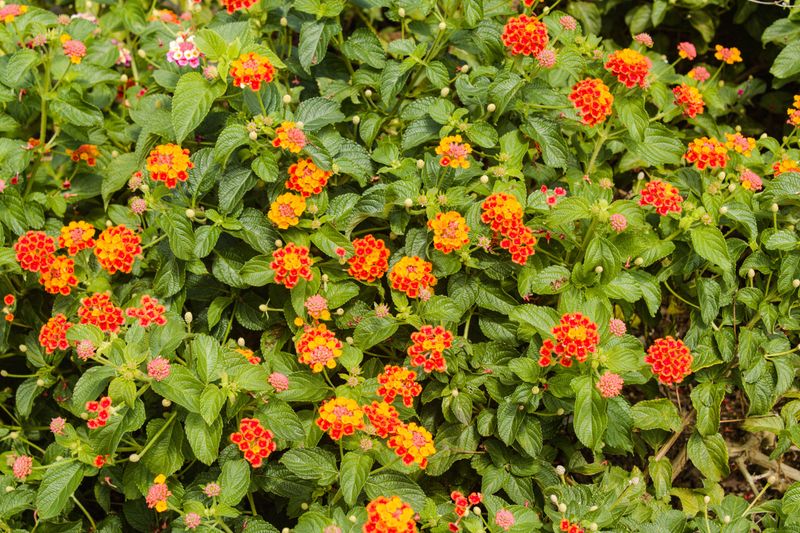
Soggy soil is lantana’s worst enemy. Roots sitting in standing water suffocate quickly, and a stressed root system cannot support heavy flowering.
Lantana performs best in sandy, loamy, or well-amended soil that drains fast after rain or watering. Clay-heavy soil holds too much moisture and causes problems.
If your yard has clay soil, mix in coarse sand and organic compost before planting. That combination opens up the soil structure and improves drainage significantly.
Raised beds are another excellent option for gardeners with poor drainage. Elevating the root zone even six to eight inches makes a dramatic difference.
Soil pH matters too, though lantana is fairly adaptable. It generally prefers a slightly acidic pH, ideally between 6.0 and 6.5, though it can tolerate a wider range.
Soils that are too alkaline can lock out nutrients even when they are present. That leads to yellowing leaves and reduced flower production during hot months.
Adding a layer of mulch around the base helps regulate soil temperature. It also slows moisture evaporation, which keeps roots comfortable during intense summer heat.
Keep mulch about two inches away from the main stem to prevent rot. A three to four inch layer around the drip line is the sweet spot.
Good drainage creates the foundation for everything else to work. Sunlight, water, and fertilizer all perform better when the soil structure supports healthy root development.
When roots are happy, flowers follow. Fixing your soil is the smartest single investment you can make for long-term lantana bloom production.