7 Yard Habits Making Alabama’s Fire Ant Problems Worse Each Summer
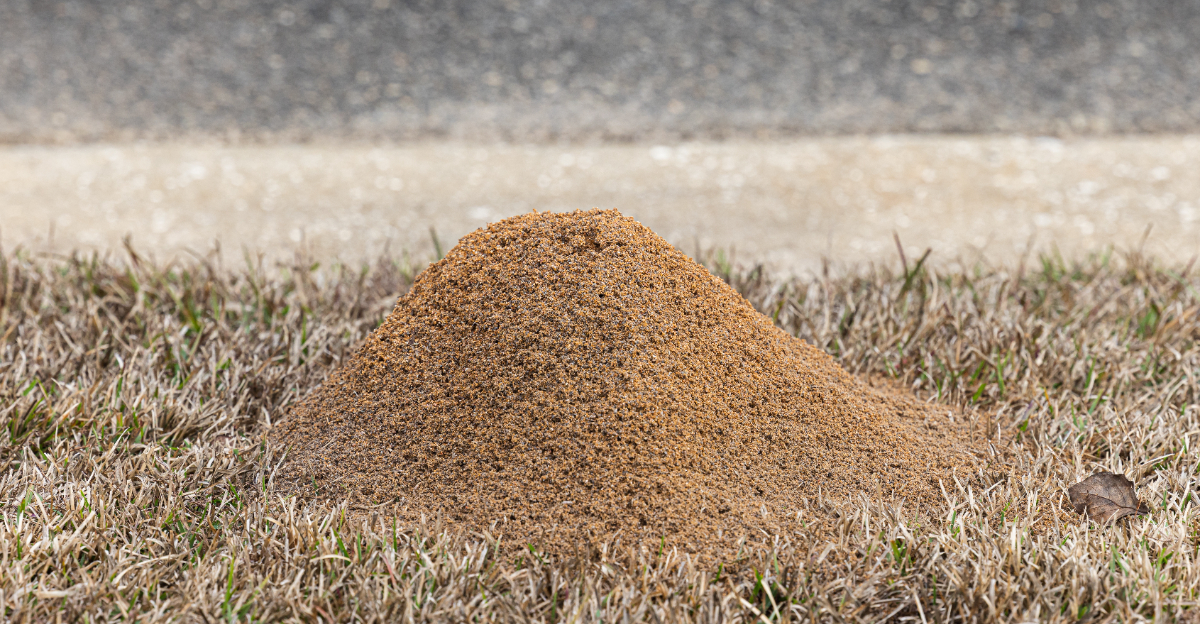
Fire ants in Alabama don’t take a season off. They multiply fast, build mounds overnight, and turn a quiet backyard into a stinging summer hazard.
Most homeowners never stop to ask why their lawn became prime real estate for these tiny troublemakers in the first place. The truth is, simple habits like overwatering or leftover pet food roll out the welcome mat for these pests.
Small shifts in yard care can change everything, cutting off the food, moisture, and shelter fire ants depend on to thrive. This summer, spotting what draws them in is the first move toward a mound-free yard.
Almost every Alabama yard has at least one of these habits working against it, usually without anyone noticing. Correct a few, and the mounds stop multiplying so fast.
1. Treating Only Individual Mounds

Spot-treating one mound feels satisfying, like popping a pimple on a bad day. But here is the hard truth: fire ant colonies spread underground in networks you cannot see.
When you drench one mound, the surviving ants often relocate just a few feet away. They rebuild fast, sometimes within days, and the colony barely skips a beat.
Fire ant queens can number in the dozens within a single supercolony. Treating one visible mound barely slows down the queens hiding nearby.
This approach also misses forager ants traveling far from their home mound. Those workers scout new territory, and when queens move with them, entire satellite colonies can take root across your yard.
The fire ant problems plaguing Alabama yards each summer grow worse when homeowners rely only on mound-by-mound spot treatments. A whole-yard strategy is far more effective at reducing the overall population.
Broadcast bait treatments cover the entire lawn and let worker ants carry poison back to the queen. That targets the source of the problem, not just the symptom.
Think of individual mound treatment as putting a bandage on a broken pipe. It looks like progress, but the real damage keeps spreading beneath the surface.
Pair any direct mound treatment with a yard-wide product for lasting results. One without the other is like mopping the floor while the faucet is still running.
Most pest control experts recommend checking treated areas again after two to three weeks. If new activity shows up nearby, it usually means the original colony simply shifted location rather than died out.
2. Leaving Pet Food And Food Scraps Outside

Your dog’s half-eaten dinner is basically a five-star buffet for fire ants. They can detect food sources from impressive distances and recruit thousands of nestmates fast.
Pet food left outside overnight is one of the sneakiest ways to draw colonies closer to your home. Once ants find a reliable food source, they anchor nearby and expand aggressively.
Sugary scraps are especially attractive to foraging workers. A dropped popsicle stick or fruit peel near the patio can trigger a surge in ant activity within hours.
Grease and protein-rich foods are just as appealing. Leftover barbecue drippings, spilled kibble, and even bird seed scattered on the ground all serve as open invitations.
Your Alabama Garden Changes Every Week. Your Plan Should Too.
Gardening in Alabama changes quickly throughout the season. Every Friday you’ll receive a simple weekly plan showing exactly what to plant, prune, fertilize, harvest, and protect so you never miss the right timing.
The fire ant problems that intensify in Alabama summers often trace back to these small, overlooked habits. Ants are opportunists, and outdoor food is low-hanging fruit for a hungry colony.
Pick up pet bowls as soon as your animals finish eating. Store pet food in sealed containers kept indoors or in a tightly closed garage.
Clean up any fallen fruit from trees regularly, since rotting produce is irresistible to scouts. A quick sweep of the patio after meals can cut ant sightings dramatically.
Cutting off their food supply is a slow but steady strategy that genuinely works over time. Reducing the food supply does not eliminate existing colonies, but it removes a key reason for them to stay close.
Birdfeeders deserve the same attention as pet bowls. Spilled seed collects underneath and builds up over weeks, quietly turning a feeding station into a steady food source for foraging ants.
3. Overwatering The Lawn
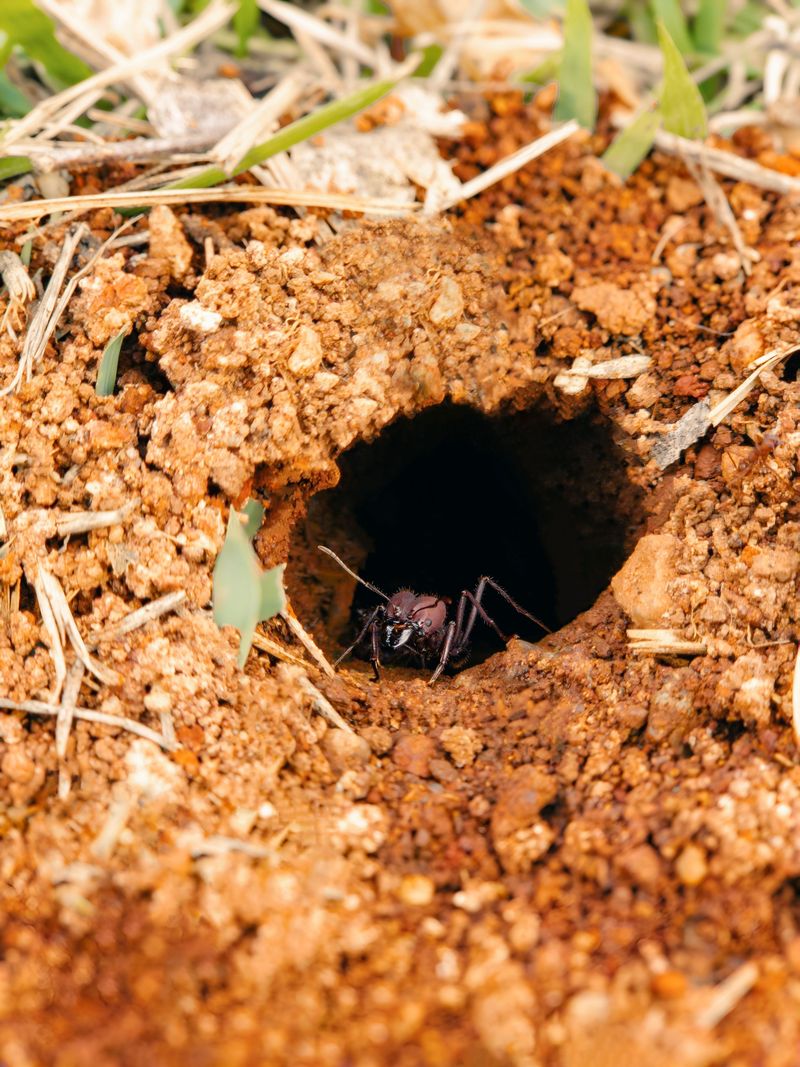
Soggy lawns are practically paradise for fire ant colonies looking to expand. These insects thrive in moist soil because it stays loose, easy to tunnel through, and cool enough to protect eggs.
Alabama summers bring enough natural humidity without adding extra irrigation on top. Overwatering creates the exact underground conditions fire ants need to build deeper, more stable mounds.
Moist soil also promotes lush, thick turf that hides mounds from view. Homeowners often do not spot new colonies until they are already well-established and hard to miss.
Saturated ground near sprinkler heads is a prime real estate spot for ant queens. They move in fast after rainfall or heavy watering sessions, setting up shop before the soil dries out.
Reducing your irrigation schedule is a simple change with a surprisingly big impact. Water deeply but less frequently, allowing the top layer of soil to dry between sessions.
This approach encourages deeper grass roots and discourages shallow ant tunneling near the surface. Healthier turf also competes better against weed growth, which further reduces ant habitat options.
Check your sprinkler zones for areas that pool or stay wet for more than a day. Adjusting spray heads or adding drainage can shift conditions away from what fire ants prefer.
Fire ant problems worsen significantly when lawns stay consistently damp through summer. Drying things out a bit is one of the easiest ways to make your yard less inviting to new colonies.
A simple screwdriver test can help gauge soil moisture before deciding whether to water. If it pushes into the ground easily several inches down, the lawn likely does not need another round of irrigation yet.
4. Skipping Proactive Bait Treatments
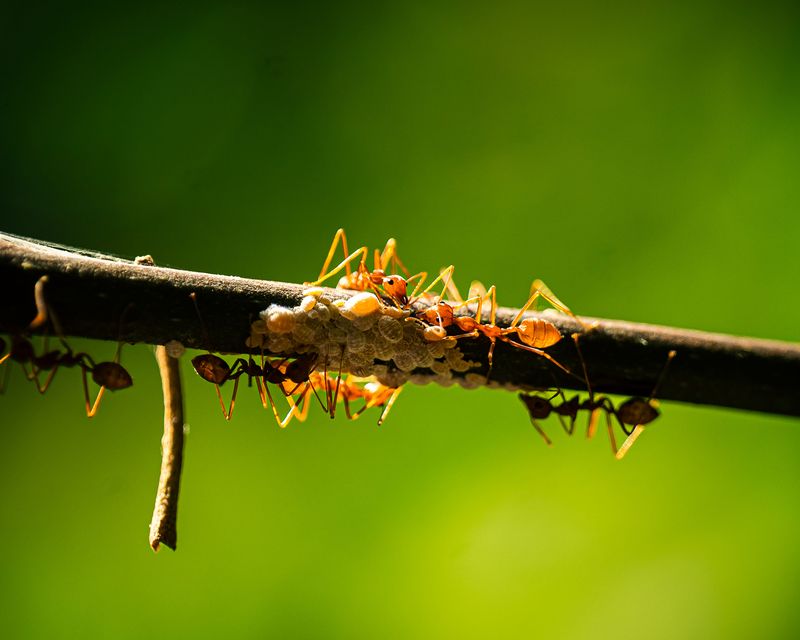
Waiting until you see a mound before acting is like waiting for a flood before checking the roof. Fire ant colonies are already sizable by the time mounds appear above ground.
Proactive bait treatments work differently from reactive spot treatments. They spread across the whole yard and get carried back to the queen by worker ants doing their normal foraging routes.
Bait products are slow-acting by design, and that is actually their strength. Workers share the bait throughout the colony before symptoms appear, which means most of the population gets exposed.
Skipping this step in spring gives colonies a head start on summer expansion. By June or July, an untreated yard can host dozens of mounds that stayed hidden in March.
Fire ant problems in Alabama escalate quickly during warm months because colonies reproduce at a faster pace. Getting ahead of that cycle with bait in early spring is one of the most effective moves for summer control.
Apply bait treatments when soil temperatures are above 60 degrees and ants are actively foraging. Morning or late afternoon applications work best since ants are most active during cooler parts of the day.
Look for products containing spinosad or hydramethylnon as active ingredients. Both are widely available and effective when applied according to label instructions, including guidance around pets and children.
Treating twice a year, once in spring and again in late summer, keeps colonies from rebounding. Consistency makes the biggest long-term difference in fire ant management.
Keep bait fresh and stored in a sealed container between uses, since moisture and heat can break it down quickly. Old or expired bait is far less appealing to foraging workers, even when applied correctly.
5. Leaving Mulch And Leaf Litter Against The Foundation
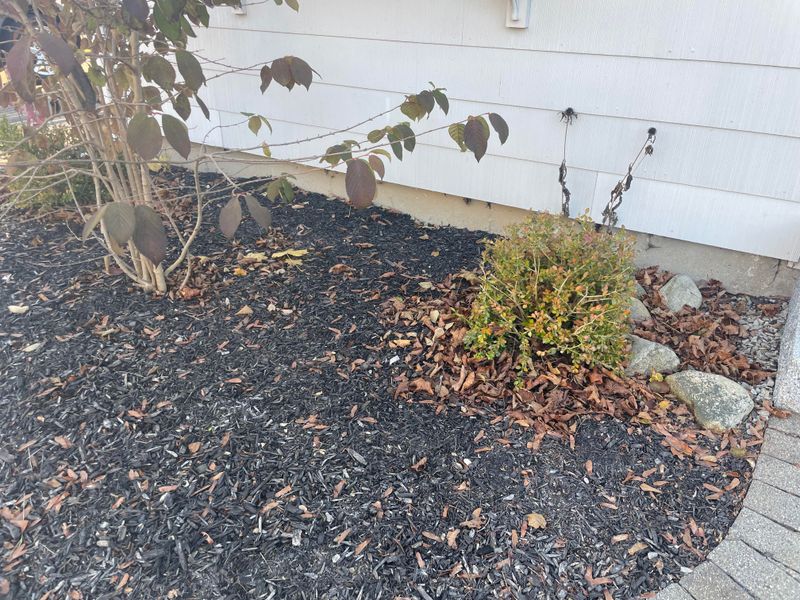
Mulch looks great in garden beds, but piled against your foundation it becomes a five-star ant hotel. Fire ants love the warmth, moisture, and shelter that thick mulch layers provide.
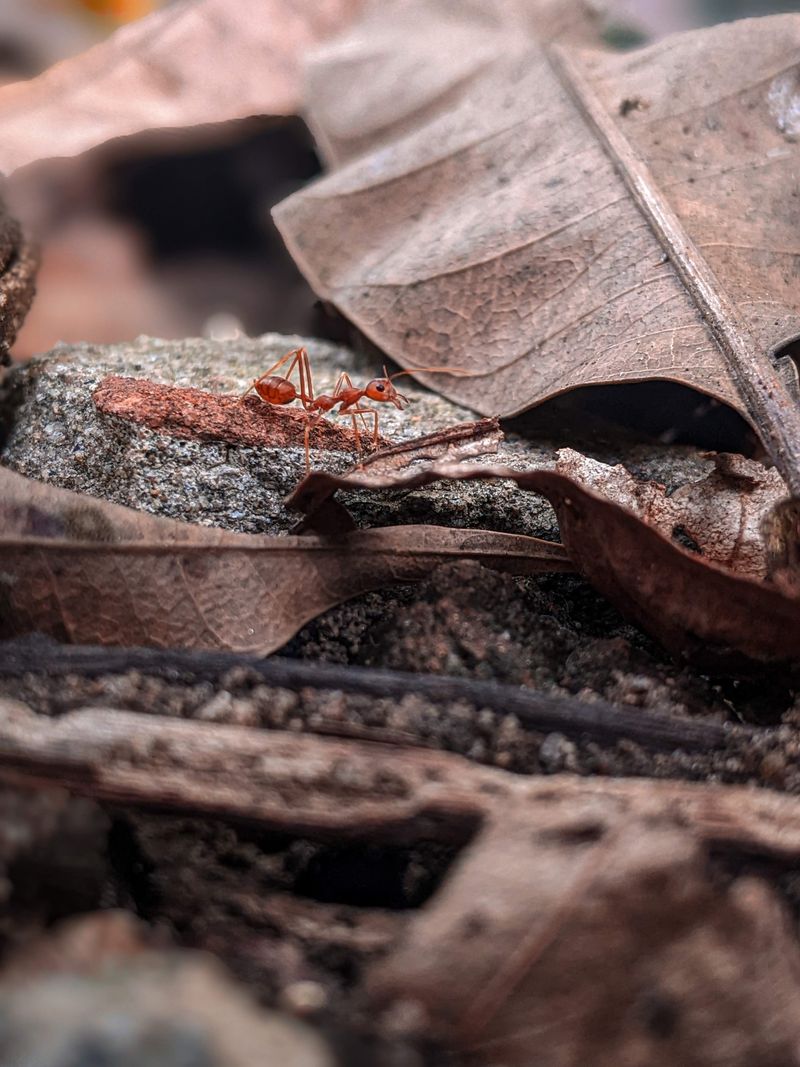
Leaf litter adds another layer of protection for developing colonies. Decomposing leaves trap heat and humidity close to the ground, which mimics the conditions ants seek out naturally.
When colonies establish in mulch near your foundation, they are already halfway inside your personal space. Workers forage into the home through cracks, gaps around pipes, and weep holes in brick.
Keeping mulch pulled back at least six inches from the foundation wall removes a key nesting zone. That gap makes it harder for colonies to bridge the space between garden beds and your home’s interior.
Leaf litter should be raked and removed regularly throughout the season, not just in fall. Letting it accumulate near the house creates a protected corridor that ants exploit all summer long.
Cedar mulch has some natural repellent properties and may be a smarter choice near the foundation. It breaks down more slowly and is less attractive to moisture-seeking insects than pine straw or hardwood mulch.
Fire ant problems grow more severe when nesting sites are allowed to develop close to the structure. Disrupting those sites regularly keeps colonies from settling in and becoming permanent neighbors.
Treat the perimeter of your home with a granular ant control product each spring. Combining physical removal of debris with chemical barriers creates a much stronger barrier overall.
Downspouts and gutters deserve a second look too, since dripping water often keeps the mulch underneath them consistently damp. That steady moisture can make those specific spots more attractive to colonies than the rest of the bed.
6. Keeping Large Areas Of Open, Sunny, Disturbed Soil
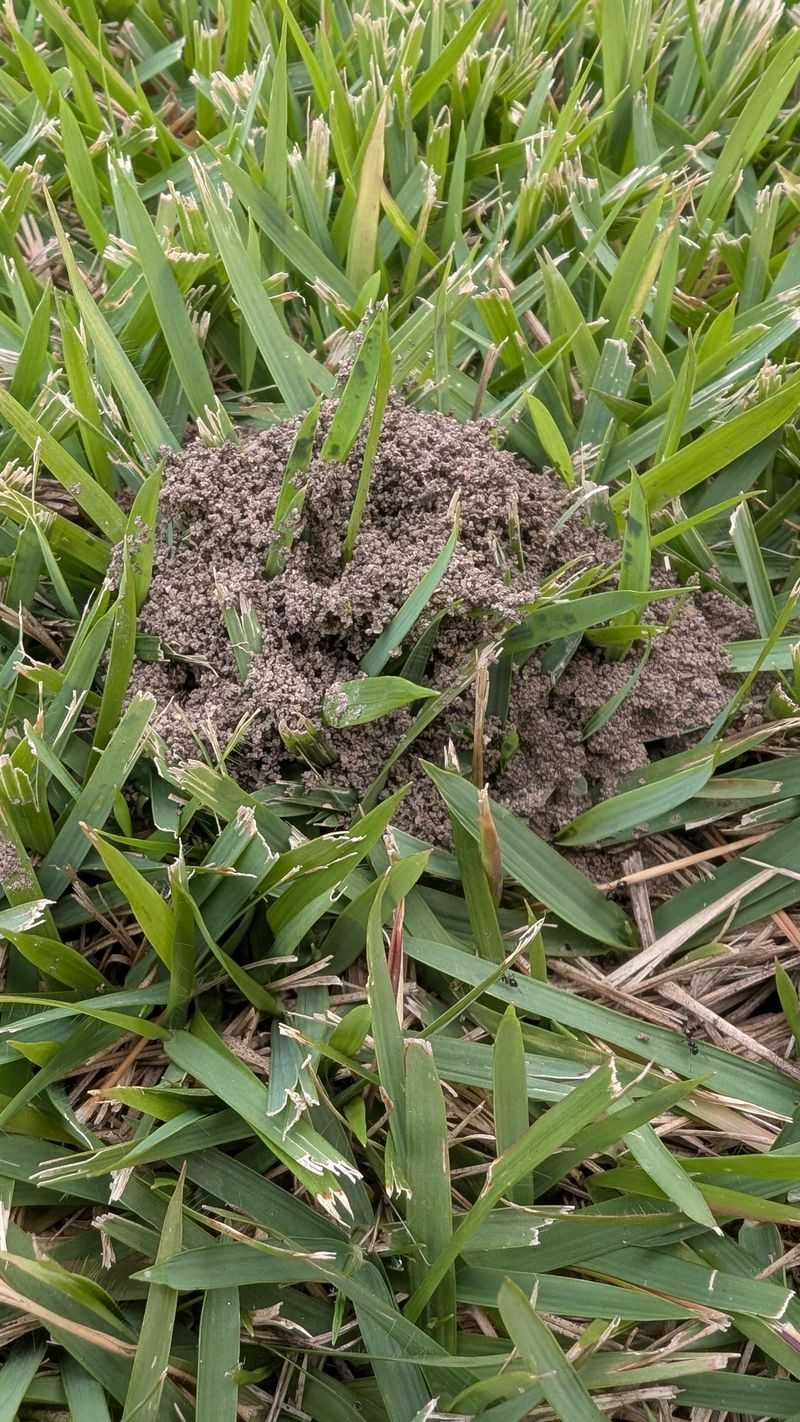
Bare dirt in your yard is basically a billboard that reads vacancy for fire ant queens. Open, sunny, disturbed soil is their preferred nesting environment, and they will claim it fast.
Disturbed soil from construction, gardening, or grading loses its natural structure. That loose texture makes tunneling easy, and the exposed surface warms up quickly in the Alabama summer sun.
Fire ant queens actively seek open ground after their mating flights in spring. A patch of bare soil near a garden bed or along a fence line is exactly what they scout for.
Covering bare areas with ground cover plants, sod, or mulch removes the open invitation. Dense vegetation makes it harder for colonies to establish and keeps soil temperatures more stable.
Grass coverage is one of your best natural barriers against new colony formation. Thick, healthy turf physically blocks queens from accessing the soil easily and disrupts early tunnel construction.
If you have recently graded or excavated any part of your yard, treat the area with bait or a granular barrier product right away. Do not wait for mounds to appear before acting.
Raised garden beds with exposed soil around the edges are especially vulnerable spots. Edging those beds cleanly and applying a perimeter treatment helps seal off common entry points for new colonies.
Fire ant problems multiply fast when open ground goes unmanaged through summer. Closing off those bare patches is one of the most underrated moves any Alabama homeowner can make.
Newly seeded lawn patches are worth watching closely during their first few weeks. Bare soil stays exposed until grass fills in, giving queens a short but real window to move in unnoticed.
7. Infrequent Mowing And Yard Debris Buildup
Tall grass and piled-up debris are a fire ant’s dream neighborhood. Overgrown yards offer shade, shelter, and undisturbed ground that makes colony building incredibly easy.
When mowing gets skipped for weeks, grass grows tall enough to hide mounds easily. You might not discover a new colony until you step on it barefoot, which is a painful way to find out.
Debris piles from branches, clippings, or stacked wood create ideal nesting zones. The material traps moisture underneath and raises the local temperature just enough to speed up colony development.
Regular mowing keeps the yard open and exposed, which fire ants generally dislike. Shorter grass dries faster after rain and makes mounds easier to spot and treat before they grow large.
Aim to mow at least once a week during peak summer growth, keeping grass at the recommended height for your turf type. Consistent cutting removes the protective canopy that new colonies rely on.
Yard waste should be removed or chipped promptly rather than left in corner piles. Even a small stack of branches can shelter a developing colony for weeks before you notice anything wrong.
Compost bins should be managed carefully and kept away from the main lawn area. Open, unmanaged compost is warm, moist, and rich in organic material, which is essentially ideal ant habitat.
Staying on top of mowing and debris removal is one of the simplest ways to reduce fire ant problems in Alabama yards all summer long. A tidy yard gives new colonies far less room to settle in.
Edges along fences, sheds, and property lines are easy to forget during a regular mowing routine. Keeping those strips trimmed removes one more overlooked shelter option for colonies looking to expand outward.