Yard And Garden Habits Arizona Homeowners Have That Keep Attracting Gophers
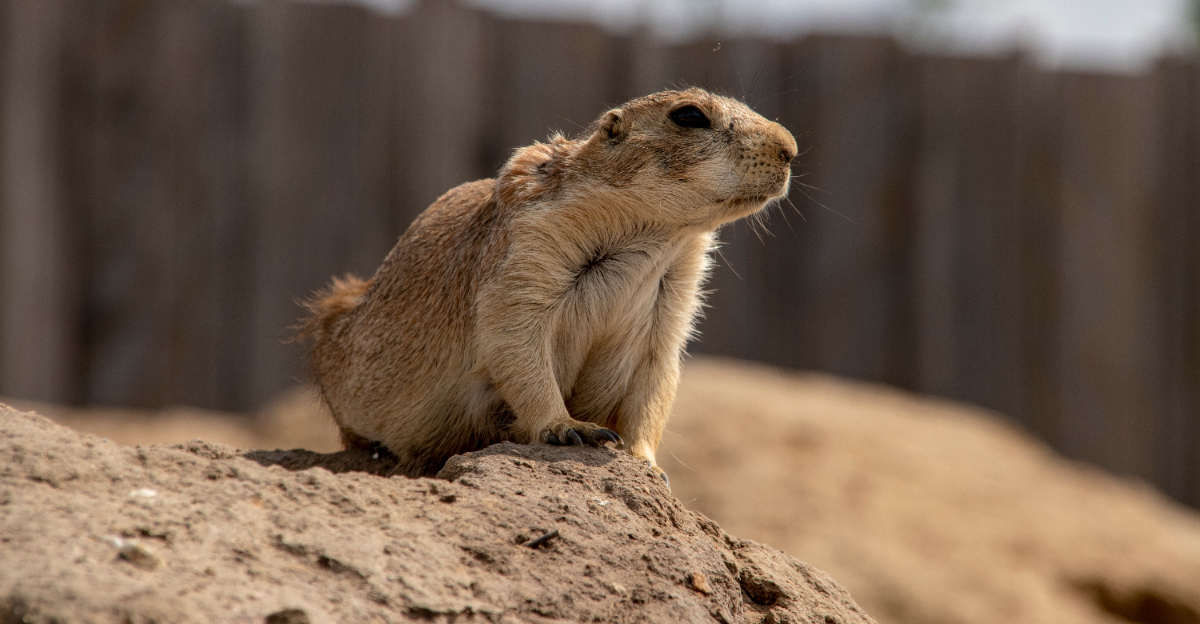
Fresh mounds of soil seem to appear overnight. One week everything looks normal, and the next there are signs that something has been busy beneath the surface.
The damage can feel especially confusing when plants look healthy and there is no obvious clue about what triggered the problem.
Gophers are not random visitors. They spend their time searching for food sources and places where digging is easier.
Certain landscaping choices can quietly create the conditions they prefer, even when the goal was simply to keep a property looking attractive and well maintained.
Many Arizona homeowners focus on removing gophers after they arrive. The bigger question is what keeps bringing them back.
A closer look at a few common gardening and landscaping habits may reveal why some properties seem to attract more gopher activity than others.
1. Easy Food Sources Can Keep Gophers Coming Back
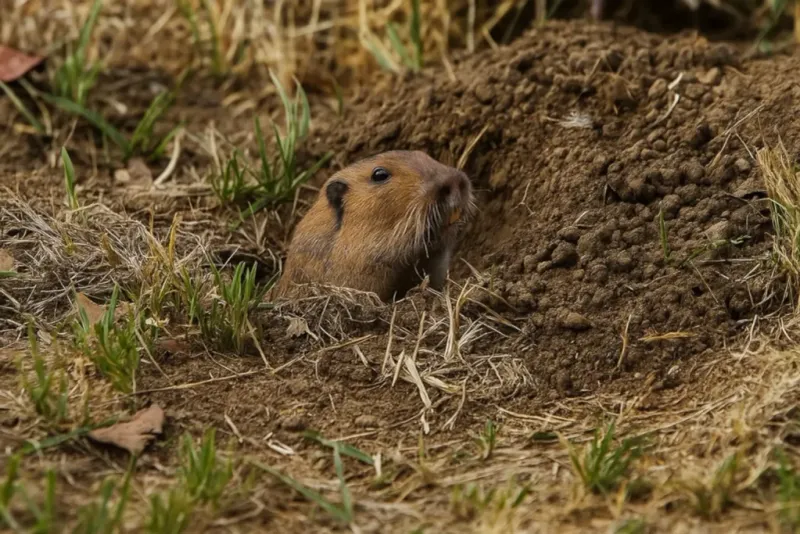
Gophers are not picky eaters, and that works against most homeowners. Roots, bulbs, tubers, and tender plant stems are all fair game.
When a yard offers a steady buffet, gophers have zero reason to move on.
Planting edibles without any root protection is one of the most common mistakes. Carrots, beets, and sweet potatoes planted directly in open soil are basically an open invitation.
Gophers detect food through scent and vibration, and fresh root crops are easy to find.
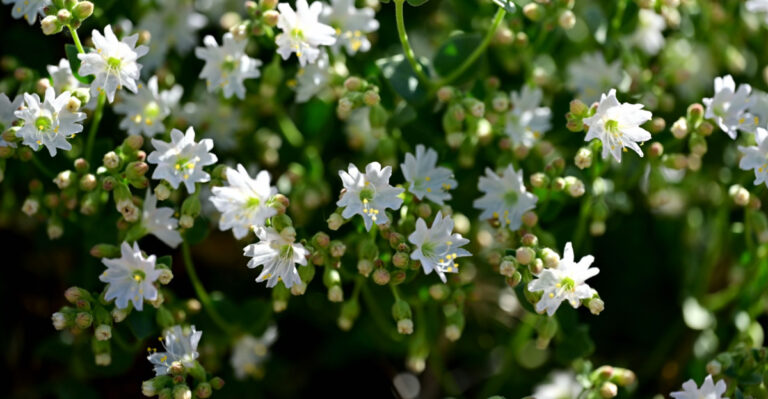
Even ornamental plants can be a draw. Alyssum, pansies, and certain succulents have roots gophers target regularly.
A yard full of these without any barriers below the soil line becomes a reliable food stop.
Switching to gopher-resistant plants helps, but it does not fully solve the problem. Combining plant choices with physical barriers underground gives much better results.
Hardware cloth installed at least 18 inches deep under garden beds creates a real obstacle.
Fertilized soil also plays a role. Heavy feeding encourages lush root growth, which makes plants even more attractive.
Scaling back fertilizer in problem areas can reduce some of that appeal without hurting plant health much.
Keeping food sources harder to reach, physically and through plant selection, makes your yard far less rewarding for gophers to visit. Fewer rewards mean fewer repeat visits over time.
2. Overwatering Creates Conditions Gophers Prefer
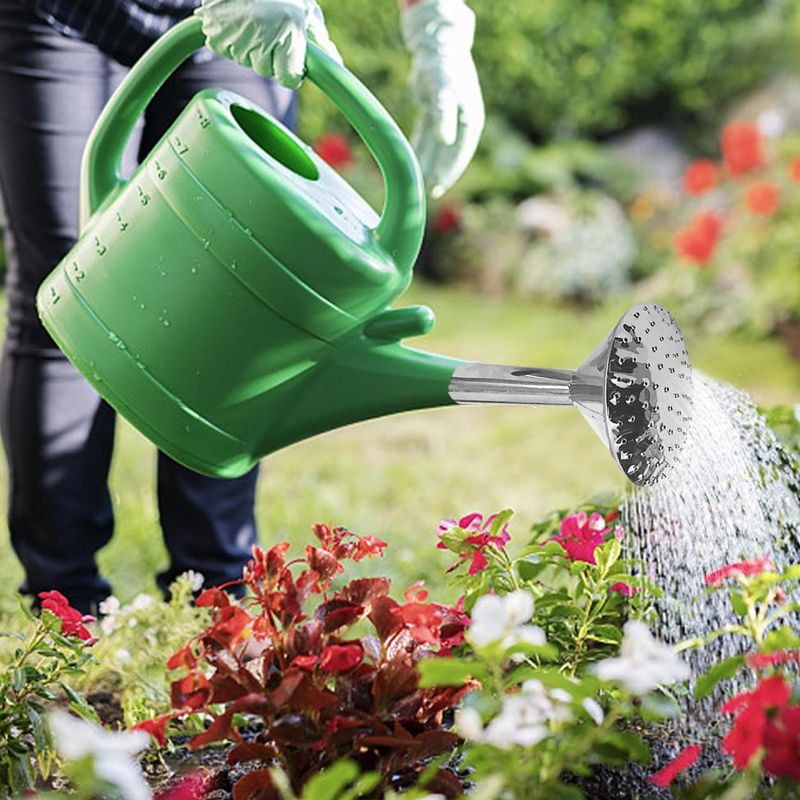
Soft, moist soil is a gopher’s dream workspace. Dry, compacted ground is hard to tunnel through.
Overwatered yards hand gophers exactly the digging conditions they prefer most.
Many desert homeowners water more than their landscape actually needs. Grass and ornamental plants in warm climates can survive on far less water than most people apply.
Excess water soaks deep into the soil and keeps it loose and workable for weeks.
Gophers follow moisture. In dry stretches, they actively seek out irrigated areas because those zones also support more root growth.
A consistently wet lawn in a dry region stands out like a beacon to local gopher populations.
Drip irrigation systems, when poorly managed, can create concentrated wet zones underground. Gophers learn the layout quickly and tunnel directly toward those areas.
Adjusting emitter placement and run times can disrupt those predictable patterns.
Your Arizona Garden Changes Every Week. Your Plan Should Too.
Gardening in Arizona changes quickly throughout the season. Every Friday you’ll receive a simple weekly plan showing exactly what to plant, prune, fertilize, harvest, and protect so you never miss the right timing.
Switching to a smarter watering schedule makes a real difference. Water deeply but less frequently.
This encourages roots to grow downward while letting the surface soil dry out between sessions. Drier surface soil is harder to penetrate and less appealing for shallow tunneling.
A soil moisture meter is a worthwhile tool. It takes the guesswork out of watering and helps you avoid over-saturating areas near garden beds.
Smarter watering benefits your plants and makes your yard a much less comfortable place for gophers to work.
3. Unprotected Garden Beds Make Digging Easier
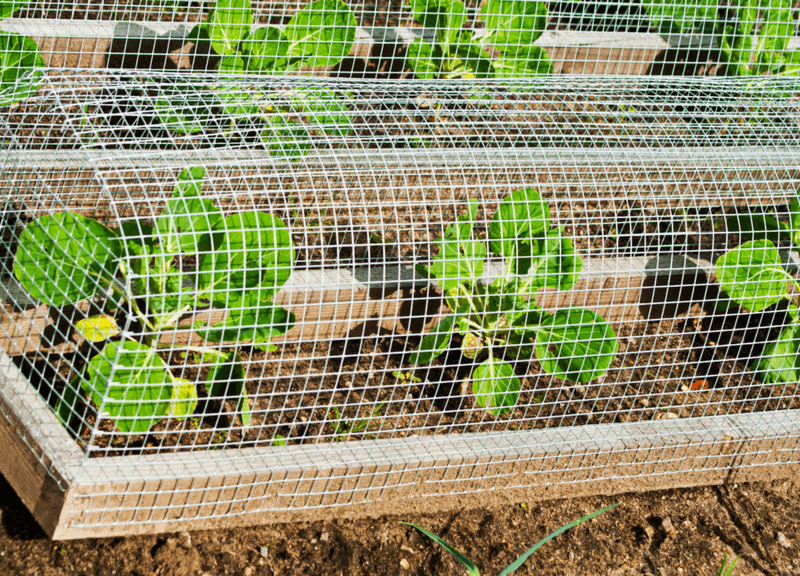
Freshly tilled soil is almost impossible for a gopher to resist. Loose, aerated garden beds are effortless to tunnel through compared to packed native ground.
Homeowners who prep their beds carefully are also accidentally making gopher access easier.
Most standard garden beds offer zero underground protection. Without a physical barrier below the soil, gophers can enter from any direction and work their way through root zones without much resistance.
A well-amended bed full of compost is also full of nutrients that support exactly the kind of root growth gophers target.
Adding hardware cloth to the bottom of raised beds is one of the most effective fixes available. A quarter-inch mesh creates a barrier roots can grow through but gophers cannot push past easily.
This one upgrade protects an entire bed season after season.
In-ground beds benefit from a similar approach. Lining the sides and bottom of planting areas with wire mesh during installation adds lasting protection.
It takes extra work upfront but saves significant frustration later.
Bed edging also matters. Hard borders made from metal or stone slow surface-level entry.
Gophers prefer to enter from soft, open soil rather than push through dense edges or compacted pathways.
Protecting your garden beds physically, rather than relying only on repellents, gives you a more reliable and long-lasting defense. Barriers work even when other methods lose effectiveness over time.
4. Dense Ground Cover Provides Extra Shelter
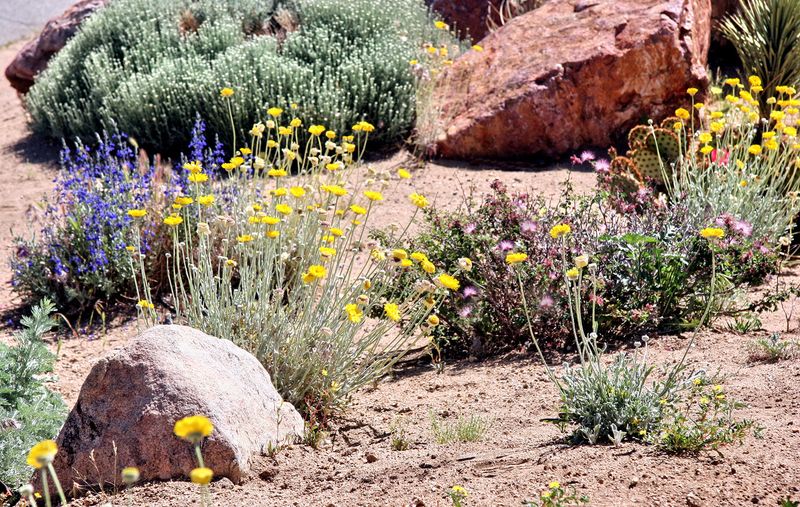
Ground cover looks great and keeps soil cool, but it also creates hidden, shaded zones that gophers use for cover. Dense plantings give them concealment while they move between tunnels and feeding areas above ground.
Plants like ice plant, clover, and certain native spreaders grow low and thick. Underneath that canopy, the soil stays moist longer and cooler than surrounding areas.
Gophers are drawn to those conditions, especially during the hottest parts of the year in the Southwest.
The problem is not the ground cover itself. It is the unmanaged, overgrown version that creates a problem.
When plants grow so thick they block visibility and airflow at ground level, gophers feel much safer moving around your yard during daylight hours.
Trimming ground cover regularly reduces that shelter effect. Keeping plantings at a manageable density allows more airflow and light to reach the soil surface.
Drier, more exposed soil is far less comfortable for gophers to operate near.
Spacing matters during planting too. Avoid letting ground cover press directly against fence lines, walls, or raised beds.
Those transition zones become preferred travel corridors when the cover is thick enough to hide movement.
Occasional thinning of established ground cover is a simple maintenance habit. It keeps your yard looking neat while removing one of the key conditions that makes gophers feel safe sticking around long-term.
5. Fallen Fruit Can Attract More Activity
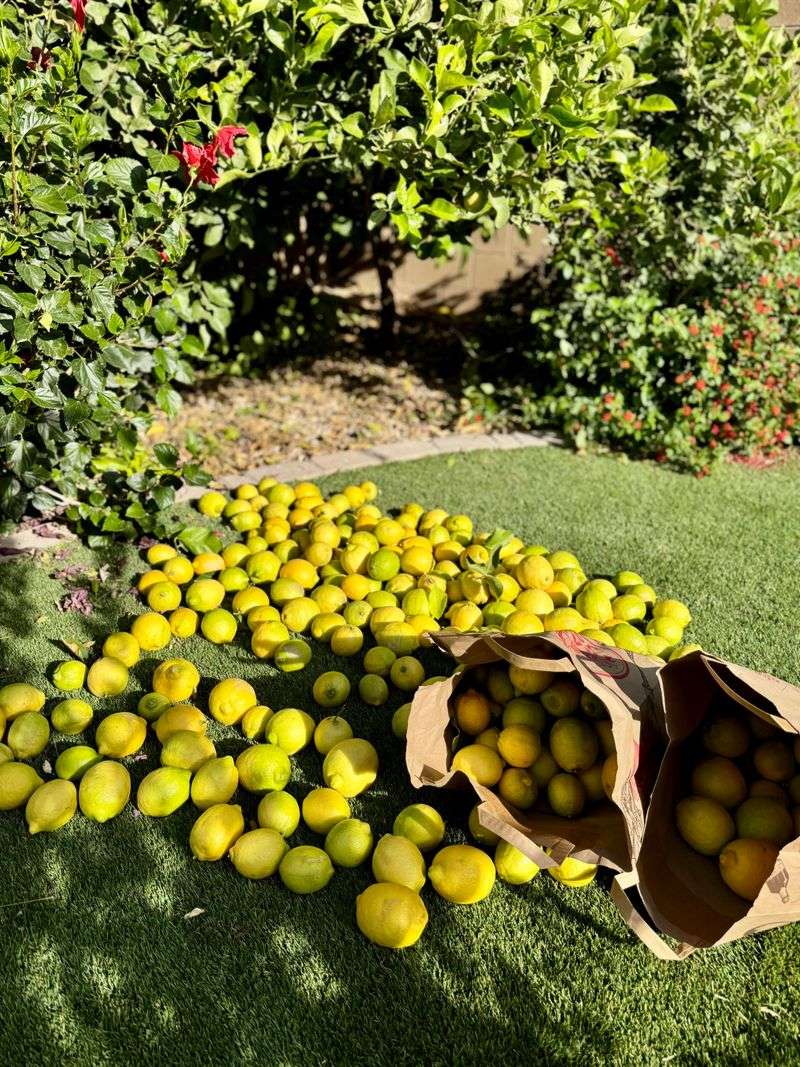
Fruit trees are a popular choice in warm desert climates, and for good reason. But fallen fruit sitting on the ground is a food source that attracts far more than just birds and insects.
Gophers investigate surface-level food, especially when it softens and releases stronger scent.
Rotting fruit soaks into the soil as it breaks down. That creates a localized nutrient-rich zone that supports root growth and draws gophers looking for easy feeding opportunities below ground.
A tree with frequent fruit drop can become a long-term hotspot for gopher activity.
Picking up fallen fruit every few days is one of the simplest preventive habits a homeowner can build. It removes the food signal before gophers have time to establish a pattern around that area.
Consistency matters more than perfection here.
Composting fallen fruit away from active garden areas also helps. Placing compost bins near the edges of the property, away from beds and high-value plants, keeps decomposing material from concentrating gopher interest in the wrong spots.
Some fruit tree owners use trunk guards and raised planting areas to reduce how much fruit contacts the soil directly. These small adjustments reduce the scent trail that guides gophers toward your trees in the first place.
Managing fruit drop is a low-effort habit that pays off. Fewer food signals on the ground means fewer reasons for gophers to keep circling back to your yard each season.
6. Untended Areas Give Gophers More Places To Hide
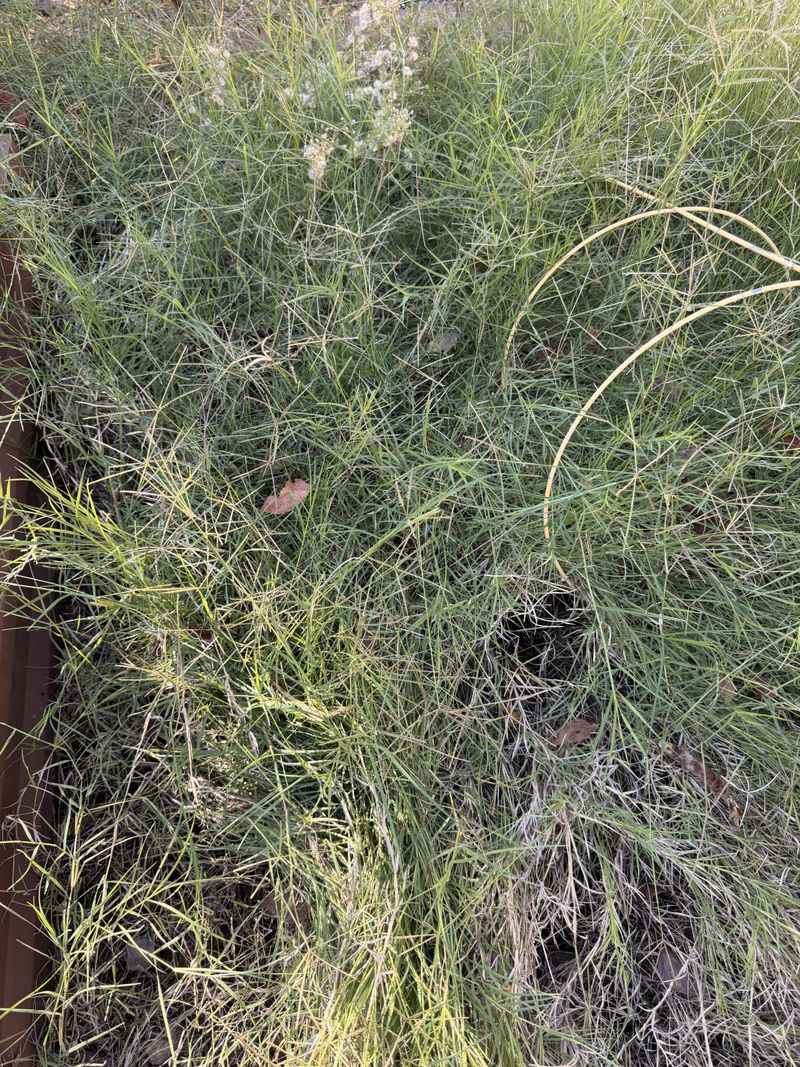
Neglected corners of a yard are basically free real estate for gophers. Piled debris, uncut weeds, and overgrown fence lines give them cover, nesting potential, and easy tunnel access all in one spot.
Gophers prefer areas where they feel protected from above. Open, maintained yards offer less cover and make gophers more vulnerable to predators.
Messy, cluttered areas flip that equation completely in their favor.
Old lumber piles, unused pots, and overgrown shrub bases are common problem spots. These areas rarely get disturbed, which is exactly what gophers look for when choosing where to establish tunnel systems.
Stability and cover drive their location choices.
Regular yard cleanup disrupts that comfort. Moving stored items, clearing weeds along fence lines, and trimming overgrown shrubs back to clean edges removes the cover gophers rely on.
Even occasional disturbance of these zones makes them feel less secure.
Gravel borders along fences and walls are a practical upgrade. They reduce weed growth, cut down on moisture retention, and create a less hospitable surface than soft soil or heavy mulch.
Gophers are less likely to establish themselves in areas with poor digging conditions.
Keeping your yard consistently tidy takes less time than dealing with an active gopher problem later. A well-maintained property signals to gophers that there are easier, safer places nearby.
Consistent upkeep is one of the most underrated prevention tools available to homeowners in warm desert regions.
7. Root Crops Can Encourage More Digging Activity
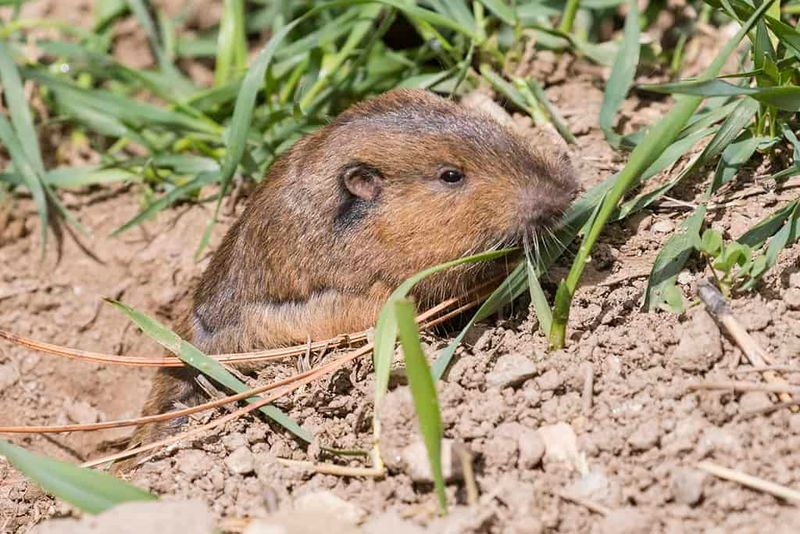
Root crops are among the most effective gopher attractants a homeowner can plant. Carrots, radishes, turnips, and sweet potatoes grow exactly where gophers tunnel, making them extremely easy targets below the soil surface.
Gophers locate these crops by following scent through the soil. Once they find a patch, they work methodically through the root zone.
A full row of carrots can disappear from below without any visible warning above ground until the plants simply collapse.
Growing root crops in raised beds with hardware cloth liners is the most reliable protection method. The barrier keeps gophers out while still allowing excellent drainage and root development.
Beds without liners are far more vulnerable, regardless of other precautions taken nearby.
Planting root crops in containers is another option for homeowners who want to avoid underground barriers entirely. Large, deep containers placed on hard surfaces eliminate the tunnel-access problem completely.
It limits planting volume but removes the risk.
Rotating crop locations each season also helps disrupt gopher patterns. Gophers that learn a specific area holds food will return repeatedly.
Moving root crops to a different part of the yard breaks that expectation and forces them to search again.
Companion planting with gopher-deterring species like gopher spurge near root crop areas adds another layer of discouragement. No single method is foolproof, but layering several strategies together gives root crop gardeners in Arizona a much stronger defense overall.