This Is The Invasive Insect Targeting Texas Oak Trees At An Alarming Rate
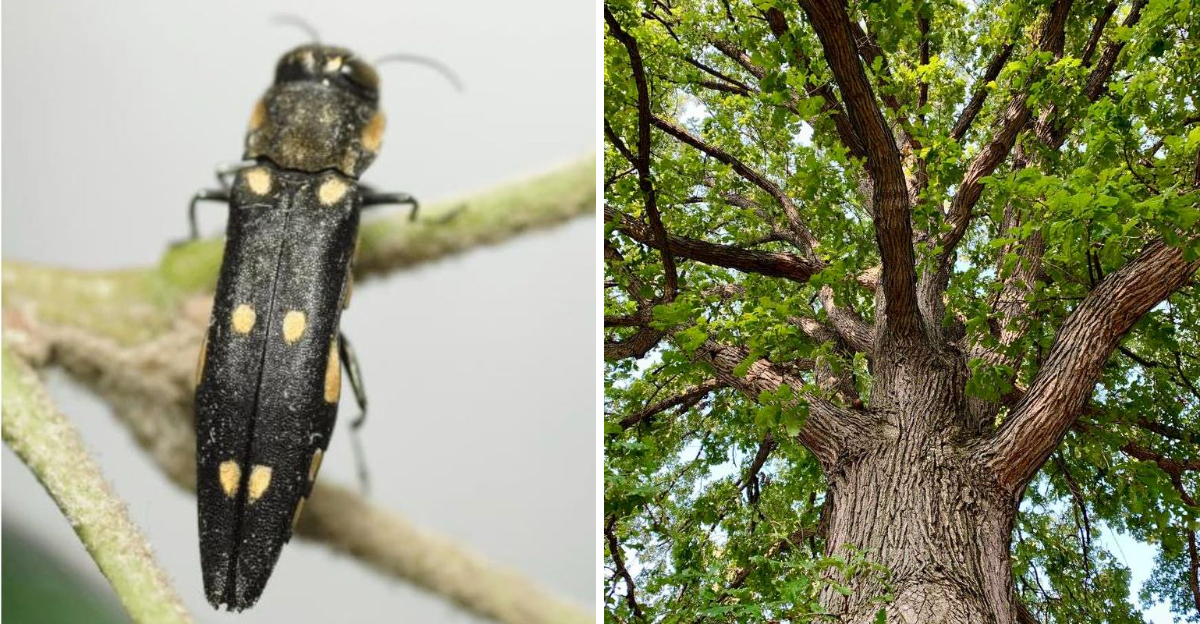
Texas oak trees are under pressure from an invasive insect that has been spreading through the state with a speed that has genuinely alarmed arborists and forestry officials tracking its movement.
Oaks are among the most ecologically important trees in Texas, supporting wildlife, anchoring neighborhoods, and in many cases representing decades or centuries of growth that cannot be replaced on any reasonable timeline.
This pest targets them specifically, and the damage it causes is not cosmetic.
It weakens trees over multiple seasons, opens them up to disease and secondary pests, and in significant infestations can contribute to decline that becomes irreversible before most homeowners realize something serious is happening.
Texas’s climate and oak density create conditions that allow this insect to spread efficiently, and the residential landscape is not protected from it simply because it is managed.
Knowing what to look for and when to act is the most practical thing Texas homeowners with oaks on their property can do right now.
Meet The Two-Spotted Oak Borer
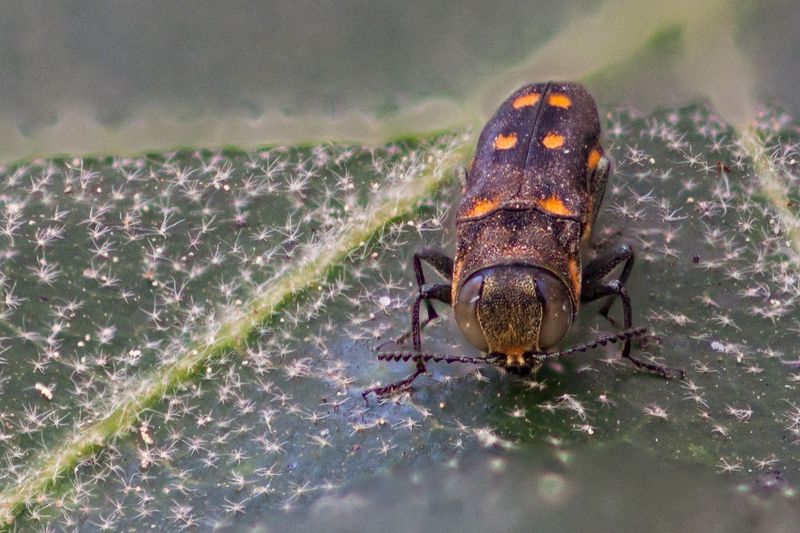
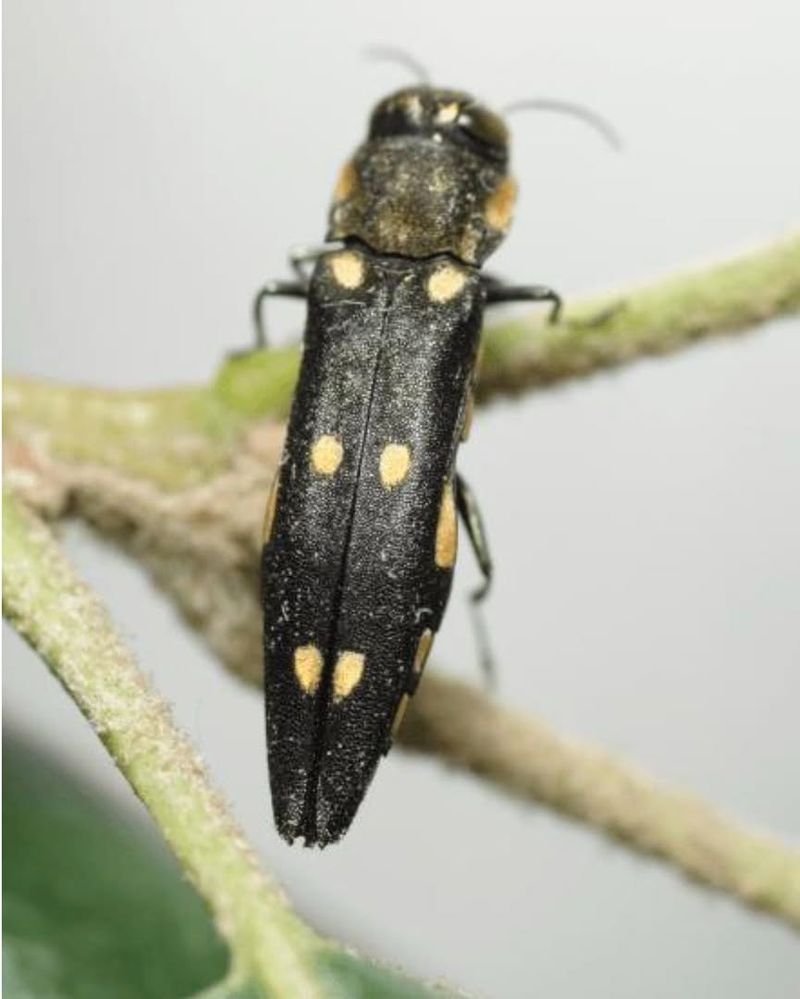
Tiny but mighty in the worst possible way, the two-spotted oak borer is a small metallic green beetle that is turning heads among Texas tree experts and homeowners. Measuring only about 5 millimeters long, this insect is easy to overlook.
But do not let its small size fool you. It has become one of the most alarming threats to oak trees in the Lone Star State.
Scientifically known as Agrilus bilineatus, this beetle belongs to a family called jewel beetles, named for their shiny, gem-like appearance. While they may look almost pretty up close, their impact on oak trees is anything but.
They belong to the same family as the notorious emerald ash borer, which wiped out millions of ash trees across North America.
Red oak species are the primary targets, though other oaks can be affected too. Texas has a rich and beloved oak tree population, from the Hill Country to East Texas forests.
These trees provide shade, habitat for wildlife, and deep cultural value to communities across the state. The two-spotted oak borer threatens all of that.
Researchers and forestry officials have been tracking this beetle closely as reports of infestations grow. Urban trees, which often face more stress from heat and drought, seem especially vulnerable.
Knowing what this insect looks like and understanding its habits is the first step toward protecting the oaks around your home and neighborhood. Awareness is truly a powerful tool when facing a threat this serious.
Life Cycle And Behavior
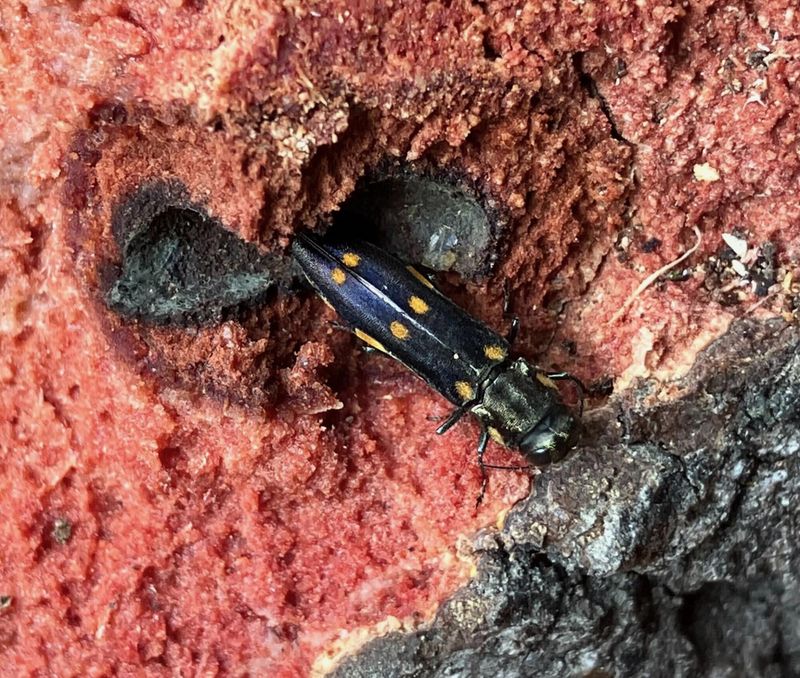
Understanding how the two-spotted oak borer lives and behaves helps explain why it spreads so fast and causes so much damage. Adult beetles emerge from infested trees in late spring and continue through summer.
Once out, they waste no time. Females search for oak trees to lay their eggs, tucking them carefully into crevices in the bark where they are hard to spot.
After the eggs hatch, the real trouble begins. Tiny larvae bore through the outer bark and start feeding on the inner layer of the tree called the phloem.
Your Texas Garden Changes Every Week. Your Plan Should Too.
Gardening in Texas changes quickly throughout the season. Every Friday you’ll receive a simple weekly plan showing exactly what to plant, prune, fertilize, harvest, and protect so you never miss the right timing.
The phloem is like the tree’s highway system. It carries sugars and nutrients produced by the leaves down to the roots. When larvae carve winding tunnels through this layer, they cut off that flow completely.
These tunnels, called galleries, grow longer as the larvae feed and grow throughout the summer and into fall. By the time cold weather arrives, the larvae have burrowed deeper into the wood to wait out winter.
In spring, they resume feeding before eventually changing into adult beetles and chewing their way out through the bark.
The whole cycle then repeats, often with more beetles emerging than the year before. A single infested tree can produce dozens or even hundreds of new adults.
Those adults fly to nearby trees and start the process all over again. This rapid multiplication is a big reason why forestry experts are so concerned about how quickly this insect is spreading across Texas landscapes.
Signs Of Infestation
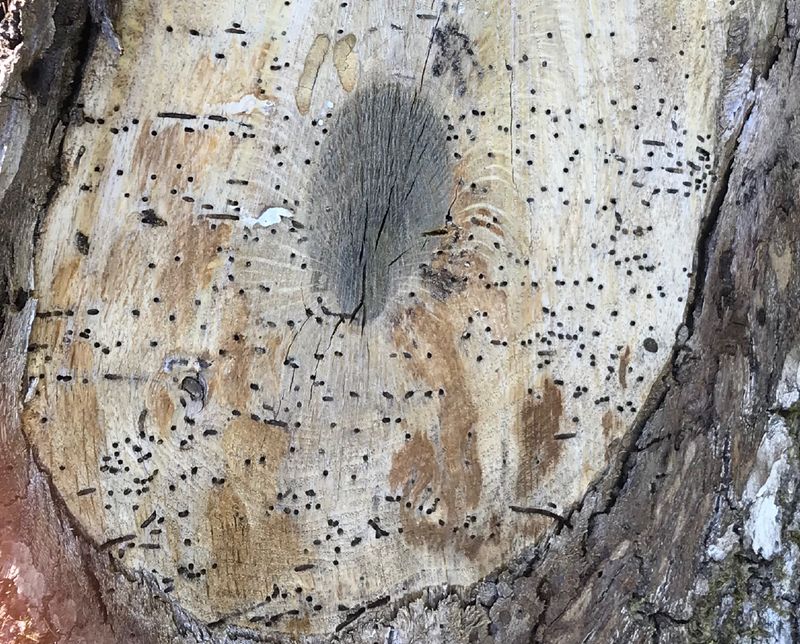
Catching an infestation early can make a real difference in whether a tree survives or not. The tricky part is that the two-spotted oak borer does most of its damage hidden beneath the bark, where you cannot easily see it.
Still, there are clear warning signs on the outside of the tree if you know what to look for.
One of the most telling clues is the D-shaped exit hole. When adult beetles chew their way out of the tree in late spring and summer, they leave behind small, distinctly D-shaped holes in the bark.
These holes are tiny, roughly the size of a pencil tip, but once you know what they look like, they are hard to miss. Finding several of these holes on a tree is a strong signal that beetles have been active inside.
Above ground, the tree itself will start showing stress. Leaves may turn yellow or brown earlier than expected.
Branches toward the top or outer edges of the tree may stop producing leaves altogether, a condition called dieback. The canopy can start to look thin and patchy compared to healthy trees nearby.
If you carefully peel back a small section of loose or damaged bark, you may find the winding galleries carved by the larvae just beneath the surface. These zigzag tunnels are another clear sign of activity.
Spotting any combination of these symptoms should prompt you to act quickly. Contacting a certified arborist or your local Texas A&M Forest Service office is a smart next step when you notice these warning signs.
Why Oak Trees Are At Risk
Not every oak tree is equally at risk, but understanding which ones are most vulnerable helps explain why this pest has been spreading so aggressively across Texas. The two-spotted oak borer tends to target trees that are already weakened or under stress.
Healthy, well-established trees have natural defenses that make it harder for beetles to successfully infest them.
Red oak species, including Shumard oak and Texas red oak, appear to be the most susceptible. These trees are extremely common in Texas, planted widely in neighborhoods, parks, and along roadsides.
When a beetle-friendly host is everywhere, it does not take long for a population to explode. That widespread planting of the same tree species creates what experts call a monoculture, and monocultures are always risky when a new pest shows up.
Urban trees face extra challenges. Heat from pavement, compacted soil, limited water access, and air pollution all stress trees in ways that forest trees often do not experience.
A stressed tree produces less of the defensive resin that naturally slows or stops beetle attacks. Drought years, which Texas has seen plenty of recently, make the problem even worse.
Forested areas are also at risk, not just city trees. Once the beetle establishes itself in a woodland, it can spread from tree to tree rapidly. Large sections of forest have already shown signs of damage in some Texas counties.
The combination of a highly mobile insect, stressed host trees, and a changing climate creates conditions where this pest can cause extensive harm across the state at a pace that is hard to manage.
Management Strategies
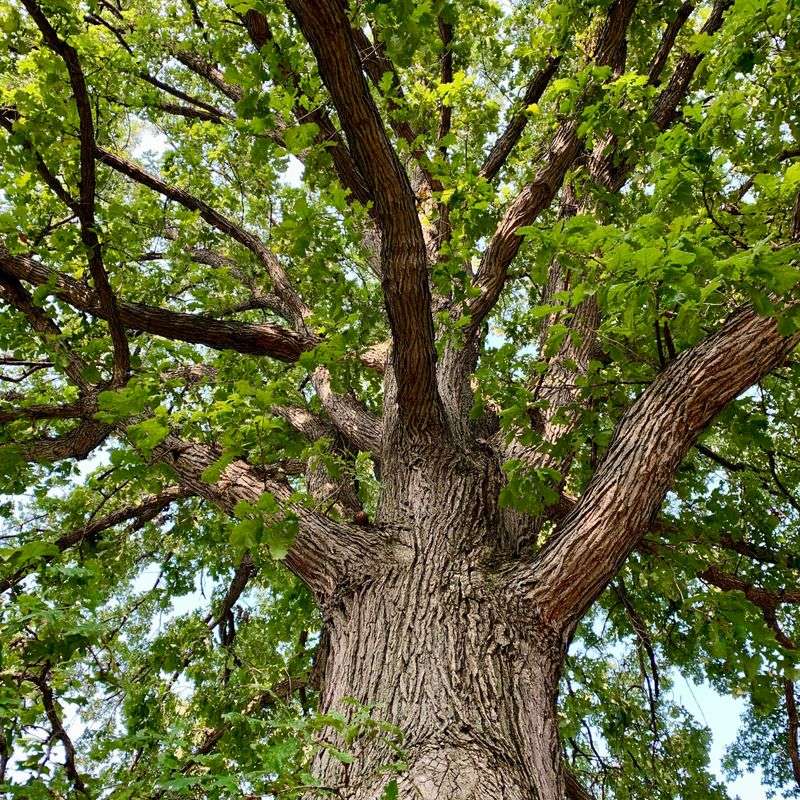
Once you suspect the two-spotted oak borer is targeting a tree on your property, moving quickly is essential. The earlier an infestation is caught, the more options you have.
Start by regularly walking around your oak trees and looking for those telltale D-shaped holes, yellowing leaves, or thinning branches. Making this a habit during spring and early summer, when adults are most active, gives you the best chance of catching problems early.
For trees that are heavily infested, the most effective management step is removing and properly destroying the affected branches or the entire tree if necessary. Leaving infested wood on your property allows more adult beetles to emerge and spread to neighboring trees.
Cut wood should be chipped, burned where permitted, or buried to prevent further spread. Never simply stack infested logs in your yard and forget about them.
Keeping your trees healthy is one of the strongest defenses available. Water your oaks deeply during dry spells, especially young or recently planted trees.
Apply a layer of mulch around the base to help retain soil moisture and regulate temperature. Prune dry or damaged branches using proper technique to avoid creating wounds that attract beetles.
Pesticide treatments are available but work best as a preventive measure on healthy trees in high-risk areas rather than as a cure for already-infested ones. Always consult a certified arborist before applying any chemical treatments.
A professional can assess the situation, recommend the right approach, and help you make informed decisions about protecting the valuable trees on your property and in your neighborhood.
Prevention And Long-Term Solutions
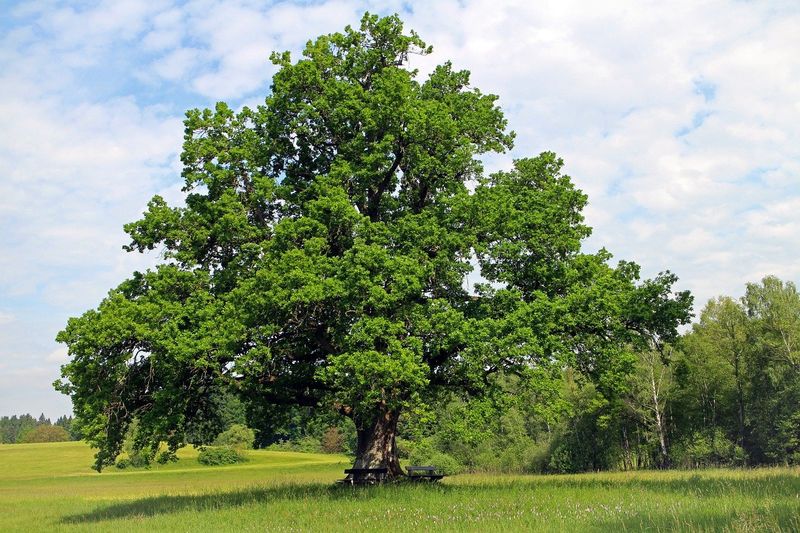
Prevention is always easier than trying to manage an active infestation, and there are practical steps every homeowner and community can take to slow the spread of the two-spotted oak borer. One of the most important rules is simple: do not move firewood.
Transporting firewood from one area to another is one of the fastest ways invasive beetles hitch a ride to new locations. Always buy firewood locally and burn it where you buy it.
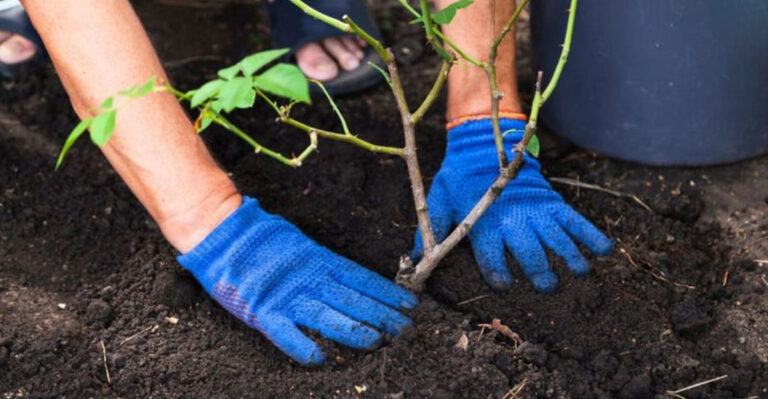
The same caution applies to nursery stock and transplanted trees. Before purchasing or planting a new oak tree, check it carefully for any signs of beetle activity.
Buying from reputable, certified nurseries reduces the risk of accidentally introducing infested plant material into your yard or community. A few minutes of careful inspection can prevent years of headaches.
Planting a variety of tree species instead of relying heavily on red oaks is a smart long-term strategy. Diverse plantings mean that if one species comes under attack, the entire landscape is not wiped out.
Native species that are less susceptible to the beetle can fill in gaps and provide similar shade and habitat benefits without the same level of risk.
Community education plays a huge role in containing this pest. When homeowners know what to look for and understand how to report suspected infestations, forestry officials can respond faster and more effectively.
Sharing information with neighbors, participating in local tree health programs, and reporting unusual tree symptoms to the Texas A&M Forest Service all contribute to a stronger, community-wide defense against this rapidly spreading invasive insect.