What Georgia Homeowners Should Know About Caring For Southern Magnolias In Summer
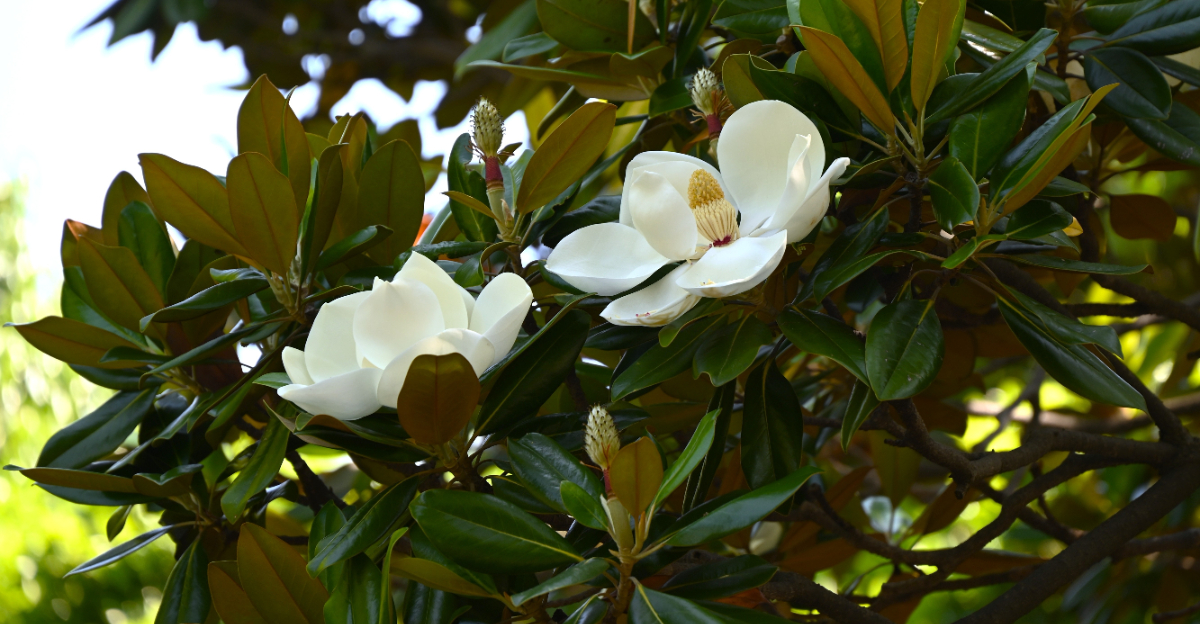
Southern magnolias have a way of becoming part of the landscape. After a few years, it is hard to imagine the property without them.
Their glossy leaves, large flowers, and year-round presence make them one of the most recognizable trees found in residential landscapes.
Summer is also the season when many homeowners start paying closer attention to them. Yellowing leaves, fallen foliage, and changes in appearance can raise questions, especially when temperatures stay high for weeks at a time.
What looks concerning at first is not always a sign that something is wrong.
Georgia summers can be demanding on trees, even those that are well adapted to the climate. Southern magnolias handle heat better than many popular landscape trees, but they still benefit from proper care during the warmest months of the year.
Understanding what is normal and what deserves attention can help keep these iconic trees looking their best through summer.
1. Deep Watering Becomes More Important During Summer Heat
Shallow watering is one of the most common mistakes magnolia owners make in summer. When water only reaches the top inch of soil, roots chase moisture upward and become more vulnerable to heat stress.
Deep watering encourages roots to grow further down where the soil stays cooler.
Aim to water slowly and steadily at the base of the tree. A slow trickle for 30 to 45 minutes once or twice a week works much better than a quick daily splash.
Sandy soils dry out faster and may need more frequent sessions.
Early morning is the best time to water. Moisture soaks in before afternoon heat pulls it back out.
Watering at night can leave the soil too damp for too long, which sometimes leads to fungal issues around the roots.
Clay-heavy soil holds water longer but can also become waterlogged. Check the soil a few inches down before watering again.
If it still feels moist, hold off another day or two.
Magnolias planted in full sun locations in the Southeast will need more consistent watering than those with afternoon shade. Adjust your schedule based on recent rainfall and how quickly your soil dries out between sessions.
2. Mulch Helps Protect Shallow Magnolia Roots
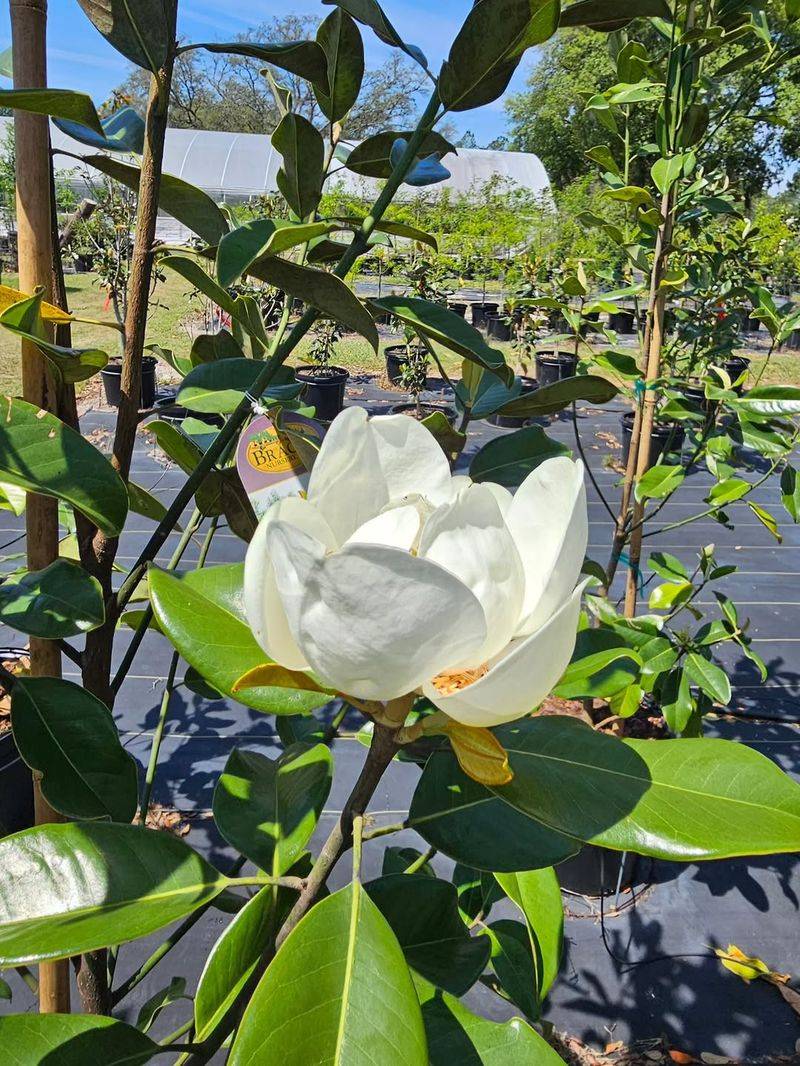
Magnolia roots sit surprisingly close to the surface. That makes them easy targets for summer heat baking through bare soil.
A proper layer of mulch acts like a blanket, keeping ground temperatures more stable and moisture from evaporating too quickly.
Wood chips or shredded bark work best. Spread mulch about 3 to 4 inches thick in a wide circle around the tree.
Wider is better since magnolia roots spread far beyond what most people expect.
Keep mulch pulled back a few inches from the actual trunk. Piling it directly against the bark can trap moisture and create conditions where rot or pests can take hold over time.
Fresh mulch applied in late spring or early summer gives roots protection right when temperatures start climbing. If last year’s mulch has broken down, top it off before the hottest weeks arrive.
Your Georgia Garden Changes Every Week. Your Plan Should Too.
Gardening in Georgia changes quickly throughout the season. Every Friday you’ll receive a simple weekly plan showing exactly what to plant, prune, fertilize, harvest, and protect so you never miss the right timing.
Organic mulch also improves soil quality as it breaks down slowly. That slow decomposition adds nutrients and encourages better drainage over time, which benefits root health through multiple seasons.
Homeowners across the Southeast often skip this step, but it genuinely makes a measurable difference.
Trees with proper mulch coverage tend to show fewer signs of heat stress during extended dry spells compared to those planted in bare, exposed soil.
3. Southern Magnolias Prefer Consistent Soil Moisture
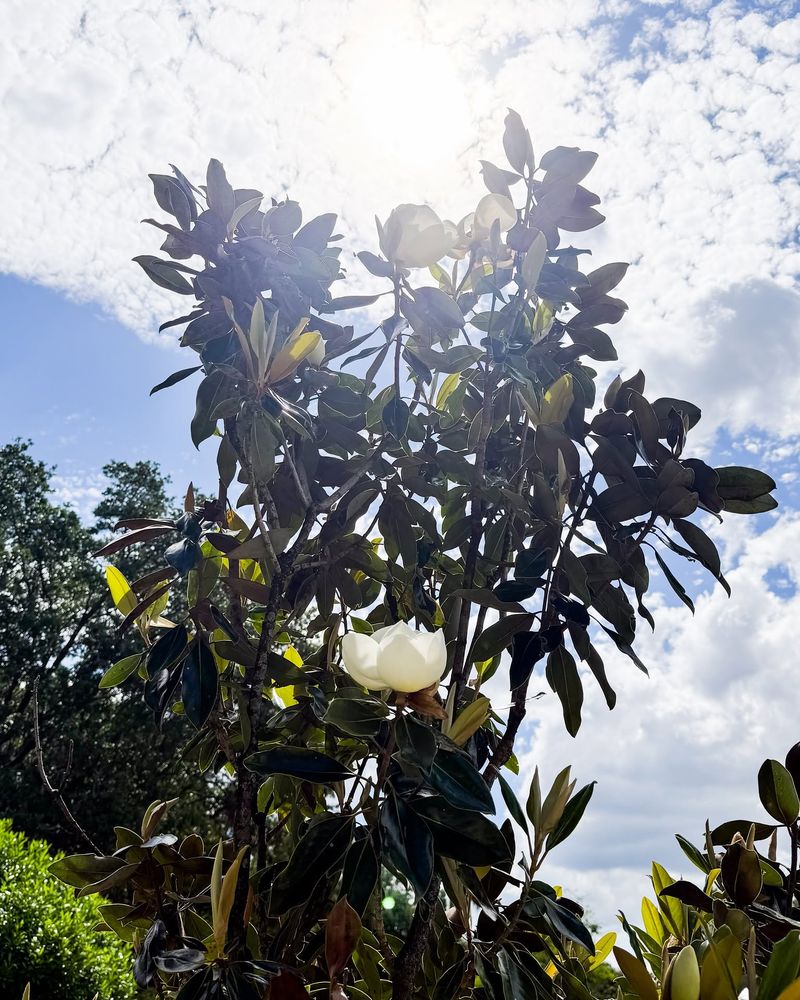
Boom and bust watering cycles are hard on magnolias. Letting the soil get bone dry, then flooding it with water creates stress that shows up in the leaves and slows growth.
Consistent moisture is far more beneficial than occasional heavy soaking.
Magnolias prefer soil that stays evenly moist but never waterlogged. Think of it like a wrung-out sponge.
Damp enough to feel cool, but not dripping or soggy when squeezed.
Rainfall in the Southeast can be unpredictable during summer. Some weeks bring daily afternoon thunderstorms while others stay dry for stretches.
Checking soil moisture manually takes only a few seconds and removes the guesswork.
A simple soil moisture meter is a practical tool for any magnolia owner. Insert it a few inches down near the drip line of the tree, not right at the trunk.
Readings near the drip line give a more accurate picture of what the roots are actually experiencing.
Newly planted magnolias need closer attention than established ones. Trees in their first two summers have shallower, less developed root systems and will dry out faster than mature trees with deeper reach.
Established magnolias are more resilient, but they still benefit from supplemental watering during extended dry periods. Even a tree that looks fine on the outside can be quietly stressed underground when moisture levels stay low for weeks at a time.
4. Heavy Pruning Can Create Unnecessary Summer Stress
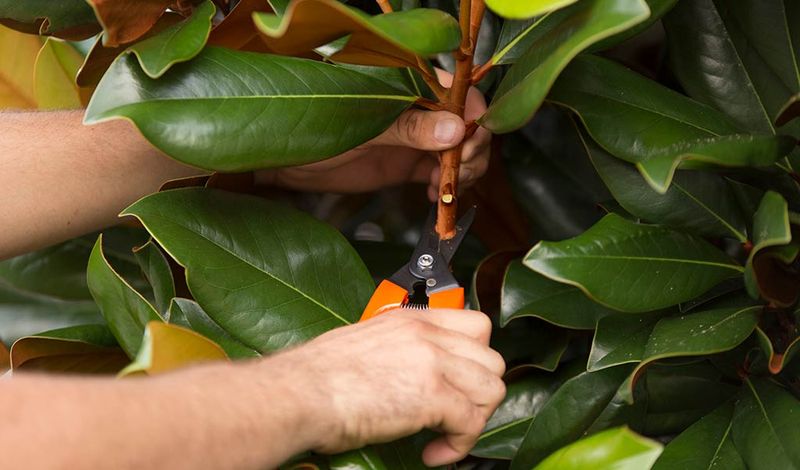
Summer is not the right time for major pruning on Southern magnolias. Cutting large branches during the hottest months forces the tree to spend energy healing wounds right when it needs that energy most for managing heat and drought.
Light cleanup is fine. Removing broken branches, crossing limbs, or clearly damaged wood will not cause serious harm.
What causes problems is aggressive shaping or removing large sections of the canopy mid-summer.
Open wounds from heavy cuts also attract certain insects and can become entry points for pathogens when the tree is already under heat stress. Timing matters more than most homeowners realize.
Late winter to early spring is the preferred window for significant pruning. At that point, the tree has not yet pushed new growth and has stored energy available to support recovery.
Cuts heal faster in cooler conditions.
If a storm breaks a major branch during summer, go ahead and clean it up promptly. A jagged, torn limb left hanging causes more problems than a clean cut made quickly.
Use sharp tools and cut back to healthy wood without leaving a stub.
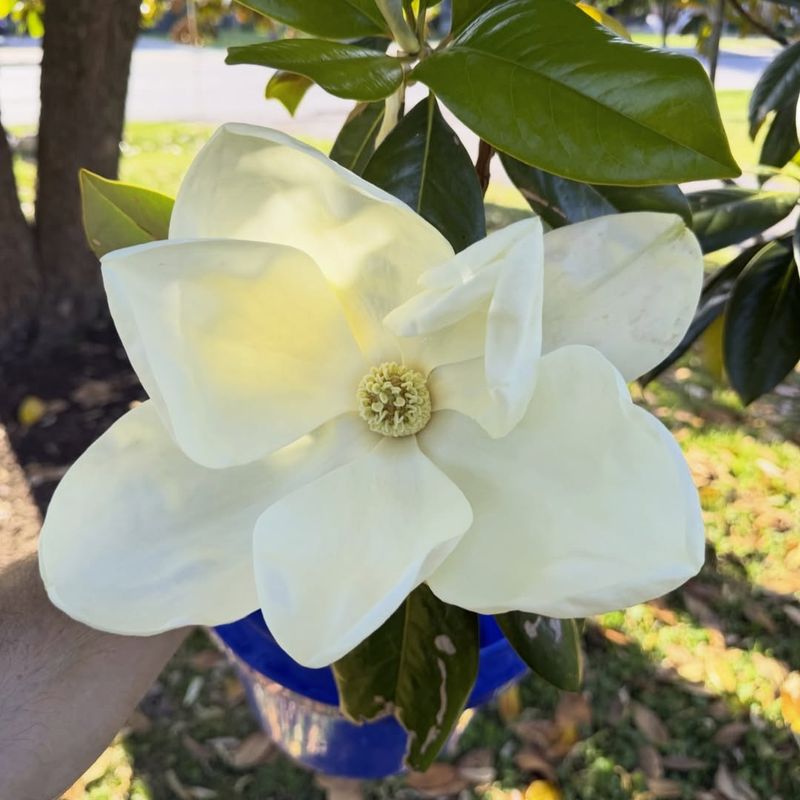
5. Container-Grown Magnolias Need More Frequent Watering
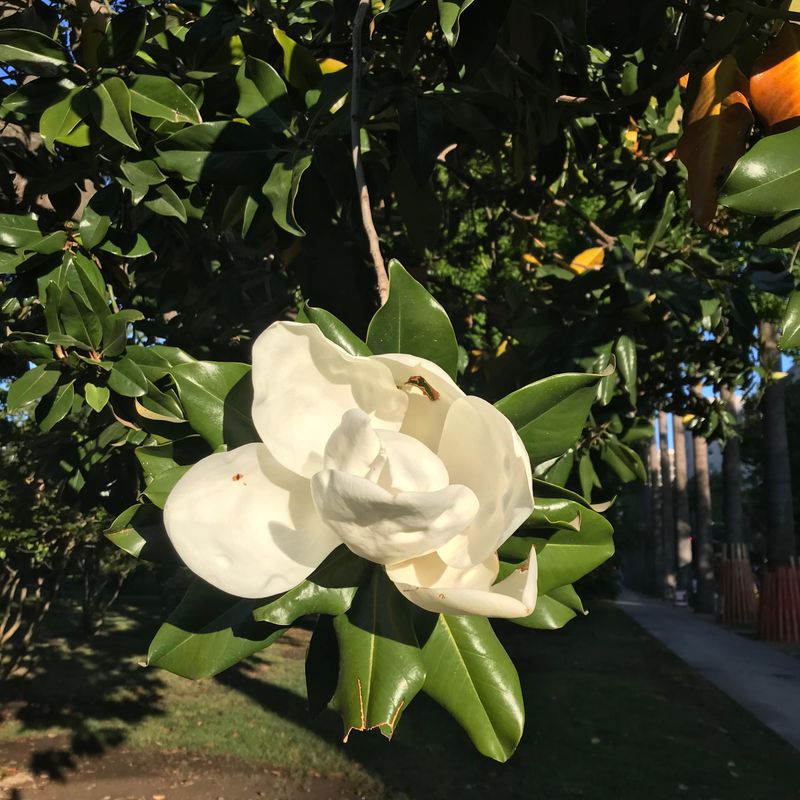
Container growing changes everything about how a magnolia manages water. Roots in a pot cannot spread outward to find moisture on their own.
Whatever water exists inside that container is all the tree has access to until you add more.
Pots heat up fast in direct afternoon sun. Soil temperatures inside a container can climb much higher than ground soil, and that heat pulls moisture out quickly.
Checking containers daily during peak summer weeks is a reasonable habit.
Watering frequency for container magnolias in warm Southern climates can range from once a day to every other day depending on pot size, material, and sun exposure. Smaller pots dry out faster than large ones.
Water until it drains freely from the bottom holes. That signals the entire root zone received moisture.
If water runs straight through without slowing, the soil may have dried into a hard mass that needs slow, repeated watering to rehydrate properly.
Fertilizing container magnolias in summer requires some caution. Fertilizer in dry soil can burn roots.
Always water thoroughly before applying any fertilizer, and avoid heavy applications during the hottest stretches of the season.
Moving containers to a spot with afternoon shade can reduce watering demands significantly. Morning sun with shade after midday keeps the tree happy while reducing the stress that full-day direct sun creates on both the foliage and the root zone.
6. Summer Storms Can Damage Large Branches
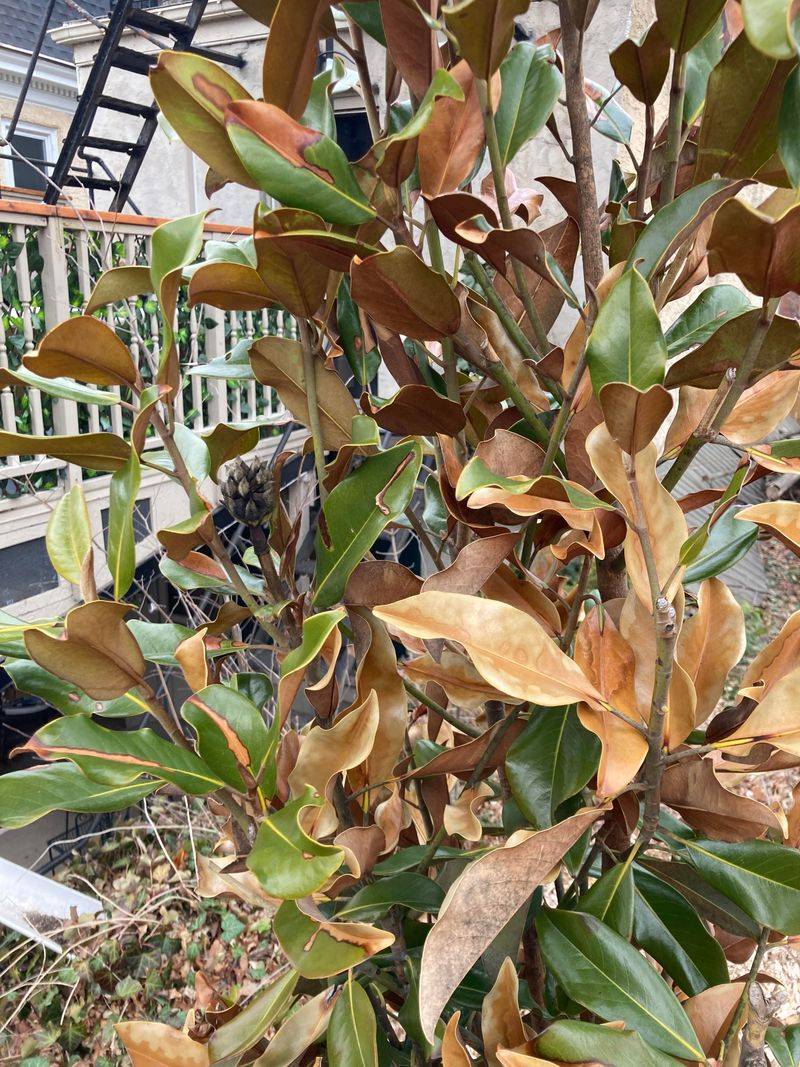
Afternoon thunderstorms roll through the South fast and hit hard. Magnolias with wide, heavy canopies catch a lot of wind, and branches that were already weakened by drought stress are more likely to snap under that kind of pressure.
Walk around your magnolia after any significant storm. Look for hanging branches, splits at the trunk junction, or sections of bark that have been torn away.
Catching damage early prevents small problems from becoming larger ones.
Branches that are partially attached but clearly broken should be removed cleanly rather than left dangling. A hanging limb swinging in wind creates a larger wound over time and becomes a hazard for anyone nearby.
Strong storms can also compact soil around the base of the tree. Heavy rainfall hitting bare ground forces air pockets out of the soil, reducing the oxygen availability that roots depend on.
Mulch helps absorb that impact and keeps soil structure more intact.
Inspect the root zone after major storms too. Soil heaving or visible root exposure near the base sometimes signals that the tree shifted slightly under wind load.
That kind of movement can disrupt fine feeder roots even when the tree appears stable.
Homeowners with magnolias near structures or power lines should consider having an arborist evaluate branch structure before storm season peaks.
7. Root Stress Can Show Up During Extended Hot Weather
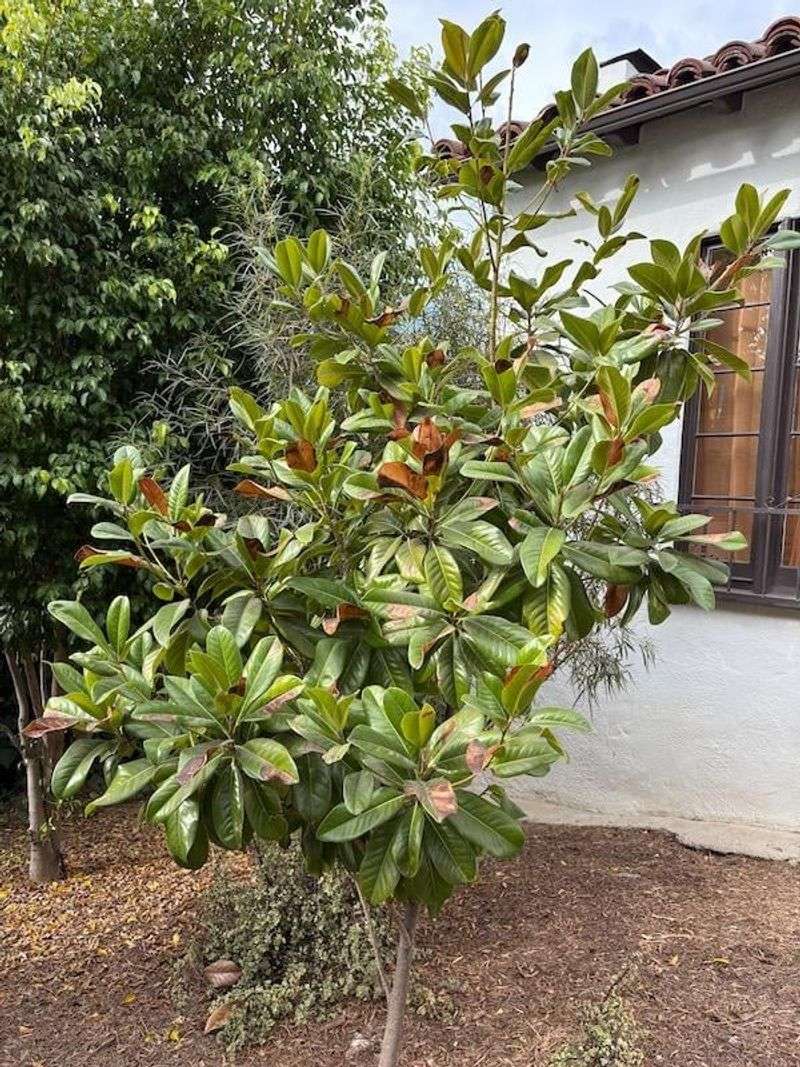
Roots under stress do not always announce themselves right away. By the time leaves start yellowing, curling, or dropping ahead of schedule, the root system may have been struggling for weeks.
Catching early warning signs matters.
Extended heat without adequate moisture forces roots to pull water from anywhere they can find it. Leaves will sometimes curl slightly inward as a natural response to reduce surface area and slow moisture loss.
That curling is a signal worth paying attention to.
Premature leaf drop is another common sign. Magnolias naturally shed older leaves in spring, but dropping leaves heavily in midsummer often points to root stress rather than normal seasonal behavior.
Context and timing make a difference in reading what the tree is telling you.
Compacted soil makes root stress worse. Foot traffic, heavy equipment, or repeated flooding can compress soil and reduce the air pockets roots depend on.
Aerating the area around the drip line can help in severe cases.
Avoid applying concentrated fertilizer when a magnolia is already under heat stress. Roots that are struggling with moisture loss are not in a position to absorb nutrients efficiently, and fertilizer salts in dry soil can cause additional irritation.
Recovery from root stress is possible with consistent care.