These Are The Connecticut Lawn Signs That Show Drought Stress Has Quietly Set In
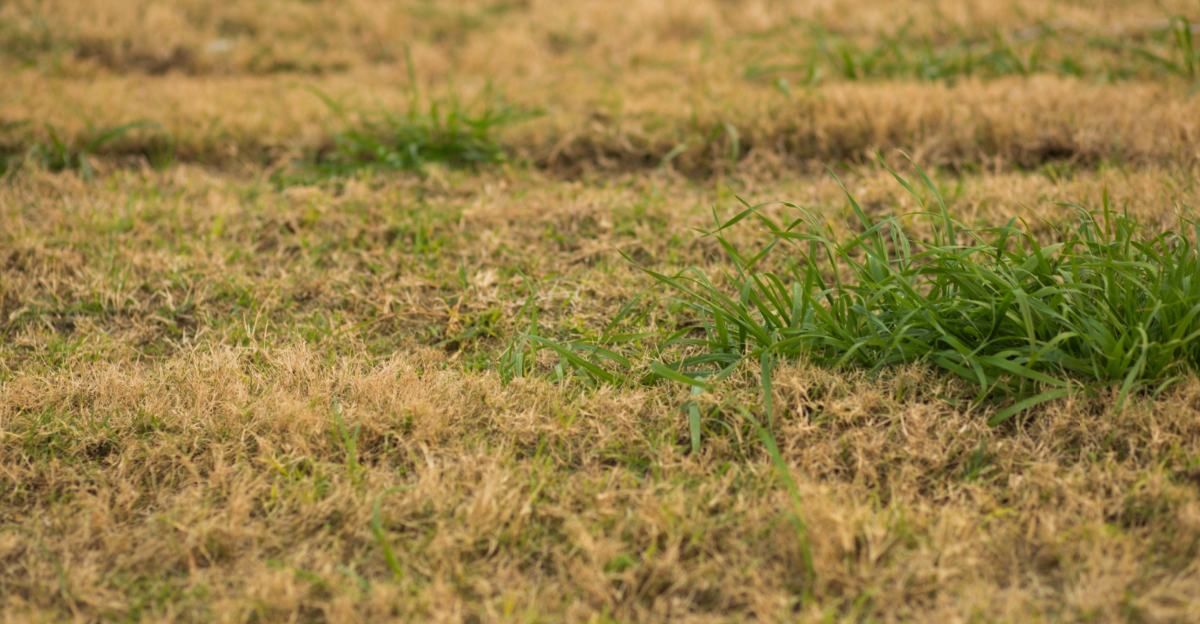
Something shifted in your lawn, and you almost missed it. Drought stress moves quietly through Connecticut yards before most homeowners catch it, and subtle shifts appear long before the brown sets in.
Catch them early and you save your grass, but miss them and the consequences compound fast. Is your lawn already sending signals you haven’t noticed yet?
Kentucky bluegrass and tall fescue feel dry heat quickly, and sandy soil across much of Connecticut drains faster than grass can handle. Most people assume brown means finished, but rarely is that the full story.
Stress shows up in ways that are easy to dismiss, so footprints stay pressed into the turf longer than they should.
Blades curl inward on hot afternoons, and color shifts from green toward a dull, faded blue-gray.
Every one of these signs carries a meaning. The lawn that stays green through a Connecticut summer belongs to the owner who saw it coming.
1. Bluish-Gray Tint Replaces The Lawn’s Normal Green
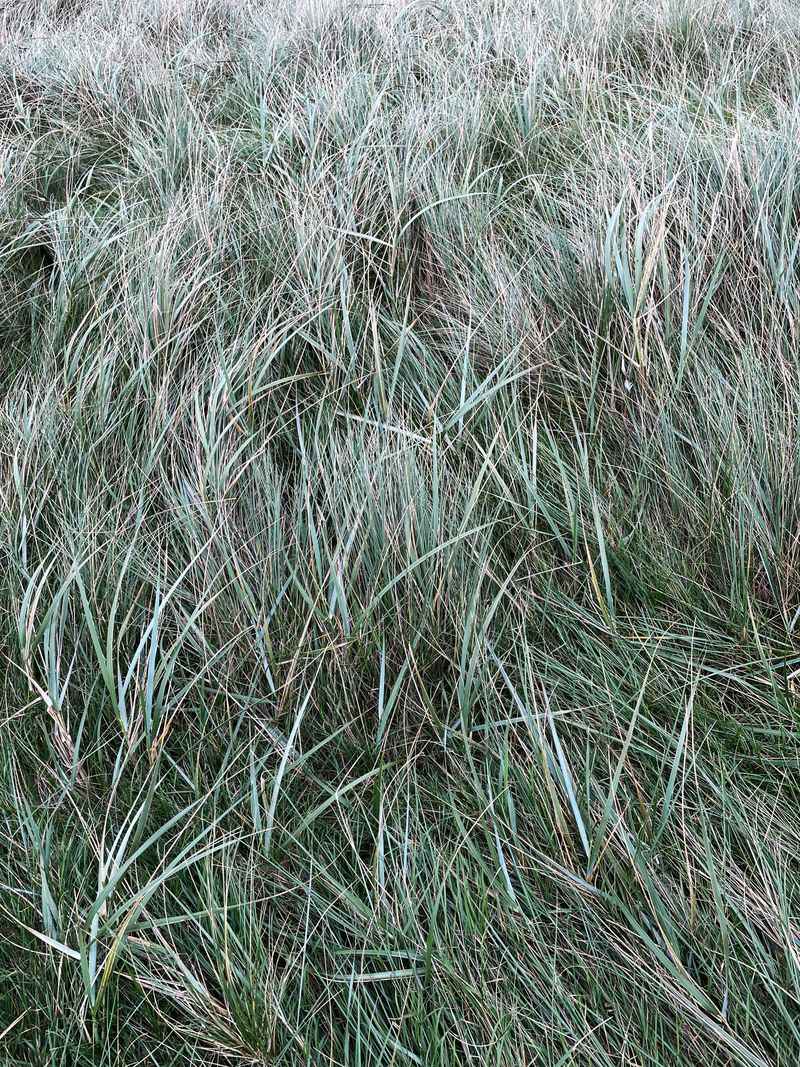
Something shifted in the color of your lawn, and it happened almost overnight. That rich, saturated green has quietly faded into a dull, bluish-gray shade that feels wrong.
This color change is one of the earliest signs of drought stress that Connecticut lawns display. Grass blades shift to a blue-gray hue when they lose moisture faster than roots can replace it.
The plant is essentially signaling dehydration through its pigment. Chlorophyll production slows, and the natural waxy coating on each blade reflects light differently.
Most homeowners mistake this for a nutrient issue or disease. But a quick soil check usually reveals the real problem: dry, compacted earth with almost no moisture at the root zone.
Connecticut’s clay-heavy soils in many neighborhoods hold heat and repel surface water during dry spells. That combination accelerates the color shift dramatically.
Catching this bluish-gray tint early gives you a real advantage. Watering deeply and infrequently at this stage can reverse the stress before serious damage sets in.
Aim for one inch of water per week, applied in one or two sessions. Early morning watering reduces evaporation and gives roots the best chance to absorb moisture fully.
Don’t wait for full browning before you act. The blue-gray tint is your lawn’s first distress call, and responding quickly keeps the damage from spreading across your entire yard.
2. Blades Curl Inward Or Fold Lengthwise
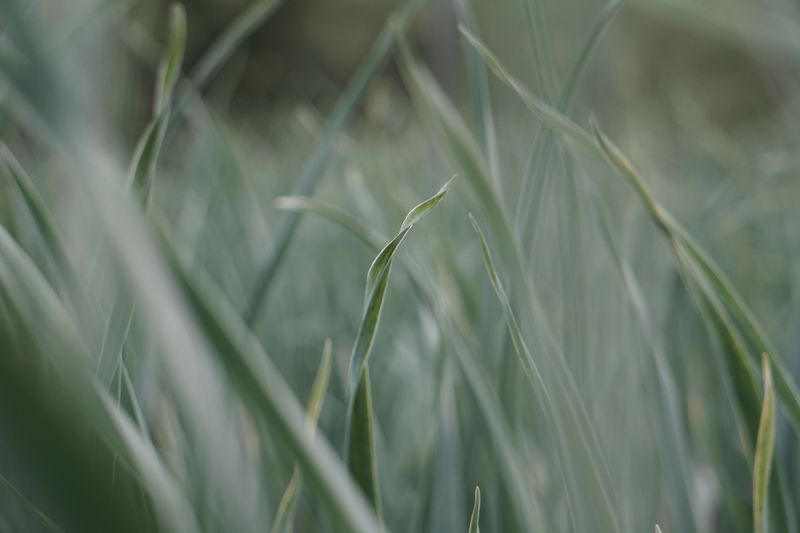
Pick up a single blade of grass from your lawn right now. If it curls toward its center or folds along its length, your turf is under serious moisture stress.
Grass blades curl as a survival mechanism. The plant physically reduces its surface area to slow down water loss through a process called transpiration.
It’s a smart biological response, but it’s also a clear distress signal. Once blades start folding, the root system is already struggling to pull enough water from dry soil.
Connecticut lawns experience this curling pattern most often during July and August heat waves. Temperatures above 85 degrees combined with no rainfall trigger the response within just a few days.
Your Connecticut Garden Changes Every Week. Your Plan Should Too.
Gardening in Connecticut changes quickly throughout the season. Every Friday you’ll receive a simple weekly plan showing exactly what to plant, prune, fertilize, harvest, and protect so you never miss the right timing.
Fescue and bluegrass varieties both show this symptom, though fescue tends to curl more dramatically. You’ll notice the blades look narrower than usual, almost like thin ribbons lying flat.
Running your hand across the lawn feels different too. Instead of a soft, springy texture, curled blades create a scratchy, almost papery sensation under your palm.
Watering immediately after spotting blade curl can reverse the damage quickly. Most grass varieties recover their shape within 24 hours of receiving adequate moisture.
If curling returns within two or three days after watering, your irrigation schedule needs adjustment. Shallow, frequent watering trains roots to stay near the surface, making drought stress worse over time.
3. Footprints And Mower Tracks Stay Visible
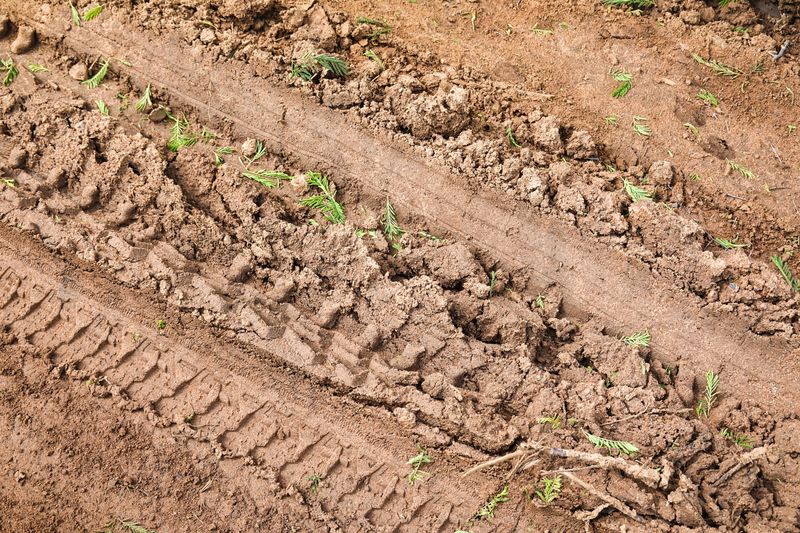
Walk across your lawn and look back. If your footprints are still there five minutes later, your grass is telling you something important.
Healthy, well-hydrated turf bounces back almost instantly after being stepped on. That springy recovery is called turgor pressure, and it depends entirely on water stored inside each grass cell.
When drought stress hits, cells lose their internal water pressure. Blades flatten under weight and simply stay down because there’s no moisture left to push them upright again.
This is one of the most reliable early indicators of drought stress in Connecticut lawns. You don’t need any tools or soil tests to spot it.
Mower tracks work the same way. If tire impressions or footprint patterns remain visible for more than a few minutes after mowing, the lawn has already entered a moisture-stressed state.
The real issue is a soil moisture deficit quietly building beneath the surface. Testing this is easy. Press your foot firmly into the turf, lift it, and count to ten. If the grass hasn’t recovered by the count of ten, it’s time to water.
Catching this sign early means you’re still in the reversible stage of drought stress. A deep watering session now can restore turgor pressure and stop the damage from escalating further.
4. Patchy, Irregular Brown Areas Spread Across The Turf
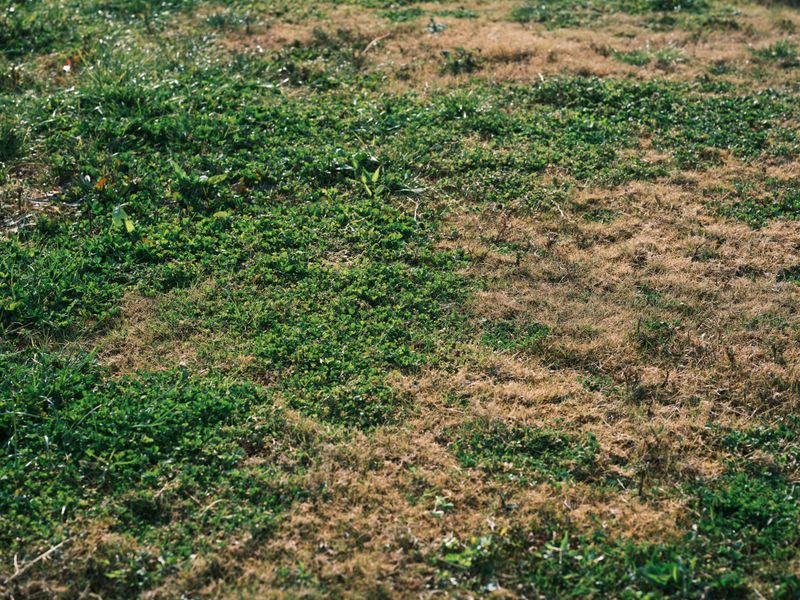
Brown patches on a lawn rarely appear in neat, predictable shapes. Drought stress creates irregular, spreading zones of damaged turf that seem to pop up randomly across the yard.
These patches often start small, maybe the size of a dinner plate. Within a week of continued dry conditions, they merge and expand into large, unsightly sections.
The pattern usually isn’t random at all. South-facing slopes, areas near pavement, and spots with shallow soil tend to brown out first because heat and drainage extremes hit them hardest.
Connecticut homeowners often confuse these patches with grub damage or fungal disease. The key difference is that drought patches follow the terrain, while pest damage tends to be more localized and circular.
Pull up a small section of the brown turf and check the roots. Drought-stressed grass still has firm, intact roots that hold soil together. Grub damage produces roots that fall apart easily.
Irregular browning also signals uneven irrigation coverage. Some sprinkler heads may be missing spots, leaving certain zones to dry out while others stay green and healthy.
Walk your yard with a screwdriver during your next irrigation cycle. Push it into the soil across different zones to check for consistent moisture penetration throughout the turf area.
Addressing patchy browning early prevents those zones from becoming bare dirt. Bare spots invite weeds and erode faster, creating a much bigger lawn restoration project down the road.
5. Crunching Sounds Underfoot Even When Grass Looks Green
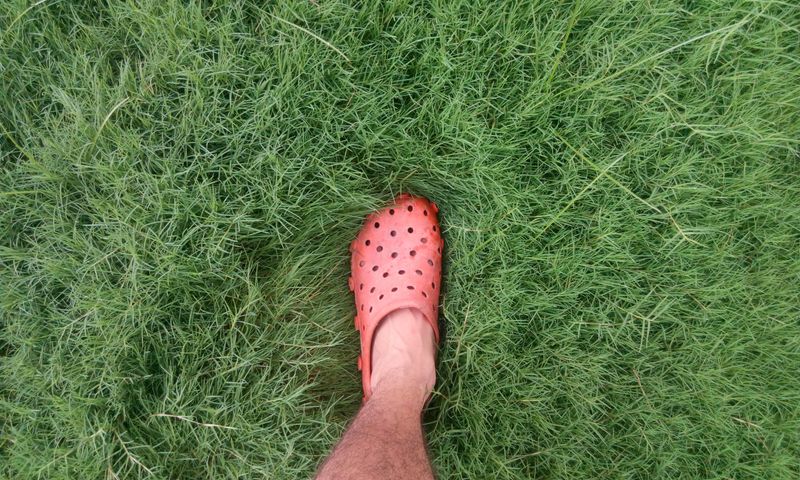
Your lawn looks green from the driveway, so you assume everything is fine. Then you step onto it and hear a faint crunching sound beneath your shoes.
That sound is not normal. It means the grass blades are drier than they appear, and the soil beneath has lost significant moisture even though the surface color hasn’t changed yet.
This is one of drought stress’s most deceptive signs. The green color can persist for days after the plant has entered a survival state, drawing on stored reserves.
Crunching happens because the cellular structure inside each blade has partially collapsed. Without adequate water, the cells shrink and the blade becomes brittle, snapping slightly under pressure rather than bending.
Connecticut homeowners who water on a set schedule often miss this sign entirely. They see green and assume the schedule is working, not realizing the soil has dried out between sessions.
Stick a long screwdriver or moisture probe into the soil where you hear crunching. If it resists penetration past two inches, the root zone is significantly depleted of moisture despite the surface appearance.
Adjust your watering frequency before the green color disappears. Once blades start crunching, you have a narrow window to rehydrate the root zone and prevent widespread dormancy.
Trust your ears as much as your eyes when checking lawn health. Sound is often a faster and more honest reporter than color during the early stages of drought stress.
6. Growth Slows Dramatically Or Stops Altogether
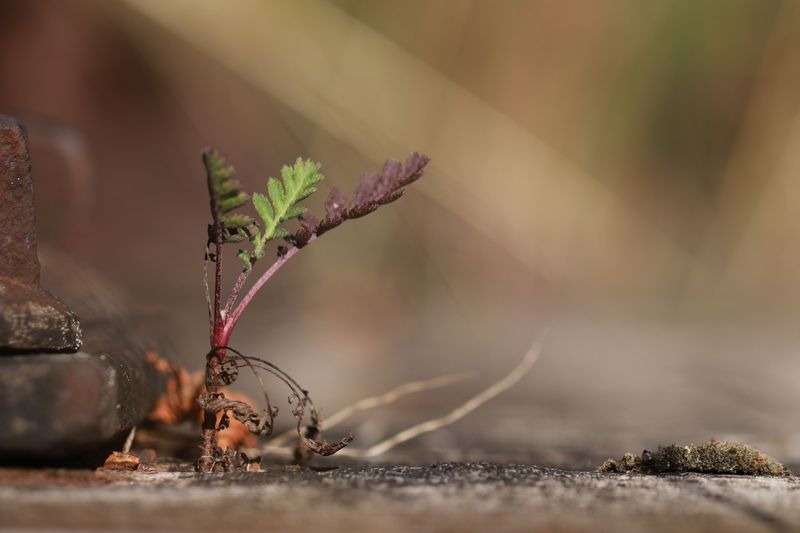
You used to mow every five days without fail. Now two weeks have passed and the lawn still looks the same height, and that’s not a good sign.
Dramatically slowed growth is a classic drought stress response. Grass shifts its energy away from above-ground growth and redirects it entirely toward root survival during dry periods.
The plant essentially hits a pause button on everything non-essential. New blade production stops, and the turf enters a semi-dormant state to conserve whatever moisture remains in the soil.
Connecticut lawns typically show this slowdown after five to seven consecutive days without rainfall. The specific timeline depends on soil type, grass variety, and how much shade the yard receives.
Many homeowners actually enjoy the break from mowing without realizing it signals a problem. Skipping mowing feels like a bonus until the lawn starts thinning and brown patches appear.
Growth slowdown also weakens the turf’s competitive edge against weeds. Crabgrass establishes quickly once drought stress weakens your turf.
Check your lawn’s growth rate by marking a few blade tips with a small flag. Measure again after seven days to see how much new growth has occurred during that stretch.
Restoring consistent moisture can restart growth within a week for most cool-season grasses. Connecticut lawns showing drought stress signs respond well to deep watering combined with a light fertilizer application.
7. Soil Cracks Open Along Driveways And Sidewalk Edges
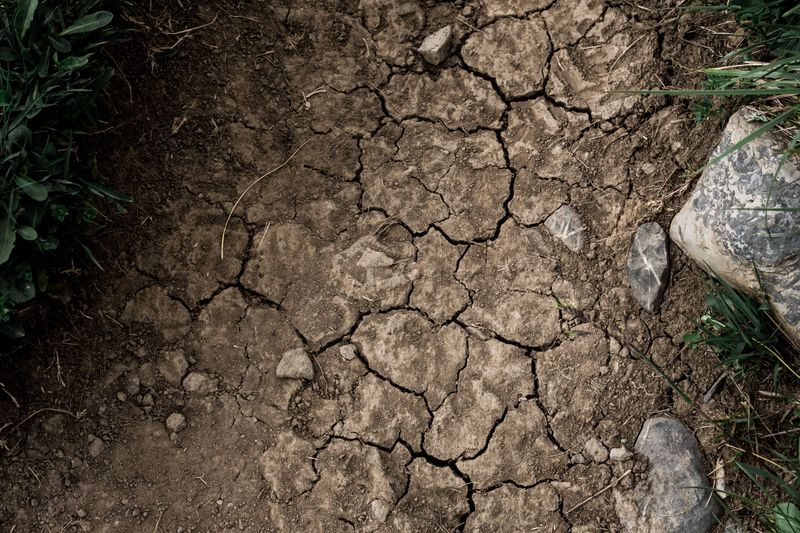
Look down at the edge where your lawn meets the driveway. Thin cracks running along that border are more than just a cosmetic issue.
Soil cracking happens when moisture content drops so low that clay particles contract and pull apart. Connecticut’s soil, which often has significant clay content, is especially prone to this dramatic shrinkage.
The cracks appear first along hard surfaces because pavement radiates extra heat and accelerates moisture loss in adjacent soil. Driveways and sidewalks essentially create mini heat zones that dry out bordering turf faster.
These cracks can grow surprisingly deep, sometimes reaching four to six inches below the surface. Grass roots exposed by cracking dry out rapidly and can experience serious setbacks within days.
Homeowners often overlook edge cracking because it seems like a pavement issue rather than a lawn problem. But the cracks signal that the root zone beneath the turf has lost significant moisture.
Fill shallow cracks by watering slowly and deeply along those edges. A soaker hose placed along the driveway border works extremely well for targeting these specific high-stress zones.
Avoid using a hard spray near cracked soil. Powerful streams can erode the cracked edges and wash away the fine soil particles that grass roots need to anchor and absorb nutrients.
Cracks that close after watering indicate the soil is still responsive. Persistent cracks after multiple watering sessions may signal deeper compaction issues needing aeration before the next growing season begins.
8. Weeds Move Into Gaps Left By Weakened Grass
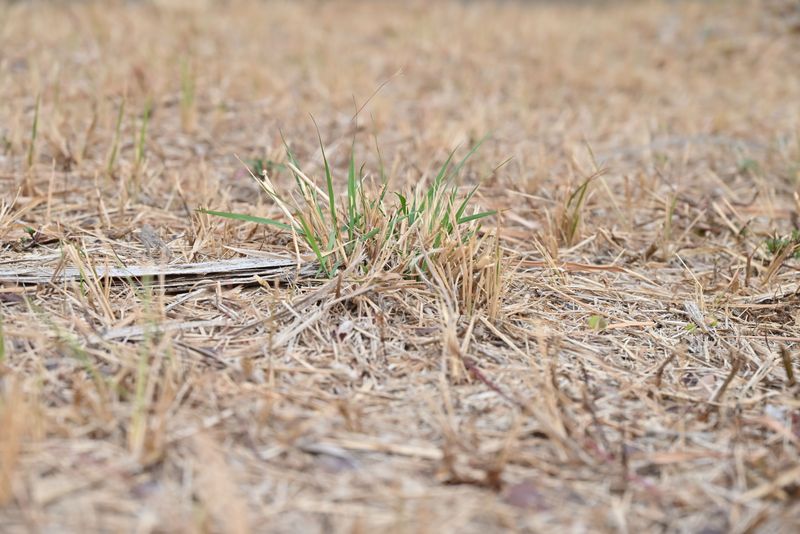
Crabgrass establishes quickly once drought stress weakens your turf. The moment stress signs appear, opportunistic weeds move into any thinned or open areas.
Drought-stressed turf thins out and loses density, creating open gaps in the canopy. Weed seeds that have been sitting dormant in the soil fill those gaps and germinate fast.
Crabgrass is the biggest culprit in Connecticut lawns during dry summers. It actually thrives in hot, dry conditions and outcompetes weakened cool-season grasses with aggressive, spreading growth.
Dandelions, plantain, and spurge are also common invaders during drought. These deep-rooted plants tap into moisture reserves far below the surface that shallow grass roots simply cannot reach.
The presence of new weed growth in previously clean turf often points to extended drought stress. During dry spells, weeds filling clean turf gaps rarely appear without an underlying cause.
Resist the urge to treat immediately. Spraying stressed turf with weed control products often causes additional damage and slows recovery significantly during an already difficult period for the grass.
Focus on rehydrating the lawn first and restoring grass density before tackling the weeds. Healthy, thick turf is the best long-term defense against weed encroachment in any season.
Connecticut lawns showing drought stress signs across multiple zones need a full recovery plan.
Consistent watering, overseeding bare spots in early fall, and proper fertilization will restore your lawn’s competitive strength.