Which Georgia Shrubs You Should Prune In Summer And Which Ones To Leave Alone
Pruning feels simple until a favorite shrub is involved. Branches start stretching farther than expected.
Growth becomes a little uneven. The shape is not quite as tidy as it was earlier in the year.
Standing there with a pair of pruners, it is easy to wonder whether trimming will help or create a bigger problem.
Summer tends to raise that question more than any other season. Gardens are full, shrubs are actively growing, and plenty of plants look like they could use a little attention.
At the same time, stories about missed blooms and poorly timed pruning make many homeowners hesitant to make the first cut.
Georgia landscapes contain a wide mix of shrubs, and they do not all follow the same schedule. Some respond well to summer pruning, while others benefit from being left alone until a different time of year.
Knowing which is which can make a noticeable difference in how they look during the seasons ahead.
1. Crape Myrtle Responds Well To Summer Pruning
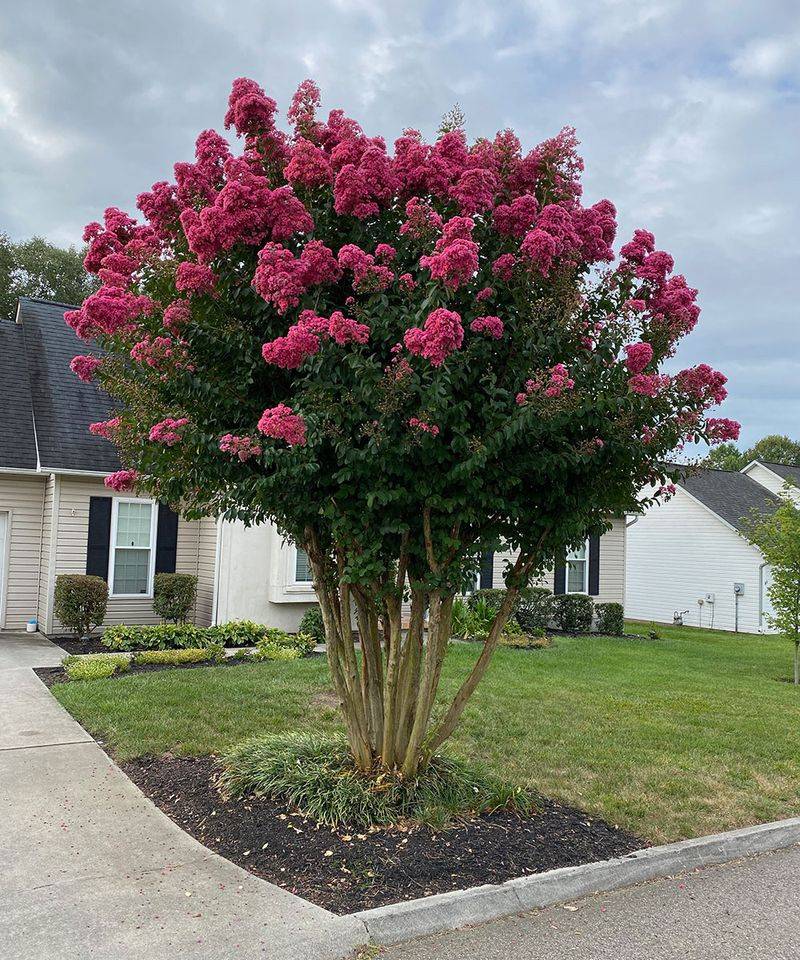
Few shrubs bounce back from a summer trim quite like crape myrtle. Cut it back after the first round of blooms fades, and it often pushes out a second flush of flowers before fall arrives.
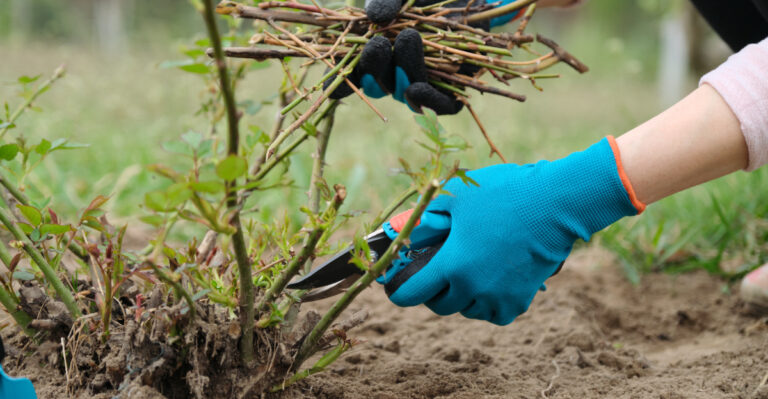
Light shaping works best. Remove spent flower heads just above the next set of leaves or buds.
Avoid cutting large limbs back drastically, since that weakens the overall structure over time.
Crape myrtles bloom on new wood, meaning fresh growth produced during the current season carries the flowers. Pruning in early to mid-summer encourages that new growth to develop quickly.
Timing matters here. Wait too long into summer and the plant may not have enough growing season left to produce another round of blooms before cooler temperatures arrive.
Keep cuts clean and sharp. Ragged cuts invite problems and slow healing.
A quality pair of bypass pruners handles most jobs on younger stems without causing unnecessary stress to the plant.
Crape myrtles are tough, heat-loving plants that thrive in warm, humid climates. They respond well to consistent light shaping rather than occasional heavy cutting.
Treat them right each summer and they reward you with color all season long.
A light application of water and fertilizer after deadheading can also support the fresh growth needed for a second round of blooms later in the season.
2. Rose Of Sharon Can Be Shaped During Active Growth
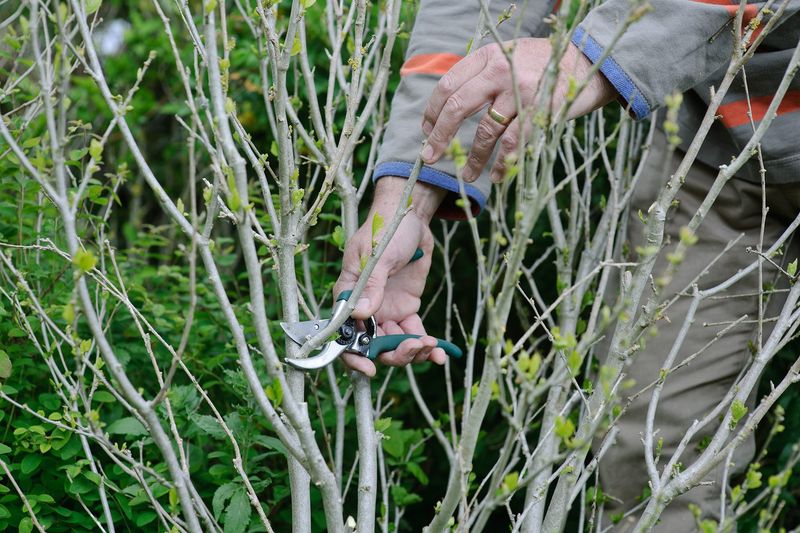
Rose of Sharon keeps growing strong well into summer, which makes it one of the more forgiving shrubs to shape during the warmer months. Active growth means cuts heal faster and new buds form quickly.
Shaping in early summer helps control the plant’s natural tendency to spread outward. Left completely untrimmed, it can get leggy and produce fewer flowers at eye level where you actually want them.
Focus on removing crossing branches and any stems that are growing in the wrong direction. Light shaping rather than heavy cutting keeps the plant productive throughout the season.
Rose of Sharon blooms on new wood, just like crape myrtle. Pruning encourages fresh stem growth, and fresh stems carry the flowers.
Your Georgia Garden Changes Every Week. Your Plan Should Too.
Gardening in Georgia changes quickly throughout the season. Every Friday you’ll receive a simple weekly plan showing exactly what to plant, prune, fertilize, harvest, and protect so you never miss the right timing.
That makes early summer trimming a practical choice rather than a risky one.
Avoid cutting too far into the season. Pruning after mid-summer can reduce the number of flowers you see before fall, since the plant needs time to develop buds on whatever new growth it produces.
One practical tip worth remembering: Rose of Sharon self-seeds heavily. Removing spent flowers before seeds form helps keep volunteers from popping up all over your garden beds.
Combine that deadheading habit with light shaping and the plant stays manageable and attractive all summer.
A healthy, established Rose of Sharon will usually respond to this kind of light summer pruning with dense new growth and a fresh wave of blooms later in the season.
3. Abelia Benefits From Light Summer Trimming
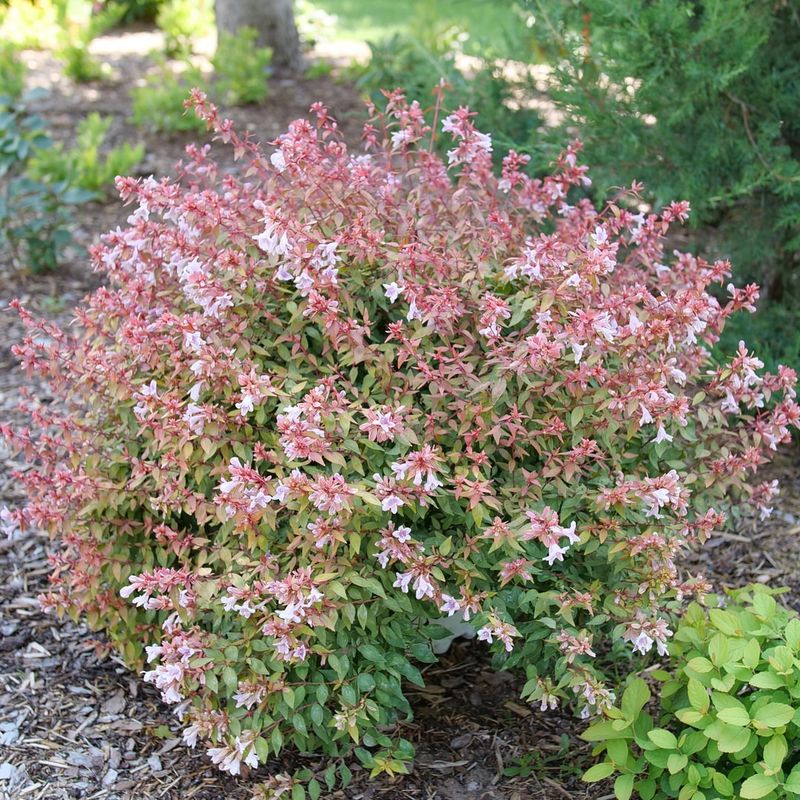
Abelia is a workhorse shrub that rarely gets enough credit. It flowers from late spring all the way through fall, and a light trim in summer keeps it looking tidy without interrupting that long bloom cycle.
The key word is light. Removing just the longest, most unruly stems encourages the plant to fill in more densely.
Heavy cutting removes too many flower-bearing stems at once and leaves the plant looking sparse for weeks.
Abelia blooms on both old and new wood depending on the variety, so be selective about what you cut. Target stems that are visibly outgrowing the shape you want and leave the rest alone.
Summer trimming also improves airflow through the center of the plant. Better airflow reduces the chance of fungal issues, which can be a real concern in humid climates during the hottest months of the year.
Use hand pruners for most cuts. Hedge trimmers can work on larger plants, but they tend to leave a lot of ragged stem ends that slow healing and look untidy up close.
Abelia is low-maintenance by nature, which is part of why gardeners love it. A little attention in summer goes a long way.
Trim lightly, step back, and let the plant do the rest of the work on its own terms.
4. Loropetalum Responds Well To Light Summer Shaping
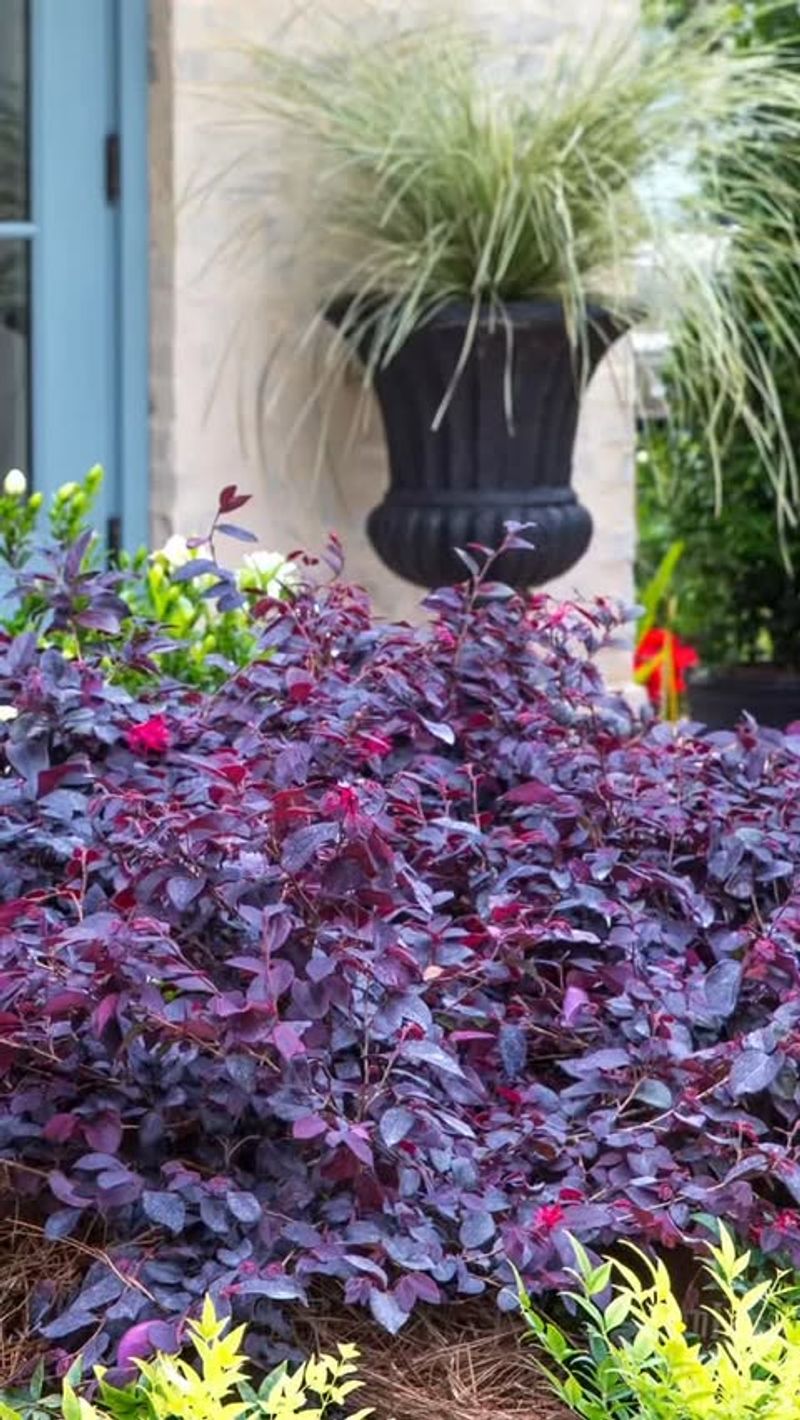
Loropetalum is one of the most striking shrubs you can grow in the South, with deep burgundy foliage and bright pink fringe flowers that show up in spring. Summer is actually a reasonable time to shape it lightly, as long as you keep cuts minimal.
Spring is when loropetalum puts on its main flower show. By summer, most of that bloom period has passed, so light shaping at this point does not cost you much in terms of flower loss.
Focus on removing stems that are pushing beyond the natural shape of the plant. Loropetalum can grow quite large if left unchecked, and summer shaping helps manage size without stressing the plant heading into fall.
Avoid cutting into older, thicker wood during summer. Stick to newer, flexible growth at the tips and outer edges.
Aggressive cuts on established stems during heat can slow recovery significantly.
Loropetalum is drought-tolerant once established, but freshly pruned plants benefit from consistent watering during hot stretches. Give the plant a good drink after trimming and check soil moisture regularly for a couple of weeks.
One thing to watch: over-pruning loropetalum repeatedly can cause it to lose its natural arching form. Shape it just enough to keep it in bounds, and resist the urge to cut more than necessary.
Less really is more with this shrub.
5. Oakleaf Hydrangea Should Be Left Alone After Flowering
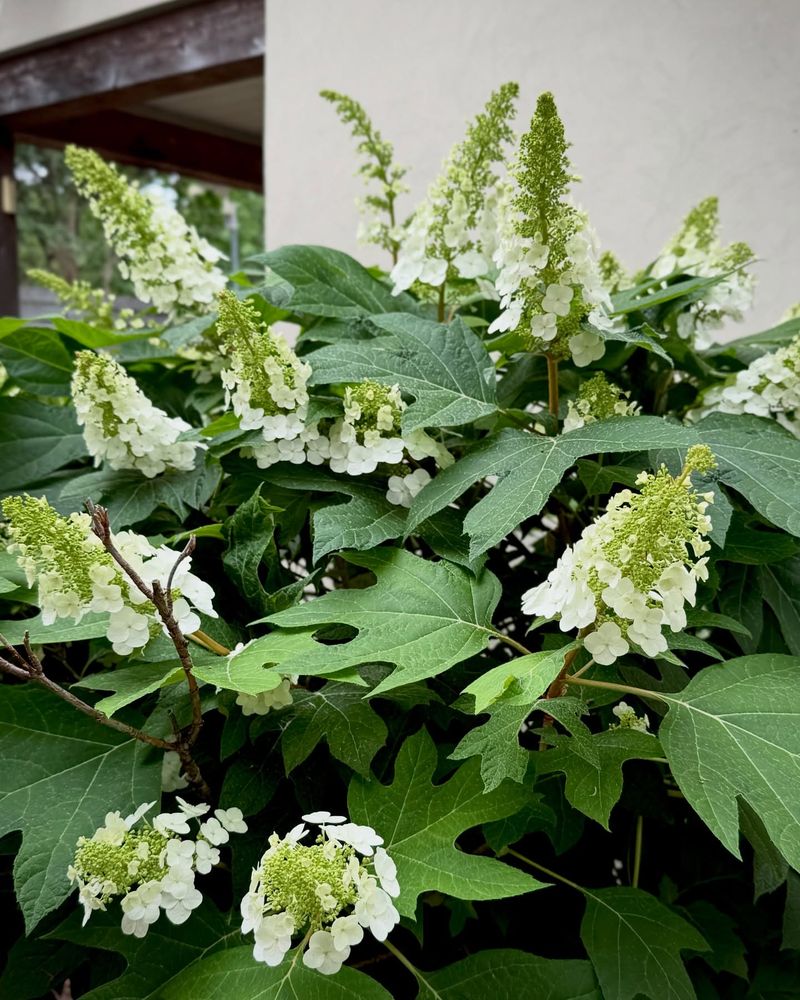
Oakleaf hydrangea is a native plant that earns its place in any Southern garden. It blooms in late spring to early summer on wood that grew the previous season, and that fact alone is reason enough to keep the pruners away once flowering wraps up.
Cutting stems after the flowers fade removes the buds already forming for next year. You will not see the damage right away, but come spring, the plant will bloom far less than expected.
If pruning is truly necessary, do it immediately after flowering ends and no later. Even a brief delay can mean the plant has already started developing next season’s buds inside the stems.
Summer heat is also not ideal for heavy pruning on oakleaf hydrangea. Removing large amounts of foliage reduces the plant’s ability to manage heat and moisture during the most stressful time of year.
Deadheading spent blooms is fine and does not harm next year’s flower production. Simply snip the old flower head off just below the bloom without cutting back into the stem itself.
Oakleaf hydrangea has beautiful peeling bark, rich fall color, and winter interest that most other shrubs simply cannot match. Protect the stems and you protect all of that.
Leave it alone after it blooms and it will reward you generously season after season.
6. Azaleas Can Lose Next Year’s Buds If Pruned Too Late
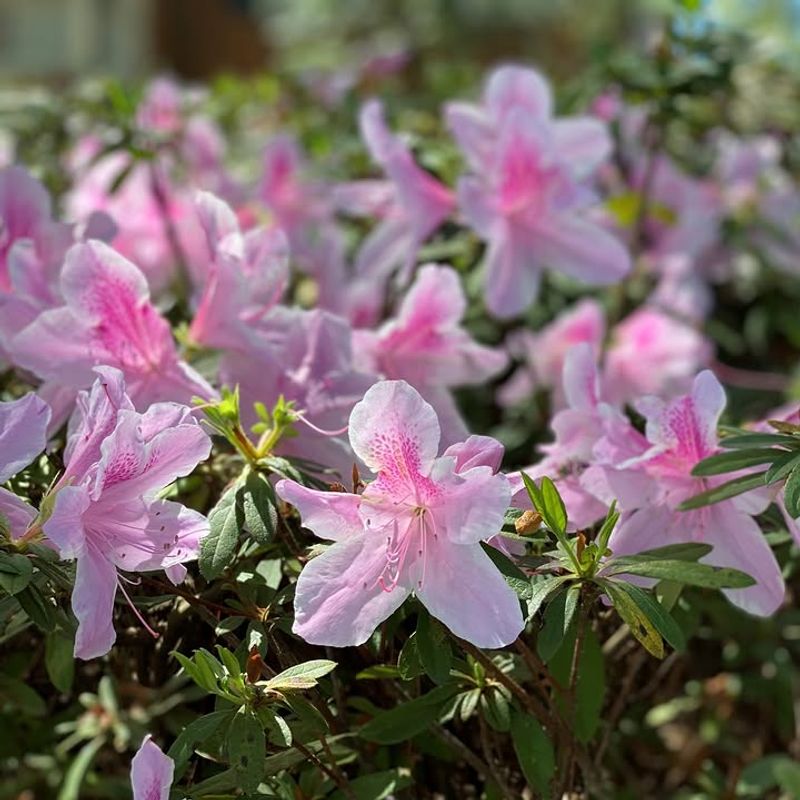
Azaleas are one of the most beloved flowering shrubs in the South, and they are also one of the easiest to accidentally shortchange. Prune too late in summer and you are cutting off the buds already set for next spring’s show.
Most azaleas bloom in spring on buds that formed the previous summer. Right after flowering ends is the ideal window to prune, typically late spring or very early summer at the latest.
By mid-summer, bud set is often already underway. Cutting stems at this point removes those developing buds before they ever have a chance to open.
Come spring, the plant may look healthy but bloom very little.
Light shaping right after bloom is completely fine.
Remove any crossing branches, trim back stems that are clearly out of proportion, and clean up the overall shape while the plant still has the full season ahead to recover.
Late-summer pruning is the mistake most gardeners make once and never repeat. One season of reduced bloom is usually enough of a reminder to check the calendar before reaching for the pruners.
Georgia gardeners dealing with overgrown azaleas sometimes do a more aggressive renewal prune in late winter or very early spring before new growth starts.
That approach is far safer than a mid-summer cut and causes much less disruption to the plant’s blooming cycle overall.
7. Gardenias Set Future Flower Buds Soon After Blooming
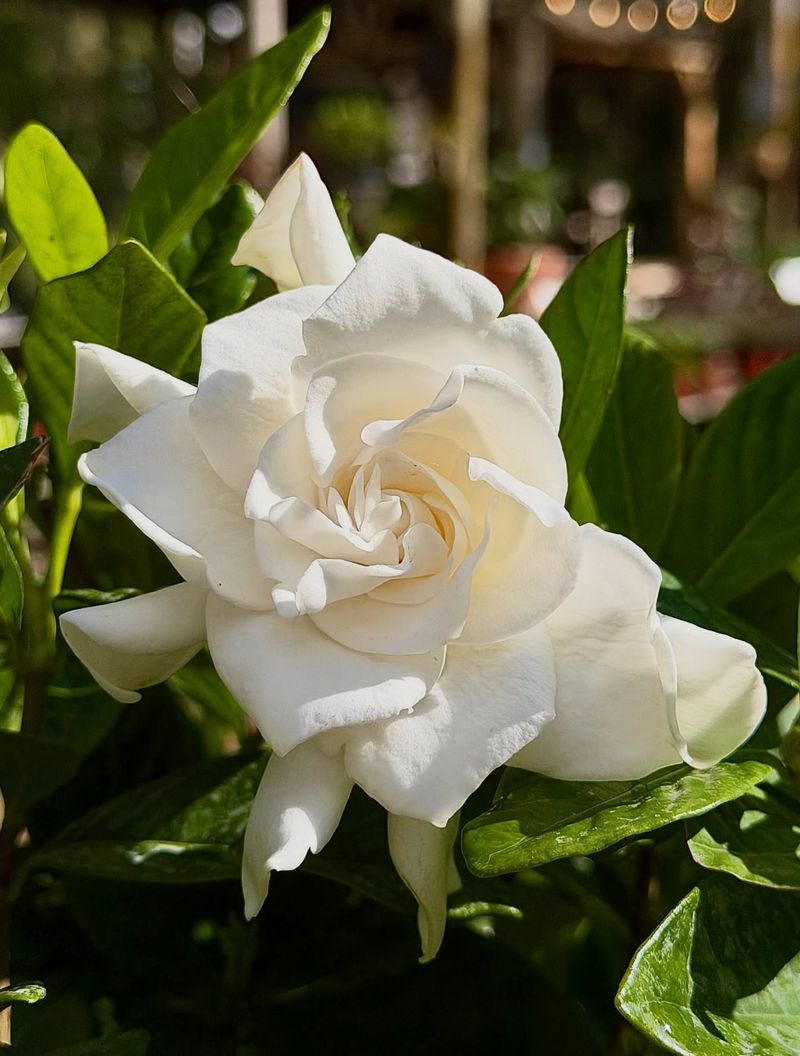
That rich, sweet fragrance from a gardenia in full bloom is hard to beat. Protecting next year’s flowers means understanding exactly when to leave the plant alone, and summer is mostly that time.
Gardenias bloom in late spring through early summer. Shortly after that bloom period ends, the plant begins forming buds for the following year.
Pruning during this window removes those developing buds before they can mature.
If shaping is needed, do it immediately after the last flower fades. A short window of perhaps two to three weeks after blooming gives you a chance to tidy the plant without sacrificing next season’s performance.
Wait past that narrow window and the risk increases sharply. Gardenia buds are not visible from the outside during formation, so there is no easy way to tell by looking whether you are cutting into budded wood or not.
Gardenias can be particular about their care in general. Consistent moisture, acidic soil, and protection from harsh afternoon sun all contribute to a healthy plant that blooms reliably.
Skip the summer trim if you missed the early window. One season of slightly overgrown shape is a much better outcome than a spring with almost no flowers.
Gardenias reward patience more than almost any other shrub in the Southern garden, and timing your pruning correctly is the simplest way to keep them performing at their best year after year.
8. Bigleaf Hydrangeas Need Their Existing Stems For Future Flowers
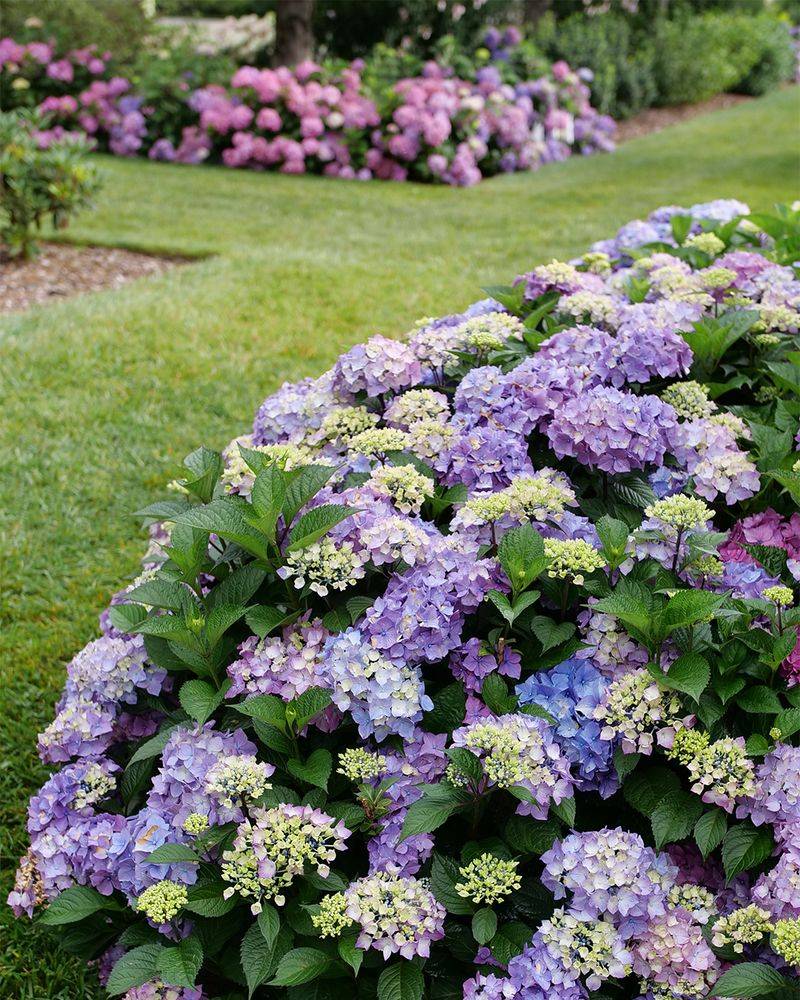
Bigleaf hydrangeas are stunning, but they confuse a lot of gardeners because the rules around pruning them are different from most other flowering shrubs. Cut the wrong stems and you lose the blooms entirely.
Most traditional bigleaf varieties bloom on old wood, meaning stems that grew last season carry this year’s flowers. Removing those stems in summer eliminates the buds already waiting inside them for next spring.
Some newer varieties, often called reblooming types, can produce flowers on both old and new wood. Even with those, cutting aggressively in summer is risky and rarely produces better results than simply leaving the plant alone.
Summer is the worst time to prune bigleaf hydrangeas hard. Heat stress combined with the loss of foliage puts real pressure on the plant during a season when it needs every leaf working to support root development and bud formation.
Deadheading spent blooms is acceptable and does not affect next year’s flowers. Remove the old flower head just below the bloom itself, cutting no further down the stem than necessary.
Bigleaf hydrangeas are worth protecting carefully. They take several years to establish well and bloom consistently, and a single mistimed pruning session can set that progress back significantly.
Hold off on any major cutting until late winter or very early spring, and your patience will show up in the form of full, beautiful blooms come summer.