The One Thing Georgia Crape Myrtle Owners Skip In June That Costs Them A Second Bloom By September
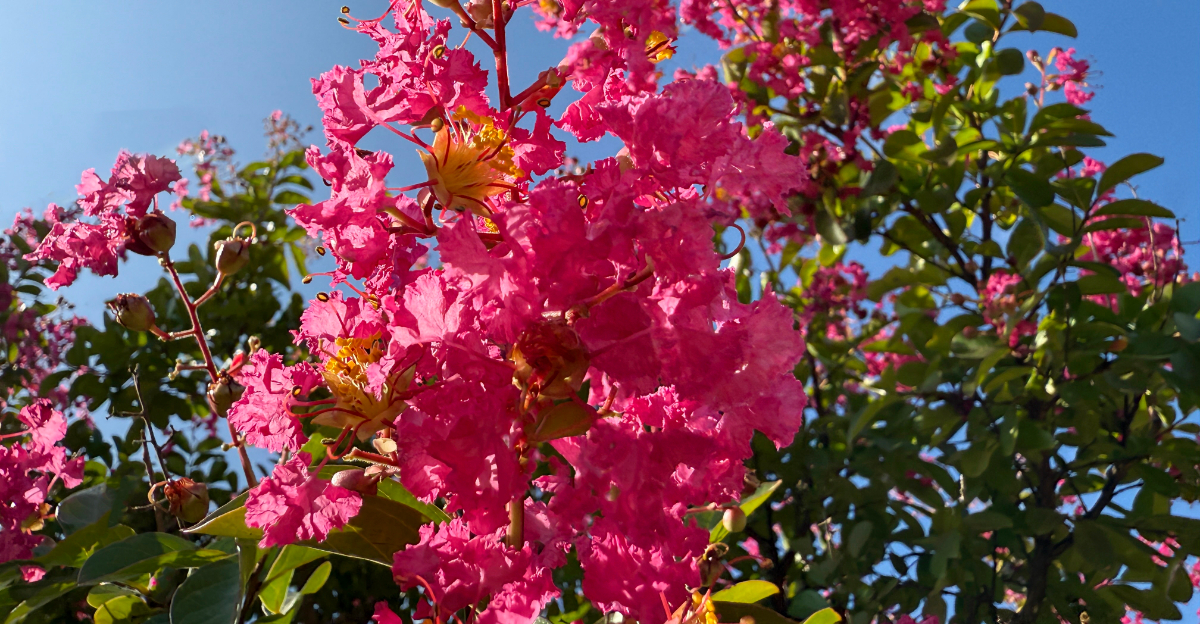
June has a way of slipping by faster than expected. One minute summer is just getting started, and before long the calendar is moving toward late July.
During that rush, plenty of routine garden tasks get postponed for another weekend that never seems to arrive.
Crape myrtles are easy to overlook during this time of year. They are growing, putting on flowers, and generally looking good without much attention.
That can create the impression that everything is already on track for the rest of the season.
What surprises many homeowners is that a small June task can influence what happens months later. Georgia landscapes are filled with crape myrtles, yet the same opportunity gets missed year after year.
By the time September arrives, the window has already closed. Knowing what to do now can make a noticeable difference when many summer blooms have already started fading.
1. Removing Spent Flower Clusters Can Encourage More Blooms
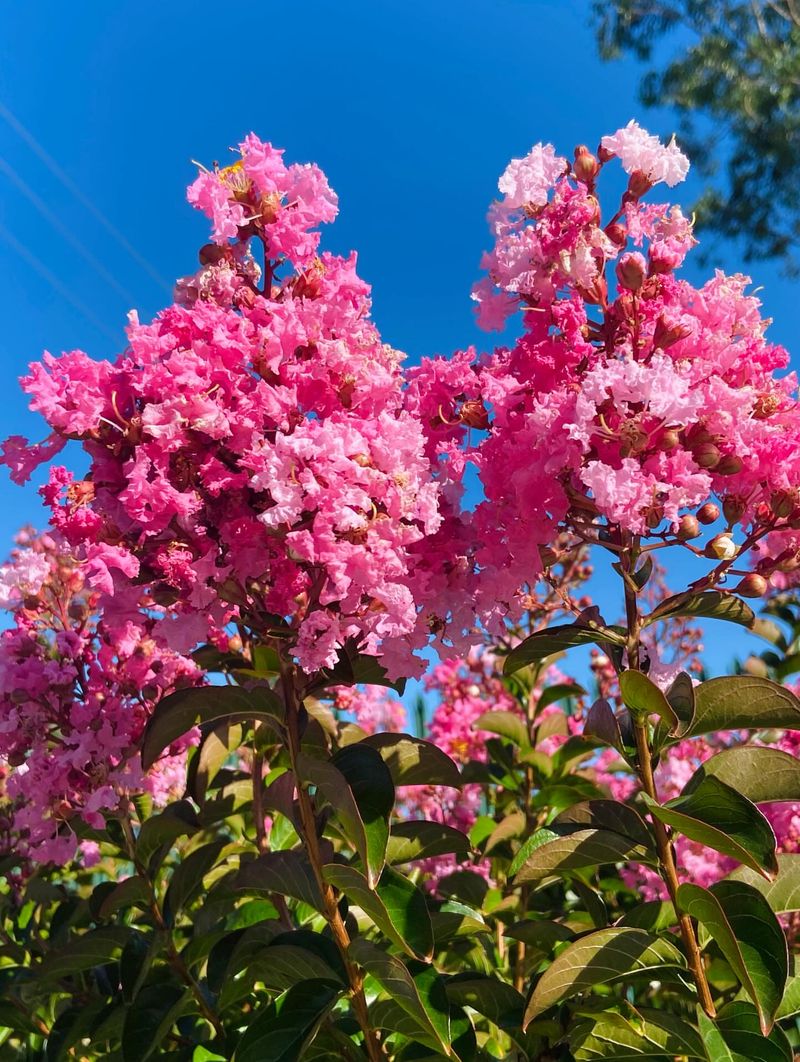
Spent blooms left on the branch send a clear message to the tree: job done. Once a crape myrtle finishes its first flowering cycle, those old seed heads start pulling the plant’s energy toward seed production instead of new growth.
Snipping off those faded clusters right after they drop their petals redirects that energy fast. New flower buds form at the tips of fresh new shoots.
Without removing the old ones, that signal never comes.
A clean pair of pruning shears works well for this. Cut just below the spent cluster, right above a healthy set of leaves.
Avoid cutting too far down the branch, since that removes potential budding points.
Deadheading, as gardeners call it, is not complicated. It takes maybe twenty minutes on a smaller tree.
Larger trees may need a pole pruner to reach the upper branches safely.
Crape myrtles in warm Southern climates have a longer growing season than trees in cooler regions. That extra time makes a second bloom realistic, but only when the tree gets the nudge it needs.
Skipping deadheading in June is one of the most common reasons homeowners never see September flowers.
2. June Is The Best Time To Clean Up The First Flower Flush
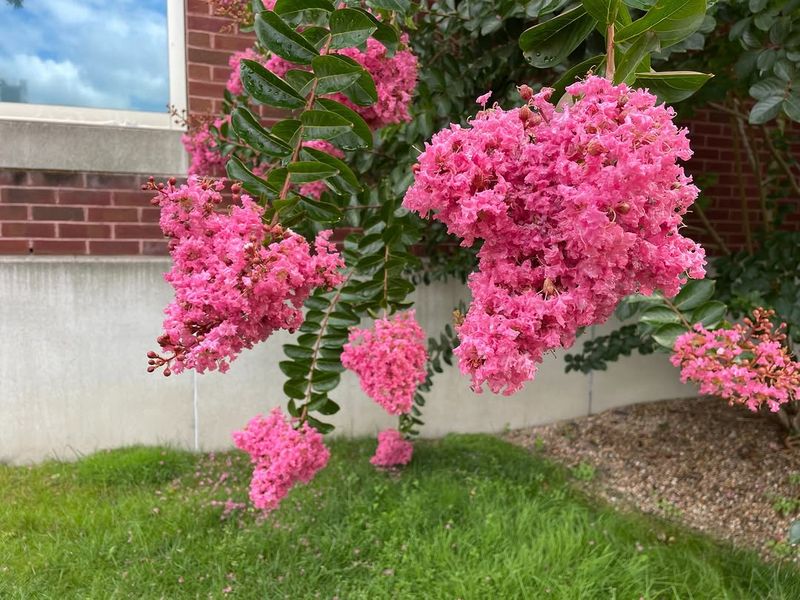
Timing matters more than most people realize with crape myrtles. June sits right at the sweet spot between the end of the first bloom and the beginning of what could be a strong second one.
Wait too long and the tree shifts its focus entirely. Seed pods harden, branches slow their new growth, and the window for a second bloom cycle quietly closes.
Acting in June keeps the momentum going.
Cleaning up the first flower flush does not mean aggressive cutting. Pull off or snip the spent heads, clear any damaged or dried twigs around the canopy, and let air move through the branches freely.
Good airflow reduces fungal pressure too.
Powdery mildew loves the humid summers across the Southeast. Thinning out a crowded canopy during your June cleanup helps keep that problem from getting worse through July and August.
Your Georgia Garden Changes Every Week. Your Plan Should Too.
Gardening in Georgia changes quickly throughout the season. Every Friday you’ll receive a simple weekly plan showing exactly what to plant, prune, fertilize, harvest, and protect so you never miss the right timing.
A tidy crape myrtle after its first bloom is not just about looks. It is about setting up the right conditions for the next round of flowers.
Healthy, clean wood pushes new shoots faster. Those new shoots carry the buds that open in late summer and early fall.
3. New Growth Plays A Key Role In Repeat Blooming
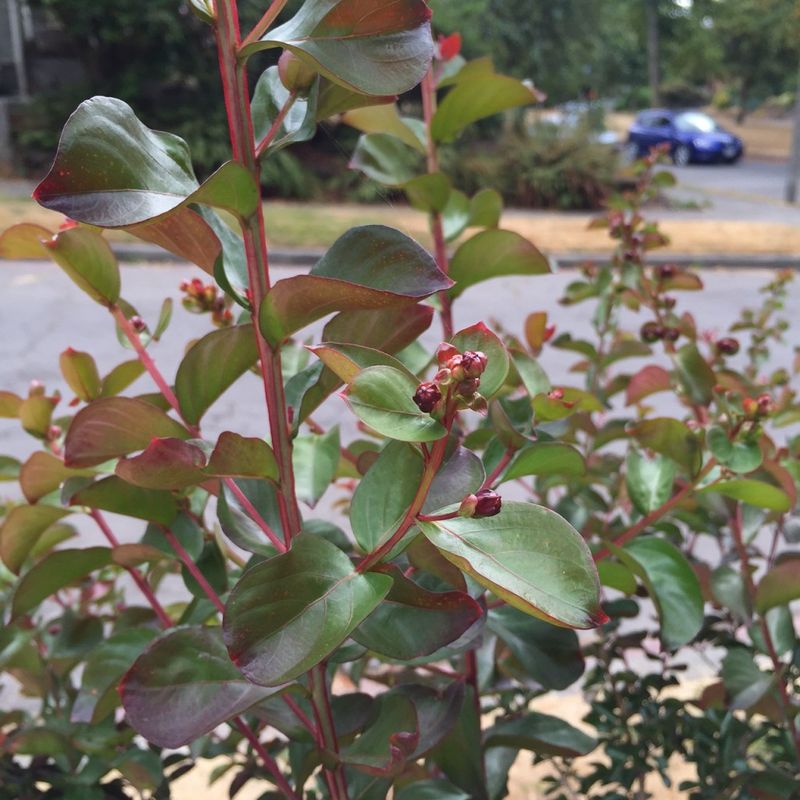
Crape myrtles bloom on new wood. Full stop.
No new growth means no new flowers, and that fact shapes every decision you make about how to care for the tree in summer.
After the first bloom fades, the tree needs a reason to push fresh shoots. Removing spent clusters gives it that reason.
Within a few weeks of deadheading, tiny new growth tips start appearing right below the cut points.
Those shoots are where your September blooms will come from. Protect them.
Avoid heavy fertilizing at this stage, since too much nitrogen pushes leafy growth at the expense of flowers. A balanced, slow-release fertilizer applied earlier in spring is usually enough.
Watch for any shoots that cross through the center of the canopy. Crowded wood slows airflow and competes for light.
Removing a few of those crossing branches keeps energy focused on the productive outer shoots.
New growth on a crape myrtle moves fast in warm weather. Under good conditions, you can see noticeable shoot extension within ten to fourteen days of deadheading.
That speed is encouraging. It means the tree is actively working toward another bloom cycle.
Give it consistent moisture and a little patience, and those fresh green tips will reward you with clusters of color before the season ends.
4. Light Pruning Encourages Fresh Summer Growth
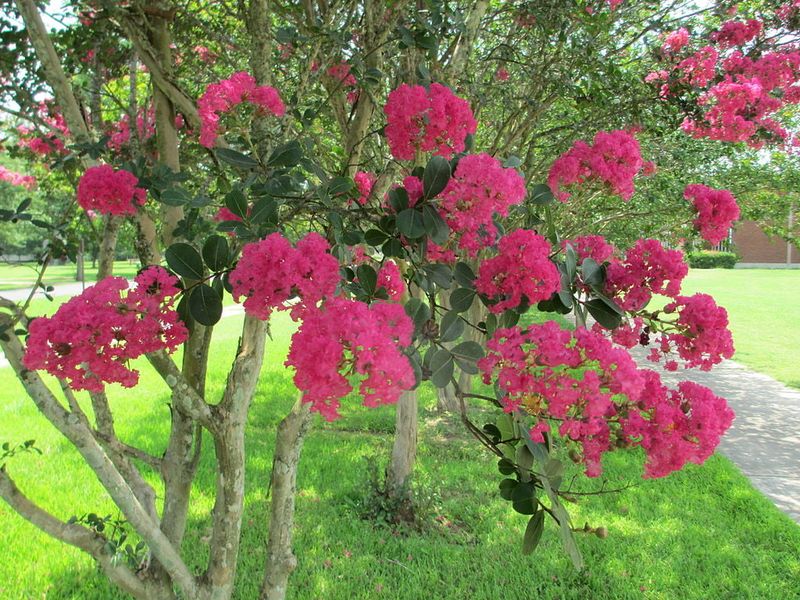
Light pruning after the first bloom is one of the easiest ways to wake a crape myrtle back up. A few strategic cuts send fresh energy toward the branch tips, where new buds will form.
Keep cuts small. Removing just the spent flower head and an inch or two of stem below it is usually enough.
Going deeper removes healthy wood that the tree needs for its next growth push.
Sharp, clean tools matter here. Dull blades crush stem tissue instead of cutting cleanly.
Crushed tissue heals slowly and invites problems. Wipe blades with rubbing alcohol between trees if you are working on more than one plant in the yard.
Focus on the outer canopy where most of the blooming happens. Inner branches rarely produce flower clusters anyway.
Spending time on the interior is mostly wasted effort during this type of summer maintenance.
Some gardeners worry that any cutting in summer will stress the tree. Under normal warm-weather conditions, a crape myrtle handles light pruning well.
It is not the same as the heavy winter butchering that causes long-term structure problems. Summer light pruning is gentle, targeted, and purposeful.
It nudges the tree toward producing another round of blooms rather than sitting idle through the hottest weeks of the year. Done right, it is one of the most effective tools in a summer care routine.
5. Healthy New Shoots Support Late Season Flowers
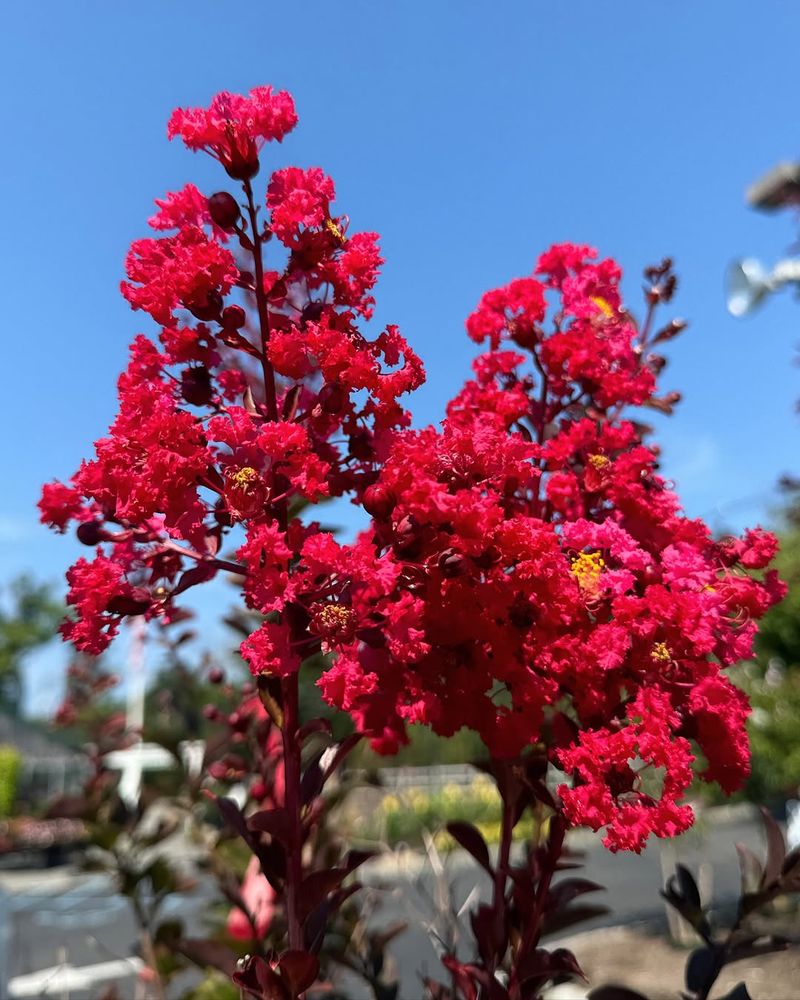
Strong new shoots do not appear by accident. They need the right foundation: good soil moisture, reasonable nutrition, and a tree that was not overcut earlier in the season.
Once fresh shoots emerge after June deadheading, protect them from extreme drought stress. A crape myrtle under severe water stress in July will slow or stop new shoot development.
That directly reduces the chance of fall blooms.
Mulching around the base of the tree helps hold soil moisture during hot spells. A two to three inch layer of wood chip mulch keeps roots cooler and reduces how often you need to water.
Keep mulch pulled back a few inches from the trunk to avoid moisture buildup against the bark.
Watch shoot tips closely through July. Healthy shoots look firm and green with visible bud swelling at the tips.
Drooping or yellowing shoots signal a problem worth investigating, whether that is underwatering, pest pressure, or soil issues.
Aphids sometimes cluster on new crape myrtle growth in summer. A strong spray of water from the hose knocks most of them off without any chemicals.
Check new shoots weekly during the warmest months. Catching pest problems early keeps the new growth on track.
Healthy shoots in July become flower clusters in September. That connection is direct, and protecting new growth through midsummer is one of the most practical things you can do for a late-season bloom.
6. Heavy Summer Pruning Can Reduce Future Blooms
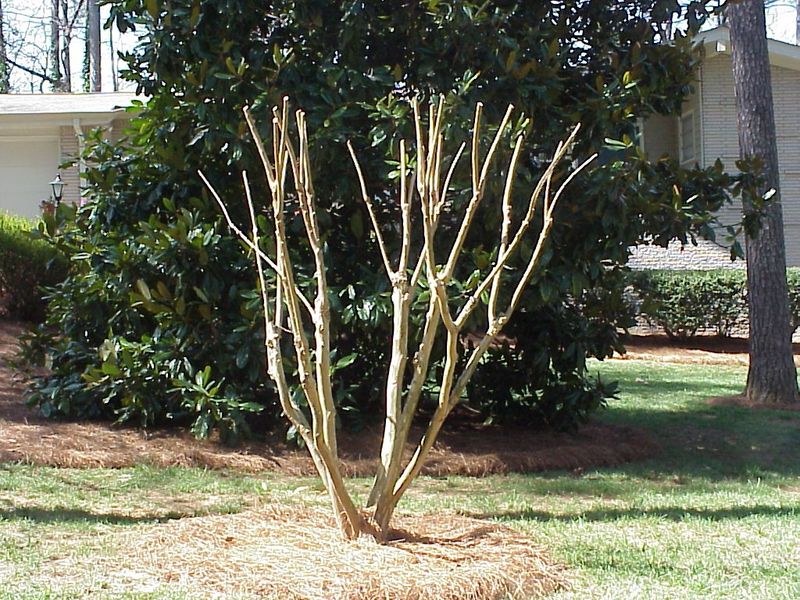
Cutting too much in summer creates a problem that snowballs fast. Heavy pruning removes the very wood where new buds were forming, setting the tree back by weeks instead of moving it forward.
Crape murder, as heavy improper pruning is sometimes called, usually happens in late winter or early spring. But aggressive summer cutting causes its own version of the same damage.
Removing large amounts of healthy wood in June or July strips the tree of its budding potential for the current season.
A good rule of thumb: never remove more than one-third of any branch in a single summer session. Staying well below that threshold keeps the tree stable and productive.
Cuts should be clean, minimal, and purposeful.
Stubs left from heavy cuts also invite wood-boring insects and fungal issues. Clean cuts just above a leaf node or lateral branch heal faster and leave less open wound surface exposed to the summer humidity common across the Southeast.
Understanding the difference between corrective pruning and maintenance pruning helps avoid mistakes. Corrective pruning fixes structural problems and belongs in late winter.
Maintenance pruning in summer is light, focused on spent blooms and crossing branches, and never involves large limb removal. Keeping that distinction clear protects the tree’s ability to bloom again before the growing season ends.
More cutting does not mean more flowers. Less, done precisely, almost always produces better results.
7. Consistent Watering Helps Support A Second Bloom Cycle
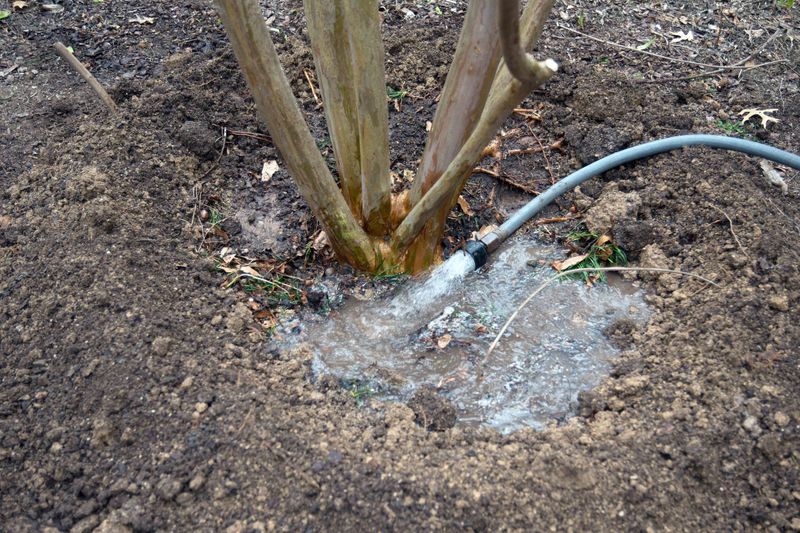
Water is not glamorous, but it is the fuel behind every new bloom cycle. A crape myrtle pushing new shoots after deadheading needs consistent soil moisture to keep that growth moving forward.
Irregular watering is a common problem in summer. A big rain followed by two weeks of dry heat causes the tree to pump the brakes on new shoot development.
That inconsistency is enough to push the tree toward dormancy earlier than necessary.
Aim for deep, infrequent watering rather than light daily sprinkles. Deep watering encourages roots to grow downward, making the tree more drought-resilient over time.
A slow soak once or twice a week during dry stretches usually works well for established trees.
Newly planted crape myrtles need more frequent attention than established ones. In the first two summers after planting, check soil moisture at least every few days during hot, dry spells.
Established trees in the ground for three or more years handle short dry periods better.
Across much of the Southeast, summer rainfall can be unpredictable. Some weeks bring afternoon thunderstorms almost daily.
Others are bone dry for stretches that feel endless. Keeping an eye on rainfall totals and supplementing when needed takes the guesswork out of the equation.