South Carolina Homeowners Are Being Urged To Remove This Fast-Growing Invasive Tree
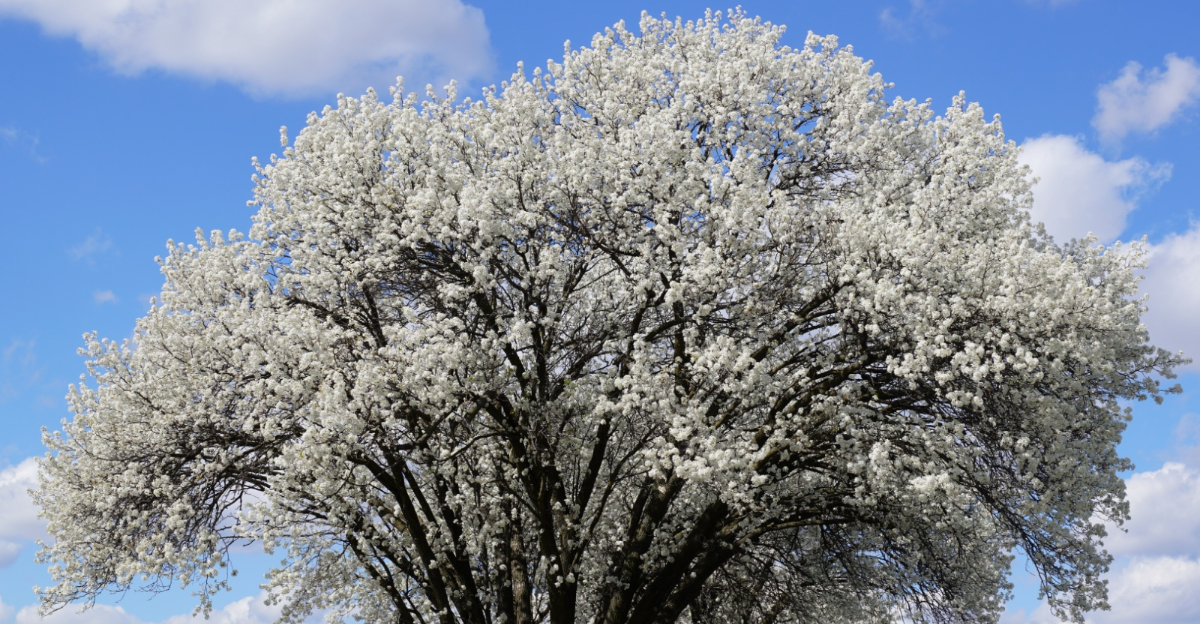
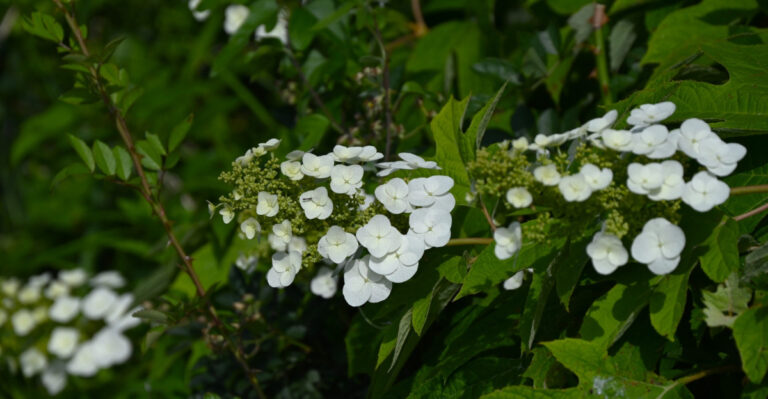
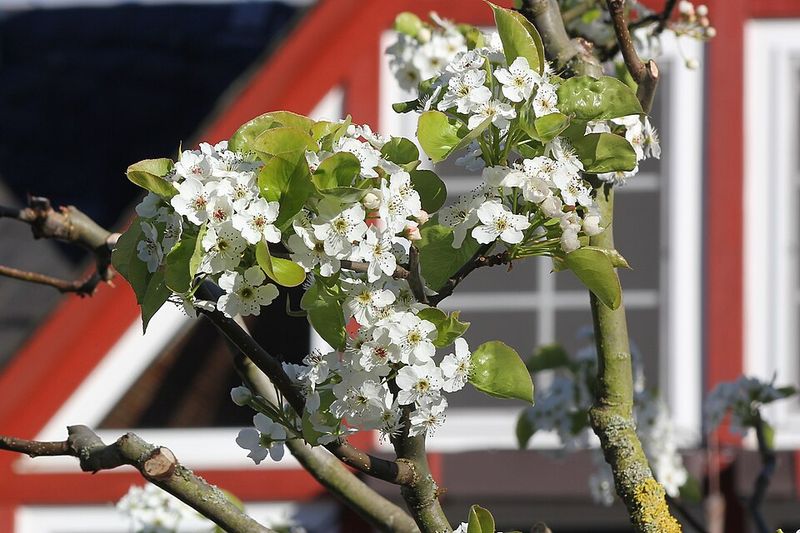
Your tree looks harmless. White blossoms coat it every spring, cheerful and bright against the sky.
Somewhere underneath that beauty, something is quietly moving outward, threading into forests, fields, and wild spaces across South Carolina. Seeds travel far and birds carry them further than you’d expect.
What starts in your yard does not stay there. Can one ornamental tree really unravel an entire ecosystem?
Scientists say yes. Native plants get crowded out and wildlife loses the food sources it depends on.
Entire natural areas shift because of a single landscaping choice. South Carolina officials are urging homeowners to act before the situation becomes irreversible.
Removal programs exist and replacement trees are often free. Right now, real resources are available to help you make the switch.
The tree standing in your yard today is reshaping the land around it, whether you choose to see it or not.
Why The Sale Of This Tree Is Now Banned In South Carolina
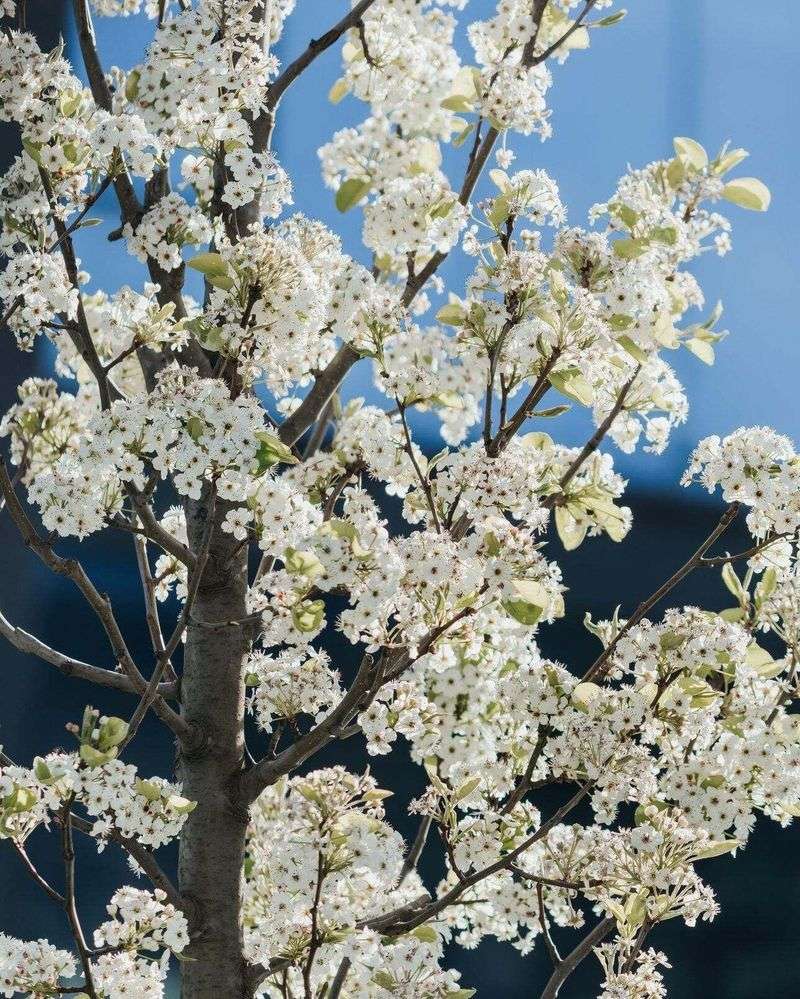
The law finally caught up with the Bradford Pear. After South Carolina passed legislation in 2021 banning the sale and trade of Pyrus calleryana, with enforcement taking full effect on October 1, 2024.
That made South Carolina only the second state in the U.S. to take this step, following Ohio. Nurseries across the state can no longer sell it.
Homeowners who already have one are not fined, but they are strongly encouraged to remove it before it spreads further.
The ban did not happen overnight. Scientists and conservationists spent years documenting the damage Bradford Pears cause to native ecosystems across the region.
State officials listened to the evidence and acted. The goal is to protect native plants, local wildlife, and the natural character of South Carolina landscapes.
If you planted one years ago thinking it was a great ornamental choice, you are not alone. These trees were marketed heavily in the 1960s as the perfect suburban tree.
Nurseries loved them because they grew fast and bloomed beautifully. The long-term environmental consequences were not widely understood at the time of purchase.
Understanding why the ban exists helps homeowners make smarter choices going forward. Knowing the law also protects you from unknowingly buying a restricted plant at a garden sale.
Replacing your Bradford Pear with a native alternative is now the most responsible move. The ban is not just a rule. It is a call to action for every South Carolina yard.
Seeds Spread By Birds Invade Neighboring Yards
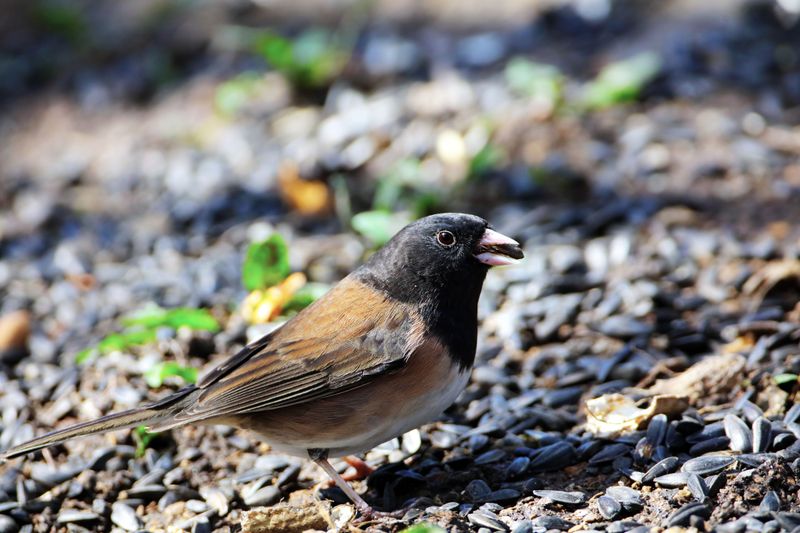
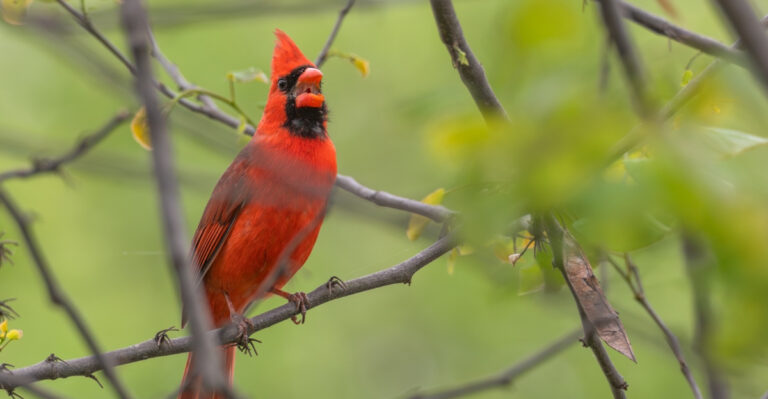
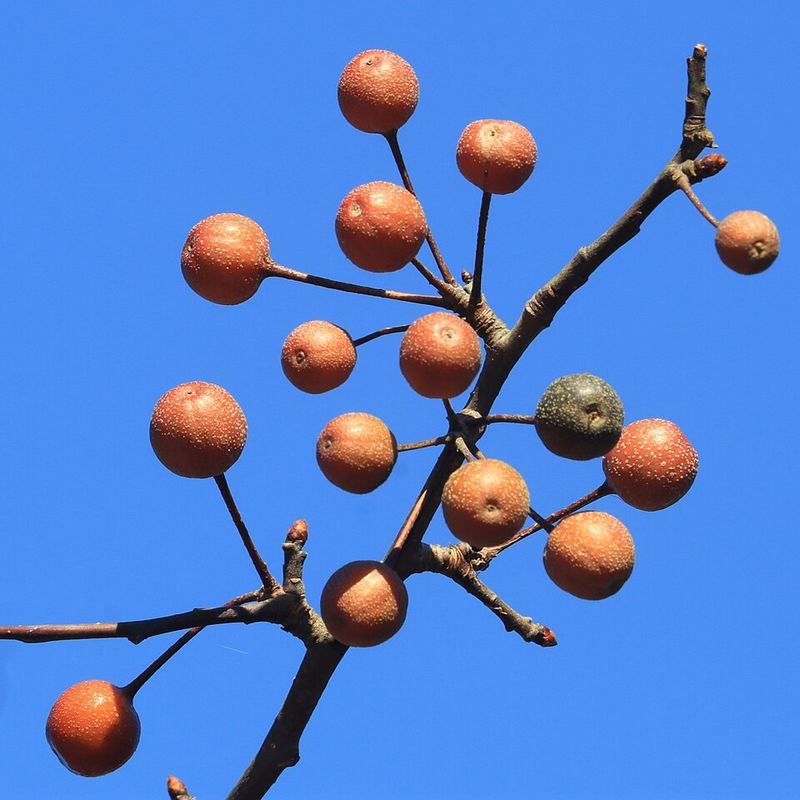
Birds absolutely love Bradford Pear berries. They eat the small fruit and then fly off, dropping seeds across your yard, your neighbor’s yard, and into nearby forests.
One mature tree can produce thousands of seeds each season. That number adds up fast when you multiply it across a whole neighborhood full of these trees.
The seeds germinate quickly and grow into wild, thorny versions of the original tree. These naturalized offspring are called Callery Pears, and they are even tougher than the cultivated kind.
Wild Callery Pears have sharp thorns that the original Bradford Pear lacks. They are harder to remove and spread even more aggressively through roadsides and open fields.
Your South Carolina Garden Changes Every Week. Your Plan Should Too.
Gardening in South Carolina changes quickly throughout the season. Every Friday you’ll receive a simple weekly plan showing exactly what to plant, prune, fertilize, harvest, and protect so you never miss the right timing.
Mockingbirds, starlings, and cedar waxwings are among the biggest culprits. They can carry seeds miles away from the original tree in a single afternoon of feeding.
Your neighbor might not even own a Bradford Pear. Yet seedlings could still pop up in their flower beds thanks to birds passing through from your property.
This seed-spreading problem is one reason the state moved to ban the species entirely. A single tree left standing can undo years of conservation work in surrounding natural areas.
Removing your tree now limits the number of seeds entering the local ecosystem. Acting early is the most powerful thing a homeowner can do to stop the spread.
Dense Thickets Crowd Out Native Plants And Wildlife
Walk past any neglected field in South Carolina and you may already see the damage. Thick, thorny stands of wild Callery Pear crowd out native grasses, shrubs, and wildflowers with shocking speed.
These thickets grow so dense that sunlight cannot reach the ground beneath them. Without light, native plants cannot survive, and the entire ecosystem shifts in a harmful direction. Animals that depend on native plants for food and shelter lose their habitat.
Native pollinators like bees and butterflies gain little benefit from Bradford Pear blooms, which are better suited to attracting carrion flies and beetles rather than supporting local insect populations.
Native trees such as dogwoods, redbuds, and serviceberries get crowded out before they have a chance to establish themselves. Once a thicket forms, clearing it requires serious effort and time.
The roots of Callery Pear also compete aggressively underground. They absorb water and nutrients that neighboring plants desperately need to survive dry spells and summer heat.
Farmers and land managers in South Carolina have reported losing pasture land to these spreading thickets. What starts as one ornamental tree can become a field-sized problem within a decade.
Restoration ecologists sometimes spend years clearing Bradford Pear thickets from nature preserves. The labor and cost involved are enormous compared to simply removing one backyard tree now.
Stopping the spread at the source saves everyone trouble down the road. Your yard is the starting point, and your choices ripple outward into the larger landscape around you.
Weak Branches Can Split And Damage Your Property
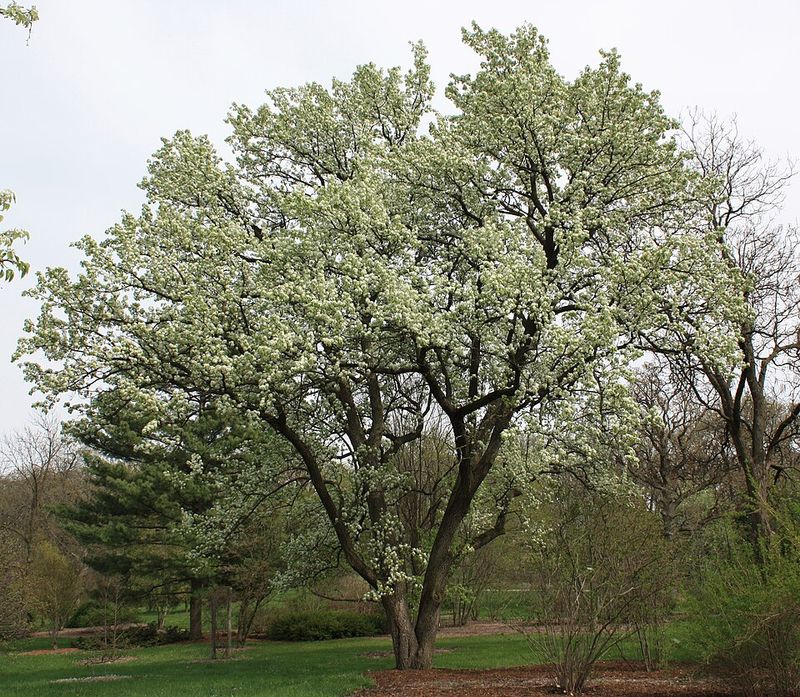
Bradford Pears grow fast, but fast growth comes with a serious structural flaw. The branches grow at very narrow angles from the trunk, creating weak attachment points that snap easily under pressure.
Storm season in the Southeast is no joke. A strong gust of wind or a heavy ice storm can send a major limb crashing down onto your roof, car, or fence.
Arborists use a specific technical term for this problem: included bark. It happens when two branches grow so close together that bark gets trapped between them, weakening the joint over time.
A Bradford Pear that looks healthy on the outside can be structurally compromised on the inside. Many homeowners discover this truth only after a storm causes expensive damage to their property.
Given the tree’s reputation for storm damage, homeowners would be wise to check whether their policy covers falling limbs from known-risk trees.
The average cost to remove a fallen limb from a roof runs into the thousands. Proactive removal of the whole tree almost always costs less than emergency cleanup after a split.
Mature Bradford Pears, typically those between 15 and 20 years old, become especially prone to severe structural failure. If yours is getting up there in age, the risk climbs with every passing storm season.
Replacing it with a structurally sound native tree protects your home and your wallet. Smart planning now prevents a very stressful and costly situation later.
The Blooms Smell Like Rotting Fish
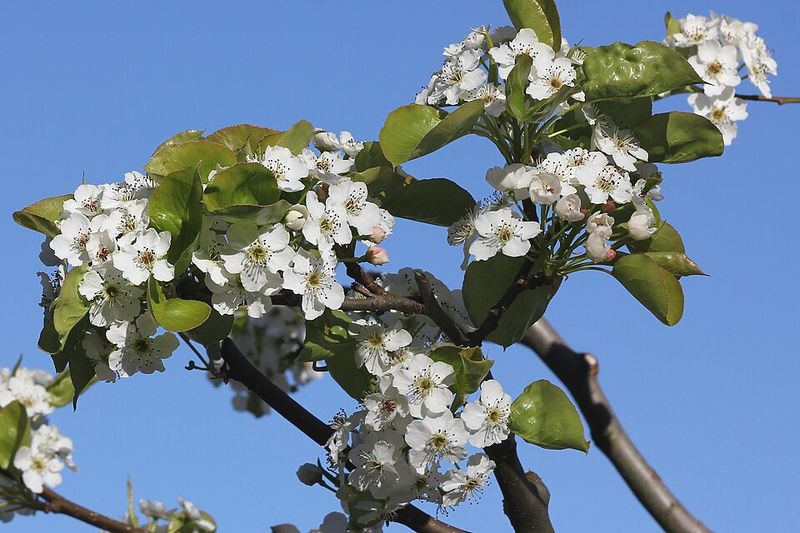
Spring arrives, the Bradford Pear bursts into bloom, and then your nose tells you something is very wrong. The white flowers that look so elegant from a distance carry a smell that stops people in their tracks.
Most people describe the scent as rotting fish, old garbage, or something equally unpleasant. It is not subtle, and it can drift through open windows and linger in your yard for weeks.
The smell comes from chemical compounds released by the flowers called amines. These are the same compounds found in decaying organic matter, which explains why the odor is so distinctly offensive.
Some homeowners plant Bradford Pears without knowing about the smell because they purchase them in fall or summer. The first spring bloom comes as a genuinely shocking surprise.
Neighbors who live near a Bradford Pear often complain during bloom season. Outdoor gatherings, open windows, and morning walks become much less enjoyable when that odor is drifting through the air.
The bloom period typically lasts around two weeks in early spring. For people with sensitive noses or respiratory issues, that stretch of time feels much longer than it sounds.
Native alternatives like serviceberry or native plum bloom beautifully without the offensive odor. They attract pollinators and smell either neutral or pleasantly sweet during their flowering period.
Swapping out your Bradford Pear improves your spring experience in a very immediate, sensory way. Your nose, your neighbors, and your backyard gatherings will all benefit from the change.
Cut It Down And It Grows Right Back
Cutting down a Bradford Pear sounds like the obvious solution, and it is a great first step. But if you stop there, you may end up with a bigger problem than you started with.
Bradford Pears are aggressive resprouters. Cut the trunk and the stump sends up a cluster of new shoots within weeks, each one determined to become a new tree.
These sprouts grow faster than the original tree did. Left unchecked, a single stump can produce a dense, thorny thicket right where one tidy ornamental tree used to stand.
The root system stays fully alive after cutting. It stores energy and redirects it into those new shoots, giving them a powerful head start over any competing plants nearby.
Effective removal requires treating the stump immediately after cutting. Herbicide applied directly to the fresh cut surface is the most reliable method for preventing regrowth.
Grinding the stump down below soil level is another solid option. Combined with herbicide treatment, stump grinding gives you the best chance of stopping the tree for good.
Some homeowners try pulling sprouts by hand every few weeks. That approach works eventually, but it requires consistent effort over one to two full growing seasons.
Hiring a certified arborist familiar with invasive species removal is worth every penny. Proper removal of your Bradford Pear today protects South Carolina neighborhoods from this fast-growing tree spreading further tomorrow.