Desert-Adapted Trees Arizona Landscapers Are Recommending Over Liquid Amber
Liquid amber trees have a lot going for them on paper. Dense summer shade, that gorgeous fall color that makes your yard look like it belongs somewhere in New England.
Very appealing. But Arizona has a way of exposing the fine print pretty quickly.
The water demands are significant, the mature size can get seriously out of hand, and those shallow roots have a well-earned reputation for introducing themselves to sidewalks and patios in the most inconvenient ways possible.
For a desert landscape built around low-water principles and manageable maintenance, liquid amber can start to feel like a bit of a mismatch.
The good news is that Arizona actually has some incredible tree options that bring shade, structure, seasonal interest, and real desert character without the complications.
And some of them are genuinely stunning. Let’s get into it.
1. Desert Willow Brings Flowers In A Smaller Space
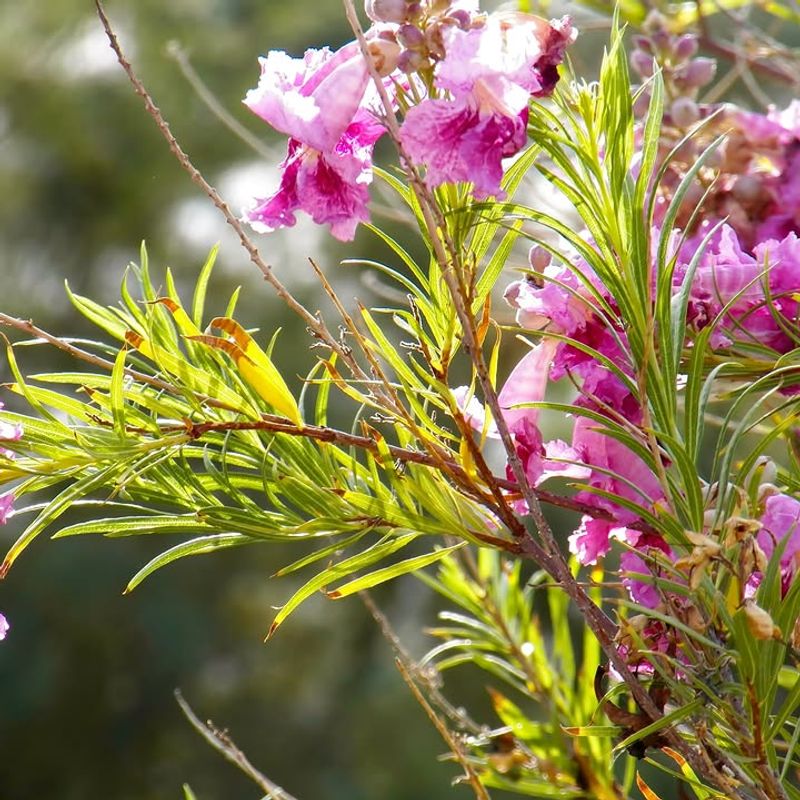
Few flowering trees put on a show quite like desert willow during the warm months in Arizona.
From late spring through summer and sometimes into fall, this tree produces clusters of trumpet-shaped blooms in shades of pink, lavender, white, and deep burgundy, depending on the variety.
Hummingbirds are drawn to the flowers consistently, making it a lively addition to any yard.
Desert willow typically reaches around 15 to 25 feet tall at maturity, which makes it a much more manageable choice than liquid amber for smaller front yards, side yards, or planting areas near a patio.
It tends to have a loose, open canopy that filters light rather than creating heavy shade, so it works well in spots where some sun is still wanted.
One thing to keep in mind is that desert willow is deciduous and drops its long, narrow leaves seasonally, along with seed pods that can create some litter.
It handles Arizona heat and low-water conditions well once established, though it appreciates occasional deep watering during dry stretches.
For homeowners who want flower color and a more relaxed tree form without the size commitment of liquid amber, desert willow is a natural starting point.
2. Ironwood Creates Long-Term Desert Shade
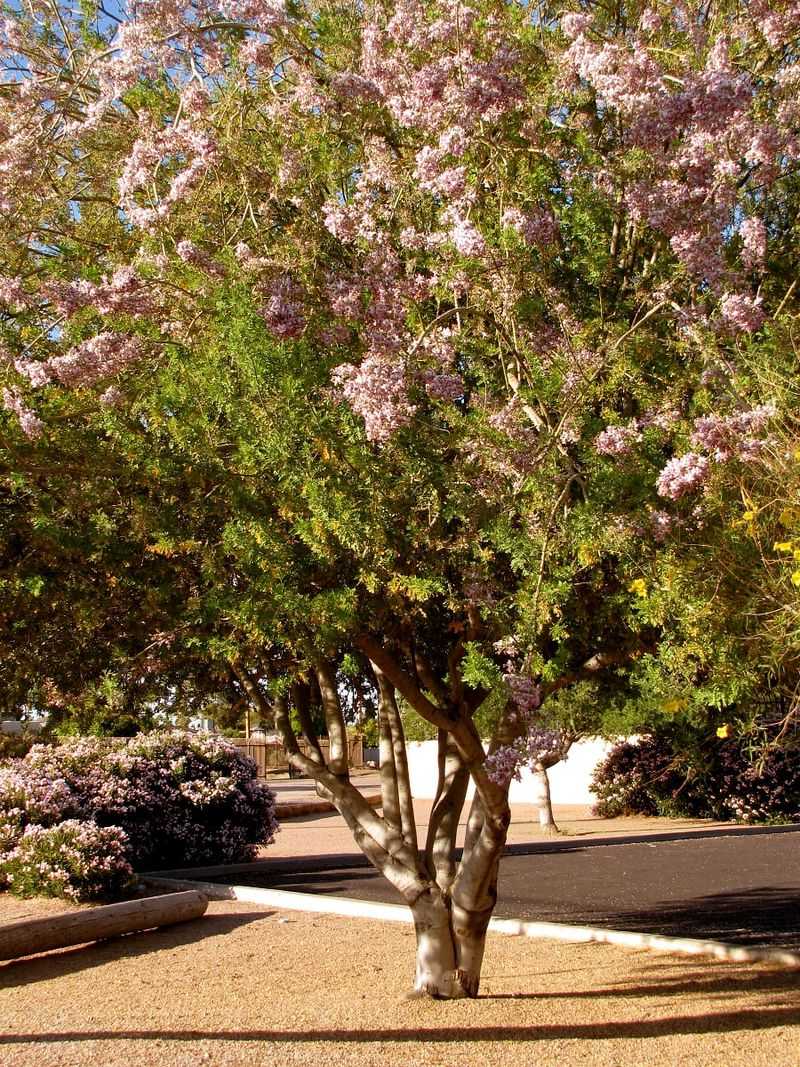
Planting an ironwood tree is a bit like investing in something that will outlast just about everything else in the yard. Arizona ironwood is one of the longest-lived native trees in the Sonoran Desert, with some specimens estimated to be several hundred years old.
That kind of staying power is hard to match.
Ironwood grows slowly, so it is not the right pick for someone who wants quick shade in a season or two.
However, once it reaches maturity, it develops into a broad, rounded canopy that can span 30 feet or more, creating meaningful shade for patios, gathering areas, or large open yards.
The blue-green foliage gives it a distinctive look year-round, and in late spring it produces small lavender-pink flowers that attract pollinators.
Unlike liquid amber, ironwood has a deep root system that is less likely to cause problems near sidewalks or driveways. It is also highly drought tolerant once established, needing very little supplemental irrigation in a typical Arizona yard.
Your Arizona Garden Changes Every Week. Your Plan Should Too.
Gardening in Arizona changes quickly throughout the season. Every Friday you’ll receive a simple weekly plan showing exactly what to plant, prune, fertilize, harvest, and protect so you never miss the right timing.
Some light litter from leaves and seed pods should be expected, but it is generally manageable. For anyone building a long-term low-water landscape in Arizona, ironwood is a tree worth serious consideration.
3. Velvet Mesquite Offers Fast Shade For Open Yards
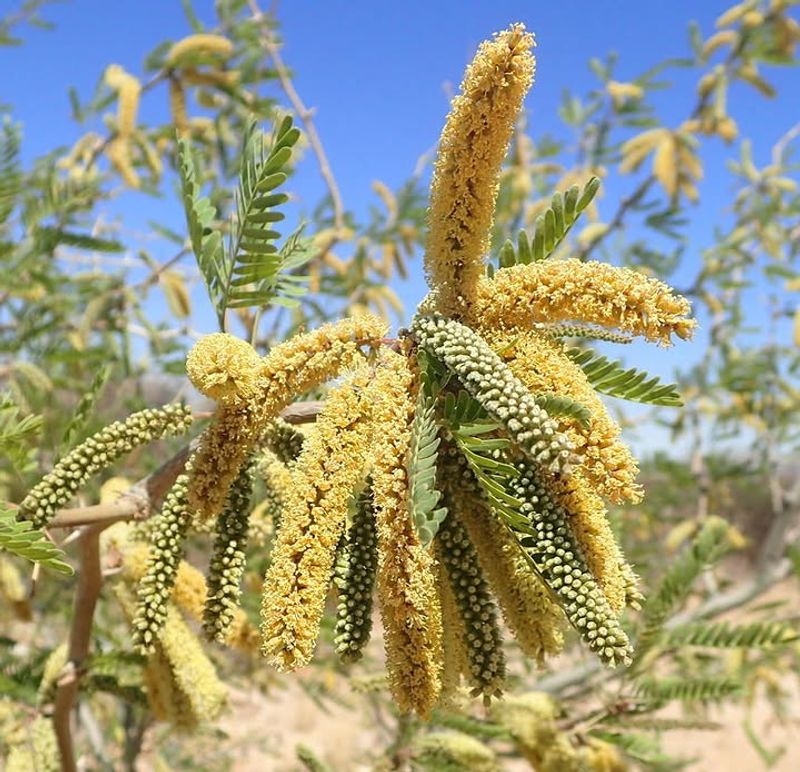
When shade is the main goal and there is room to let a tree spread out, velvet mesquite tends to rise to the top of the list for many Arizona landscapers.
It grows faster than most native desert trees, reaching heights of 20 to 30 feet and spreading even wider with a broad, arching canopy that can cover a significant area of a backyard or open front yard.
Velvet mesquite is native to the Sonoran Desert, which means it is deeply adapted to Arizona heat and dry conditions.
Once established, it can survive on natural rainfall in many parts of the state, though occasional deep watering during extended dry periods helps it develop a stronger root system and fuller canopy.
The feathery, fine-textured leaves create dappled shade rather than full blockout shade, which many people find pleasant for outdoor seating areas.
There are a few things to plan around before planting. Velvet mesquite does have thorns, particularly when young, and it produces seed pods that can drop in quantity.
Placing it away from pools, paved surfaces, or areas where pod cleanup would be difficult makes maintenance easier.
For open Arizona yards where liquid amber might otherwise seem like an option, velvet mesquite offers a native, low-water alternative with real canopy presence.
4. Blue Palo Verde Adds Classic Arizona Spring Color
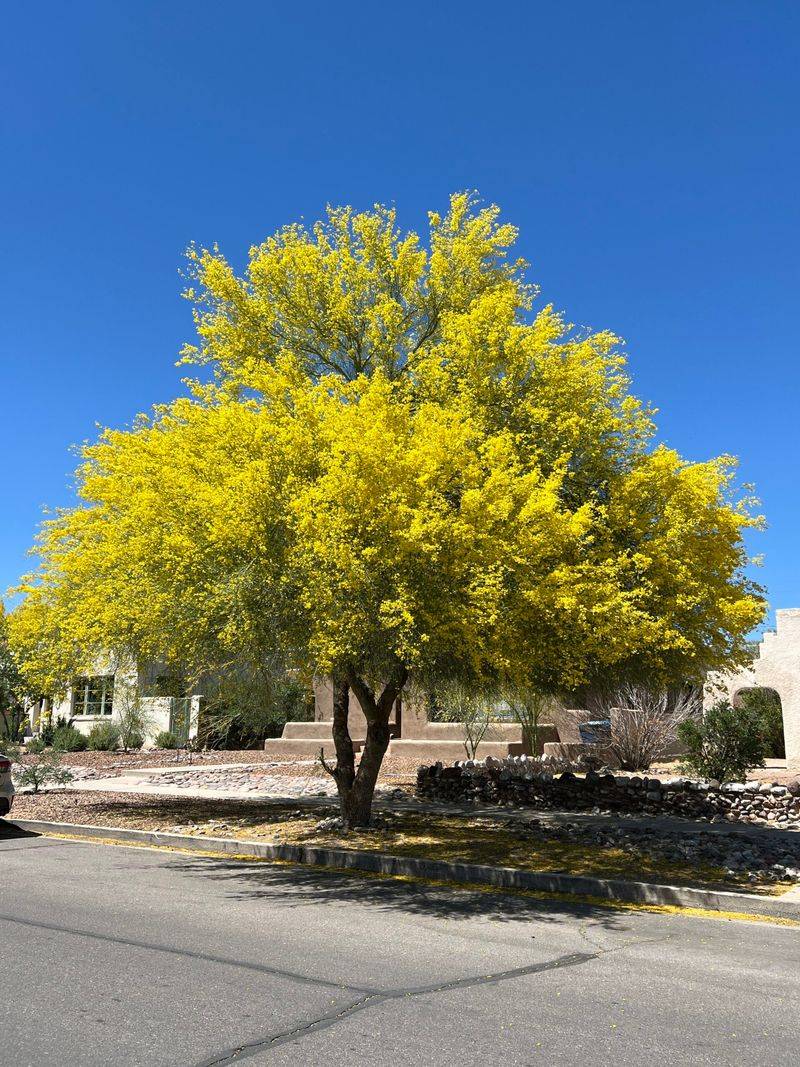
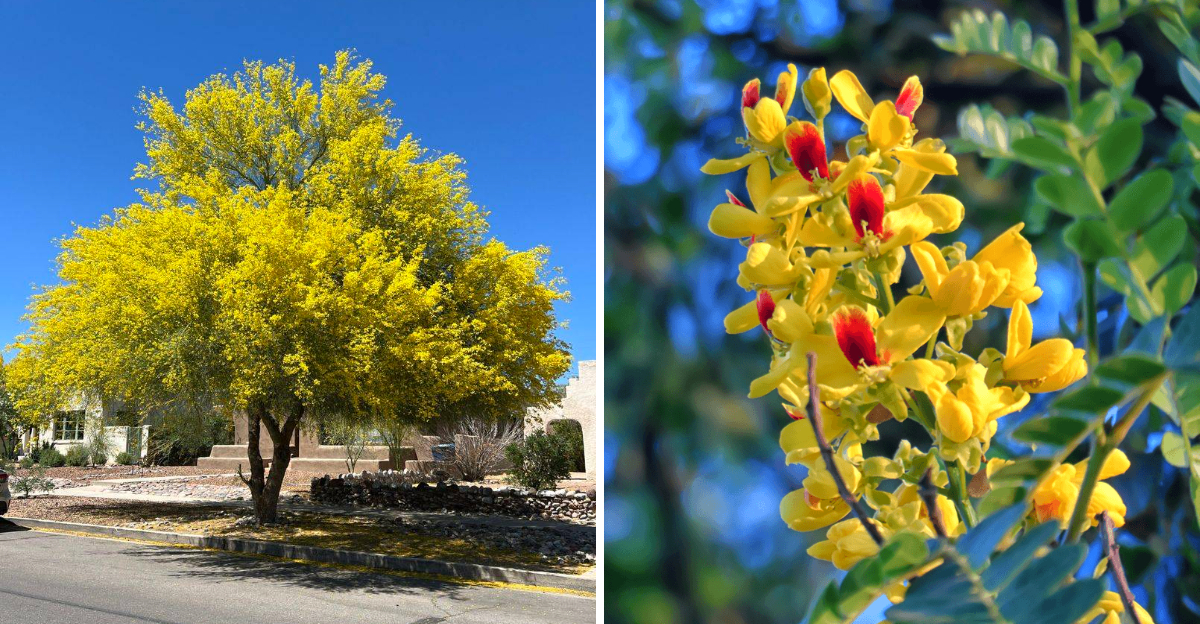
Come spring in Arizona, blue palo verde is one of the most eye-catching trees in any neighborhood. The entire canopy erupts in bright yellow flowers, often covering the branches so thoroughly that the green bark beneath is barely visible.
It is the kind of seasonal display that stops people on a walk and makes them ask what tree that is.
Blue palo verde grows to around 25 to 40 feet tall with an open, spreading canopy.
The green bark on the trunk and branches is one of its most distinctive features, allowing the tree to photosynthesize even during periods when it drops its tiny leaves in response to drought or heat.
This adaptation makes it genuinely suited to Arizona desert conditions in a way that non-native trees like liquid amber simply are not.
It does have thorns, which is worth considering when placing it near walkways or areas where people brush past branches. Flower and leaf litter during and after bloom season is also something to plan for.
Blue palo verde tends to work well as a canopy tree in larger front yards or backyard areas where its seasonal color and open shade can be appreciated. It is a reliable, low-water choice with deep Arizona roots.
5. Hybrid Palo Verde Brings Bright Color And Light Shade
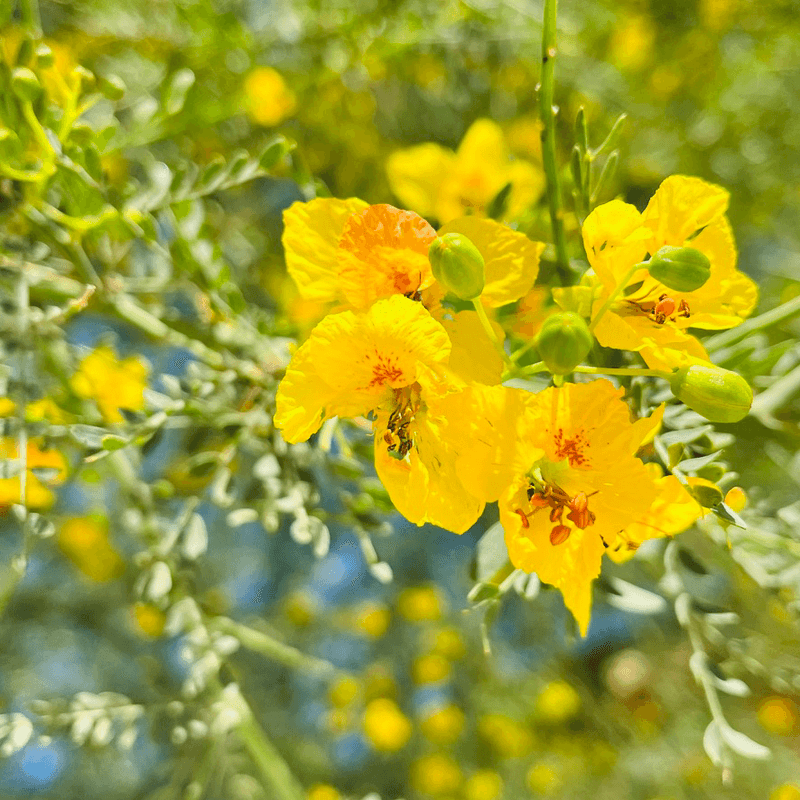
Hybrid palo verde, sometimes called Desert Museum palo verde, has become one of the most requested trees in Arizona residential landscaping over the past couple of decades, and it is easy to understand why.
It combines a strong yellow flower display with a fuller canopy than either of its parent species, growing relatively quickly and producing almost no thorns, which sets it apart from native palo verde varieties.
The mature size generally falls in the range of 20 to 30 feet tall and wide, making it a reasonable fit for backyards, larger front yards, and open patio areas where filtered shade is wanted.
The canopy is airy enough that it does not completely block light, which can be a plus for gardens or outdoor spaces that still benefit from some sun exposure during cooler months.
One reason landscapers often suggest hybrid palo verde as a liquid amber alternative is that it handles Arizona heat and drought conditions well once established, needing far less water than liquid amber typically requires.
It does produce some leaf and flower litter during certain seasons, so placement near pools should be thought through.
Overall, it offers a strong combination of seasonal flower color, manageable size, and low-water performance for Arizona yards.
6. Foothills Palo Verde Fits Natural Desert Landscapes
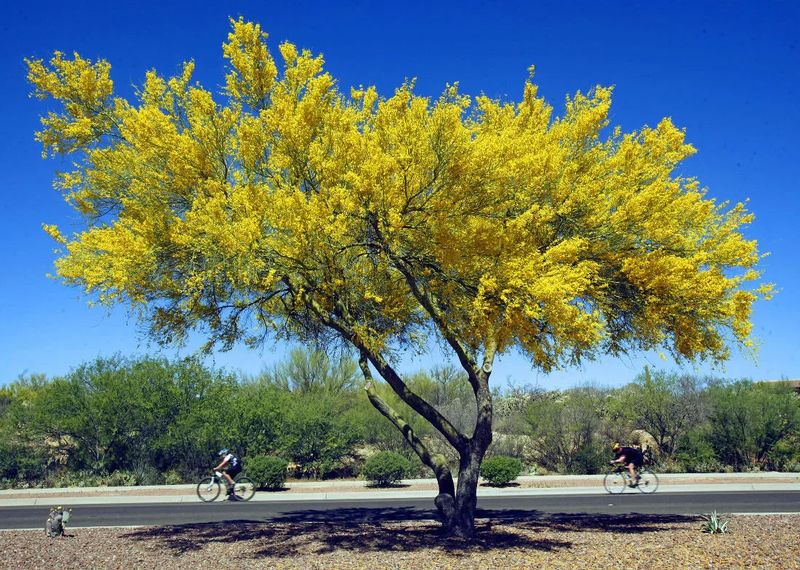
Not every Arizona yard is looking for a tree that makes a dramatic statement.
Sometimes the goal is something that looks like it simply belongs in the landscape, blending with boulders, native ground covers, and open desert planting beds without demanding attention.
Foothills palo verde fits that role well.
Smaller than blue palo verde, foothills palo verde typically tops out around 15 to 20 feet tall with a similar spread.
It has a yellow-green bark that shifts to a more yellow tone with age, and it blooms in spring with small yellow flowers that are lighter in color than those of blue palo verde.
The overall effect is subtle and natural, which suits desert-style yards beautifully.
Foothills palo verde is one of the most drought-tolerant trees available for Arizona landscapes. Once established, it can survive on very little supplemental water, making it a strong fit for low-water or no-irrigation planting zones.
It does have some thorns and produces seed pods, so placement matters. Keeping it away from high-traffic walkways and pool areas makes long-term maintenance simpler.
For Arizona homeowners who want a tree that feels native and unforced in a desert landscape, foothills palo verde is a genuinely strong option.
7. Palo Blanco Works Where Space Is Narrow
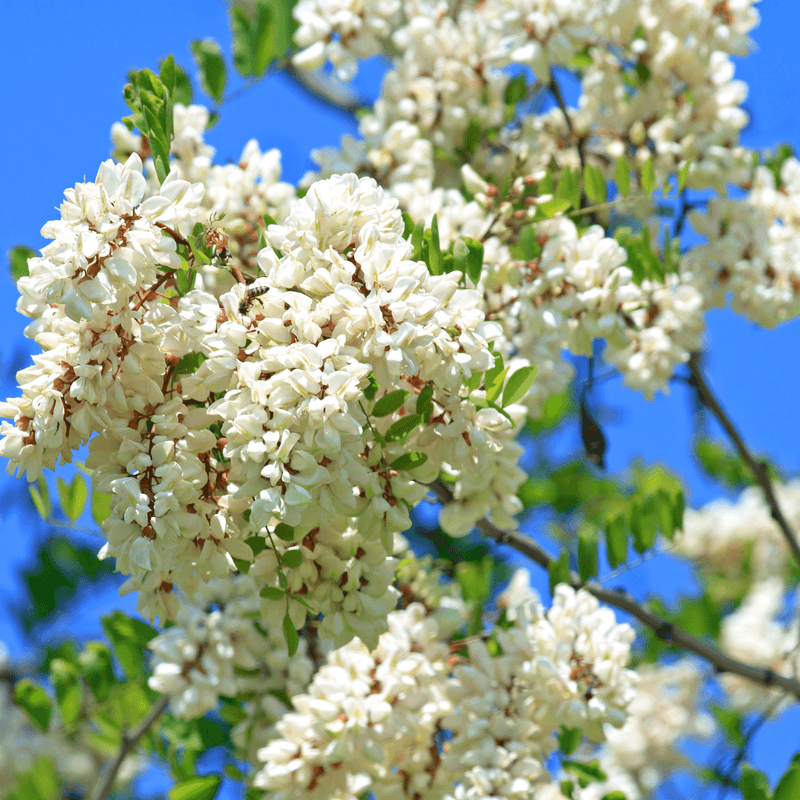
Tight spots in Arizona yards, like narrow planting strips between a driveway and a wall, or a side yard with limited width, often leave homeowners searching for a tree that fits without crowding everything around it.
Palo blanco handles those situations with a kind of quiet elegance that few other desert trees can match.
What makes palo blanco stand out visually is its striking white bark, which brightens a planting area even when the tree is not in bloom.
It grows to around 20 to 30 feet tall with a relatively narrow, upright canopy compared to many other Sonoran Desert trees, making it easier to place in areas where horizontal spread is limited.
In spring, it produces small white flowers that are delicate and attractive without creating heavy litter.
Palo blanco is highly drought tolerant once established and has a root system that is less aggressive than liquid amber, which makes it a safer choice near paved surfaces, walls, and structures.
It is not as widely planted as palo verde or mesquite, so it can give an Arizona yard a more distinctive look.
For homeowners working with narrow spaces or looking for something with a refined desert aesthetic, palo blanco is worth asking a local nursery about.
8. Kidneywood Adds Light Shade And Soft Flowers
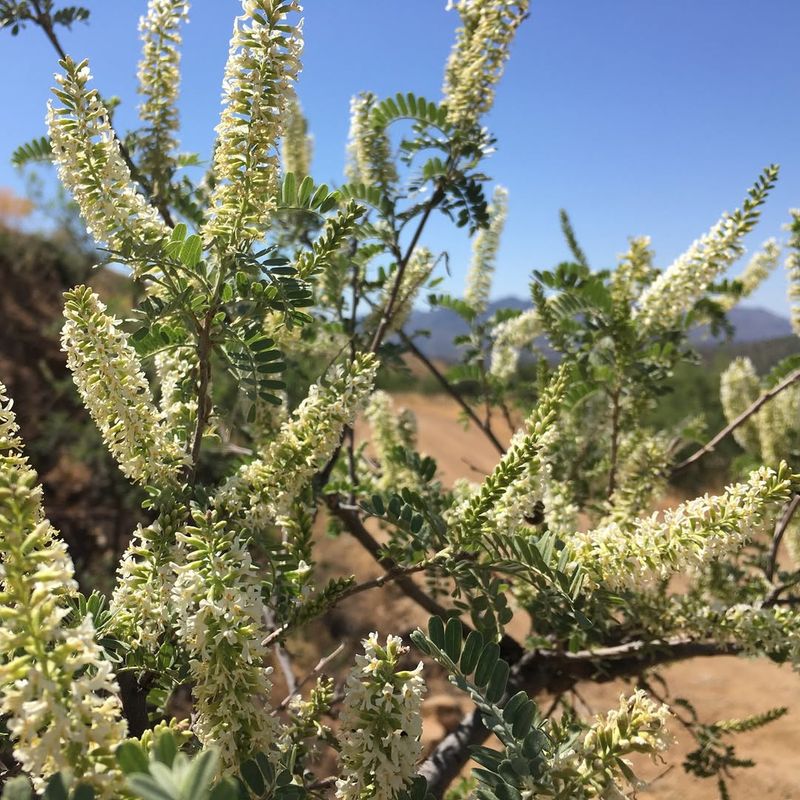
Walking past a kidneywood in bloom is one of those small pleasures that Arizona gardeners tend to remember.
The tree produces clusters of small white flowers with a noticeable sweet fragrance, typically in late spring and sometimes again later in the season after monsoon rains encourage a second flush.
It is the kind of detail that makes a yard feel more layered and interesting.
Kidneywood is a smaller tree, usually reaching 15 to 20 feet in height, with a fine-textured canopy that provides light, dappled shade rather than heavy coverage.
That quality makes it well-suited for planting near patios or outdoor seating areas where some filtered shade is welcome but full blockout shade would make the space feel too dark during cooler months.
It also works nicely in combination with larger shade trees in a yard that has room for multiple plantings.
From a maintenance standpoint, kidneywood is a low-fuss option for Arizona landscapes. It is drought tolerant once established, handles desert heat well, and does not have the size or root concerns that can come with liquid amber in residential yards.
Litter is generally light. For homeowners who want a flowering tree with fragrance and a more intimate scale, kidneywood brings something genuinely pleasant to a desert yard.
9. Texas Ebony Creates Dense Evergreen Structure
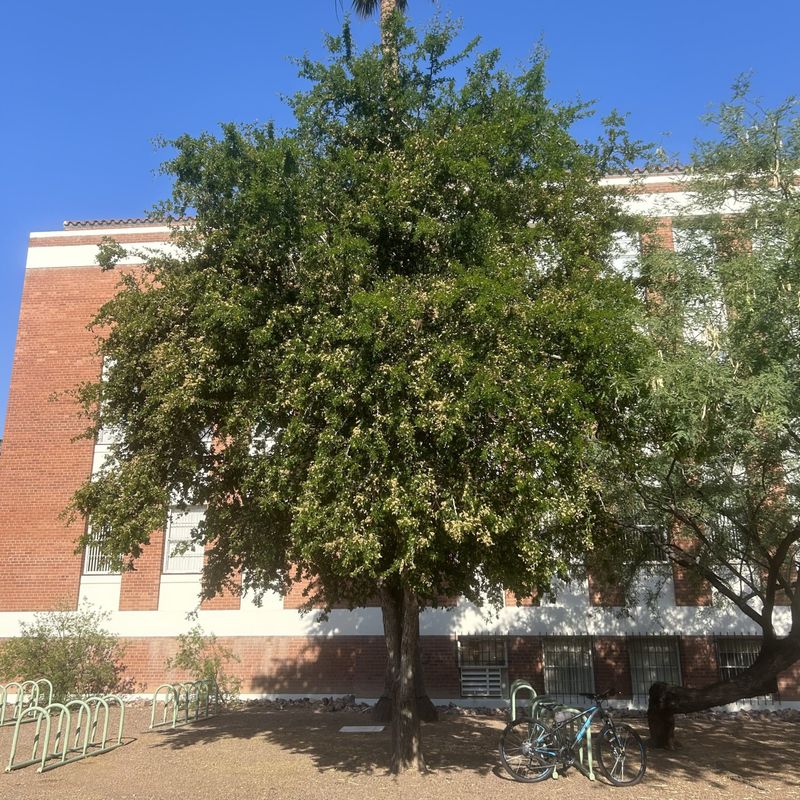
One of the more common complaints about many desert-adapted trees is that they drop their leaves seasonally, leaving a yard without canopy coverage during times when some green structure would be welcome.
Texas ebony addresses that concern directly by holding its dark green foliage year-round, making it one of the few genuinely evergreen options in low-water Arizona landscaping.
Texas ebony grows slowly to around 20 to 30 feet tall, developing a dense, rounded canopy over time. The shade it creates is more solid than what palo verde or desert willow typically provides, which makes it a better comparison to liquid amber in terms of shade quality.
In late spring and early summer it produces small, fragrant cream-colored flowers that add seasonal interest.
There are some trade-offs to consider. Texas ebony does have thorns, which affects where it makes sense to plant it.
Keeping it away from high-traffic areas and pool surroundings is generally a good idea. Growth is slow enough that patience is required, but the long-term payoff is a substantial, evergreen shade tree that handles Arizona heat and low-water conditions well.
For homeowners who specifically want year-round canopy coverage from a desert-adapted tree, Texas ebony is one of the more compelling choices available.
10. Cascalote Brings Winter-To-Spring Flower Color
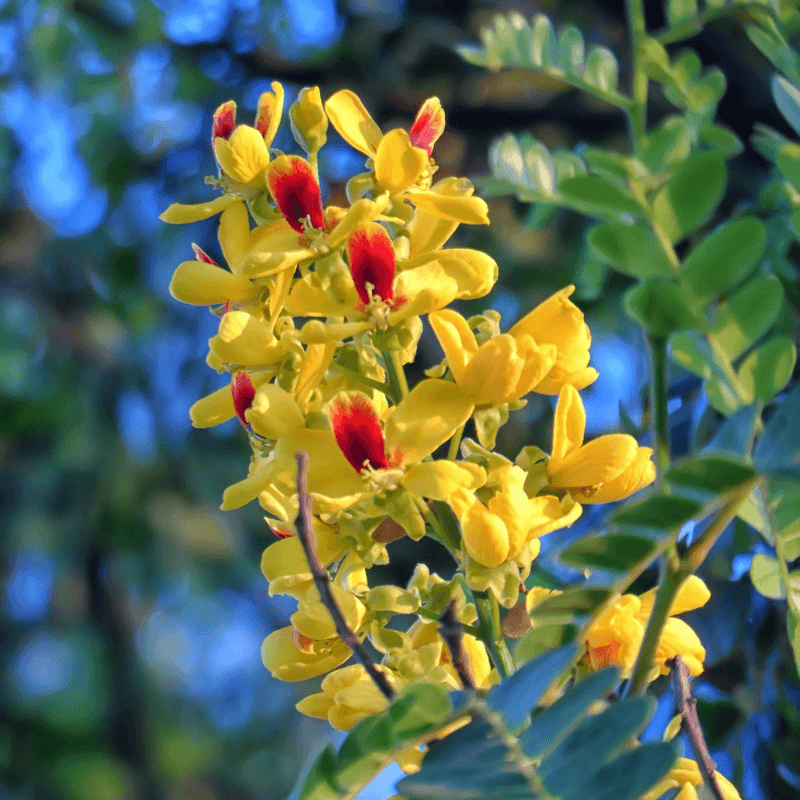
Most flowering trees in Arizona put on their show in spring or summer, which makes cascalote stand out for blooming during the cooler months from late fall through early spring.
Seeing a tree covered in clusters of bright yellow flowers during a season when most of the landscape is quiet is a genuinely striking contrast, and it is one of the main reasons Arizona landscapers have been recommending cascalote more frequently in recent years.
Cascalote grows to around 15 to 20 feet tall with a broad, spreading canopy and interesting textured bark. The flower display is showy and attracts pollinators even during cooler weather.
After bloom season, the tree produces seed pods that can create some cleanup, and it does have thorns, so placement away from walkways and pool edges is worth planning in advance.
As a liquid amber alternative in Arizona, cascalote offers something that liquid amber does not: winter flower color at a more manageable mature size.
It handles Arizona heat and drought conditions well once established and needs significantly less water than liquid amber over time.
The off-season bloom period also fills a gap in the yard calendar that few other low-water trees can cover. For Arizona homeowners who want year-round visual interest, cascalote earns its place in a thoughtfully planted desert landscape.