Do These 7 Things As Soon As Your Michigan Corn Starts Tasseling
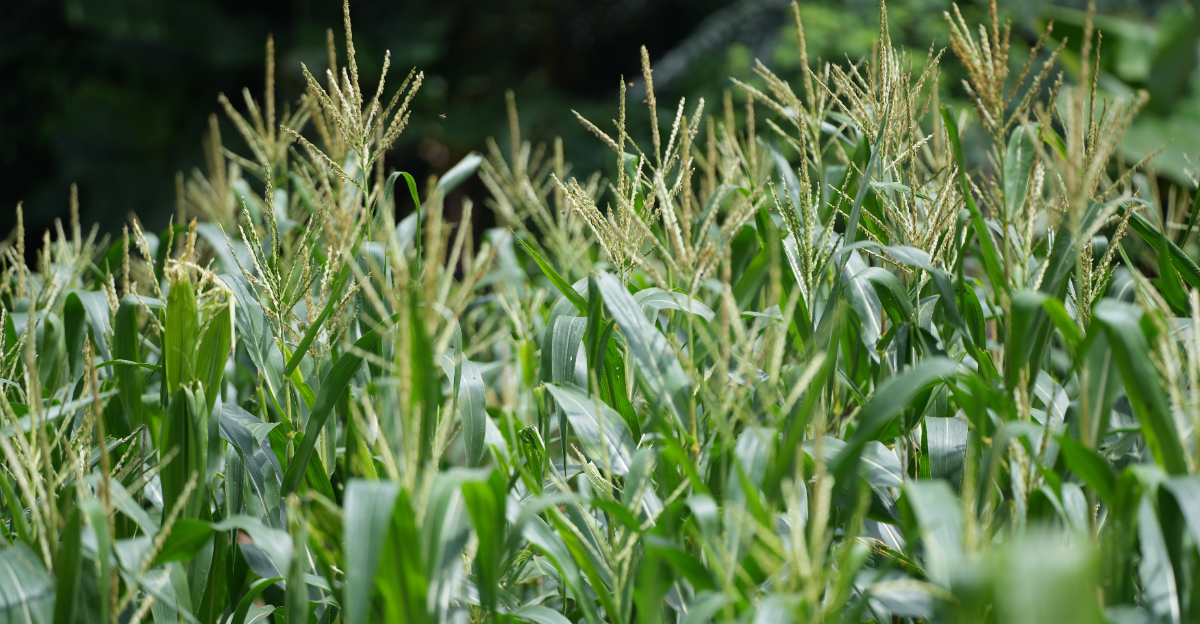
Tasseling is one of the most recognizable moments in a corn plant’s development, and it is also one of the most consequential from a management standpoint.
In Michigan, where the warm season is compressed enough that every productive week counts, what happens during and immediately after tasseling has a direct impact on pollination success, ear development, and the overall yield the planting delivers at harvest.
Many gardeners treat tasseling as a passive milestone, something to notice and move past without changing anything about how the crop is being managed.
Seven specific actions taken at this exact stage address the factors most likely to reduce yield in Michigan corn and create the conditions the plant needs to convert successful pollination into fully developed, flavorful ears before the season closes out.
1. Check For Fresh Silks Every Morning
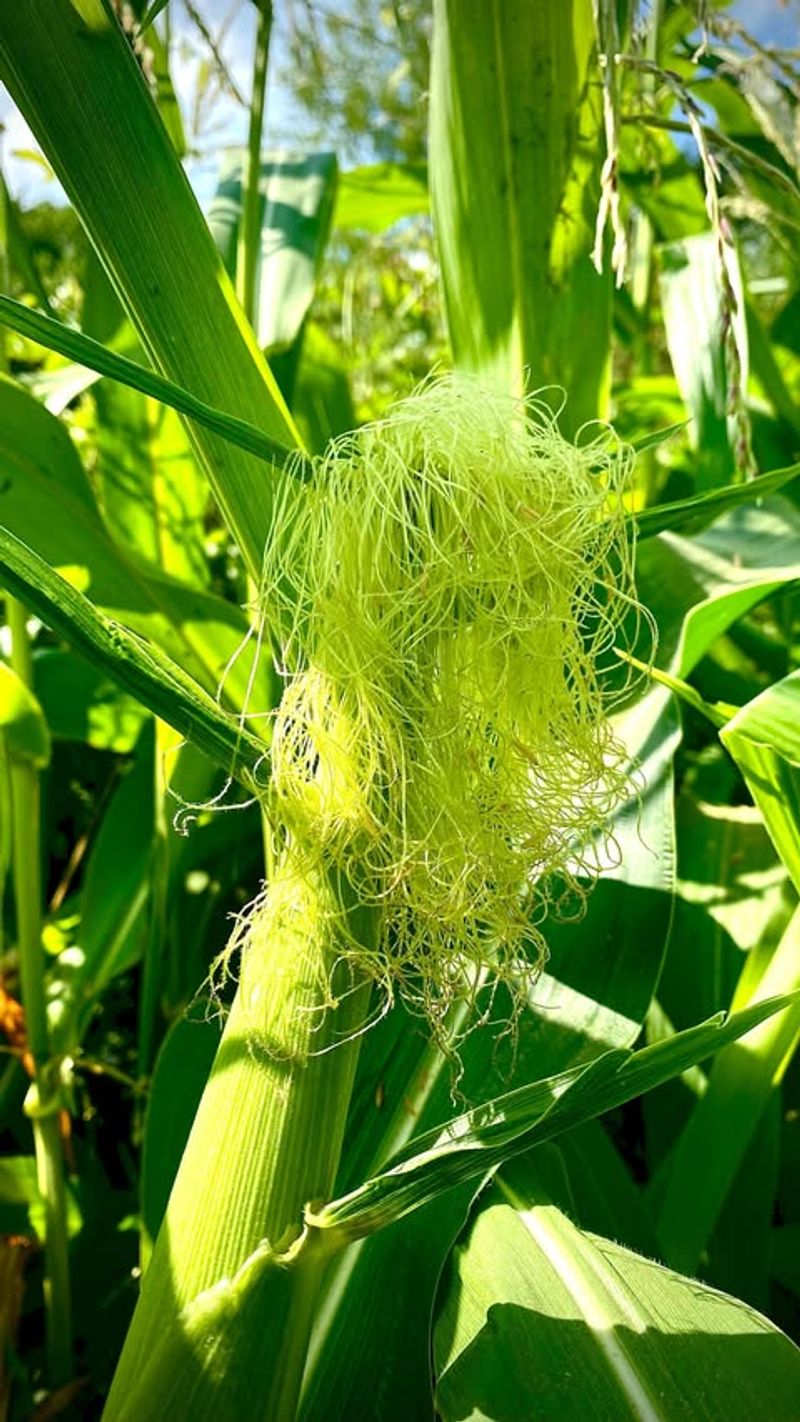
Fresh silks are one of the most exciting signs in the summer garden. When tassels begin appearing at the top of your corn plants, it means pollen is getting ready to shed, and the silks poking out from each developing ear are waiting to catch it.
Every single silk strand connects directly to one potential kernel inside the husk, so the health and timing of those silks matters more than most gardeners realize.
Walk your rows each morning while the air is still cool and calm. Pollen typically sheds in the morning hours, and silks are most receptive when they are fresh, bright green, and slightly sticky to the touch.
If you spot silks that look dried out, brown, or shriveled before the ears have had time to fill, that is a sign something is off, whether it is heat stress, moisture issues, or poor pollination timing.
Keeping a simple daily log can actually help. Jot down when the first silks appeared on each row or variety, because different plants in the same garden can be slightly off schedule.
Knowing this helps you decide when to hand assist pollination or adjust your watering routine.
The pollination window for sweet corn is short, usually just a few days per ear, so staying attentive during this stage is one of the highest-value things a Michigan gardener can do all season.
Missing it means missing kernels, and nobody wants a patchy cob at the end of a long growing season.
2. Water Deeply And Consistently
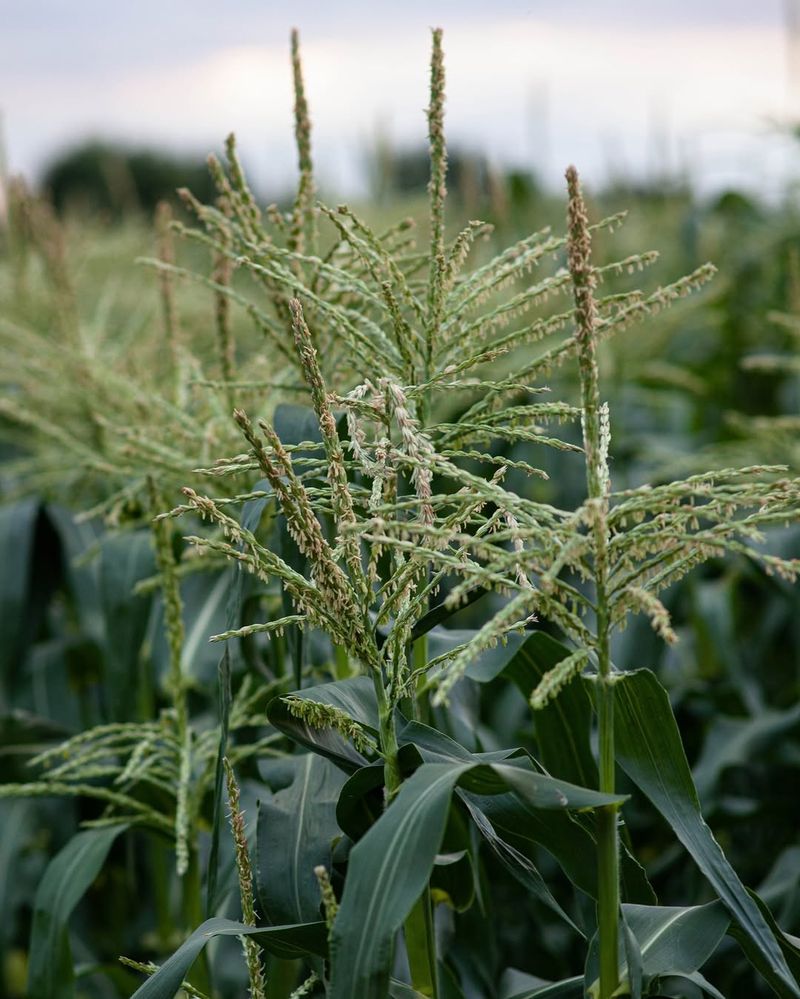
Sweet corn is thirsty by nature, but during tasseling and silking it becomes especially demanding. Michigan State University has noted that adequate soil moisture after silking is critical for strong pollination and well-filled ears.
When the soil dries out during this stage, silk growth can slow or stall, and pollen that lands on dry, stressed silks often fails to fertilize the kernels waiting inside.
The goal is to keep the soil consistently moist about six to eight inches deep. A light sprinkle on the surface does not cut it when corn roots are reaching deep into the ground.
Use a soaker hose, drip line, or a slow garden wand directed at the base of the stalks rather than overhead. Wet foliage during humid Michigan summers can invite fungal problems you do not want on top of everything else.
Your Michigan Garden Changes Every Week. Your Plan Should Too.
Gardening in Michigan changes quickly throughout the season. Every Friday you’ll receive a simple weekly plan showing exactly what to plant, prune, fertilize, harvest, and protect so you never miss the right timing.
Hot, dry, or windy days pull moisture out of the soil faster than you might expect. On those days, check the soil with your finger before assuming the garden is fine.
If the top two inches feel dry, it is time to water. Aim for about one to one and a half inches of water per week during this critical stretch, and adjust based on rainfall. A simple rain gauge near the garden makes that easy to track.
Corn that gets steady, deep moisture during tasseling and silking fills out much more reliably than plants that go through wet and dry swings, so building a watering routine right now pays off big at harvest time.
3. Mulch The Rows To Hold Moisture
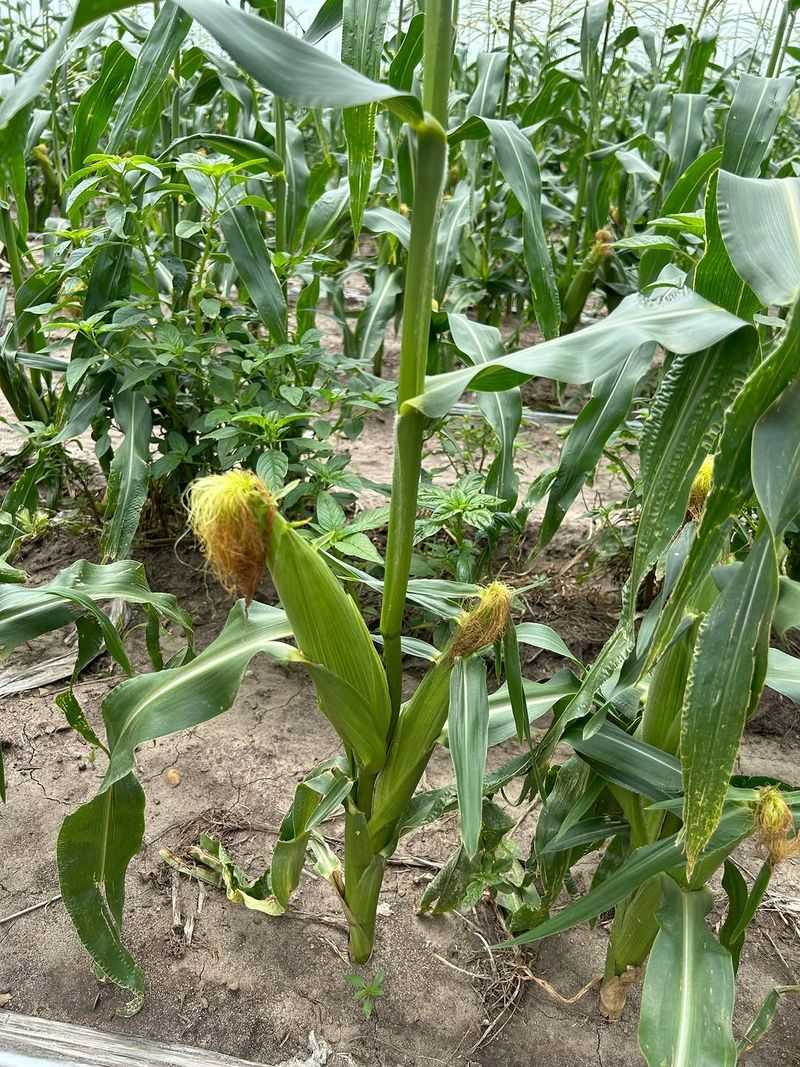
Mulching your corn rows during tasseling might feel like a small chore, but it delivers outsized results when Michigan summer heat kicks in.
A good layer of mulch acts like a blanket over your soil, slowing evaporation so the moisture from watering or rainfall stays available to roots longer.
That steady moisture supply is exactly what corn needs when it is trying to pollinate and fill out ears at the same time.
Straw is one of the most popular choices for vegetable gardens because it is light, easy to spread, and breaks down slowly enough to last through the season.
Shredded dry leaves work beautifully too, especially if you have them on hand from the previous fall.
Untreated dry grass clippings can also do the job, though they should be spread thinly to avoid matting into a soggy layer that blocks airflow. Whatever material you choose, aim for a layer about two to three inches thick between the rows.
One thing to keep in mind is placement. Mulch should sit comfortably between the stalks and around the base of plants, but avoid piling it directly up against the lower stalk.
Too much mulch pressed against the stalk can trap unwanted moisture right at the base and create conditions where rot or pests thrive.
Beyond moisture retention, mulch also suppresses weeds that would otherwise compete with your corn for water and nutrients during this demanding growth stage.
Fewer weeds and steadier moisture together make a noticeable difference in how well your ears develop through to harvest.
4. Give A Careful Nitrogen Boost Only If The Plants Need It
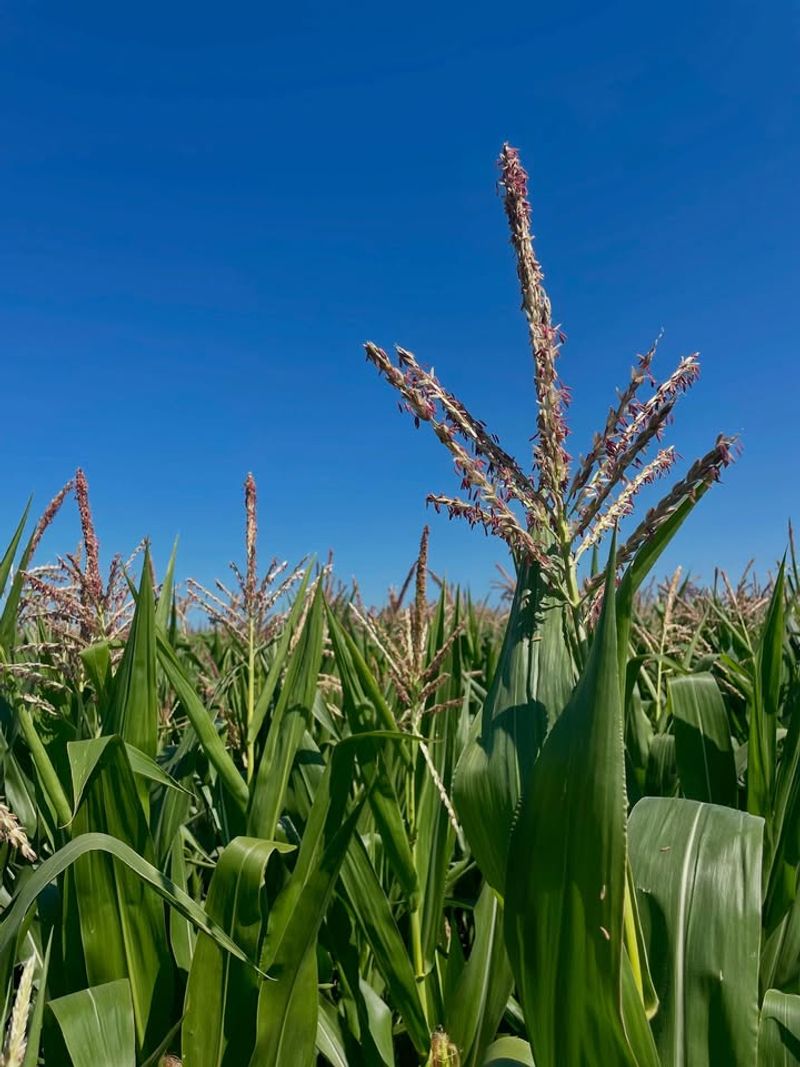
Corn has a well-earned reputation as a heavy nitrogen feeder, but more is not always better, especially once tasseling begins.
If you side-dressed your corn earlier in the season and your plants are standing tall with deep green leaves, they are likely in good shape and do not need another round of fertilizer right now.
Healthy, vigorous plants at this stage are doing exactly what they should be doing.
The situation is different for gardeners dealing with sandy soils, raised beds that get heavily watered, or plots that were not amended well before planting. Those conditions can lead to nitrogen leaching out of the root zone faster than plants can use it.
Pale yellowish leaves, especially starting at the tip of older lower leaves and moving up the midrib, are a classic signal that nitrogen is running low.
A light side-dressing of a balanced fertilizer or a nitrogen-focused option can help those plants recover and support better ear fill.
Before reaching for the fertilizer bag, a soil test is the most reliable guide you can use. Michigan State University Extension offers affordable soil testing that takes the guesswork out of fertilizing decisions.
If you do apply, follow the package directions carefully and keep the application modest at this stage. Heavy late nitrogen pushes leafy growth rather than ear development, and it can create other imbalances in the soil.
Targeted, thoughtful feeding based on what your specific plants actually need will always outperform a one-size-fits-all approach when sweet corn is this close to finishing its most important work of the season.
5. Keep The Patch Open For Wind Pollination
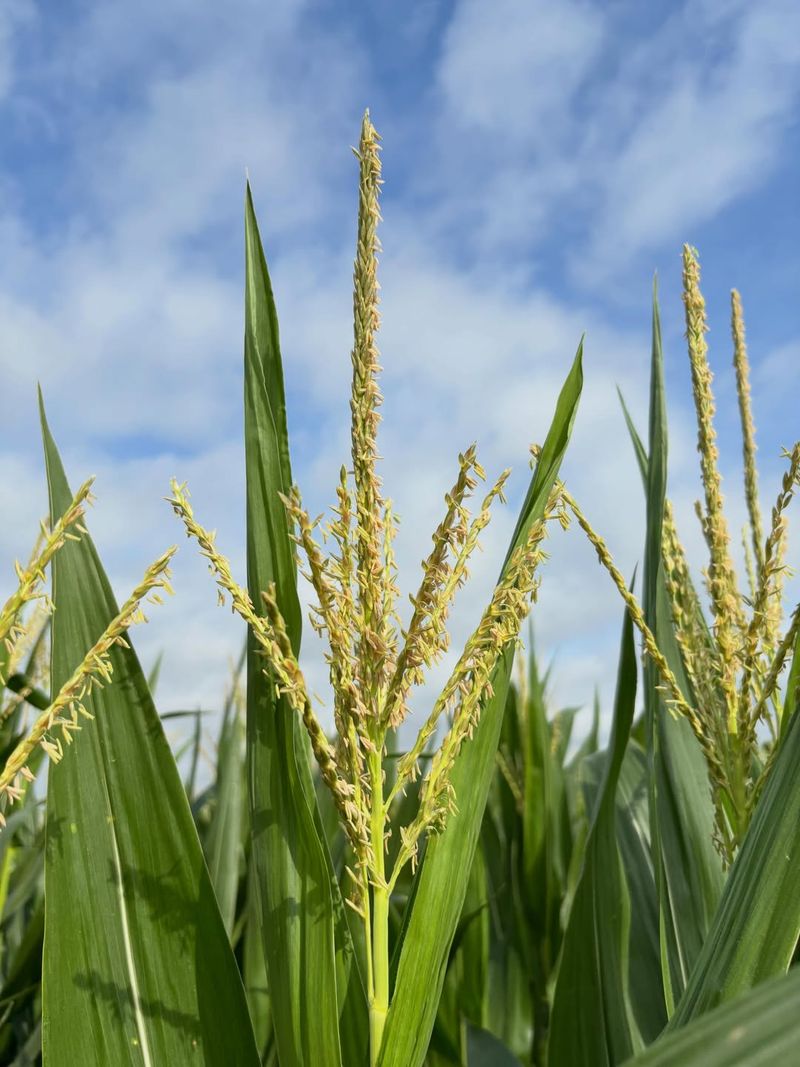
Corn does not rely on bees or butterflies to get pollinated. It depends entirely on the wind to carry pollen from the tassels at the top of the plant down to the silks waiting on each ear.
That means open airflow through and around your corn patch is not just nice to have, it is essential for a full harvest. Anything that slows or blocks pollen movement during this window can leave you with poorly filled ears full of gaps.
Walk your rows and take a look at what is growing nearby. Tall weeds crowding between the stalks, overgrown vines spreading in from a neighboring bed, or temporary row covers left in place can all interfere with natural pollen drift.
Remove any obstacles that block the space between and above your rows so pollen can move freely when the breeze picks up. Even a few days of blocked airflow during peak pollen shed can noticeably reduce kernel set.
If you are planning future corn plantings and currently have a single long row, consider switching to a block format.
Planting corn in a grid of several shorter rows rather than one extended line dramatically improves the chances that pollen from tassels lands on nearby silks.
A three-by-three or four-by-four block gives every plant a much better chance of receiving pollen from multiple neighbors.
Michigan gardeners working with limited space can still achieve this by using raised beds or even large containers arranged in a compact cluster.
The shape of your planting matters just as much as the care you give it during the growing season.
6. Hand Assist Small Patches If Pollination Looks Weak
Not every Michigan corn patch has the luxury of wide open space and ideal wind conditions.
Small gardens, backyard plots squeezed between structures, or plantings with just a couple of rows can struggle with pollination simply because there is not enough pollen moving around.
When you notice silks that are not browning evenly, or ears that feel underdeveloped after a couple of weeks, weak pollination might be the reason.
Hand assisting pollination is easier than it sounds and takes only a few minutes each morning. Head out while the sun is still low and the air is calm, usually between 8 and 10 in the morning.
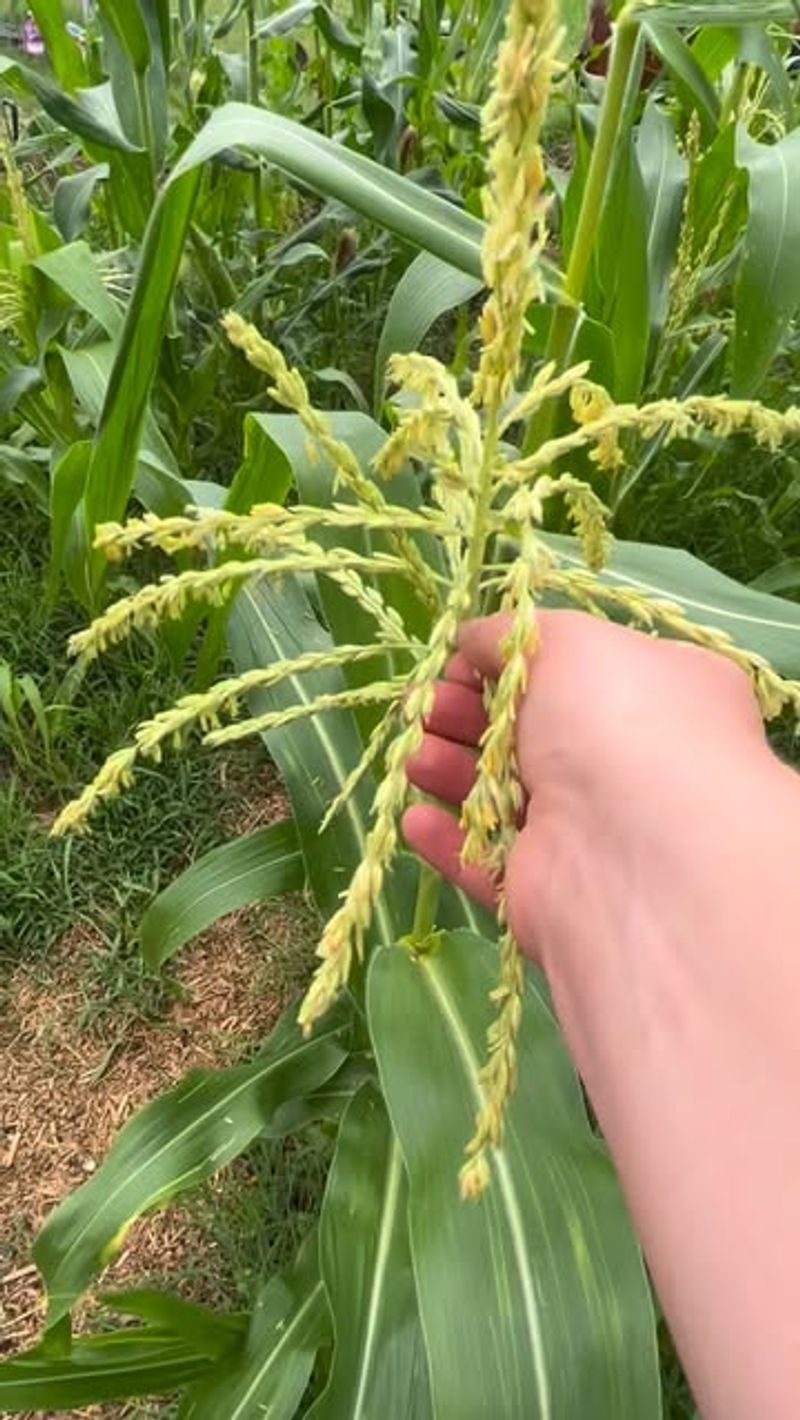
Gently bend or shake a tassel that is actively shedding pollen over the fresh silks of a nearby ear. You can also carefully snap a tassel, hold it like a small brush, and lightly dab or sweep it across the silks.
The goal is simply to move pollen from the tassel to the silk in a way that nature might not be doing efficiently on its own.
This technique is especially useful when your planting has uneven timing, meaning some tassels are shedding pollen while silks on other plants are not quite ready yet, or vice versa.
Staggered emergence is common in small patches or when plants were not all set out at the same time.
Checking for fresh pollen is simple: tap a tassel gently and look for a small yellow dust cloud.
If pollen is shedding, silks are fresh, and you have a small patch, a few minutes of hand assisting each morning can meaningfully improve your kernel count and overall ear quality before the window closes.
7. Start Counting Toward Harvest From Silk Stage
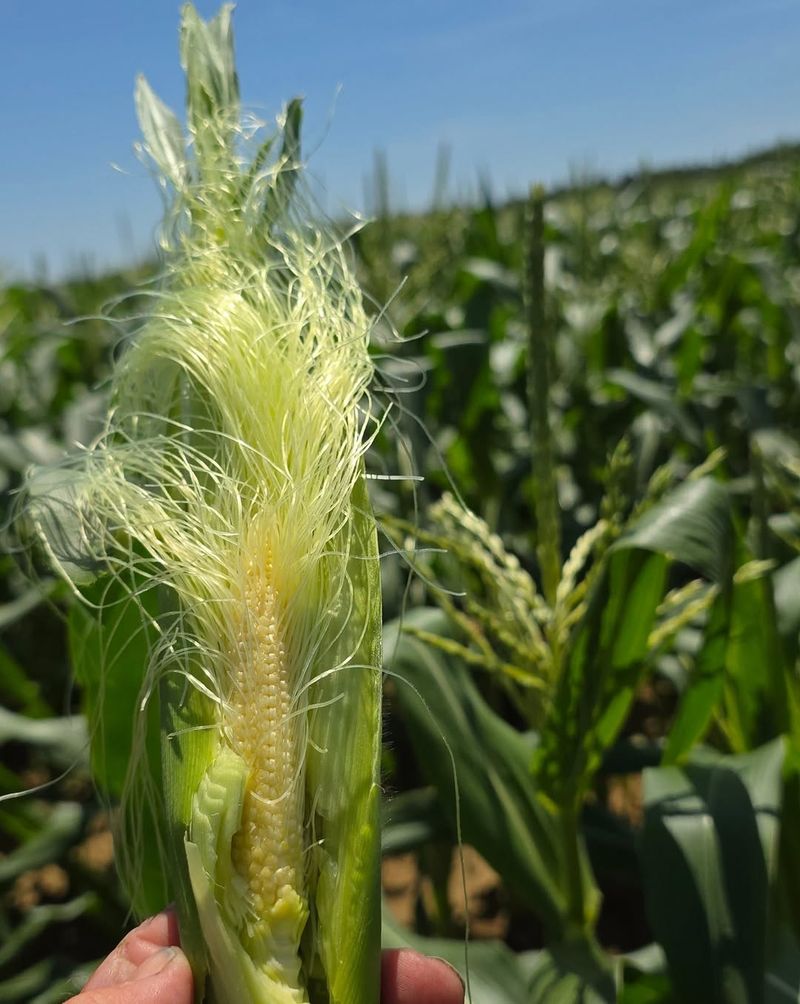
Tasseling and silking are exciting milestones, but the ears are far from ready when those silks first appear. Think of silk emergence as the starting gun for your harvest countdown rather than a sign that corn is almost done.
The real work of kernel development is just beginning, and rushing to check or harvest too early wastes ears that needed more time to reach their full sweetness and texture.
Sweet corn typically reaches harvest readiness around 18 to 24 days after silks first appear, though that range can shift based on temperatures and the specific variety you planted.
Warm, consistent weather speeds things along, while cool stretches slow development down. Rather than relying on the calendar alone, train yourself to read the physical signs.
Silks that have turned fully brown and dry, husks that are still bright green and tightly wrapped, and ears that feel plump and firm when you squeeze them gently through the husk are all good indicators that harvest is approaching.
The most reliable test is the thumbnail check. Carefully peel back a small section of husk near the tip of an ear and press a thumbnail into a kernel.
Milky white juice means the corn is at peak ripeness and should be picked and eaten as soon as possible. Clear juice means it needs more time. Doughy or starchy texture means the window has passed.
Michigan sweet corn moves through that peak stage quickly, sometimes in just two or three days, so once your countdown suggests harvest is near, check daily and be ready to pick fast for the best flavor possible.