What Maryland Homeowners Should Know About Mowing Height Every Dry Summer
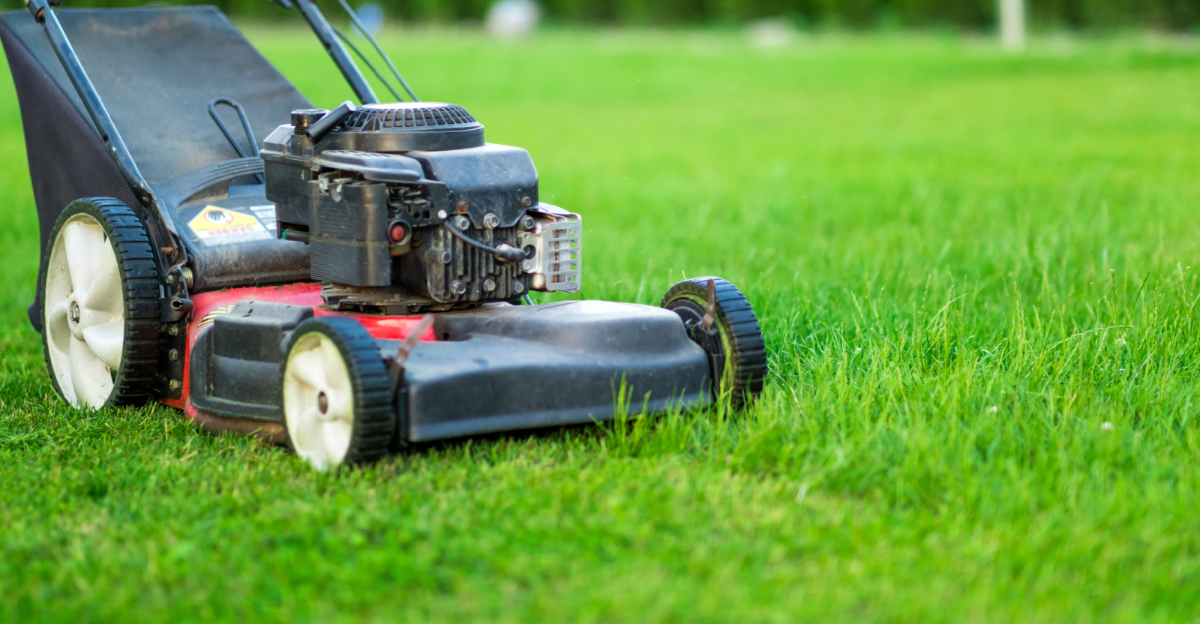
Saturday’s clean cut looks sharp. Wednesday tells a different story. Brown patches creep in. Bare soil bakes under the sun.
Something quietly unravels, and you never saw it coming. What really happens when the blade drops too low?
Cutting more than one-third of the grass blade at once triggers a chain reaction beneath the surface. Shorter grass sounds like less work. Summer disagrees hard. Heat strips moisture fast.
Exposed roots have nowhere to hide. In Maryland’s baking heat, recovery stalls before the next wave hits.
Maryland summers are relentless. Humidity, heat, and dry spells stack up between June and August.
Your lawn already works overtime just to hold its ground. One low pass of the mower quietly tips the balance. The science behind what follows will change how you mow forever.
Exposes Soil Directly To Harsh Sunlight
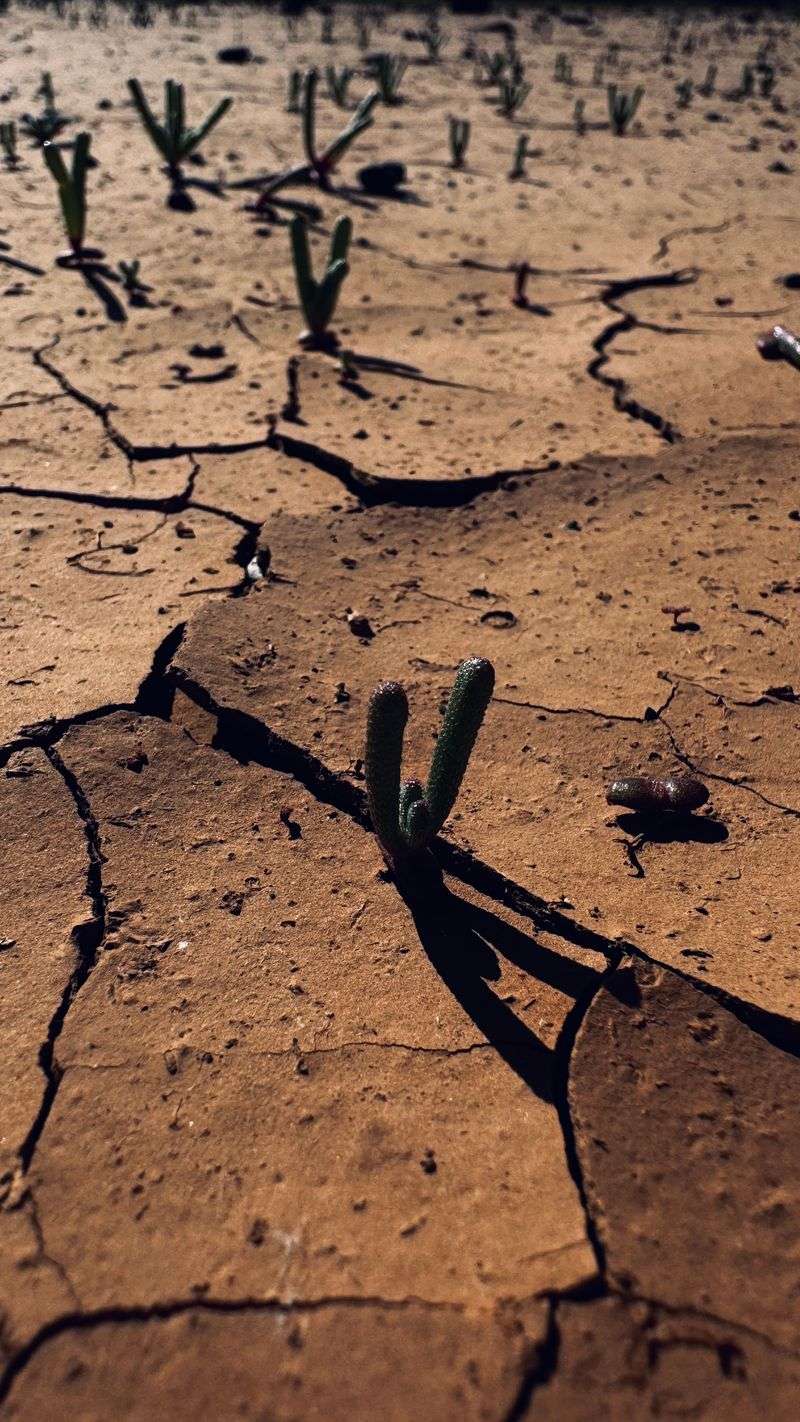
Bare soil puts a lawn at significant risk in summer heat. When you cut your grass too short, you strip away the leafy canopy that normally shades the ground below.
Grass blades act like tiny umbrellas for your soil. They block direct sun, keep the surface cooler, and slow down moisture loss between watering sessions.
Once those blades are gone, the soil surface heats up fast. Ground temperatures under exposed soil can run significantly higher than shaded ground nearby, sometimes by 20 degrees or more depending on conditions.
That heat bakes the top layer of soil where most roots live. Microorganisms that support healthy grass growth start to struggle and slow down.
Earthworms, which aerate and enrich soil naturally, retreat deeper to escape the heat. Their absence leaves the topsoil compacted and less able to absorb water.
Sunbaked soil also forms a hard crust on the surface. Water rolls off instead of soaking in, which defeats the whole purpose of watering your lawn.
Protecting soil from direct sun is the foundation of a healthy summer lawn. Keep your blade height at three to four inches and let the grass do the shading work it was built to do.
Weakens And Stunts Root Growth
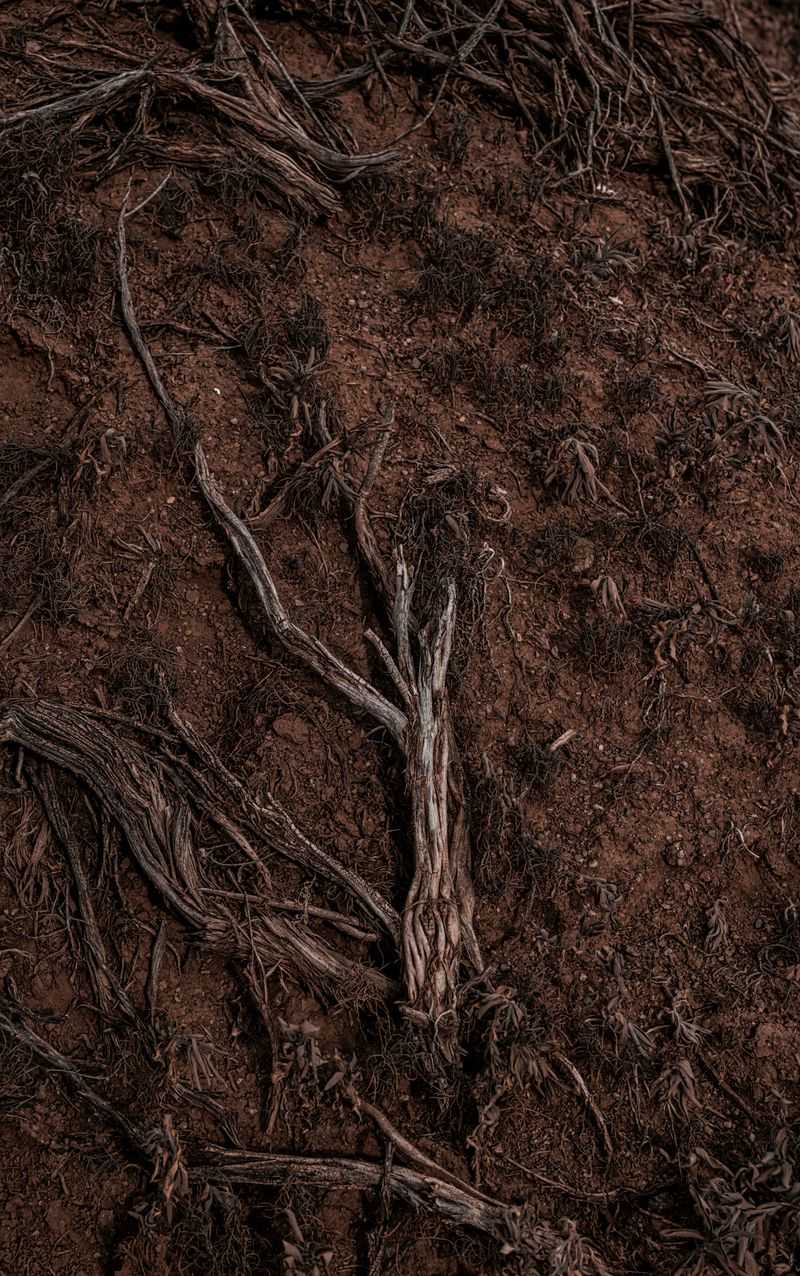
Roots follow the blade. That is one of the most important rules in lawn care, and most homeowners have never heard it.
When grass blades are tall, the plant pushes energy downward to grow deep, strong roots. Cut those blades too short and the plant shifts all resources away from root development.
Instead of growing down, the grass redirects all its energy upward to regrow the lost leaf tissue. Root development stops almost completely during this recovery phase.
Shallow roots cannot reach the moisture stored deeper in the soil. During a dry Maryland summer, that deeper moisture is often the only water available between rain events.
Grass with weak roots wilts faster, browns sooner, and struggles to compete with weeds. Crabgrass and other opportunists love moving into lawns with compromised root systems.
A lawn cut repeatedly too low over several summers ends up with roots that barely scratch the surface. One dry week can push that kind of lawn into full dormancy.
Your Maryland Garden Changes Every Week. Your Plan Should Too.
Gardening in Maryland changes quickly throughout the season. Every Friday you’ll receive a simple weekly plan showing exactly what to plant, prune, fertilize, harvest, and protect so you never miss the right timing.
Healthy roots are the backbone of drought resilience. Fertilizer and watering alone rarely compensate fully for a root system that never got a chance to develop properly.
Raise your mowing height and give those roots the signal they need to grow deep before the next dry spell arrives.
Strips Away The Grass Moisture Barrier
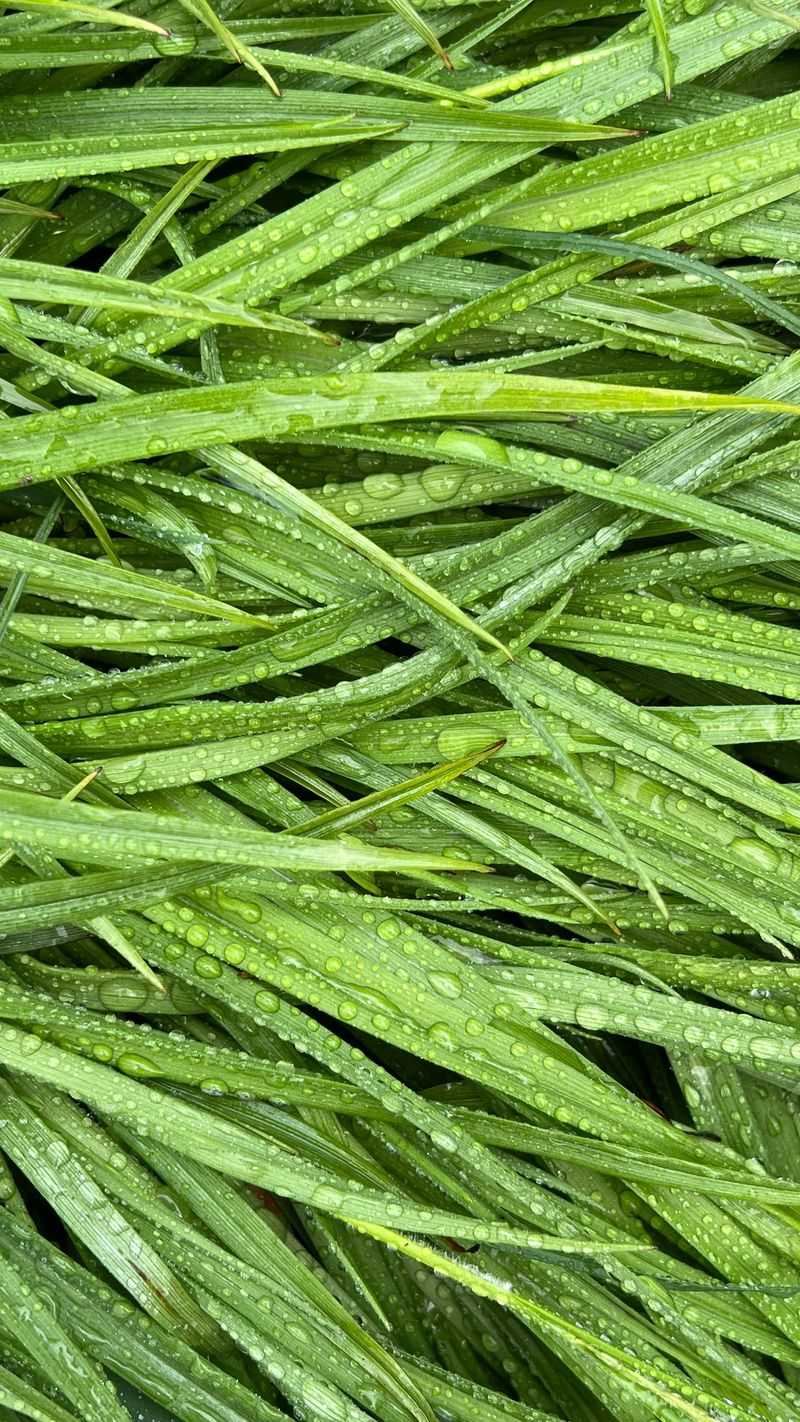
Grass blades hold onto water in ways most people never think about. The longer the blade, the more surface area available to trap and hold moisture overnight.
Morning dew collects on tall grass blades and slowly drips down to the soil below. That slow drip gives roots a quiet drink even on days without rain.
Grass cut too short has almost no blade surface left to collect that dew. The lawn misses out on a free, daily moisture source that adds up significantly over a dry week.
Tall grass also creates a microclimate close to the soil. That zone stays slightly cooler and more humid than the open air just a few inches above it.
When you mow too short, that microclimate disappears. The soil surface is exposed directly to dry summer air, and evaporation accelerates sharply.
Research consistently shows that taller grass reduces soil moisture loss compared to closely cut turf, with some studies reporting reductions of up to 30 percent.
Think of tall grass blades as a living mulch layer. They insulate, they collect, and they protect the ground beneath them from drying out between watering days.
Letting your grass grow a little taller is one of the simplest and most effective drought strategies available to any homeowner.
Leaves Lawn Vulnerable To Heat Stress
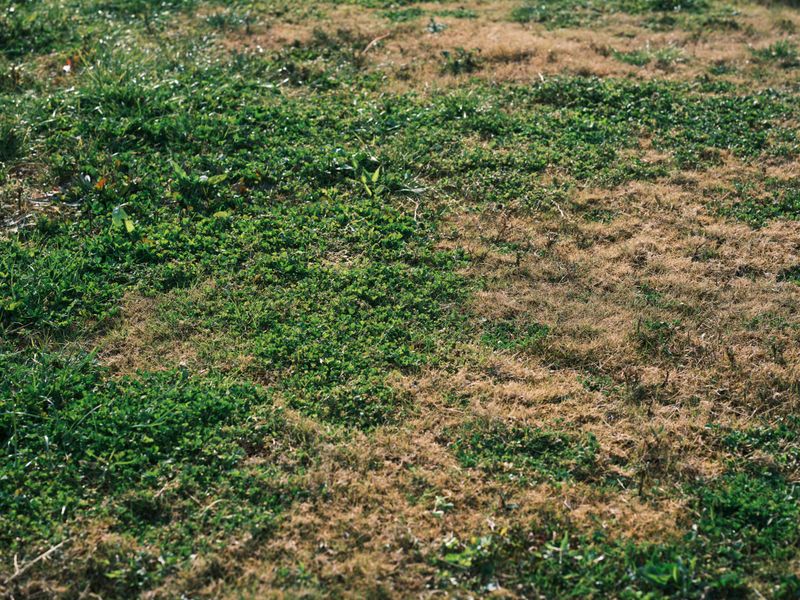
Heat stress in grass looks a lot like thirst. Watering alone cannot fix it when cutting too low is the real cause. The two problems feed each other.
Grass under heat stress closes its stomata. Those are tiny pores that help the plant breathe and cool itself. When blades are too short, the plant has fewer stomata working in its favor.
Fewer stomata means less cooling capacity. The grass heats up faster, dries out quicker, and hits its stress threshold before midday on a hot July afternoon.
Cool-season grasses like tall fescue, which are common across Maryland lawns, are especially sensitive to heat stress when cut short. They need that extra blade length to manage summer temperatures.
Once heat stress sets in, the grass stops growing. It goes into an emergency state where recovery takes priority over any new growth.
Getting back to full health takes weeks, not days. During that window, the lawn is thin and open to every other problem in this article.
Blade height matters far more for temperature regulation than most homeowners realise. It is not just about looks.
A lawn mowed at the right height stays cooler, stays greener, and bounces back from heat waves far faster than one cut too low ever could.
Turns Grass Brown Within Days
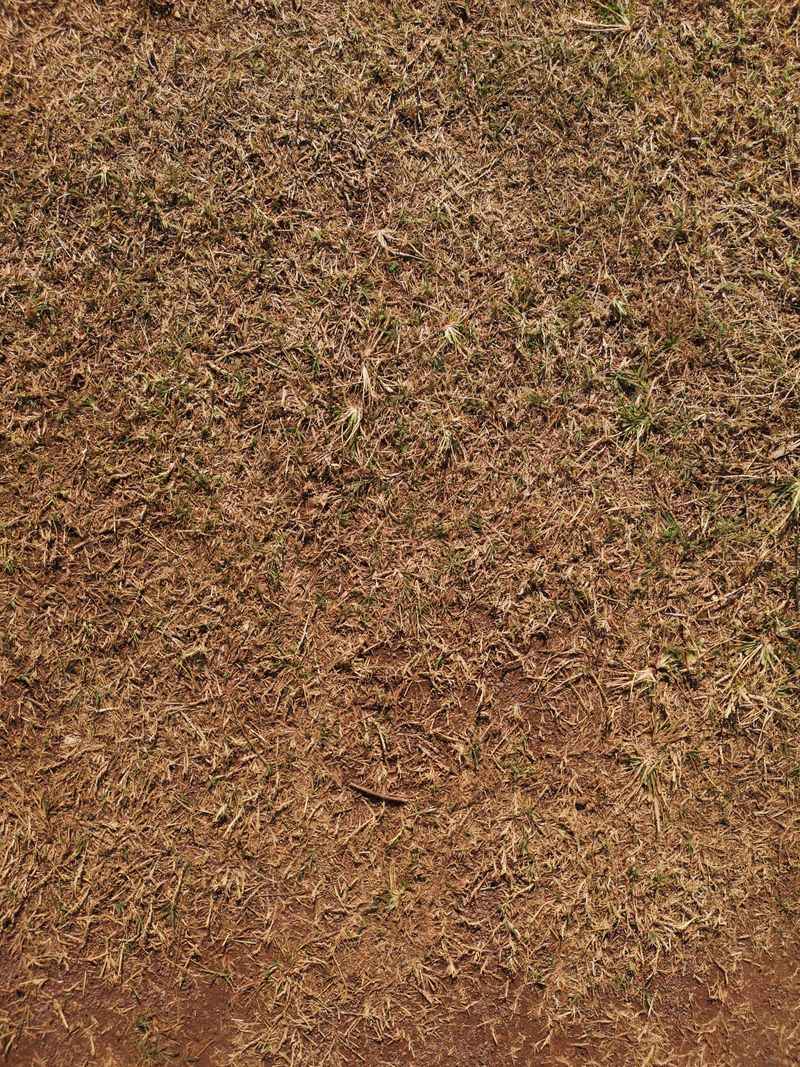
You mow on Saturday morning and the lawn looks fine. By Tuesday, it is brown, crunchy, and your neighbors are giving you that look.
Browning after cutting too low happens for several reasons at once. The crown of the grass plant is the growing point just above the soil. It gets exposed and stressed by direct sun.
Once the crown is stressed, the grass cannot produce new green tissue fast enough to replace what was lost. The visible result is rapid browning across large sections of the lawn.
This is not the same as normal summer dormancy. Dormant grass goes brown slowly and comes back fully when conditions improve. This type of stress is more acute and less predictable in recovery.
Neighbors with taller lawns stay green through the same heat wave because their crowns are protected by shade from their own blades. Height is the grass’s best protection in summer.
Browning also triggers a stress response that slows the entire plant down. Chlorophyll production drops, photosynthesis slows, and the grass falls behind on energy reserves just when it needs them most.
Getting the color back requires consistent watering, proper fertilization, and weeks of patient waiting. Prevention is far easier than the fix.
Raise the mower deck one notch and protect those crowns before the next summer dry spell finds your lawn unprepared.
Increases Susceptibility To Disease And Fungus
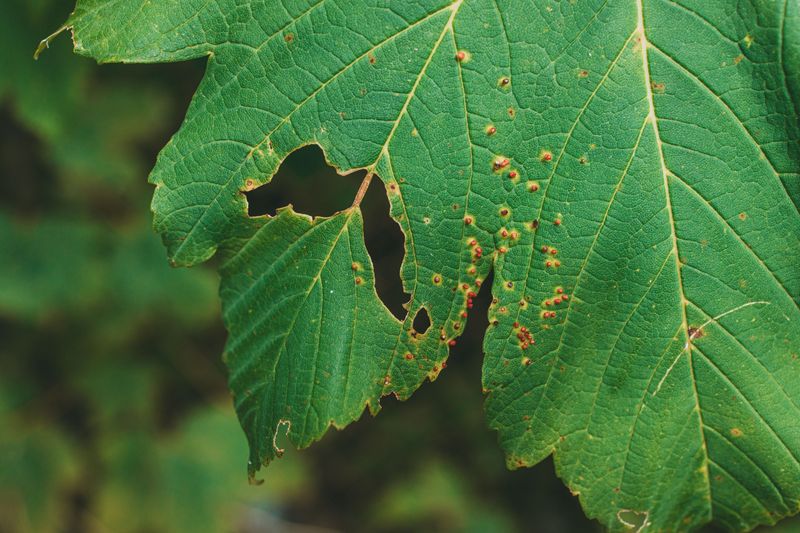
Lawns cut too short become more vulnerable to fungal pathogens. When blades are cut too low, the weakened tissue at the cut ends is less equipped to resist disease organisms.
Maryland summers combine heat and humidity in a way that fungal spores absolutely love. Brown patch, dollar spot, and pythium blight all thrive when stressed, short-cut grass sits in that muggy air.
Healthy, taller grass has more natural defenses. The plant produces compounds that resist infection. Those defenses weaken significantly when the grass is under stress from being cut too low.
Fungal infections spread fast in a thin, closely cut lawn. Spores move through water, foot traffic, and even wind. They jump from one weak patch to the next with ease.
Treatment for lawn fungus is not cheap. Fungicide applications cost time and money, and they work best as prevention rather than as a cure after infection takes hold.
Certain fungal pathogens can also persist in the soil for extended periods. One bad summer of cutting too low can set up recurring disease problems that affect a lawn for multiple seasons ahead.
Proper mowing height reduces disease pressure by keeping the grass vigorous, well-shaded, and less hospitable to spores looking for a stressed host to colonise.
A healthy lawn is its own best defense. Give it the blade length it needs to stay that way all summer long.
Slows Recovery Time During Drought Periods
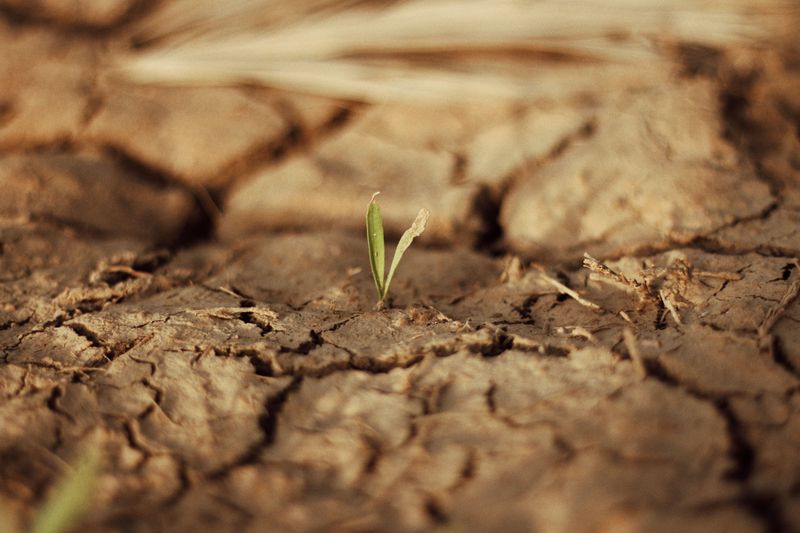
Drought recovery is all about stored energy. Grass bouncing back from a dry stretch needs deep roots, strong crowns, and plenty of carbohydrate reserves to fuel new growth.
Cutting too short sets back all three of those advantages in a single mowing session. The plant enters drought already weakened, with shallow roots and low energy stores.
A lawn maintained at the right height can often recover from a week-long dry stretch within days of receiving rain. A lawn cut too low might take three to four weeks to show meaningful improvement.
That slow recovery window is costly. Weeds move in fast, bare soil erodes, and the lawn can develop permanent thin spots that require overseeding to fix.
Overseeding in summer is tricky because new seedlings need consistent moisture during germination. Dry conditions make establishing new grass very difficult without significant irrigation effort.
The cycle becomes expensive quickly. Cutting too low leads to drought stress. Drought stress leads to overseeding. Overseeding leads to extra watering. Extra watering drives up the water bill.
Breaking the cycle starts with one simple change to your mowing routine. Raise the deck, mow less aggressively, and let the grass build the reserves it needs to handle dry conditions.
This common summer oversight costs Maryland homeowners more time, money, and effort than almost any other lawn care habit. One adjustment to your mower changes everything.