Do These Things To Your Michigan Yard Now To Help Reduce Ticks All Summer

There is a moment every Michigan summer when the backyard goes from relaxing to something you have to think twice about. It usually starts with finding a tick on a pet or noticing one on a kid after an afternoon outside.
Suddenly the yard feels a little less carefree, and that is a feeling nobody wants hanging over the whole summer. The thing is, ticks are not just a deep-woods problem anymore.
Overgrown corners, brushy edges, and leaf litter can make even a modest Michigan backyard more attractive to ticks than most homeowners realize.
A few smart yard changes made in late spring can help shift that balance and make outdoor time feel a lot more comfortable all season long.
1. Remove Leaf Litter Where Ticks Like To Hide

Shady corners behind shrubs and along fence lines are some of the most overlooked spots in a Michigan backyard, and they also happen to be exactly the kind of places ticks prefer.
Leaf litter that has been sitting since fall creates a cool, damp layer close to the ground where ticks can stay protected and wait for a passing host.
Many homeowners clean up the main lawn areas but forget about the debris that collects near flower beds, under decks, or tucked against the base of hedges.
Clearing that accumulated leaf material out in late spring, before the warmest months arrive, can remove a significant portion of the habitat that ticks rely on.
Bagging the leaves and disposing of them properly rather than just moving the pile to another corner of the yard is the most effective approach.
Even a modest reduction in damp, shaded ground cover can make certain spots less favorable for tick activity over time.
In Michigan, where spring cleanup sometimes gets delayed due to cool and wet weather, leaf litter can persist longer than expected.
Making it a priority to clear these hidden areas early in the season, especially along fence lines and under dense plantings, sets a better foundation for the rest of your summer yard-care routine.
It does not take long, but the impact on tick habitat can be noticeable.
2. Clear Tall Grass And Brush Around Yard Edges
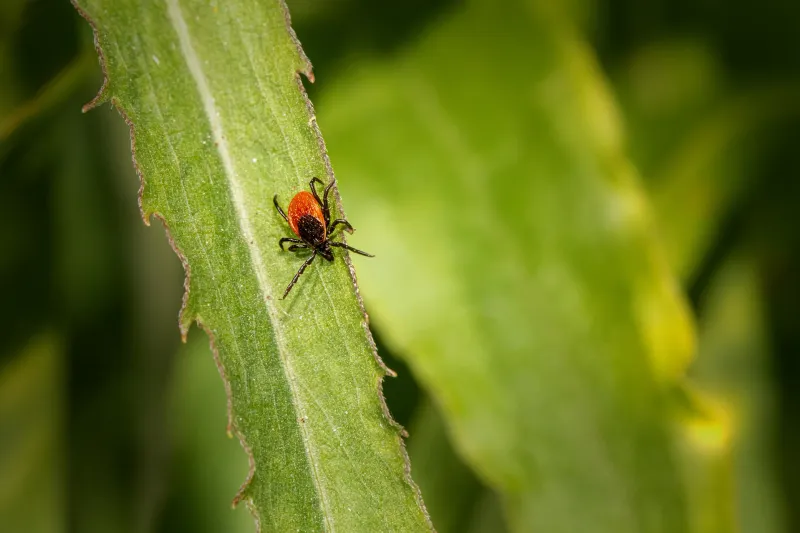
Overgrown lawn edges are one of the most common tick habitat problems in Michigan yards, and they often go unaddressed because trimming the rough border areas feels like an extra chore beyond the regular mowing routine.
Tall grass and brushy growth along fence lines, property edges, and the transition zones between the maintained lawn and wilder areas give ticks an ideal environment.
They tend to position themselves on the tips of grass blades and low vegetation, waiting for a host animal or person to brush past.
Cutting back these border areas regularly throughout the summer helps eliminate the kind of dense, overgrown growth that ticks prefer.
A string trimmer works well for getting into spots a mower cannot easily reach, such as along wooden fences, near garden borders, and around the base of shrubs.
Your Michigan Garden Changes Every Week. Your Plan Should Too.
Gardening in Michigan changes quickly throughout the season. Every Friday you’ll receive a simple weekly plan showing exactly what to plant, prune, fertilize, harvest, and protect so you never miss the right timing.
Keeping these transition zones trimmed short and open reduces the amount of usable habitat considerably.
Michigan yards that back up to wooded areas or open fields tend to see more tick pressure along those back edges, but even yards surrounded by other homes can develop brushy growth that supports tick activity.
Checking and trimming these border zones every couple of weeks rather than letting them go until they look noticeably overgrown makes the work easier and keeps the habitat reduction more consistent throughout the season.
3. Keep The Lawn Mowed Through The Busy Season

Regular mowing is one of the most straightforward things a Michigan homeowner can do to make their yard less comfortable for ticks throughout the summer.
Short grass dries out faster after rain, stays warmer in direct sunlight, and offers far less shelter than a lawn that has been allowed to grow tall between cuts.
Ticks are not well-suited to hot, dry, open conditions, which is why a consistently mowed lawn tends to be less hospitable than one with patches of tall, shaded growth.
Many homeowners mow regularly in spring and early summer but start to let the schedule slip once the season gets busy.
Letting the grass get noticeably tall before cutting it back creates temporary windows of better tick habitat right in the middle of the time when people and pets are using the yard most.
Staying on a consistent mowing schedule, even if the lawn does not look drastically long yet, helps avoid those gaps.
Cutting the grass to a reasonable height rather than extremely short is the better approach, since scalping the lawn can stress the grass and create other problems.
In Michigan, where summer weekends fill up quickly with outdoor activities, building mowing into a regular weekly or biweekly routine makes it easier to maintain without it feeling overwhelming.
A well-kept lawn is one of the simplest and most effective parts of a broader tick-reduction approach at home.
4. A Wood Chip Or Gravel Barrier Can Help
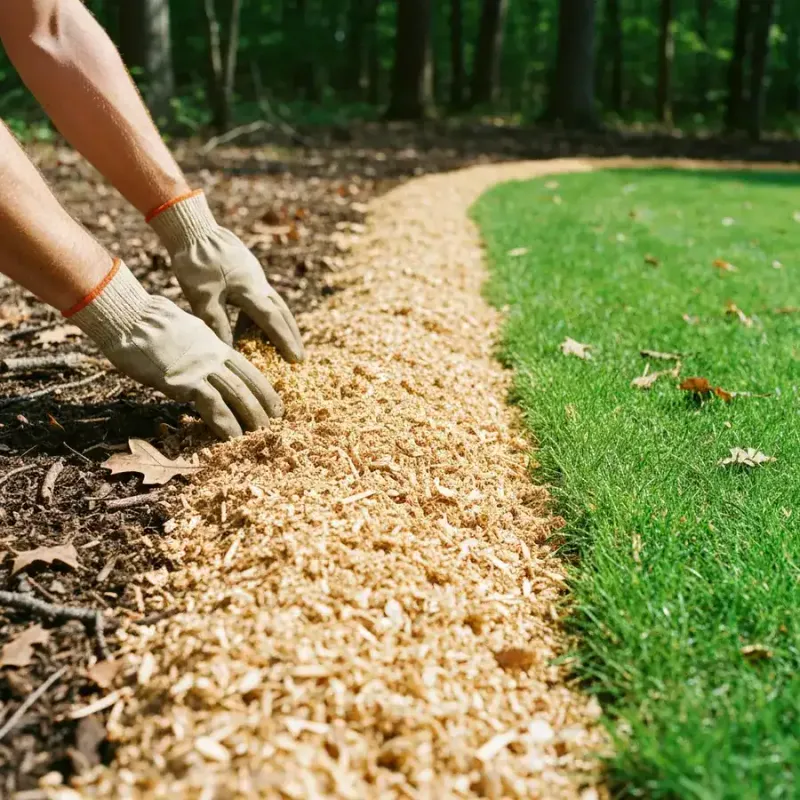
Creating a physical barrier between the maintained part of your yard and wilder or woodier edges is a strategy that yard-care and public health guidance has long supported as a practical tick-reduction tool.
A strip of wood chips or gravel laid about three feet wide along the border where your lawn meets a wooded edge, brushy property line, or tall growth zone can discourage ticks from migrating easily into the areas where your family and pets spend time.
Ticks tend to avoid crossing dry, open, sun-exposed surfaces like gravel or wood chip paths because those conditions are unfavorable for them.
The barrier works not by eliminating ticks on the other side but by reducing how easily they move from the rougher habitat into the maintained yard.
It also creates a visible boundary that can serve as a reminder to children and pets about where to stay during outdoor play.
Installing this kind of barrier in a Michigan yard does not require a large project or a lot of materials. A simple three-foot strip along the back fence line, the edge of a wooded corner, or a brushy side yard can make a real difference over the course of summer.
Keeping the strip free of leaf litter and debris helps it stay effective, since piled organic material on top of the barrier can reduce its value as a dry, open crossing zone that ticks are less likely to travel through.
5. Stack Firewood Neatly In A Dry Spot

Firewood piles that sit directly on the ground, especially in shaded or damp areas of the yard, can quietly become a habitat problem that many homeowners overlook entirely.
Loose, disorganized wood stacks create gaps and pockets that small rodents like mice find attractive, and those small animals are known to carry ticks.
When rodents nest in or near a woodpile, ticks that feed on them can end up living close to the area where you and your family move through regularly.
Stacking firewood neatly on a raised rack keeps it off the ground, allows air to circulate, and makes the pile less inviting to nesting animals. Placing the rack in a sunny, dry location away from the main activity areas of the yard adds another layer of separation.
Shaded spots close to the house or near play areas are the least ideal places for a wood storage setup when tick reduction is a priority.
In Michigan, many households keep firewood on hand well into the warmer months for fire pit evenings, which means the pile often stays in the yard through the entire tick season.
Taking a few minutes to reorganize a messy woodpile and move it to a better spot is a low-effort step that fits naturally into a spring yard cleanup.
It will not eliminate every risk, but it can reduce one of the more overlooked sources of tick-friendly habitat right on your own property.
6. Move Seating And Play Areas Away From Brush
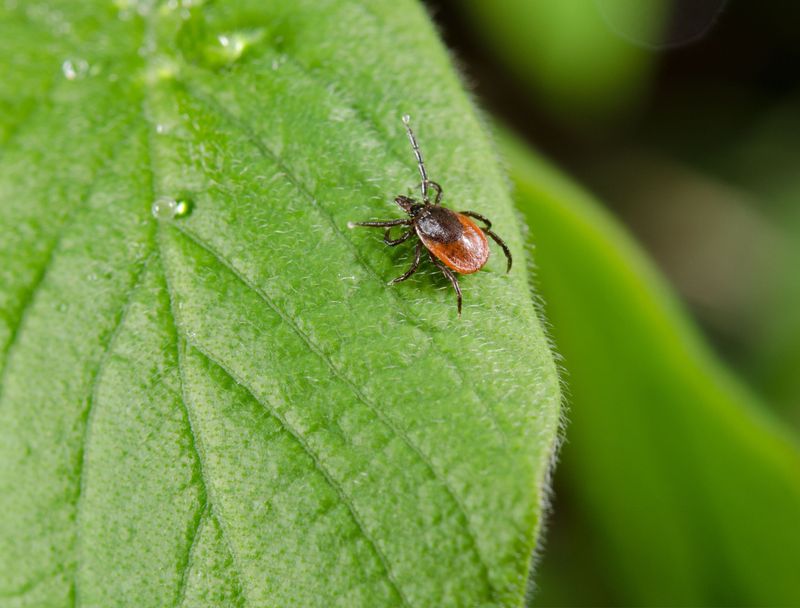
Children playing near the brushy edge of a Michigan backyard, or a patio chair tucked close to an overgrown fence line, creates more opportunity for tick contact than most people stop to consider.
Ticks do not move far on their own, so the closer your regular activity areas are to the kinds of habitat where ticks spend their time, the more likely an encounter becomes.
Repositioning seating, play equipment, and outdoor gathering spots toward the open, sunny center of the yard is a simple adjustment that can reduce that contact risk over the course of summer.
Swing sets, sandboxes, lawn chairs, and fire pit seating placed in open areas with mowed grass and good sun exposure are naturally less tick-friendly than the same setups near brush, tall grass, or shaded edges.
Sunlight and dry conditions are not favorable for ticks, so the open middle of a well-maintained yard is genuinely a lower-risk zone compared to the rougher perimeter areas.
This change does not require any special equipment or products, just a thoughtful look at how the yard is currently set up and a willingness to shift things around.
Michigan families who spend a lot of time outdoors during summer can benefit from this kind of layout thinking.
It matters especially in yards where seating or play areas have gradually drifted toward the fence line or garden edge over the years without anyone really noticing.
7. Discourage Deer And Other Unwanted Yard Visitors

Deer moving through a Michigan yard can bring ticks with them, and that is one reason why managing wildlife access to your property is worth thinking about as part of a broader tick-reduction approach.
White-tailed deer are common across Michigan and are known hosts for certain tick species.
When deer regularly walk through a yard, they can deposit ticks along the paths they travel, including near garden beds, lawn edges, and areas close to the house.
Fencing, strategic planting, and removing food sources like fallen fruit or accessible bird feeders can help make a yard less attractive to deer.
Dense, low fencing around garden areas and removing plants that deer find particularly appealing are practical steps that do not require major landscape changes.
The goal is to reduce how often deer and other wildlife move through the spaces where your family and pets spend time.
Smaller animals like mice, chipmunks, and rabbits also play a role in tick activity, since they serve as hosts during certain stages of the tick lifecycle.
Reducing yard features that attract these animals, such as low brush piles, open compost areas, and dense ground cover near the house, contributes to the same overall effort.
In Michigan, where wildlife interaction with suburban yards is genuinely common, thinking about which animals are regularly visiting your property is a practical part of keeping tick habitat less favorable throughout the summer months.
8. Remove Yard Clutter That Creates Hiding Places
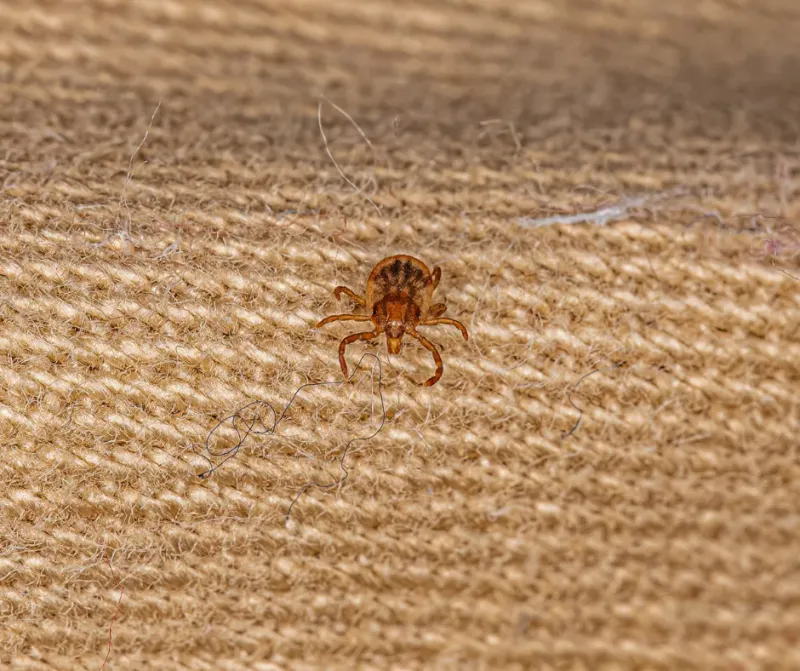
Old pots stacked near the shed, a few boards left over from a project, a forgotten tarp bunched up against the fence – these kinds of items scattered around a Michigan backyard might seem harmless.
However, they create exactly the kind of sheltered, ground-level hiding spots that small animals and ticks find useful.
Clutter near the ground offers shade, moisture retention, and protection, which are the same conditions that make leaf litter and brush piles problematic from a tick-habitat standpoint.
Going through the yard and removing items that have been sitting on the ground for a while is a quick way to close off some of those overlooked microhabitats.
This includes things like unused planters, old lumber, decorative stones that have shifted out of place, and any materials stored directly on the soil without being raised or organized.
Even items that have been in the same spot for years can quietly be supporting small animal activity underneath them.
Homeowners who take stock of their yard clutter in late spring, before peak tick season, tend to find a surprising number of items that have accumulated over time without much notice.
Clearing these out and storing things properly, on shelves in the shed or elevated off the ground, helps reduce the number of low-traffic, sheltered spots that contribute to tick-friendly conditions around the yard.
It is a small task that fits easily into a regular spring cleanup and pays off throughout the warmer months.