Who Is Responsible When A Tree Falls On A Fence Between Two Oregon Properties
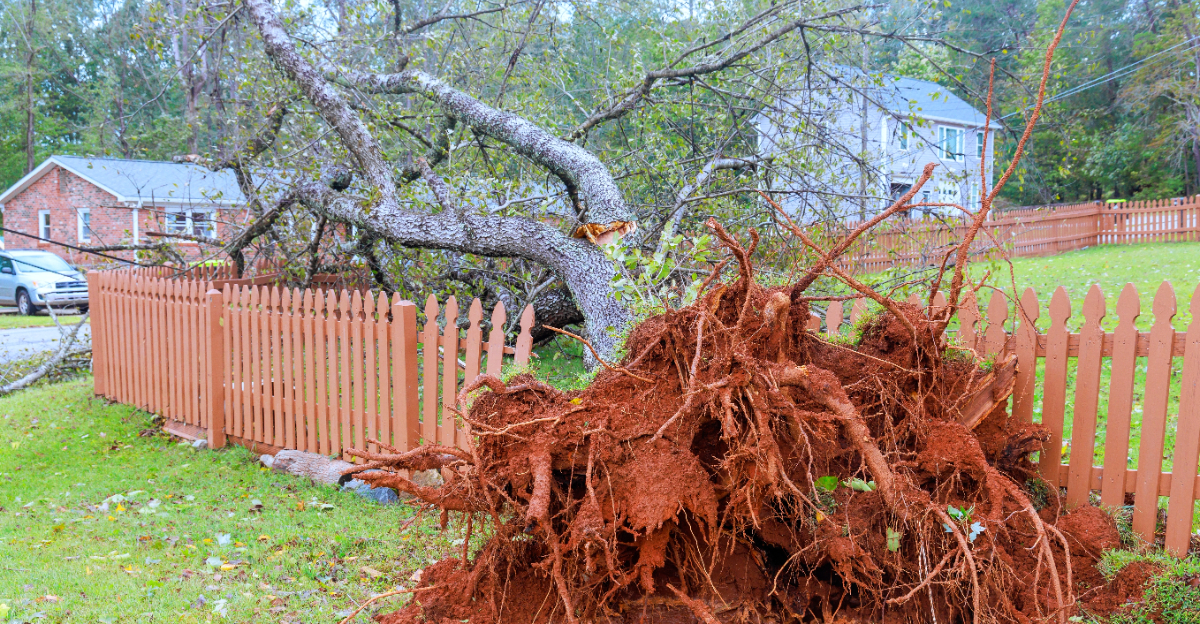
A shared fence can turn a fallen tree into a shared headache fast. In Oregon, the answer usually depends on why the tree came down and who knew there was a problem before it happened.
A healthy tree knocked over by a storm may be treated very differently than one that showed clear warning signs.
The fence itself can add another layer, especially if both neighbors use it or helped pay for it.
Before anyone starts blaming or sending repair bills, it helps to look at the details calmly. Was the tree neglected?
Was damage predictable? Is insurance involved? Those answers can shape who handles cleanup, repairs, or replacement.
A fallen tree is stressful enough, but knowing the basic responsibility rules can make the next neighbor conversation much easier.
1. A Healthy Tree Falling In A Storm May Be Nobody’s Fault
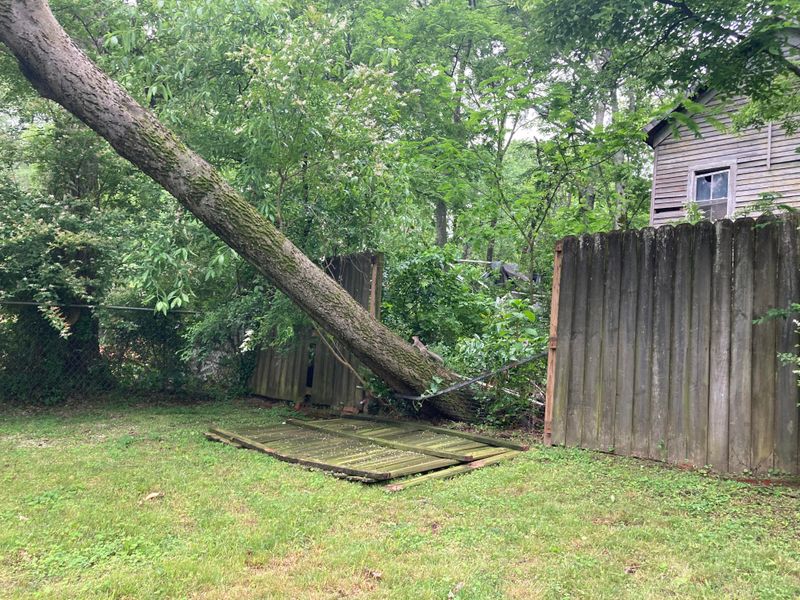
Sometimes nature just does what it wants, and no one is truly to blame. When a healthy tree falls during a severe storm, most courts and insurance companies consider it an “act of nature.” That means neither neighbor is automatically responsible for the damage.
Property law in Oregon generally follows the idea that if a tree was in good health and showed no signs of danger, the owner of that tree did not act carelessly.
A sudden windstorm, ice event, or heavy rain can bring down even the sturdiest trees.
Fault is hard to assign when there was nothing anyone could have done to prevent it.
What this means practically is that each property owner may end up responsible for their own side of the damage. The fence owner might need to file a claim with their own homeowner’s insurance.
The tree owner may face similar costs if the tree caused damage on their side too.
This can feel unfair, especially if the tree clearly came from your neighbor’s yard. But the law looks at whether anyone acted carelessly, not just where the tree was rooted.
A healthy tree in a bad storm is often treated the same way as a car accident caused by a sudden patch of black ice. No negligence, no clear liability.
Knowing this ahead of time helps you set realistic expectations if a storm ever causes this kind of damage on your property.
2. The Fence Owner May Need To Start With Their Insurance
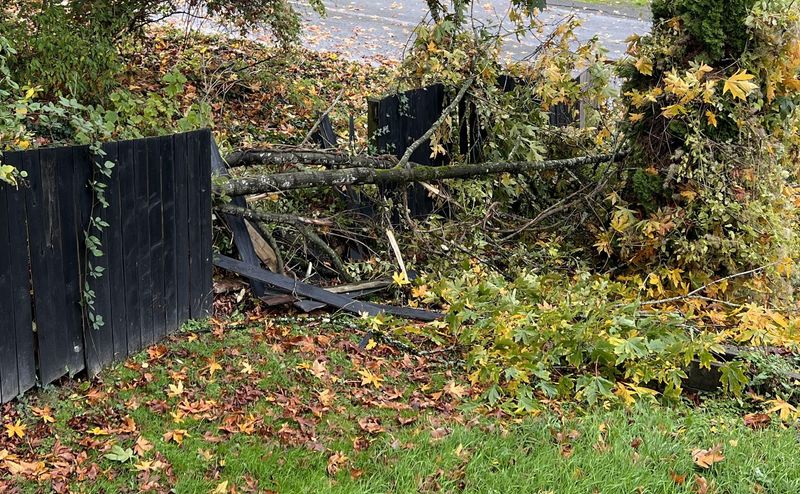
After a tree comes down on your fence, one of the first calls you should make is to your own homeowner’s insurance company. Many people skip this step because they assume the tree owner will cover everything.
That assumption can slow down your repairs and leave you waiting on a dispute that could drag on for weeks.
Your homeowner’s insurance policy likely includes coverage for structures on your property, and fences often count as covered structures. Filing a claim right away gets the process moving.
Your insurer can assess the damage, help cover repair costs, and even pursue the tree owner’s insurance if negligence was involved.
Your Oregon Garden Changes Every Week. Your Plan Should Too.
Gardening in Oregon changes quickly throughout the season. Every Friday you’ll receive a simple weekly plan showing exactly what to plant, prune, fertilize, harvest, and protect so you never miss the right timing.
The deductible is something to think about before you file. If the fence repair costs less than your deductible, paying out of pocket might make more sense.
But for major damage, using your insurance is usually the smarter move.
Keep in mind that your insurer works for you. They have experience handling exactly these kinds of neighbor disputes.
Let them take the lead on sorting out who ultimately pays. Some homeowners worry that filing a claim will raise their rates, and that is worth discussing with your agent directly.
Every policy is different. Starting with your own insurance does not mean you are giving up your right to seek payment from your neighbor later.
It simply means you are being smart and proactive about getting your property repaired as quickly as possible.
3. A Diseased Tree Can Change Responsibility
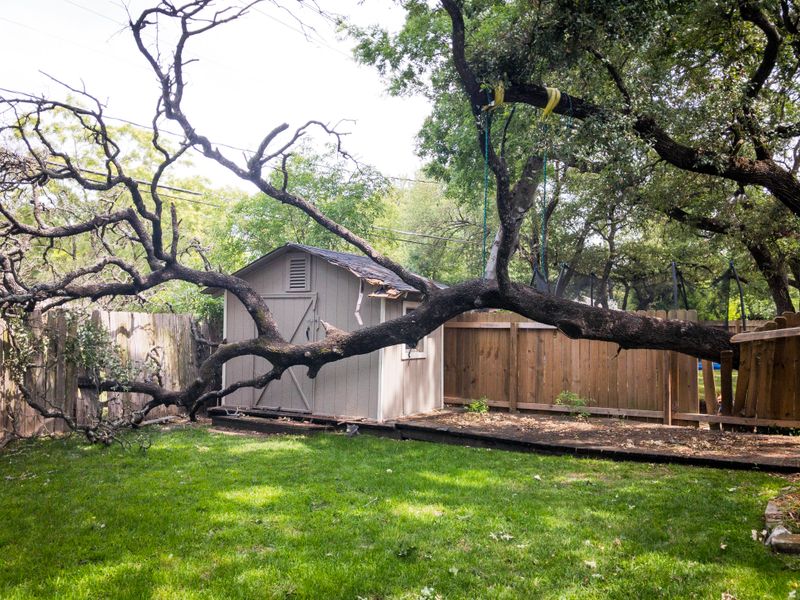
Not all fallen trees are created equal. When a tree was already sick, rotting, or visibly decaying before it fell, the legal picture changes significantly.
A diseased tree is often seen as a hazard that the owner should have dealt with before it caused any damage.
Oregon follows what is sometimes called the “negligence standard” in tree disputes. If a tree owner knew or should have known their tree was unhealthy, they had a responsibility to address it.
Ignoring a rotting tree and letting it fall on a neighboring fence can make the tree owner legally liable for the repair costs.
Signs of disease include large withered branches, visible rot at the base, fungal growth, leaning, or bark that is falling off in large sections.
If your neighbor had a tree showing any of these signs, and it eventually fell on your fence, you may have a strong case for holding them responsible.
Proving the tree was diseased at the time of the fall is key. That is why documenting the tree’s condition before and after the event matters so much.
Photos, neighbor statements, and even reports from a certified arborist can all support your claim. If you ever noticed the tree looked unhealthy, write down when you first saw it.
That kind of timeline can make a big difference if the matter ever goes to small claims court or involves insurance adjusters trying to figure out who should pay for the fence repairs.
4. Negligence Matters More Than Whose Tree It Was
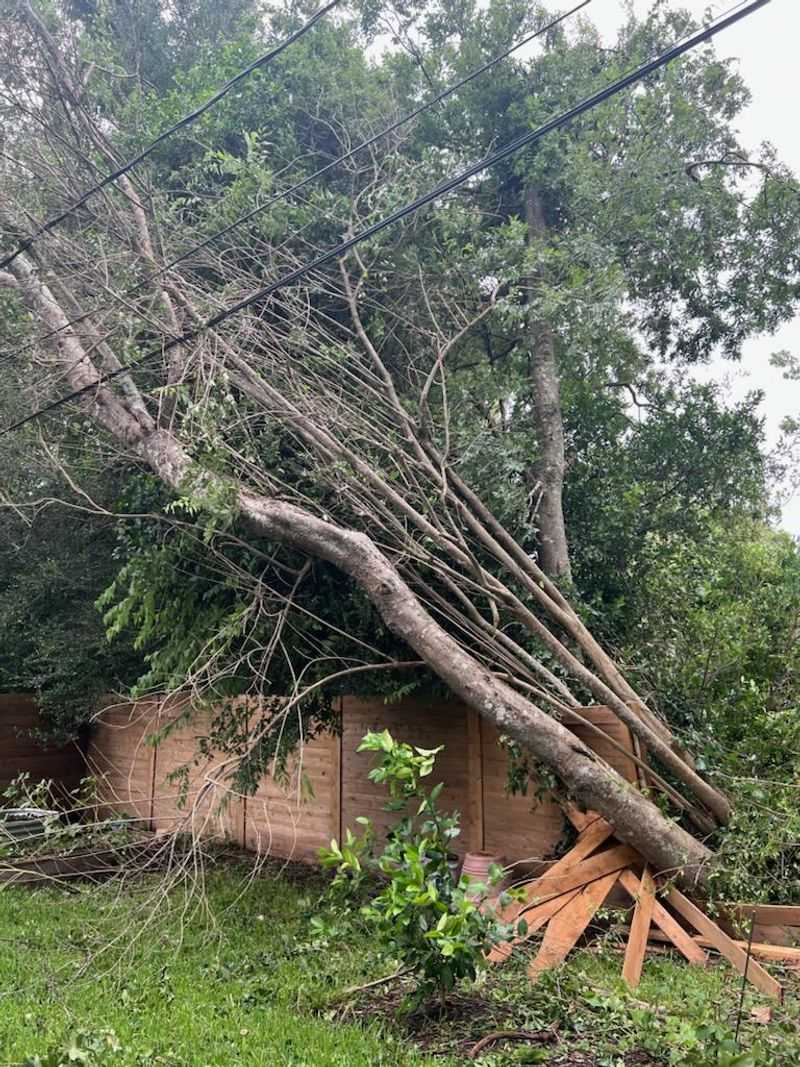
Here is something a lot of people get wrong: the location of the tree does not automatically decide who pays.
What really drives legal responsibility is whether someone acted carelessly or ignored a known risk.
That concept is called negligence, and it is central to how Oregon handles tree-related property disputes.
Negligence means someone failed to take reasonable care. In tree cases, that could mean not trimming withered branches, ignoring visible decay, or brushing off a neighbor’s warning.
If a tree owner was careless and that carelessness led directly to fence damage, they can be held responsible even if the fence technically belongs to someone else.
On the flip side, if a healthy tree fell with no warning signs and no prior complaints, the tree owner likely did nothing wrong. The law does not punish people for things they could not reasonably foresee.
That is why context matters so much in these situations.
Courts and insurance adjusters look at the full picture. They ask questions like: Was the tree visibly unhealthy?
Did anyone complain about it? Was the tree owner warned?
Did they respond? All of these details help build a clearer story about whether negligence played a role.
Homeowners who proactively maintain their trees are in a much better legal position if something ever goes wrong. Taking care of your trees is not just good for your yard.
It is also smart protection against being held financially responsible for damage to someone else’s property.
5. Document The Tree’s Condition Before Cleanup Begins
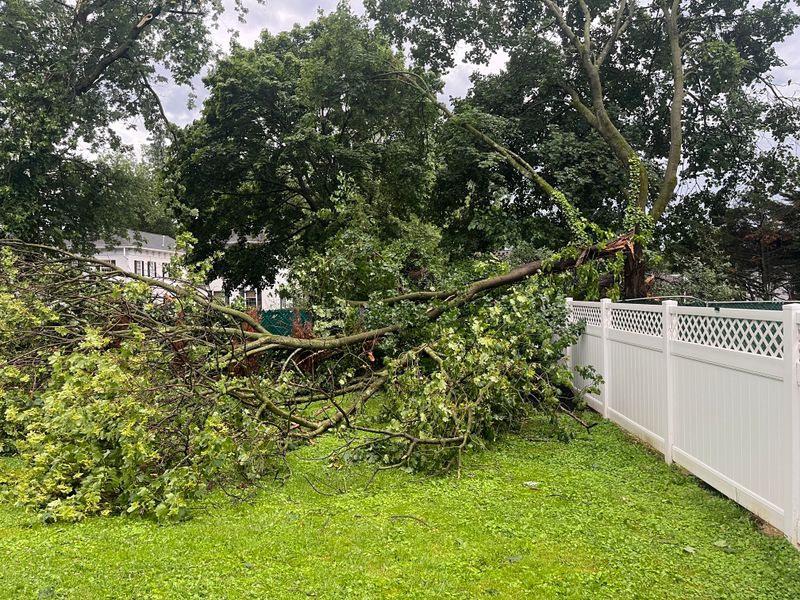
Before anyone picks up a chainsaw or starts hauling branches away, take a moment to document everything.
The condition of the tree right after it falls is one of the most important pieces of evidence you have. Once the cleanup begins, that evidence can disappear fast.
Walk around the entire scene and take clear, detailed photos. Get shots of the whole tree, the base of the trunk, any visible rot or damage, where the tree landed, and the full extent of the fence damage.
Video walkthroughs can also be incredibly helpful because they capture details that still photos might miss.
Note the weather conditions at the time of the fall if you can. A timestamp on your photos helps too.
If there were any witnesses, get their contact information. All of this builds a record that can support your insurance claim or legal case down the road.
It is also smart to photograph the tree stump after the tree is removed. The stump can reveal internal rot, disease, or structural weakness that was not visible from the outside.
An arborist can examine the stump and write a report about the tree’s condition at the time it fell. That kind of professional opinion carries real weight with insurance adjusters and in court.
Many homeowners skip the documentation step because they are in a rush to clean up. But spending an extra hour gathering evidence before cleanup can save you thousands of dollars and a lot of headaches later on.
6. Photos Can Help Show Whether The Tree Was Hazardous
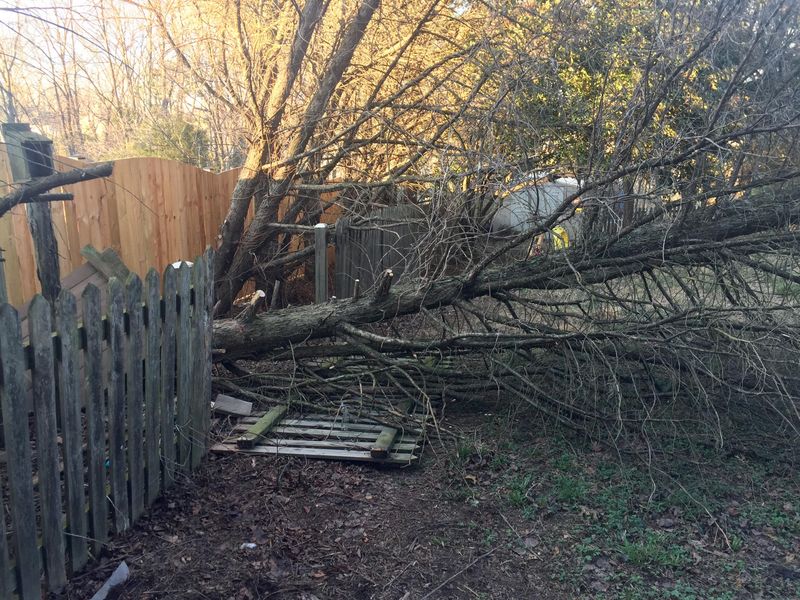
A picture really is worth a thousand words when it comes to tree liability. Photos taken before, during, and after a tree falls can tell a very clear story about whether the tree was a known hazard.
That story can make or break an insurance claim or legal argument. Before a storm season even begins, it is a smart idea to photograph any trees on or near your property line that look unhealthy.
If you ever notice a neighbor’s tree showing signs of rot, disease, or structural instability, take a photo with a date stamp.
Keep those photos stored somewhere safe, like a cloud backup folder.
After a tree falls, photos of the base, the root system, and the interior of the trunk can reveal whether rot or disease was present long before the fall.
Hollow centers, dark discoloration, and crumbling wood are all signs that the tree was not healthy.
These details are hard to argue against when they are captured clearly on camera.
Insurance companies and courts use photos as primary evidence. Clear, well-organized photos with timestamps are much more persuasive than a neighbor’s word against yours.
If you are the one claiming the tree was hazardous, photos are your strongest tool. If you are the tree owner trying to show the tree was healthy, photos work in your favor too.
Either way, having a strong visual record puts you in a better position to resolve the dispute fairly and quickly without things turning into a long, drawn-out argument.
7. Old Warnings From Neighbors May Matter Later
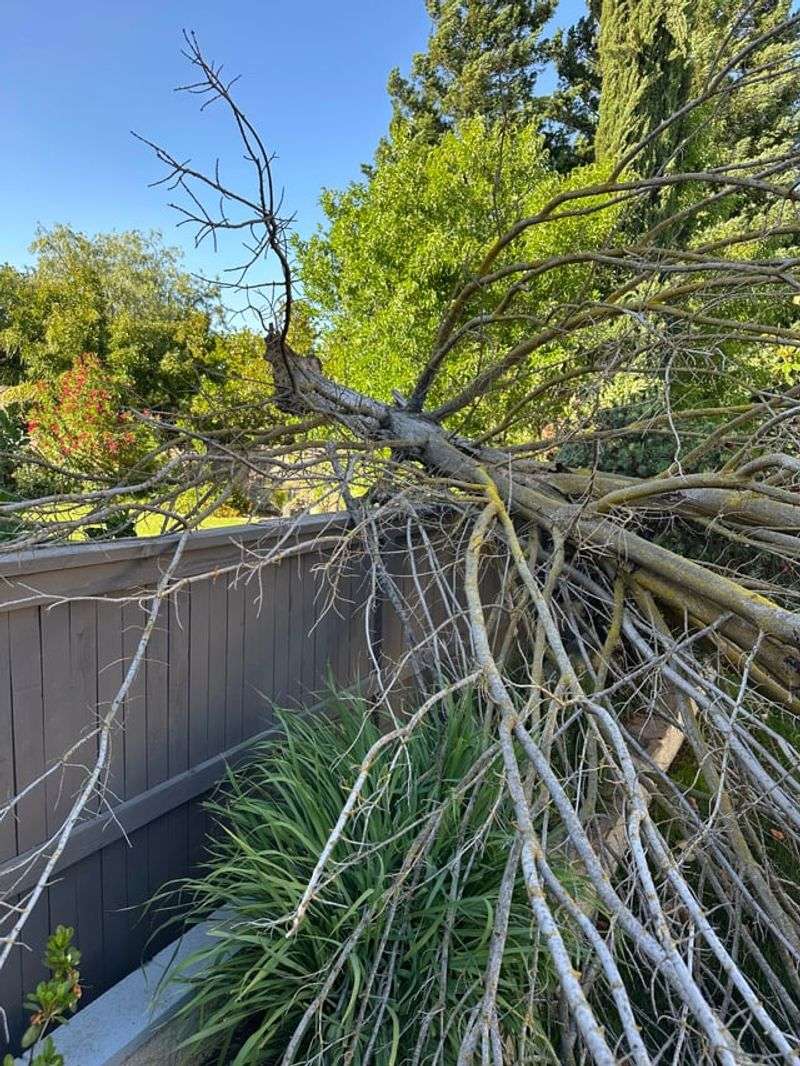
Did you ever send your neighbor a message about their tree? Maybe a text, a letter, or even a face-to-face conversation where you pointed out that the tree looked unhealthy?
If so, hold on to every bit of that communication. It could become very important if that tree eventually falls and causes damage.
In property law, prior warnings matter a great deal. If you told your neighbor their tree looked dangerous and they did nothing about it, that warning helps establish that the tree owner had notice of a potential hazard.
Ignoring a known hazard is a form of negligence, and it shifts responsibility toward the tree owner.
Keep records of every time you raised a concern. Save text messages, emails, and even voicemails.
If you spoke in person, write down the date and what was said right after the conversation. These records become evidence if the situation ever escalates to insurance claims or legal action.
On the other side of things, if you are the tree owner and a neighbor warned you about your tree, take that warning seriously. Get an arborist to inspect it.
Address the issue if there is one. Responding to warnings protects you legally and keeps your relationship with your neighbor intact.
Ignoring written or verbal warnings and then having the tree fall is one of the clearest examples of negligence in these disputes.
Courts take a dim view of property owners who were told about a risk and chose to do nothing about it. Your old messages could end up being your most powerful evidence.
8. A Shared Fence Can Make The Repair Question Messier
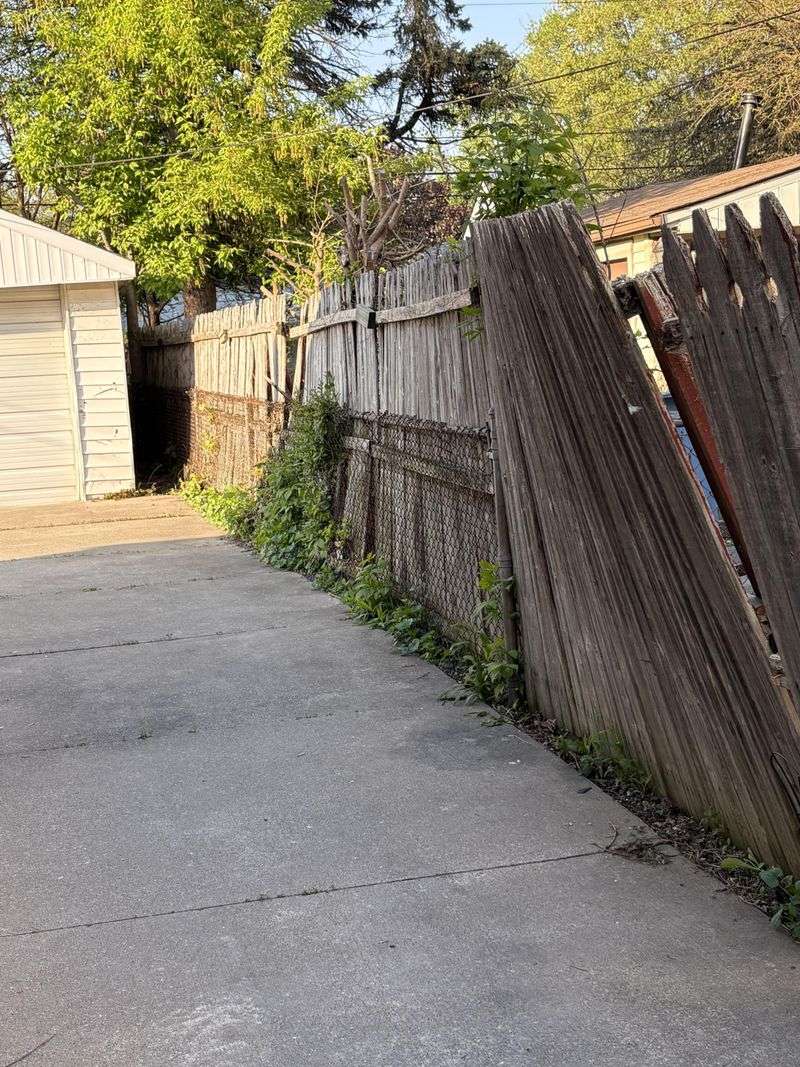
Fences along property lines often belong to both neighbors, and that shared ownership adds another layer of complexity when a tree falls. Who pays to fix a fence that technically belongs to both of you?
The answer depends on a few different things, and it is not always a clean 50-50 split.
In Oregon, neighbors who share a fence are generally both responsible for its upkeep. But when the fence is damaged by a tree, the cause of the damage becomes the key question.
If the tree fell due to negligence, the tree owner bears more of the financial responsibility. If it was a true act of nature, both parties may end up splitting costs.
Check your property deed and any existing fence agreements first. Some neighbors have written agreements about fence maintenance and repair.
If one exists, it may spell out exactly how costs are divided in situations like this. Local municipal codes can also provide guidance on shared fence responsibilities.
If no agreement exists and both neighbors disagree about who should pay, small claims court is an option for amounts under a certain threshold.
Mediation is another route that many homeowners find less stressful and less expensive than going to court.
The goal should always be to resolve things fairly and preserve the relationship if possible. A shared fence is just a structure, but a good neighbor relationship has real long-term value.
Approaching the conversation with facts and documentation makes it much more likely to end in a fair resolution for both sides.
9. Do Not Remove Evidence Before Calling Insurance
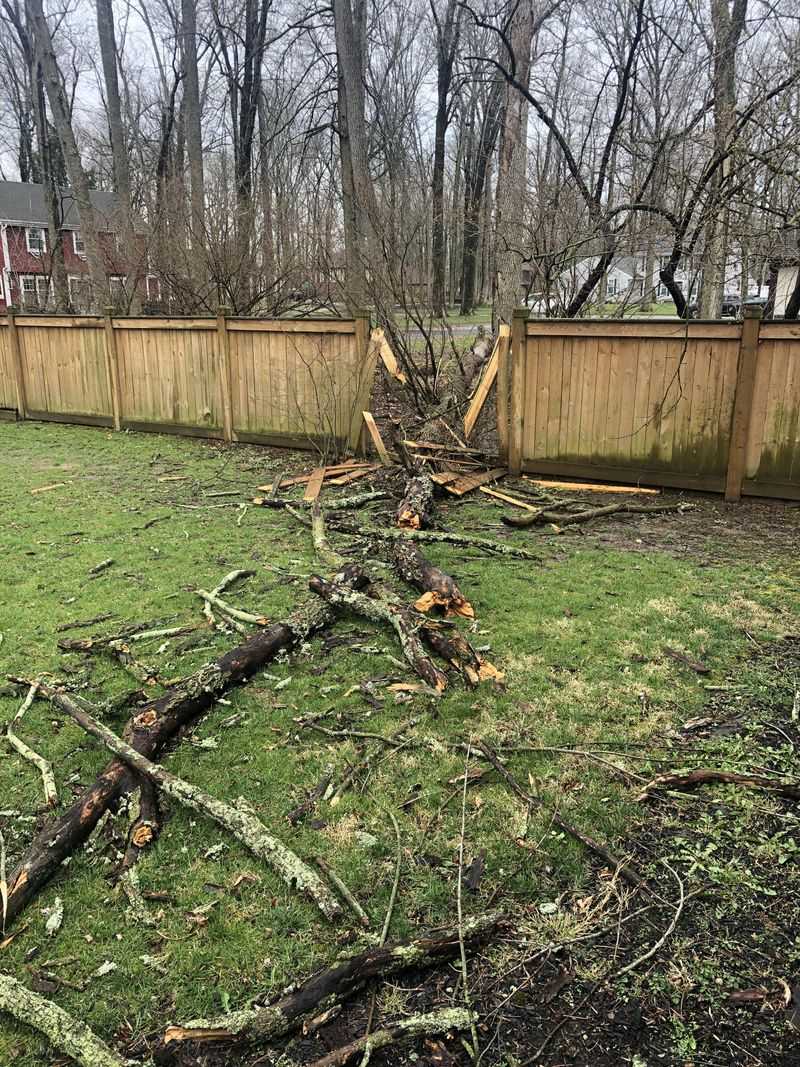
After a tree falls on your fence, the urge to clean everything up right away is completely understandable. But moving too fast can seriously hurt your insurance claim.
Removing the tree or clearing the debris before your insurance company has a chance to assess the damage is one of the biggest mistakes Oregon homeowners make.
Your insurer needs to see the damage as it happened. An adjuster may need to visit the property in person, or at the very least review detailed photos and a full damage report.
If you clean everything up first, you may lose out on full compensation because the extent of the damage cannot be verified.
Call your insurance company first. Let them guide you on the timeline for cleanup.
Most insurers understand that safety is a priority, so if part of the tree is blocking a doorway or creating danger, they will usually allow you to address that specific hazard first.
Just make sure you document everything thoroughly before touching anything.
The same advice applies if you believe your neighbor’s negligence caused the damage. Their insurance company will also want to see the scene.
Premature cleanup can weaken your ability to prove what happened and how bad the damage really was. Think of the fallen tree as a piece of evidence at a scene.
Protecting that evidence until the right people have seen it is one of the smartest things you can do. Patience in the first 24 to 48 hours can make a real difference in the outcome of your claim.