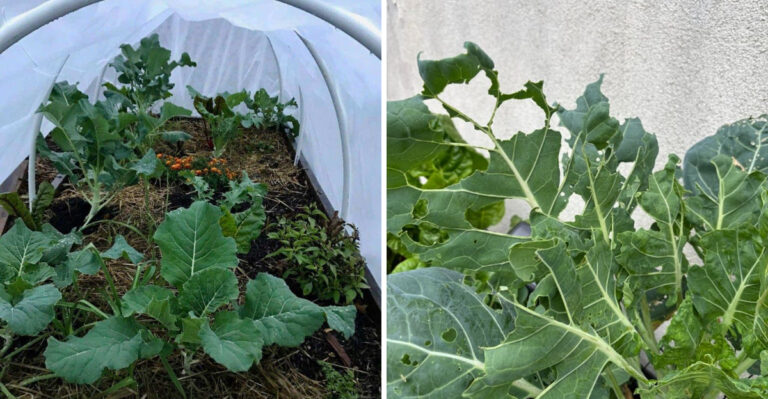
The Ohio Garden Bed Mistake In June That Makes Weeding Twice As Hard All Summer
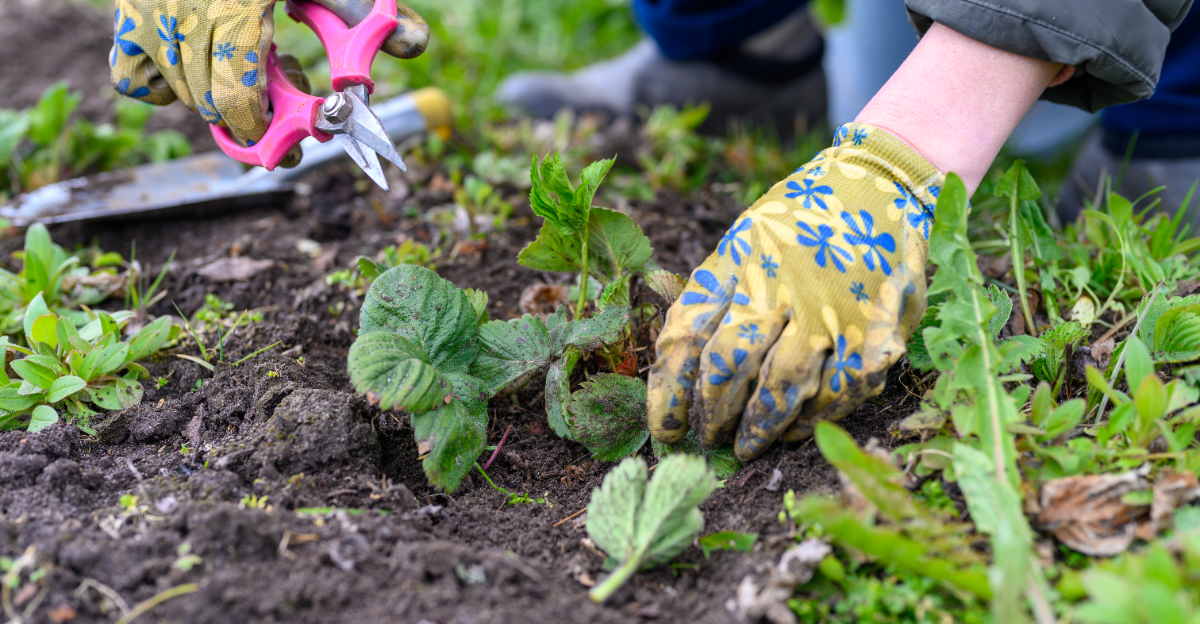
June is the month Ohio garden beds either get ahead of weeds or fall behind them for the rest of the summer. Most gardeners know this in a general way but keep making one specific mistake that tips the balance in the wrong direction.
Nobody realizes it until July arrives and the situation has already gotten out of hand. Weeding is hard enough on its own.
This mistake makes it significantly harder by creating exactly the conditions weeds need to establish fast, root deep, and spread wide before anything can stop them. It is not a dramatic error.
Nothing about it feels obviously wrong in the moment. That is precisely why it keeps happening in Ohio gardens year after year.
It happens in beds that their owners work hard to maintain, then cannot figure out why the weeds keep winning. One adjustment in June changes the math for the entire summer.
1. Leaving Bare Soil Open After June Planting
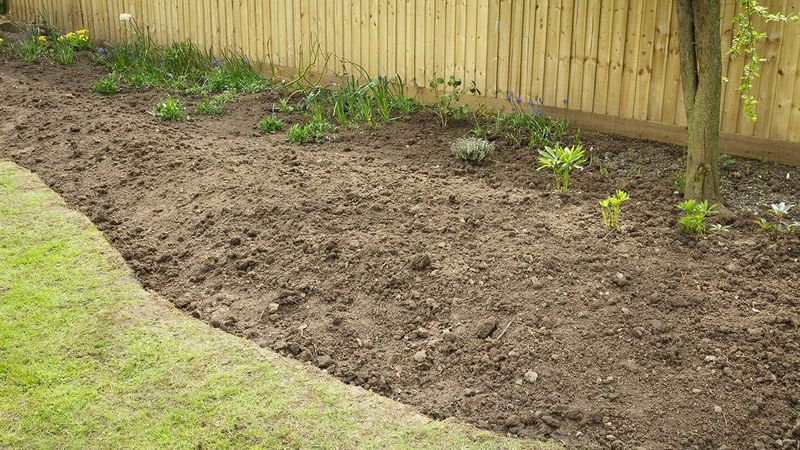
A freshly planted bed can feel like a finished project the moment you set the last transplant in the ground. But those open gaps between new plants are not empty space.
They are prime real estate for any weed seed that lands there. Warm soil and long June days give seeds exactly the conditions they need to sprout fast.
After planting annuals, vegetables, or perennials, most beds still have exposed patches of soil. Those patches catch sunlight, stay moist from rain, and stay loose from recent digging.
Weed seeds already in the soil, or blown in from nearby grass, can take root in days under those conditions. Ohio State University Extension notes that bare soil is one of the main reasons weed pressure builds through summer.
Covering exposed soil is one of the most practical steps a home gardener can take right after planting. Mulch applied two to three inches deep can reduce the amount of light reaching the soil surface.
Less light means fewer weed seeds germinating successfully. Close planting, where spacing allows, can also help shade the soil naturally as plants fill in.
The goal is to leave as little open ground as possible after June planting is done. Even a thin layer of coverage makes a real difference in how much weeding is needed later.
2. Ignoring Tiny Weeds Before Their Roots Take Hold
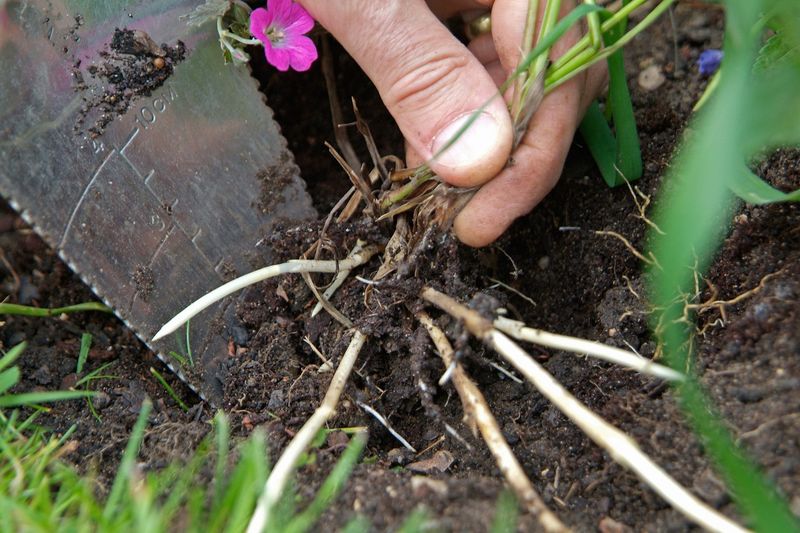
Damp soil after a June rain is one of the best moments in the whole gardening season. It is also the single best time to pull weeds.
Small seedlings that are only a few days old have roots that barely grip the soil. One gentle tug and they come out whole, root and all, leaving almost no trace behind.
Waiting changes everything. A weed that is ignored for even one week in warm June conditions can develop a root system that anchors firmly into the soil.
Some common summer weeds, including crabgrass and lamb’s quarters, can go from a tiny seedling to a well-rooted plant in less than two weeks. At that point, pulling them takes more effort, and broken roots sometimes regrow.
Your Ohio Garden Changes Every Week. Your Plan Should Too.
Gardening in Ohio changes quickly throughout the season. Every Friday you’ll receive a simple weekly plan showing exactly what to plant, prune, fertilize, harvest, and protect so you never miss the right timing.
A quick walk through the garden every few days is enough to catch most small weeds before they establish. A hand hoe or a narrow stirrup hoe works well for shallow-rooted seedlings in open spaces between plants.
Hoeing works best when the soil surface is slightly dry on top but still moist just below. That combination lets you cut seedlings off cleanly without bringing up more buried seeds.
Early weeding is not about perfection. It is about staying ahead of the work so that July and August feel manageable instead of overwhelming.
3. Waiting Until Weeds Flower Before Pulling Them
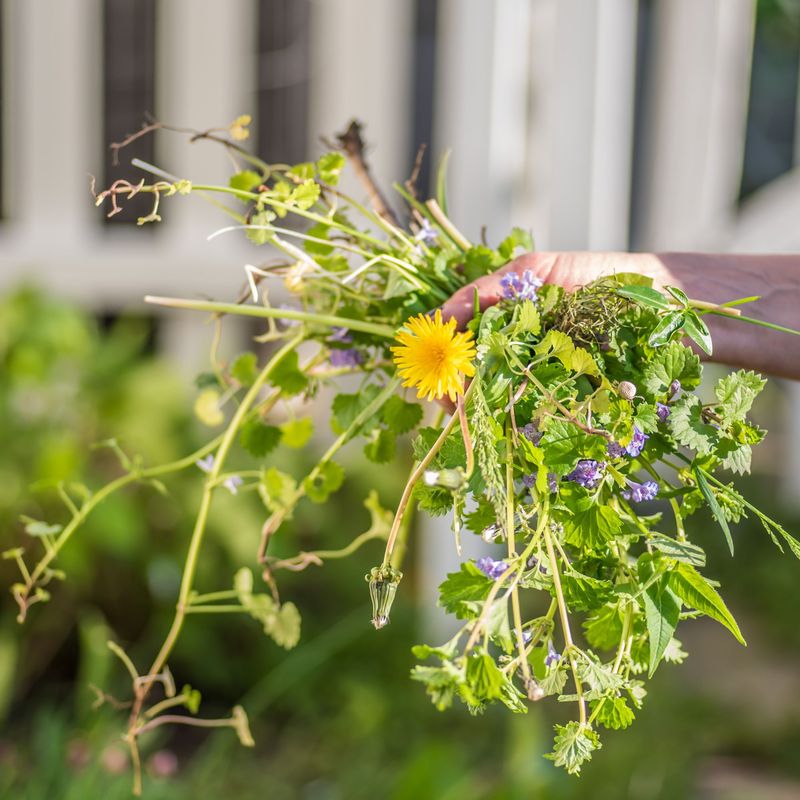
Most gardeners know that weeds are easier to pull when they are small. But the timing mistake that causes the most trouble through summer is letting weeds reach the flowering stage before removing them.
Once a weed flowers, it is already working on seeds, and that means the problem is about to multiply.
Common summer weeds in this region, such as purslane, hairy bittercress, and common chickweed, can produce hundreds of seeds per plant.
Ohio State University Extension has noted that some weed species can drop viable seed into the soil before the plant is even fully mature.
Pulling a weed that has already flowered still helps, but it does not undo the seeds that may have already scattered.
Removing weeds before they flower keeps seed pressure lower in the soil over time. A weed pulled at two inches tall adds zero seeds to the bed.
A weed pulled at the bud stage adds very few. A weed pulled after seed heads open can scatter seeds as it is removed.
Gardeners do not need to clear every single weed on a perfect schedule. Checking beds weekly and removing anything approaching the bud stage is a realistic and effective habit.
Timing the removal right makes the following season easier too, not just the current one.
4. Skipping Mulch While Soil Is Still Exposed
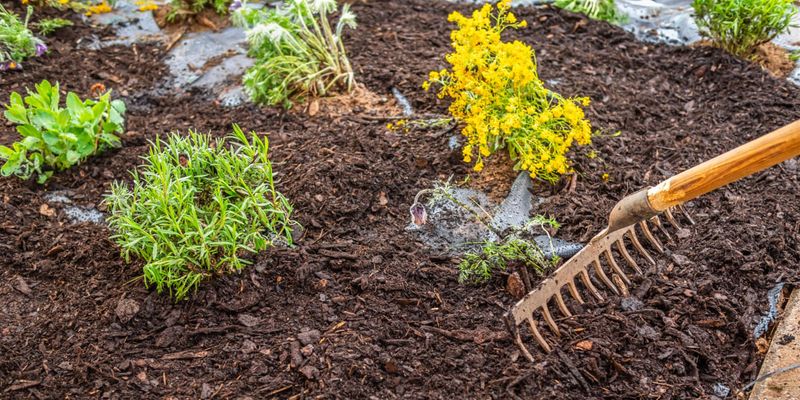
Mulch does not have to be a finishing touch added at the end of the season. It works best when applied while the soil is still exposed and weed seeds have not yet found their footing.
June is the right window to get mulch down in most home landscapes across this state.
A two-to-three-inch layer of shredded wood mulch, straw, or leaf mulch can reduce weed germination by limiting the amount of light that reaches the soil surface. Weed seeds need light to trigger germination.
Blocking that light slows the process significantly, though it does not stop every weed, especially ones with seeds already near the surface. OSU Extension recommends mulching after weeding and after watering, so the soil underneath starts out clean and moist.
Keeping mulch away from plant crowns and stems is just as important as applying it at the right depth. Mulch piled against stems can hold moisture against the bark and create conditions where rot or fungal issues develop.
Pull mulch back an inch or two from each plant base. Refresh mulch as it breaks down through summer, because thin spots let light through and weeds find those gaps quickly.
Mulch is one of the most practical, low-effort tools for reducing summer weed pressure when it is applied correctly and at the right time.
5. Letting Grass Creep Into Bed Edges
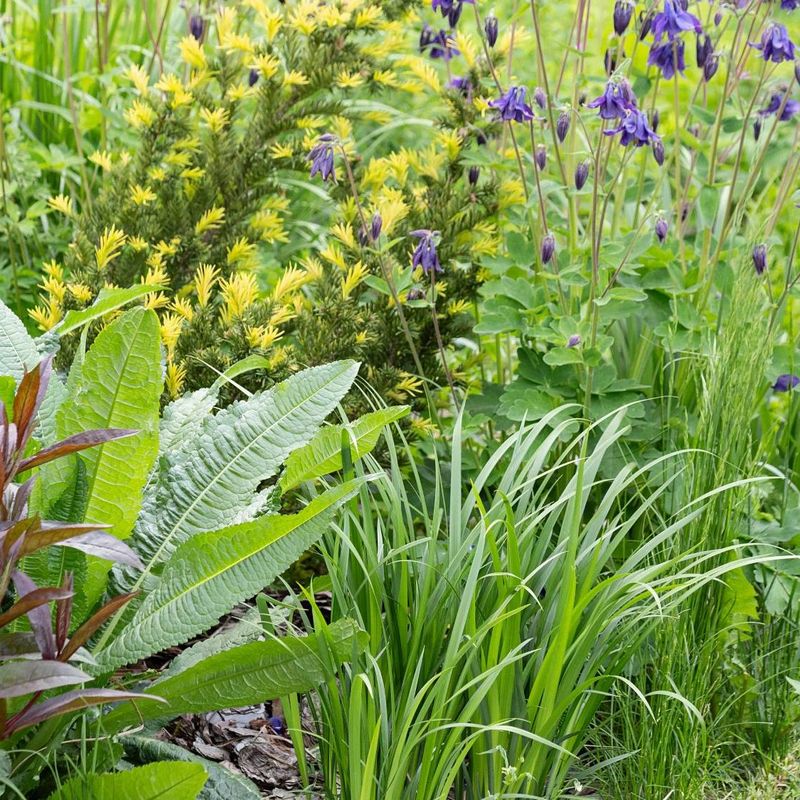
A messy bed edge is one of those problems that sneaks up slowly. The lawn looks fine in May, and then by late June there is a fringe of grass runners creeping into the mulch and rooting down between plants.
Once grass moves into a bed, it becomes one of the more stubborn weeding jobs of the summer.
Grass spreads from the edge of the lawn into garden beds through horizontal runners, or stolons, that move along the soil surface or just below it.
Varieties like Kentucky bluegrass and tall fescue, which are both common in this state, can advance several inches into a bed over the course of a warm, rainy June.
Once those runners root, pulling them out means carefully tracing each one back to the lawn edge without disturbing nearby plants.
Keeping a clean edge between the lawn and the bed makes this much easier to manage. A flat-bladed spade or a half-moon edger used every few weeks through the growing season keeps grass from advancing.
Some gardeners use a simple plastic or metal border strip to create a physical barrier. The goal is not a perfectly manicured edge for show.
It is a practical boundary that prevents grass from becoming a regular part of the summer weeding routine. Consistent trimming takes less time than pulling established grass later.
6. Watering Weeds Along With New Plants
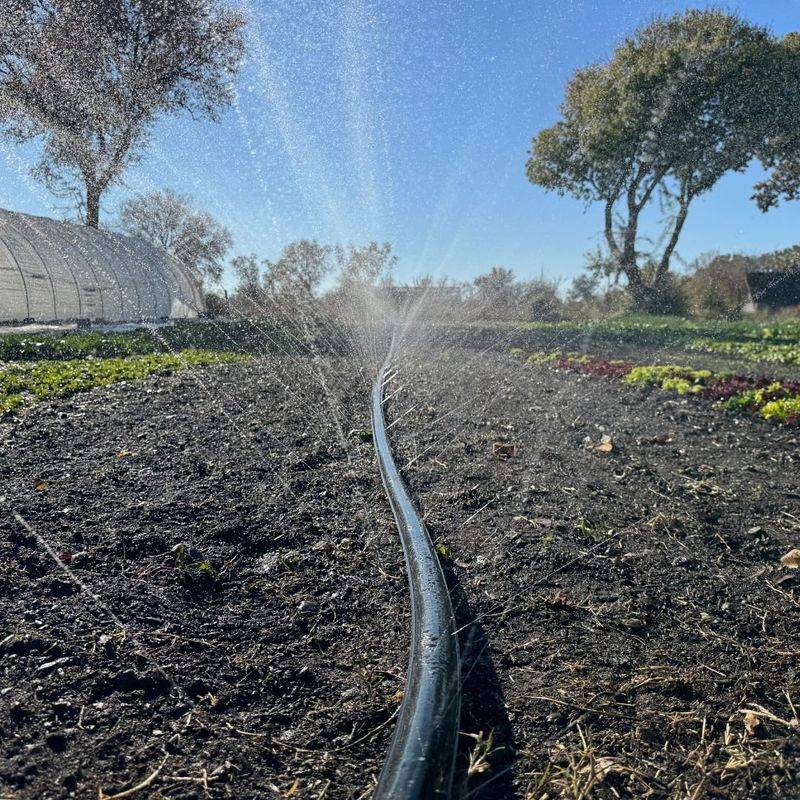
Overhead watering feels efficient because it covers a lot of ground quickly. But in a bed that still has bare soil between new transplants, broad watering does something unintended.
It gives weed seedlings in those open spaces exactly what they need to grow right alongside the plants you actually want.
Weed seeds are opportunistic. They do not need much to get started.
A little warmth, a little light, and consistent moisture are enough. When sprinklers or soaker hoses water the whole bed surface, they soak more than the root zones of new plants.
Every weed seed in the open soil gets the same treatment as the garden plants. The result is a flush of new seedlings that appears within days of each watering session.
Directing water toward the base of new plants rather than across the whole bed surface can reduce how many weed seeds germinate in open areas. A watering wand with a gentle head works well for this.
Drip irrigation is another option that keeps moisture targeted. This does not mean new plants should be underwatered.
Young transplants need consistent moisture to establish their roots, especially during warm June weather. The goal is simply to avoid soaking bare soil unnecessarily.
Watering where it counts most, at the plant root zone, helps new plants thrive while giving open-soil weeds fewer advantages from the start.
7. Disturbing Soil Too Deeply And Bringing Up Seeds
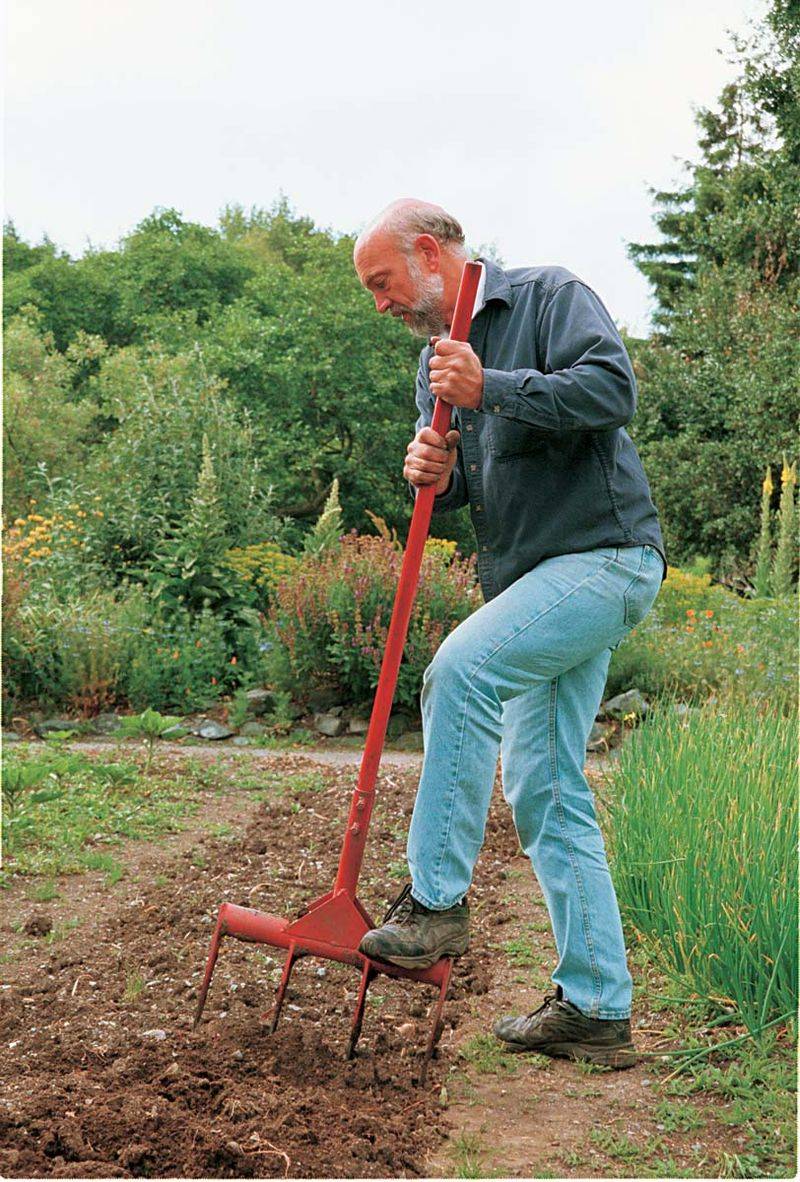
Soil is not an empty container. Even a well-maintained garden bed holds a bank of dormant weed seeds at various depths, waiting for the right conditions to sprout.
Most of those seeds stay dormant when they are buried because they lack the light exposure needed to trigger germination. Deep digging changes that.
When soil is turned or cultivated aggressively, seeds that were buried several inches down get moved closer to the surface. Once they are within the top inch or two of soil, they can receive enough light to begin germinating.
This is why a thorough bed-turning in June can sometimes produce a flush of new weeds within a week or two, even in a bed that looked clean before the digging started.
Shallow cultivation is more effective for routine weed control than deep digging. A stirrup hoe or a hand cultivator used to a depth of one inch or less can cut off small weed seedlings without bringing up buried seeds.
Hand removal is often the best approach near established plants where tool use is tricky. Deep digging is sometimes necessary when installing new plants, dividing perennials, or removing a deep-rooted weed.
In those cases, following up with mulch right away helps limit the germination that often follows soil disturbance. Being deliberate about when and how deep you dig reduces unnecessary weed pressure through the rest of summer.
8. Forgetting To Weed After Warm June Rain
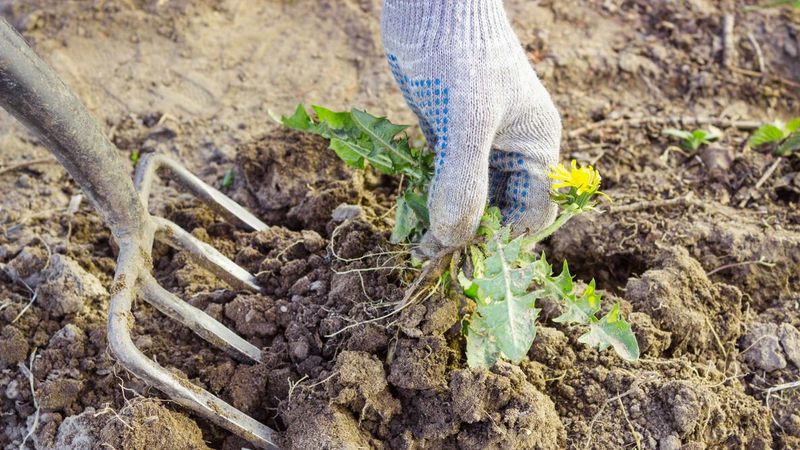
After a warm June rain, garden beds go through a quiet transformation. The soil softens, the air smells fresh, and somewhere in that moist, warm ground, a new wave of weed seeds is beginning to stir.
Checking beds within a day or two after a good rain is one of the most effective weeding habits a home gardener can build.
Rain does two things at once. It triggers dormant weed seeds near the soil surface to germinate, and it loosens the soil enough to make pulling existing weeds much easier.
Small seedlings that appeared after the last rain are still shallow-rooted and come out effortlessly when the soil is moist. Larger weeds that were already growing are also easier to remove cleanly when roots can slide out of wet soil without breaking.
The window after a warm rain is short. Within two or three days, the soil begins to firm back up and any new seedlings that sprouted start putting down roots.
A quick pass through the bed with a hand hoe or just your fingers can remove dozens of tiny seedlings in minutes while the conditions are right. This is not about spending hours in the garden.
It is about using a ten-minute opportunity well. Gardeners who develop the habit of checking beds after rain consistently report that their summer weeding stays manageable.
It does not build into a season-long backlog.