The Only Time Of Year To Remove Scotch Broom In Oregon For Results That Actually Last
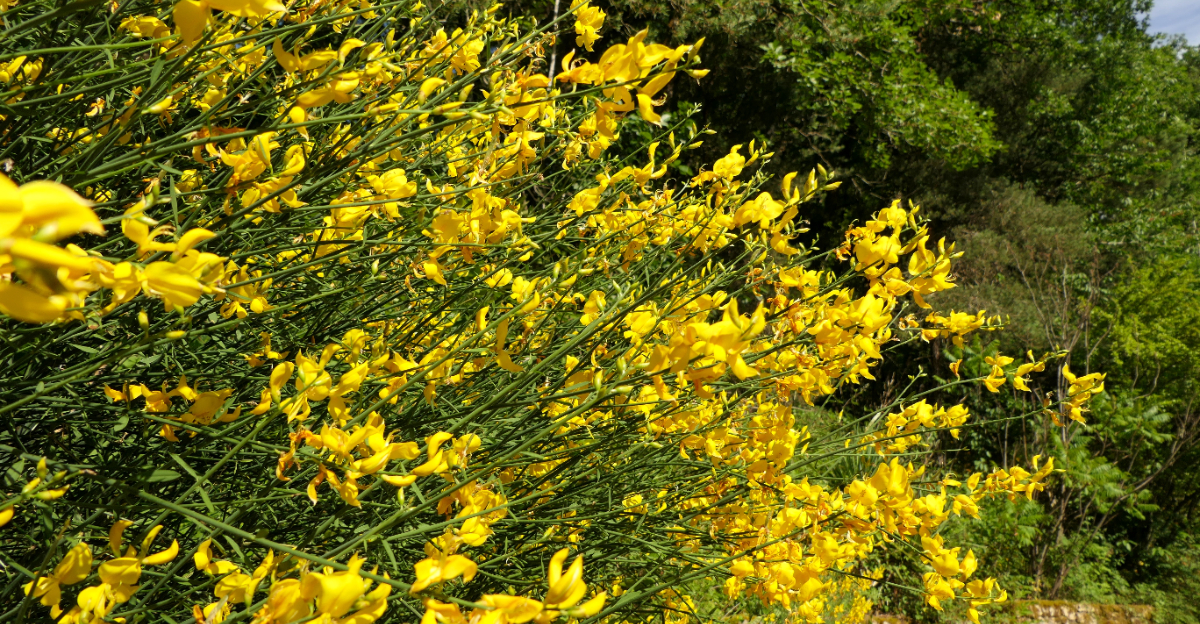
Scotch broom does not surrender just because someone cuts it down. This stubborn invader can return with fresh shoots, leave seeds behind for years, and make an afternoon of hard work feel painfully temporary.
It has persistence down to an art. The calendar plays a major role in a successful removal. Choose the wrong season, and the plant may bounce back with surprising force.
Choose the right window, and the odds shift much more in your favor.
Oregon weather adds another challenge. Soil conditions can affect how easily roots come out, while the plant’s growth cycle determines how much energy it has stored below ground.
That makes random attacks with loppers far less effective than they appear.
A lasting result requires more than muscle and determination. Once you match the job to the plant’s weakest point, Scotch broom becomes far less capable of reclaiming the same patch.
1. Remove Scotch Broom Before Seeds Mature
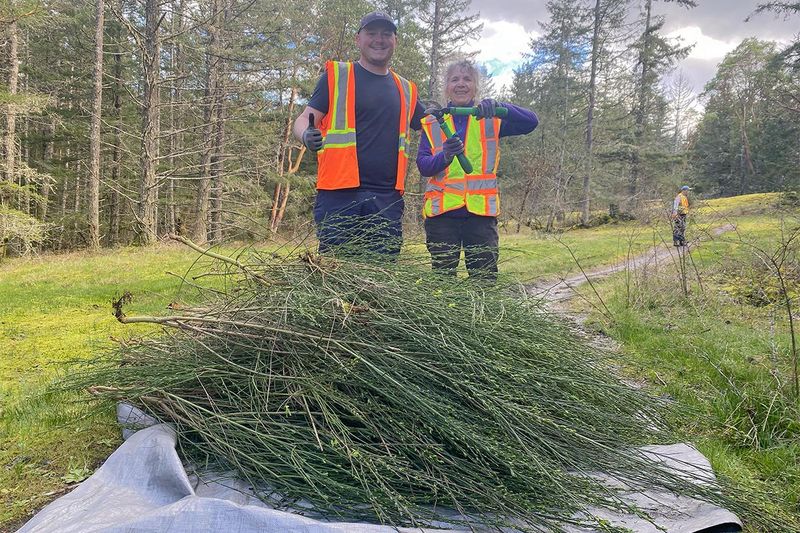
Every gardener who has battled this plant knows the frustration of watching it return season after season. The single most important rule for effective control is simple: get it out before the seeds mature.
Once those seeds are fully developed, you have already lost a big part of the battle for that year.
Scotch broom produces an enormous number of seeds. A single mature plant can release up to 12,000 seeds in one season.
Those seeds do not just go away. They can stay dormant in the soil for 30 years or more, waiting for the right conditions to sprout.
That is why removing the plant after seeds have dropped does not give you the clean slate you are hoping for.
Acting before seed maturity breaks the reproductive cycle. No mature seeds means no new seedlings popping up the following spring.
You are not just removing what is there now. You are protecting your land from what would have grown next year and the year after that.
The best approach is to start scouting your property in late winter and early spring. Look for the first signs of yellow flowers.
That is your cue to act quickly. The earlier you remove the plant during this window, the better your long-term results will be.
Consistent early removal year after year is the most effective strategy landowners in Oregon have found to actually reduce scotch broom populations over time.
2. The Best Control Window
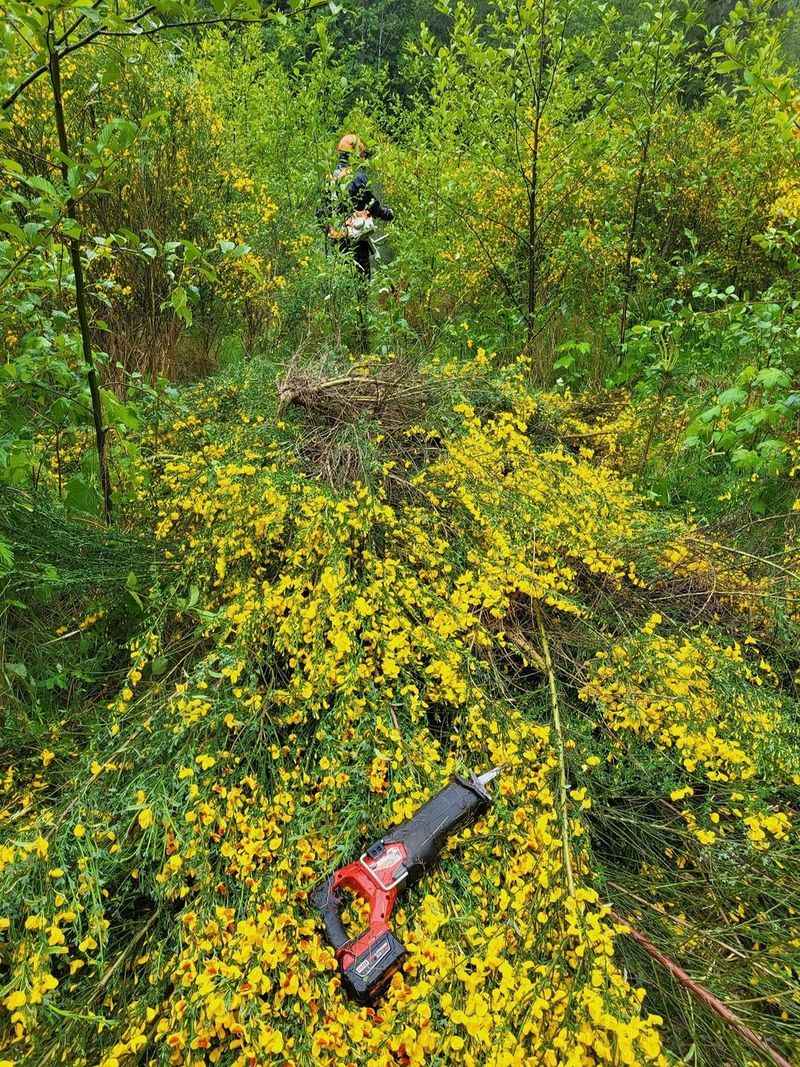
Most people wait until spring to start thinking about yard work, but with scotch broom, late winter is actually when the clock starts ticking. The plant begins waking up from dormancy earlier than most native plants.
That early start is exactly what makes it such an aggressive invader.
By acting in late winter, you catch the plant before it puts all its energy into flowering and seed production.
Younger plants that have not yet flowered are easier to pull from the ground, especially when the soil still holds winter moisture.
Roots come out more cleanly, which reduces the chance of regrowth from root fragments left behind.
Your Oregon Garden Changes Every Week. Your Plan Should Too.
Gardening in Oregon changes quickly throughout the season. Every Friday you’ll receive a simple weekly plan showing exactly what to plant, prune, fertilize, harvest, and protect so you never miss the right timing.
Late winter removal also gives native plants a head start. When you clear scotch broom early, you open up space and light for native grasses and shrubs to fill in before the invasive plant would normally dominate.
This natural competition is one of your best long-term allies in keeping scotch broom from coming back as aggressively.
Oregon late winter typically means February into early March depending on your elevation and local weather patterns.
Coastal and valley areas may see warmer conditions earlier, while higher elevations stay cooler longer.
Check your specific area and be ready to act as soon as the ground softens and plants show signs of new growth. Starting early is one of the simplest and most effective habits you can build for lasting results.
3. Flowering Season Is Your Warning Sign
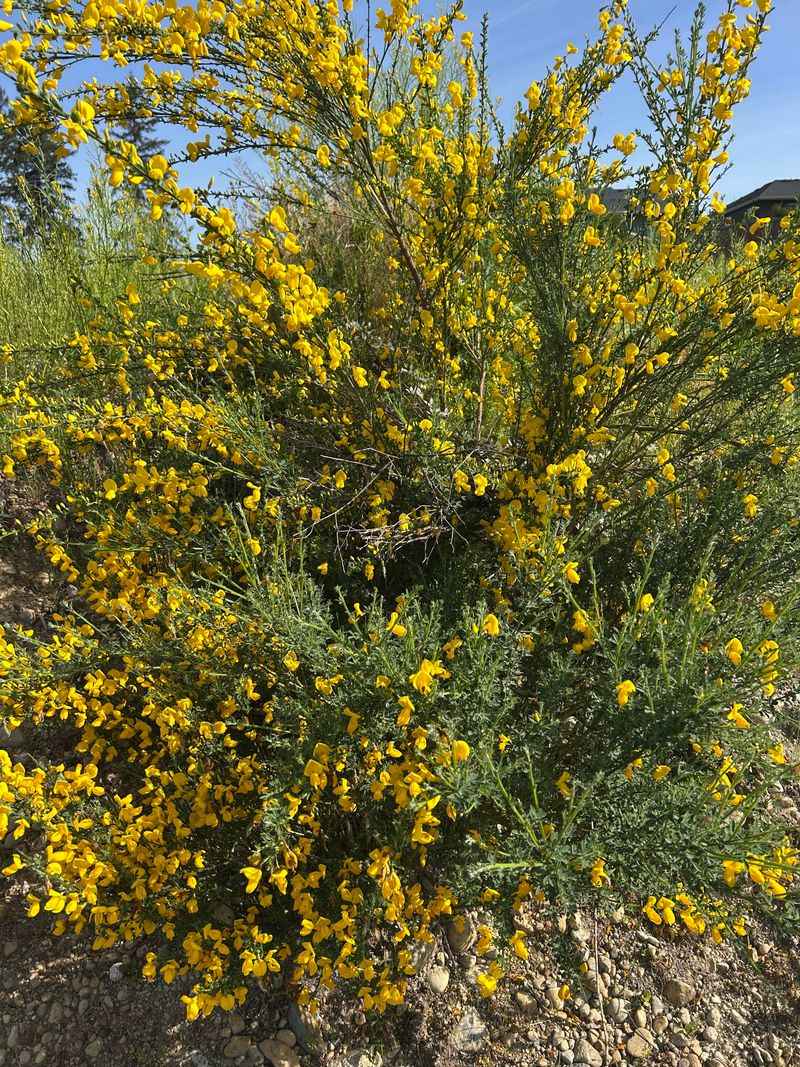
Those bright yellow flowers might look cheerful on a spring hillside, but they are actually a warning signal every landowner should take seriously. When scotch broom is in full bloom, the countdown to seed production has already begun.
You are working with a shrinking window at this point, but you are not out of time yet.
Flowering typically happens between April and June in most parts of the Pacific Northwest, though timing can vary. The moment you see flowers opening up, that is your sign to move fast.
Flowers lead to seed pods, and seed pods lead to seeds. The whole process from first flower to mature seed can happen in just a few weeks under warm conditions.
Here is something worth knowing: bees and other pollinators are very attracted to scotch broom flowers. That means pollination happens quickly once blooming starts.
Do not let the pretty flowers distract you from what they represent. Each flower that gets pollinated becomes a seed pod, and each pod can carry several seeds ready to fire into the surrounding soil.
If you are removing flowering plants, handle them carefully. Even freshly cut stems with open flowers can continue maturing seeds if left on the ground.
Bag the cuttings or haul them away from your property. Do not leave cut plants in a pile where seeds can still develop and drop.
Treating the flowers as a warning sign rather than just scenery will help you stay ahead of the problem.
4. Green Seed Pods Mean Time Is Running Out
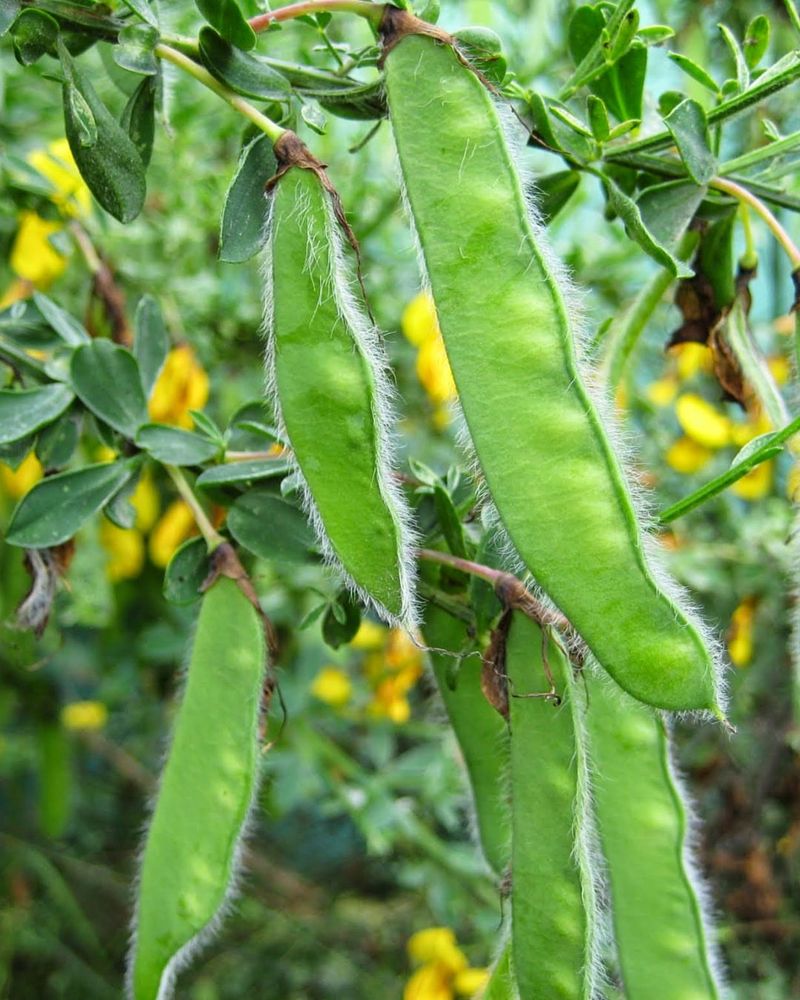
When you start seeing green seed pods on scotch broom plants, urgency kicks in. Green pods mean the plant has already been pollinated and seeds are actively developing inside.
You still have a chance to stop those seeds from spreading, but you need to act right away.
Green pods have not yet released their seeds. That is the key detail.
As long as the pods stay green and closed, the seeds inside are not going anywhere. Removing plants at this stage still gives you a meaningful advantage.
You are cutting off the seed supply before it can reach the soil.
One important thing to remember when dealing with green-podded plants: do not just cut and leave. Green pods can continue maturing even after the plant is cut.
Seeds inside can still develop and become viable if the cut plant is left on the ground in warm weather. Bag everything up or haul it away promptly to prevent this from happening.
Timing-wise, green pods usually appear in May and into June across much of Oregon. If you missed the late winter and early flowering window, this is your last realistic chance to make a dent before seeds scatter.
Think of green pods as a yellow light, not a red one. You can still act, but every day of delay increases the risk that some of those seeds will mature before you finish the job. Move quickly and be thorough.
5. Brown Seed Pods Can Spread The Problem
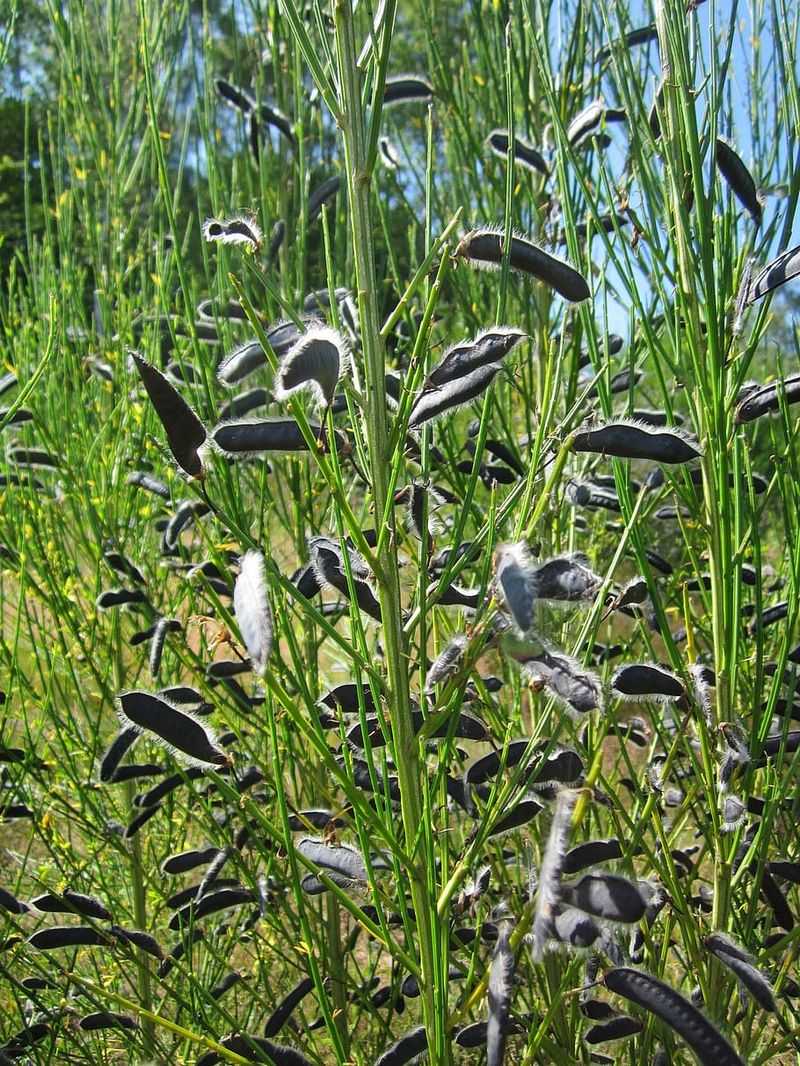
Brown seed pods are the point of no return for that season’s seed crop. Once pods turn brown and begin to dry out, they are getting ready to pop open and launch seeds into the surrounding area.
This is not a slow, quiet process. Scotch broom pods can actually burst open with enough force to scatter seeds several feet away from the plant.
On hot summer days, you can sometimes hear the pods snapping open. It sounds almost like small crackling or popping noises across a dry hillside.
That sound means seeds are actively spreading. If you are removing plants at this stage, you are not stopping the spread for this year.
You are mostly just removing the woody structure while the seeds have already done their damage.
That said, removing brown-podded plants is still better than doing nothing. Fewer mature plants mean fewer seeds in future years.
But you should go in with realistic expectations. Any seeds already released will remain in the soil.
You will likely see new seedlings emerge next spring from those seeds, and follow-up removal will be needed.
Handle brown-podded plants with extra care. The slightest pressure or movement can cause remaining pods to burst and release seeds right where you are working.
Wear long sleeves and work carefully. Bag everything immediately.
Avoid shaking or dragging cut plants across the ground. The goal at this point shifts from prevention to containment, and every careful step you take helps limit how far the problem spreads.
6. Cutting Before Seed Set Protects Next Year
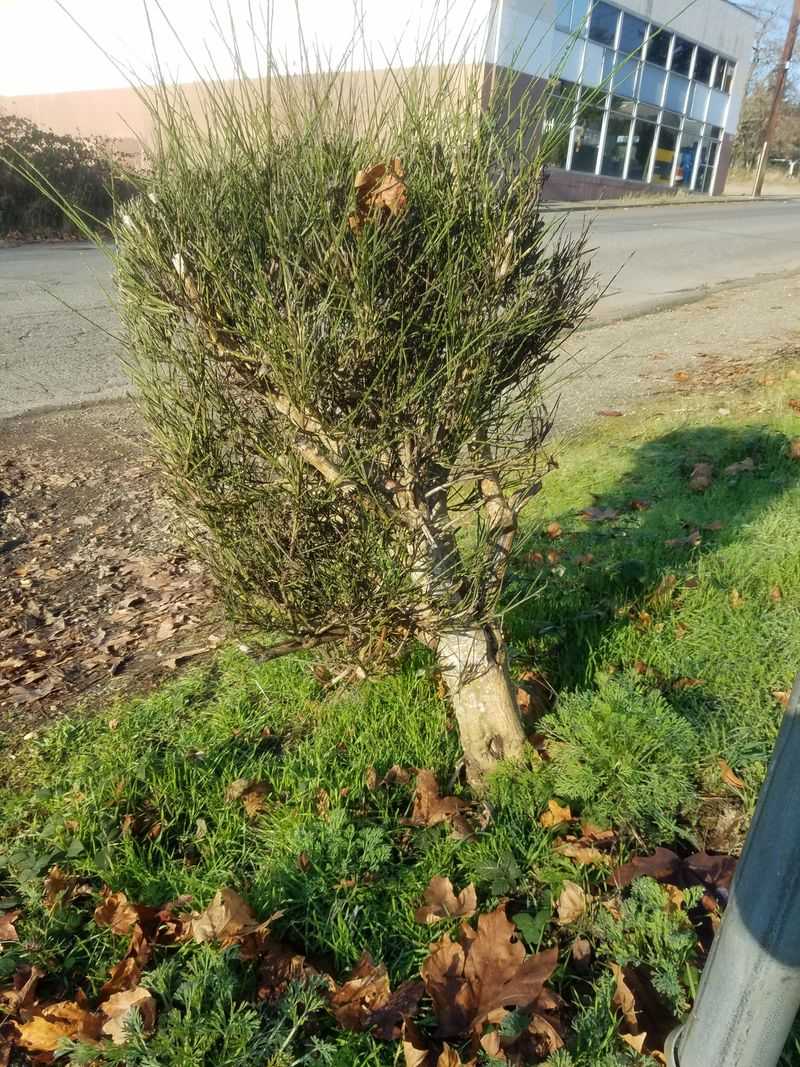
One of the smartest moves any landowner can make is cutting scotch broom before seeds ever get a chance to set. Seed set is the moment when seeds inside the pod become fully developed and viable.
Cut before that happens, and you have effectively stopped that plant from contributing to next year’s population.
Cutting works differently from pulling. When you cut a scotch broom plant, the roots stay in the ground and the plant can resprout.
That means cutting alone is not a permanent solution. However, cutting done consistently at the right time, before seed set, steadily weakens the plant over multiple seasons.
Each time it has to regrow from a cut, it uses up energy stored in its roots.
Repeat cutting two or three times per growing season is a strategy many land managers in the Pacific Northwest use with good results. The first cut happens in late winter or early spring before flowering.
A follow-up cut in early summer knocks back any regrowth. Over time, this repeated stress reduces the plant’s ability to produce as many seeds and eventually stunts its overall vigor.
For the best results, cut as low to the ground as possible. Higher cuts leave more stem material that can resprout quickly.
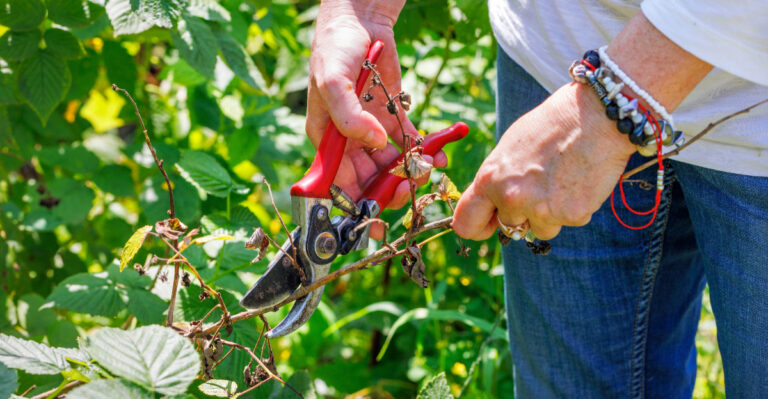
A sharp pair of loppers or a pruning saw works well for most plants. For larger thickets, a brush cutter or chainsaw may be needed.
Whatever tool you use, the timing matters far more than the method. Cut before seed set, and you protect next year’s landscape before the problem even begins.
7. Small Plants Pull Best In Damp Soil
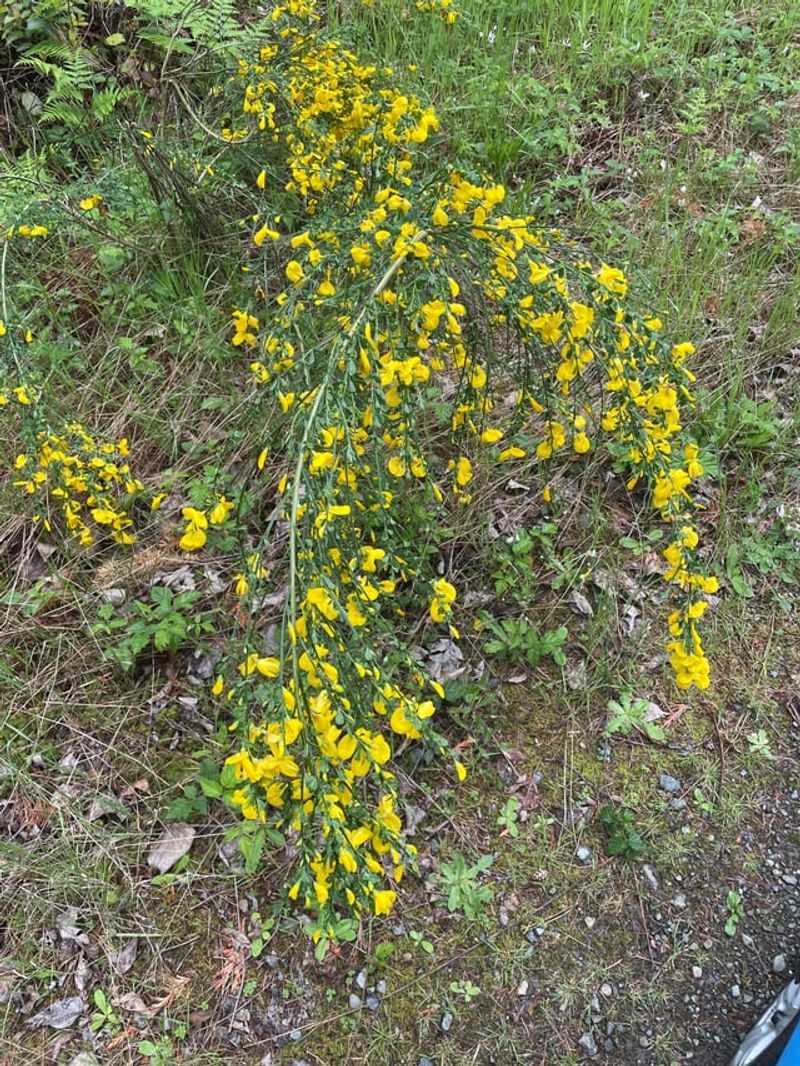
Pulling scotch broom out by the root is the most satisfying and thorough way to remove it, but the results depend heavily on Oregon soil conditions and plant size. Small plants are far easier to pull completely than large, established ones.
And damp soil makes the whole job significantly easier and more effective.
After winter rains or in early spring when the ground is still soft, small scotch broom plants come out with most of their root system intact. A clean pull means no root fragments left behind to resprout.
That gives you a much better chance of removing that individual plant permanently rather than just setting it back temporarily.
Look for seedlings and young plants that are under two feet tall. These are the easiest targets.
Grab them as low as possible near the soil surface and pull with a slow, steady pressure. Jerking quickly can snap the stem and leave the root in the ground.
Take your time with each plant for the cleanest removal possible.
A hand tool like a weed wrench or a simple garden fork can help loosen the soil around the root before pulling. This is especially helpful on slopes where compacted soil makes pulling harder.
After pulling, do not just toss the plant on the ground nearby. If it has any flowers or developing pods, bag it up.
Even a pulled plant lying on damp soil can sometimes continue developing seeds long enough to cause problems. Small steps done right add up to big results over time.