Save Your Washington Tomatoes From Leaf Curl With These 8 Simple Tips
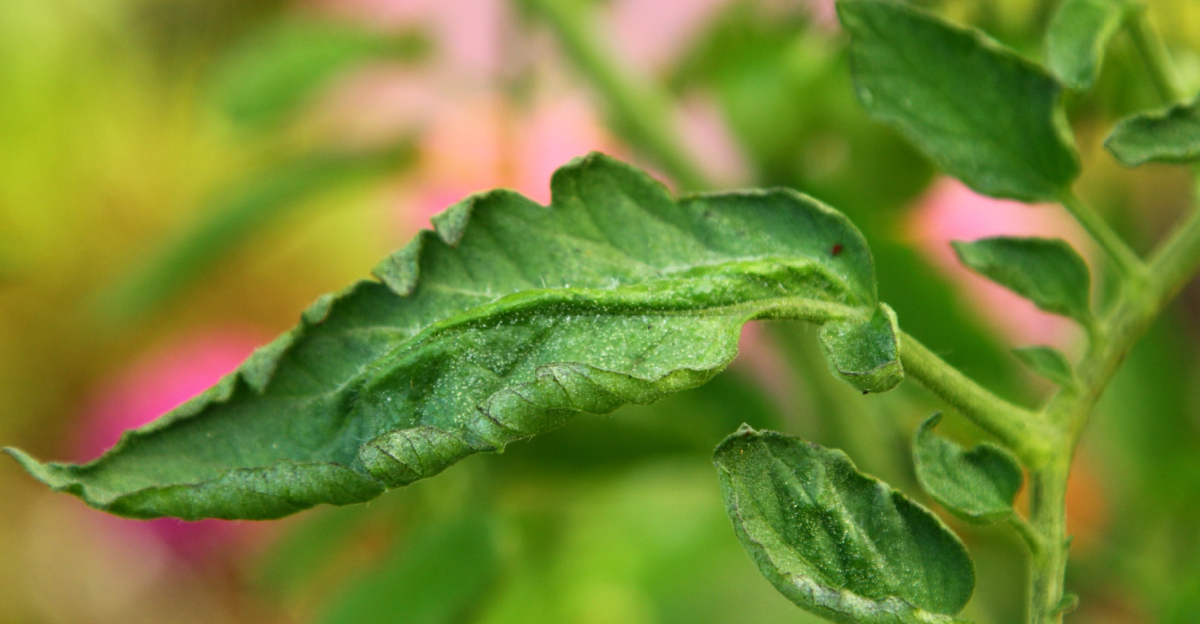
Your tomato plants are sending you a signal right now. Leaves curling inward like clenched fingers mean something has gone wrong.
Washington gardeners face this exact problem every single growing season. Ignore that signal and you risk losing the entire plant before you understand why.
Heat stress, drought, sap-sucking pests, fungal disease, and excess nitrogen can all trigger the same telltale curl.
So how do you figure out which one is attacking your garden? Knowing the true cause changes everything about how you respond.
Across Washington, most gardeners fix this faster than they expect once they know what to target. Each culprit has a specific solution, and the fix almost always starts with the leaves.
1. Water Deeply And Consistently
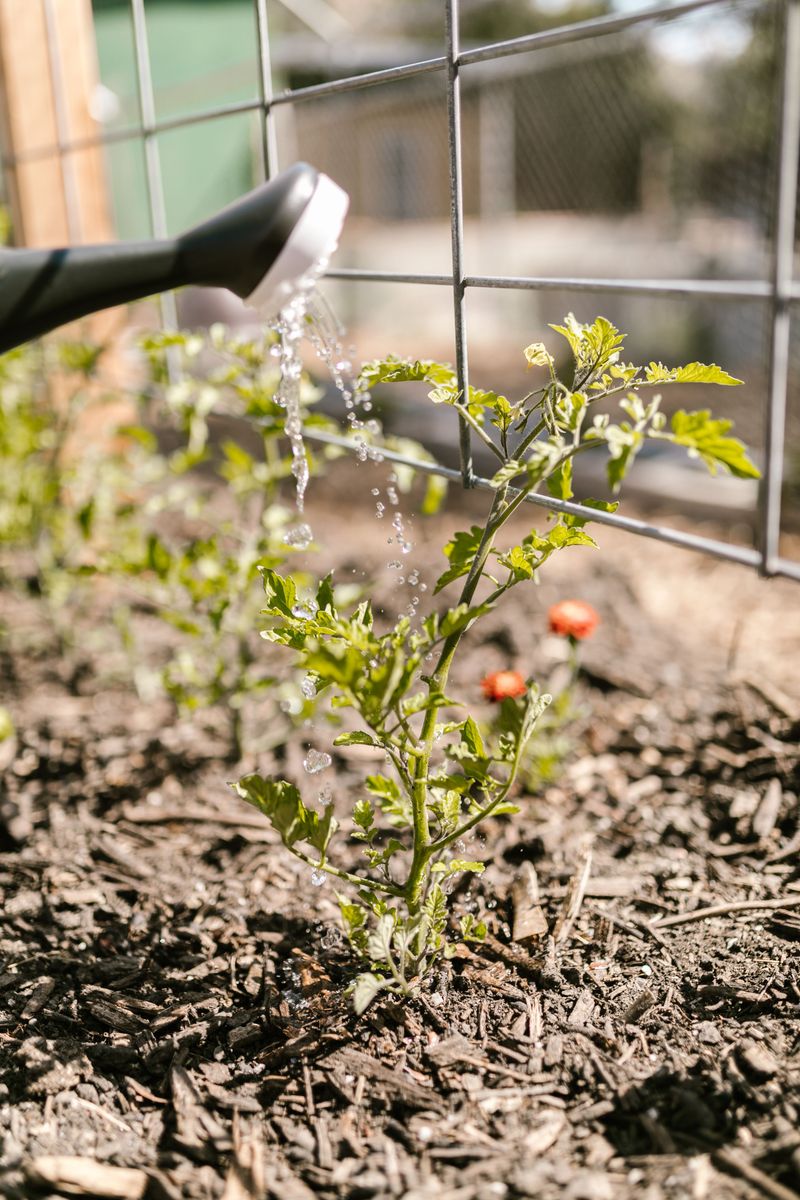
Thirsty tomatoes talk back. When your plants are not getting enough water, the leaves curl inward to protect themselves from losing moisture.
That curling is basically your tomato begging for a long, deep drink. Shallow watering is one of the biggest mistakes gardeners make.
Sprinkling the surface for a few minutes every day trains roots to stay near the top of the soil.
Those shallow roots cannot handle dry spells, and leaf curl gets worse fast. Deep watering means soaking the soil down to at least six inches.
Doing this two or three times a week is far better than daily light watering. Your roots will chase that moisture downward and grow stronger for it.
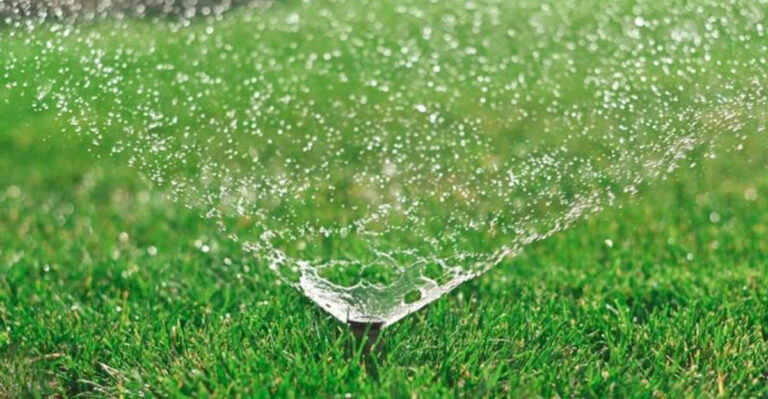
Soaker hoses and drip irrigation are your best friends here. They deliver water right to the root zone without wasting a drop on leaves or walkways.
Wet foliage can actually invite fungal problems, so keeping water low is smart. Mulching around your plants helps the soil hold onto moisture between watering sessions.
A two-to-three-inch layer of straw or wood chips can cut your watering needs significantly. It also keeps soil temperature more stable on hot days.
Saving your Washington tomatoes from leaf curl starts with getting your watering routine right. Check the soil with your finger before watering. If the top inch is still damp, wait another day before adding more.
2. Use A Shade Cloth On Hot Days
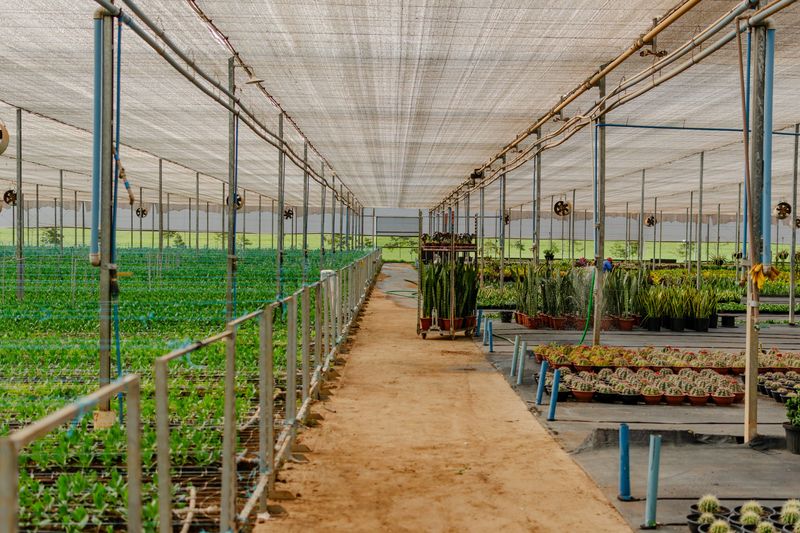
Scorching afternoon sun can shock your tomato plants fast. When temperatures climb above 90 degrees, leaves curl upward to reduce the surface area exposed to heat.
It is a survival move, but it stresses the plant badly. Shade cloth is a simple, affordable solution that many gardeners overlook.
A 30-to-40-percent shade cloth lets in plenty of light while cutting down on intense midday heat. Your plants stay cooler and keep their energy focused on growing fruit.
Installing shade cloth is easier than it sounds. You can drape it over a simple frame made from PVC pipes or garden stakes.
Secure the edges so wind does not pull it loose during those breezy Pacific Northwest afternoons. Timing matters when you put it up.
The hottest part of the day is usually between noon and four in the afternoon. If you can only shade your plants during that window, you will already make a big difference.
Your Washington Garden Changes Every Week. Your Plan Should Too.
Gardening in Washington changes quickly throughout the season. Every Friday you’ll receive a simple weekly plan showing exactly what to plant, prune, fertilize, harvest, and protect so you never miss the right timing.
Shade cloth also helps retain some soil moisture by reducing evaporation. That means your watering efforts go further on hot days.
Two problems solved with one simple tool is a win any gardener will appreciate. Washington summers can be surprisingly intense, especially in the Yakima Valley and other eastern regions.
Protecting your plants from heat stress is one of the fastest ways to stop leaf curl in its tracks. A little shade goes a long way toward happy, productive tomatoes.
3. Check For Aphids And Treat With Neem Oil
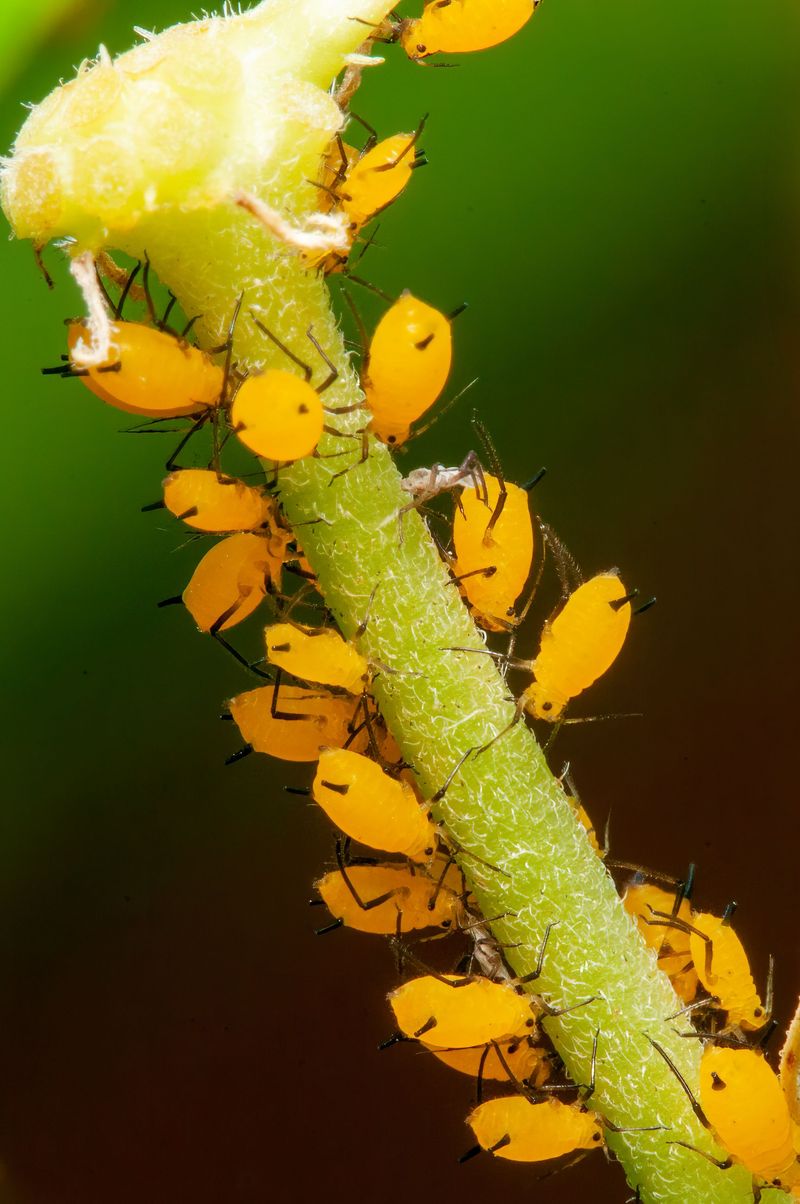
Flip a curling leaf over and look closely. Tiny, soft-bodied insects clustered along the stem or leaf underside are a telltale sign of aphids.
These little pests suck sap from your plants and cause leaves to curl, yellow, and weaken over time.
Aphids reproduce extremely fast. A small colony can multiply into thousands within just a few days.
The sooner you spot them, the easier they are to manage before real damage sets in.
Neem oil is one of the safest and most effective organic treatments available. It works by disrupting the pest’s life cycle and coating the insects so they cannot feed or reproduce properly.
Mix it with a few drops of dish soap and water, then spray it directly on affected areas. Apply neem oil in the early morning or evening to avoid burning leaves in direct sunlight.
Coat both the tops and undersides of leaves thoroughly for the best results. Repeat every seven to fourteen days until the infestation clears up.
Beneficial insects like ladybugs love to eat aphids. Avoid broad-spectrum pesticides that would harm these helpful predators.
Planting marigolds or dill nearby can attract the good bugs naturally. Keeping a close eye on your plants each week makes a huge difference.
Catching aphids early means less damage and faster recovery. Healthy, well-watered tomatoes are also less attractive to pests in the first place.
4. Don’t Overfertilize With Nitrogen
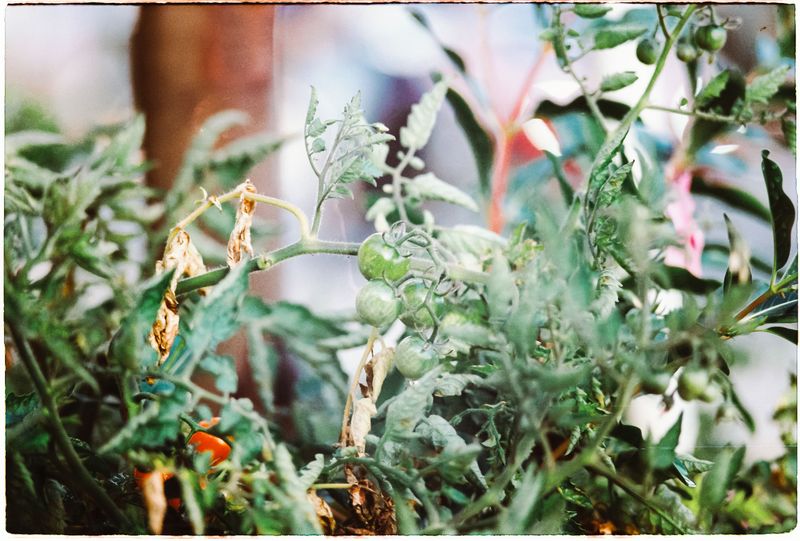
More fertilizer does not always mean better tomatoes. Piling on nitrogen-heavy fertilizer is one of the sneakiest causes of leaf curl that gardeners rarely suspect.
Too much nitrogen pushes the plant into overdrive, producing lush green growth but causing leaves to roll tightly inward.
Nitrogen is essential for plant growth, but balance is everything. When nitrogen levels spike too high, the plant prioritizes leafy growth over fruit production.
You end up with a big, bushy plant that curls its leaves and barely sets any tomatoes. Check the fertilizer label before you apply anything.
A good tomato fertilizer has a low-nitrogen ratio suited to fruiting, something like 5-10-10 or 6-24-24. High first numbers mean high nitrogen, which is fine early in the season but risky once flowering begins.
If you suspect overfertilization, stop feeding immediately and water the soil deeply. Flushing the soil with extra water helps dilute excess nutrients and gives the plant a chance to recover.
It takes a week or two, but most plants bounce back well. Slow-release fertilizers are a safer bet for gardeners who tend to over-apply.
They feed plants gradually over weeks instead of all at once. That steady supply reduces the risk of shocking your tomatoes with a sudden nutrient surge.
Soil testing is the smartest move before you add anything at all. Knowing exactly what your soil needs saves money and prevents problems. Your local extension office can help you get a soil test done affordably.
5. Set Up A Windbreak If Needed
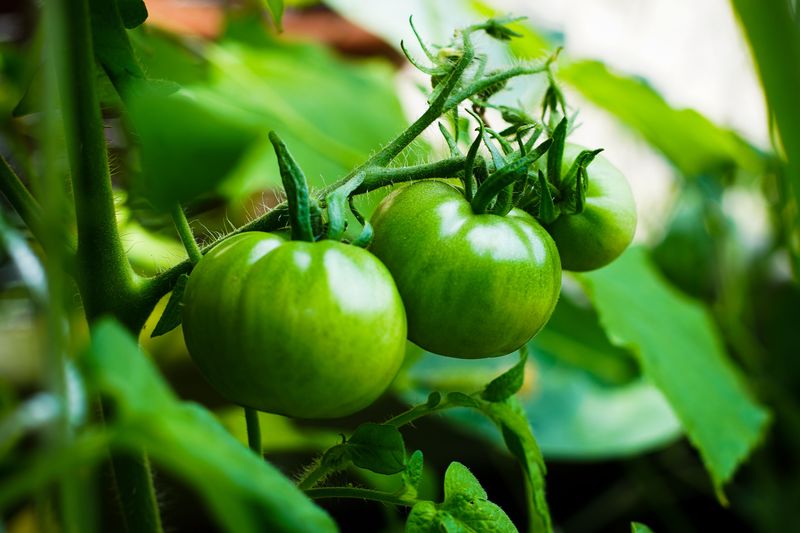
Wind is sneaky damage. You might not even notice how hard it is blowing until your tomato leaves are curling, tearing, and looking battered by mid-summer.
Strong or persistent wind pulls moisture from leaves faster than roots can replace it, triggering stress curl almost immediately.
Washington gardeners near the coast or in open valley areas know this problem well. Steady afternoon winds can be just as damaging as a single strong gust.
Even moderate breezes over several hours add up to serious plant stress. A windbreak does not need to be fancy. A simple row of tall stakes with burlap stretched between them works beautifully.
You can also use wooden fence panels, straw bales, or even dense shrubs planted on the windward side of your garden.
Position your windbreak on the side from which the prevailing wind blows. In many parts of western Washington, that means blocking winds coming from the southwest.
A quick check of your local wind patterns will tell you exactly where to set up your barrier. The windbreak should be taller than your tomato plants for maximum protection.
Even blocking just 50 percent of the wind dramatically reduces stress on your plants. Less wind stress means better moisture retention and healthier leaf structure overall.
Once you set up a windbreak, you will notice your plants standing taller and looking calmer within just a few days.
Steady, protected plants produce more fruit with less effort. That alone makes a windbreak worth every bit of the setup time.
6. Amend Soil With Compost Before Planting
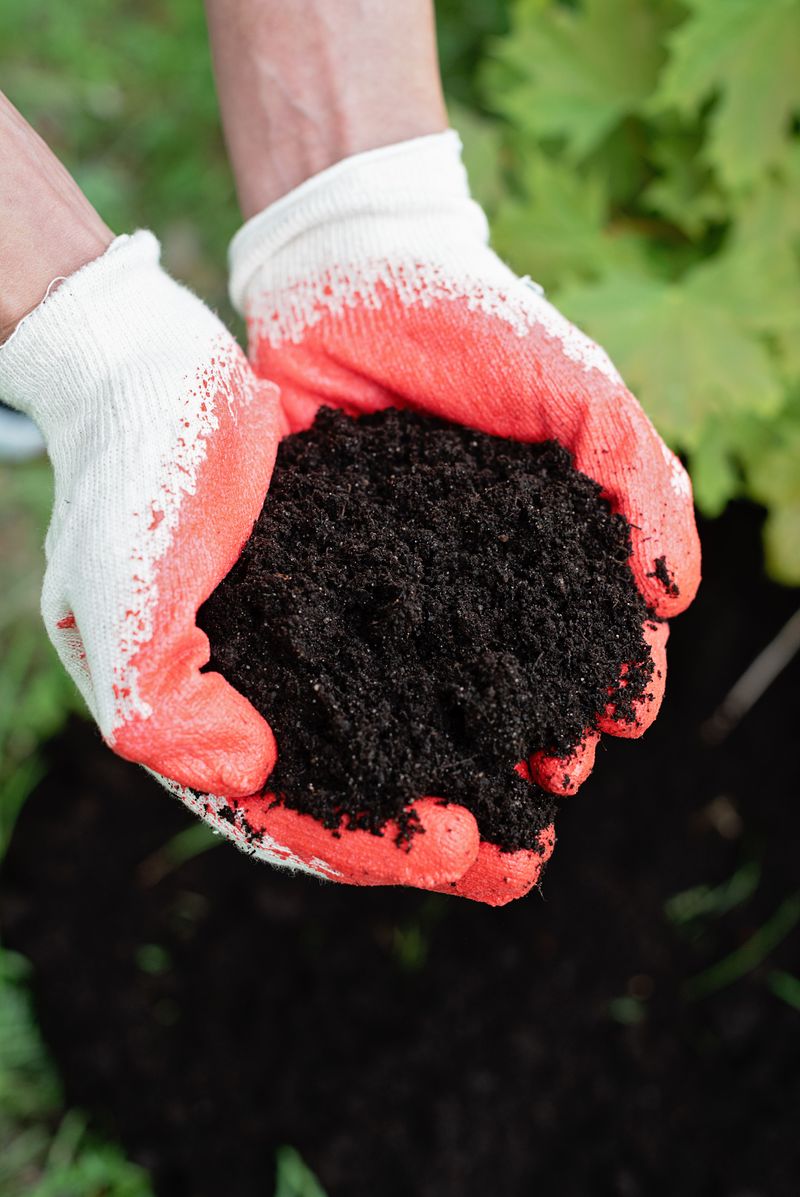
Great tomatoes start below the surface. Soil that is dense, compacted, or nutrient-poor cannot support healthy root development, and stressed roots lead directly to stressed leaves.
Amending your soil with compost before planting is one of the most powerful things you can do all season.
Compost improves soil structure in two important ways at once. It loosens clay-heavy soils so roots can breathe and spread freely.
It also adds organic matter that helps sandy soils hold water and nutrients much longer. Washington soils vary widely depending on your region.
Western parts of the state often have heavy clay, while eastern areas can be sandier and drier. A generous layer of compost works wonders in both situations, improving drainage and water retention at the same time.
Work two to four inches of finished compost into the top twelve inches of soil before you transplant seedlings.
This gives roots immediate access to rich, loose material. Plants established in good soil are far more resistant to environmental stressors like heat, wind, and drought.
Homemade compost from kitchen scraps and yard waste is ideal, but bagged compost from a garden center works just as well.
Look for compost that is dark, crumbly, and earthy-smelling. Avoid anything that still looks chunky or smells sour. Think of compost as long-term insurance for your garden.
Plants grown in amended soil bounce back faster from stress and resist leaf curl more effectively. Investing time in your soil before planting pays off all season long.
7. Remove Virus-Infected Plants Immediately
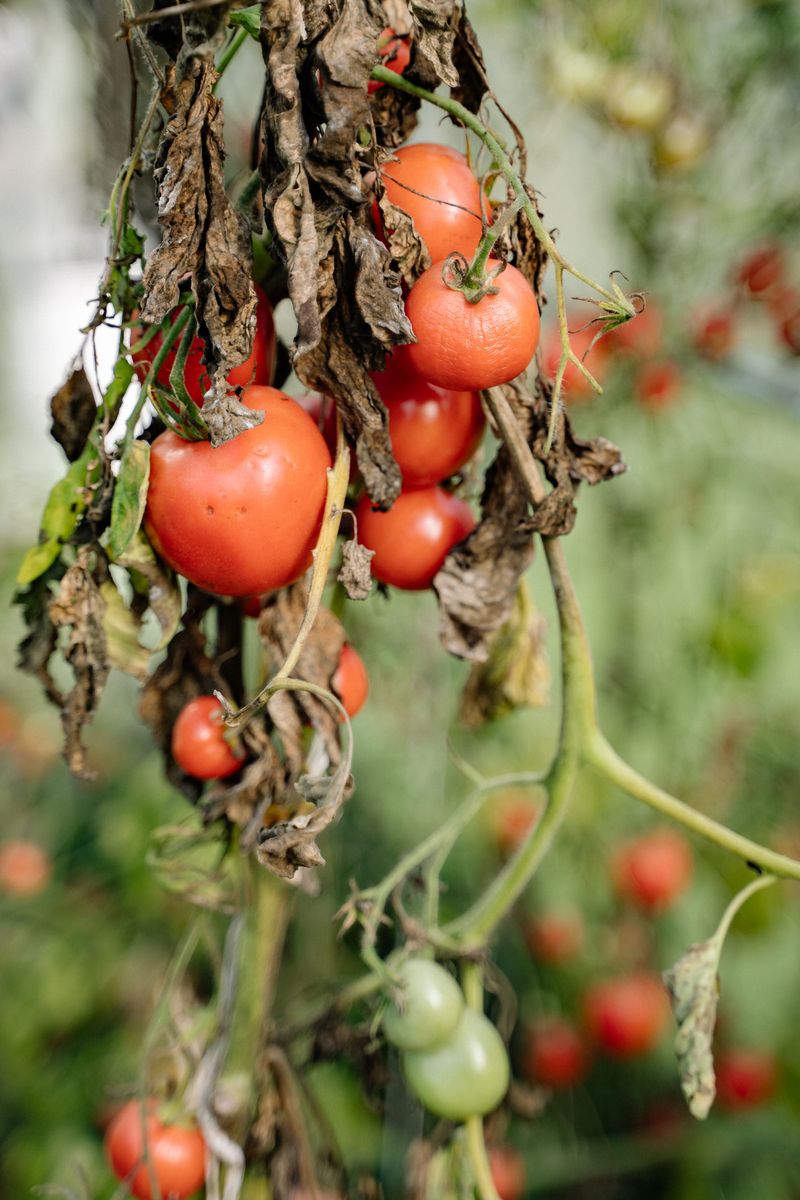
Some leaf curl is not fixable with water or fertilizer. Tomato mosaic virus and tomato yellow leaf curl virus cause distinctive patterns of curling, mottling, and stunted growth that no amount of care can reverse.
Recognizing these symptoms early is critical to saving the rest of your garden. Virus-infected plants look different from heat-stressed or drought-stressed ones.
Look for mottled yellow-and-green patterns on leaves, distorted new growth, and leaves that curl both upward and inward at the same time. These signs together strongly suggest a viral infection.
Aphids, whiteflies, and thrips spread plant viruses from one plant to another within days. A single infected plant left in the ground can become a source that contaminates your entire bed within days.
Removing it promptly protects the rest of your garden. Pull the infected plant out by the roots and bag it immediately in a sealed plastic bag.
Do not compost it, because viruses can survive in compost piles and spread later. Toss the bag in the trash to prevent any further spread.
After removing a sick plant, sanitize any tools you used with a diluted bleach solution. Wash your gloves and hands thoroughly before touching healthy plants nearby.
Viruses can hitch a ride on skin and tools just as easily as on insects. Losing one plant stings, but saving the rest of your garden is always worth it.
Act fast and stay observant throughout the season. Early removal is the best protection you have against a full garden outbreak.
8. Choose Disease-Resistant Tomato Varieties
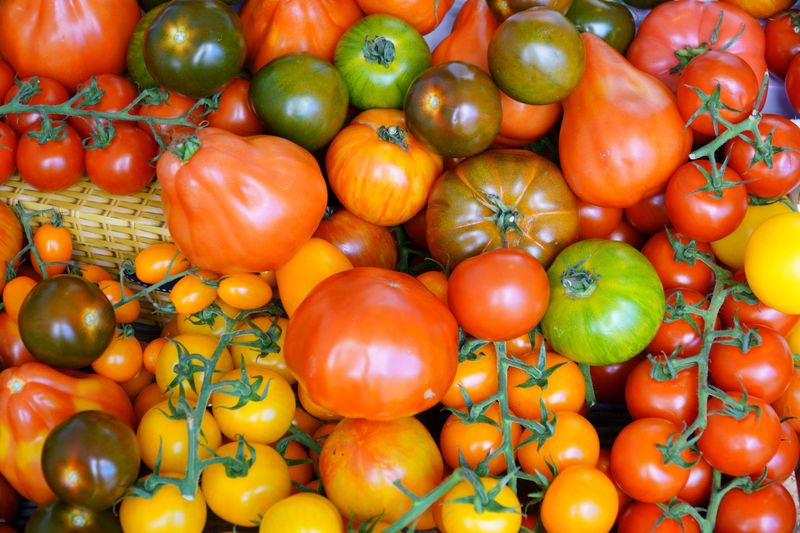
Starting with the right plant makes everything easier. Disease-resistant tomato varieties are bred to shrug off many of the common problems that cause other plants to develop leaf curl.
Choosing them from the start is one of the smartest moves any gardener can make. Look for letters on the plant tag or seed packet when you shop.
Letters like V, F, N, T, and A indicate resistance to specific problems like verticillium wilt, fusarium wilt, nematodes, tobacco mosaic virus, and alternaria.
More letters generally means a tougher, more adaptable plant. Popular disease-resistant varieties that perform well across temperate climates, including Washington, include Celebrity, Defiant, and Mountain Merit.
These types handle temperature swings, wet springs, and humid summers far better than heirloom-only options. They still produce delicious, full-flavored tomatoes worth every bite.
That said, disease resistance does not mean disease-proof. Even resistant varieties benefit from proper watering, good soil, and pest management.
Think of resistance as a safety net, not a substitute for good gardening habits. Heirloom varieties are beautiful and beloved, but they often lack built-in protections against modern disease pressures.
If you grow heirlooms, pair them with resistant varieties nearby to reduce overall garden risk. A mixed planting strategy gives you the best of both worlds.
Saving your Washington tomatoes from leaf curl gets so much easier when you start the season with plants built to handle challenges.
Ask your local nursery which varieties perform best in your specific region. The right choice at planting time pays dividends all the way to harvest.