What North Carolina Knockout Roses Actually Need In Summer To Keep Blooming Through October
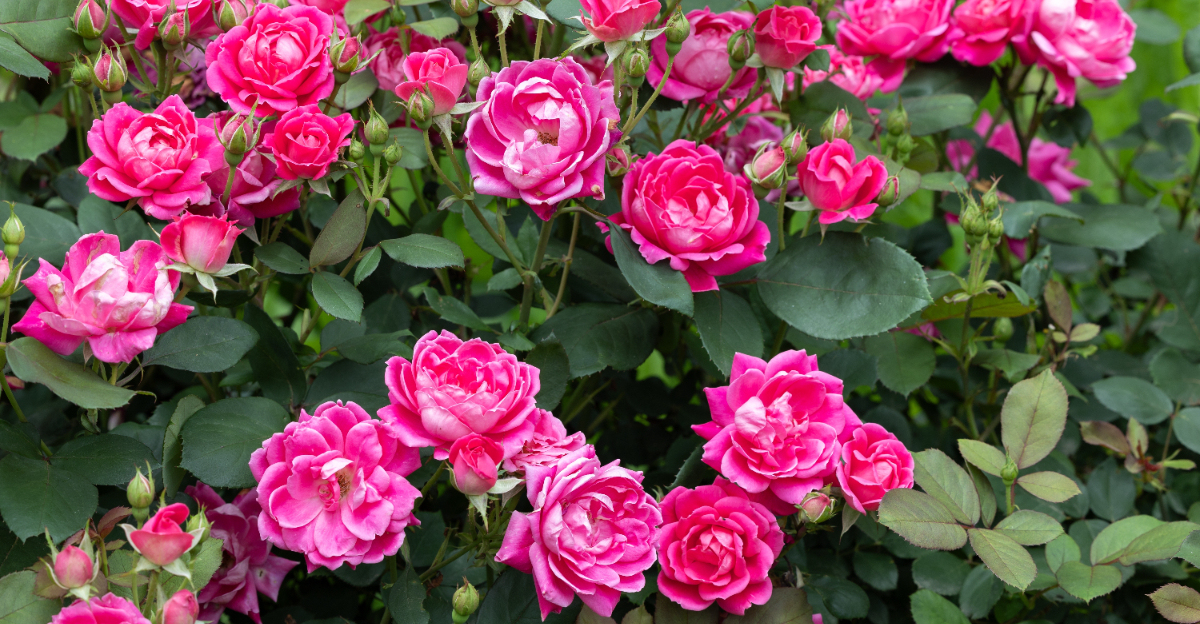
Knockout roses built their reputation on being low maintenance, and in many ways that reputation holds up.
Low maintenance isn’t zero maintenance. Neglecting your roses’ summer needs is why their blooms fail by August.
Heat stress, summer nutrient needs, and early pruning decisions dictate whether your Knock Out roses bloom through October or fade out early.
A few targeted adjustments made during the right windows through summer are all that separates a rose that blooms reliably into fall from one that stops performing well before the season is actually over.
1. They Need Six To Eight Hours Of Sun
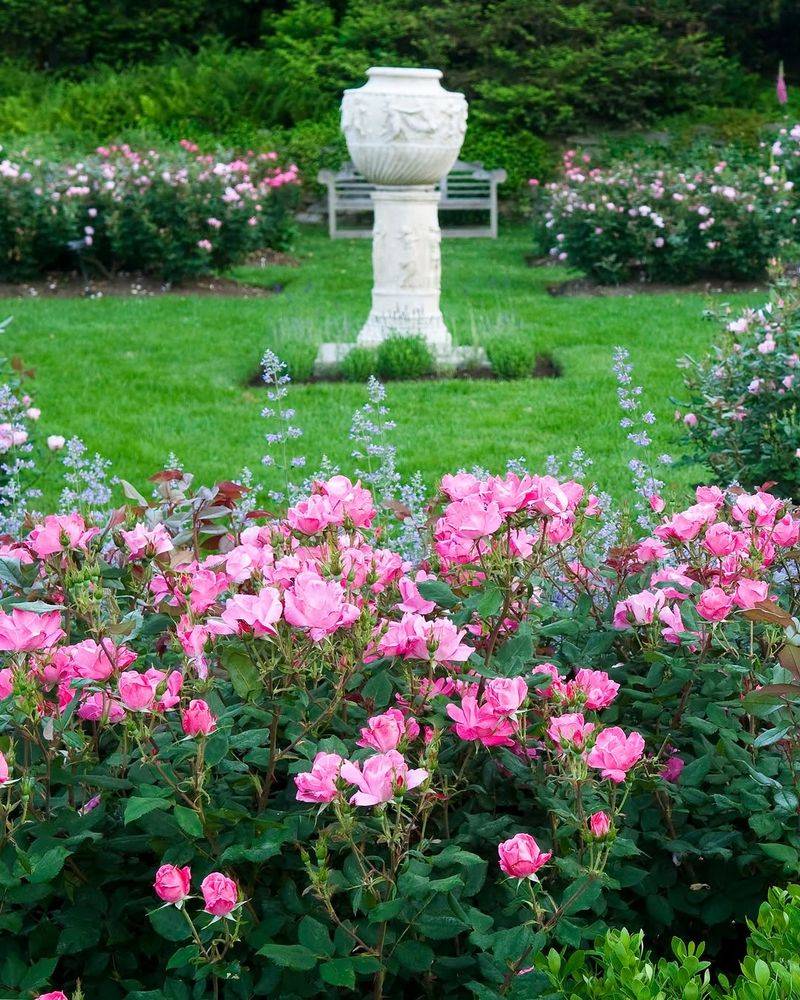
Sunshine is the fuel that drives a Knockout rose to keep producing blooms week after week.
Without enough of it, the plant slows down, puts out fewer flowers, and starts to look a little tired even when everything else is right.
The official guidance for Knockout roses recommends six to eight hours of full sun every single day, and that recommendation exists for a good reason.
North Carolina summers are long and bright, which actually works in your favor if your roses are planted in the right spot.
A south-facing or west-facing bed that gets strong afternoon sun tends to produce the most consistent repeat blooming from June all the way through October.
If your plant sits in a spot that only gets a few hours of morning light before a building or large tree blocks the sun, you will likely notice the difference in bloom count.
Partial shade is not a dealbreaker for Knockout roses. They can survive and even produce some flowers with less than six hours, but the performance will not be the same.
Fewer sun hours usually means fewer blooms, slower bud development, and sometimes weaker stems that flop rather than stand upright.
If your roses are underperforming and you have ruled out watering and feeding issues, the amount of daily sun they receive is worth checking.
Moving a rose to a sunnier location can completely change how it grows and blooms through the rest of the season.
2. They Need Deep Water During Dry Spells
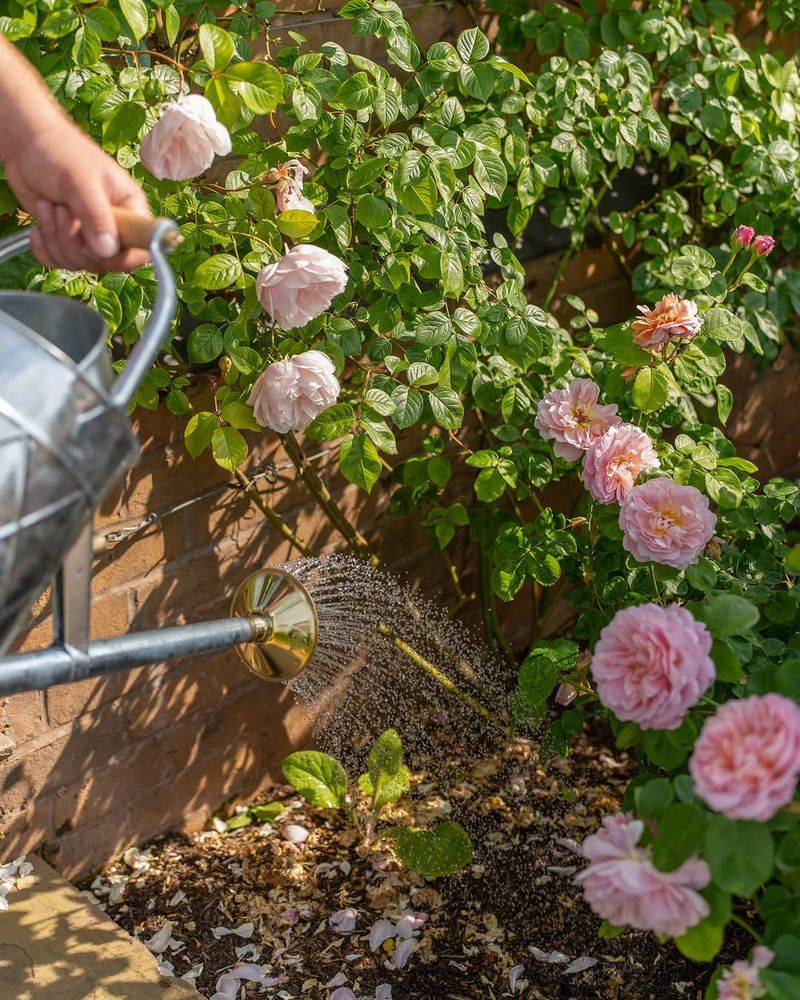
North Carolina summers can flip fast from soaking rain to weeks of dry, baking heat.
During those dry stretches, Knockout roses keep trying to push out new buds, but without steady moisture at the root level, bud development slows and the plant starts to show signs of stress.
A quick splash of water on the surface does not cut it when the soil is dry several inches down.
Deep watering means getting water all the way into the root zone where it actually matters.
For most established Knockout roses, that means watering slowly and thoroughly until the soil is moist at least six to eight inches deep.
Doing this once or twice a week during a dry spell is far more effective than giving the plant a light sprinkle every day.
Deep, less frequent watering also encourages roots to grow downward, which makes the plant more resilient during future dry periods.
Your North Carolina Garden Changes Every Week. Your Plan Should Too.
Gardening in North Carolina changes quickly throughout the season. Every Friday you’ll receive a simple weekly plan showing exactly what to plant, prune, fertilize, harvest, and protect so you never miss the right timing.
One easy way to check if you are watering deeply enough is to push a finger or a wooden dowel into the soil near the base of the plant an hour after watering.
If it comes out dry past the first two inches, you need to water longer or more slowly. A slow trickle from a hose left at the base for fifteen to twenty minutes works well.
Consistent moisture during the hottest months is one of the most reliable ways to keep blooms coming strong through October without stressing the plant.
3. They Need Water Kept Off The Leaves When Possible
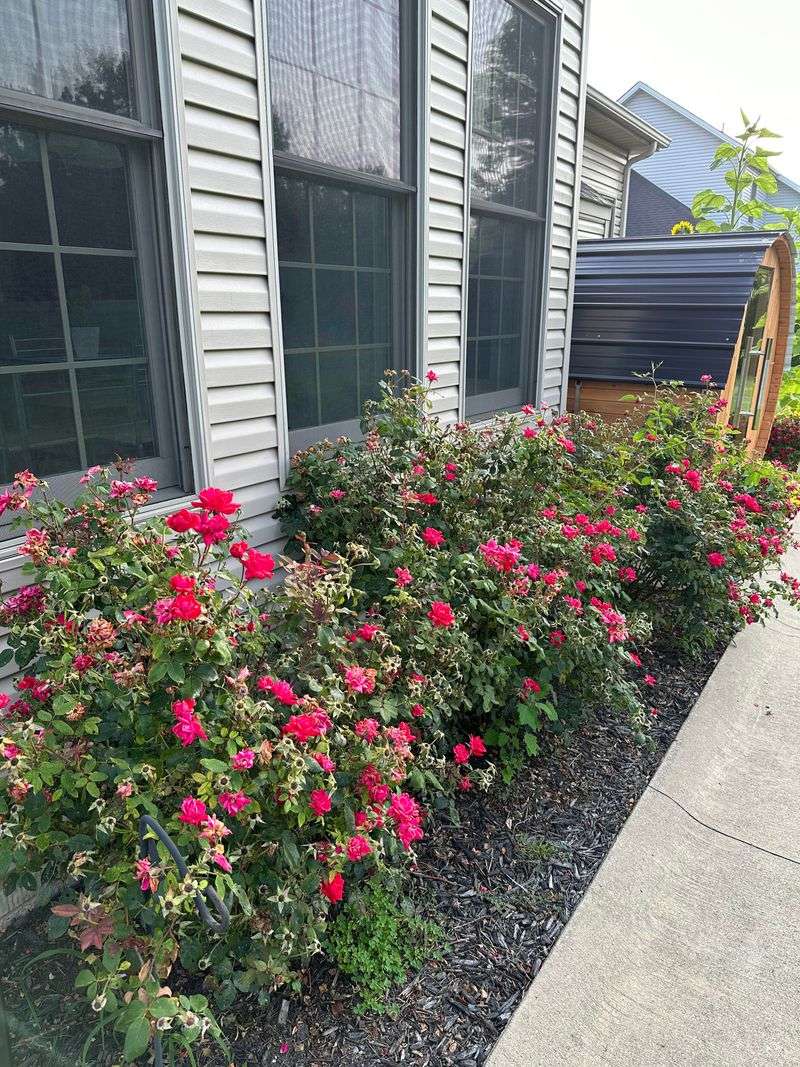
North Carolina summers are notoriously humid, and that humidity already puts rose leaves under pressure.
When you add wet foliage on top of that, the conditions become even more favorable for fungal issues and leaf spotting.
Keeping water off the leaves as much as possible is one of the simplest things you can do to protect your Knockout roses through the hottest months.
Drip irrigation and soaker hoses are the gold standard for watering roses because they deliver moisture directly to the soil without splashing anything on the plant above ground.
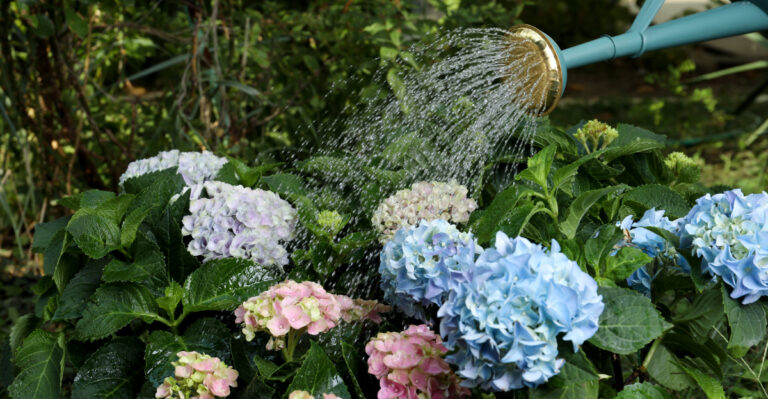
A watering wand with a gentle head is another great option if you are hand-watering, since you can aim the flow carefully at the base of the plant rather than broadcasting it across the whole shrub.
The goal is always to get water into the soil and keep the foliage as dry as possible throughout the day. Timing matters too.
If you do end up getting water on the leaves, watering early in the morning gives the sun a chance to dry things off quickly before the heat of the afternoon sets in.
Watering in the evening is the one habit most experienced gardeners avoid because foliage that stays wet overnight in warm, humid weather is much more vulnerable to problems.
Knockout roses are more disease-resistant than many other rose varieties, but they are not completely immune.
Giving them dry leaves and moist roots is a combination that keeps them healthier and blooming more consistently all summer long.
4. They Need Mulch Over The Root Zone
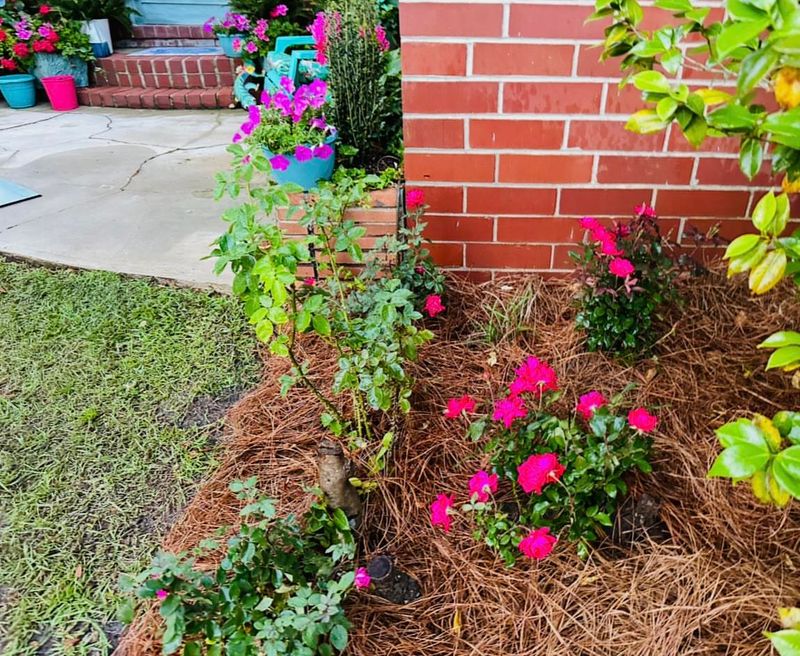
Mulch might be the most underrated tool in a summer rose garden.
A good layer of organic mulch around your Knockout roses does several important jobs at once, and once you apply it, it keeps working for you all season long without any extra effort.
For North Carolina summers where the heat can be relentless and rain unpredictable, mulch is not optional.
It is genuinely one of the best things you can do for your plants. The main benefit is moisture retention.
Bare soil loses water quickly in summer heat, but a two to three inch layer of mulch slows that evaporation down significantly.
That means your watering efforts last longer, the soil stays more consistently moist, and your roses spend less time under drought stress between waterings.
Mulch also keeps the soil temperature more stable, preventing the kind of dramatic heating and cooling that can stress roots and slow bud production.
Weed control is another bonus that gardeners appreciate quickly.
Weeds compete with roses for water and nutrients, and keeping them down with mulch saves you time and keeps your beds looking clean.
Shredded hardwood, pine bark, or pine straw all work well around Knockout roses. The one rule to remember is to keep the mulch away from direct contact with the stems.
Piling mulch against the base of the plant traps moisture against the wood and can cause problems over time.
Pull it back a few inches from the stem and spread it outward over the root zone instead.
5. They Need Good Drainage, Not Soggy Soil
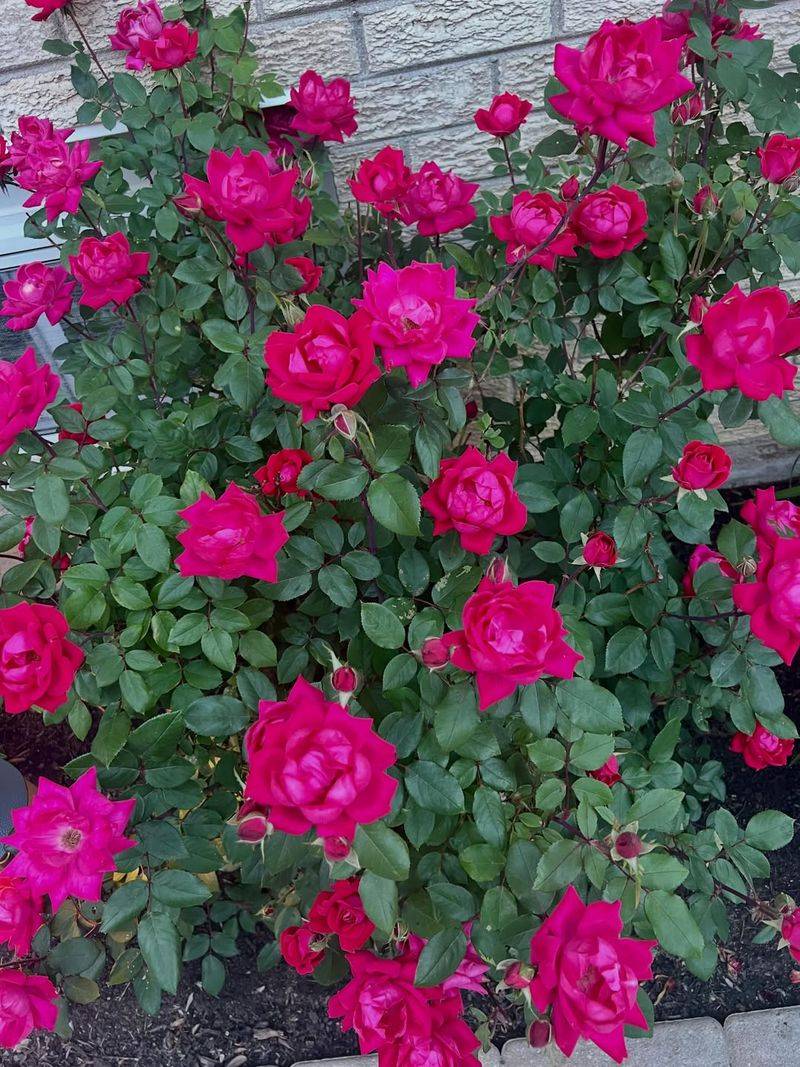
Knockout roses want moisture, but they absolutely do not want to sit in water.
There is an important difference between consistently moist soil and waterlogged soil, and North Carolina gardeners need to understand that distinction because summer storms here can drop a lot of rain in a short time.
Clay-heavy soil, which is common across much of the Piedmont and western regions of the state, holds water longer than sandy or loamy ground, and that can be a problem for roses planted in low spots.
When rose roots stay submerged in soggy conditions for too long, the plant cannot take up oxygen properly and starts to decline.
Leaves may yellow, blooms may slow, and the overall vigor of the plant drops noticeably.
If you notice standing water near your roses after rain that takes more than a day to drain away, that bed likely needs attention before the problem gets worse. There are a few ways to fix a drainage problem.
Working compost or coarse sand into heavy clay soil before planting improves the structure and helps water move through more freely.
Mounding the planting area a few inches higher than the surrounding ground can also help water run away from the root zone instead of pooling around it.
For roses already in a problematic spot, adding a simple French drain nearby or moving the plant to a better-draining location during cooler months are both practical solutions.
Good drainage and consistent moisture working together give Knockout roses exactly the growing conditions they need to bloom reliably all summer.
6. They May Benefit From Careful Summer Feeding
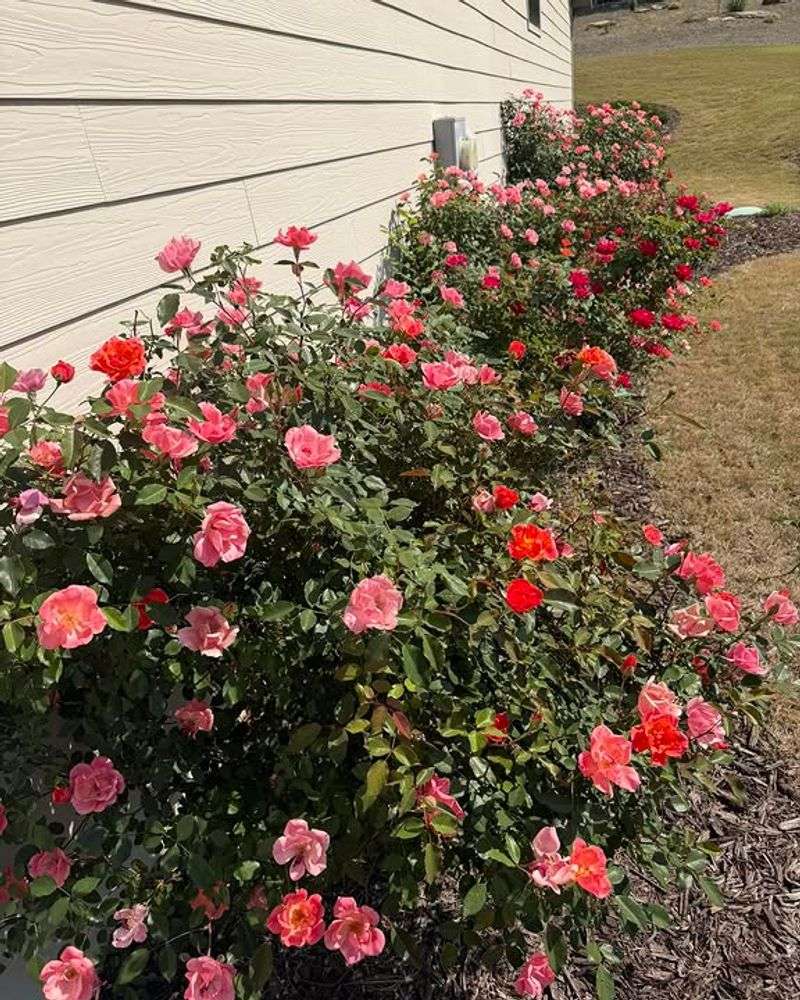
Repeat-blooming roses like Knockouts put real energy into producing multiple rounds of flowers from spring through fall, and a little feeding during the summer can help support that effort.
The key word here is careful. Knockout roses do not need heavy fertilization to perform well, and pushing too much fertilizer at the wrong time can actually cause more problems than it solves.
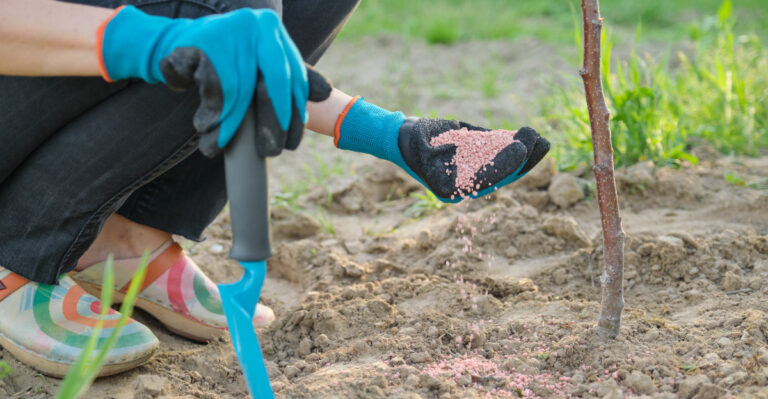
A balanced rose fertilizer or a quality slow-release granular fertilizer applied once during the summer growing season is usually plenty for established plants.
Always read the product label and follow the recommended rates rather than guessing. More fertilizer does not mean more blooms.
It often means a flush of soft, leafy growth that the plant then has to manage on top of its blooming work, which can actually slow down flower production rather than speed it up.
Watering before and after applying fertilizer is a step that experienced gardeners never skip.
Applying granules to dry soil and then watering them in helps the nutrients move down into the root zone where the plant can actually use them.
Skipping the pre-watering step and applying fertilizer to dry soil in hot weather can stress the roots and reduce how well the plant absorbs what you just gave it.
Wait until your Knockout has finished at least one full bloom cycle and is actively growing before feeding it.
A well-timed, appropriately dosed feeding mid-summer can give the plant a gentle boost that helps it push through more bloom cycles before October arrives.
7. They Need Feeding Stopped By Mid To Late August
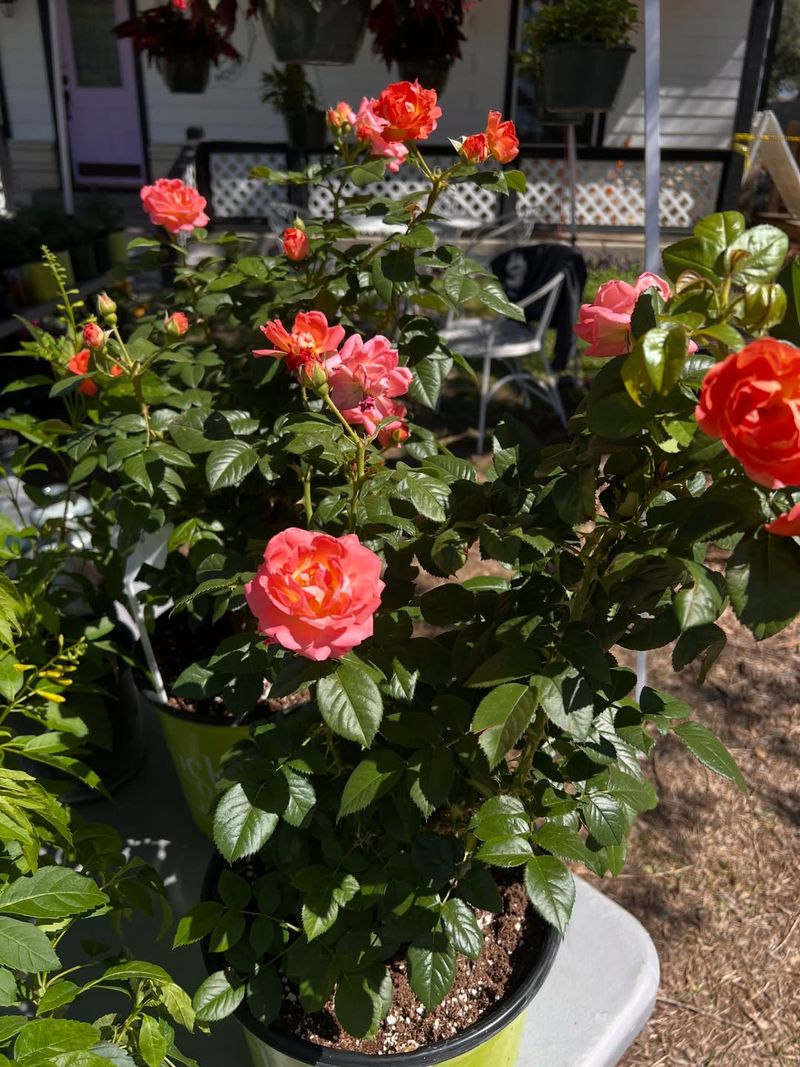
Timing your last summer feeding correctly is just as important as knowing when and how to fertilize in the first place.
North Carolina gardeners sometimes keep pushing their Knockout roses with fertilizer well into late summer, hoping to squeeze out more blooms before the season ends.
That approach can actually backfire. Buncombe County Cooperative Extension recommends stopping fertilizer applications by mid to late August, and the reasoning behind that guidance is solid.
When you fertilize a plant, you are encouraging it to push out new growth.
Late in the season, that new growth is soft and tender, and it has not had enough time to toughen up before cooler temperatures arrive.
Soft new stems and foliage going into fall can be more vulnerable to temperature swings, which is the opposite of what you want as the season changes.
Letting the plant shift naturally toward cooler weather on its own schedule keeps it in better overall condition.
Stopping fertilizer in mid to late August does not mean your roses will stop blooming.
Knockout roses are naturally programmed to keep producing flowers through the fall as long as the weather cooperates, and North Carolina typically offers warm enough conditions for good October blooms without any extra pushing.
The plant just needs to be allowed to manage its own energy during that late-season stretch.
Trusting the plant and pulling back on feeding at the right time is one of those gardening habits that feels counterintuitive at first but consistently produces better results by the time fall color peaks.
8. They Need Light Shaping And Spent Bloom Cleanup
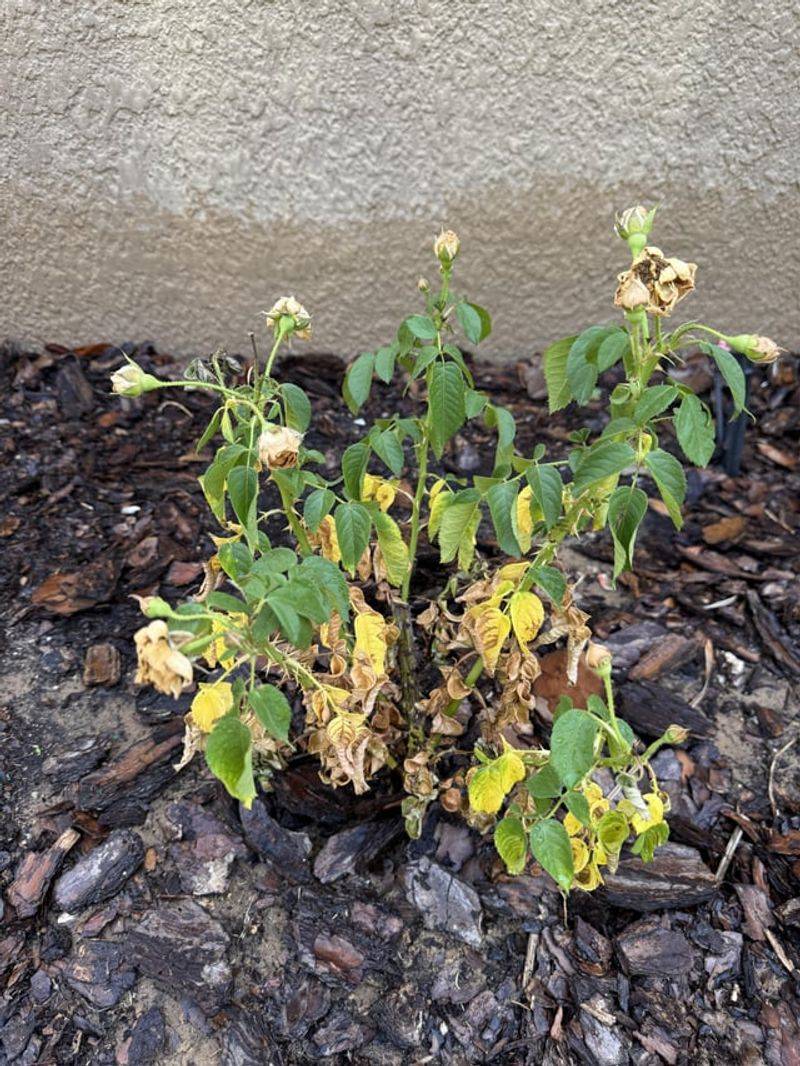
One of the most appealing things about Knockout roses is that they are largely self-cleaning, meaning spent blooms drop away on their own without you having to clip every single flower after it fades.
That self-cleaning quality is a genuine time-saver, especially during a busy summer.
Even so, a little light attention here and there can keep the shrub looking its best and help it channel energy more efficiently into the next round of buds.
Light shaping during summer means trimming back any stems that are crossing awkwardly, sticking out in odd directions, or making the shrub look uneven.
Removing spent flower clusters that have not dropped cleanly on their own also tidies things up and can give the plant a small visual refresh. These are gentle, tidy cuts, not a hard pruning session.
Heavy pruning is reserved for late winter or very early spring when the plant is coming out of its dormant period and ready to push vigorous new growth.
Good airflow through the interior of the shrub matters during humid North Carolina summers.
Thinning out a few crowded inner stems occasionally helps air move through the plant more freely, which keeps foliage drier and healthier.
Pairing that light shaping with consistent watering, a fresh layer of mulch, and appropriate mid-summer feeding gives your Knockout roses everything they need to stay attractive and productive.
Steady, thoughtful care spread across the whole season beats any single dramatic intervention and keeps the blooms coming right up until the first frost taps the brakes in late October.