The One Thing California Lavender Needs In July To Keep From Turning Woody
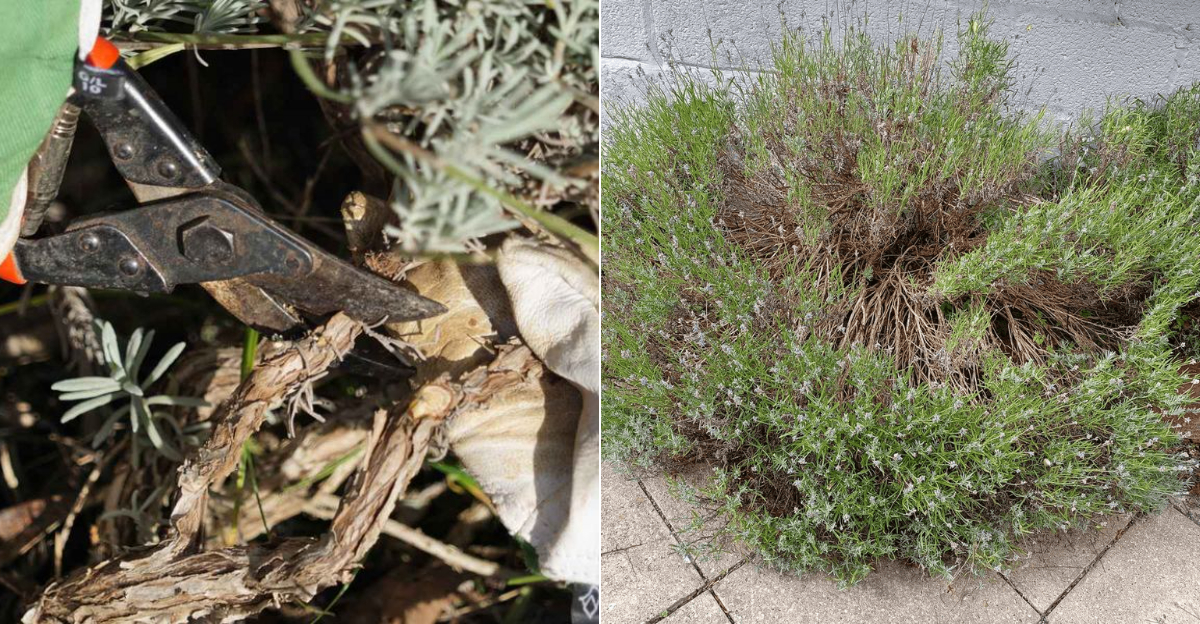
July can be a turning point for lavender across California. Early summer flowers may still look pretty, but many plants are already starting to shift.
The soft, fragrant stems that looked fresh in spring can become bare, woody, and open in the center if they are ignored for too long.
That change often happens slowly, so it is easy to miss until the plant looks tired and uneven. The one simple job that helps most is a careful July trim. Not a harsh cut.
Not a deep chop into old wood. Just a clean, well-timed shaping that removes finished flowers and keeps green growth active.
Warm inland gardens, dry slopes, coastal beds, and patio pots can all benefit from this summer care. In Northern regions, timing may run a little later because bloom can stretch into the month.
In hotter areas, flower stems may finish sooner and need attention earlier in July. A light trim keeps the plant neat, compact, and ready to hold its shape.
It also helps prevent long, floppy stems from pulling the plant apart. With the right cuts, lavender can stay fuller, fresher, and much easier to manage through the rest of summer.
A July Trim Keeps Lavender From Turning Woody
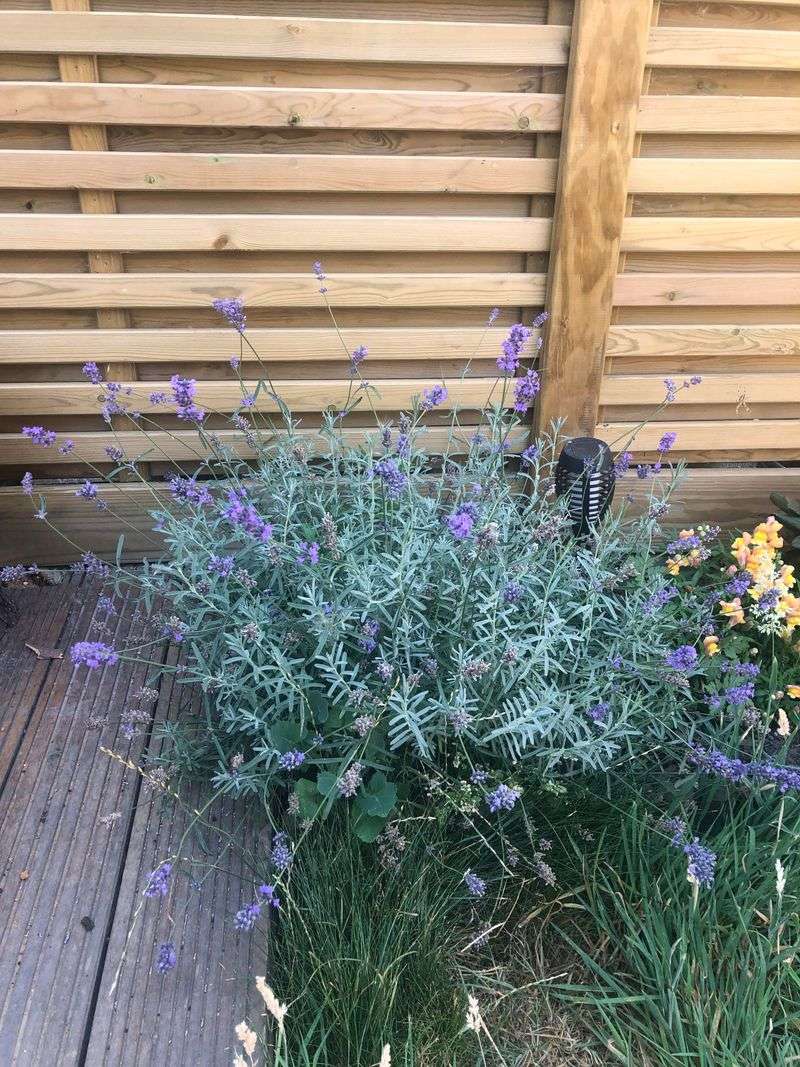
By the middle of summer, a small trim can make a big difference. The plant has already used plenty of energy to make flower spikes.
Once those flowers fade, the stems can sit there and grow dry, rough, and stretched. A July trim removes that finished growth before it weakens the shape.
It also tells the plant to keep making fresh side growth instead of putting all its energy into old stems. In warmer parts of California, this timing is especially useful because the growing season can keep moving after the first bloom.
A light cut helps the plant stay compact while there is still enough warmth for recovery. Aim to remove the spent flower stems and a small amount of soft leafy growth.
Keep the cuts gentle and even. The goal is a tidy plant with a natural mound, not a flat top or bare sticks.
Avoid cutting deep into the gray, woody base. Old wood is slow to respond, and some branches may not make new shoots from bare sections.
Use the July trim as a maintenance habit, not a rescue job. A few careful minutes now can help keep the plant from becoming open, leggy, and hard to shape later.
Spent Flower Stems Should Not Sit All Summer
After the first big bloom fades, many gardeners leave the stems because they still look decorative. That can be fine for a short time, especially if bees are still visiting.
Yet leaving spent flower stems all summer can make the plant look rough and tired. Old spikes pull attention away from the neat silver-green foliage.
They can also bend outward and make the center look open. In windy areas, long dry stems may tug at the plant and loosen its rounded shape.
Your California Garden Changes Every Week. Your Plan Should Too.
Gardening in California changes quickly throughout the season. Every Friday you’ll receive a simple weekly plan showing exactly what to plant, prune, fertilize, harvest, and protect so you never miss the right timing.
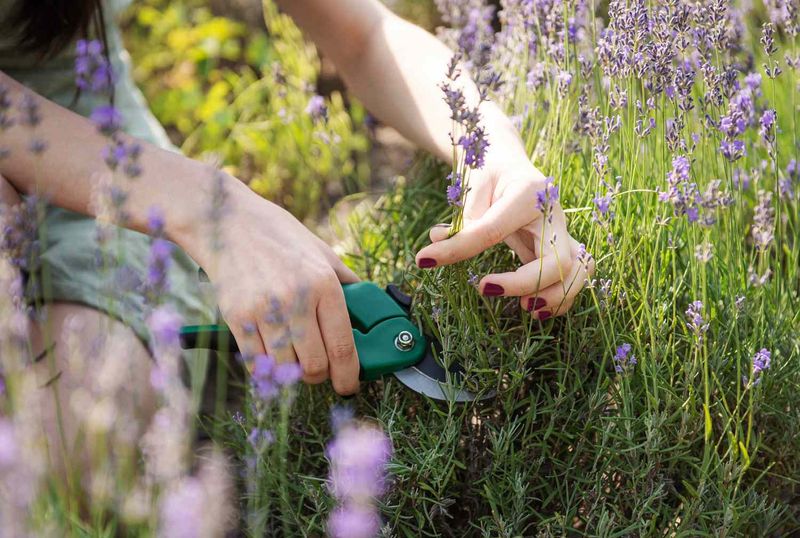
Cutting them away in July keeps the plant cleaner and more balanced. Start by checking the flowers closely.
If most blooms on a stem have lost color and feel dry, that stem is ready to remove. Clip it down near the leafy part of the plant.
Do not leave tall bare stalks behind, since they can make the plant look messy again within days. If a few fresh flowers remain, you can leave those stems a little longer.
A staggered trim works well when bloom is uneven. California gardeners in cooler coastal zones may need to trim in stages because flowers can last longer there.
The main idea is simple. Finished stems should not become part of the plant’s summer structure.
Cut Above The Woody Stems, Not Into Them
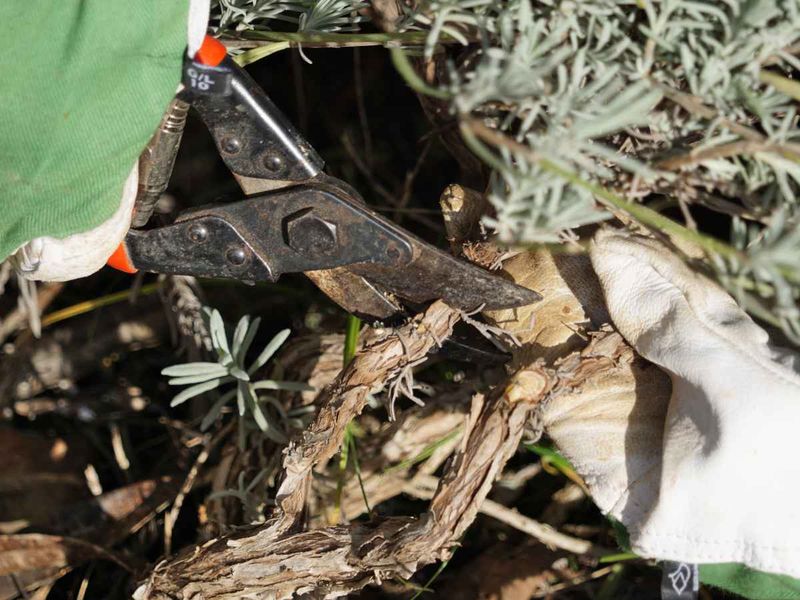
A smart California summer cut depends on knowing where to stop. The lower part of an older plant often has firm, brown, woody stems.
Those stems give the plant support, but they do not always push new leafy growth after a hard cut. For that reason, keep shears above the woody base.
Look for the zone where gray-green leaves are still growing on soft stems. That is the safe cutting area.
Remove the flower stalks and lightly shape the leafy tips. Do not chase the cut down into bare wood just to make the plant smaller.
That mistake can leave holes that are hard to fill. If the plant is too large, reduce it over time instead of forcing it back in one day.
A good rule is to leave visible green growth below every cut. The plant needs those leaves to gather energy and make new shoots.
When in doubt, cut less. You can always return with another light trim a week or two later.
Cutting above the woody stems also keeps the natural outline softer. The plant should look refreshed, not stripped.
This careful approach is especially important for older shrubs in dry inland beds, where recovery can be slower during hot weather.
Leave Green Growth So The Plant Can Regrow
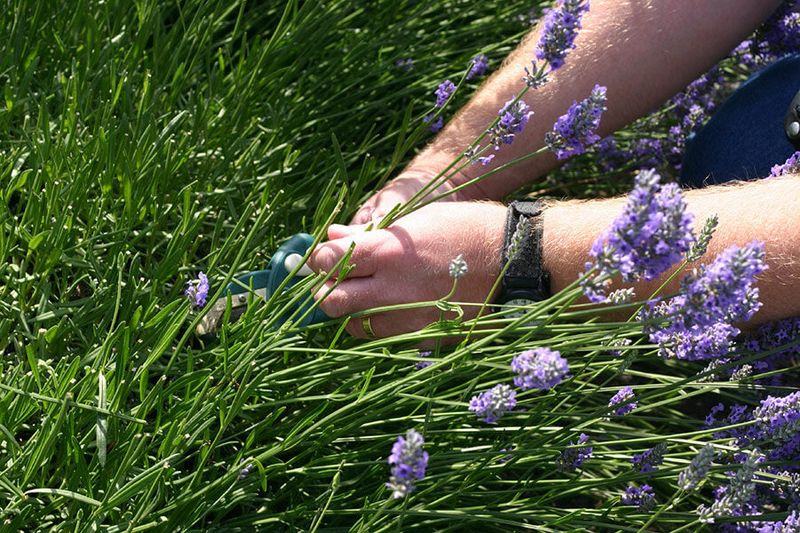
Every useful trim leaves the plant with enough green growth to bounce back. Leaves are not just decoration.
They help the plant make energy and support fresh branching. If too much green growth is removed, the plant may sit still and look thin for a long time.
A July trim should reduce spent blooms and lightly shape the plant, while keeping a healthy layer of foliage in place. Before cutting, part the stems with your hand and look at the base.
You will often see woody branches below and softer leafy stems above. The leafy area is where your cuts belong.
Leave several inches of green growth across the plant. On a young plant, be even more gentle.
Young roots and stems are still building strength, so a light deadheading is often enough. For mature plants, you can shape more clearly, but the same rule applies.
Green growth must remain below the cut. Hot afternoons are not ideal for heavy trimming.
Work in the morning or on a milder day when the plant is less stressed. After pruning, skip heavy feeding.
Rich fertilizer can push soft growth that looks lush but does not hold the compact form as well. Simple, careful trimming is the better July tool.
Shape Lavender Into A Rounded Mound
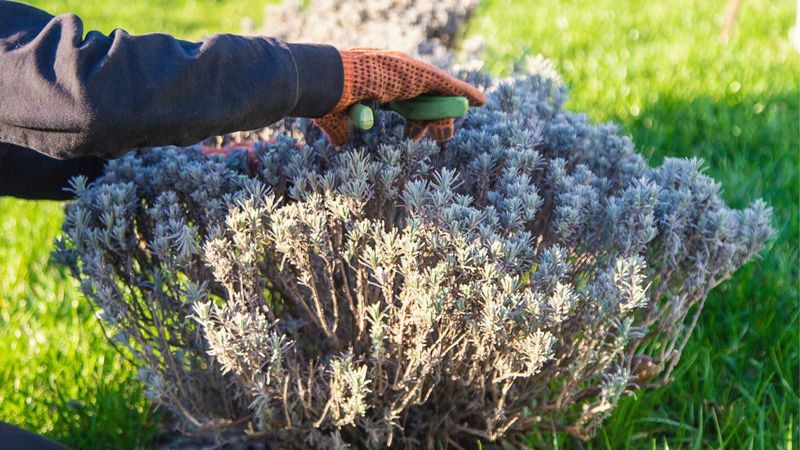
For the best look, think of shaping the plant like a soft dome. A rounded mound sheds wind better, looks fuller, and keeps the center from opening up.
Start at the top and lightly shorten spent stems. Then move around the sides, following the natural curve of the plant.
Avoid cutting one side much lower than the other. Step back often and check the outline from different angles.
A plant near a walkway or patio should look even from the side people see most. In garden beds, several plants shaped into rounded mounds can create a clean, repeated pattern.
That is one reason July trimming matters so much in formal and cottage-style gardens. The shape affects the whole bed, not just one shrub.
Do not trim the plant into a sharp box. Square cuts can leave corners that turn bare and woody faster.
A soft mound allows light to reach more of the leafy surface. Better light can encourage denser growth.
Use small cuts rather than one big slice across the top. Small cuts give you more control and reduce mistakes.
If the plant has long stems leaning outward, shorten those first. Then blend the rest. A calm, rounded shape helps the plant stay compact through late summer.
Deadheading Helps Keep The Plant Compact
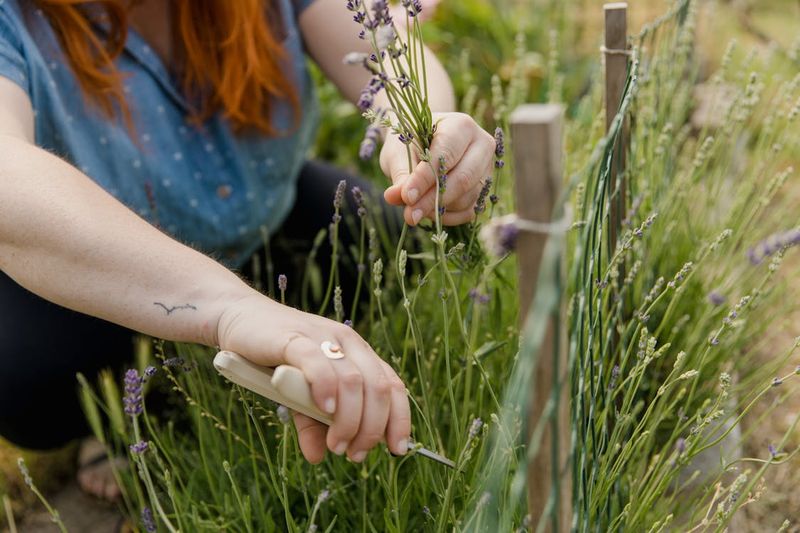
Once flowers fade, deadheading becomes one of the easiest ways to manage size. It removes spent bloom stems before they harden and stretch the plant outward.
It also keeps the plant focused on tidy growth instead of seed production. In July, deadheading can be done with hand pruners or sharp garden shears.
For a few plants, snip each stem where it meets the leafy growth. For a larger planting, gather a small handful of stems and cut them evenly above the leaves.
Work slowly until you know the plant’s shape. The cut should clean up the flowers and lightly tip the foliage.
Do not remove a large amount of leafy growth unless the plant has plenty to spare. Deadheading also helps with air movement.
When old stems are cleared away, the plant looks less crowded and more open to light. That can help reduce the messy, flattened look that appears after bloom.
In coastal California gardens, deadheading may need to happen more than once because flowers can fade at different speeds. In hotter inland spots, many stems may finish around the same time.
Keep a small bucket nearby so trimmings are easy to collect. A neat plant is easier to inspect, water, and maintain.
Sharp Shears Make Cleaner Summer Cuts
A clean cut helps the plant recover more smoothly after pruning. Dull tools crush stems instead of slicing them.
Crushed tips can look ragged and may dry unevenly in hot weather. Sharp shears make the job faster, cleaner, and less stressful for both the gardener and the plant.
Before trimming in July, wipe the blades and check the edge. If the tool struggles through thin stems, sharpen it before starting.
Bypass pruners work well for single stems. Hedge shears can help shape a large mound, but they should be sharp and easy to control.
Avoid using heavy tools that remove too much at once. Small, precise cuts are safer for older plants with woody bases.
Clean the blades between plants if one looks weak or unhealthy. A quick wipe with rubbing alcohol can help keep tools tidy.
Comfortable handles matter too, especially when trimming several plants in a row. Tired hands often lead to rushed cuts, and rushed cuts can take off more than planned.
Keep your free hand away from the blades and work from the outside inward. After trimming, collect cut stems from the crown.
Leaving a thick pile of clippings on the plant can trap moisture and make the center look messy.
Overgrown Lavender Needs Gradual Pruning
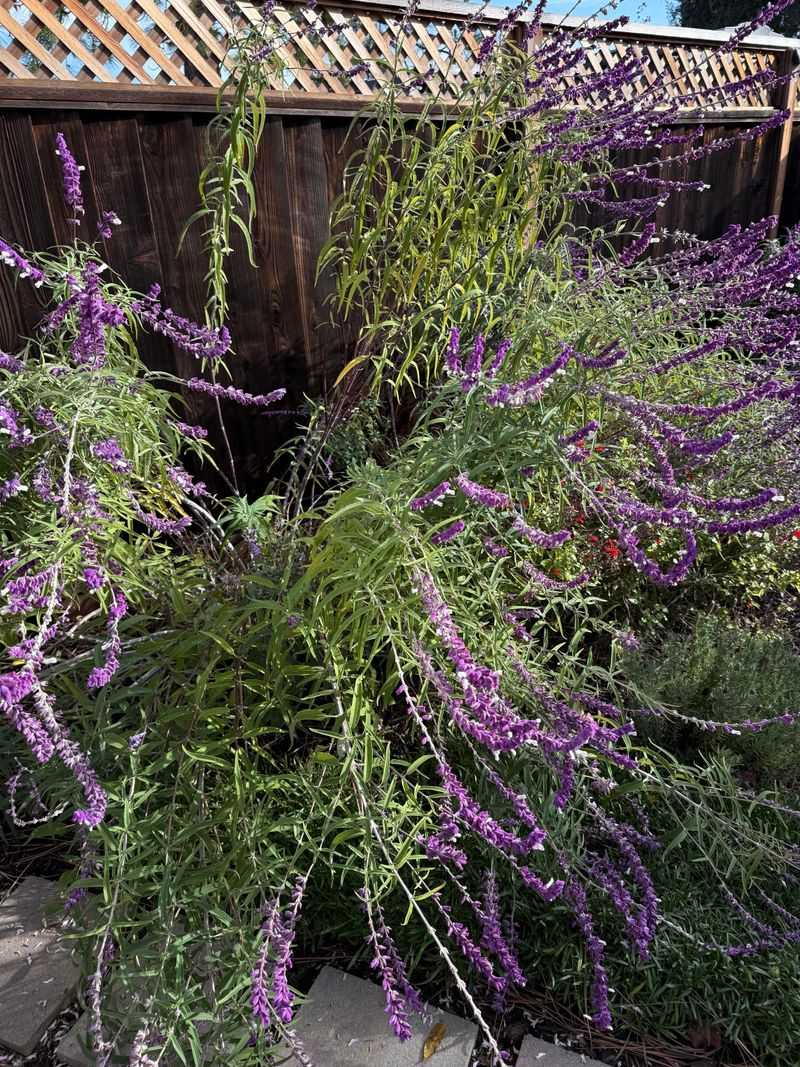
An overgrown plant can tempt even careful gardeners to cut hard. Long woody branches, bare centers, and floppy sides make a quick fix look appealing.
Still, gradual pruning is the safer choice. Older plants respond best when they are shaped over time.
In July, start by removing spent flower stems and only the soft leafy tips. Then study the plant’s structure.
Look for branches that still have green growth along the stem. Those can be shortened lightly.
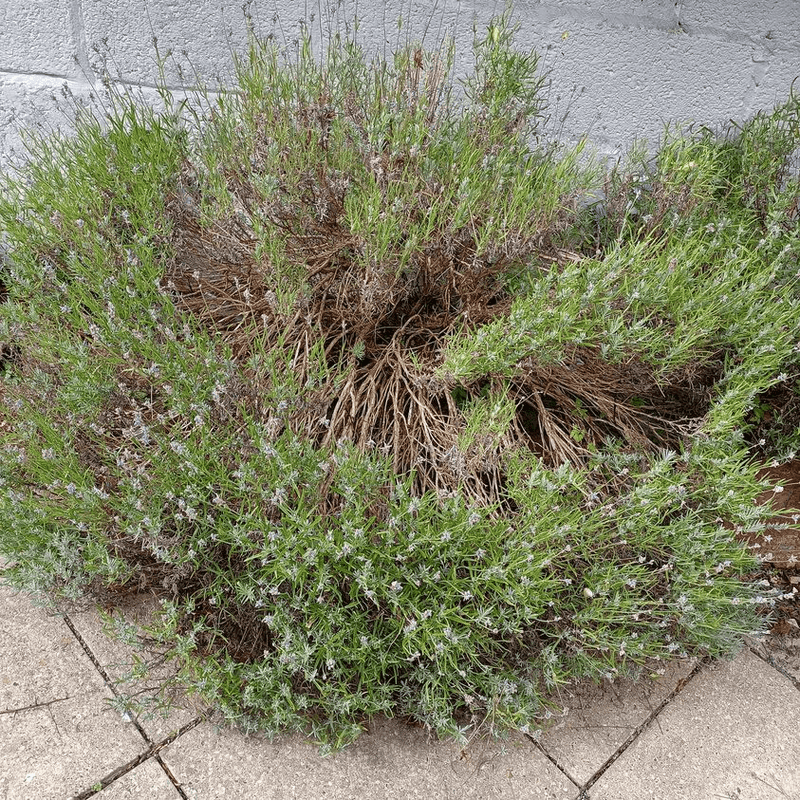
Bare woody branches should not be cut back hard in summer. If the plant is very open, plan on improving the shape across more than one season.
A light July trim can tidy it now. A more careful shaping after the next bloom cycle can continue the work.
Some very old plants may never return to a perfect mound, but they can still look better with steady care. You can also take cuttings from healthy green shoots if you want new plants for future replacements.
That is often smarter than forcing an old shrub into a shape it cannot support. Add good spacing, full sun, and well-drained soil to the plan.
Pruning helps, but growing conditions decide how compact the plant can stay.
Do Not Hack Back Old Woody Lavender
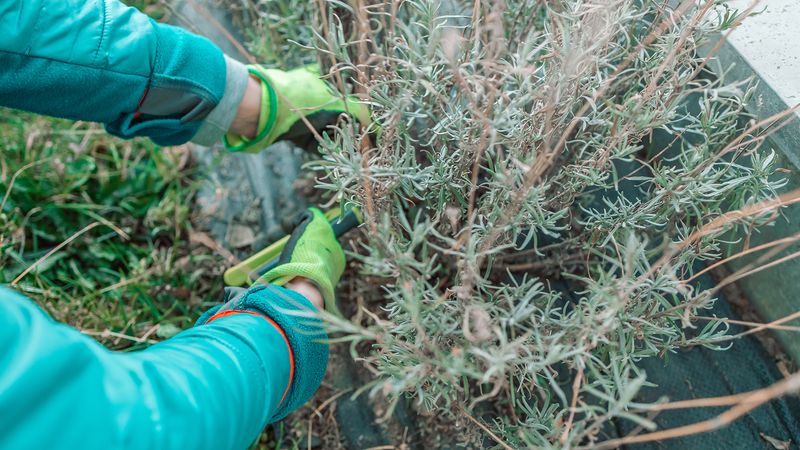
When a plant looks woody, the worst response is often the most dramatic one. Cutting deep into old bare stems can leave the plant uneven and slow to regrow.
Some branches may stay bare, and the whole shrub can look worse than before. A better July plan is careful editing.
Remove the old flower stalks first. Then lightly shape only where green growth remains.
If the plant still looks too woody, accept that the repair will take time. It may need gradual pruning, better spacing, or eventual replacement with a younger plant.
That is normal for lavender, especially after years of growth in hot, dry beds. Avoid turning the job into a severe haircut.
The plant should still have a leafy shell when you finish. A gentle trim also protects the natural form that makes lavender so useful in borders, herb gardens, and pollinator spaces.
In pots, the same advice applies. Do not cut into old wood just because the container plant has become leggy.
Instead, trim the green tips, improve light, and check drainage. A harsh cut can create more problems than it solves.
July pruning should refresh the plant, not punish it. With patience, small cuts can do far more than one rough chop.