The One Thing You Must Do To North Carolina Loropetalum Before July Or It Will Look Bare All Summer
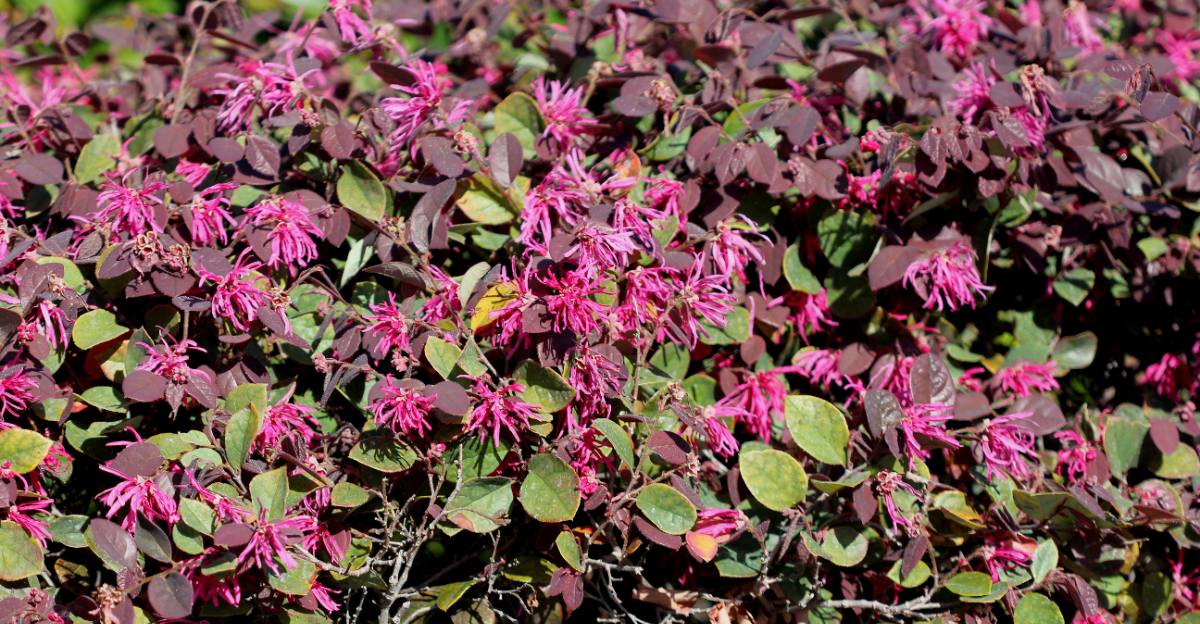
Loropetalum is one of the most visually striking shrubs in the North Carolina landscape, with burgundy foliage and vivid blooms that earn it a prominent spot in borders and foundation plantings across the state.
What a lot of gardeners discover the hard way is that this shrub has a specific pre-July need that directly determines how full and attractive it looks through the hottest months of the growing season.
Miss the window and the result is a leggy, sparse appearance that no amount of watering or fertilizing through summer can correct until the following season.
The task itself is straightforward and takes very little time, but timing is everything, and understanding why July is the cutoff point makes it much easier to prioritize getting it done while the window is still open.
1. Loropetalum Needs Timing More Than Heavy Cutting
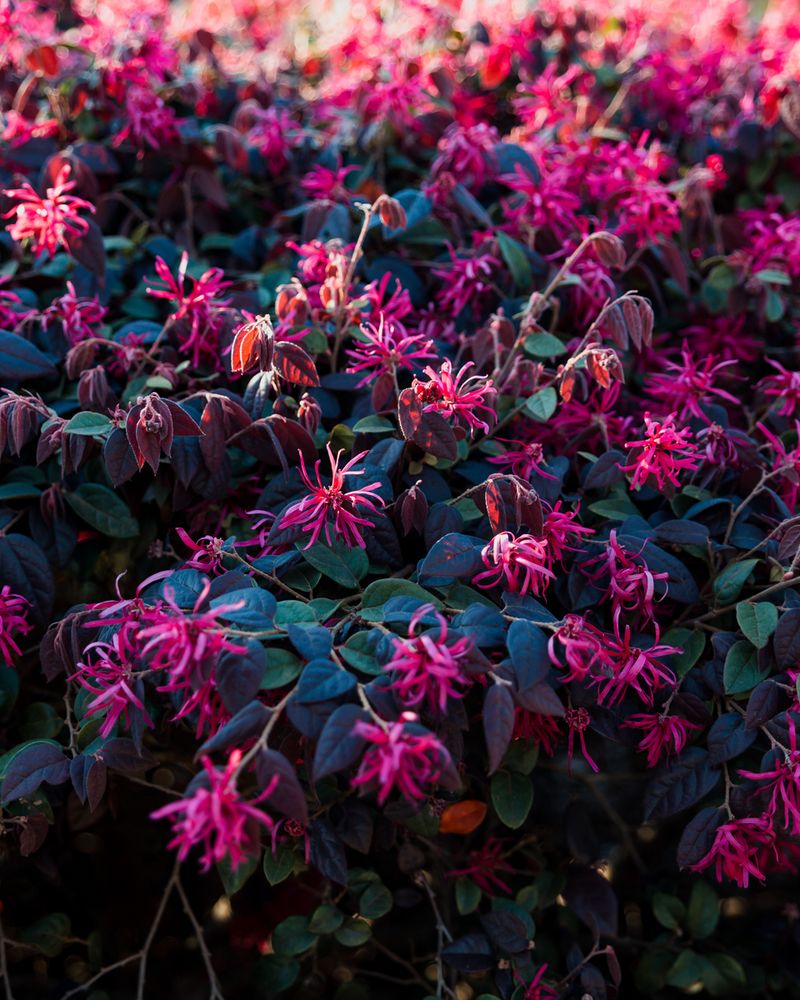
Most people reach for the hedge trimmer the moment their loropetalum starts looking unruly. That instinct is understandable, but it is usually the wrong move.
What this shrub needs most is not aggressive cutting. It needs the right timing and a careful, light touch.
North Carolina loropetalum naturally puts on a gorgeous show of pink or white flowers in spring. Once those blooms fade, the plant shifts its energy toward pushing out fresh leafy growth.
That window right after flowering is your best opportunity to guide the shape of the shrub before it locks in its summer structure.
Heavy shearing at the wrong time can strip the outer shell of leaves and leave the interior looking hollow and bare. The goal before July is not to reshape the entire plant from scratch.
It is to nudge it gently back into a natural, rounded form that allows sunlight to reach every part of the shrub.
Think of it like a light haircut rather than a full makeover. Removing a few long, awkward stems and cleaning up the silhouette takes maybe twenty minutes, but the payoff lasts all summer.
A loropetalum shaped with care and timing will stay full, layered, and healthy looking without needing constant attention through July, August, and beyond.
Gardeners who skip this step often wonder why their shrub looks thin and patchy by midsummer. The answer almost always comes back to timing and technique rather than any problem with the plant itself.
2. Prune Right After The Spring Flowers Finish
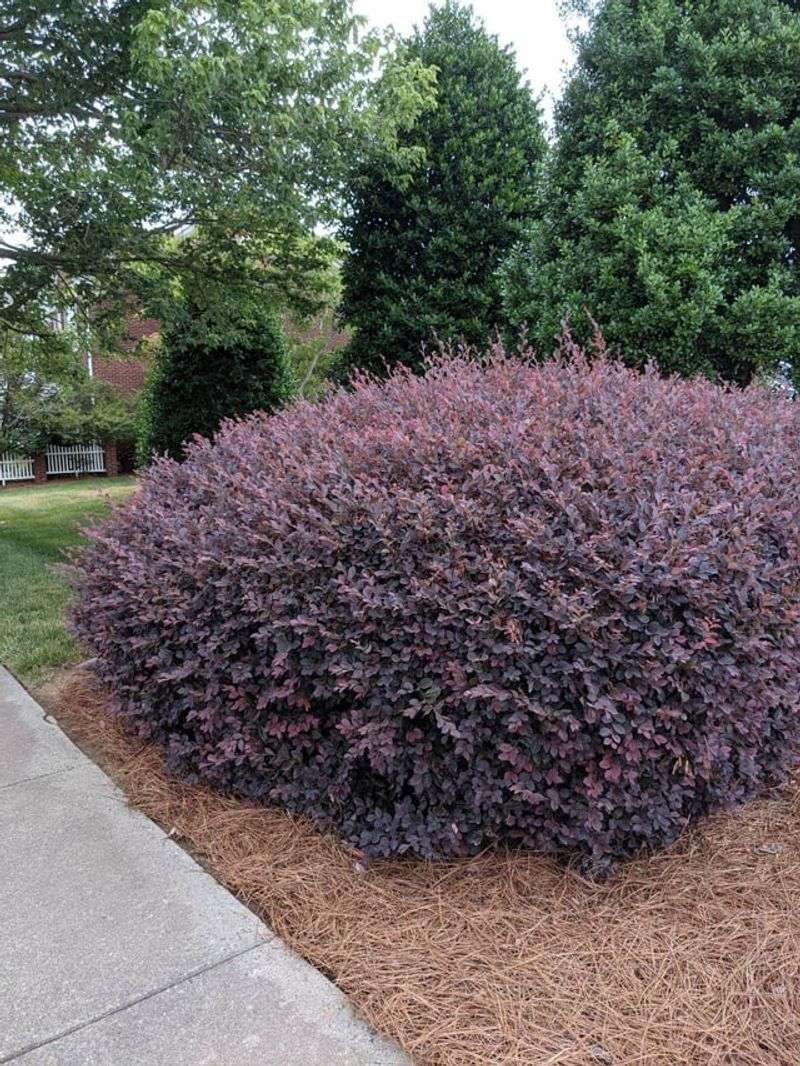
Loropetalum blooms in early to mid spring across most of North Carolina, putting on a vivid display of fringe-like flowers in shades of deep pink, white, or magenta. Once those flowers start to drop and the show is clearly over, that is your signal to act.
Waiting even a few weeks too long can push you past the ideal window.
Pruning right after bloom serves two important purposes. First, you are shaping the shrub while it still has time to push out several weeks of fresh new growth before summer heat sets in.
Second, you are not cutting off next year’s flower buds, which begin forming on new wood shortly after the spring bloom ends.
Your North Carolina Garden Changes Every Week. Your Plan Should Too.
Gardening in North Carolina changes quickly throughout the season. Every Friday you’ll receive a simple weekly plan showing exactly what to plant, prune, fertilize, harvest, and protect so you never miss the right timing.
In North Carolina foundation plantings and garden borders, loropetalum often grows fast enough that one missed pruning season leads to noticeably leggy stems and a thinning interior by midsummer.
Catching it early keeps the plant manageable and naturally full without requiring repeated cuts throughout the season.
For hedges along fences or driveways, the same rule applies. Shape the outer line lightly, but always make sure you are cutting back into leafy wood rather than bare stem.
Bare stem cuts on loropetalum can be slow to push new growth and often leave visible gaps in the shrub’s surface.
The post-bloom window usually falls somewhere between late March and mid-May depending on your location in the state. Mark it on your calendar so it never sneaks past you again.
3. Do The Work Before July 10

North Carolina Cooperative Extension and most experienced regional gardeners agree on one clear guideline: spring-flowering shrubs like loropetalum should not be pruned after July 10.
That date acts as a practical cutoff, and it exists for a good reason rooted in how the plant grows.
After the first week of July, loropetalum begins setting the buds that will become next spring’s flowers.
Any pruning done after that point risks removing those developing buds, which means you could end up with a shrub that looks bare in spring too, not just in summer. Missing the window costs you twice.
Finishing your shaping before July 10 gives the shrub a solid six to ten weeks to push out new leafy growth after you make your cuts. That fresh growth is what fills in the shrub’s surface and keeps it looking lush and layered through the hottest part of the year.
Without that recovery time, the shrub sits stalled and sparse. The July 10 guideline also matters for North Carolina’s climate specifically. Summers here are hot, humid, and long.
A loropetalum that gets pruned in late July or August is being asked to recover during the most stressful time of year, which slows regrowth and can leave it looking thin well into fall.
Put it simply: prune after bloom, finish before July 10, and your loropetalum will have everything it needs to stay full and attractive all summer without any extra intervention from you.
4. Shorten Long Whips Back Into Leafy Growth

One of the most common complaints about loropetalum is that it suddenly sends out these long, bare stems that shoot past the rest of the shrub and make the whole plant look uneven and wild.
Those are called whips, and they are completely normal. The good news is they are also easy to fix with the right approach.
Rather than cutting every stem to the same length the way you would with a hedge trimmer, follow each long whip back down into the shrub until you find a healthy side branch with leaves on it. Make your cut just above that leafy junction.
This technique, called a natural cut or reduction cut, keeps the plant looking soft and organic rather than flat and boxy.
When you cut back to a leafy side branch, that branch takes over as the new growing tip. The shrub fills in from that point forward, which means the area that looked bare and gappy will gradually become covered with fresh leafy growth over the following weeks.
It is a simple fix that makes a dramatic difference. Loropetalum whips are especially common on fast-growing varieties like Plum Delight or Zhuzhou Fuchsia, both of which are popular throughout North Carolina.
These larger cultivars can push two to three feet of new growth in a single season, so checking for wayward stems once a year after bloom is all it takes to keep them in line.
Take your time with this step. Rushing leads to over-cutting, and over-cutting leads to that bare-inside look everyone wants to avoid.
5. Thin A Few Crowded Interior Stems
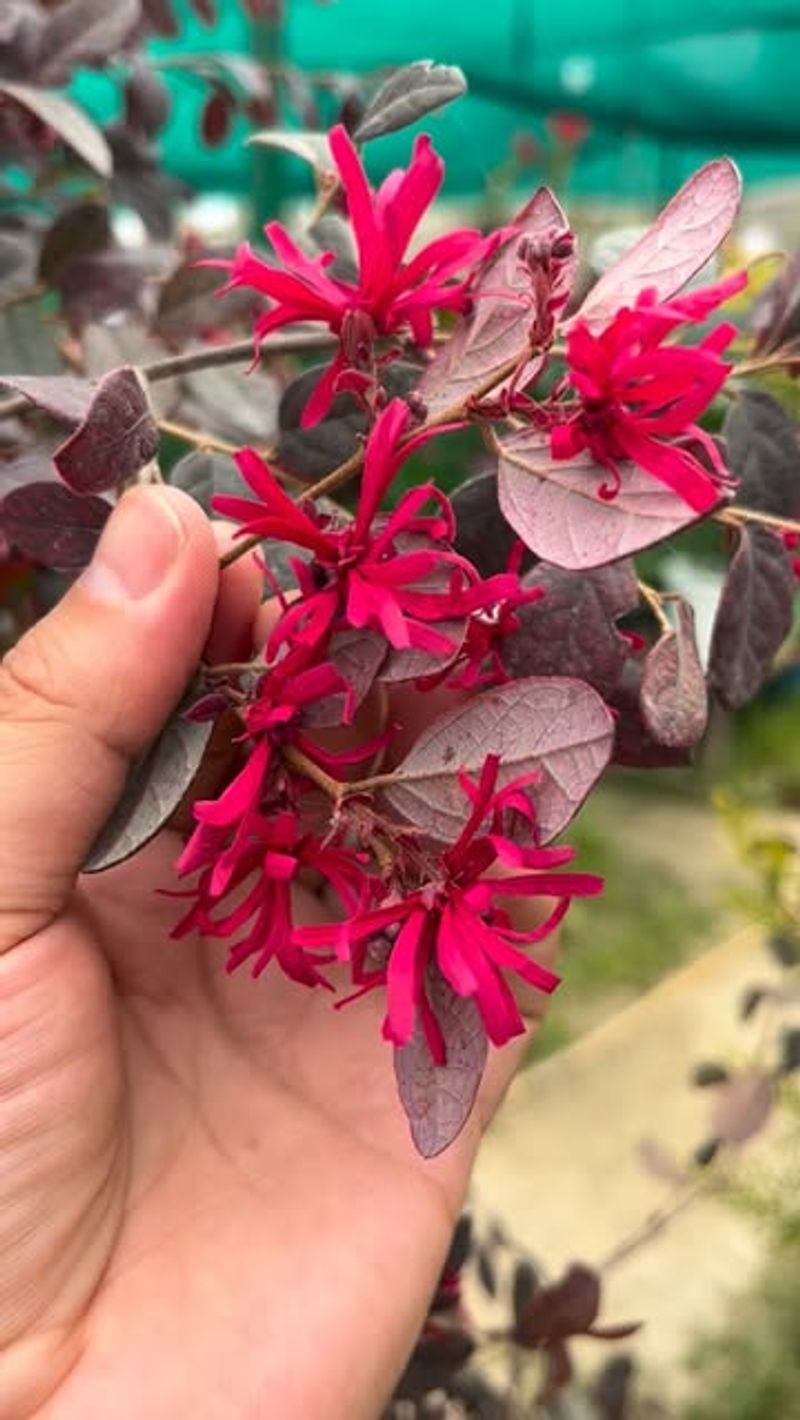
A loropetalum that has not been touched in a few seasons can get surprisingly congested inside. When stems cross, rub against each other, and crowd the center of the plant, they end up shading out the interior growth.
Over time, that shaded interior stops producing leaves, which is exactly how you end up with a shrub that looks full on the outside but hollow and bare on the inside.
Light thinning fixes this problem without stressing the plant. The idea is to remove just a handful of the most crowded, crossing, or inward-pointing stems from deep inside the shrub.
You are not stripping it open or taking out large sections. You are just creating a little breathing room so light and air can filter through to the center.
When light reaches the interior stems, those stems respond by pushing out new leafy growth. That interior foliage is what gives the shrub its full, layered appearance from every angle.
Without it, only the outermost surface looks healthy, and any gap or disturbance in that outer shell immediately shows bare wood underneath.
A good rule of thumb is to remove no more than ten to fifteen percent of the total stems during a thinning session. Step back frequently and look at the overall shape as you go.
It is much easier to remove a little more than it is to undo an over-thinned shrub.
This type of interior work takes patience, but it pays off. A well-thinned loropetalum looks naturally lush rather than artificially manicured, and it stays that way much longer between pruning sessions.
6. Avoid Turning It Into A Tight Box
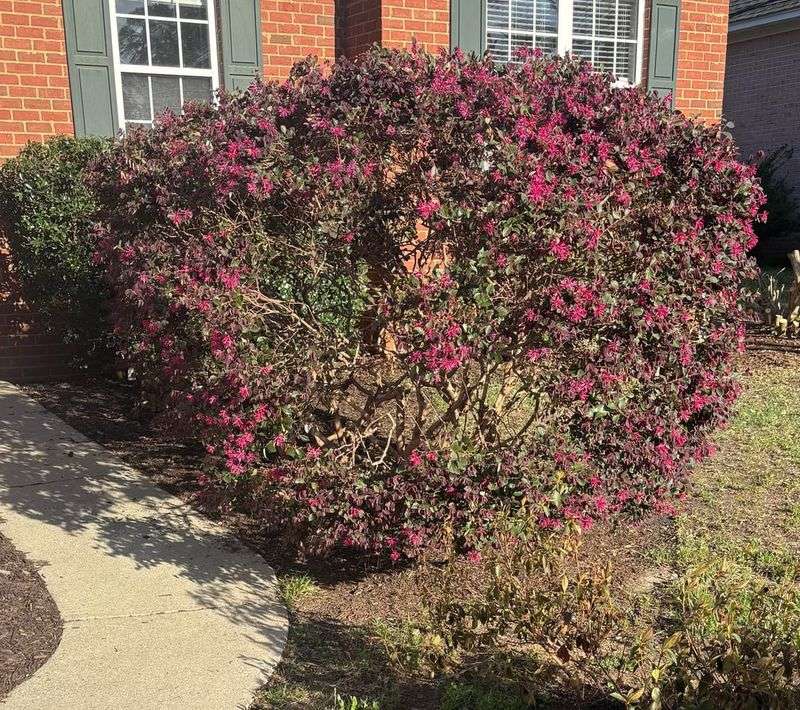
Walk through almost any North Carolina neighborhood and you will spot at least one loropetalum that has been sheared into a tight, flat-sided cube or dome.
It might look tidy from a distance, but up close you can usually see that the interior is hollow, the leaves are only on the very outer surface, and the whole plant has a stiff, unnatural quality that does not match the shrub’s naturally graceful character.
Constant surface shearing with electric hedge trimmers concentrates all the leafy growth on a thin outer shell. Every time you trim, you are removing the newest growth and forcing the plant to push out another round of surface buds.
Over time, the interior branches get longer, woodier, and more bare, while the outside stays green but paper thin. One hard freeze or one dry summer spell can suddenly reveal all of that bare wood underneath.
Unless you are deliberately maintaining a formal hedge where a tight shape is the goal, hand pruning is a much better option for loropetalum.
Hand pruning lets you work with the plant’s natural branching pattern instead of against it. The result is a shrub that looks full, layered, and genuinely healthy rather than clipped and hollow.
Switching from shearing to hand pruning does take a little more time, but most gardeners find they need to prune far less often once they make the change.
A naturally shaped loropetalum holds its form for a full season, sometimes longer, without needing constant touch-ups.
Your shrub will thank you with richer color, better flower coverage, and a look that fits naturally into the landscape.
7. Water And Mulch After The Light Prune

Once you have finished your light post-bloom shaping, the job is not quite done. What happens in the days and weeks after pruning plays a big role in how well your loropetalum fills back in before summer gets serious.
Two simple steps make all the difference: water deeply and keep the mulch refreshed.
Deep watering after pruning encourages the root system to support the fresh growth the shrub is about to push out. A shallow sprinkle does not cut it, especially in North Carolina summers where the soil can dry out fast between rain events.
Aim to water slowly and thoroughly, letting moisture soak down six to eight inches into the root zone. During dry spells, do this once or twice a week until the shrub shows strong new growth. Mulch is your other best friend here.
A two to three inch layer of shredded hardwood or pine bark mulch over the root zone holds soil moisture, moderates soil temperature, and keeps weeds from competing with the shrub for nutrients.
Just make sure to keep the mulch a few inches away from the main stems and trunk. Piling mulch against the bark can trap moisture and cause problems at the base of the plant.
The full summer strategy really is this straightforward. Prune lightly right after bloom, finish before July 10, thin the interior just enough to let light in, avoid tight shearing, keep the base wide, water during dry spells, and refresh the mulch.
Follow those steps and your loropetalum will stay full, vibrant, and genuinely beautiful all the way through summer and into fall without any dramatic interventions needed.