How To Revive Heat-Damaged St. Augustine Grass In Florida Before It Gets Worse
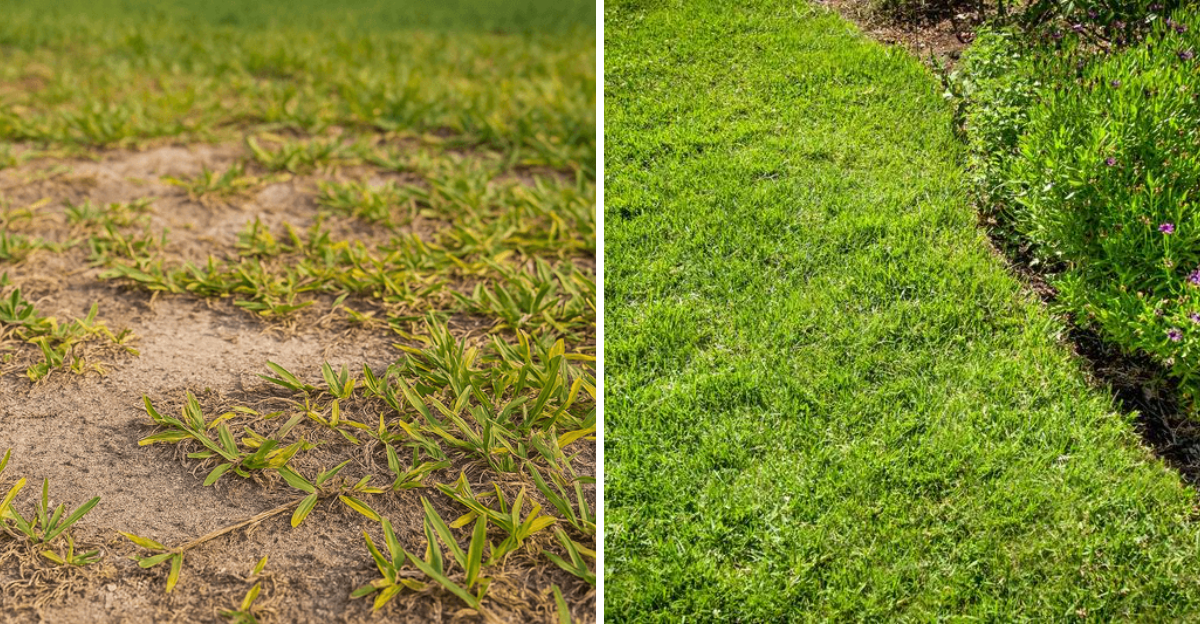
St. Augustine grass has a reputation for toughness, and through most of the Florida year that reputation holds. Then a brutal heat stretch arrives and the lawn starts showing its limits fast.
Yellowing patches, thinning areas, that dry and brittle texture that means something has gone wrong below the surface. The instinct is to water more.
Sometimes that helps. Often it compounds a problem that had nothing to do with moisture in the first place.
A lawn that was struggling starts declining faster than it would have on its own. St. Augustine heat damage follows a pattern worth recognizing early.
The window between first stress signs and serious setback is shorter than most Florida homeowners expect. What you do inside that window determines how hard recovery actually is.
Acting now, before the damage deepens, is the move that makes the biggest difference.
1. Check Whether Heat Is Really The Problem
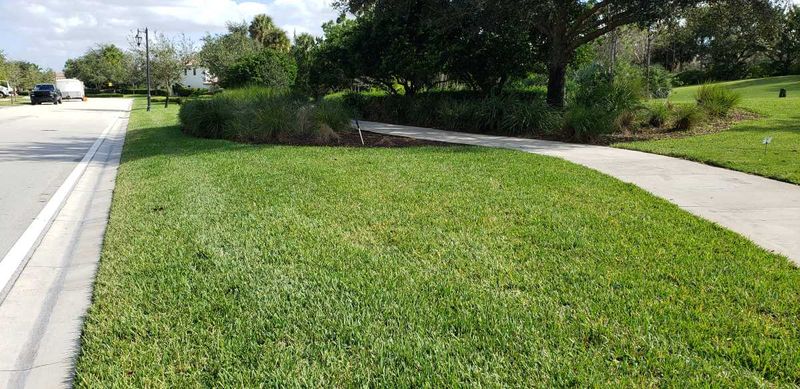
A brown patch beside a driveway or sidewalk does not automatically mean heat damage. Reflected heat from pavement can scorch nearby turf.
So can chinch bugs, drought stress, gray leaf spot, large patch disease, compacted soil, or a sprinkler head that stopped working last month.
Start by looking at the pattern of damage. Heat stress and drought stress often cause a general thinning or wilting across wide areas.
Chinch bug damage usually begins in hot, sunny spots and spreads outward in irregular patches. Disease often shows up as circular or ring-shaped areas with discolored leaf blades.
Check recent weather records. Has your area had extreme heat without rain for two weeks or more?
Or has it rained heavily and often, keeping roots too wet for disease to take hold? Both extremes can weaken turf in ways that look similar from a distance.
Walk the damaged zones and press the soil. Check whether the sprinkler heads nearby are working correctly.
Look for tiny insects in the thatch layer. Guessing and treating blindly wastes time and money.
Getting the diagnosis right first saves the lawn and prevents a small problem from turning into a full replacement project.
2. Test Soil Moisture Before Watering More
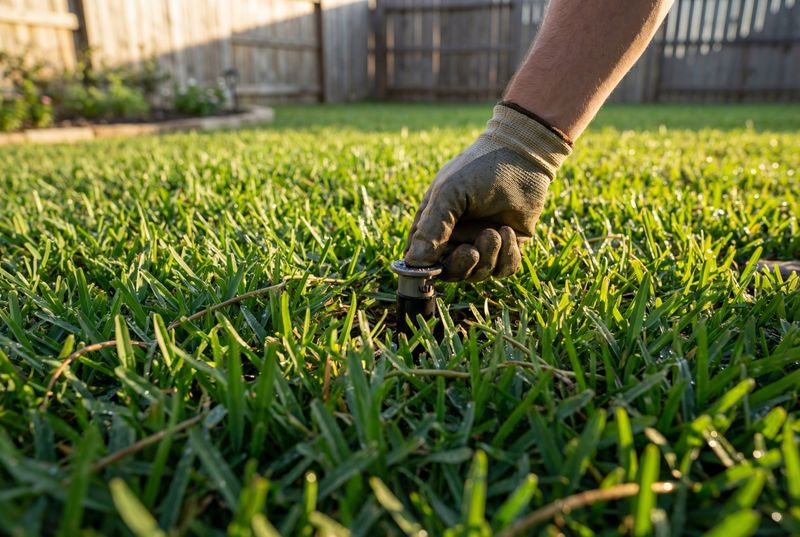
A lawn that looks wilted and brown after a stretch of hot weather seems like it needs more water. But sandy soil in this state can fool you.
It dries quickly on top while staying moist a few inches down, or it can stay waterlogged after heavy summer rains even when the surface looks dry and cracked.
Before running your irrigation system again, grab a long screwdriver or a soil probe and push it straight down into the root zone, about four to six inches deep. If it slides in easily and feels damp, the soil has enough moisture.
If it hits resistance and feels bone dry, the grass likely needs water. If it feels soggy and smells musty, overwatering or poor drainage may be the real problem.
Avoid shallow daily watering for established St. Augustine lawns. UF/IFAS recommends watering deeply and infrequently, applying about three-quarters of an inch per irrigation event.
Your Florida Garden Changes Every Week. Your Plan Should Too.
Gardening in Florida changes quickly throughout the season. Every Friday you’ll receive a simple weekly plan showing exactly what to plant, prune, fertilize, harvest, and protect so you never miss the right timing.
Daily light watering keeps roots shallow and makes turf more vulnerable to stress. Check your county or water management district rules before adjusting your schedule.
Local watering restrictions often apply, especially during summer months, and violating them can result in fines.
3. Fix Irrigation Coverage Before Grass Declines Further
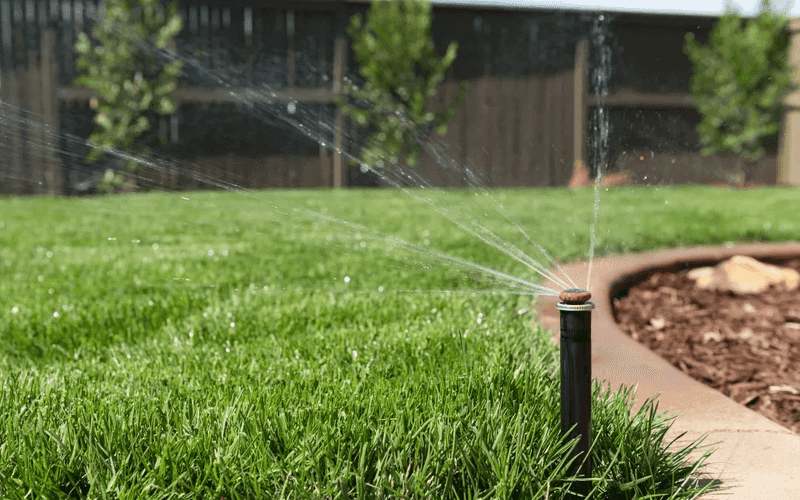
Sprinkler systems that worked fine last year do not always work the same way this season. A single clogged head, a shifted rotor, or a zone with low pressure can leave a strip of turf completely dry while the rest of the yard gets watered on schedule.
Walk each irrigation zone while it runs. Look for heads that are not popping up fully, streams that are blocked by overgrown shrubs, fences, outdoor furniture, or parked vehicles.
Dry arcs in the lawn often trace back to one specific sprinkler head that needs cleaning, adjustment, or replacement.
A simple catch-can test, placing small containers around the yard during a normal irrigation cycle, can show you exactly how much water each area receives. UF/IFAS and Florida-Friendly Landscaping resources describe this method in detail.
Uneven distribution is one of the most common causes of patchy St. Augustine lawns in this state.
Resist the urge to increase watering time across all zones to compensate for one dry spot. Overwatering healthy areas encourages disease, shallow roots, and wasted water.
Fix the coverage problem directly. Once irrigation is even and accurate, the turf in dry gaps often begins to recover on its own if roots are still healthy.
4. Keep Mower Blades Higher During Summer Stress
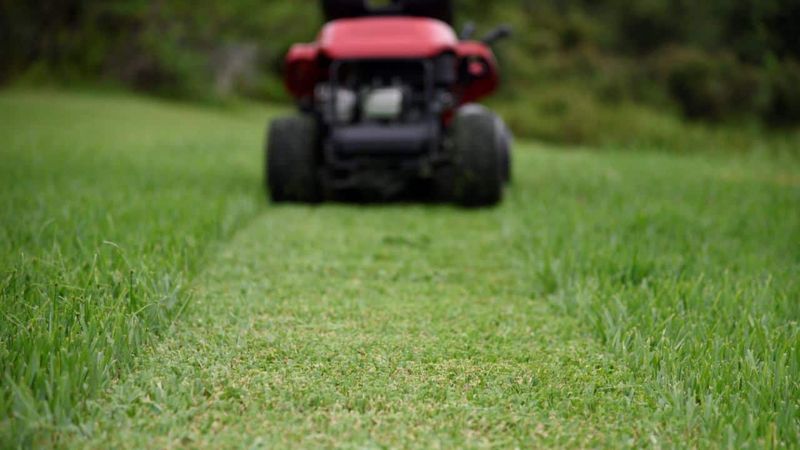
Mower scalping is one of the fastest ways to turn a stressed lawn into a struggling one. Cutting St. Augustine grass too short during peak summer heat exposes the crowns and increases water loss from the soil.
It also weakens the root system at exactly the wrong time of year.
UF/IFAS recommends mowing St. Augustine grass at a height of three and a half to four inches for most home lawn cultivars during the growing season.
Taller grass shades the soil, keeps roots cooler, and reduces how quickly moisture evaporates between irrigation events.
Scalped turf gets hotter, dries faster, and takes much longer to recover.
Sharp blades matter just as much as height. Dull mower blades tear leaf tissue instead of cutting it cleanly.
Torn grass blades turn brown at the tips, lose moisture faster, and become more vulnerable to fungal disease. Sharpen or replace blades at least once per season, or more often on large properties.
Never remove more than one-third of the leaf blade in a single mowing pass. If the lawn got overgrown during a rainy stretch, raise the mower height first and gradually lower it over several mowings.
Rushing the cut during heat stress causes visible damage that can take weeks to correct.
5. Pause Fertilizer Until The Lawn Starts Recovering
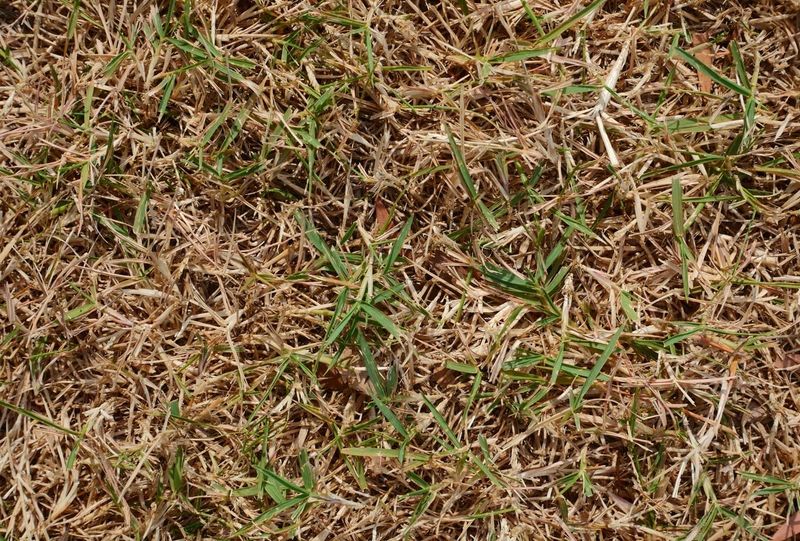
Reaching for a bag of fertilizer when the lawn looks brown feels like a logical fix. Grass needs nutrients to grow, so adding more should help it bounce back faster, right?
Not during stress. Fertilizing a lawn that is drought-stressed, heat-stressed, pest-damaged, or diseased can push tender new growth before the root system is ready to support it.
Soft, fast-growing leaf tissue is more attractive to pests and more vulnerable to disease. Roots that are already shallow or damaged from heat and dry soil cannot absorb nutrients efficiently.
The result is often more stress, not less, and sometimes visible burn if a granular product is applied to dry turf without enough water to carry it into the soil.
UF/IFAS Extension recommends waiting until the lawn shows clear signs of active recovery before fertilizing. Identify the cause of the damage first.
Restore proper soil moisture. Correct irrigation gaps.
Manage any pest or disease issues that are present. Then follow Extension-backed fertilizer timing recommendations for your region of the state.
Many counties in this state have fertilizer blackout ordinances that restrict nitrogen and phosphorus applications during the rainy season. Check your county or city rules before purchasing or applying any lawn fertilizer.
Violating local ordinances can carry fines and contributes to water quality problems in nearby waterways.
6. Watch For Chinch Bugs In Hot Sunny Patches
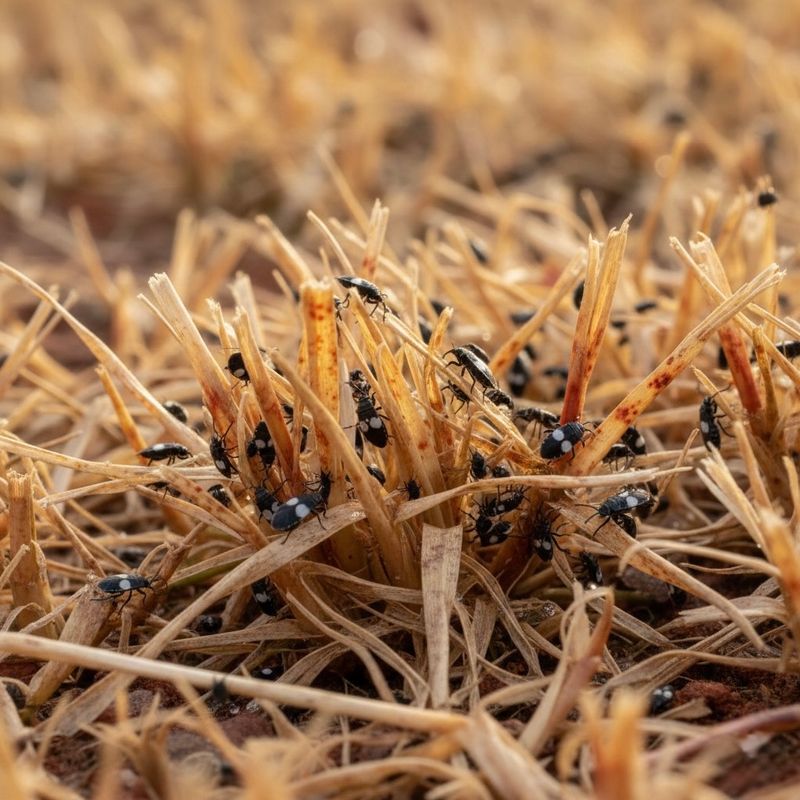
Sunny patches along a sidewalk or driveway that stay brown even after good rain are worth a second look. Southern chinch bugs (Blissus insularis) are one of the most destructive pests of St. Augustine grass in this state.
Their damage is frequently mistaken for drought or heat stress.
Chinch bugs feed on grass runners by piercing the plant tissue and removing fluids. They also inject a toxic substance that blocks water movement inside the plant.
Affected areas turn yellow, then brown, and spread outward over days and weeks. Unlike drought stress, the damage does not recover after irrigation.
To check for chinch bugs, part the grass at the edge of a damaged area and look closely at the thatch and runners. Adults are small, black, and white.
Nymphs are reddish-orange with a white band. A simple float test can bring insects to the surface for easier identification.
Press a metal can with both ends removed into the soil near the damage zone and fill it with water.
Confirm the pest before treating. UF/IFAS Extension recommends integrated pest management approaches and selecting resistant cultivars where possible.
If a product is used, always read and follow the label directions completely. Labels are legal documents, and following them protects your lawn, your family, and local waterways.
7. Reduce Foot Traffic While Roots Regain Strength
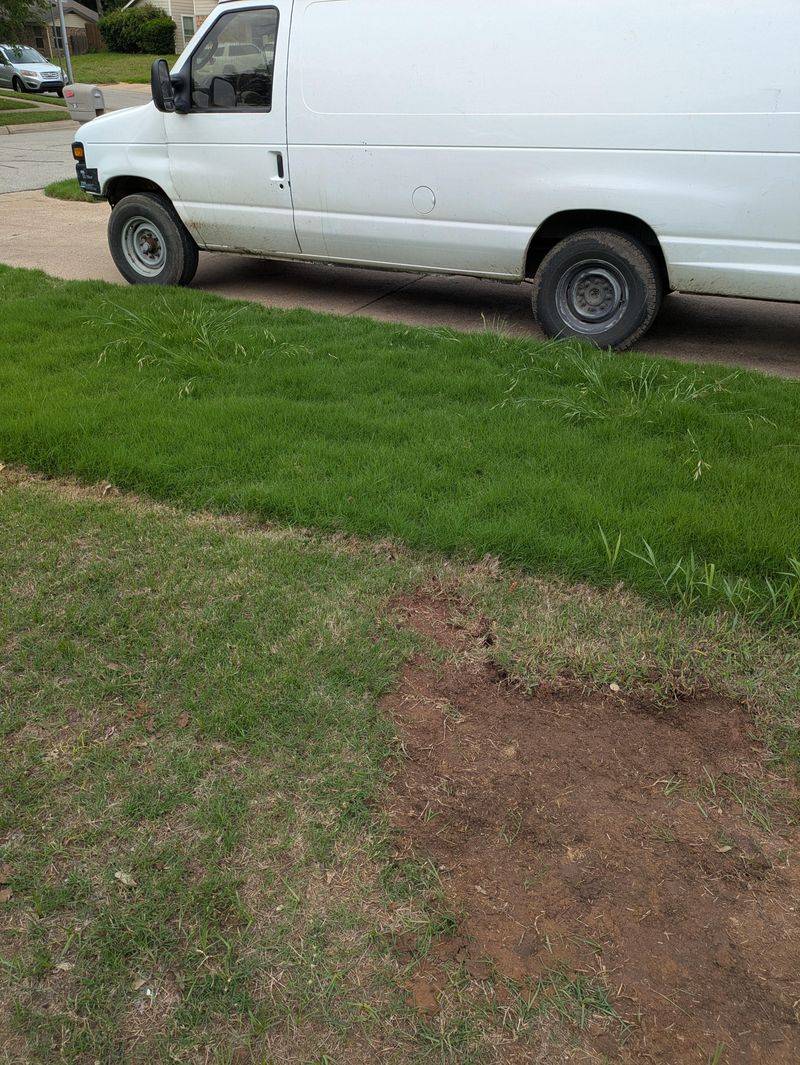
Stressed turf is fragile turf. When St. Augustine grass is already struggling from heat, uneven irrigation, or pest pressure, repeated foot traffic can compress the soil.
Pet activity and equipment rolling over the same areas can also break down whatever root structure remains.
Compacted soil reduces the space that air, water, and nutrients need to reach grass roots. Shallow, heat-stressed roots are especially vulnerable to compaction because they have less depth to anchor the plant.
Even light foot traffic on the same path every day can slow recovery significantly.
Try to redirect foot traffic away from damaged zones while the lawn rebuilds. Move outdoor furniture off bare or thin areas.
Keep pets away from recovering patches when possible, especially dogs that tend to run the same routes repeatedly. If children play in the yard regularly, consider temporary barriers or path changes until the turf fills back in.
Repeated mowing turns over the same stressed areas also add up. Alternate mowing directions when possible to reduce wear in a single line.
Give the grass time to push new runners and rebuild leaf coverage before returning to normal use. Recovery takes longer than most homeowners expect, especially when summer heat stays intense through late September in this state.
8. Repair Bare Spots Only After The Stress Is Solved
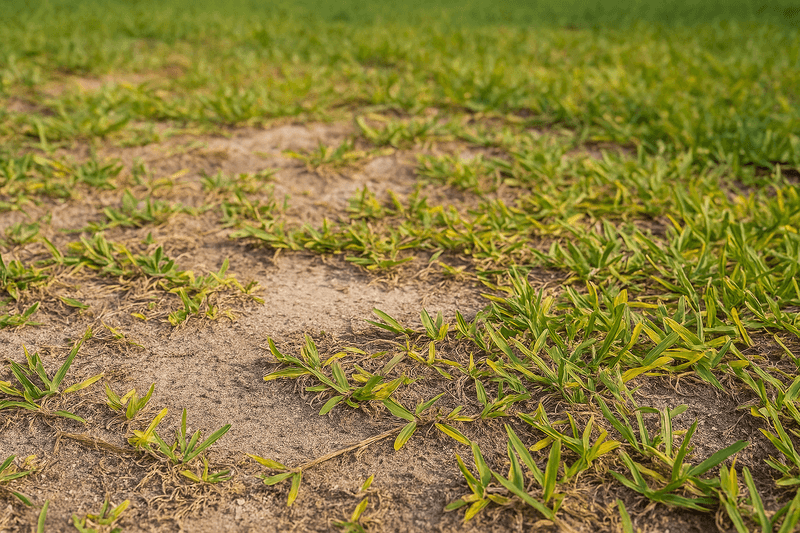
Bare spots in a St. Augustine lawn can be tempting to fill right away. Plugs and sod pieces are available at most garden centers in this state, and the fix seems simple enough.
But placing new turf over an unresolved problem is one of the most common reasons repair attempts fail repeatedly.
If the cause of the bare area was chinch bugs, the pests are likely still present at the edge of the damage. New sod placed into an active infestation will struggle or fail within weeks.
The same applies to disease, poor drainage, irrigation gaps, or compacted soil. The underlying problem needs to be corrected first.
Once the cause is identified and fixed, St. Augustine plugs or sod can work well for filling bare patches. Match the cultivar to the existing lawn where possible.
Floratam is common across this state, but other cultivars such as Palmetto, Seville, and CitraBlue are also used in home landscapes. Prepare the soil in the bare area by loosening it lightly, then set plugs or sod pieces firmly into place.
Water new repairs consistently to keep the root zone moist while they establish. Keep foot traffic and pets off repaired areas for several weeks.
If the grass is completely gone from a patch, revival is not possible there, and repair is the correct path forward once the cause is resolved.
9. Check For Disease When Damage Spreads After Rain
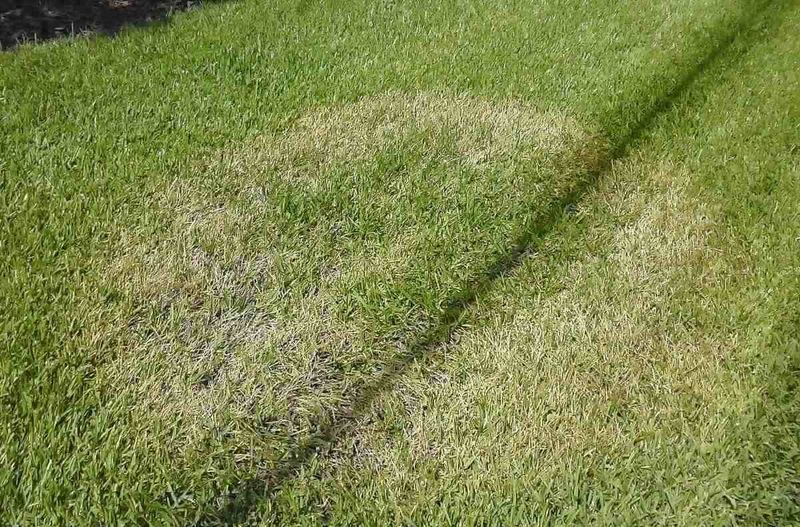
Rainy season in this state creates ideal conditions for fungal turf diseases. Gray leaf spot (Pyricularia grisea) and large patch (Rhizoctonia solani) are two of the most common diseases affecting St. Augustine grass here.
Both can spread quickly when heat, humidity, and excess moisture combine.
Gray leaf spot appears as small, oval lesions on leaf blades with gray or tan centers and dark brown borders. Heavy outbreaks can cause entire areas to look scorched or thin.
Large patch shows up as roughly circular zones of yellowing or browning grass, often with an orange or bronze color at the outer ring during active spreading.
Disease is often triggered or worsened by overwatering, late-evening irrigation, excessive nitrogen fertilizer, and mowing too low. Avoid watering at night whenever possible.
UF/IFAS recommends watering in the early morning to allow leaf surfaces to dry during the day, which reduces fungal spread.
Do not apply extra water to a lawn you suspect has a fungal disease. Excess moisture can accelerate the problem.
Confirm the disease type before considering any fungicide application. UF/IFAS Plant Diagnostic Center resources and local county Extension offices can help with identification.
Treating the wrong problem with fungicide wastes money and does not stop the spread.
10. Set Realistic Expectations For Recovery Time
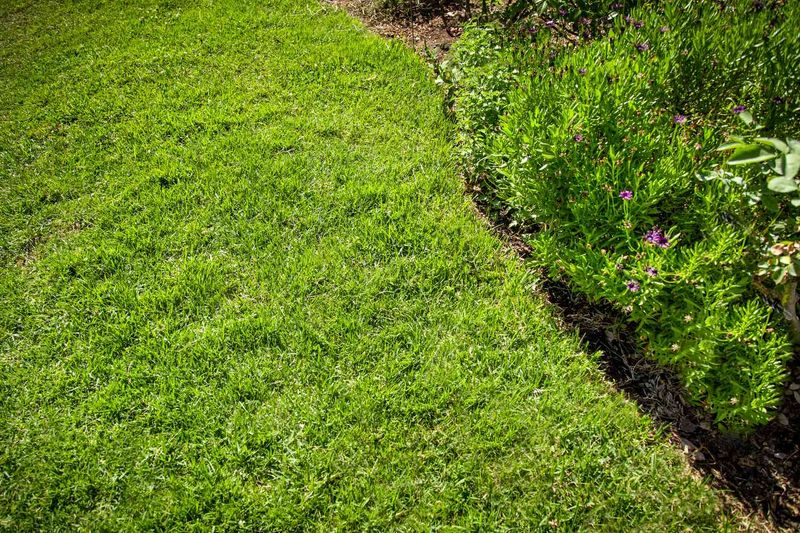
Watching a struggling lawn slowly come back is not always a straight line. St. Augustine grass can recover from moderate heat and drought stress, but the timeline depends on several factors that vary from yard to yard and season to season.
Root health plays the biggest role. Turf with deep, healthy roots has more stored energy to push new runners and leaf growth once conditions improve.
Shallow roots from chronic overwatering or repeated scalping have less to work with and take longer to rebuild. Sandy soil, reflected heat from structures, heavy shade in some areas, and cultivar differences all affect how quickly recovery happens.
Visible green growth returning at the edges of damaged patches is a good early sign. Runners spreading across bare soil show that the plant is actively working to fill in.
Turf that remains completely brown with no new growth after several weeks of correct care may have lost root viability in that area. Repair with plugs or sod is the practical path forward once the cause is corrected.
Not every heat-stressed lawn will fully recover to its previous condition within a single season. Honest expectations help homeowners avoid over-treating in frustration.
Follow UF/IFAS and Florida-Friendly Landscaping guidance, stay consistent with proper care, and give the grass the time it needs to rebuild on its own schedule.