The Michigan Native Perennial That Keeps Ticks Away And Can Be Used In Cooking
Most plants earn their place in a Michigan garden by doing one thing well.
Finding one that pulls double duty in genuinely useful ways is the kind of discovery that changes how you think about what belongs in the ground and where.
This native perennial has properties that make it actively unappealing to ticks in the areas where it grows, which is a meaningful benefit for any Michigan yard that borders wooded edges or unmowed transitional zones.
On top of that, it brings real culinary value that goes well beyond novelty, producing harvests that taste noticeably fresher and more complex than store-bought equivalents.
It handles winters without protection, returns reliably each spring, and fits naturally into both ornamental borders and dedicated kitchen garden spaces without looking out of place in either setting.
1. Wild Bergamot
Not every garden plant earns a reputation for being beautiful, edible, aromatic, and useful in yard management all at once.
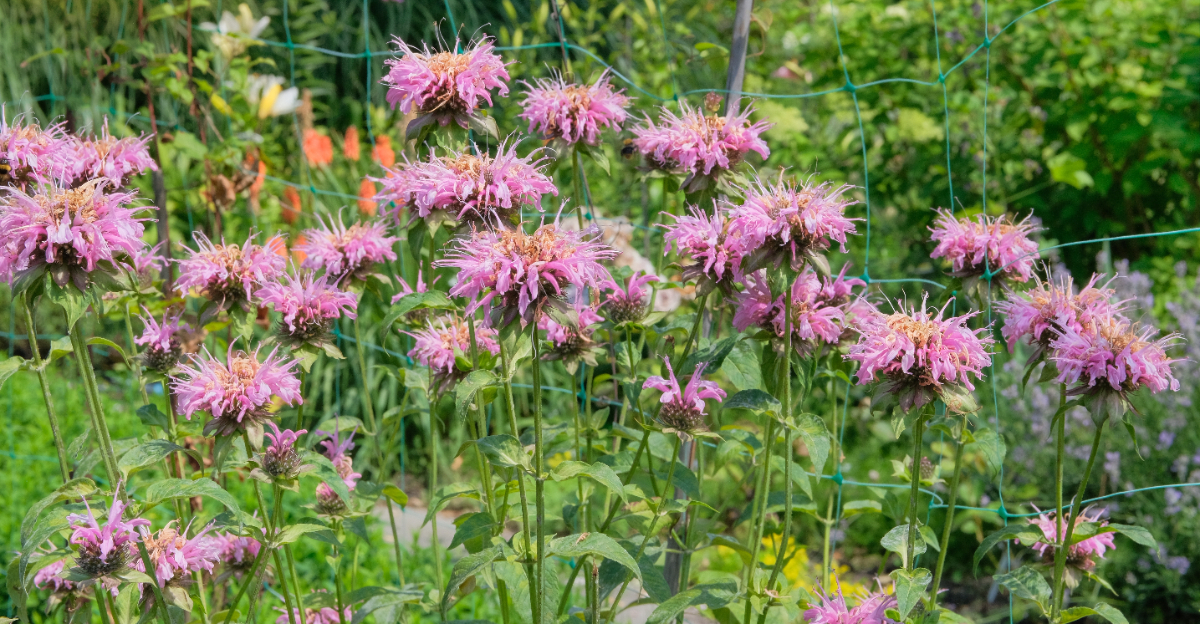
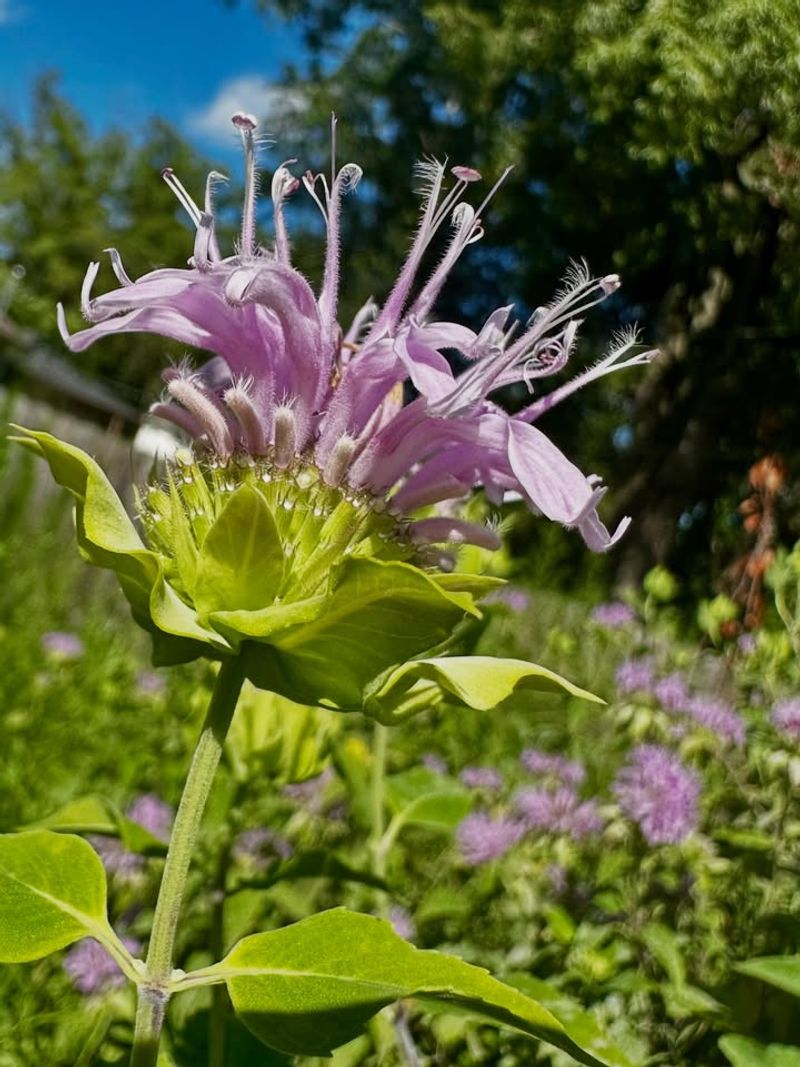
Wild bergamot, known scientifically as Monarda fistulosa, manages to check every one of those boxes.
It is a true Michigan native perennial with a long history of growing across the state, and it brings a surprising range of qualities to any sunny garden border.
The name “bergamot” might make you think of the citrusy bergamot orange used in Earl Grey tea, but wild bergamot is a completely different plant.
It belongs to the mint family, and its flavor and scent are much closer to oregano and thyme with a hint of mint.
That combination makes it genuinely useful in the kitchen, not just pretty to look at in the yard.
What makes this plant especially interesting for Michigan gardeners is how many roles it can play at once.
It attracts pollinators, provides fresh or dried culinary leaves, adds fragrance to the garden, and when used as part of a thoughtful yard plan, it helps replace the kind of overgrown, brushy border edges where ticks tend to hang around.
Wild bergamot is not a magic tick repellent, and it should never replace real personal tick protection.
But as one honest layer in a smarter yard strategy, it genuinely earns its place. Framing it that way is what makes this plant the right fit for everything this article covers.
2. Wild Bergamot Grows Naturally All Across Michigan
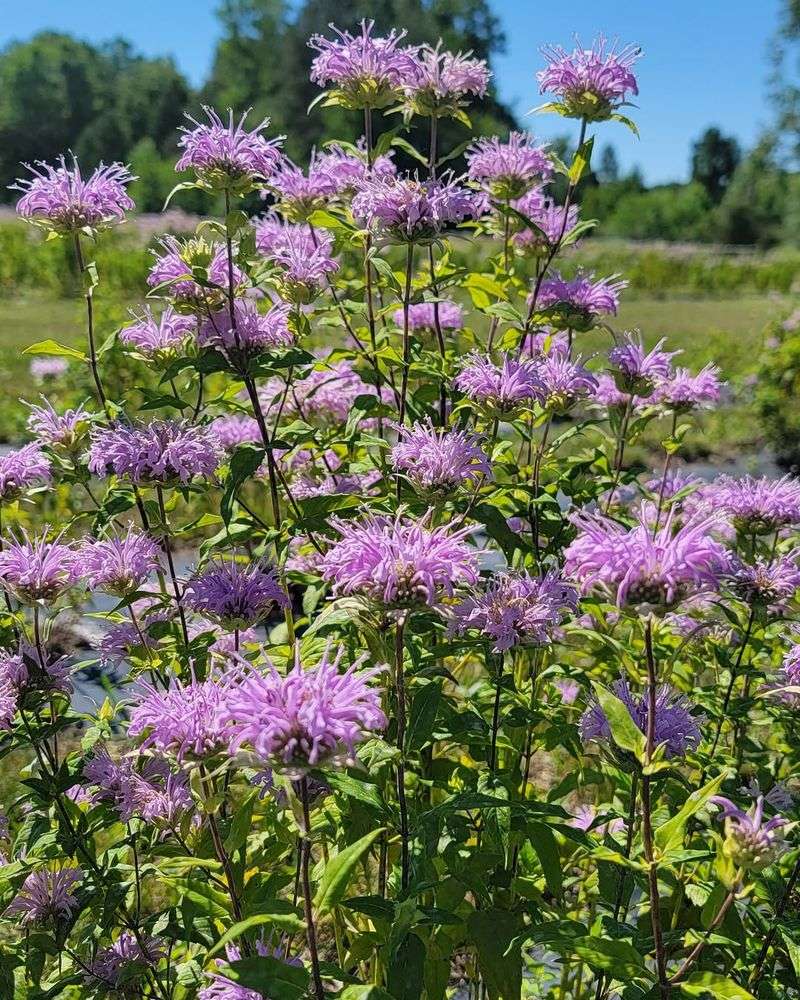
Michigan gardeners have a real advantage when it comes to wild bergamot because the plant is already at home here.
According to botanical records from the Michigan Flora project and herbarium collections, Monarda fistulosa has been documented in counties throughout the Lower Peninsula and in parts of the Upper Peninsula as well.
It is not a plant that needs coaxing or special conditions to survive a Michigan winter. It is already built for it.
Out in the wild, you can spot wild bergamot growing in dry prairies, open fields, roadsides, savannas, and along the sunny edges of woodlands. It thrives where the soil drains well and the sun hits strong.
That kind of habitat is also very common in residential yards across the state, especially along fence lines, property edges, and open garden borders that face south or west.
Your Michigan Garden Changes Every Week. Your Plan Should Too.
Gardening in Michigan changes quickly throughout the season. Every Friday you’ll receive a simple weekly plan showing exactly what to plant, prune, fertilize, harvest, and protect so you never miss the right timing.
Because it is genuinely native, wild bergamot supports the local ecosystem in ways that non-native plants simply cannot.
It has co-evolved with Michigan insects, birds, and soil organisms over thousands of years. Planting it means you are adding something that truly belongs in the landscape, not just something that tolerates it.
For gardeners interested in naturalized edible plantings or native borders, wild bergamot fits in beautifully without demanding extra care or special soil amendments. It is practical, regionally appropriate, and already proven to thrive under Michigan skies.
That kind of reliability is exactly what a busy gardener needs from a perennial that is expected to show up strong every single summer.
3. Sunny Spots And Dry Soil Are Where This Plant Shines
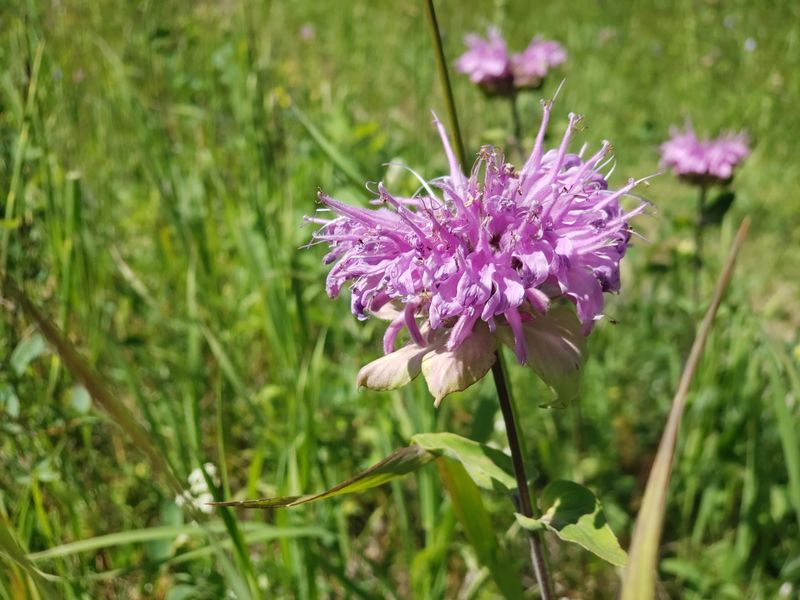
Ticks are not fans of wide open, sunny, dry spaces, and that turns out to be exactly where wild bergamot loves to grow.
This plant performs best in full sun with average, well-drained soil. It does not want soggy ground, heavy clay, or deep shade.
Give it a bright, breezy spot and it will reward you with strong growth and reliable blooms every summer without much fuss.
The connection to tick-smart yard design is more straightforward than most people realize.
Ticks, especially the black-legged tick responsible for Lyme disease in Michigan, are most commonly found in tall grass, dense brush, shaded moist areas, and along the edges where lawns meet wooded zones.
These are exactly the kinds of messy, overgrown borders that wild bergamot can help replace when planted intentionally as a managed native edge.
Simply tossing wild bergamot seeds into an already overgrown area will not create a tick-smart border.
The real benefit comes from clearing that brushy, weedy edge first and then replacing it with a sunny, well-maintained planting of wild bergamot and other open-habitat natives.
That process transforms a tick-friendly zone into something brighter, drier, more managed, and far less hospitable to ticks looking for a shady resting spot.
The plant itself is not doing the tick management. The habitat change is.
Wild bergamot just happens to be one of the best native perennials for filling that reclaimed space with something aromatic, beautiful, and genuinely useful.
It is a practical plant in the most literal sense of the word.
4. The Leaves Taste Like Oregano, Mint, And Thyme All At Once
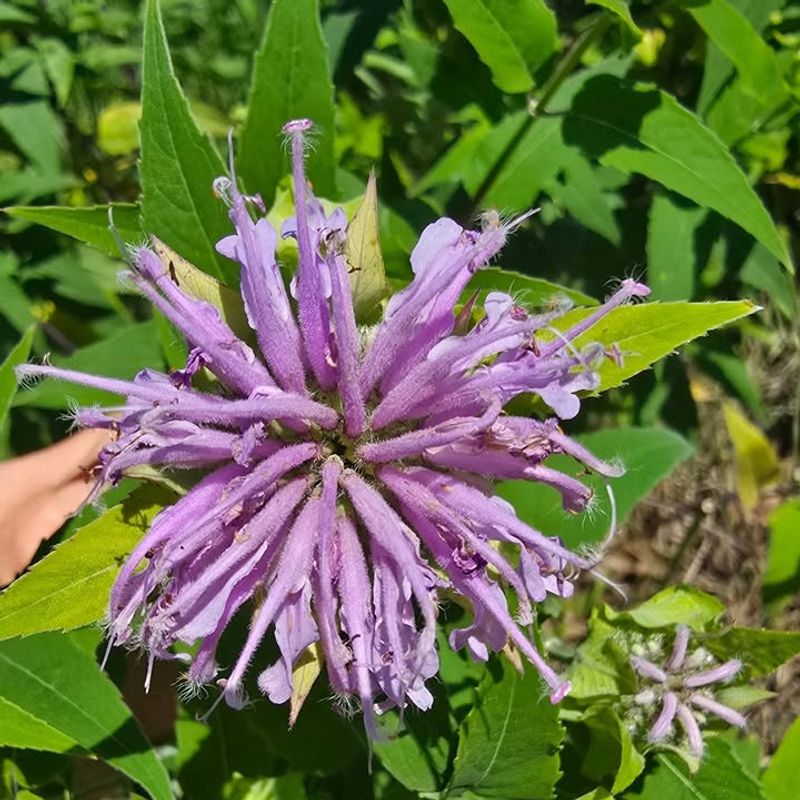
Few people expect a wildflower growing along a Michigan roadside to also be a genuinely useful kitchen herb, but wild bergamot absolutely is.
The leaves carry a bold, layered flavor that sits somewhere between oregano, thyme, and mint.
It is bright, a little spicy, and surprisingly complex for a plant most people walk right past without a second thought.
Fresh leaves can be used sparingly in teas, herb blends, and savory recipes where that oregano-mint punch works well.
Try adding a small amount to roasted vegetables, bean dishes, scrambled eggs, tomato-based sauces, or soups. Dried leaves intensify in flavor, so even less goes a long way.
Think of it the way you would use dried oregano or thyme, as a background note that adds depth without overwhelming everything else on the plate.
Wild bergamot tea is probably the most popular culinary use, and it has a long history in Indigenous foodways across North America.
A few fresh or dried leaves steeped in hot water produce a fragrant, slightly spicy herbal tea that pairs well with honey.
For cooking, the flowers are also edible and make a striking garnish on salads or grain dishes.
One important reminder: only use plants you have correctly identified as Monarda fistulosa, and make sure they have not been treated with pesticides or herbicides.
Foraging from roadsides or unknown properties carries real risk.
Growing your own in a clean garden bed is always the safest and most satisfying way to enjoy this remarkable edible perennial right from your backyard.
5. Its Aromatic Chemistry Is Interesting, But Should Not Be Oversold
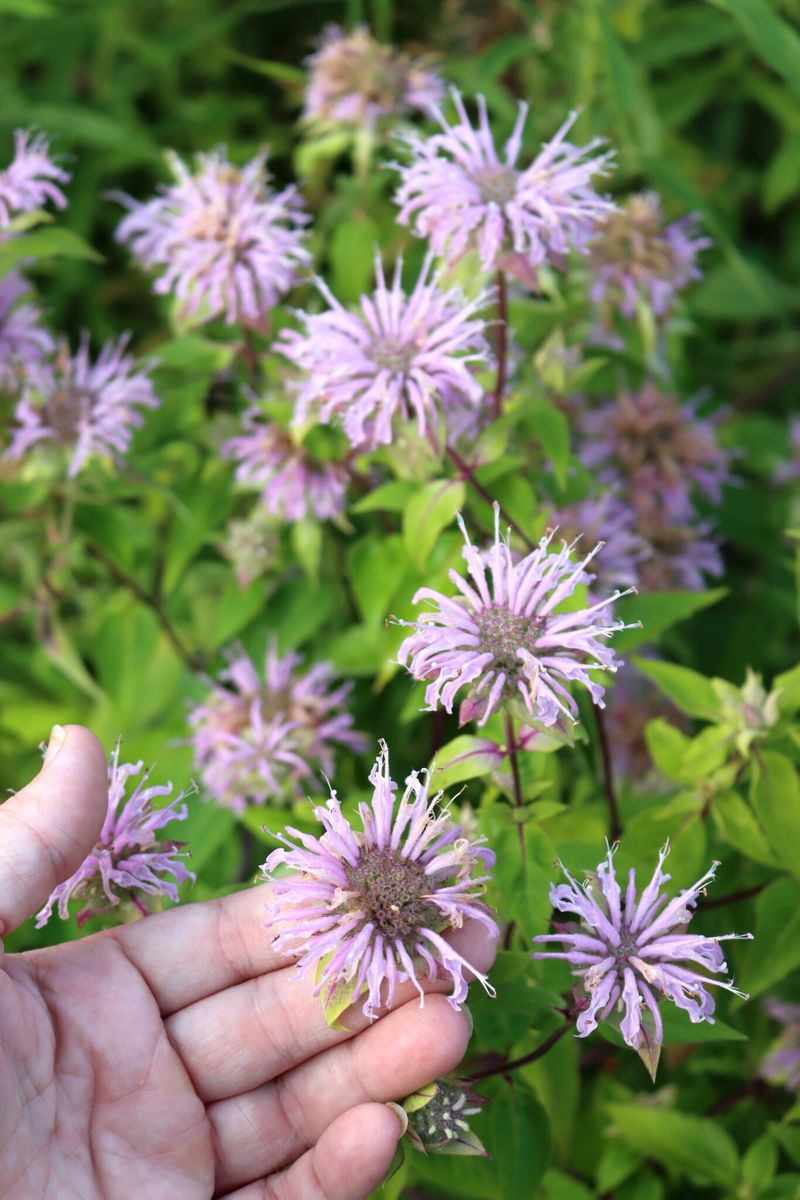
Wild bergamot belongs to the mint family, and like many plants in that family, it produces aromatic compounds that give it that sharp, herby scent.
Two of the most studied compounds in mint-family plants are thymol and carvacrol.
Both have been researched for their properties in laboratory settings and in tested repellent formulations, which is part of why the idea of mint-family plants being tick-unfriendly has gained some traction online.
Here is where honesty matters most. A living plant growing in your garden is not the same thing as a concentrated, tested, EPA-registered repellent.
The research on thymol and carvacrol involves isolated compounds or formulated products, not a perennial blooming in a flower bed.
Breathing in the pleasant scent of wild bergamot while you garden is not going to protect you from tick bites. No garden plant can do that reliably on its own.
The aromatic qualities of wild bergamot are genuinely interesting from a botanical standpoint, and they make the plant wonderful to grow and cook with.
But every Michigan gardener heading into tick territory still needs to use an EPA-registered repellent on skin and clothing, wear long pants tucked into socks, and do a thorough tick check after time outdoors.
Those habits are not optional, and no plant replaces them.
Wild bergamot earns its place in a yard plan through habitat improvement and culinary value, not through chemical magic.
Knowing that distinction makes you a smarter, safer gardener who enjoys this plant for exactly what it honestly offers.
6. Real Tick Habitat Reduction Is What Makes The Strategy Work
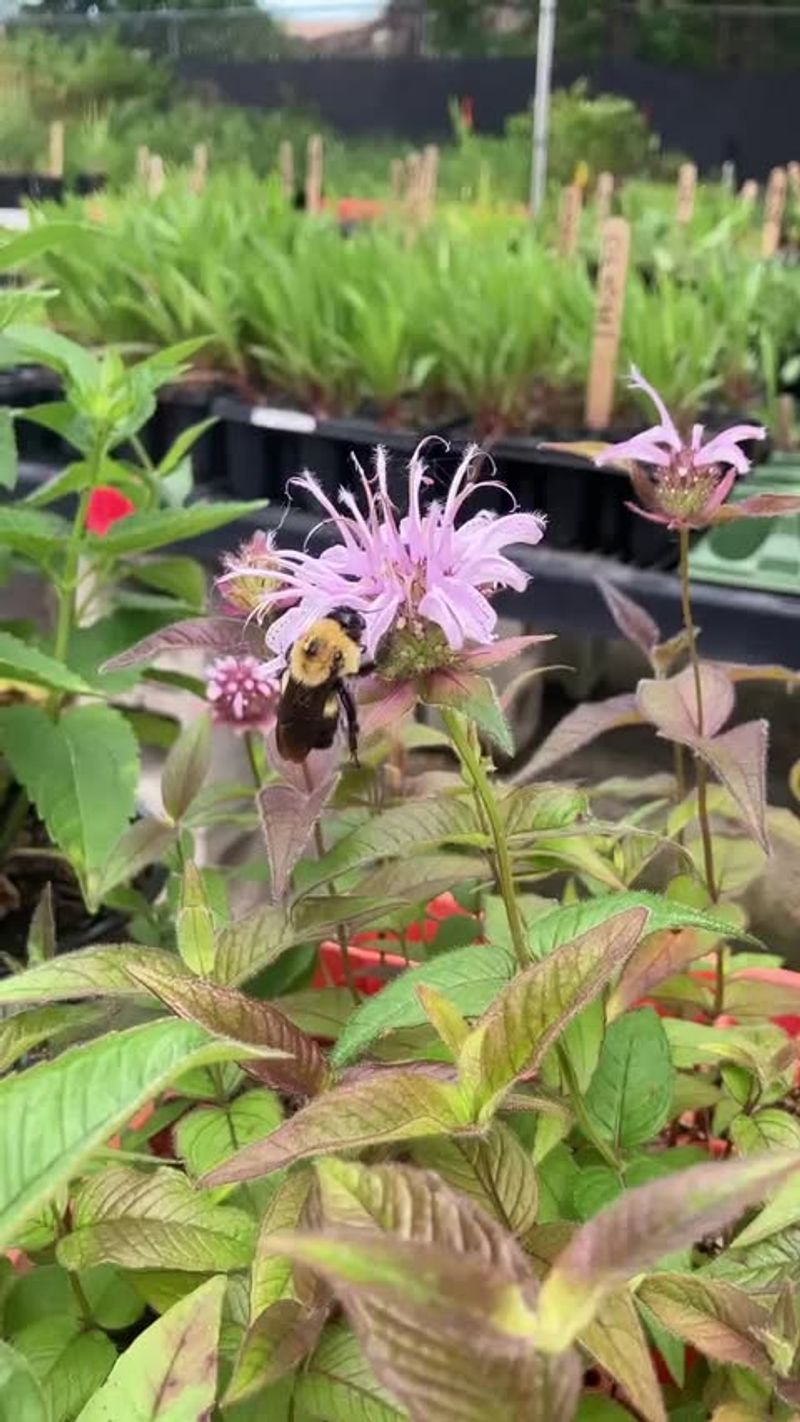
Wild bergamot works best when it is part of a bigger picture.
Planting it in a well-managed, sunny native border is a smart move, but it needs to be paired with real tick habitat reduction to make a genuine difference in how tick-friendly your yard feels.
The plant is one layer in the plan, not the whole plan. Practical tick habitat reduction starts with the basics. Mow paths regularly so grass stays short and dry.
Clear out leaf litter that builds up along fence lines and under shrubs, because ticks shelter there during hot or dry spells.
Remove brush piles, which are favorite resting spots for mice and other small animals that carry ticks from one area to another. Stack firewood neatly off the ground and away from the house.
If your yard borders a wooded area, consider placing a barrier of wood chips or gravel between the lawn and the tree line. That dry, open strip discourages ticks from migrating into your yard.
When you replace a messy, overgrown garden edge with a sunny planting of wild bergamot and other well-chosen native perennials, you are reducing the exact kind of habitat that ticks prefer.
The combination of reduced shade, lower humidity, and removed debris creates conditions that are genuinely less inviting for ticks. That is the real story here.
Wild bergamot contributes by being the right plant in the right place, but the mowing, clearing, and thoughtful yard management surrounding it is what creates a meaningful difference in your outdoor space from spring through fall.
7. Bees, Butterflies, And Hummingbirds All Love This Plant
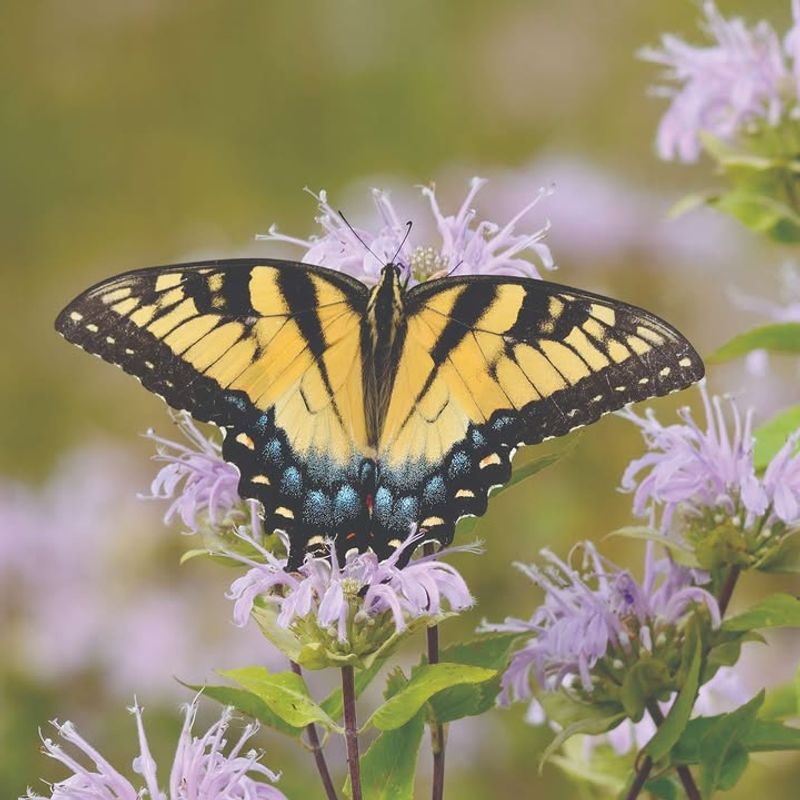
Beyond everything else wild bergamot brings to a garden, its value as a pollinator plant is extraordinary.
On a warm Michigan summer day, a patch of wild bergamot in full bloom can look almost alive with movement.
Bumblebees are especially drawn to the tubular flowers, and they visit in impressive numbers.
Monarch butterflies, swallowtails, skippers, and sphinx moths also find wild bergamot irresistible during the blooming season, which typically runs from late June through August.
Ruby-throated hummingbirds, Michigan’s only breeding hummingbird species, visit wild bergamot regularly as part of their summer feeding routes.
Watching a hummingbird hover over a cluster of purple blooms while bumblebees work the same flowers is one of those genuinely rewarding garden moments that reminds you why native plantings are worth every bit of effort.
It brings the kind of wildlife activity that no non-native ornamental can replicate as effectively in a Michigan setting.
All of that pollinator activity adds up to something more than just beauty. Wild bergamot helps support the broader food web in your yard and neighborhood.
Pollinators that visit your plants also help neighboring gardens and local wild areas.
The plant earns its place in the border not just through its aromatic leaves or its tick-smart habitat role, but through the genuine ecological contribution it makes every single season.
Adding wild bergamot means replacing an ordinary garden edge with something that feeds pollinators, feeds your kitchen, smells wonderful, and fits perfectly into a thoughtful Michigan native planting plan all at once.
8. Good Airflow And Smart Spacing Keep It Healthy For Years
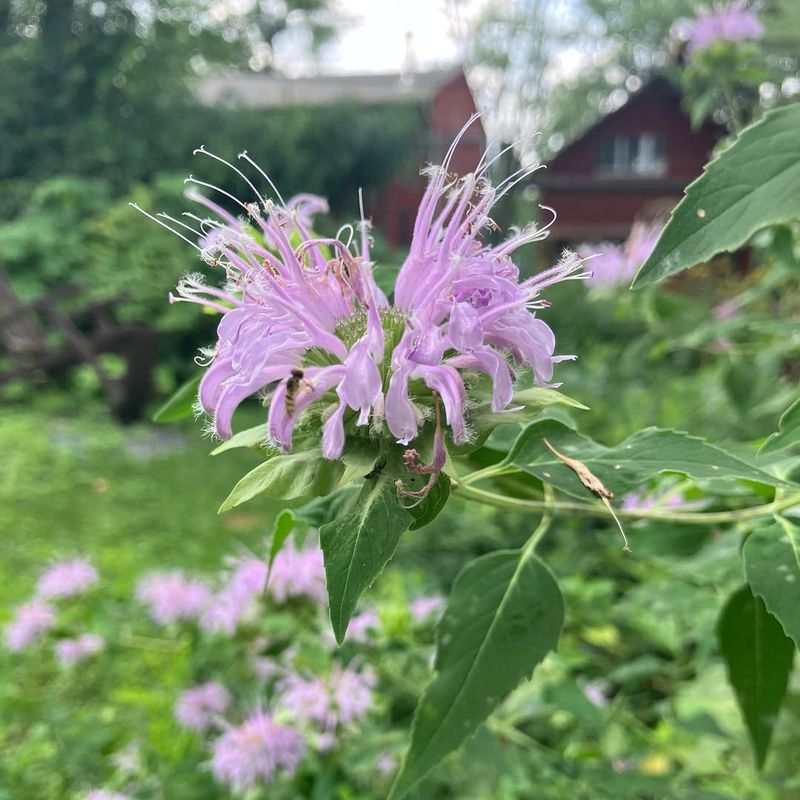
Wild bergamot is tough and reliable, but it does have one common challenge: powdery mildew.
This fungal issue tends to show up in late summer when air circulation is poor or when plants are crowded too closely together. The good news is that it is easy to prevent with a little planning upfront.
Give each plant about 18 to 24 inches of space when you first plant it, and make sure the site gets strong air movement along with full sun.
As the colony spreads over time, which wild bergamot will do gradually through rhizomes, you may need to thin it out every few years.
Dividing overcrowded clumps in early spring keeps the planting vigorous, reduces mildew pressure, and gives you extra plants to spread to other parts of the yard or share with neighbors.
Average, well-drained soil is ideal. Rich, heavily amended soil can actually cause too much leafy growth at the expense of flowers and fragrance, so resist the urge to over-fertilize.
When wild bergamot is grown with the right spacing, good sun, and occasional thinning, it stays attractive from early summer well into fall when the seed heads provide additional interest and food for birds.
That long season of value is part of what makes it such a smart choice for a Michigan native border.
Edible, aromatic, pollinator-friendly, and genuinely native, wild bergamot is the honest answer to the question this article asks.
Grow it well, use it thoughtfully, and it will reward you season after season with beauty, flavor, and a smarter yard all in one plant.