The Most Underrated Low-Maintenance Michigan Native That Feeds Pollinators And Deters Mosquitoes
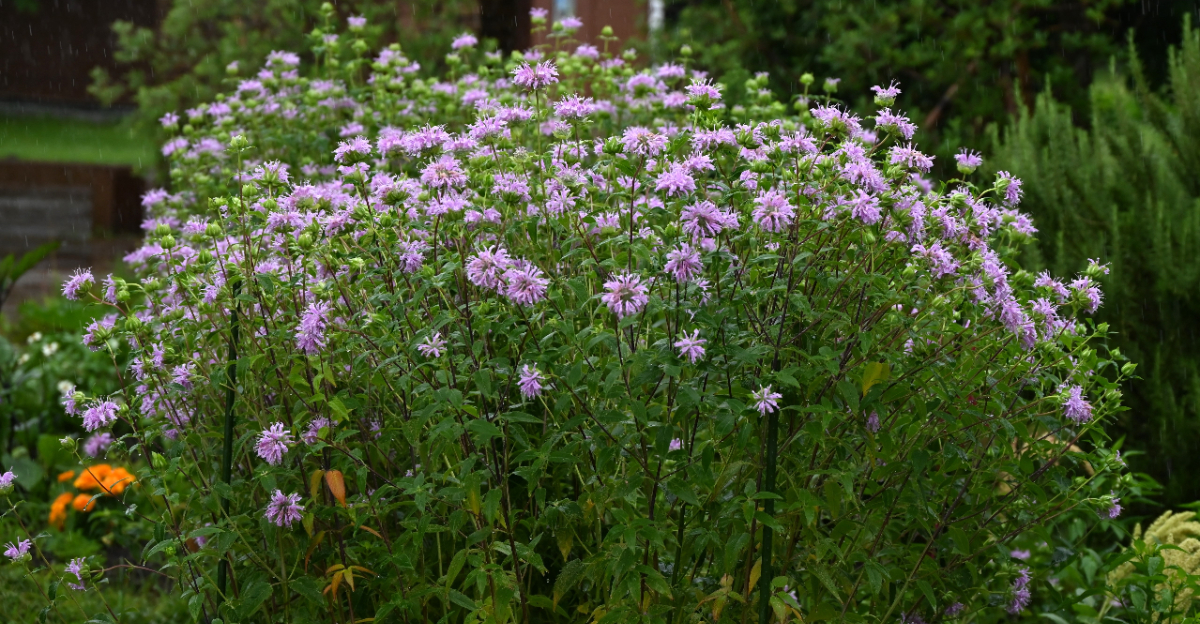
Low-maintenance plants that actually deliver on that description through a full Michigan growing season are rarer than garden center labels suggest.
Most plants marketed as easy care reveal their actual demands once they are in the ground and facing the combination of clay soils, temperature swings, and humidity that Michigan summers regularly produce.
This native sidesteps all of those issues because it evolved here and is genuinely adapted to local conditions in a way that no amount of breeding for ornamental appeal can replicate.
It supports a broad range of pollinators through consistent bloom production while carrying properties that mosquitoes find unfavorable in the immediate surrounding area.
For gardeners who want their yard to do more with less effort, this plant belongs in the ground sooner rather than later.
1. Wild Bergamot
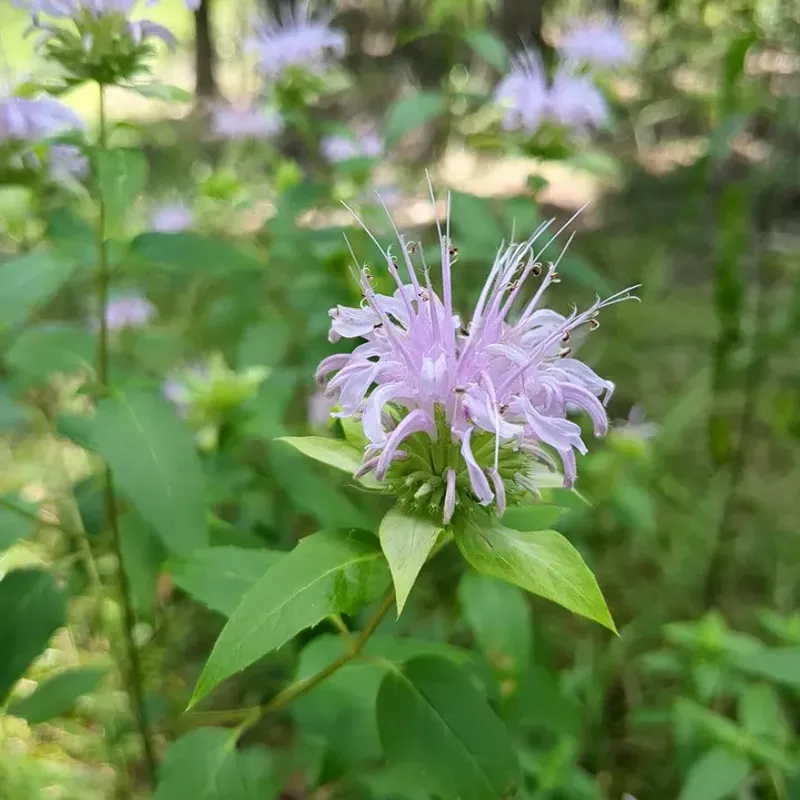
Meet Monarda fistulosa, better known as wild bergamot. This native perennial has been growing across North America for thousands of years, yet it still flies under the radar in most backyard gardens.
That is honestly a surprise, because few plants offer so much with so little effort.
Wild bergamot belongs to the mint family, which means its leaves carry a strong, pleasant, herby scent. Crush a leaf between your fingers and you will immediately notice the bold fragrance.
That aroma is more than just pleasant to people. It comes from natural aromatic compounds that make this plant interesting from both a garden and a science standpoint.
The flowers are soft lavender-pink and bloom in rounded clusters that look stunning against green summer foliage. Pollinators absolutely swarm to them.
Bees, butterflies, hummingbirds, and more treat wild bergamot like a favorite neighborhood restaurant.
Adding wild bergamot to your Michigan garden means adding color, fragrance, wildlife activity, and a plant with real ecological roots in your region. It fits pollinator gardens, native plant borders, herb gardens, and even informal meadow patches.
For gardeners who want beauty without a lot of fuss, wild bergamot is genuinely one of the best-kept secrets in Michigan horticulture. Once you grow it, you will wonder why you waited so long.
2. Wild Bergamot Is Native Across All Of Michigan
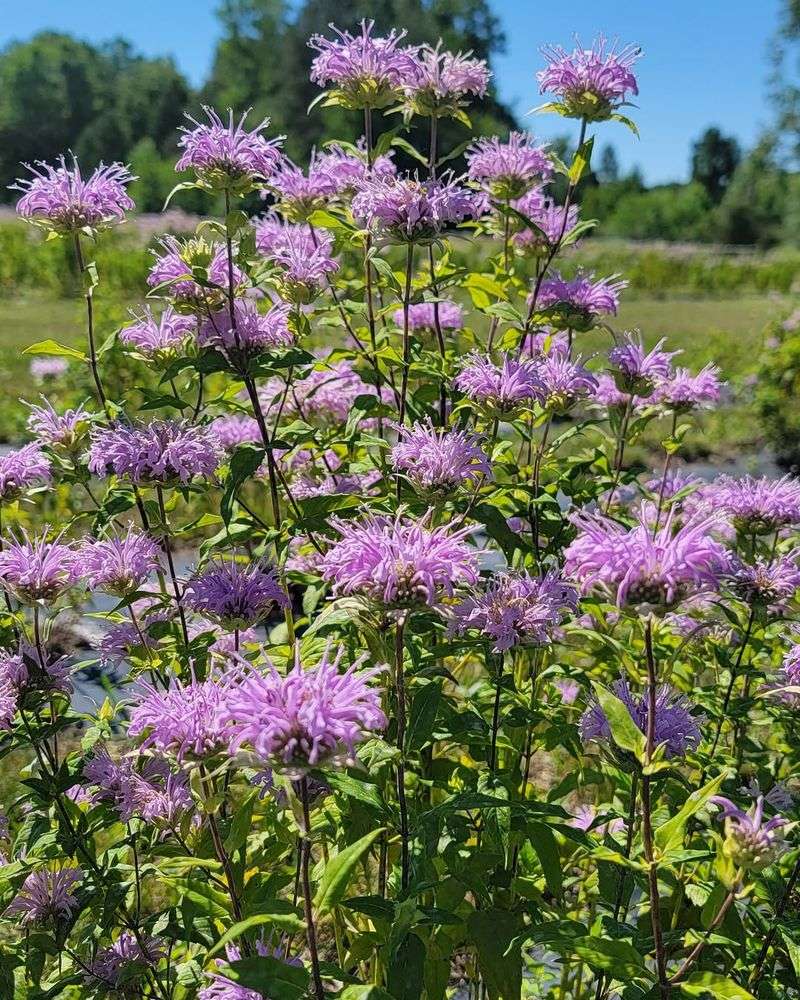
Not every plant that ends up in a Michigan garden actually belongs there. Wild bergamot does.
It has been documented growing naturally in nearly every county across both the Upper and Lower Peninsulas, making it one of the most widely distributed native wildflowers in the entire state.
Out in the wild, you can spot it along roadsides, in open fields, on dry prairies, at the edges of savannas, and along sunny woodland borders. It thrives wherever the sun is generous and the soil is not too soggy.
Those are exactly the kinds of conditions that exist in countless Michigan backyards.
Because wild bergamot has spent centuries adapting to Michigan soils, temperatures, and rainfall patterns, it handles the state’s weather without any special treatment.
Late spring frosts, hot July stretches, and dry August spells are all just part of normal life for this plant. It does not need babying to get through a Michigan season.
Your Michigan Garden Changes Every Week. Your Plan Should Too.
Gardening in Michigan changes quickly throughout the season. Every Friday you’ll receive a simple weekly plan showing exactly what to plant, prune, fertilize, harvest, and protect so you never miss the right timing.
For gardeners in Detroit, Grand Rapids, Traverse City, or anywhere in between, wild bergamot is a genuinely local choice. Planting a native species means supporting the local ecosystem, not just filling a garden bed.
Birds, insects, and soil organisms all benefit when native plants are part of the landscape. Wild bergamot is about as Michigan as it gets, and that is a very good reason to grow it.
3. Peak Summer Blooms That Pollinators Cannot Resist
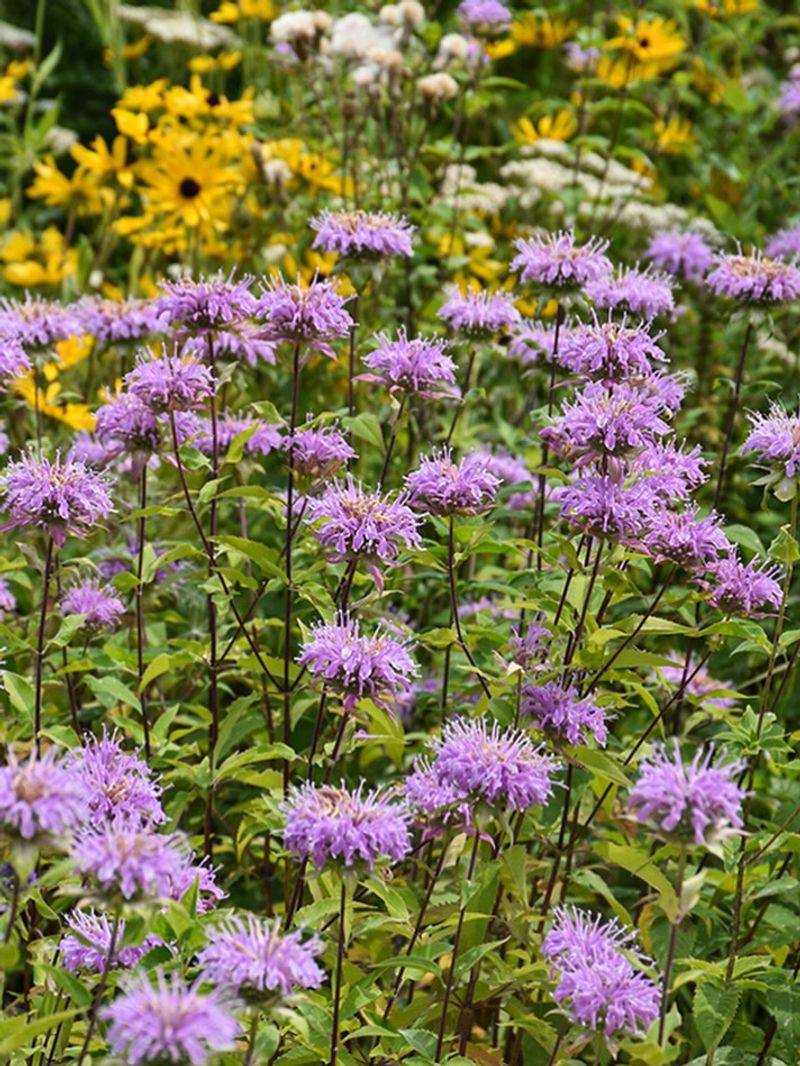
Timing matters a lot in a pollinator garden. Wild bergamot gets the timing exactly right by blooming right in the heart of Michigan summer, usually starting in late June and carrying on through July and sometimes into August.
That window lines up perfectly with when pollinators are most active and most in need of reliable food sources.
The lavender-pink flowers are packed with nectar, which makes them a genuine magnet for hungry visitors.
Bumblebees, native bees, monarch butterflies, tiger swallowtails, sphinx moths, and hummingbirds all show up regularly when wild bergamot is in bloom.
Watching your garden come alive with that kind of activity is one of the most rewarding parts of growing this plant.
Many popular garden flowers bloom in spring or fall, leaving a gap right in the middle of summer when pollinators still need food. Wild bergamot fills that gap naturally and reliably.
Pairing it with other native summer bloomers like purple coneflower or black-eyed Susan creates an even richer feeding station that supports pollinators from spring all the way into fall.
The blooms also have a long vase life if you want to bring some indoors, and the dried seed heads attract birds in autumn.
Wild bergamot gives you a plant that keeps working through multiple seasons, not just one short window of prettiness. That kind of long-season value is hard to beat in any garden.
4. The Pollinator List Goes Way Beyond Bees
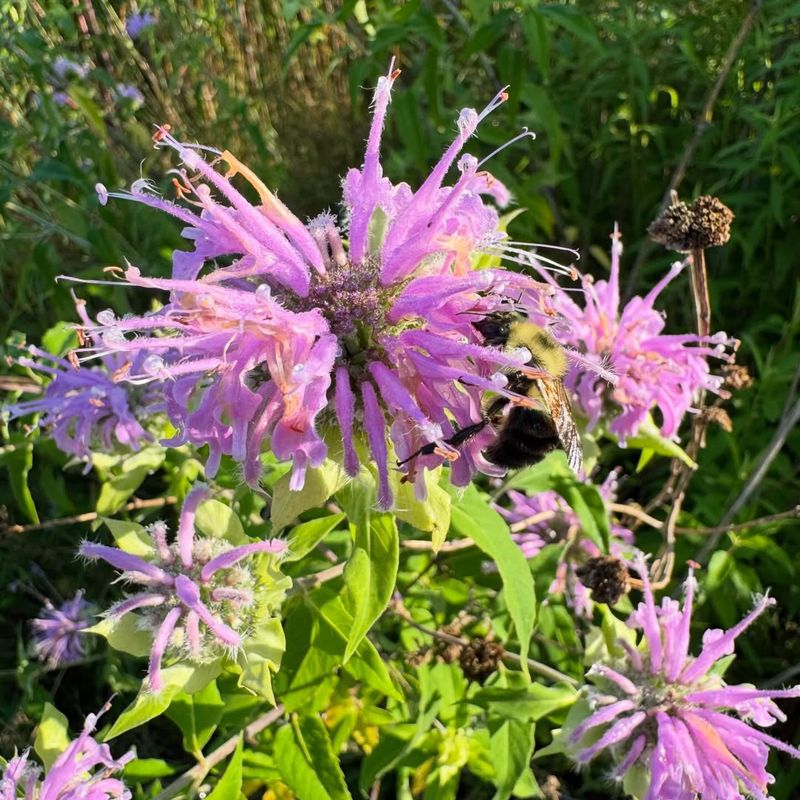
Most people know that wild bergamot attracts bees. What surprises a lot of gardeners is just how long the visitor list actually gets once the plant starts blooming.
This is not a one-pollinator plant. It is more like a community gathering spot for dozens of different species.
Ruby-throated hummingbirds are drawn to the tubular flower structure and the color, hovering at the blooms with that incredible wing speed that makes them look almost unreal.
Bumble bees are regulars, often working the flowers so enthusiastically that you can hear them buzzing from several feet away.
Native solitary bees, including sweat bees and mining bees, also visit frequently and play a huge role in local pollination.
Butterflies like monarchs, fritillaries, skippers, and swallowtails float in for nectar throughout the blooming season. Sphinx moths, which look remarkably like tiny hummingbirds, feed at dusk and add a whole extra layer of garden magic.
Even beneficial wasps stop by, and those wasps are helpful because they naturally manage pest populations in the garden.
Having that kind of biodiversity moving through your yard is genuinely exciting. It also reflects a healthy garden ecosystem.
Wild bergamot essentially acts as an anchor plant, drawing in the kind of wildlife that makes a garden feel alive and connected to the natural world around it.
Few other perennials can match that level of ecological generosity in a summer garden.
5. Fragrant Leaves And The Mosquito-Smart Garden Angle
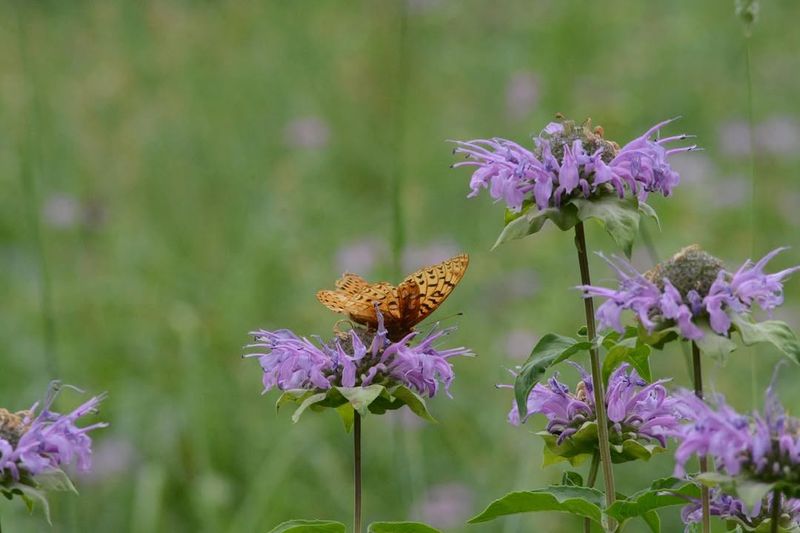
Wild bergamot belongs to the mint family, and like its relatives, it produces strongly aromatic oils in its leaves. Those oils give the plant its distinctive herby, oregano-like scent that many people find genuinely pleasant.
That fragrance is not just nice for humans. It is actually where the mosquito-smart garden angle comes from.
Research on Monarda fistulosa essential oil has shown that it contains compounds with mosquito-repellent activity in laboratory settings.
Thymol and carvacrol are among the aromatic chemicals found in this plant, and both have been studied for their insect-deterrent properties. That is genuinely interesting science and worth knowing about.
Here is the honest part, though. Having wild bergamot growing in your garden is not the same as applying essential oil to your skin, and it will not make mosquitoes completely disappear from your yard.
A living plant releases far less concentrated aromatic compounds than a distilled essential oil. Think of it as one helpful aromatic layer in a smarter outdoor strategy, not a standalone solution.
Planting wild bergamot near seating areas or along garden paths means you and your guests brush against the leaves occasionally, releasing more scent.
That adds a pleasant sensory experience and contributes to an environment that is a little less welcoming to mosquitoes.
Paired with real prevention steps, it becomes a genuinely useful part of a thoughtful outdoor plan.
6. Smart Placement Makes All The Difference
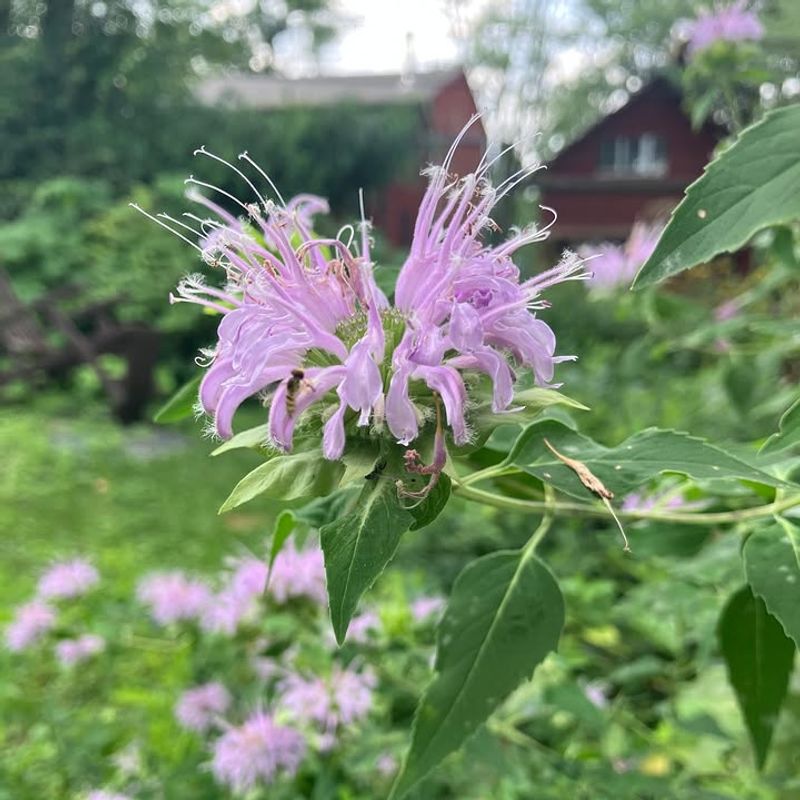
Where you plant wild bergamot matters almost as much as whether you plant it at all. Getting the placement right means you get more enjoyment from the flowers, more fragrance from the leaves, and a better view of all the pollinators it attracts.
Put it in the wrong spot and you miss out on most of the fun.
Sunny garden paths are one of the best locations. As people walk by, they naturally brush the foliage, releasing that wonderful herby scent.
Patio edges work beautifully too, especially when you want to enjoy the butterfly and hummingbird activity from a comfortable chair.
Pollinator garden beds, herb garden borders, and the edges of vegetable gardens are all excellent spots where wild bergamot fits right in.
Good airflow is something worth thinking about when choosing a location. Wild bergamot appreciates open, airy conditions, and planting it where air circulates freely keeps the foliage looking its best through the season.
Avoid tucking it into tight corners or against walls where air movement is limited.
If bees visiting near busy seating areas concern you, plant wild bergamot slightly away from high-traffic spots and let it create a pollinator zone a few feet from where people gather.
Bees are focused on flowers and rarely pay attention to people who are simply nearby. A little thoughtful spacing gives you the beauty and the wildlife activity without any worry, making the whole garden experience more relaxed and enjoyable.
7. Low Maintenance Is Not Just A Slogan For This Plant
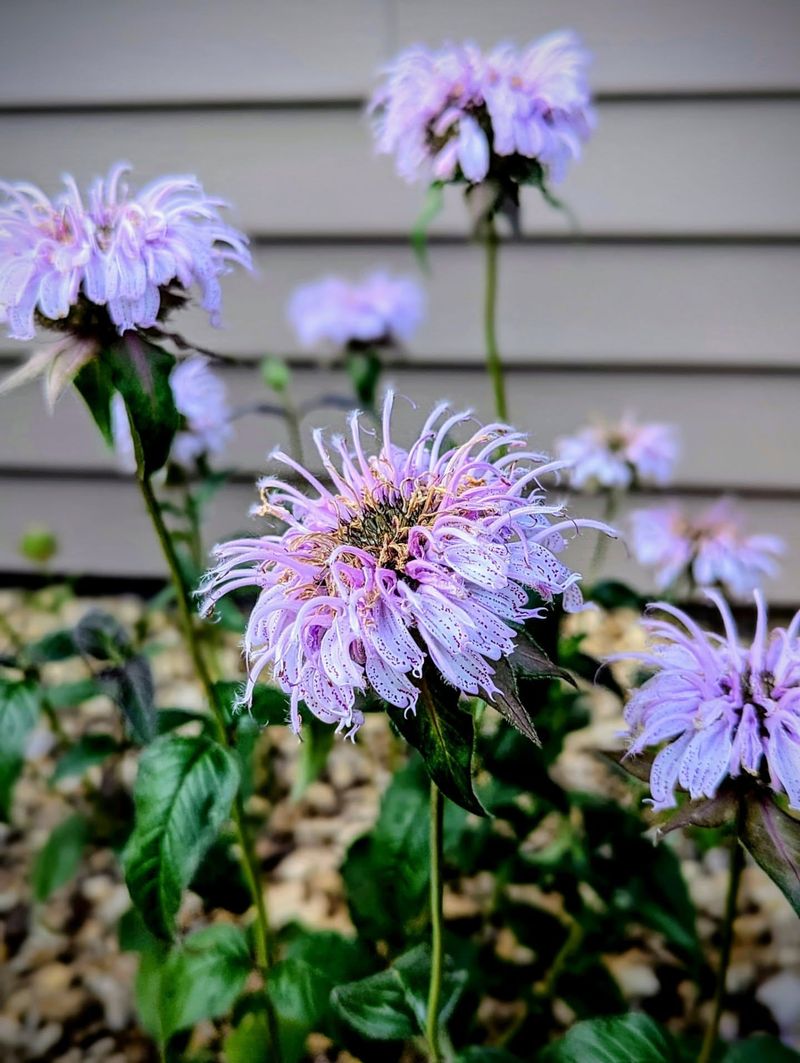
Some plants get labeled low maintenance and then require constant attention anyway. Wild bergamot is the real deal.
Once it settles into the right spot, it genuinely takes care of itself through the Michigan growing season with very little help from you.
Full sun is its preference, though it tolerates light shade without too much fuss. Average to dry soil suits it well, which is actually great news for gardeners dealing with sandy or gravelly ground where other plants struggle.
Rich, heavily amended soil is not necessary and can actually cause the plant to flop over from overly lush growth.
Watering needs drop off significantly once the plant establishes itself, usually after the first growing season. After that, natural rainfall handles most of what it needs through a typical Michigan summer.
During an unusually dry stretch you might water occasionally, but this is not a plant that demands regular irrigation to stay happy.
Fertilizing is almost never needed. Wild bergamot evolved in lean soils and does perfectly well without extra feeding.
Cutting the stems back by about a third after the first flush of bloom can encourage a second round of flowers and keeps the plant looking tidy. Beyond that, there is not much else to do.
For busy gardeners or anyone who wants a rewarding garden without constant upkeep, wild bergamot is honestly one of the most satisfying choices available in Michigan.
8. Wet Shade And Crowded Spots Are Where It Struggles
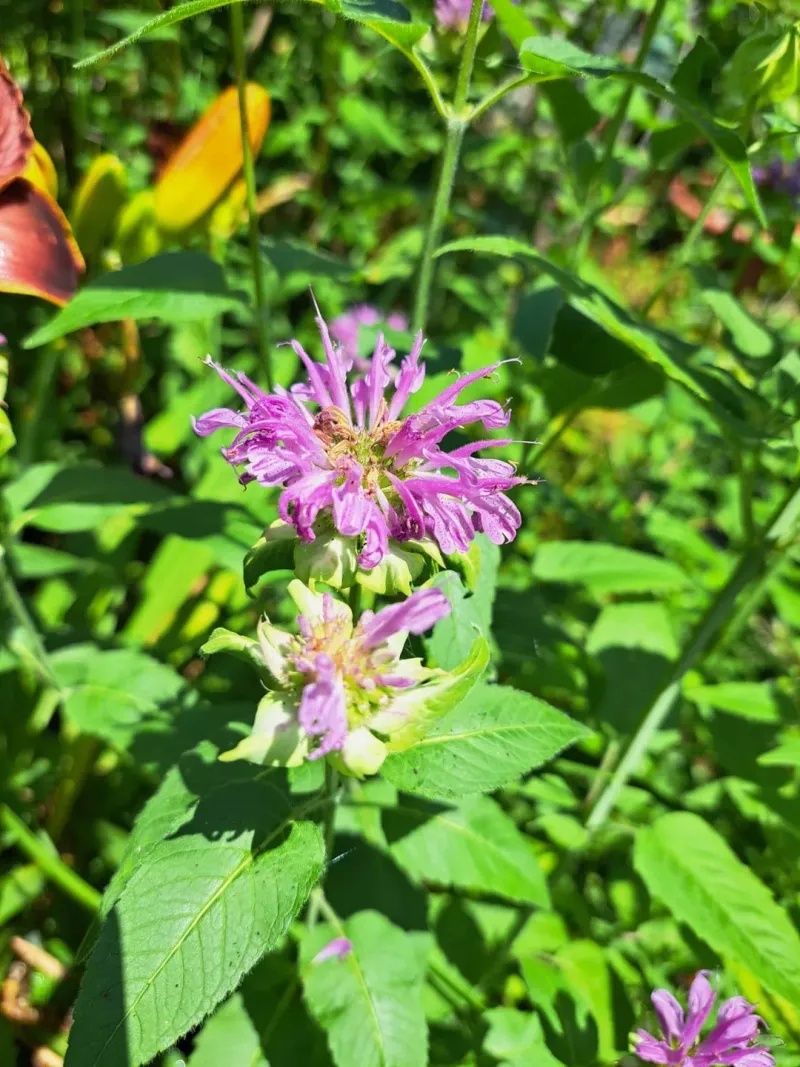
Every plant has conditions where it shines and conditions where it sulks. Wild bergamot is genuinely easy to grow, but it does have a clear preference for open, sunny, well-drained spaces.
Push it into the wrong environment and the results can be disappointing. Deep shade is the first thing to avoid. Wild bergamot naturally grows in open prairies, savannas, and sunny roadsides.
Under a dense tree canopy, it stretches and weakens, produces far fewer flowers, and loses much of its aromatic intensity. Even partial shade is tolerable, but full shade is simply not where this plant wants to be.
Overly wet or consistently soggy soil is another problem. Wild bergamot roots are not built for waterlogged conditions.
Planting it in low spots where water pools after rain leads to root issues that weaken the plant over time. Well-drained soil, even if it is sandy or lean, is far better than rich, wet ground.
Crowded planting conditions create a third challenge: powdery mildew. This fungal issue shows up as a white powdery coating on the leaves and is most common when plants are packed together with poor air circulation.
Giving each plant adequate space, roughly two to three feet apart, and keeping the bed open and airy goes a long way toward preventing this cosmetic problem.
Mildew rarely harms the plant seriously, but good spacing keeps wild bergamot looking its best from June through fall.
9. It Spreads Naturally To Fill A Beautiful Border
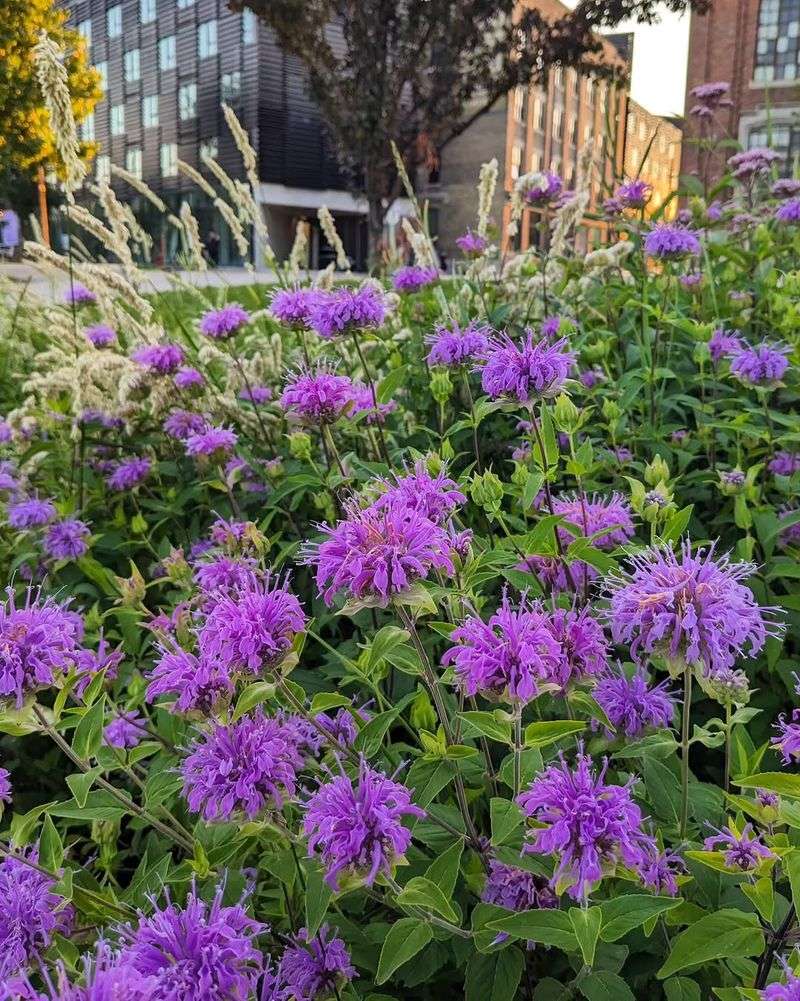
One of the most appealing qualities of wild bergamot is that it does not stay a single lonely clump forever.
Over time, it spreads through underground rhizomes and drops seeds, gradually filling in a natural-looking patch that can transform a bare sunny border into something genuinely spectacular.
That spreading habit makes it a fantastic choice for meadow gardens, pollinator strips, naturalized areas, and informal native plant borders where a fuller, wilder look is the goal.
A small planting of three or five plants can expand into a lush colony over several seasons, creating a sweep of lavender-pink blooms that pollinators absolutely love. For gardeners who want a more structured look, managing the spread is simple.
Dividing the clumps every two or three years keeps the planting vigorous and refreshes the plants, which tend to bloom most strongly on newer growth at the edges of the colony.
Thinning out the center when it gets dense also improves air circulation and reduces mildew risk.
If the patch starts moving beyond its intended space, a sharp spade along the edge in spring is all it takes to keep it in bounds.
Wild bergamot responds well to division, and the extra pieces make great additions to other garden spots or thoughtful gifts for fellow gardening friends.
The plant’s willingness to spread is not a problem. With a little guidance, it becomes one of the most effortless ways to fill a garden with color, fragrance, and life.
10. Pair It With Real Prevention For A Smarter Outdoor Space
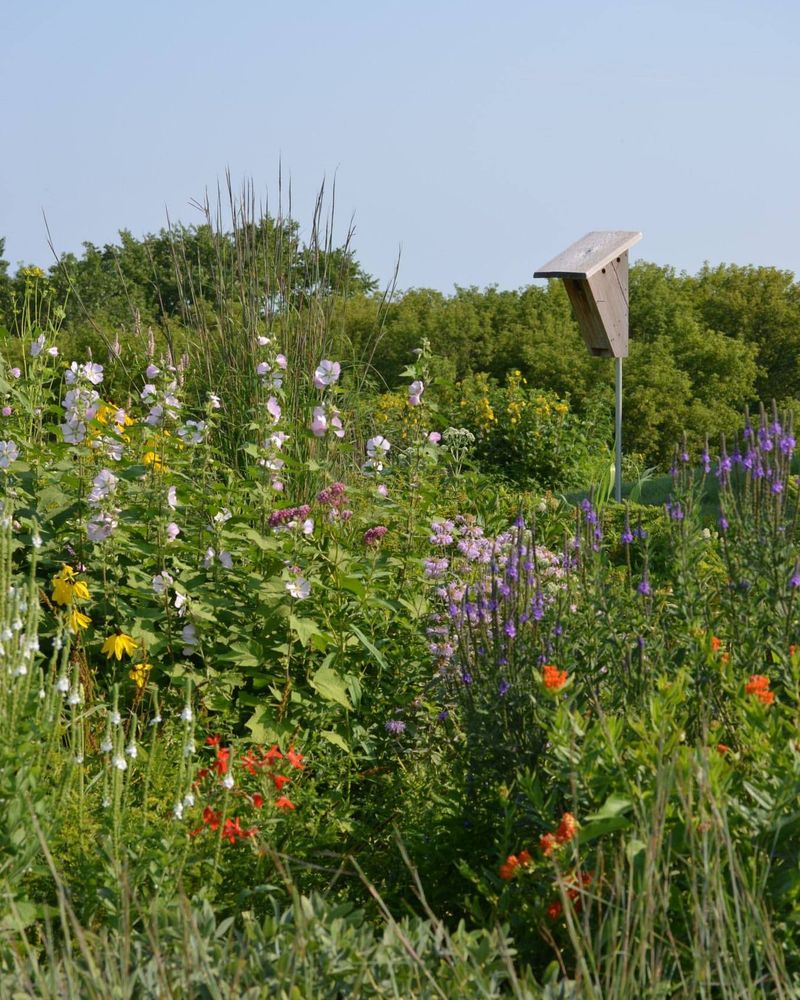
Wild bergamot is a genuinely wonderful plant for a Michigan garden, and its aromatic leaves do contribute to a more mosquito-aware outdoor space.
That said, no single plant handles mosquito pressure on its own, and wild bergamot works best when it is part of a smarter overall approach to enjoying your yard. Standing water is the number one thing to address.
Mosquitoes need water to complete their life cycle, so emptying saucers under pots, flipping over buckets, and refreshing bird baths every two to three days removes the breeding opportunities they depend on.
Cleaning gutters regularly prevents water from collecting in hidden spots overhead. Covering containers that hold water, like rain barrels, with fine mesh also helps significantly.
Improving airflow around seating areas makes a noticeable difference too. Mosquitoes are weak fliers, and even a small fan on a porch or patio creates enough of a breeze to keep them away from where people gather.
Wearing light-colored clothing in the evening and using a personal repellent when spending extended time outdoors rounds out a practical prevention routine.
Wild bergamot earns its place in this strategy because it is native, fragrant, pollinator-friendly, and far easier to grow than many showier perennials that demand constant care.
It adds beauty, supports local wildlife, and brings a pleasant aromatic layer to your outdoor space.
Underrated does not even begin to cover it. This plant deserves a spot in every Michigan garden that values nature, simplicity, and a genuinely rewarding growing experience.