The California Shrubs People Regret Planting Once Summer Arrives
A shrub can look perfect in spring, then turn into a headache when California summer shows up. Heat, dry soil, and tight planting spaces can reveal problems that were easy to miss at first.
Some shrubs need more water than homeowners expected. Others grow too fast, scorch in harsh sun, or demand constant trimming to stay presentable.
What seemed like an easy choice at the nursery can become a weekly chore by midsummer. The issue is not always that the plant is bad.
It may simply be wrong for the spot. A shady coastal shrub can struggle in a hot inland yard.
A fast grower can overwhelm a small front bed. Before planting something pretty and hoping for the best, it helps to know which shrubs often cause regret once summer pressure kicks in.
1. Hydrangeas Wilt Fast In Hot Inland Yards
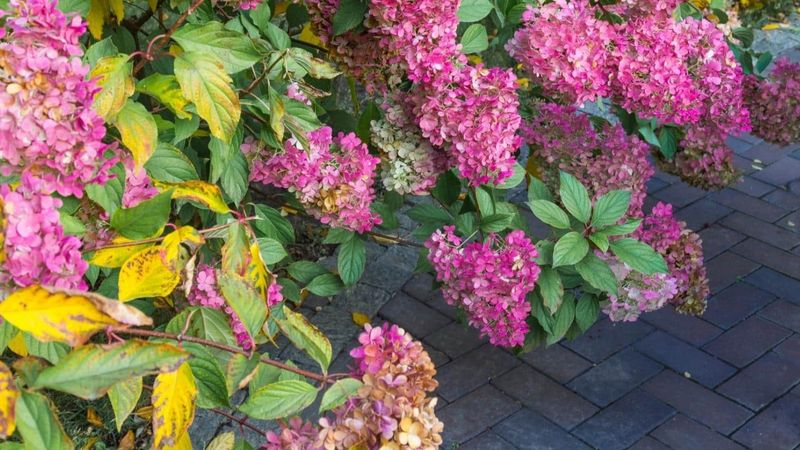
Few plants look as lush and romantic as a hydrangea in full bloom. Those big, colorful flower heads are hard to resist at the nursery.
But plant one in a hot inland yard, and you might be running outside with a hose every single afternoon just to keep it alive.
Hydrangeas love moisture. They want cool mornings, mild afternoons, and soil that stays damp.
In our California’s inland regions, summer temperatures can easily climb past 95 degrees. That kind of heat drains moisture from the soil fast.
Leaves curl up, flowers droop, and the whole plant looks miserable by noon.
Even with daily watering, many gardeners find their hydrangeas just cannot bounce back once the heat really sets in. The roots struggle to absorb water quickly enough to keep up with what the sun is pulling out.
Mulching heavily around the base can help slow moisture loss. Planting in a spot that gets afternoon shade is also smart.
East-facing spots work better than west-facing ones. Without those adjustments, expect a rough summer.
Hydrangeas planted in coastal or foggy zones tend to do much better. If you love them but live somewhere hot and dry, a container near a shaded wall might be your best bet.
They can be beautiful, but they demand a lot in return.
2. Azaleas Struggle When Afternoon Sun Gets Brutal
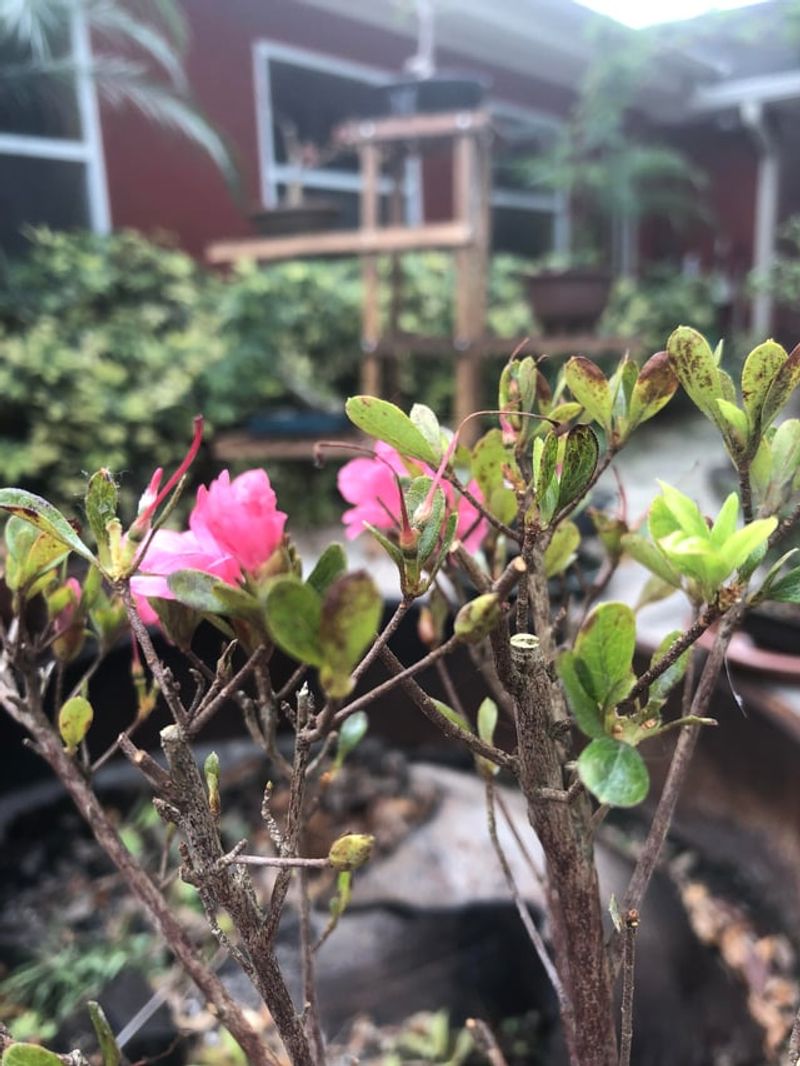
Azaleas are one of the most popular flowering shrubs sold in nurseries every spring. Their bright blooms in pink, red, and white make them look almost too good to pass up.
But once summer arrives and afternoon temperatures spike, many azalea owners start to worry.
Hot afternoon sun is one of the biggest problems for azaleas in California. Their leaves are not built for intense, direct heat.
When the sun beats down on them for hours, the leaf edges turn brown and crispy. It looks like the plant got sunburned, and honestly, it did.
Azaleas prefer filtered light or morning sun with shade in the afternoon. Most gardeners do not realize this until the damage is already done.
Soil matters a lot too. Azaleas need acidic, well-draining soil that still holds some moisture.
Your California Garden Changes Every Week. Your Plan Should Too.
Gardening in California changes quickly throughout the season. Every Friday you’ll receive a simple weekly plan showing exactly what to plant, prune, fertilize, harvest, and protect so you never miss the right timing.
Our heavy clay or sandy soils are not always a great match without some serious amending. They also hate having their roots disturbed or sitting in waterlogged ground.
Getting the balance right takes effort. If you already have azaleas planted in a tough spot, try adding a thick layer of pine bark mulch around the base.
It keeps the roots cooler and helps hold moisture. Moving them to a shadier location in fall is also worth considering.
With the right placement, they can thrive. Without it, summer can be rough on them.
3. Camellias Regret Harsh Heat And Dry Soil
Walk through any older neighborhood and you will likely spot a camellia tucked under a tree or along a shaded fence. They are classic, elegant, and beloved.
But move one into a hot, exposed spot with dry soil, and that elegance fades quickly.
Camellias are originally from cool, humid forests in Asia. They were built for gentle conditions, not blazing summer afternoons.
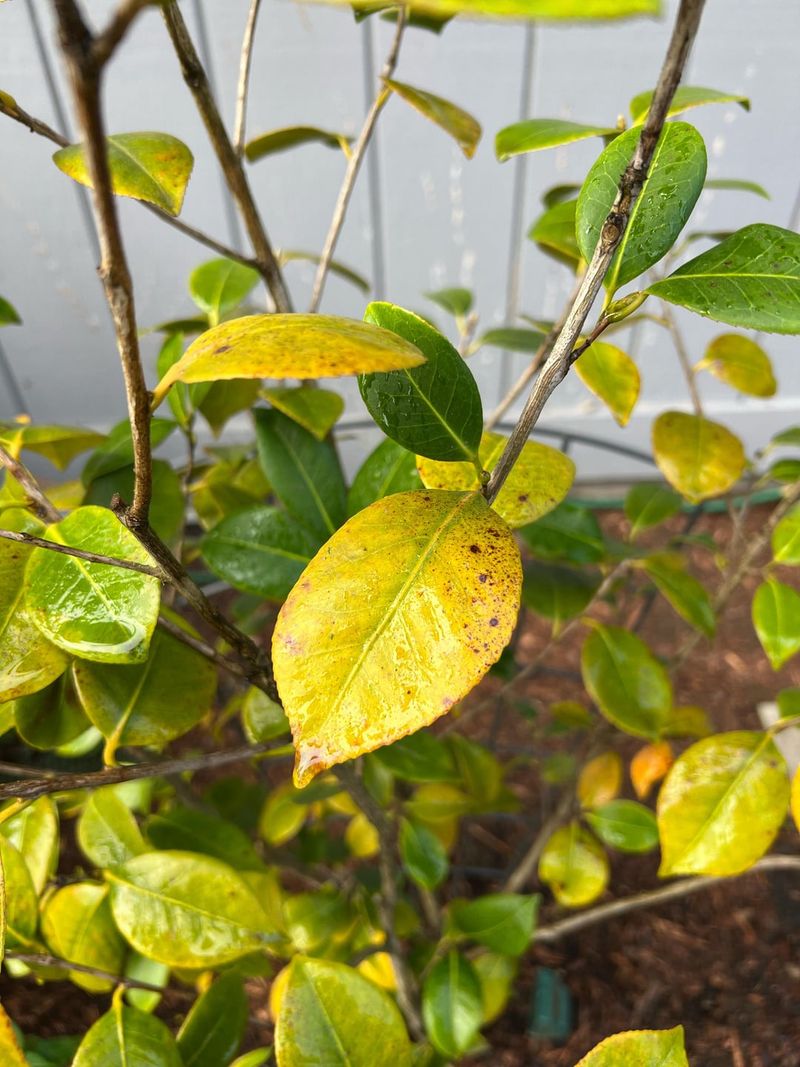
When temperatures soar and the air dries out, camellia leaves can yellow, buds may drop before opening, and the whole plant looks stressed. It is one of the more heartbreaking gardening disappointments because camellias grow slowly.
You invest years in a plant only to watch it struggle through every hot season.
Dry soil is the other major issue. Camellias need consistent moisture, especially during flower bud development in late summer and fall.
If the soil dries out too much during those months, next year’s blooms will suffer. Deep, slow watering works better than frequent shallow watering.
A thick layer of organic mulch helps retain moisture and keeps roots from overheating. Morning sun with afternoon shade is the sweet spot for placement.
Avoid spots near south-facing walls that reflect heat. With the right setup, camellias can be gorgeous year-round plants.
Without it, they often become one of the most frustrating shrubs in the yard.
4. Boxwood Can Brown Out In Summer Stress
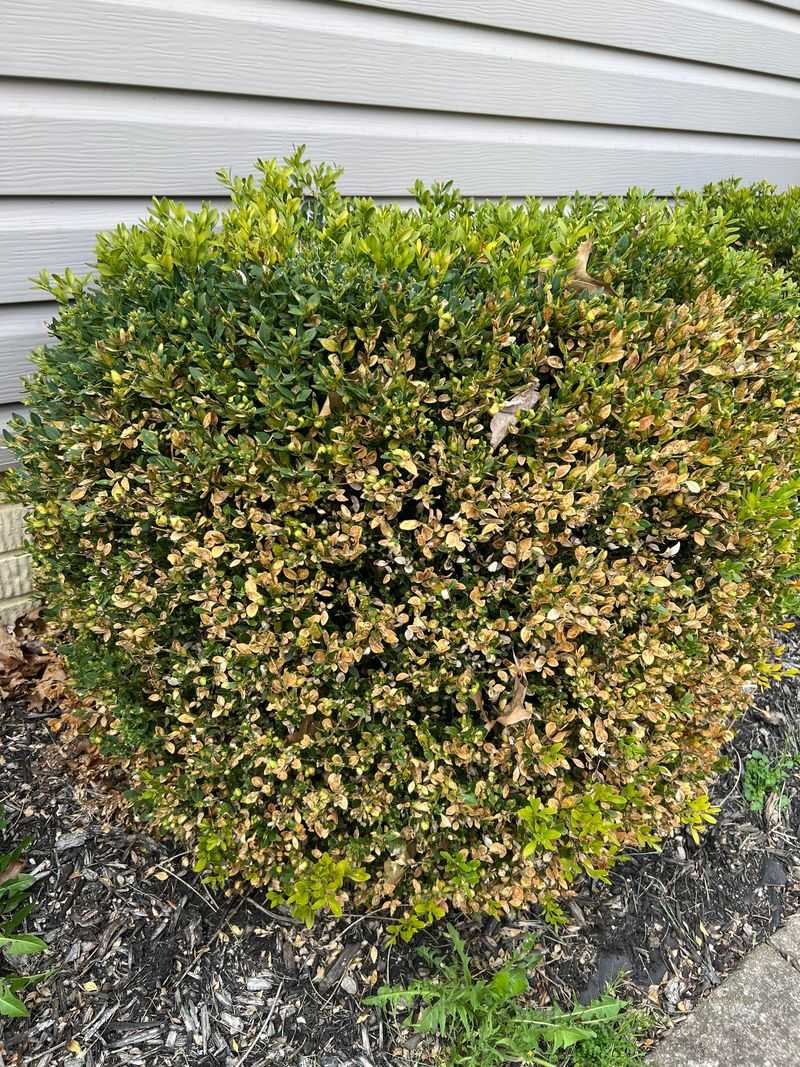
Boxwood hedges are everywhere. They line driveways, frame front doors, and form neat borders in formal gardens.
Their tidy, evergreen look makes them a go-to choice for homeowners who want structure in their landscape. But summer in California can turn that tidy green into an ugly patchwork of brown.
Boxwoods are more sensitive to heat and drought than most people expect. When temperatures rise and watering gets inconsistent, the foliage starts to bronze and brown.
It often starts at the tips and works inward. Some of that browning is caused by heat stress, but root rot from overwatering can cause similar symptoms.
It gets confusing fast. Too little water hurts them. Too much water hurts them too.
There is also the issue of boxwood blight, a fungal disease that spreads in warm, humid conditions. It causes rapid leaf drop and can wipe out a hedge that took years to grow.
Good air circulation and avoiding overhead watering help reduce the risk. Planting in well-draining soil is key.
Boxwoods in heavy shade often stay healthier through summer than those baking in full sun. If your boxwoods are looking rough, check the roots before adding more water.
Sometimes the fix is better drainage, not more moisture. Replacing struggling boxwoods with heat-tolerant alternatives like dwarf myrtle or Japanese holly might save a lot of frustration long term.
5. Gardenias Need More Water Than Many Expect
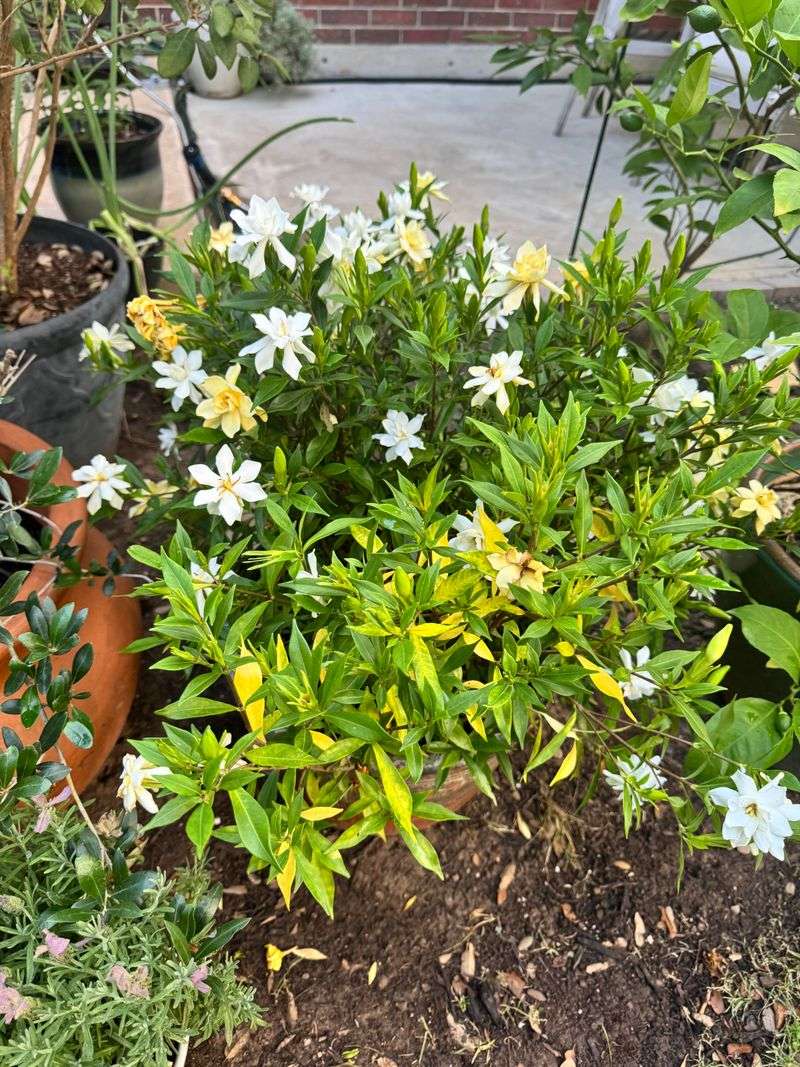
The scent of a gardenia in bloom is unforgettable. It is rich, sweet, and one of those smells that can stop you in your tracks.
That fragrance is a big reason why so many people rush to plant them. But gardenias come with a long list of needs, and summer in California tests every single one.
Water is the biggest issue. Gardenias want consistently moist soil, but not soggy.
In our dry summer heat, that balance is hard to maintain. The soil can go from damp to bone dry in a matter of days.
When that happens, leaves turn yellow and flower buds drop before they even open. All that anticipation for those beautiful blooms, gone.
It is genuinely discouraging for new gardeners who did not see it coming.
Gardenias also need acidic soil with a pH between 5.0 and 6.0. Most garden soils are not naturally that acidic.
Without the right pH, the plant cannot absorb iron and other nutrients properly. That leads to a condition called chlorosis, where leaves turn yellow between the veins.
Fixing this takes time and the right soil amendments. They also prefer humidity, which is hard to come by in hot inland areas.
Coastal spots work better. If you are set on growing gardenias, plan for regular deep watering, acidic fertilizer, and a sheltered spot away from harsh afternoon sun.
6. Fuchsias Collapse In Hot, Dry Exposure
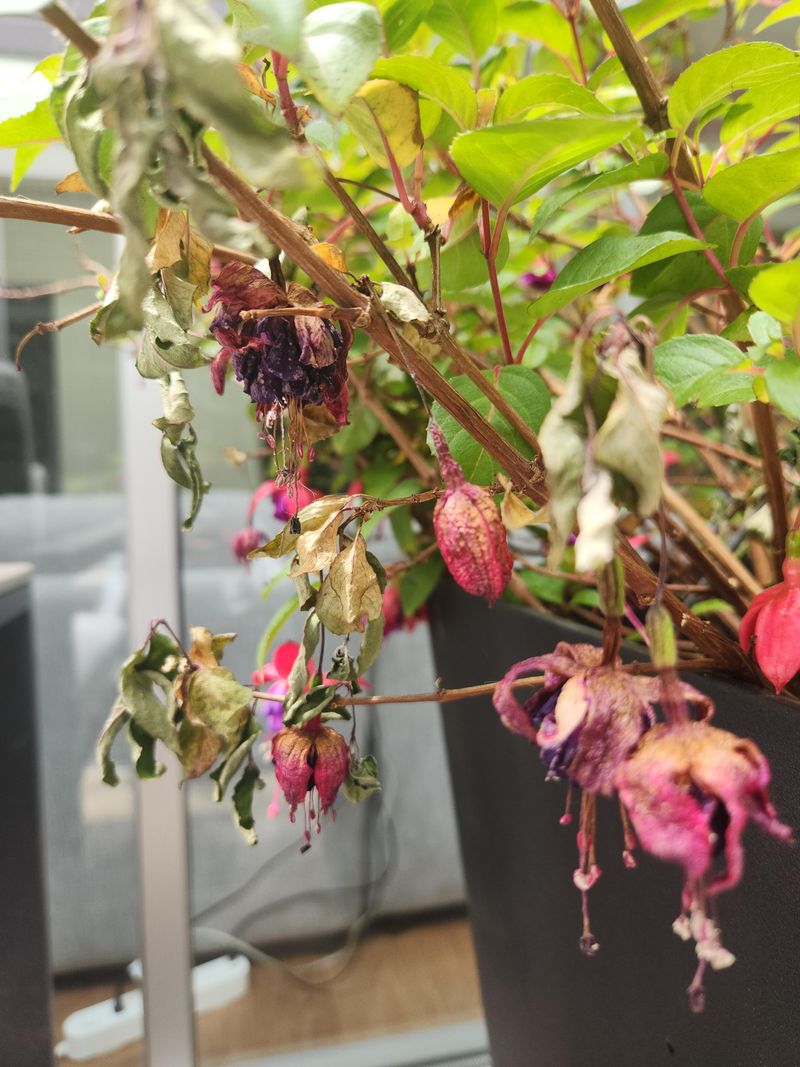
Fuchsias are showstoppers. Their dangling, two-toned blooms in shades of pink, red, and purple look like tiny dancing ballerinas.
They are a staple of shaded patios and hanging baskets in cooler coastal areas. But take them inland or leave them in full summer sun, and they fall apart almost overnight.
Heat and low humidity are fuchsia’s worst enemies. These plants come from cool, moist mountain forests in Central and South America.
They were never designed for our hot, dry summers. When temperatures push past 80 degrees, fuchsias start to wilt.
Past 90, they can drop all their flowers and go into survival mode. Some gardeners describe watching their fuchsias go from lush to lifeless within just a few days of a heat wave.
Watering helps, but it is not always enough. In hot, dry air, moisture evaporates from the leaves faster than the roots can replace it.
Misting the foliage in the morning can provide some relief, but it is not a long-term fix. Moving containers to a cool, shaded spot during heat waves makes a real difference.
Fuchsias in hanging baskets dry out especially fast because air circulates all around the pot. Daily watering may be needed during peak summer months.
If you live in a hot inland area, fuchsias are best enjoyed as a cool-season plant rather than a year-round feature.
7. Nandina Spreads Berries Where It Is Not Wanted
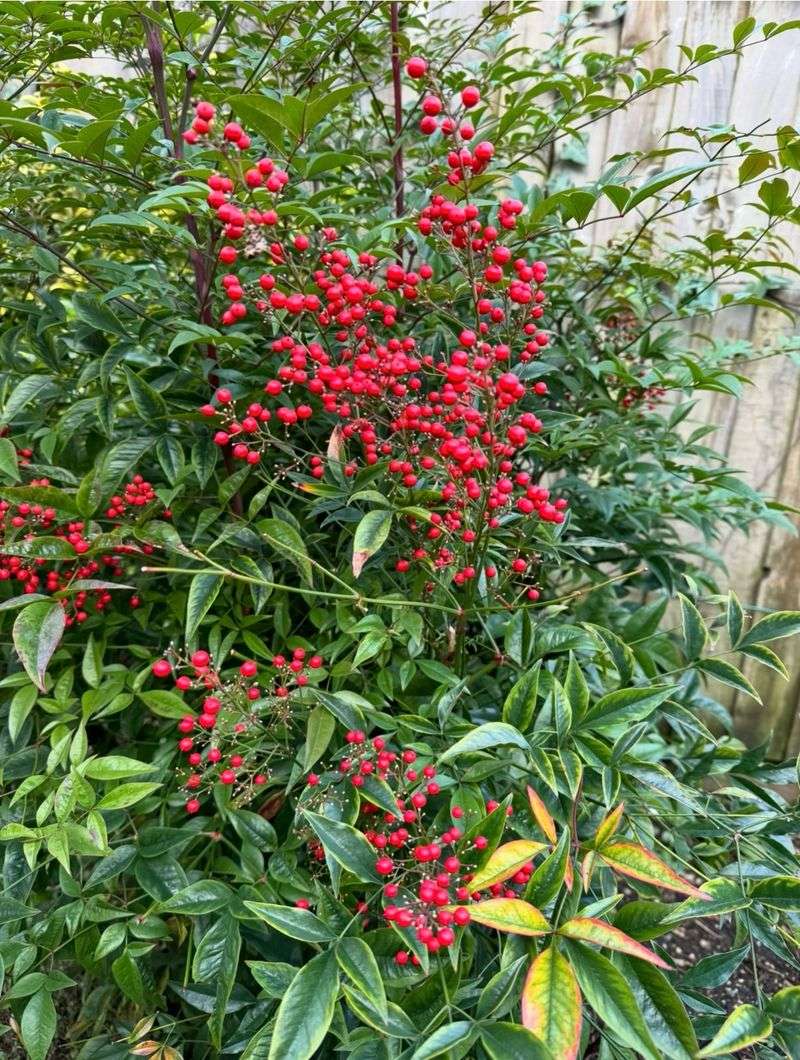
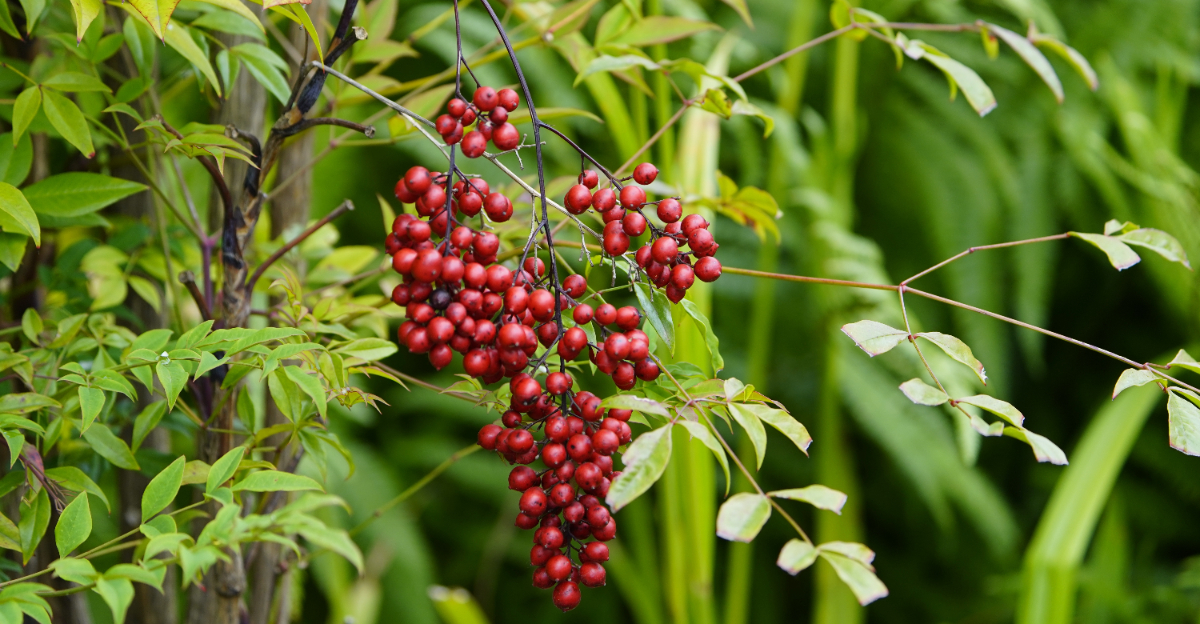
Nandina, also called heavenly bamboo, is one of those plants that seems almost perfect at first. It is low maintenance, drought-tolerant once established, and puts on a colorful show with its red berries and changing foliage.
That combination made it wildly popular in landscapes across California. But its appeal comes with some serious downsides.
The biggest concern is how easily it spreads. Birds love those bright red berries and carry the seeds far beyond the garden.
Nandina has shown up in natural areas, creek beds, and wild spaces where it was never planted. In some regions, it has been labeled an invasive plant for this reason.
Once it takes hold in a new area, it can crowd out native plants and reduce habitat for local wildlife. That is a real ecological problem, not just a garden nuisance.
There is also a toxicity concern worth knowing about. The berries contain compounds that can harm birds when eaten in large amounts.
Robins and cedar waxwings are especially vulnerable. Some communities have started removing nandina from public spaces for this reason.
Many native plant advocates strongly recommend replacing it with safer alternatives. Plants like toyon or coffeeberry offer similar visual appeal without the ecological baggage.
If you already have nandina in your yard, removing the berries before birds can spread them is a responsible step. Choosing non-fruiting varieties is another way to enjoy the plant with fewer risks.
8. Oleander Is Tough But Too Toxic For Many Yards
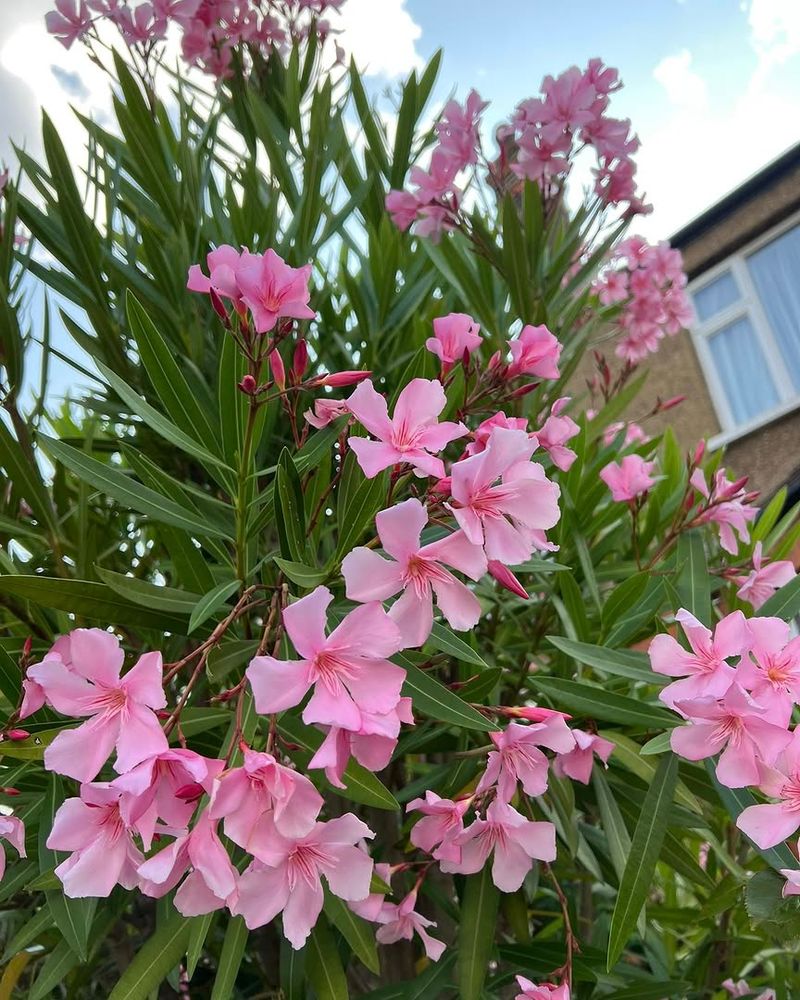
Oleander might be the toughest shrub on this list. It handles drought, heat, poor soil, and neglect better than almost anything else you can plant.
Drive along any freeway in California and you will see miles of oleander planted in the median. It looks almost indestructible. And in many ways, it is.
But that toughness does not cancel out one very serious problem. Every single part of an oleander plant is highly toxic.
Leaves, flowers, stems, and even the smoke from burning its branches can cause serious harm. For families with young children or curious pets, that risk is real and it is significant.
Kids are drawn to bright flowers. Dogs chew on branches. One bad incident is enough to make most parents regret ever planting it.
Even experienced gardeners can forget how dangerous it is. Pruning without gloves can cause skin irritation.
Getting sap in your eyes is a medical emergency. Disposal requires care because the clippings should never be composted or burned at home.
Despite all this, oleander remains one of the most planted shrubs in our state because it asks for almost nothing in return for its beauty. If you do not have kids or pets and you want a low-water, high-impact hedge, it can work.
But for most family yards, the risks outweigh the rewards. Safer alternatives like Texas ranger or lantana can fill a similar role without the worry.
9. Cotoneaster Can Escape Beyond Garden Borders
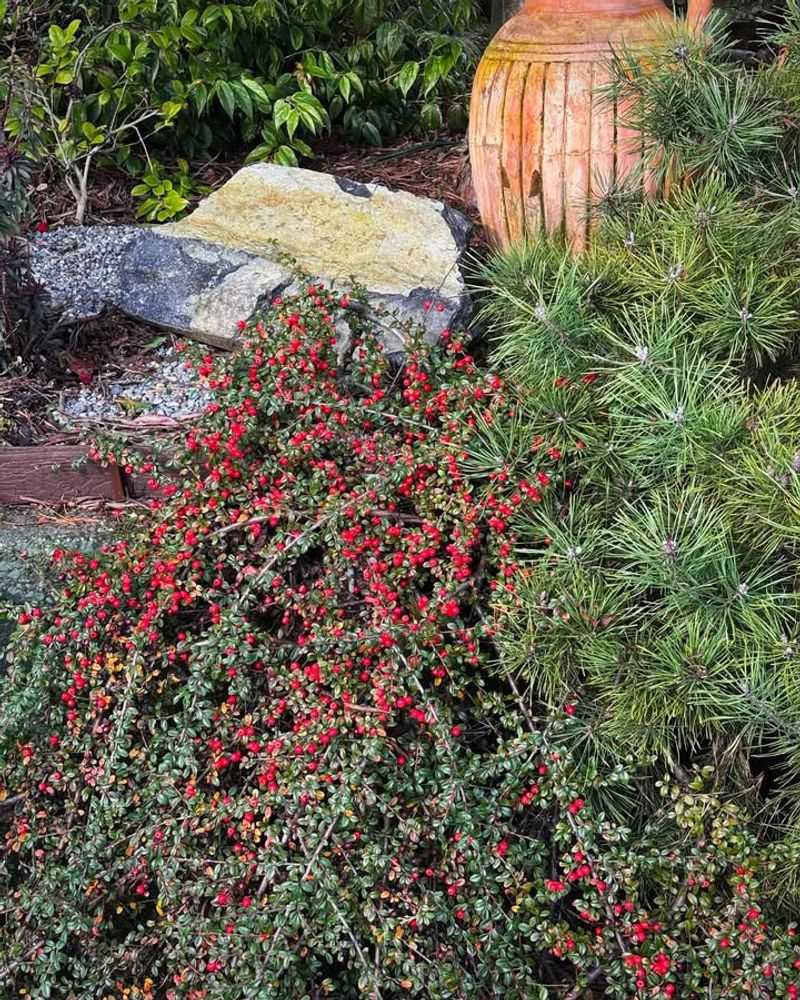
Cotoneaster is one of those plants that earns its place in the garden by being incredibly easy to grow. It handles heat, drought, and poor soil without much fuss.
Its arching branches, small white flowers, and bright red berries give it real visual appeal across multiple seasons. For a busy homeowner, it sounds like a dream plant.
The problem is that cotoneaster does not always stay where you put it. Several species, especially Cotoneaster pannosus and Cotoneaster franchetti, are considered invasive in many parts of California.
Birds spread the berries into wild areas, roadsides, and natural habitats. Once it gets established outside the garden, it can form dense thickets that push out native plants.
Fire-prone areas are especially at risk because cotoneaster can add to the fuel load in dry hillside landscapes.
Some counties have even added certain cotoneaster species to their invasive plant lists. That means planting them could eventually become a regulatory issue, not just a personal gardening choice.
If you already have cotoneaster in your yard, keeping it trimmed and removing berries before they drop can help reduce spread.
Swapping it out for a native shrub like toyon, lemonade berry, or sugar bush gives you similar color and wildlife value without the ecological concerns.
Making that switch benefits your garden and the surrounding landscape at the same time.