10 Tough Plants That Handle Common Garden Problems In Michigan
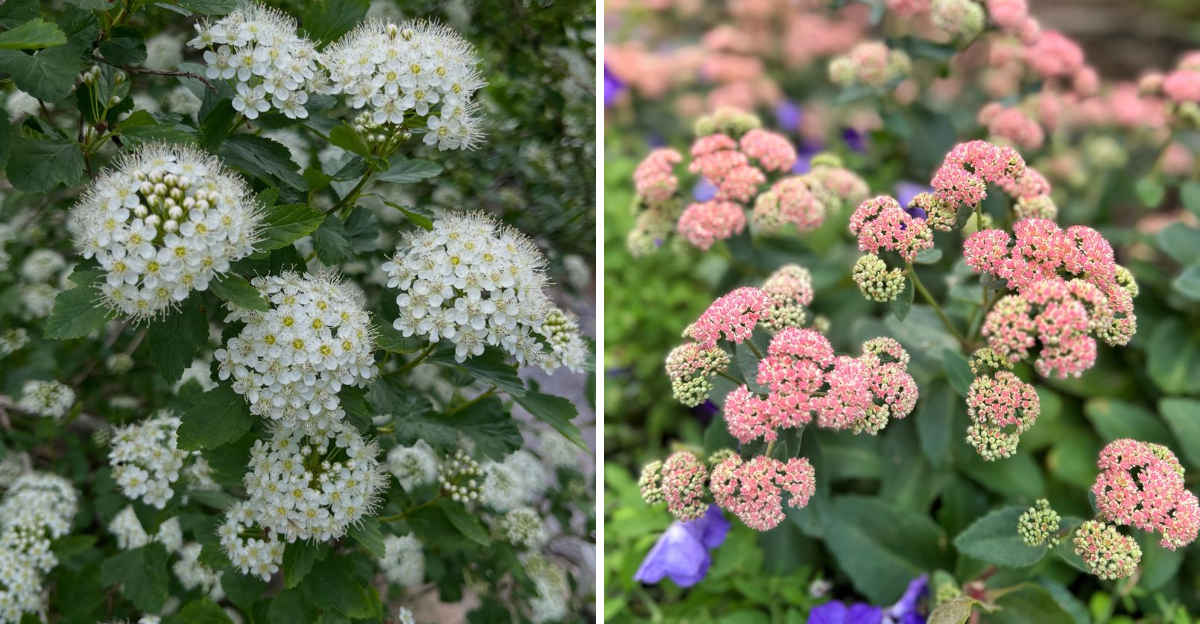
Michigan gardeners dealing with tricky conditions can rely on several tough plants known for handling common challenges without much fuss. Black eyed susan tolerates poor soil and drought stress while still producing reliable, cheerful blooms all summer long.
Coneflower handles heat and humidity well, rarely needing extra attention once properly established in a sunny spot. Switchgrass thrives in both wet and dry conditions, making it a flexible choice for unpredictable soil moisture.
Yarrow resists deer browsing while tolerating poor, rocky soil that many other plants find too harsh. Sedum handles drought exceptionally well, storing water in its thick leaves during extended dry stretches.
Bee balm tolerates humidity better than many flowering perennials, resisting the fungal issues common in similar plants. Russian sage shrugs off heat and poor soil alike, rarely requiring supplemental watering once established.
These reliable options solve common problems while still delivering plenty of visual interest throughout the season.
1. Little Bluestem Handles Dry Sandy Soil
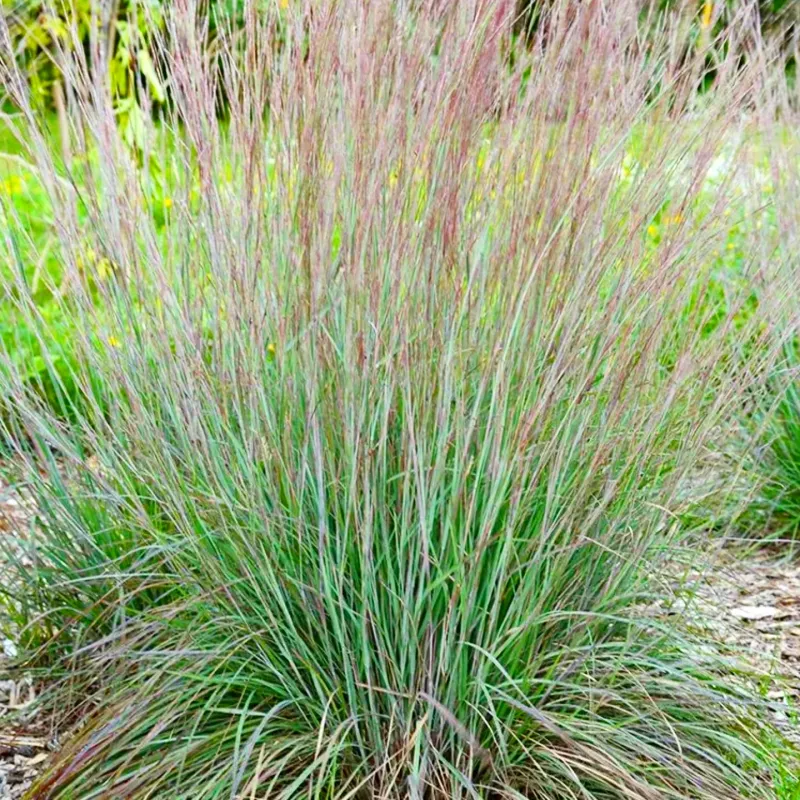
Sandy soil that drains in minutes and bakes in summer heat has stopped many a gardening plan cold. Little Bluestem, known botanically as Schizachyrium scoparium, is one of the best answers to that problem in Michigan landscapes.
Michigan State University identifies it as a grass that genuinely thrives in dry soil, making it a reliable choice where moisture-hungry perennials just cannot keep up.
During summer, the clumping upright blades carry a beautiful blue-green color that shifts into warm copper and reddish tones come fall.
Even after the season winds down, the feathery seed heads stick around through winter, giving the garden structure and movement when most everything else has gone quiet.
Few ornamental grasses offer that kind of multi-season payoff with so little fuss. Full sun is a must for Little Bluestem to perform at its best, and spacing plants about eighteen to twenty-four inches apart gives each clump room to develop properly.
Here is something important to understand: drought tolerance builds only after roots are firmly established.
Newly planted grasses still need regular watering through their first growing season. Skipping that step early on sets plants back significantly.
Dry borders, sunny slopes, and exposed areas where other plants struggle are exactly where Little Bluestem earns its reputation.
Once it settles in, it asks for very little while delivering reliable color, texture, and wildlife value season after season. For lean, dry sites, it is genuinely hard to beat.
2. Wild Ginger Fills Difficult Shady Ground
Some corners of the yard get almost no sun at all, and that is exactly where most gardeners run out of ideas fast.
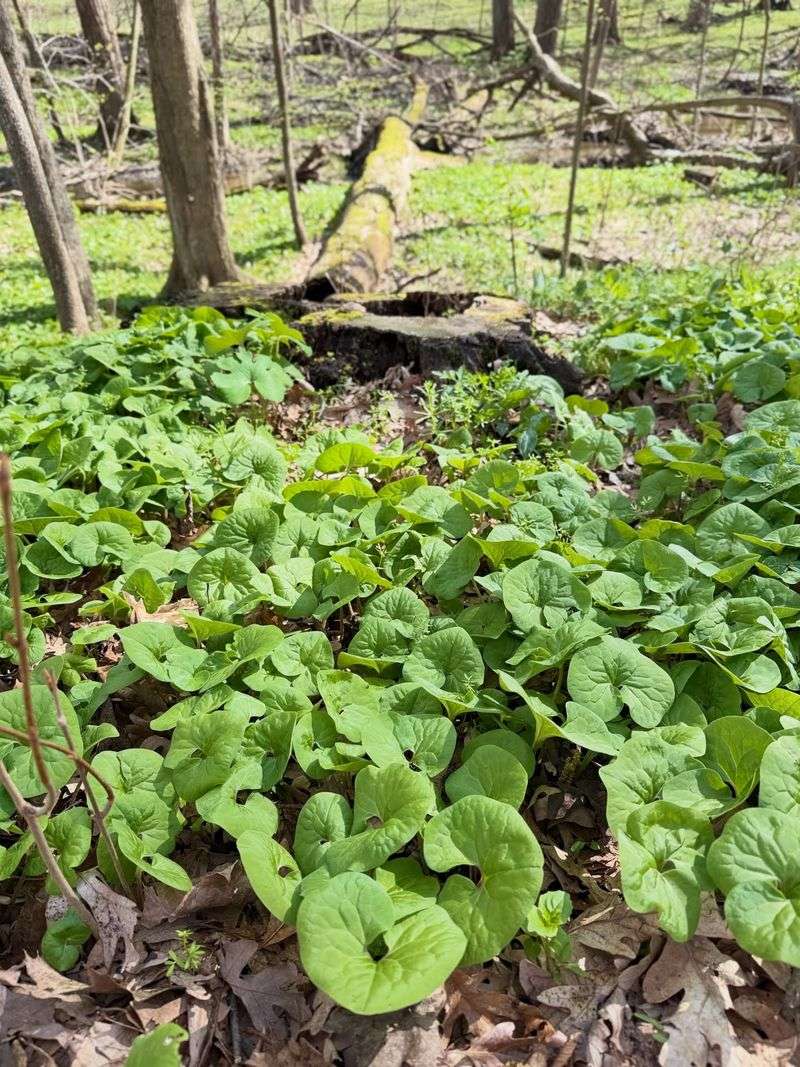
Wild Ginger, or Asarum canadense, is a native groundcover built for those forgotten shaded spots where sun-loving flowers simply refuse to perform.
Michigan State University recommends it specifically for shaded sites, noting that it appreciates consistent moisture to really fill in well.
The broad, rounded leaves grow low to the ground and spread gradually, creating a lush carpet that looks right at home beneath deciduous trees or along woodland edges.
There is something almost old-fashioned and charming about a patch of Wild Ginger spreading quietly through a shaded bed, covering bare soil that would otherwise just grow weeds.
Your Michigan Garden Changes Every Week. Your Plan Should Too.
Gardening in Michigan changes quickly throughout the season. Every Friday you’ll receive a simple weekly plan showing exactly what to plant, prune, fertilize, harvest, and protect so you never miss the right timing.
It brings a natural, woodland feel that feels intentional rather than accidental. Planting it beneath trees with open canopies works particularly well, especially when the soil retains some moisture between rain events.
Shaded borders along fences or house foundations where light is limited are also solid spots to try it.
Just keep in mind that extremely dry shade under dense, competitive tree roots is a harder situation, and plants there will need extra watering during establishment to get a real foothold.
Wild Ginger is not a fast spreader, so patience pays off here. Give it a season or two to establish, keep weeds pulled while it fills in, and it will eventually create a reliable, low-maintenance layer that handles difficult shaded ground with quiet confidence.
3. Red Osier Dogwood Handles Wet Ground
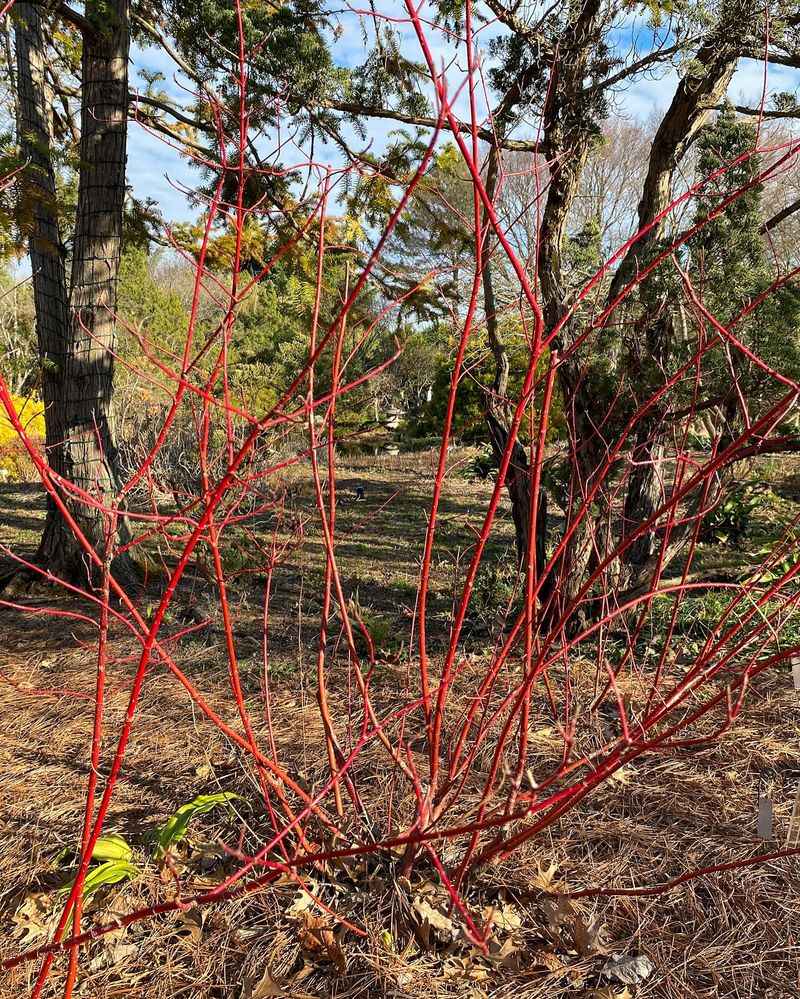
Low spots in the yard that stay soggy after every rain are one of the most frustrating landscape problems homeowners here face.
Red Osier Dogwood, or Cornus sericea, is a native shrub that not only tolerates those conditions but actually thrives in them.
Michigan State University describes it as capable of flourishing in average moisture as well as true wetland conditions, which puts it in rare company among landscape shrubs.
Spring brings clusters of small white flowers, followed by pale, waxy fruit that birds absolutely love. Come winter, the young stems turn a vivid red that practically glows against snow, making this shrub a genuine four-season performer.
The multi-stemmed, arching growth habit gives it a natural, relaxed look that works beautifully along pond margins, rain garden edges, and drainage swales where a more formal shrub would look out of place.
Rain garden borders, low drainage channels, and broad moist areas along property edges are all ideal spots for Red Osier Dogwood. It can also work as a naturalistic screen in areas where the ground stays consistently damp.
One thing worth planning for is its tendency to spread through underground suckers over time. Giving it plenty of room from the start and removing unwanted stems as they appear keeps it looking tidy without constant battle.
For yards with wet problem areas that seem impossible to plant, Red Osier Dogwood is one of the most practical and rewarding choices available. It earns its place every single season.
4. Blue Flag Iris Works In Rain Garden Low Spots
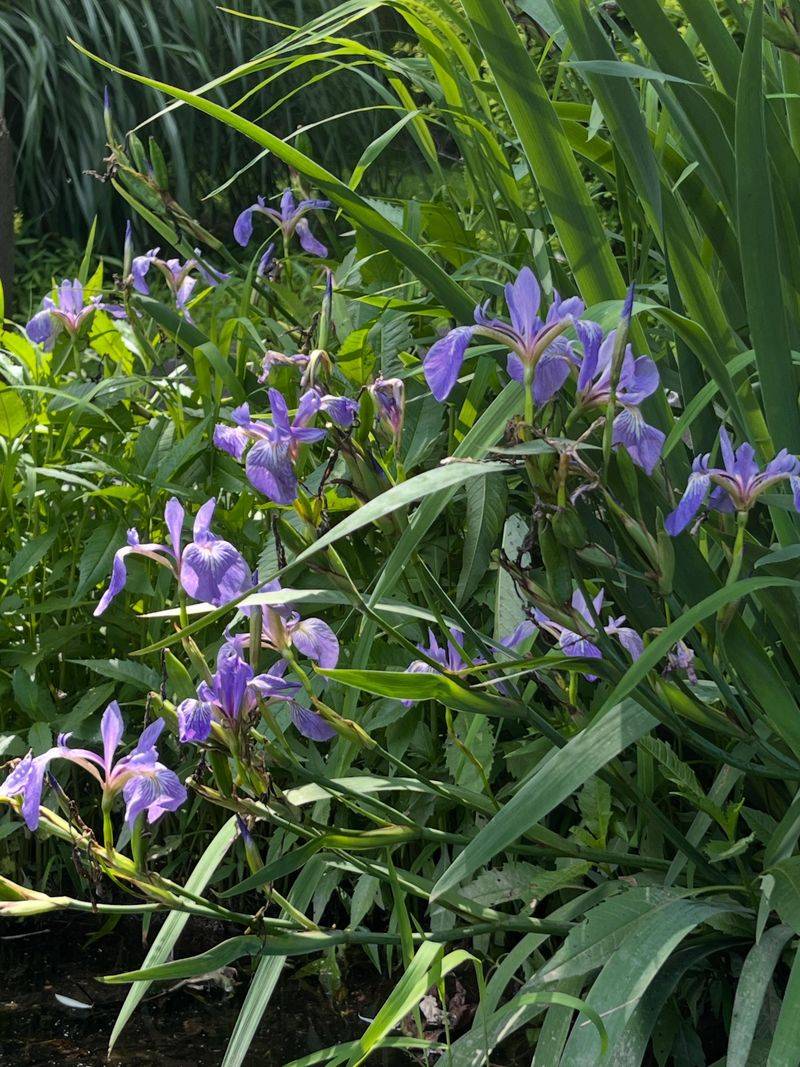
Rain gardens and low spots that collect water after storms need plants tough enough to handle temporary flooding without falling apart. Blue Flag Iris, Iris versicolor, is a Michigan native built precisely for those conditions.
Michigan State University includes it among plants suited to wet shoreline and rain garden settings, describing it as thriving in medium to wet soil in full sun to partial shade.
The sword-shaped foliage stands upright and architectural, and the purple blooms that appear in late spring are genuinely striking.
There is a wild, natural elegance to a patch of Blue Flag Iris growing along a pond edge or rain garden that few cultivated plants can match. It looks like it belongs there, because in Michigan, it actually does.
Rain garden low points, drainage swales, pond margins, and consistently moist borders are the right homes for this iris.
Pairing it with other moisture-loving natives like Red Osier Dogwood or native sedges creates a cohesive planting that handles wet conditions as a team.
One important point: Blue Flag Iris is not a dry border plant. Planting it in ordinary well-drained flower beds and expecting it to perform like a conventional garden iris will end in disappointment.
Matching this plant to the right moisture conditions is far more important than any other care detail.
Get that right, and Blue Flag Iris rewards you with reliable blooms, healthy foliage, and a planting that handles wet problem spots with real style. It is one of Michigan’s most underused native gems.
5. Shrubby Cinquefoil Handles Drought And Salt
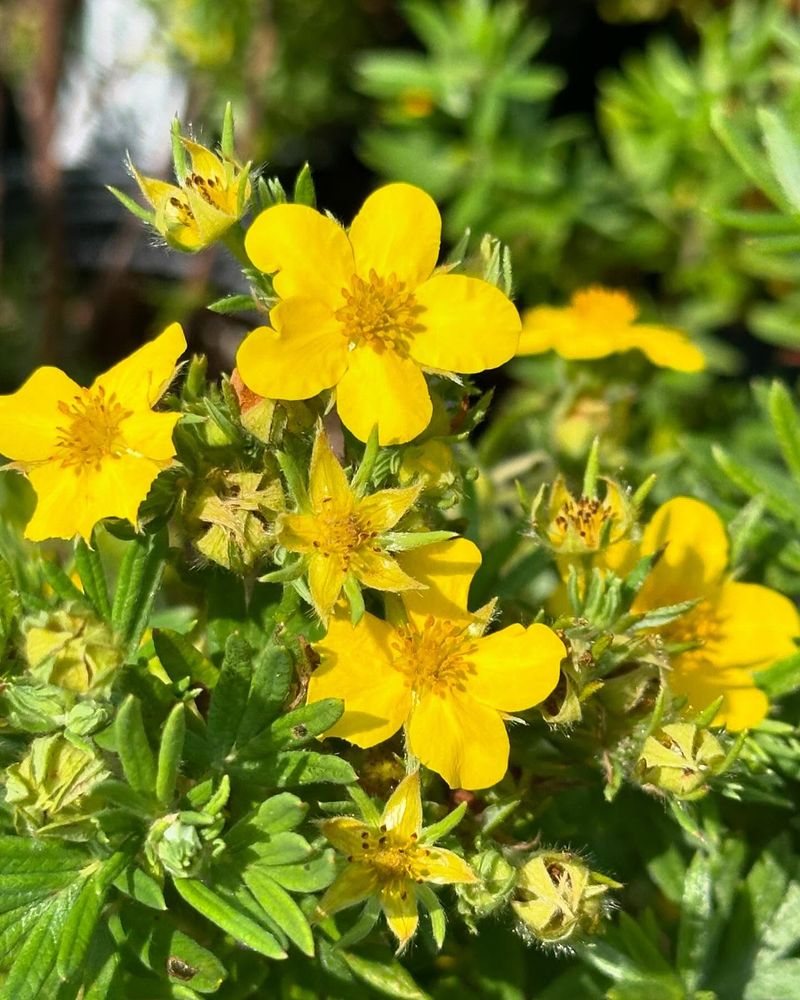
Not every garden problem involves too much water. Some of the toughest spots in Michigan landscapes are the dry, exposed, salty areas near driveways and front walkways where most shrubs look stressed by midsummer.
Shrubby Cinquefoil, Dasiphora fruticosa, also widely listed under its older name Potentilla fruticosa, is one of the most dependable choices for exactly those conditions.
Michigan State University describes this compact shrub as tolerant of both drought and salt, and notes that it can prosper under a wide range of landscape conditions. That kind of real-world toughness is genuinely rare among flowering shrubs.
What makes it even better is its remarkably long bloom season: bright yellow flowers, with some cultivars offering white, pink, or orange tones, keep appearing from early summer right through fall, giving the garden color long after spring bloomers have finished.
Exposed front yard beds, driveway borders, and sunny foundation plantings where occasional dry spells make thirstier shrubs hard to keep looking good are all great spots for Shrubby Cinquefoil.
Its compact, tidy form means it fits into formal or informal designs equally well without constant pruning to keep it in bounds.
One thing to remember is that even a drought-tolerant shrub needs regular watering during its first growing season while roots are getting established. Skipping that step can slow development considerably.
Once settled in, though, Shrubby Cinquefoil handles heat, dry spells, and roadside salt with a resilience that makes it a genuinely smart long-term investment for challenging sites.
6. Daylilies Stand Up To Salty Roadside Conditions
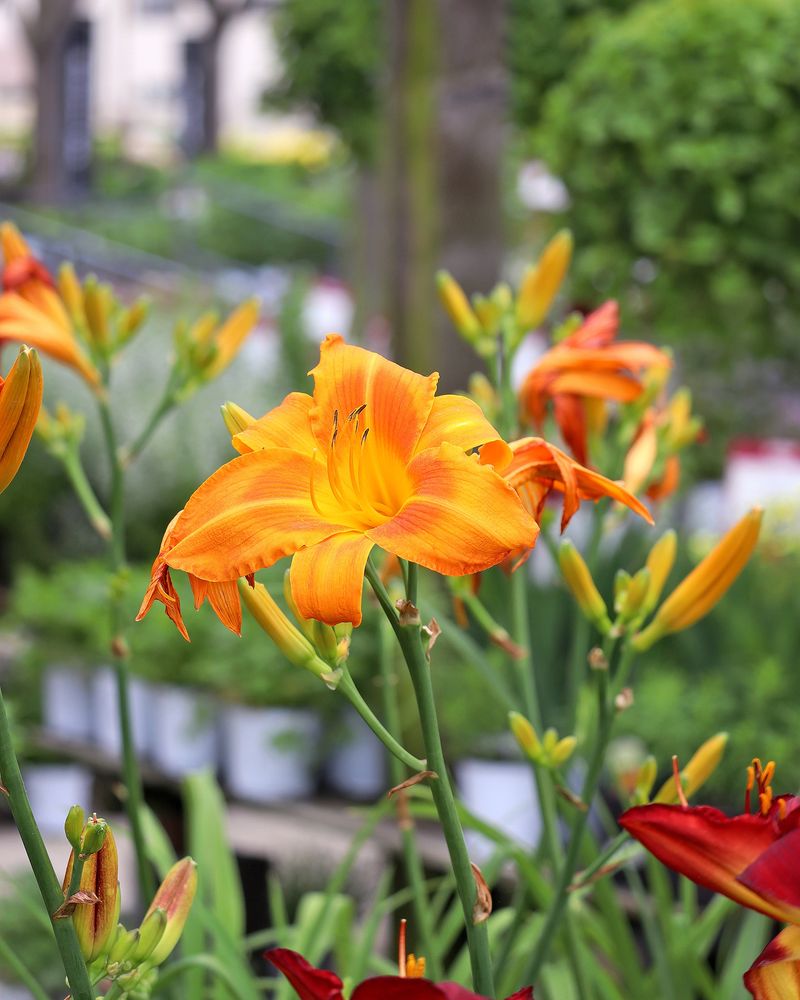
Few perennials have earned their reputation as thoroughly as Daylilies.
Along roadsides, at the ends of driveways, and around mailboxes where road salt spray hits every winter, Hemerocallis cultivars keep coming back year after year with a reliability that earns serious gardening respect.
Michigan State University describes Daylilies as extremely hardy, salt tolerant, and durable across many difficult garden conditions, which is a strong endorsement for a plant already beloved by generations of gardeners.
The range of colors available is genuinely impressive, from soft pastels to deep burgundy and bright orange, with bloom times that can be extended across the whole summer by selecting early, mid-season, and late-blooming varieties.
Once clumps are established, they require comparatively little maintenance beyond occasional division when growth becomes crowded and flowering starts to slow.
Dividing every three to five years keeps plants vigorous and blooming at full strength. Full sun and reasonable drainage give Daylilies the best chance to perform at their peak near roads and driveways.
Planting them with a sensible setback from the pavement edge is smart practice, since concentrated salt from plowed snow piles is a different situation from general roadside salt spray.
Salt tolerance is real, but plants sitting directly in the path of heavy salt accumulation every winter will eventually show stress.
For gardeners who want reliable color in a tough spot without a lot of ongoing fuss, Daylilies remain one of the most practical and rewarding choices available anywhere in challenging landscape conditions.
7. Eastern Redbud Handles Black Walnut Competition Better
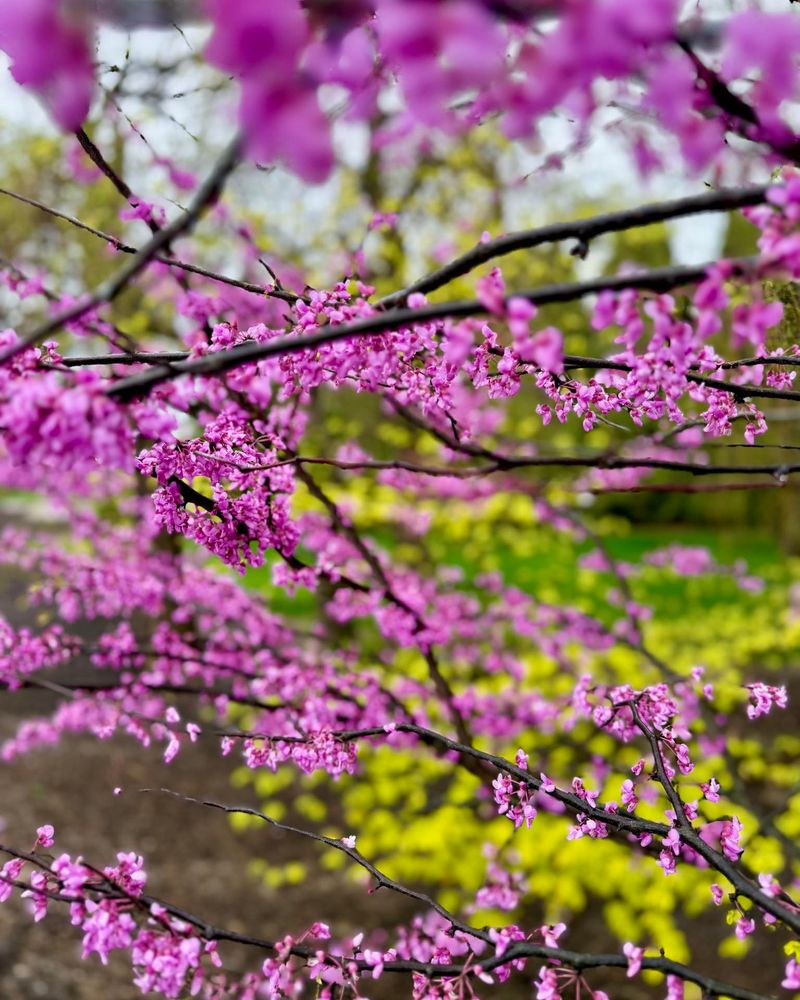
Gardening near a Black Walnut tree can feel like fighting an invisible battle. The tree releases a compound called juglone from its roots, leaves, and hulls, and that compound can seriously damage or even wipe out many popular landscape plants.
Finding ornamental trees that hold their own in that environment takes some research, and Eastern Redbud, Cercis canadensis, is one of the most rewarding answers gardeners can find.
Michigan State University identifies Eastern Redbud as tolerant of juglone, which puts it on a fairly short list of ornamental trees that can genuinely coexist with Black Walnut.
The spring flower show is breathtaking: bright pink to magenta blossoms cover every branch before the leaves even open, turning the whole tree into a cloud of color.
After flowering, the heart-shaped leaves emerge with a fresh, clean look that carries through summer into yellow fall color.
Eastern Redbud also tolerates some shade, which matters since Black Walnut canopies can create partially shaded conditions for nearby plantings.
Choosing a planting spot with enough distance from the walnut trunk is still important, though, because even a juglone-tolerant tree will struggle if it has to compete intensely with established walnut roots for water and nutrients.
Giving the Redbud adequate space and good soil preparation at planting time sets it up for long-term success.
For gardeners who have nearly given up on finding something beautiful near their Black Walnut, Eastern Redbud is a genuinely hopeful and rewarding solution worth planting.
8. Pennsylvania Sedge Covers Shady Slopes
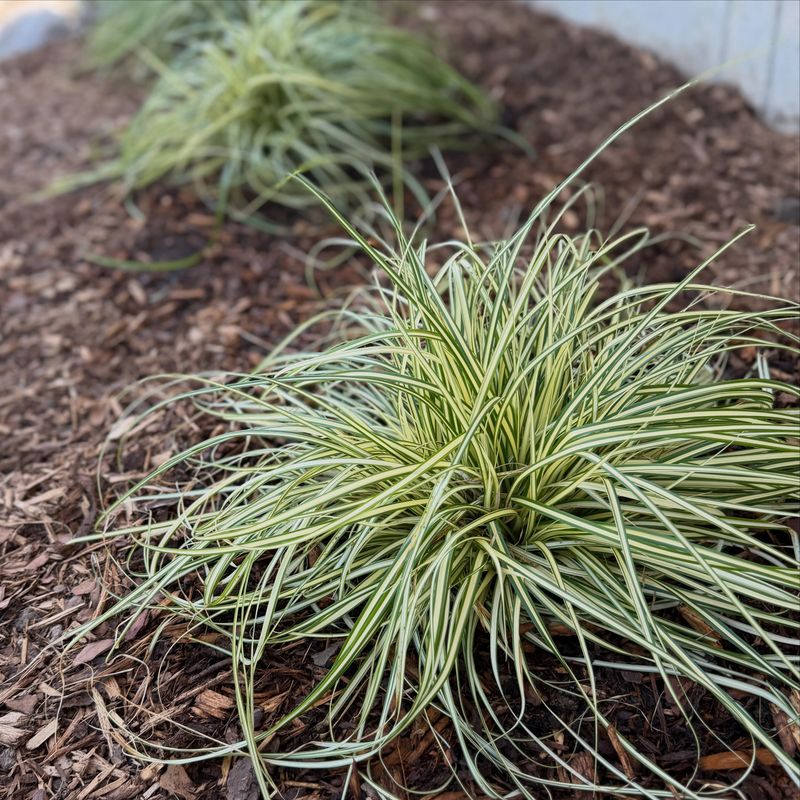
Shaded slopes are a specific kind of gardening headache that combines two problems at once: not enough light for conventional lawn grass and enough grade to make erosion a real concern when soil is left bare.
Pennsylvania Sedge, Carex pensylvanica, quietly solves both issues with a natural, woodland-style ground layer that fits Michigan’s native plant palette perfectly.
Michigan State University lists Pennsylvania Sedge for partial to full shade and includes sedges among useful alternatives for challenging landscape areas where conventional turf grass just does not perform well.
The low, fine-textured, grass-like foliage creates a soft, natural carpet that looks intentional and beautiful beneath open tree canopies.
Unlike traditional lawn grass, it does not need mowing to stay tidy, which is a serious bonus on slopes where mowing is awkward or unsafe.
Planting it in groups across gentle shaded slopes, beneath oaks and maples with open canopies, and along woodland garden borders gives it the conditions where it naturally excels.
The key word there is gentle, since very steep slopes may need additional erosion control measures while the sedge establishes.
On moderate grades, it fills in steadily and holds soil reliably once the root system develops.
Establishment does require some attention. Weed control during the first season or two is important, because weeds can outcompete young sedge plants before they have had time to spread and fill in.
Regular watering while plants get established also makes a meaningful difference in how quickly the planting comes together into the lush, low-maintenance ground layer it is meant to become.
9. Ninebark Is Useful Where Deer Pressure Is Persistent
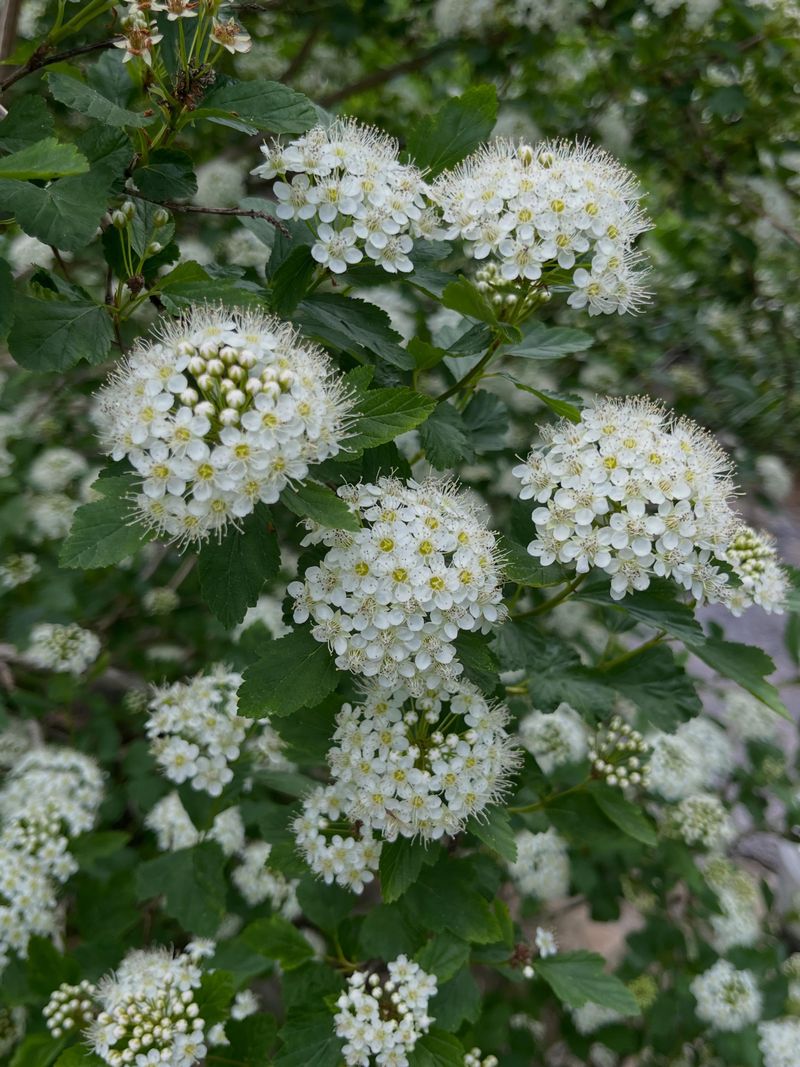
Persistent deer browsing can turn a carefully planned garden into something that looks like it was trimmed by an overly enthusiastic and poorly trained crew overnight.
For gardeners dealing with recurring deer pressure, finding shrubs that tend to get passed over is a genuine priority.
Common Ninebark, Physocarpus opulifolius, is one of the most rugged and reliably browse-resistant native shrubs available for Michigan landscapes.
Michigan State University describes Ninebark as a rugged shrub that can flourish under tough landscape conditions and lists it among shrubs that tend to attract fewer deer. The ornamental appeal goes well beyond deer resistance, though.
White to soft pinkish flower clusters appear in late spring, the peeling, layered bark adds year-round texture and interest, and the multi-stemmed habit creates a bold, natural presence that works well as a screen or specimen planting.
At maturity, Ninebark typically reaches six to nine feet tall and wide, so it makes a real statement in the landscape.
One clarification worth making clearly: fewer deer does not mean deer-proof. When food sources are scarce and deer are truly hungry, almost any landscape plant can get browsed regardless of its typical reputation.
Ninebark tends to be a lower priority for deer compared to many popular shrubs, but it is not completely immune under all conditions.
Allowing Ninebark adequate room to reach its natural mature width rather than repeatedly shearing it into a tight space keeps it healthiest and looking its best.
Forcing a large-growing shrub into a small space through constant pruning works against the plant’s natural strengths and long-term vigor.
10. Stonecrop Thrives In Hot Dry Beds
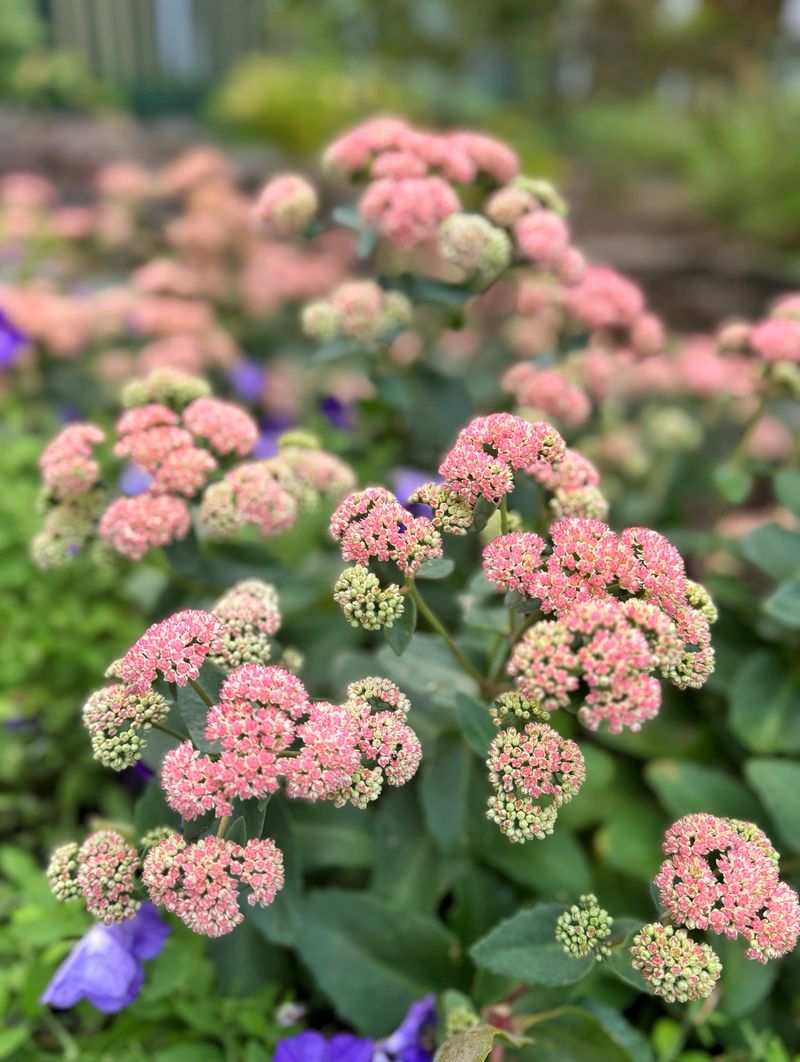
Hot, south-facing garden beds that bake in full summer sun and dry out between rain events are exactly where many popular perennials struggle and sedums shine.
Hardy Stonecrop, covering a range of Sedum species and cultivars suited to gardens, brings water-storing, fleshy foliage, late-season flowers, and a heat tolerance that most perennials simply cannot match.
Michigan State University recommends Sedum among drought-tolerant landscape perennials and also notes sun-loving selections as useful where deer browsing is a recurring concern.
The variety available within hardy sedums is genuinely impressive.
Low, mat-forming types work well as groundcovers or edging plants along sunny borders, while taller selections like the well-known Autumn Joy group bring substantial flower heads in late summer and fall that attract pollinators right through the end of the season.
Foliage colors range from soft blue-green to deep burgundy, giving gardeners real design flexibility even before the flowers appear.
Full sun and freely draining soil are the two conditions sedums absolutely need to perform well.
Here is a trade-off worth understanding: the same water-storing foliage that helps sedums handle dry summers makes them poorly suited to spots where soil stays saturated for extended periods.
Prolonged wet, heavy soil causes root problems that undermine plants adapted to drier conditions. Raised beds, slopes, and sandy or amended garden beds are ideal settings.
The best tough plant is always the one matched carefully to the actual garden problem rather than one expected to handle every possible condition.
Stonecrop matched to a hot, dry, sunny bed is one of the most satisfying plant-to-place matches a gardener can make.