Why Some California Succulents Collapse In Summer And How To Save Them
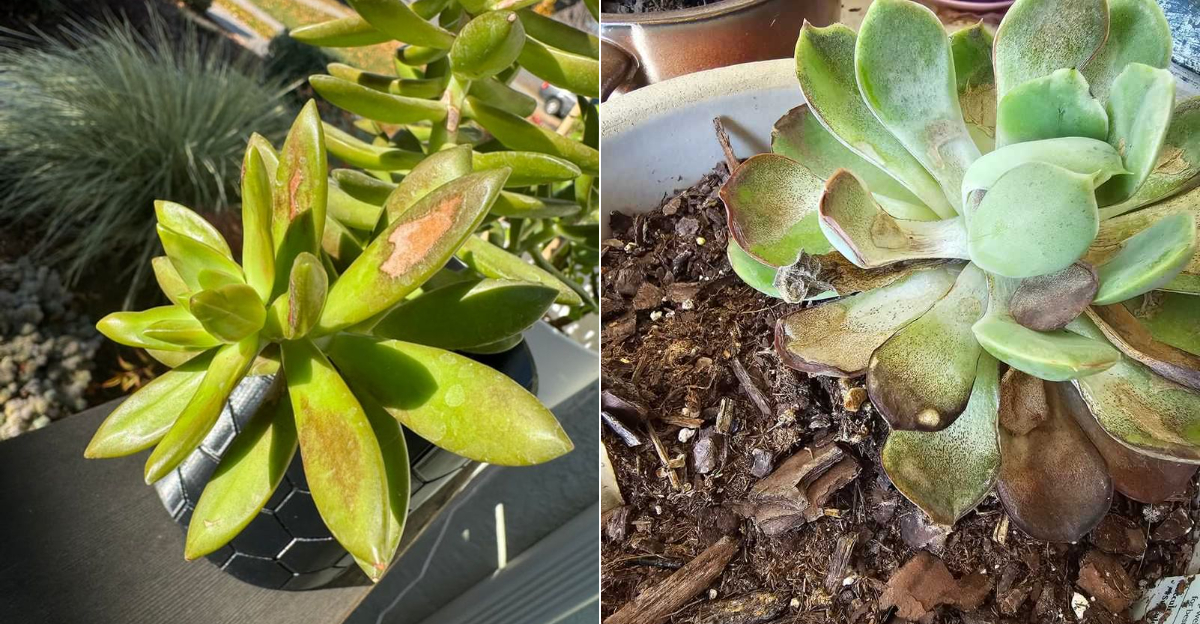
Succulents can look tough enough to handle anything, but summer can still push them too far. California gardeners often assume these plants want nonstop sun and dry soil all season.
That is where trouble can start. Some succulents slow down during extreme heat, which means their roots may not use water the same way.
A pot that stays wet too long can turn risky fast. Strong afternoon sun can also scorch leaves that looked fine earlier.
The collapse may seem sudden, but the warning signs often show up first. Soft leaves, fading color, or a wobbly base can all point to stress.
Saving the plant starts with figuring out what pushed it over the edge. Once you know what to change, many succulents can bounce back better than expected.
1. Too Much Summer Water Can Rot Succulent Roots
Most people think succulents need more water in summer because it is hot outside. That feels logical, but it is actually one of the biggest mistakes you can make.
Succulents store water in their thick leaves and stems, so they already have a built-in water supply.
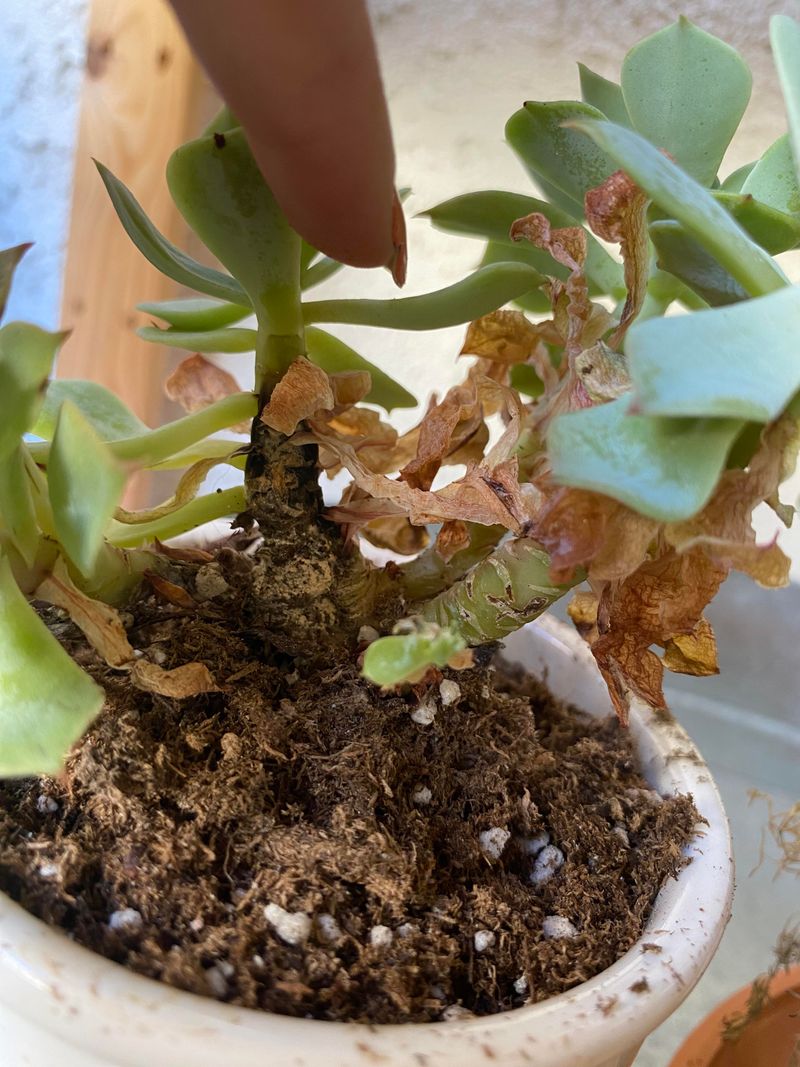
When you add too much water on top of that, the roots sit in soggy soil and begin to break down. Root rot is a sneaky problem because you cannot always see it happening.
The plant looks fine on the outside until the damage is already done.
By the time the leaves start looking soft, mushy, or see-through, the roots may already be in bad shape.
The plant collapses because it can no longer pull up nutrients from the soil. Rotted roots simply stop working.
To fix this, stop watering right away and let the soil dry out completely. Pull the plant out of its pot and check the roots.
Healthy roots look white or light tan. Rotted roots look brown, black, or slimy.
Trim away any damaged roots with clean scissors. Let the plant sit out in a dry spot for a day or two before replanting in fresh, dry soil.
In summer, most succulents only need water once every ten to fourteen days. Less is almost always more when it comes to watering these plants.
2. Wet Soil During Heat Waves Can Make Succulents Collapse
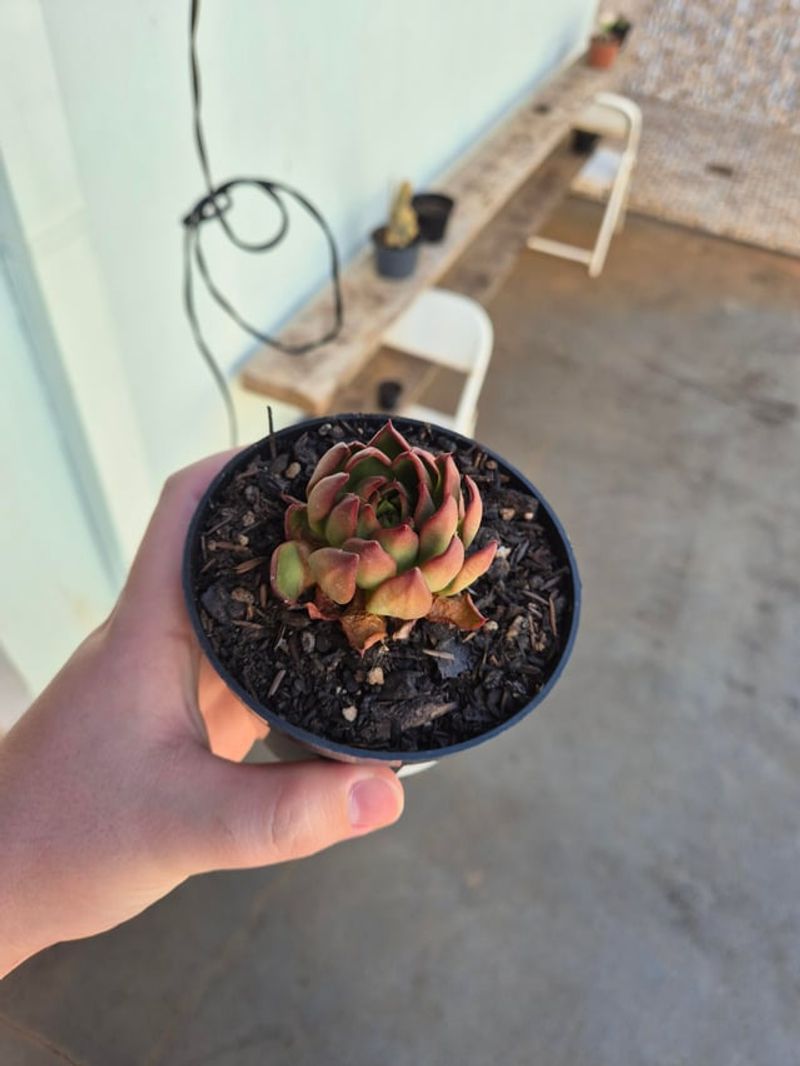
Heat waves hit hard across California every summer, especially in inland valleys and southern regions. When temperatures climb above 100 degrees, the combination of hot air and wet soil creates a dangerous situation for succulents.
The roots essentially cook in the warm, wet ground.
Wet soil holds heat much longer than dry soil does. That means even after the temperature drops in the evening, the roots are still sitting in warm, moist conditions.
This creates a perfect environment for fungal problems and root breakdown.
Many gardeners make the mistake of watering more during a heat wave to help the plant cool down. With most plants, that makes sense.
But succulents do not absorb water through their leaves, so extra moisture at the roots just makes things worse.
During a heat wave, the best thing you can do is leave your succulents alone. Do not water them until the heat passes and the soil is completely dry.
Your California Garden Changes Every Week. Your Plan Should Too.
Gardening in California changes quickly throughout the season. Every Friday you’ll receive a simple weekly plan showing exactly what to plant, prune, fertilize, harvest, and protect so you never miss the right timing.
If your succulents are in pots, move them to a shaded spot until temperatures return to normal.
If the plant has already collapsed, check the roots for rot and trim away anything soft or discolored. Replant in dry cactus mix and give it a few days before watering again.
Most succulents recover well once the heat wave ends and proper care resumes.
3. Poor Drainage Turns A Small Problem Into A Damaged Plant
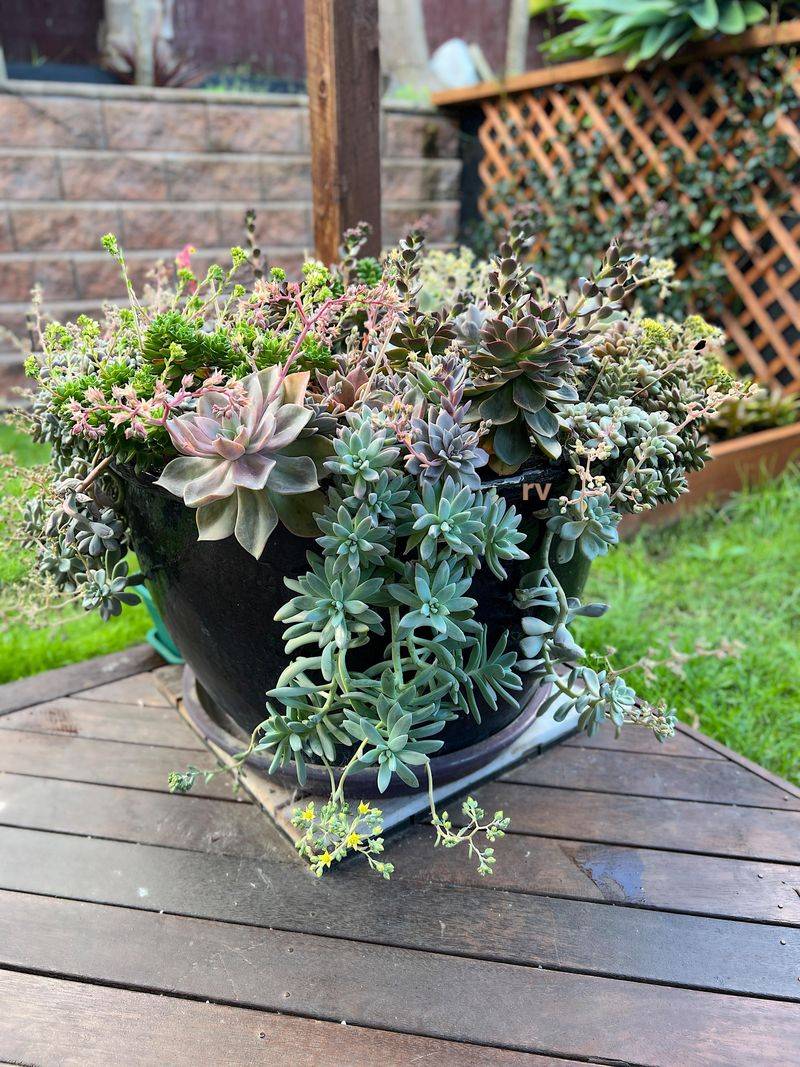
Good drainage is not optional for succulents. It is the single most important factor in keeping them alive and healthy.
Without proper drainage, even the right amount of water becomes a problem because there is nowhere for the extra moisture to go.
Pots without drainage holes are a common culprit. Water collects at the bottom and stays there, keeping the roots wet long after the surface soil feels dry.
Many decorative pots look beautiful but have no drainage holes at all.
Garden beds with heavy clay soil have the same issue. Clay holds water tightly and drains very slowly.
Succulents planted directly in clay soil are at high risk of root problems, especially during summer when watering frequency increases.
Fixing drainage is easier than most people think. For potted plants, always use containers with at least one drainage hole at the bottom.
Place a small layer of gravel or perlite at the bottom of the pot to help water move through faster.
For garden beds, mix coarse sand or perlite into the existing soil before planting. A ratio of about fifty percent cactus mix to fifty percent perlite works well for most succulents in California.
Raised beds are another great option because they naturally drain better than flat ground. Once drainage improves, succulents become much more forgiving and easier to manage through the summer months.
4. Black Pots Can Overheat Succulent Roots
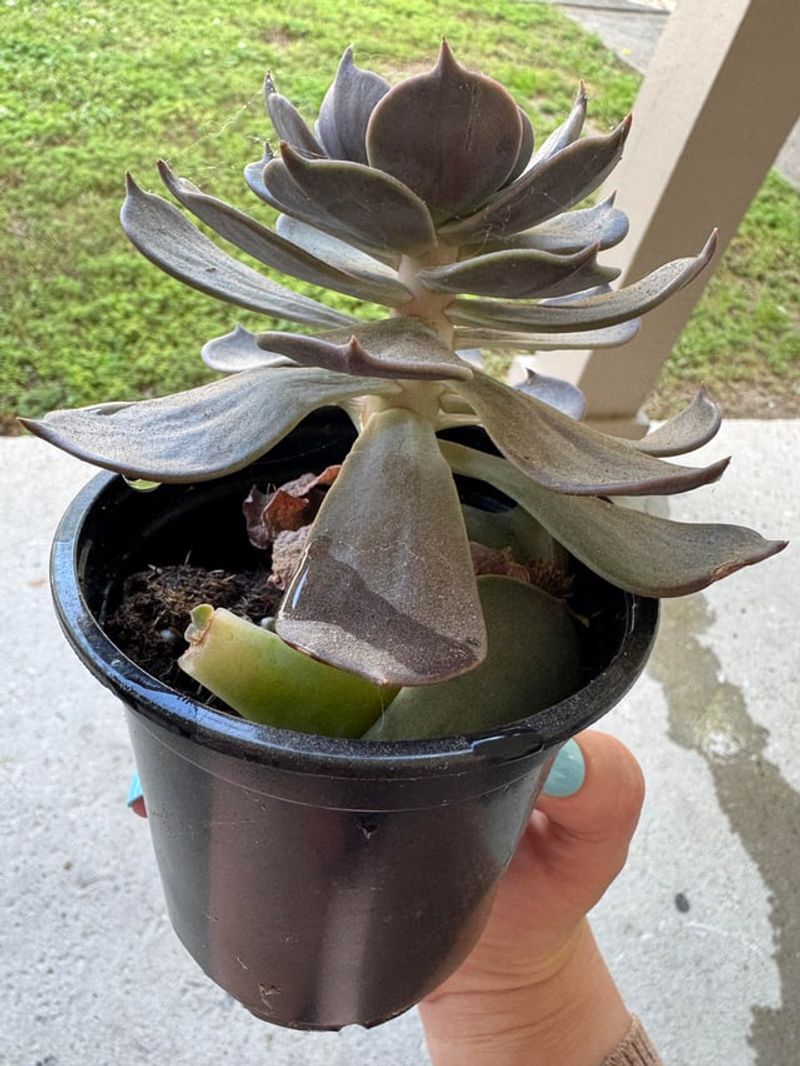
Pot color might seem like a small detail, but it can make a huge difference during summer. Black pots absorb heat from the sun all day long and transfer that heat directly to the soil and roots inside.
On a hot summer day, the soil inside a black pot can reach temperatures that are damaging to roots.
Succulents are tough, but their roots are sensitive to extreme heat. When root temperatures get too high, the plant starts to shut down.
It may look wilted, soft, or completely flat even when the soil is not wet.
This is a problem that often gets confused with overwatering because the symptoms look similar. But the fix is different.
The plant does not need less water. It needs a cooler root environment.
Switching to a light-colored pot, like white, cream, or light gray, can make a noticeable difference. Light colors reflect sunlight instead of absorbing it, which keeps the soil inside much cooler.
Terra cotta pots also work well because they breathe and release heat through their walls.
If you love the look of dark pots, try placing them inside a larger light-colored outer pot. The air gap between the two pots acts as insulation.
You can also wrap dark pots with burlap or move them to a shaded surface during peak afternoon hours. Small changes like these can protect roots and keep succulents looking strong all summer long.
5. Afternoon Sun Can Scorch Tender Succulent Leaves
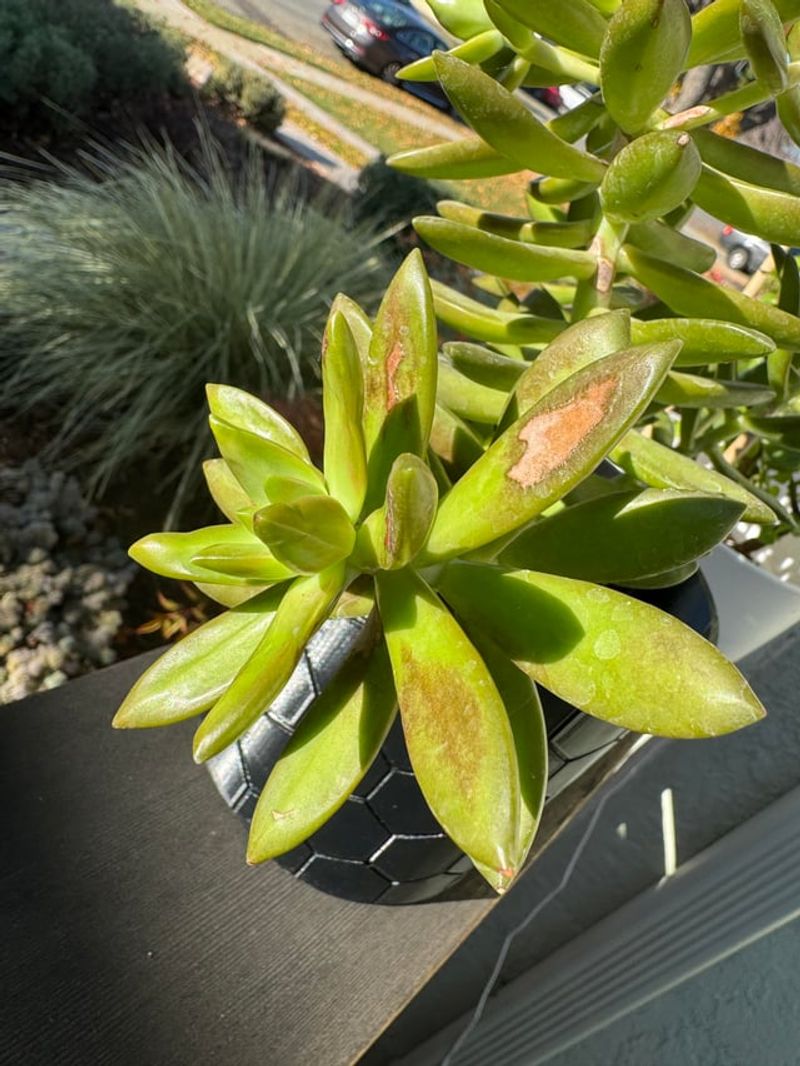
Not all sunlight is created equal, and afternoon sun in California is especially intense during summer. The sun between noon and four in the afternoon is the strongest and hottest part of the day.
Even sun-loving succulents can struggle under that kind of direct exposure for hours at a time.
Many succulents that grow naturally in coastal areas or shaded canyons are not built for full afternoon sun in hot inland climates. When they get too much of it, the leaves start to show signs of stress.
You might notice the tips turning brown, the color fading, or the plant looking limp and sad.
Moving potted succulents to a spot with morning sun and afternoon shade is one of the easiest fixes.
Morning sun is gentler and gives the plant the light it needs without the damaging heat of the afternoon hours.
For succulents planted in the ground, shade cloth is a practical solution. A thirty to fifty percent shade cloth placed over the plants during the hottest weeks of summer can prevent a lot of damage.
Garden centers and hardware stores across California carry shade cloth in various sizes.
You can also plant taller shrubs or install a simple pergola to create natural afternoon shade.
Succulents that get the right balance of light and shade tend to keep their color, hold their shape, and stay firm and healthy even during the hottest stretches of the year.
6. Sunburned Succulents May Turn Pale, Brown, Or Mushy
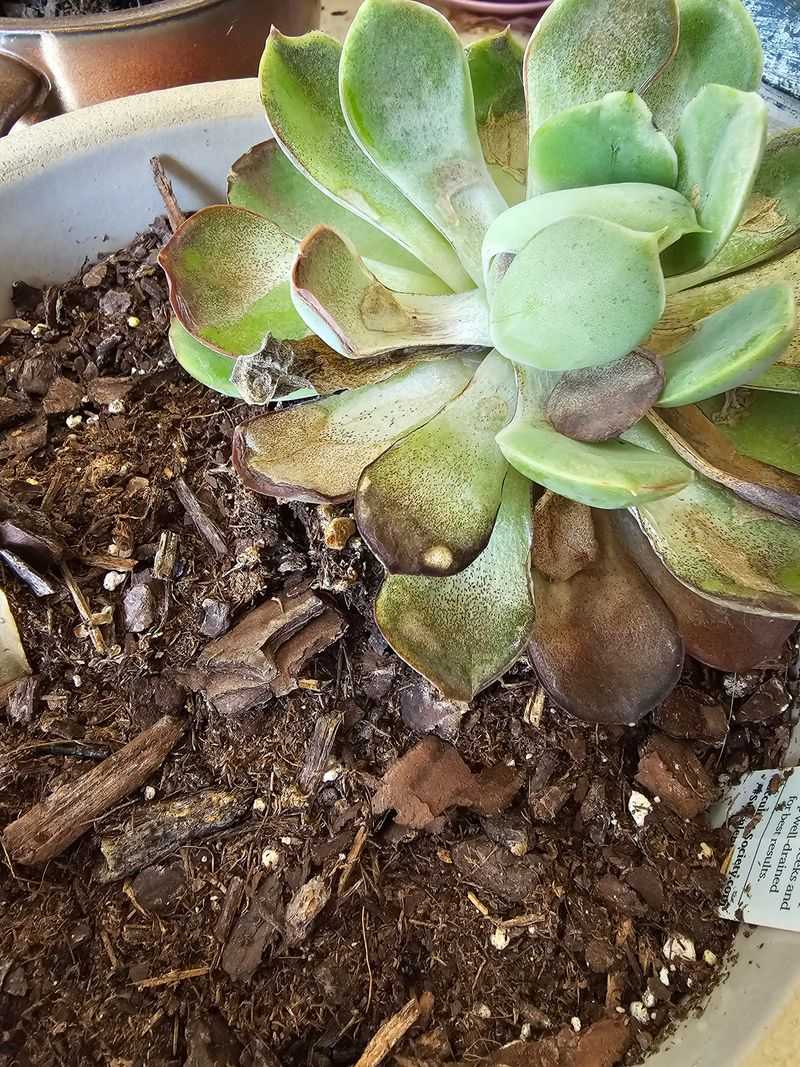
Sunburn on succulents is a real thing, and it happens more often than most gardeners expect.
When a succulent gets too much intense sun too quickly, the leaves start to change color in ways that look alarming.
Pale yellow or white patches, brown crispy spots, and mushy sections are all signs that the plant got more sun than it could handle.
One of the most common causes is moving a plant from indoors or a shaded area directly into full sun. The sudden change shocks the plant because it has not had time to adjust.
This process of adjustment is called hardening off, and skipping it almost always leads to sunburn.
Sunburned leaves do not recover or turn green again. Once the damage is done to those leaves, it stays.
But the good news is that the plant itself can survive and grow new, healthy leaves if you act quickly.
Move the plant to a shadier spot right away. Do not remove the damaged leaves immediately because they still protect the inner leaves from further sun exposure.
Let them fall off naturally or wait until the plant shows new growth before removing them.
Going forward, always introduce succulents to brighter light gradually over one to two weeks. Start with just a couple of hours of morning sun each day and slowly increase the amount.
This gives the plant time to build up its natural sun protection without suffering further damage.
7. Overcrowded Pots Trap Heat And Moisture
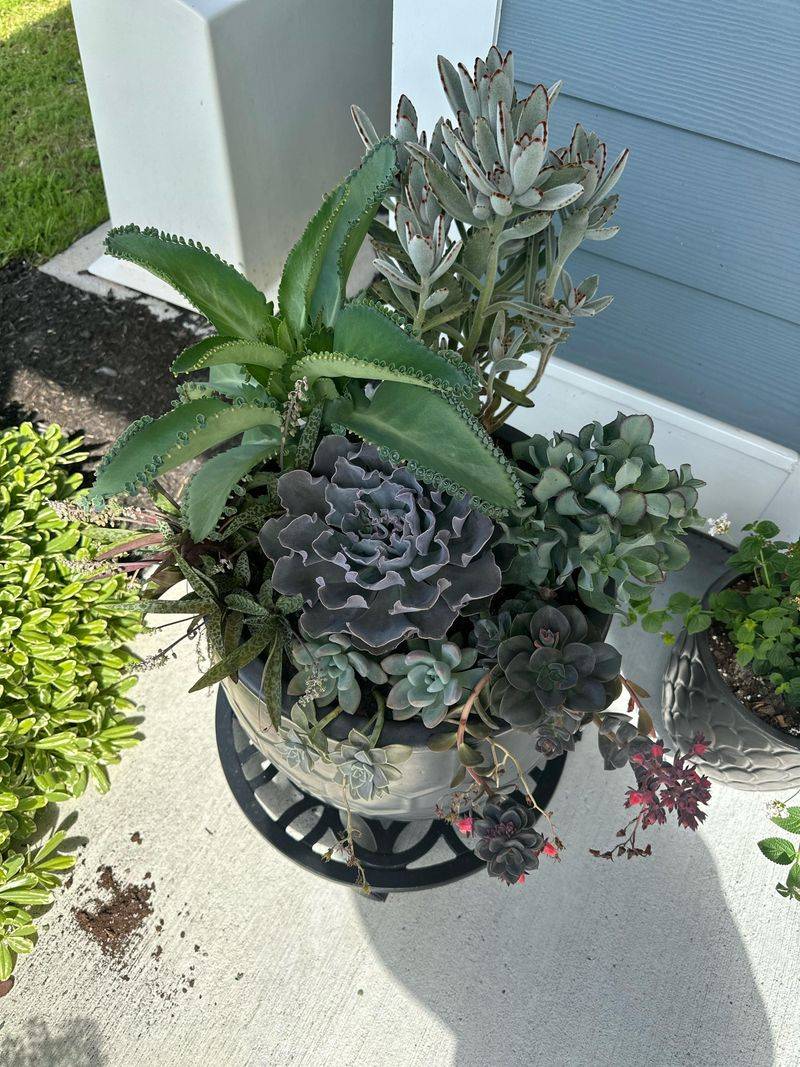
Planting lots of succulents together in one pot looks great at first. The arrangement feels full, colorful, and eye-catching.
But as the plants grow, things can go wrong fast, especially in summer heat.
When succulents are packed too tightly, air cannot move freely between the leaves and stems. Poor airflow traps moisture, which creates a warm, humid environment right at soil level.
That is exactly the kind of condition that leads to rot and fungal problems.
Overcrowded pots also mean the plants are competing for the same nutrients and water. Smaller plants often lose that competition and start to weaken.
In summer, when stress levels are already high, a weakened plant can collapse quickly.
Check your pots every spring before summer arrives. If the roots are coming out of the drainage holes or the plants are pressing against each other, it is time to repot.
Giving each plant more room helps it breathe, drain, and manage heat much more effectively.
When repotting, choose a container that is about one to two inches wider than the root ball of the largest plant. Use fresh cactus mix with good drainage material mixed in.
Space the plants so there is at least one inch of space between them. In northern regions of California, where summer fog can add extra humidity, good airflow between plants matters even more.
A little extra space now prevents a lot of trouble later in the season.
8. Dormant Succulents Need Less Water In Summer
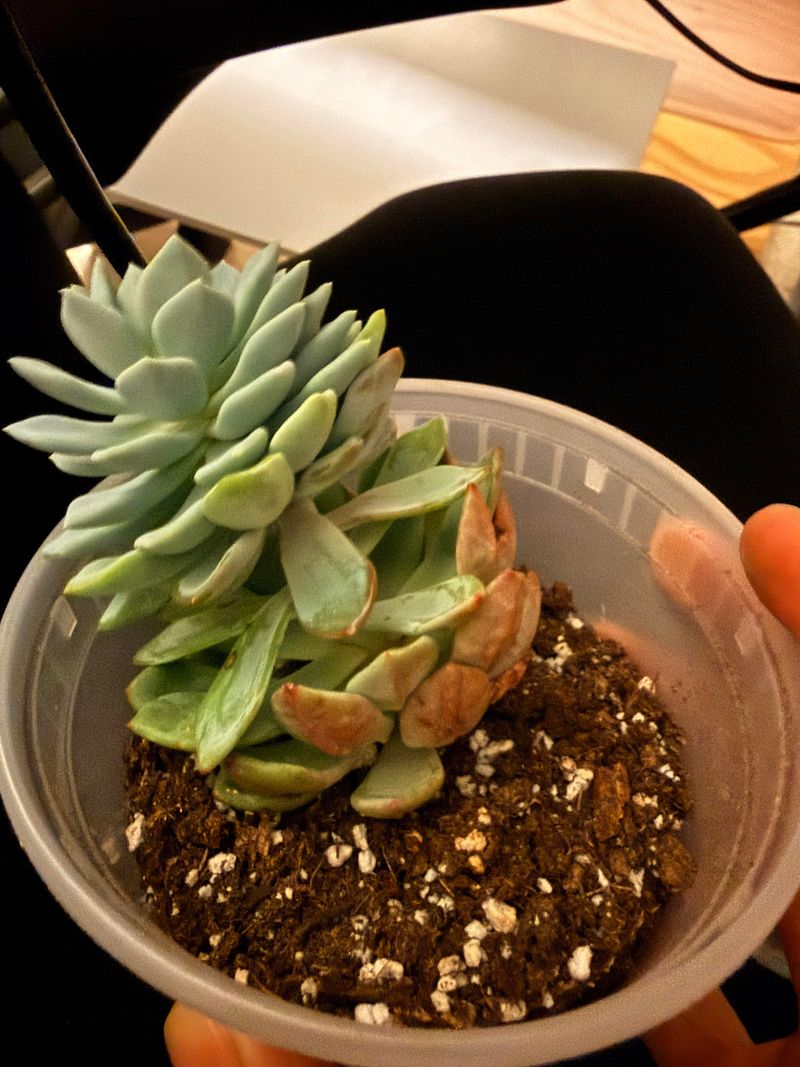
Here is something that surprises many new succulent growers in California: some succulents actually go dormant in summer. Just like some plants rest in winter, certain succulent species slow way down when summer temperatures peak.
During this rest period, they need very little water and almost no extra attention.
Common summer-dormant succulents include many Aeoniums, some Sedums, and certain Crassulas.
These plants may look a little sad or shriveled in July and August, but that is completely normal. They are not struggling. They are resting.
Watering a dormant succulent too much is one of the fastest ways to cause real harm. The plant is not actively growing, so it cannot use the water.
The moisture just sits in the soil and creates ideal conditions for root breakdown.
Learning which succulents in your collection are summer-dormant is worth the effort. A quick search of the plant name along with the word dormancy will usually tell you what you need to know.
Many plant tags also include this information.
For summer-dormant succulents, cut back watering to once every three to four weeks during the hottest months. Make sure the soil dries out completely between waterings.
Move them to a cooler, shadier spot if possible. Once fall arrives and temperatures drop, these plants will wake back up, start growing again, and look better than ever.
Patience during summer is the key to keeping them strong through the whole year.